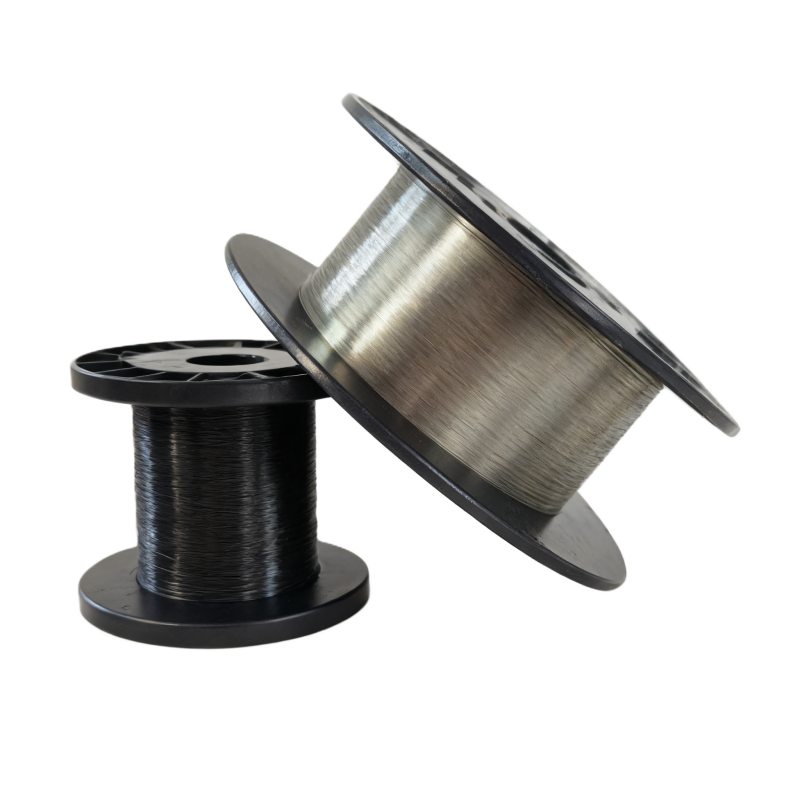
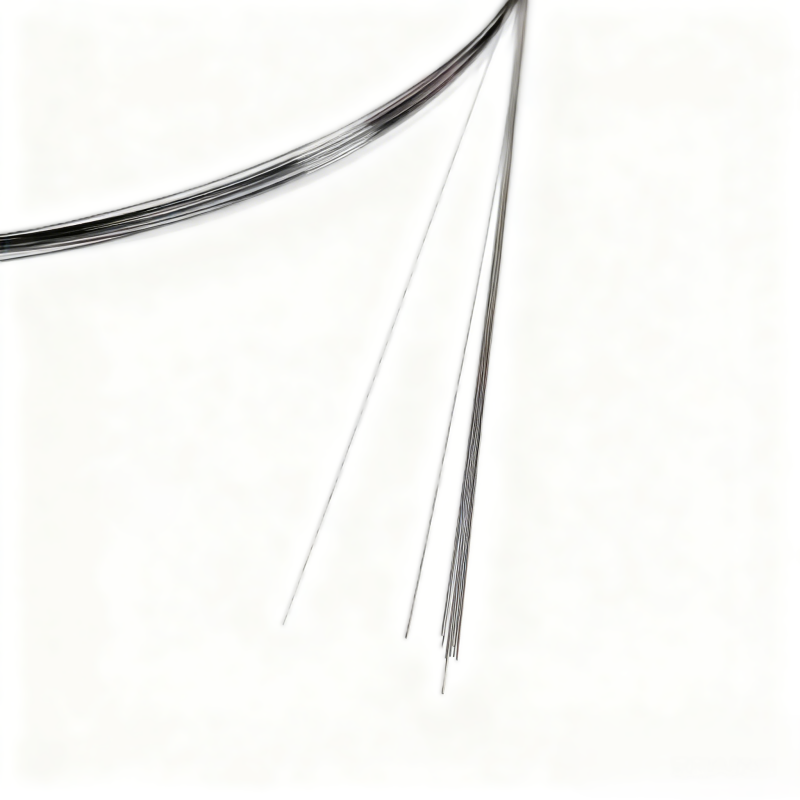
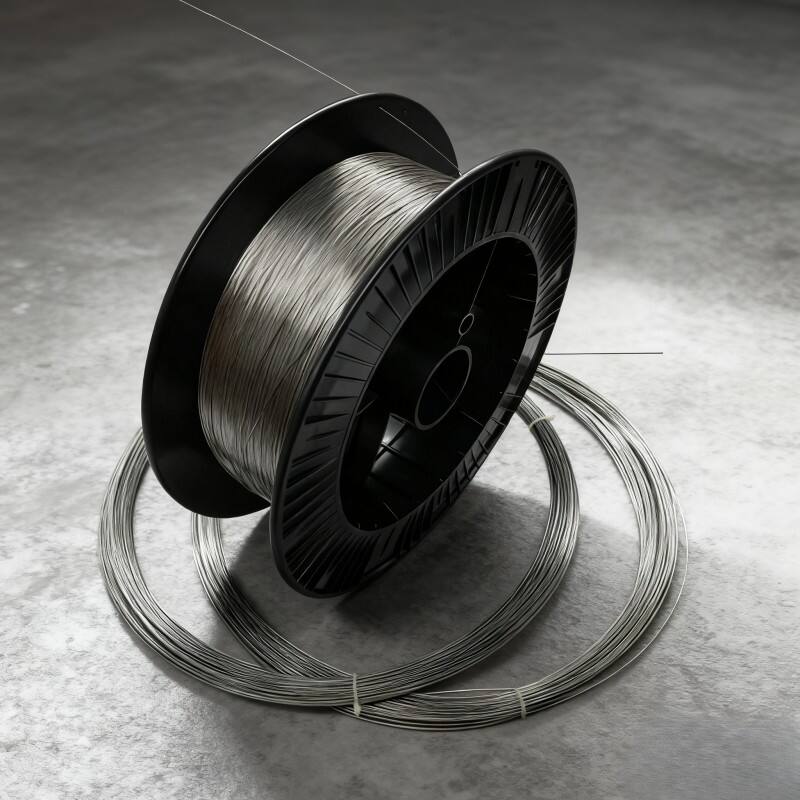
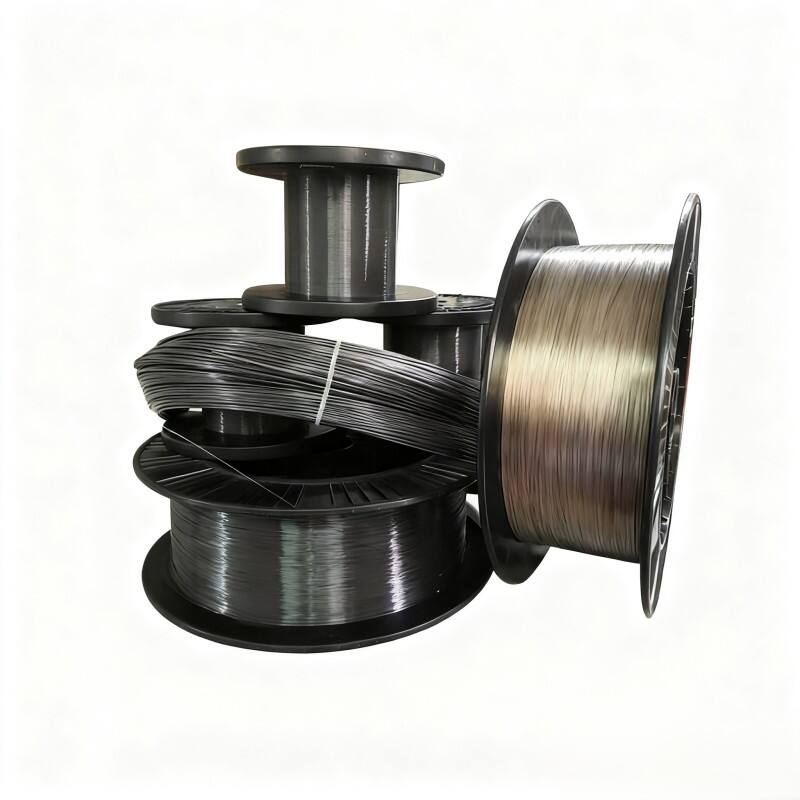
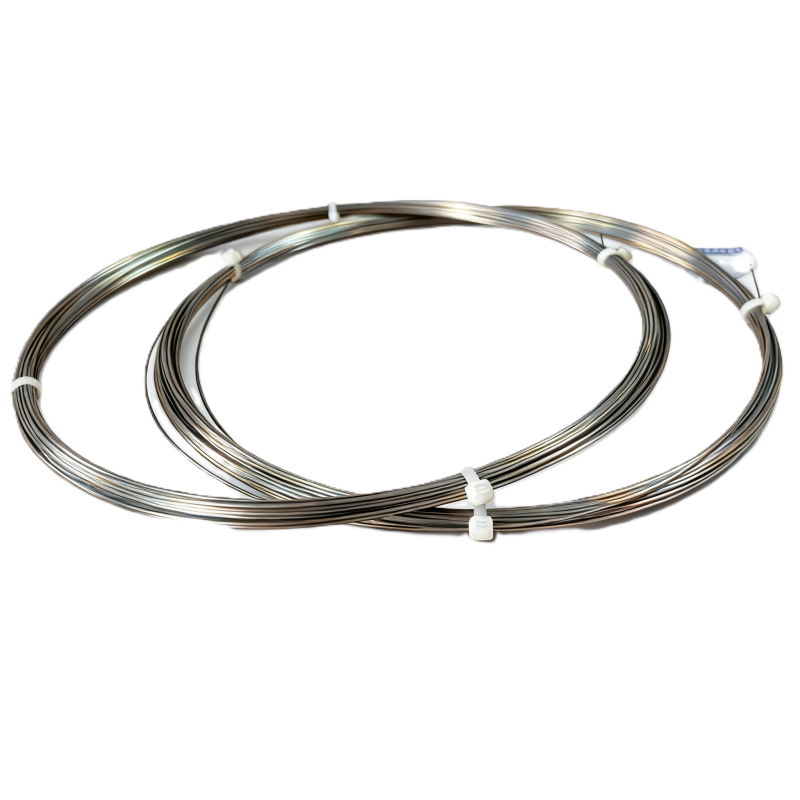
Ni Ti Shape Memory Alloy: Advanced Smart Material Solutions for Medical, Industrial and Aerospace Applications

Get a Free Quote

Our representative will contact you soon.
Email
Name
Company Name
Message
0/1000

ni ti shape memory alloy

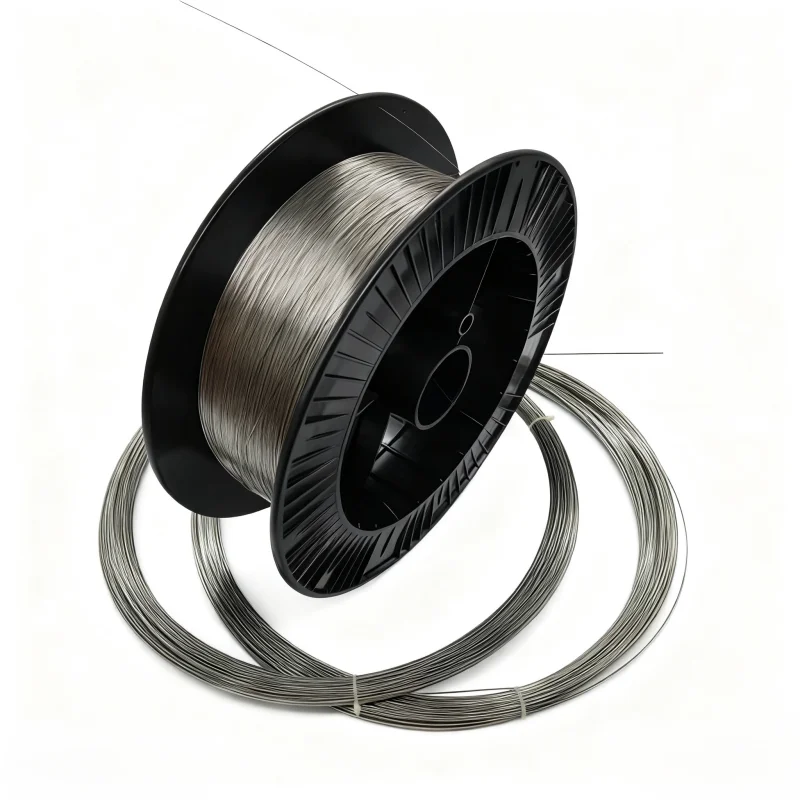
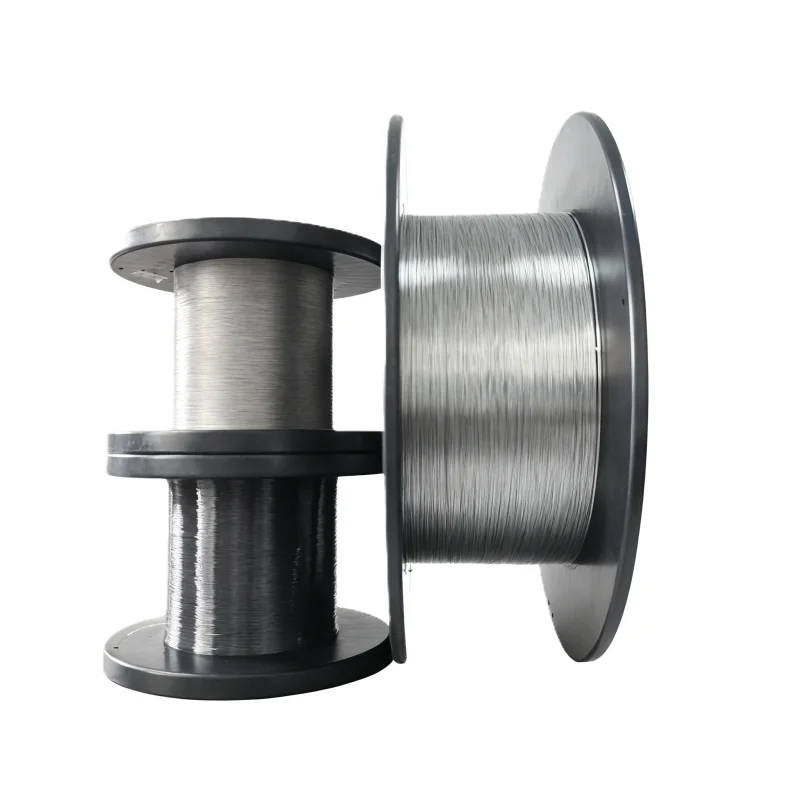
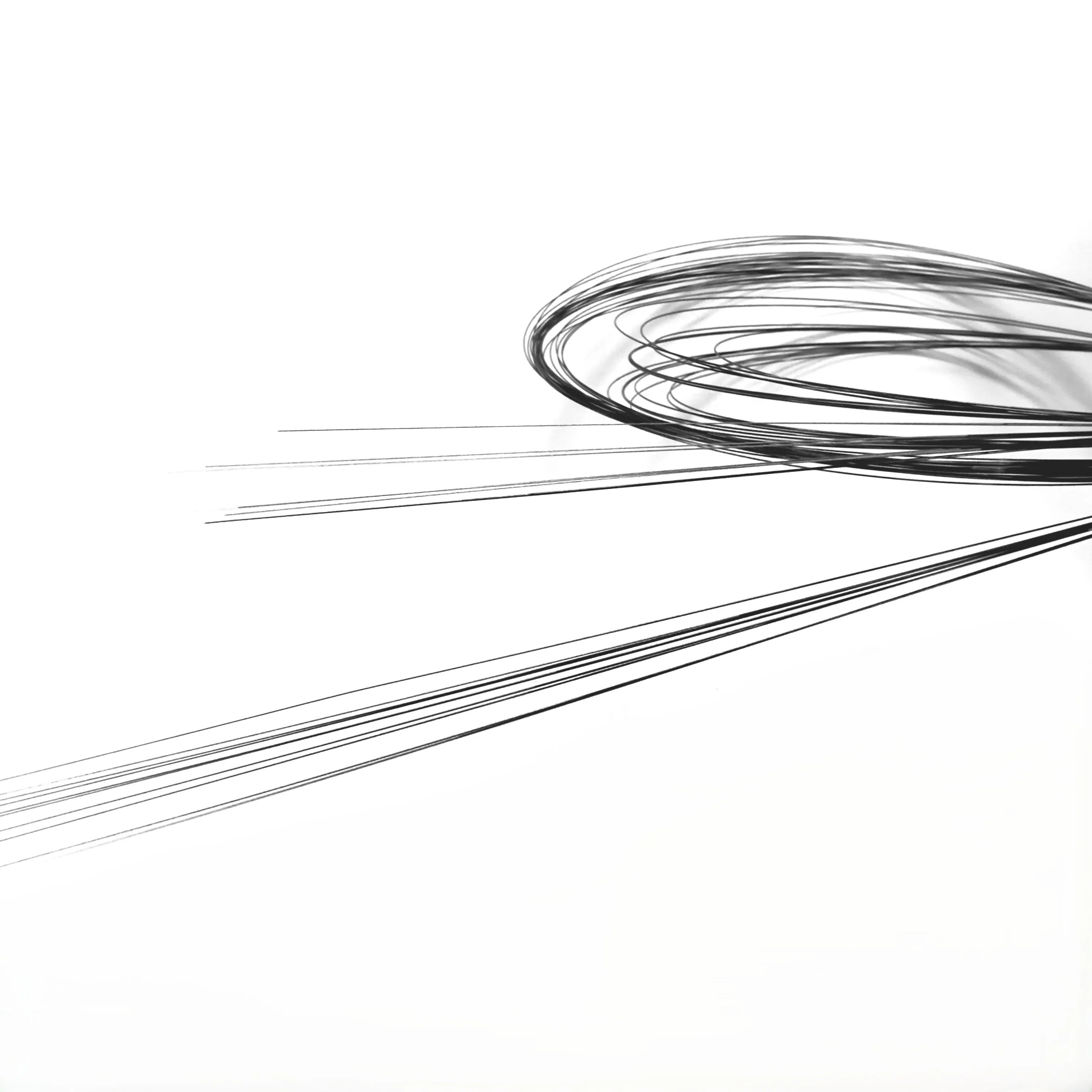
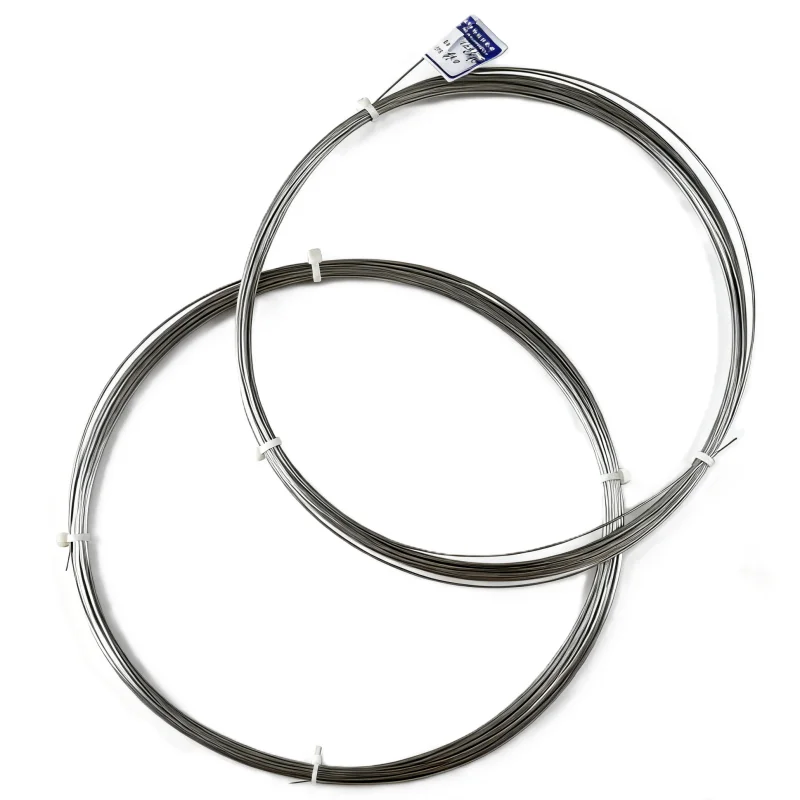
Ni Ti shape memory alloy, also known as Nitinol, represents a groundbreaking class of smart materials that has revolutionized numerous industries through its unique ability to remember and return to its original shape. This remarkable alloy is composed primarily of nickel and titanium in nearly equal atomic percentages, typically around 50-51 percent nickel and 49-50 percent titanium. The ni ti shape memory alloy exhibits two extraordinary properties that distinguish it from conventional metals: the shape memory effect and superelasticity. The shape memory effect allows the material to recover its predetermined shape when heated above a specific transformation temperature, while superelasticity enables it to undergo significant deformation and return to its original form upon unloading at certain temperatures. These phenomena occur due to a reversible solid-state phase transformation between two crystal structures: austenite, the high-temperature phase, and martensite, the low-temperature phase. The ni ti shape memory alloy can be programmed to remember specific shapes through careful heat treatment processes, making it incredibly versatile for various applications. Technologically, this alloy demonstrates exceptional biocompatibility, making it ideal for medical implants and devices that interact with human tissue. The material exhibits remarkable corrosion resistance, ensuring longevity even in harsh environments including bodily fluids and aggressive chemical conditions. The ni ti shape memory alloy also possesses superior fatigue resistance compared to traditional materials, capable of withstanding millions of cycles without degradation. Its unique combination of mechanical properties includes high damping capacity, which makes it excellent for vibration control applications. The alloy can generate substantial recovery forces during shape recovery, providing powerful actuation capabilities in compact designs. Applications span across medical devices such as stents, orthodontic wires, and surgical instruments, industrial uses including actuators, couplings, and safety valves, aerospace components, automotive systems, robotics, and consumer electronics. The versatility of ni ti shape memory alloy continues to expand as researchers discover new processing techniques and applications.


New Product Recommendations

The ni ti shape memory alloy offers numerous practical benefits that directly translate into improved performance, cost savings, and enhanced functionality for end users across various industries. First and foremost, this material provides exceptional reliability in demanding applications because of its ability to perform consistent shape recovery cycles repeatedly without losing effectiveness. Unlike conventional materials that may fatigue or degrade after repeated use, the ni ti shape memory alloy maintains its properties through millions of operational cycles, reducing maintenance requirements and extending product lifespans significantly. This durability means fewer replacements, lower downtime, and substantial cost savings over the lifetime of equipment or devices. The biocompatibility advantage cannot be overstated for medical applications, as this alloy integrates seamlessly with human tissue without triggering adverse reactions or rejection, making it the material of choice for implantable medical devices that must remain in the body for extended periods. Patients benefit from reduced complications, faster recovery times, and improved long-term outcomes when devices utilize ni ti shape memory alloy components. The superelastic property delivers tremendous practical value by allowing products to bend, flex, and deform under stress yet instantly return to their original shape without permanent damage. This characteristic proves invaluable in eyeglass frames that resist breaking when sat upon, medical guidewires that navigate tortuous blood vessels, and orthodontic archwires that apply constant gentle pressure for effective tooth movement. The compact actuation capability of ni ti shape memory alloy enables designers to create smaller, lighter devices that would require bulky motors or pneumatic systems with traditional materials. This size reduction opens possibilities for minimally invasive medical procedures, portable consumer products, and weight-sensitive aerospace applications. Energy efficiency represents another significant advantage, as shape memory actuators can provide powerful motion using simple thermal activation, often requiring less energy than electromagnetic alternatives. The corrosion resistance ensures reliable operation in challenging environments including saltwater, chemical exposure, and bodily fluids without protective coatings that might wear away over time. Manufacturers appreciate the design flexibility that ni ti shape memory alloy provides, enabling innovative solutions to engineering challenges that would be impossible with conventional materials. The material's high strength-to-weight ratio contributes to lighter products without sacrificing performance, particularly important in transportation and portable device applications. Additionally, the ni ti shape memory alloy offers built-in safety features in many applications, such as temperature-sensitive valves that automatically activate at predetermined thresholds without requiring sensors or control systems. These inherent functional properties simplify designs, reduce component counts, improve reliability, and lower overall system costs while delivering superior performance that customers can depend on throughout the product lifecycle.

Tips And Tricks

Why is high-stability Nitinol the first choice for equipment in extreme conditions?

12

May

Why is high-stability Nitinol the first choice for equipment in extreme conditions?

When equipment must perform reliably under mechanical stress, thermal cycling, and repeated deformation, material selection becomes a critical engineering decision. Nitinol, the nickel-titanium shape memory alloy, has earned a dominant position in de...
View More
Why is phase transition stability of nickel titanium wire key to actuator success?

13

May

Why is phase transition stability of nickel titanium wire key to actuator success?

In the world of precision actuators, the materials used to generate motion are not merely components — they are the foundation of reliability. nickel titanium wire has emerged as one of the most compelling active materials in modern actuator engineer...
View More
How to ensure dimensional tolerances for precision Nitinol metal parts?

18

May

How to ensure dimensional tolerances for precision Nitinol metal parts?

Achieving tight dimensional tolerances in Nitinol metal components is one of the most demanding challenges in precision manufacturing. Unlike conventional metals, Nitinol — a nickel-titanium shape memory alloy — exhibits superelastic recovery and pha...
View More
Why is a brand with a 5,000m² factory more professional in Nitinol customization?

22

May

Why is a brand with a 5,000m² factory more professional in Nitinol customization?

When sourcing advanced shape memory alloys for medical devices, aerospace components, or industrial actuators, the manufacturing environment behind a supplier tells you far more than a product catalog ever could. Nitinol customization is a precision-...
View More

Get a Free Quote

Our representative will contact you soon.
Email
Name
Company Name
Message
0/1000

ni ti shape memory alloy

Revolutionary Shape Memory Effect for Adaptive Functionality

Revolutionary Shape Memory Effect for Adaptive Functionality

The shape memory effect stands as the most distinctive and valuable characteristic of ni ti shape memory alloy, setting it apart from every other metallic material available today. This remarkable property allows the alloy to be deformed into a temporary shape at lower temperatures and then recover its original, pre-programmed geometry when heated above its transformation temperature, typically ranging from negative 20 degrees Celsius to positive 110 degrees Celsius depending on the specific composition and processing. The practical implications of this capability are profound and far-reaching across multiple industries. In medical applications, cardiovascular stents made from ni ti shape memory alloy can be compressed into a small diameter for insertion through tiny incisions, then expanded to their full size once positioned correctly inside blood vessels by warming to body temperature, eliminating the need for complex deployment mechanisms. This self-expanding behavior has transformed interventional cardiology by enabling less invasive procedures with faster patient recovery and reduced complications. The aerospace industry leverages the shape memory effect for deployable structures such as antennas and solar arrays that launch in compact configurations and automatically unfold in space when exposed to solar radiation. These systems eliminate mechanical complexity, reduce weight, and improve reliability compared to motor-driven alternatives. Automotive manufacturers integrate ni ti shape memory alloy actuators in climate control systems, where the material responds directly to temperature changes to regulate airflow without electronic controls, enhancing efficiency and reducing component costs. The adaptability provided by the shape memory effect enables engineers to design intelligent systems that respond automatically to environmental conditions, creating products with built-in sensing and actuation capabilities within a single material. This integration reduces system complexity, improves response times, and enhances reliability by eliminating multiple components that might fail independently. For robotics applications, ni ti shape memory alloy actuators provide smooth, biomimetic motion that closely resembles natural muscle movement, enabling more lifelike and efficient robotic systems. The controllability of the transformation temperature through precise compositional adjustments allows manufacturers to tailor ni ti shape memory alloy components for specific operating conditions, whether in frigid arctic environments or hot industrial settings. This customization capability ensures optimal performance across diverse applications while maintaining the fundamental shape recovery behavior that makes the material so valuable.
Exceptional Superelasticity for Enhanced Durability and Flexibility

Exceptional Superelasticity for Enhanced Durability and Flexibility

Superelasticity represents the second defining property of ni ti shape memory alloy, providing extraordinary flexibility and resilience that conventional metals simply cannot match. This phenomenon allows the material to undergo elastic deformation up to 8 percent strain, approximately ten to thirty times greater than typical metals, and still return completely to its original shape upon unloading without any permanent deformation or damage. The practical advantages of superelasticity manifest most visibly in products that must withstand repeated bending, flexing, or impact while maintaining their original form and function. Eyeglass frames manufactured from ni ti shape memory alloy have gained widespread popularity precisely because they resist permanent bending and breakage, springing back to their correct shape even after being severely twisted or crushed. Consumers benefit from longer-lasting products that maintain their appearance and fit despite daily wear and accidental abuse that would destroy frames made from conventional materials. In dentistry, orthodontic archwires fabricated from superelastic ni ti shape memory alloy apply consistent, gentle forces throughout the tooth straightening process, maintaining effective pressure as teeth gradually move into proper alignment. This sustained force delivery accelerates treatment, improves outcomes, and reduces patient discomfort compared to stainless steel wires that require frequent adjustment and tightening. Medical guidewires utilized in catheter-based procedures exploit superelasticity to navigate through curved and tortuous blood vessels without kinking or permanently deforming, enabling physicians to reach treatment sites deep within the body with precision and safety. The kink resistance proves especially critical in life-saving emergency procedures where equipment failure could have catastrophic consequences. Cellular phone antennas made from ni ti shape memory alloy withstand thousands of extension and retraction cycles without fatigue failure, ensuring reliable performance throughout the device's operational life. The damping characteristics inherent in superelastic ni ti shape memory alloy also provide valuable vibration absorption in applications ranging from seismic protection systems for buildings to noise reduction components in machinery. This energy dissipation capability helps protect sensitive equipment from shock loads and reduces wear on adjacent components. Industrial applications benefit from superelastic couplings and connectors that accommodate misalignment and thermal expansion without transmitting damaging stresses to connected equipment, extending system life and reducing maintenance requirements. The fatigue resistance associated with superelasticity allows ni ti shape memory alloy components to endure millions of loading cycles in high-frequency applications such as actuators and valves where conventional materials would quickly fail from cyclic stresses.
Outstanding Biocompatibility for Medical Innovation and Patient Safety

Outstanding Biocompatibility for Medical Innovation and Patient Safety

The exceptional biocompatibility of ni ti shape memory alloy has established it as the premier material choice for medical implants and devices that must function reliably within the human body for extended periods without causing adverse tissue reactions or immune system rejection. Despite containing nickel, which can trigger allergic responses in some individuals when in certain forms, properly processed ni ti shape memory alloy develops a stable titanium oxide surface layer that effectively shields the nickel content from bodily tissues and fluids, preventing sensitization and allergic reactions in the vast majority of patients. Extensive clinical studies spanning decades have demonstrated the safety and effectiveness of ni ti shape memory alloy in diverse medical applications, from cardiovascular stents that have been implanted in millions of patients worldwide to orthopedic implants, dental devices, and surgical instruments. The material exhibits excellent thromboresistance, meaning blood cells do not readily adhere to its surface, making it ideal for devices that contact flowing blood such as heart valve components, filters, and guidewires. This property reduces the risk of dangerous blood clots forming on implanted devices, enhancing patient safety and often eliminating the need for long-term anticoagulation therapy that carries its own risks and complications. The corrosion resistance of ni ti shape memory alloy ensures that implanted devices maintain their mechanical integrity and do not release harmful degradation products into surrounding tissues over time, even in the chemically aggressive environment of bodily fluids. Patients benefit from durable implants that continue functioning as intended for many years without requiring replacement due to material degradation. The radiopacity of ni ti shape memory alloy allows physicians to visualize implanted devices clearly using standard X-ray and fluoroscopy imaging techniques, enabling precise placement during procedures and facilitating follow-up monitoring to ensure devices remain correctly positioned and functioning properly. Minimally invasive surgical techniques have been revolutionized by ni ti shape memory alloy instruments and implants that can be delivered through small incisions, reducing surgical trauma, shortening recovery times, and improving patient outcomes while lowering healthcare costs. Self-expanding stents made from this material have transformed the treatment of cardiovascular disease, enabling cardiologists to restore blood flow to blocked arteries through catheter-based procedures that patients often recover from within hours rather than the weeks required after traditional open-heart surgery. Orthopedic applications utilize ni ti shape memory alloy staples and compression devices that apply constant corrective forces as bones heal, promoting proper alignment and faster recovery. The material's unique combination of biocompatibility, mechanical properties, and functional capabilities continues to inspire medical device innovations that improve patient care and expand treatment options for conditions that were previously difficult or impossible to address effectively.
Ni Ti Shape Memory Alloy: Advanced Smart Material Solutions for Medical, Industrial and Aerospace Applications

Get a Free Quote

Our representative will contact you soon.
Email
Name
Company Name
Message
0/1000
Newsletter
Please Leave A Message With Us