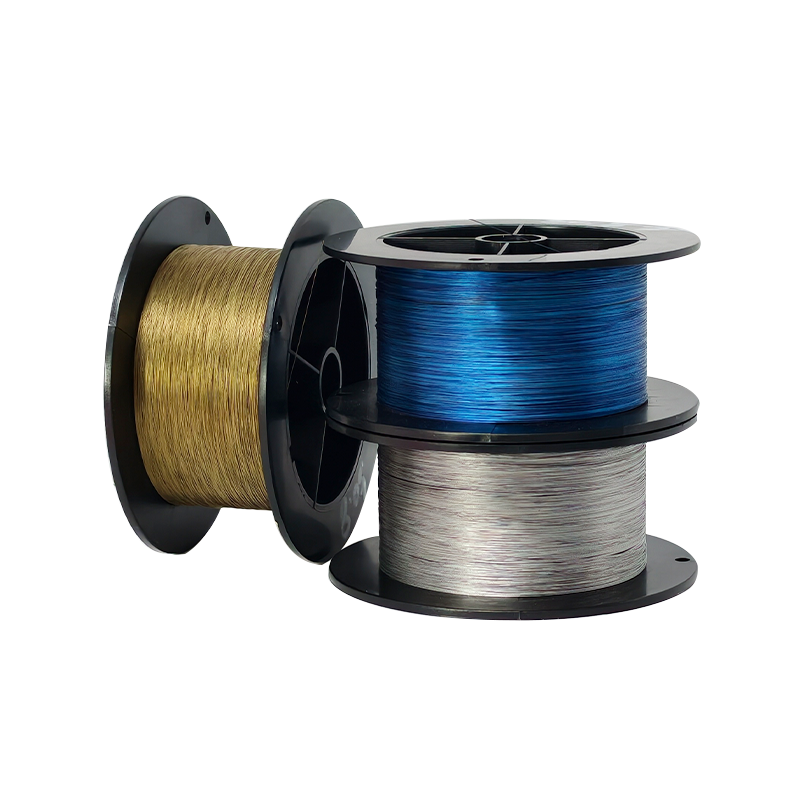
Shape Memory Alloy Price Guide: Value, Applications, and Market Insights

Get a Free Quote

Our representative will contact you soon.
Email
Name
Company Name
Message
0/1000

shape memory alloy price

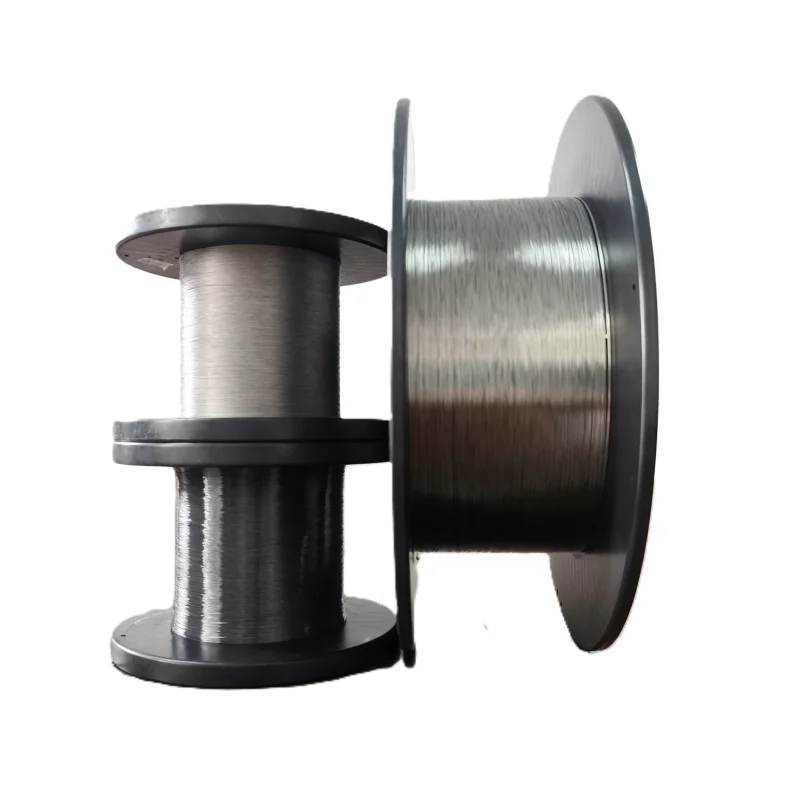
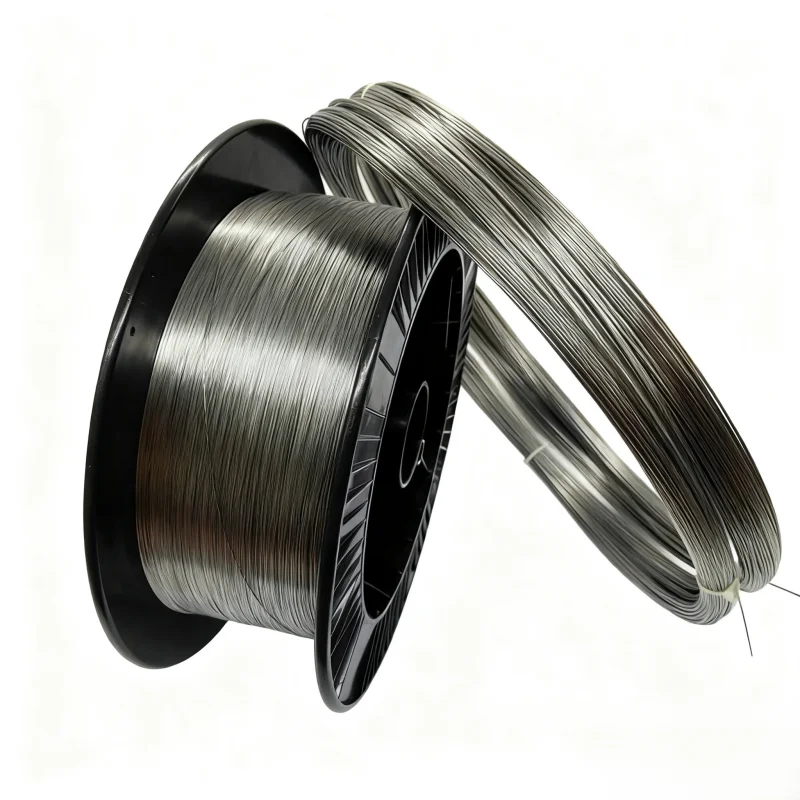
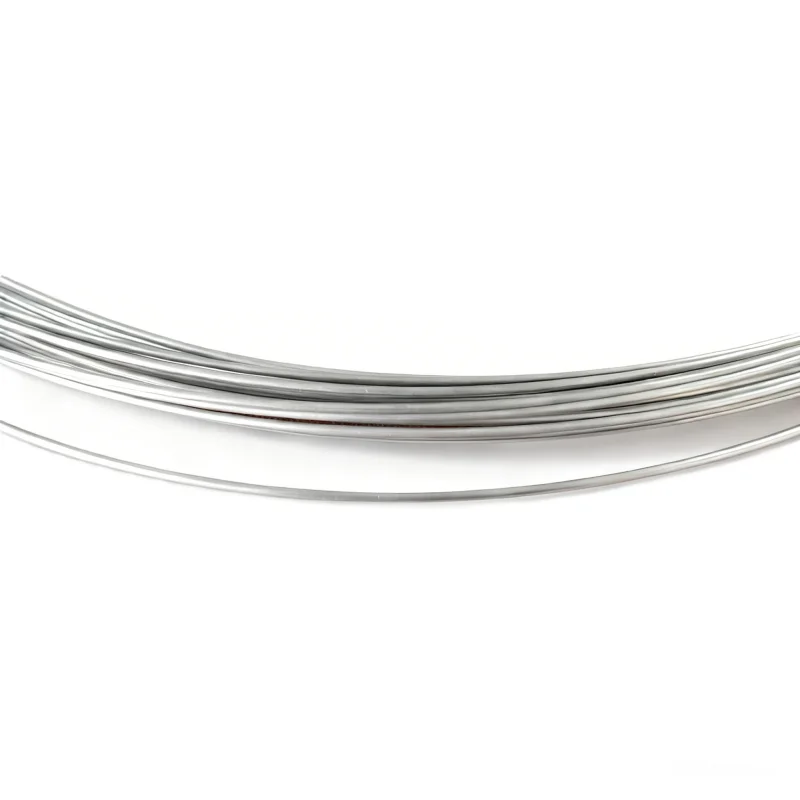
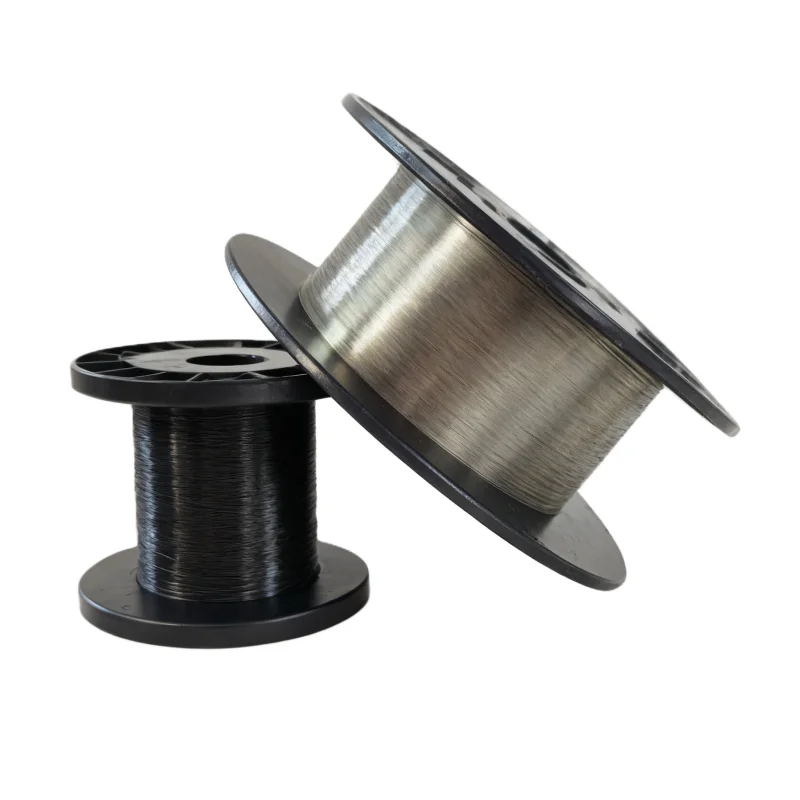
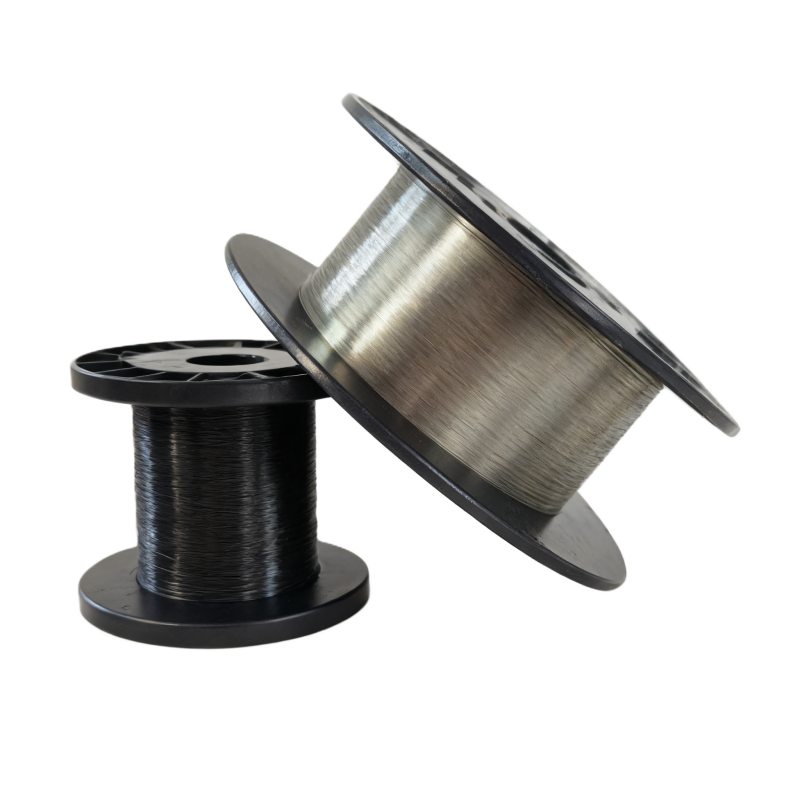
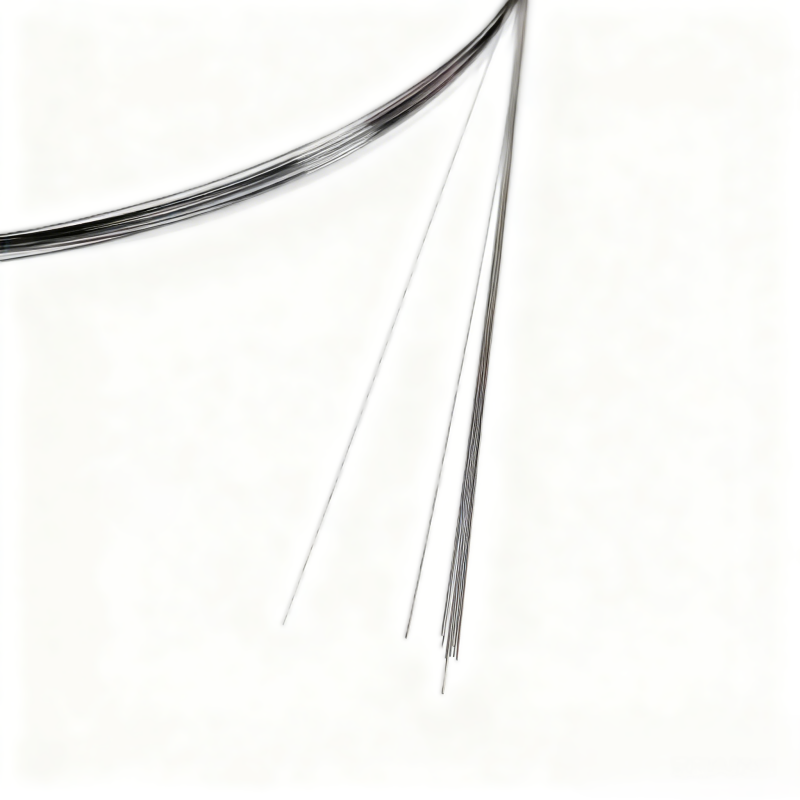
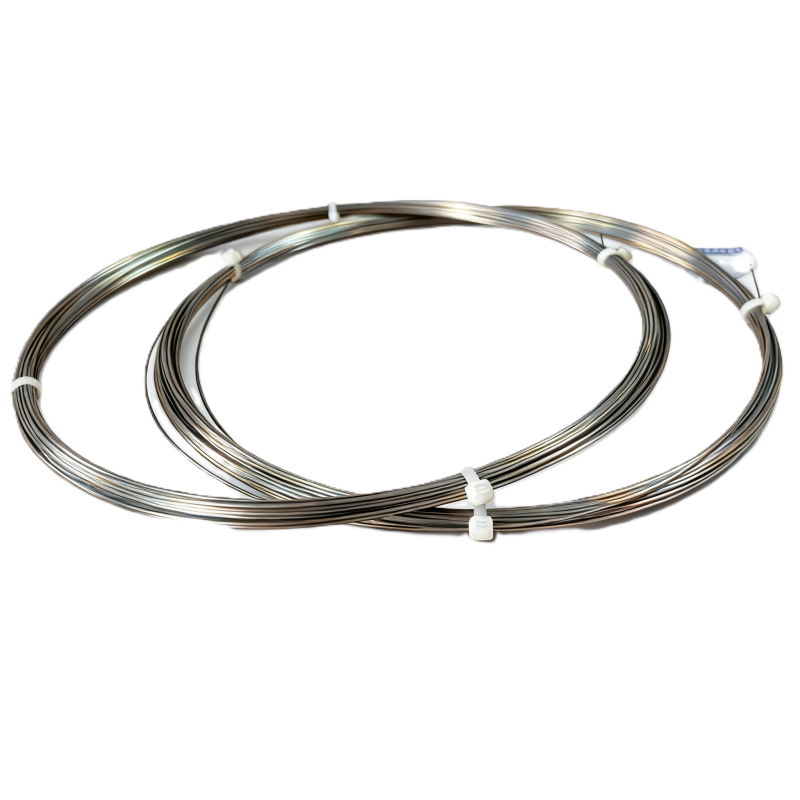
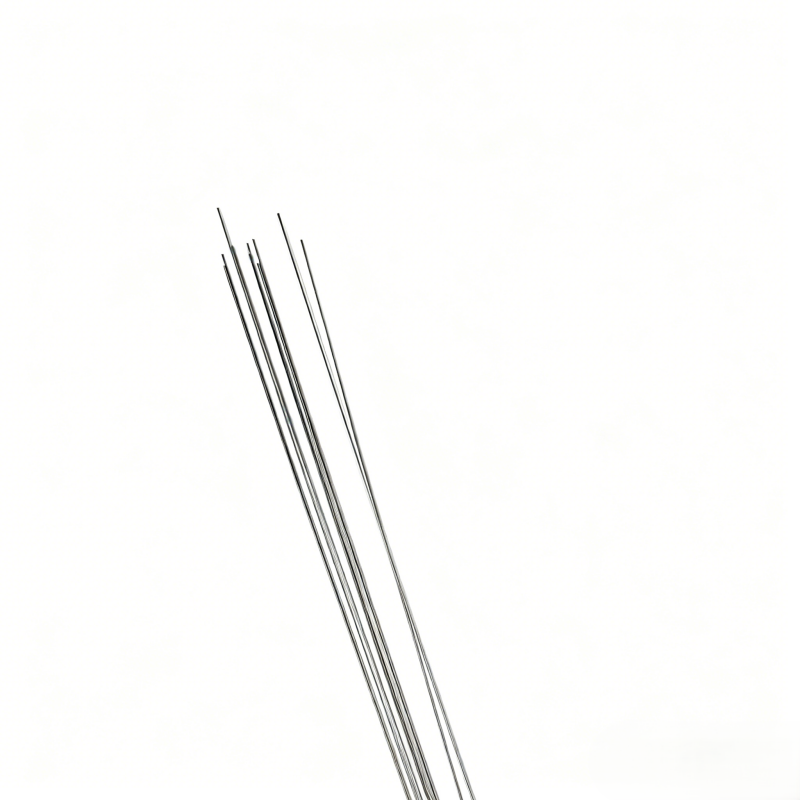
Shape memory alloy price is a topic that draws significant attention from engineers, procurement specialists, and manufacturers across a wide range of industries. Shape memory alloys, commonly known as SMAs, are a unique class of metallic materials that have the remarkable ability to return to a previously defined shape when exposed to a specific temperature or stress condition. This behavior is driven by a solid-state phase transformation between two distinct crystalline structures, known as martensite and austenite. Understanding shape memory alloy price requires a look at both the material science behind these metals and the market forces that influence their cost. The most widely used shape memory alloy is Nitinol, a nickel-titanium alloy that exhibits both the shape memory effect and superelasticity. Other alloys include copper-zinc-aluminum and copper-aluminum-nickel variants, each carrying its own price point depending on composition and processing requirements. Shape memory alloy price is influenced by raw material costs, manufacturing complexity, wire diameter, surface finish, and order volume. Technologically, these alloys are produced through vacuum induction melting, followed by precise cold working and heat treatment processes that program the transformation temperature. The resulting material can be supplied in wire, tube, sheet, ribbon, or custom-formed component formats, each affecting the final shape memory alloy price. Applications span an impressive range of sectors. In the medical field, Nitinol is used in stents, guidewires, orthodontic archwires, and surgical tools. In aerospace and defense, SMAs serve as actuators and vibration dampers. The automotive industry uses them in smart actuators and thermal switches. Consumer electronics, robotics, and civil engineering also rely on these materials for their unique responsive properties. As demand grows and manufacturing processes improve, shape memory alloy price continues to evolve, making these advanced materials increasingly accessible to a broader market.


New Products

When you look at what you actually get for the shape memory alloy price, the value becomes clear very quickly. These materials do things that ordinary metals simply cannot do, and that capability translates directly into practical benefits for the people and businesses that use them. First, shape memory alloys eliminate the need for complex mechanical systems. Traditional actuators require motors, gears, linkages, and control electronics to produce movement. A shape memory alloy wire or component can replace all of that with a single piece of material that moves on its own in response to temperature or stress. This simplification reduces part count, lowers assembly time, and cuts down on maintenance costs over the life of a product. When you factor in those savings, the shape memory alloy price starts to look very reasonable. Second, these alloys are incredibly durable. Nitinol, for example, can withstand millions of actuation cycles without fatigue failure under the right design conditions. For medical devices that must perform reliably inside the human body for years, or for aerospace components that face repeated thermal cycling, this durability is not just a nice feature, it is a requirement. Paying the shape memory alloy price upfront means avoiding costly replacements and failures down the line. Third, shape memory alloys are biocompatible. Nitinol in particular has been extensively tested and approved for use in medical implants and devices. This opens up a market segment where alternative materials simply cannot compete, and it means that the shape memory alloy price reflects access to a material that meets some of the most demanding regulatory standards in the world. Fourth, superelastic SMAs can absorb and recover from large deformations without permanent damage. This makes them ideal for applications like eyeglass frames, flexible medical guidewires, and seismic dampers in buildings. The ability to bend dramatically and spring back perfectly every time is a functional advantage that directly reduces product failure rates and customer complaints. Fifth, shape memory alloys can be precisely programmed to activate at specific temperatures. This programmability means you can design a component that does exactly what you need it to do at exactly the right moment, without sensors, without software, and without external power in many cases. For remote or miniaturized applications, this is a game-changing advantage. Sixth, the compact and lightweight nature of SMA components means that products built with them can be smaller and lighter than those using conventional actuation systems. In industries like aerospace, medical devices, and wearable technology, weight and size reductions have direct performance and cost implications. The shape memory alloy price, when viewed against the weight savings and design freedom it enables, represents a strong return on investment. Seventh, as production volumes increase and manufacturing technology advances, shape memory alloy price has been trending in a direction that makes these materials accessible to more applications and more industries than ever before. Bulk purchasing, improved alloy processing, and growing supplier competition all contribute to better pricing for end users.

Practical Tips

Why is high-stability Nitinol the first choice for equipment in extreme conditions?

12

May

Why is high-stability Nitinol the first choice for equipment in extreme conditions?

When equipment must perform reliably under mechanical stress, thermal cycling, and repeated deformation, material selection becomes a critical engineering decision. Nitinol, the nickel-titanium shape memory alloy, has earned a dominant position in de...
View More
Why is phase transition stability of nickel titanium wire key to actuator success?

13

May

Why is phase transition stability of nickel titanium wire key to actuator success?

In the world of precision actuators, the materials used to generate motion are not merely components — they are the foundation of reliability. nickel titanium wire has emerged as one of the most compelling active materials in modern actuator engineer...
View More
How to ensure dimensional tolerances for precision Nitinol metal parts?

18

May

How to ensure dimensional tolerances for precision Nitinol metal parts?

Achieving tight dimensional tolerances in Nitinol metal components is one of the most demanding challenges in precision manufacturing. Unlike conventional metals, Nitinol — a nickel-titanium shape memory alloy — exhibits superelastic recovery and pha...
View More
Why should you prioritize the manufacturer's R&D center when choosing partners?

02

Jun

Why should you prioritize the manufacturer's R&D center when choosing partners?

When evaluating potential manufacturing partners, most procurement teams focus on price, lead time, and production capacity. These are legitimate criteria, but they often overlook one of the most telling indicators of long-term value: the strength an...
View More

Get a Free Quote

Our representative will contact you soon.
Email
Name
Company Name
Message
0/1000

shape memory alloy price

Precision Engineering Meets Cost Efficiency: Understanding Shape Memory Alloy Price in High-Performance Applications

Precision Engineering Meets Cost Efficiency: Understanding Shape Memory Alloy Price in High-Performance Applications

One of the most compelling reasons to invest in shape memory alloys is the precision they bring to engineering challenges that would otherwise require far more complex and expensive solutions. When evaluating shape memory alloy price, it is essential to consider not just the per-kilogram or per-meter cost of the raw material, but the total system value that a well-designed SMA component delivers. In high-performance applications such as minimally invasive surgical tools, satellite deployment mechanisms, and micro-actuators in consumer electronics, the ability to achieve precise, repeatable motion from a single material component is worth far more than the shape memory alloy price suggests at first glance. The transformation behavior of shape memory alloys is programmable during manufacturing. By controlling the alloy composition, cold work percentage, and heat treatment parameters, engineers can set the exact temperature at which the material will actuate. This means a device can be designed to activate at body temperature, at a specific ambient condition, or at a controlled thermal trigger point, all without additional sensors or control systems. The engineering precision embedded in the material itself is a form of built-in intelligence that reduces system complexity and improves reliability. From a cost efficiency standpoint, replacing a multi-component mechanical assembly with a single SMA element reduces bill-of-materials costs, assembly labor, and quality control overhead. The shape memory alloy price per component may be higher than a simple steel spring, but the total cost of the system it replaces is often significantly greater. Procurement teams that evaluate shape memory alloy price in isolation miss the broader economic picture. When total cost of ownership is calculated, including design simplification, reduced part count, lower failure rates, and extended service life, shape memory alloys consistently demonstrate strong value. Suppliers offer shape memory alloy price structures that scale with volume, and many provide custom processing services that further optimize cost for specific applications. Working with an experienced SMA supplier to match alloy specification to application requirements ensures that customers pay the right shape memory alloy price for exactly the performance they need, nothing more and nothing less.
Biocompatibility and Regulatory Compliance: Why Shape Memory Alloy Price Reflects True Medical-Grade Value

Biocompatibility and Regulatory Compliance: Why Shape Memory Alloy Price Reflects True Medical-Grade Value

The medical device industry operates under some of the strictest material standards in the world, and shape memory alloys, particularly Nitinol, have earned their place as a trusted material in this demanding environment. When medical device manufacturers evaluate shape memory alloy price, they are not simply buying metal. They are purchasing a material that has passed rigorous biocompatibility testing, meets ISO 10993 standards, and has a documented history of safe performance inside the human body. That level of qualification is built into the shape memory alloy price, and it represents real value for manufacturers who need to bring safe, effective products to market. Nitinol stents, for example, are deployed in coronary arteries, peripheral vessels, and bile ducts around the world. The superelastic properties of the alloy allow the stent to be compressed into a small delivery catheter and then self-expand to its programmed diameter once released at the target site. No inflation balloon is required, no external energy source is needed, and the stent conforms naturally to the vessel geometry. This performance is only possible because of the unique material properties of Nitinol, and the shape memory alloy price reflects the sophisticated processing required to achieve consistent, reliable behavior in a life-critical application. Orthodontic archwires made from Nitinol apply gentle, continuous force to teeth over a wide range of deflection, reducing patient discomfort and the number of required adjustment appointments. Surgical guidewires benefit from the kink resistance and flexibility that superelastic Nitinol provides, allowing navigation through tortuous anatomy without permanent deformation. In each of these cases, the shape memory alloy price is justified by the clinical outcomes and the regulatory confidence that comes with using a well-characterized, approved material. For medical device companies, the cost of a material failure or a regulatory rejection far exceeds any savings from choosing a cheaper alternative. Investing in properly certified, medical-grade shape memory alloys at the appropriate shape memory alloy price is a risk management decision as much as a procurement decision. The long-term value of reliable, compliant materials is clear.
Market Trends and Supply Chain Dynamics: How Global Factors Shape the Shape Memory Alloy Price

Market Trends and Supply Chain Dynamics: How Global Factors Shape the Shape Memory Alloy Price

The shape memory alloy price does not exist in a vacuum. It is influenced by a complex web of global market forces, raw material availability, manufacturing capacity, and technological development. Understanding these dynamics helps buyers make smarter procurement decisions and plan more effectively for future projects. Nickel and titanium are the primary raw materials for Nitinol, and both are subject to commodity price fluctuations driven by mining output, geopolitical factors, and industrial demand from other sectors. When nickel prices rise due to increased demand from the battery industry or supply disruptions in major producing countries, the shape memory alloy price for Nitinol-based products tends to follow. Buyers who monitor commodity markets and build strategic inventory positions can manage this exposure effectively. Manufacturing complexity is another major driver of shape memory alloy price. Producing consistent, high-quality SMA wire or tubing requires vacuum melting, precise alloy chemistry control, multi-pass cold drawing, and carefully controlled annealing cycles. Each step adds cost, and any deviation from specification can result in material that does not meet transformation temperature or mechanical property requirements. The investment in process control and quality assurance is reflected in the shape memory alloy price, and it is what separates reliable, high-performance material from lower-cost alternatives that may not perform consistently in demanding applications. On the positive side, growing global demand for shape memory alloys is driving investment in new manufacturing capacity and process innovation. As more suppliers enter the market and existing producers scale up, competitive pressure is helping to moderate shape memory alloy price increases and improve availability. Advances in additive manufacturing and near-net-shape processing are also opening new possibilities for cost-effective production of complex SMA components. Buyers who engage early with suppliers, provide clear specifications, and commit to volume agreements are best positioned to secure favorable shape memory alloy price terms. Long-term partnerships with qualified SMA producers also provide access to technical support, custom alloy development, and priority allocation during periods of tight supply. In a market where material performance is critical and supply chains can be unpredictable, building strong supplier relationships is one of the most effective strategies for managing shape memory alloy price over time.
Shape Memory Alloy Price Guide: Value, Applications, and Market Insights

Get a Free Quote

Our representative will contact you soon.
Email
Name
Company Name
Message
0/1000
Newsletter
Please Leave A Message With Us