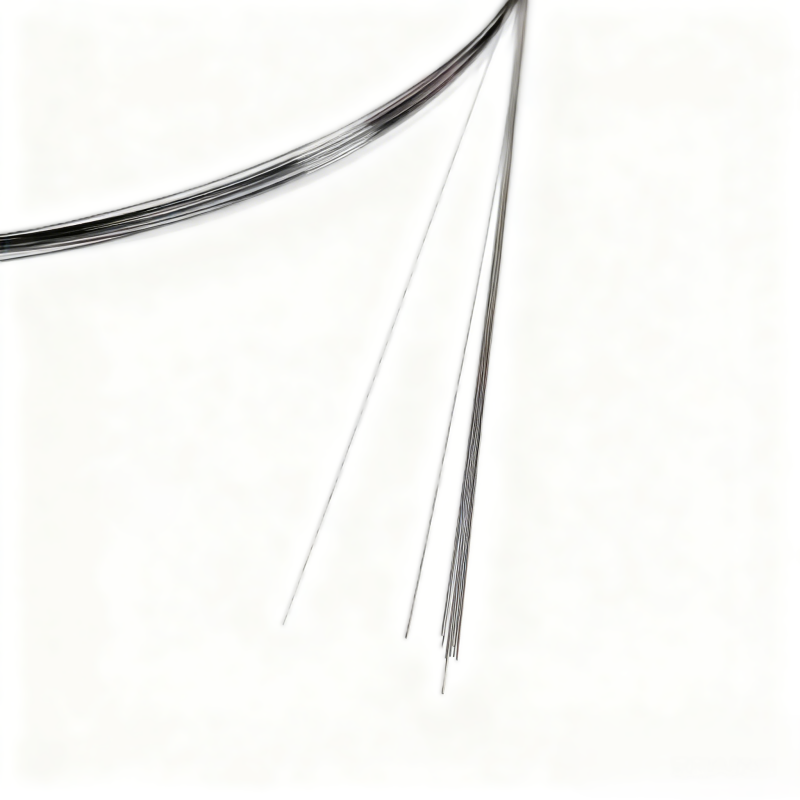
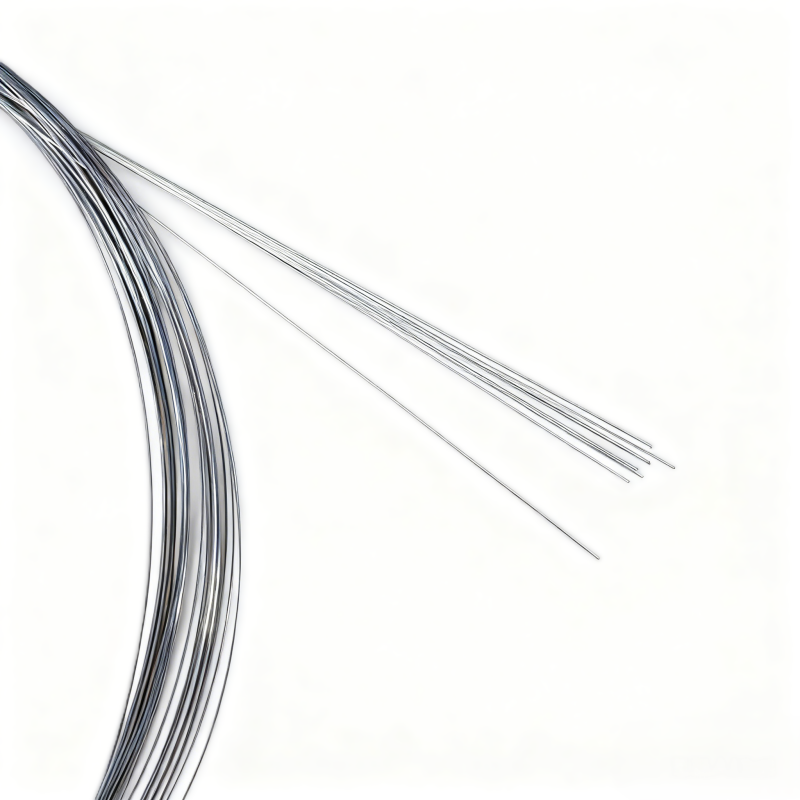
Superior Biocompatibility and Medical Integration Excellence
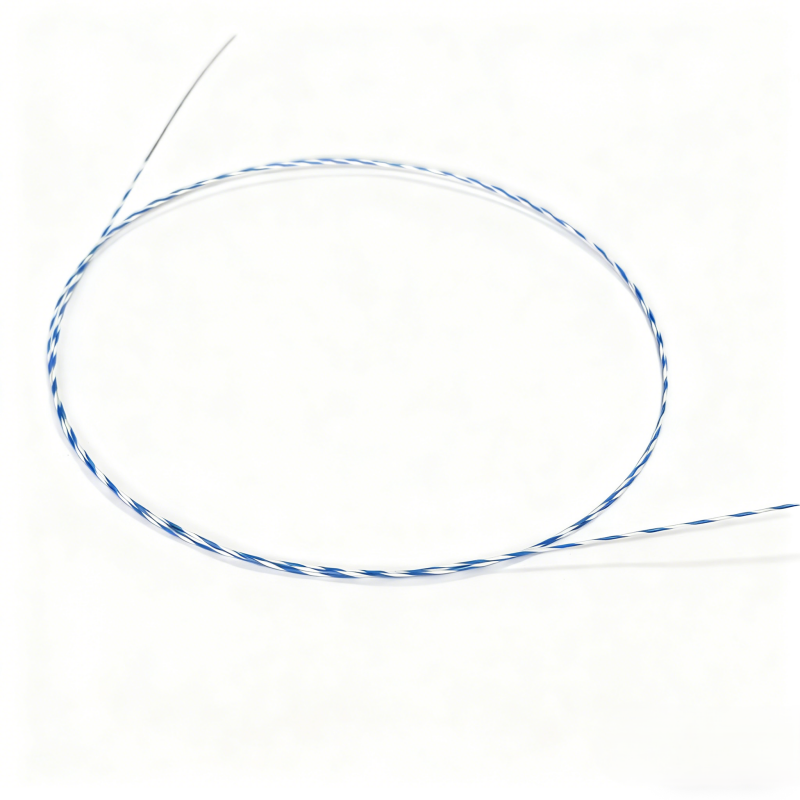
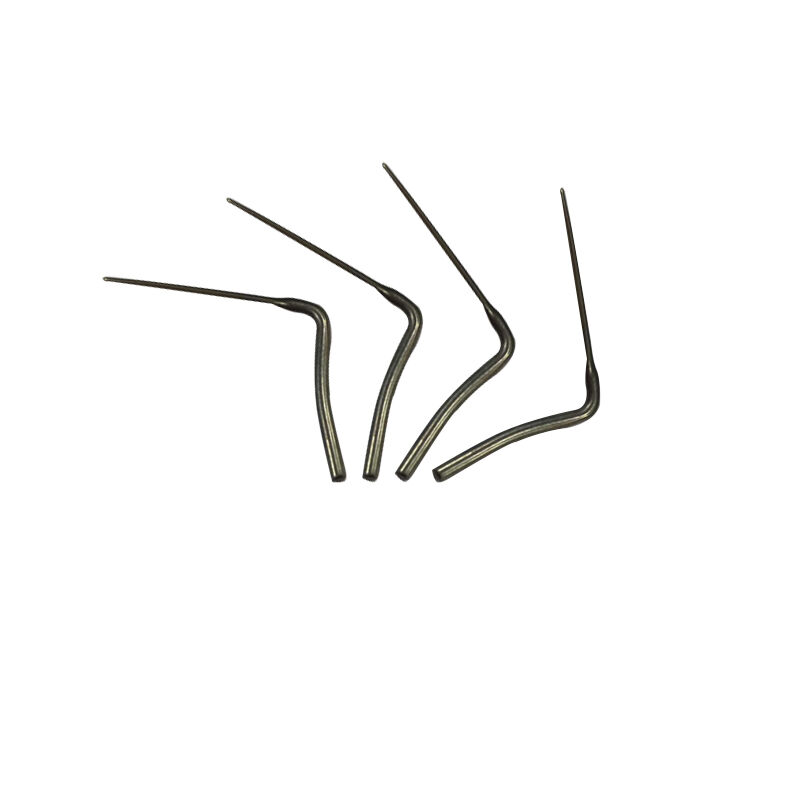
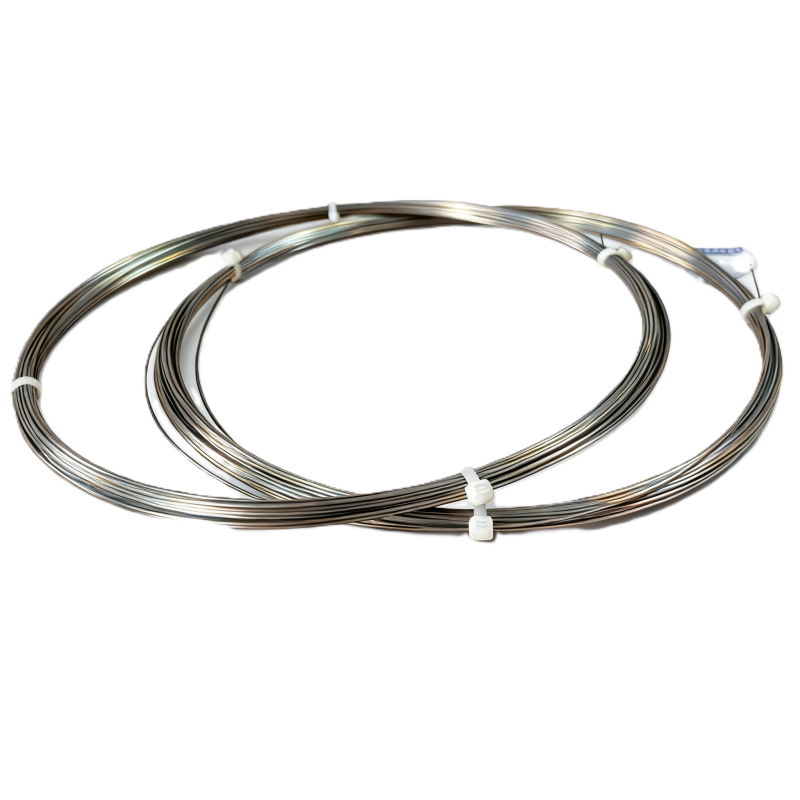
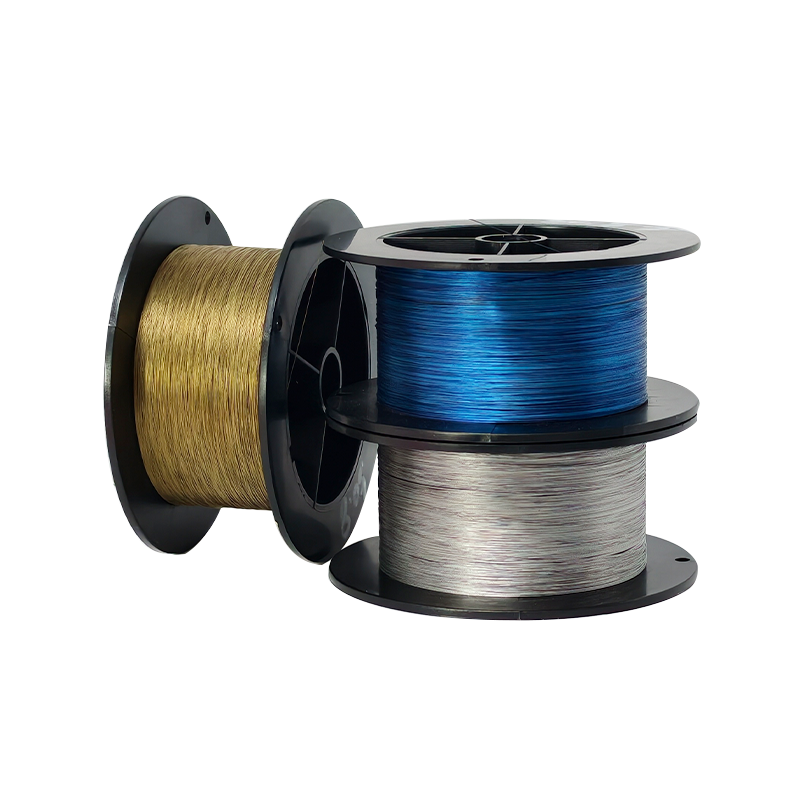
The engineering aspects of shape memory alloys have revolutionized medical technology through exceptional biocompatibility characteristics and unique functional properties that enable previously impossible therapeutic interventions. Nickel-titanium alloys, despite containing nickel which typically causes allergic reactions in some individuals, form an extremely stable titanium oxide surface layer that prevents ion release and biological interaction. This passive oxide film, only a few nanometers thick, creates a biocompatible barrier that allows long-term implantation without adverse tissue responses, corrosion, or material degradation. Clinical studies spanning decades have demonstrated that properly processed nickel-titanium devices can remain in the human body indefinitely without causing inflammation, thrombosis, or rejection. The engineering aspects of shape memory alloys extend beyond simple biocompatibility to provide functional advantages specifically suited to medical applications. The superelastic properties of these alloys allow medical devices to navigate through complex anatomical pathways that would damage or break conventional instruments. Guidewires made from superelastic shape memory alloys can bend through tortuous blood vessels, returning to their straight configuration without permanent deformation or kinking. This flexibility dramatically reduces procedure times and patient trauma compared to rigid metallic instruments. The shape memory effect enables revolutionary self-expanding medical devices that transform delivery procedures. Cardiovascular stents fabricated from the engineering aspects of shape memory alloys can be compressed to minimal diameters for catheter delivery, then expand to predetermined dimensions upon reaching body temperature. This capability eliminates the need for balloon inflation, reducing vessel trauma and procedure complexity. Surgeons can deploy complex three-dimensional structures through tiny incisions, expanding the possibilities for minimally invasive surgery. The radiopacity of nickel-titanium alloys provides excellent visibility under fluoroscopy and other imaging modalities, allowing precise device positioning during implantation procedures without additional markers. This inherent visibility simplifies surgical navigation and reduces procedure duration. Temperature-activated devices leverage the engineering aspects of shape memory alloys to create instruments that respond intelligently to physiological conditions. Orthodontic archwires exert nearly constant forces across the full range of tooth movement, applying optimal corrective pressure regardless of deflection. Traditional stainless steel wires require frequent adjustments as teeth move, but shape memory alloy archwires maintain therapeutic force levels automatically, reducing appointment frequency and treatment duration. The fatigue resistance of medical-grade shape memory alloys ensures long-term reliability in cyclic loading environments. Implanted devices experience millions of stress cycles from heartbeats, breathing, and body movement, yet properly designed components maintain structural integrity and functional performance throughout decades of service. The corrosion resistance in physiological environments, particularly in the presence of chloride ions and varying pH levels, surpasses that of stainless steel and cobalt-chromium alloys traditionally used in implants. This chemical stability prevents metal ion release that could cause systemic effects or local tissue discoloration. Manufacturing capabilities allow the engineering aspects of shape memory alloys to be formed into complex geometries through laser cutting, electropolishing, and heat treatment processes that maintain biocompatibility while achieving precise mechanical properties, enabling patient-specific devices and personalized medical solutions.

 EN
EN