Unprecedented Shape Recovery Capability
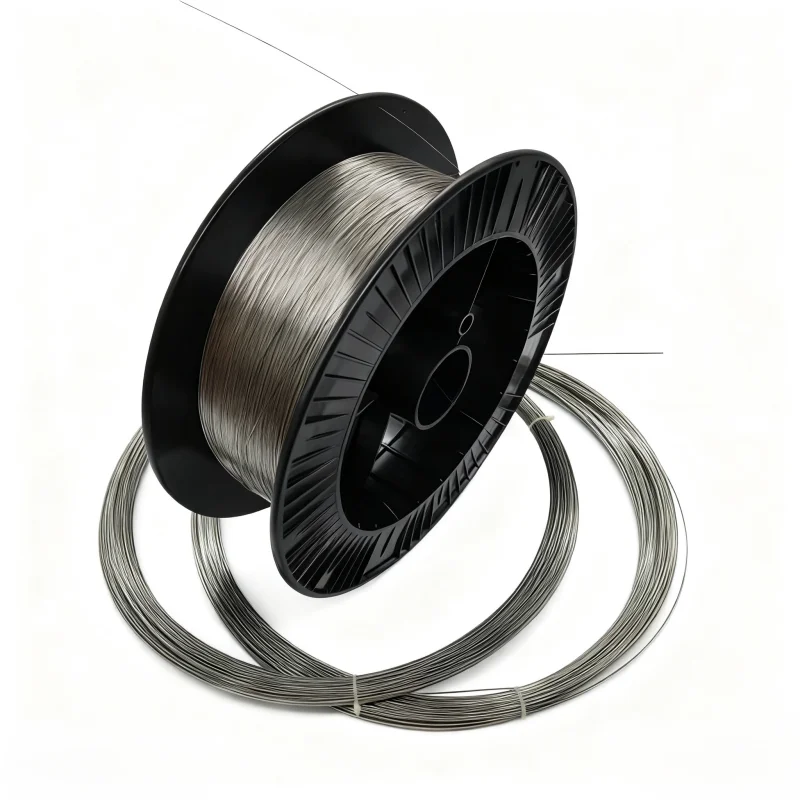
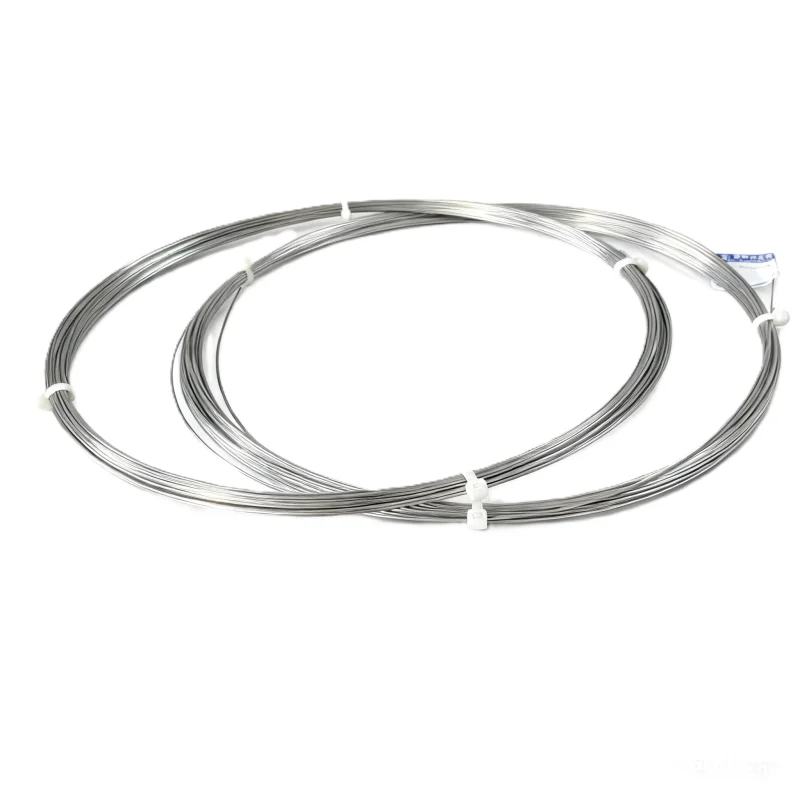
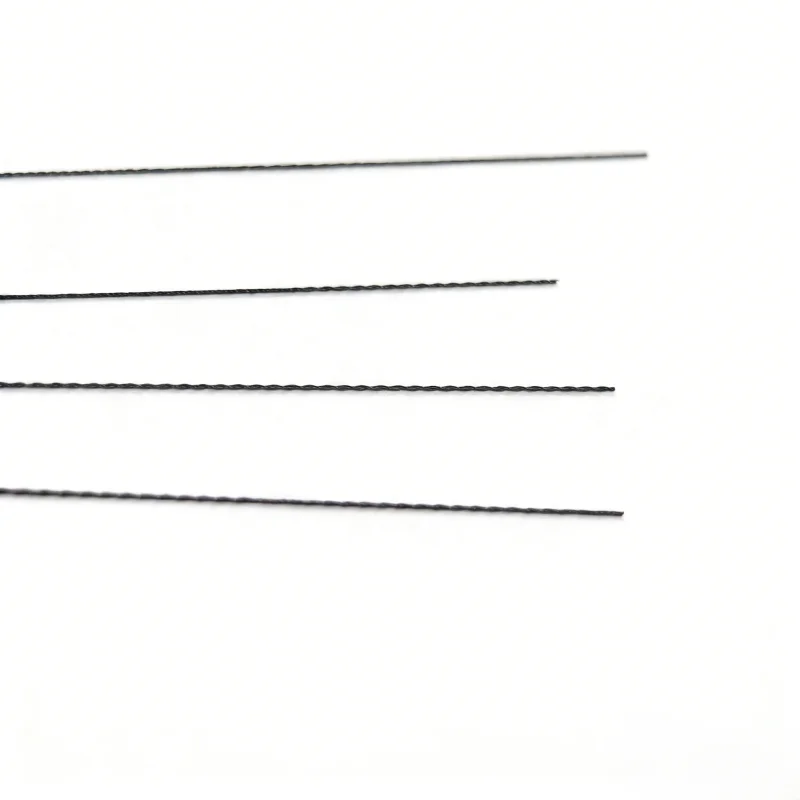
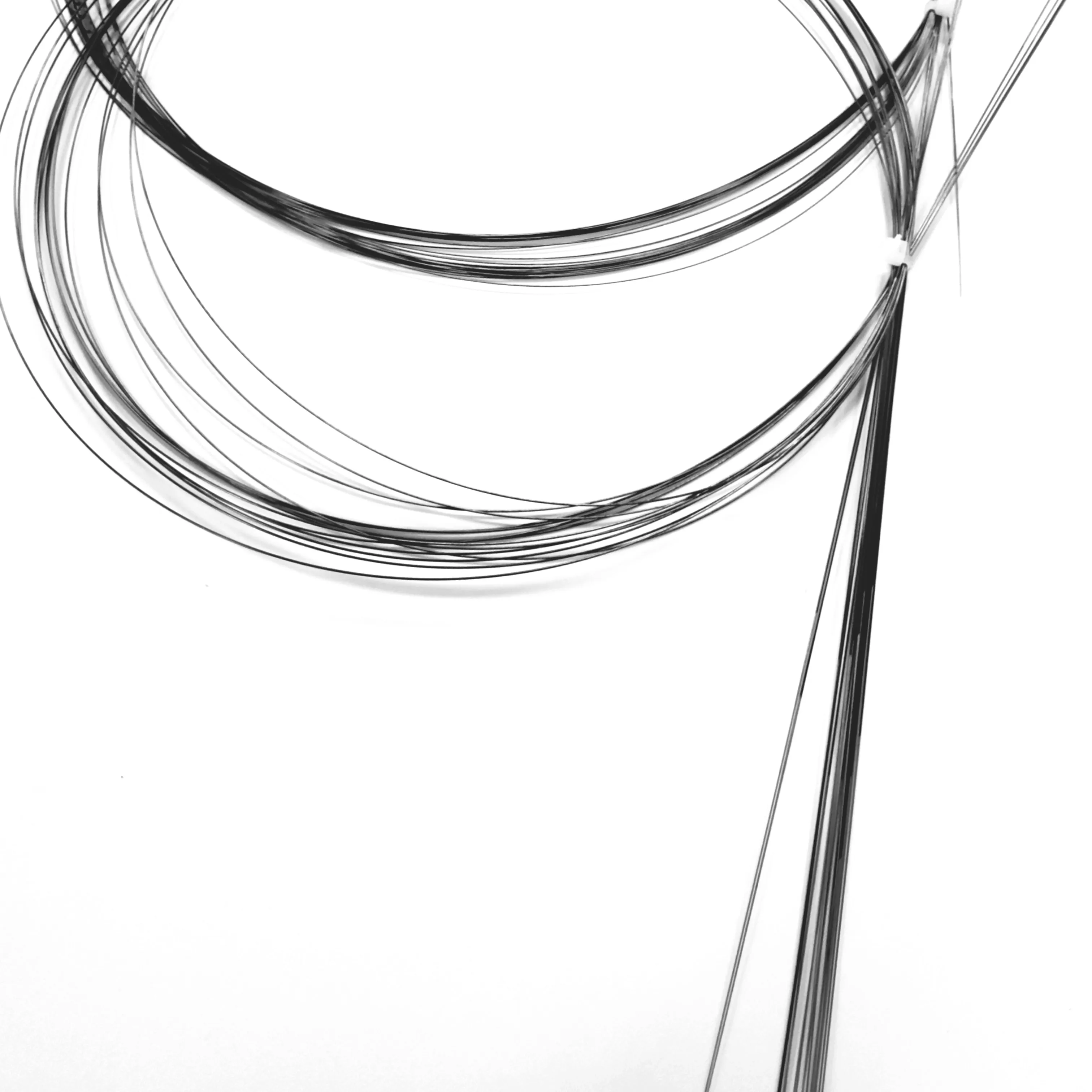
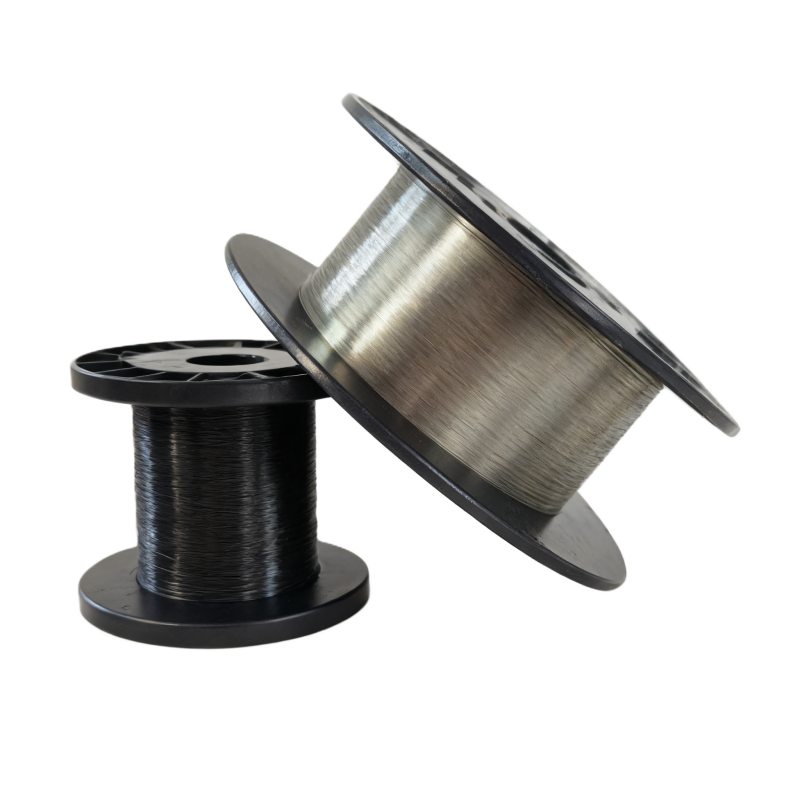
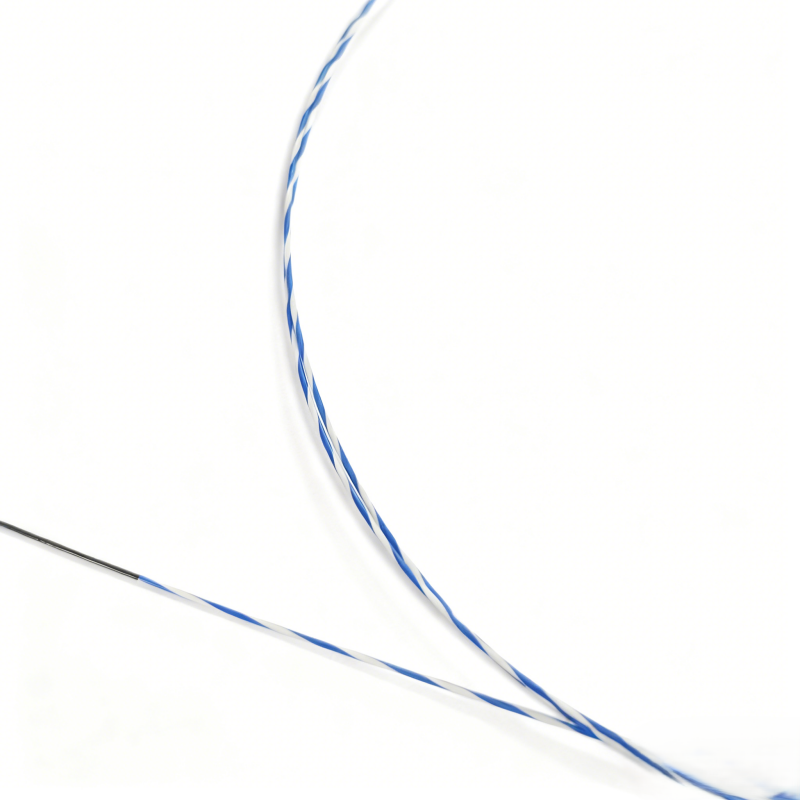
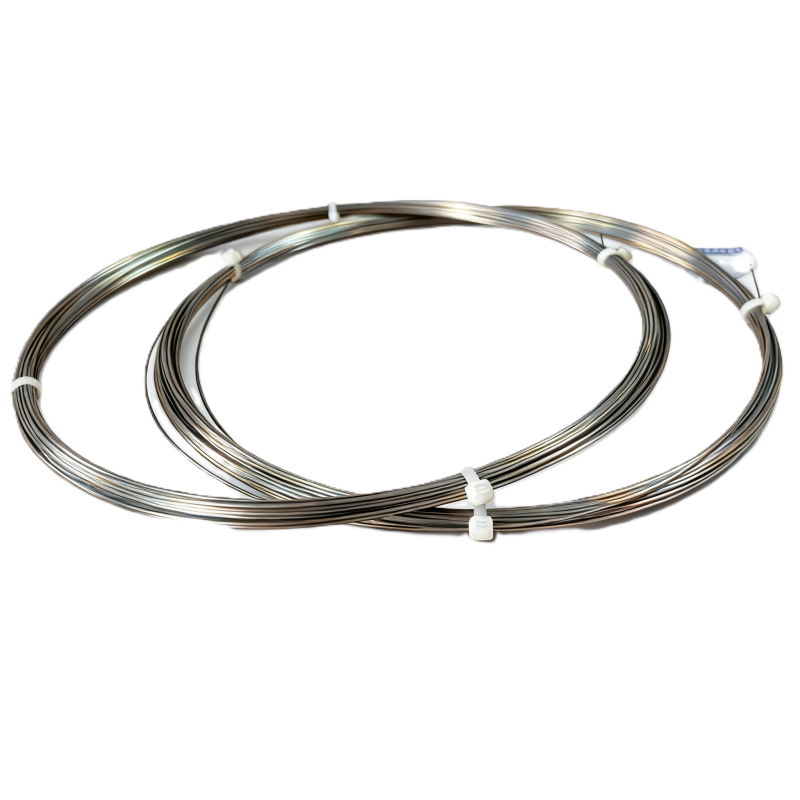
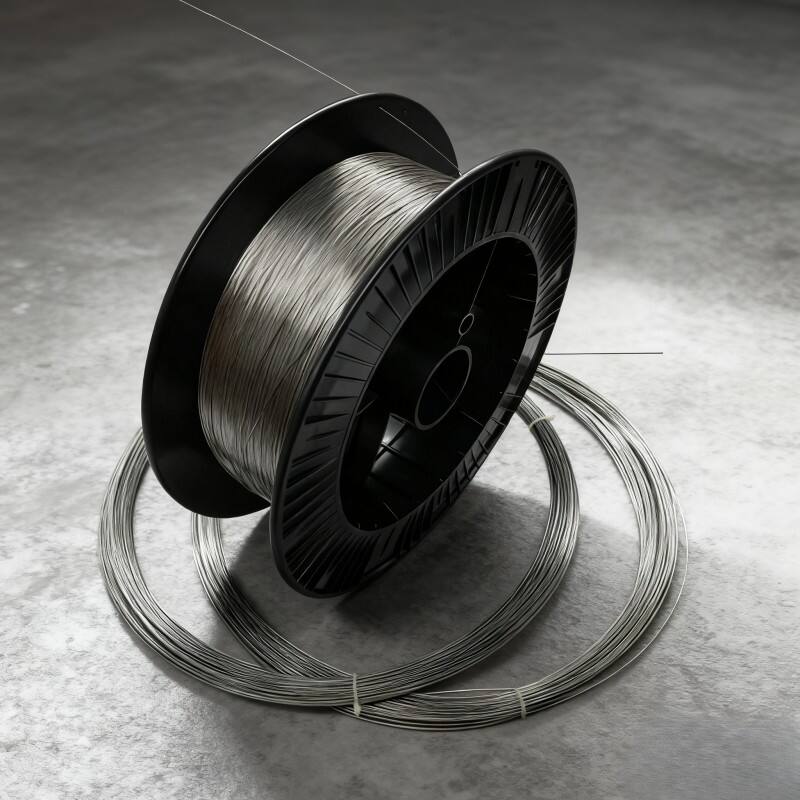
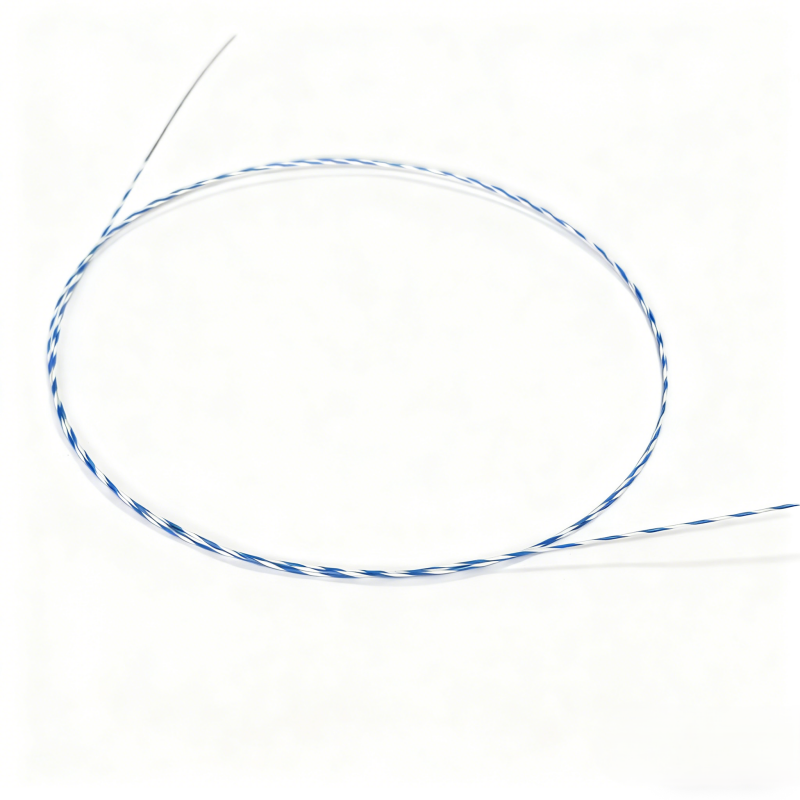
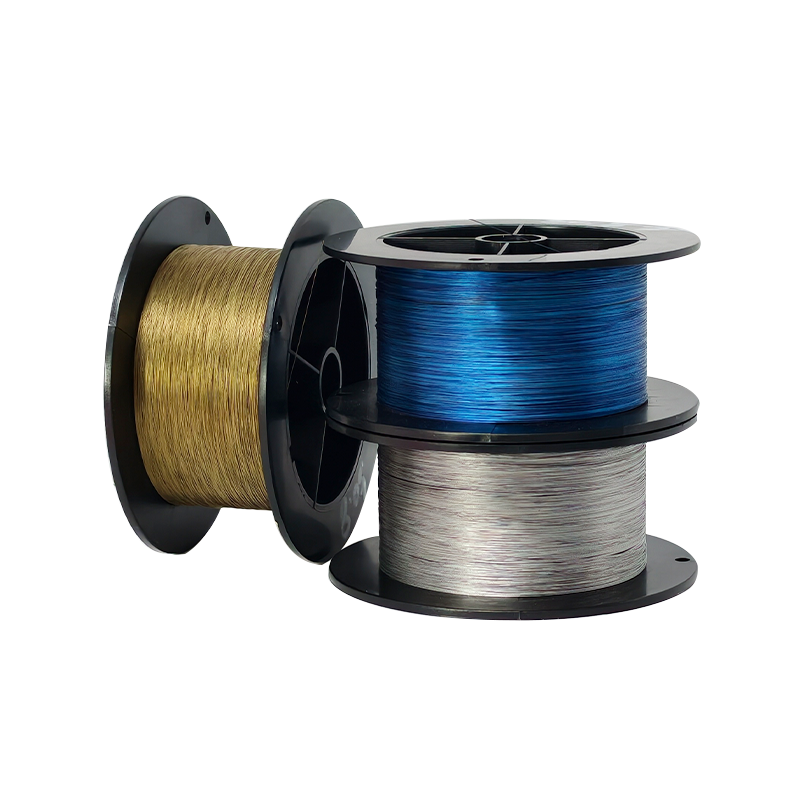
The most distinctive characteristic of shape memory alloy smart material lies in its extraordinary ability to recover predetermined shapes after significant deformation, a property that fundamentally changes how engineers approach design challenges. When you deform this material at lower temperatures, it retains the new shape temporarily, appearing much like ordinary metal. However, upon heating above its transformation temperature, the shape memory alloy smart material spontaneously returns to its memorized configuration, generating substantial force during this recovery process. This phenomenon results from a reversible crystallographic phase change at the atomic level, where the material transforms from a soft, easily deformed martensite phase to a rigid austenite phase. The transformation occurs rapidly, often within seconds, depending on the heating method and component size. You can set multiple shape memories into the material through specialized training procedures, creating multi-stage transformations for complex motion sequences. The recovery force generated during shape memory can reach hundreds of megapascals, providing powerful actuation from lightweight components. This force-to-weight ratio surpasses traditional actuators significantly, enabling applications where weight savings prove critical, such as aerospace and portable medical devices. The shape recovery remains consistent across thousands or even millions of cycles when properly designed, offering reliability that mechanical systems struggle to match. You can trigger the transformation through direct heating, electrical current, or environmental temperature changes, providing flexibility in activation methods. The precision of shape recovery typically falls within fractions of a millimeter, sufficient for most engineering applications requiring accurate positioning. Shape memory alloy smart material maintains its recovery capability across wide temperature ranges and after prolonged storage, eliminating concerns about degradation during shipping or shelf life. This reliability assures you that products will perform as intended when customers need them. The material can be formed into wires, sheets, tubes, or complex geometries, adapting to diverse design requirements. You gain creative freedom to implement solutions previously impossible with conventional materials. Furthermore, the shape memory effect can be combined with superelasticity in the same material, where below the transformation temperature, the alloy exhibits rubber-like flexibility while maintaining metallic strength. This dual functionality expands application possibilities, allowing a single component to serve multiple roles depending on operating conditions.

 EN
EN