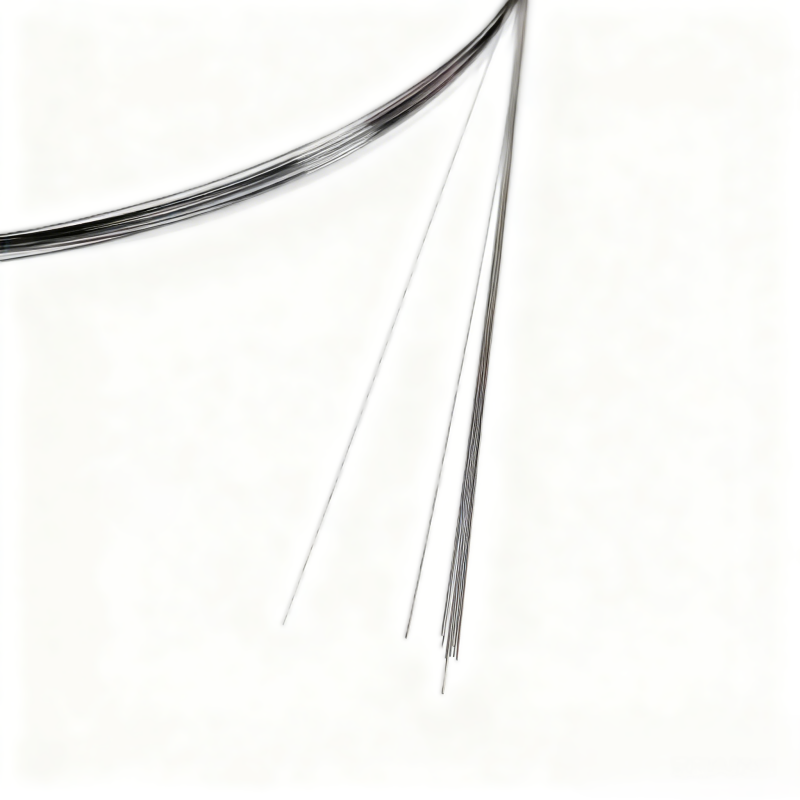
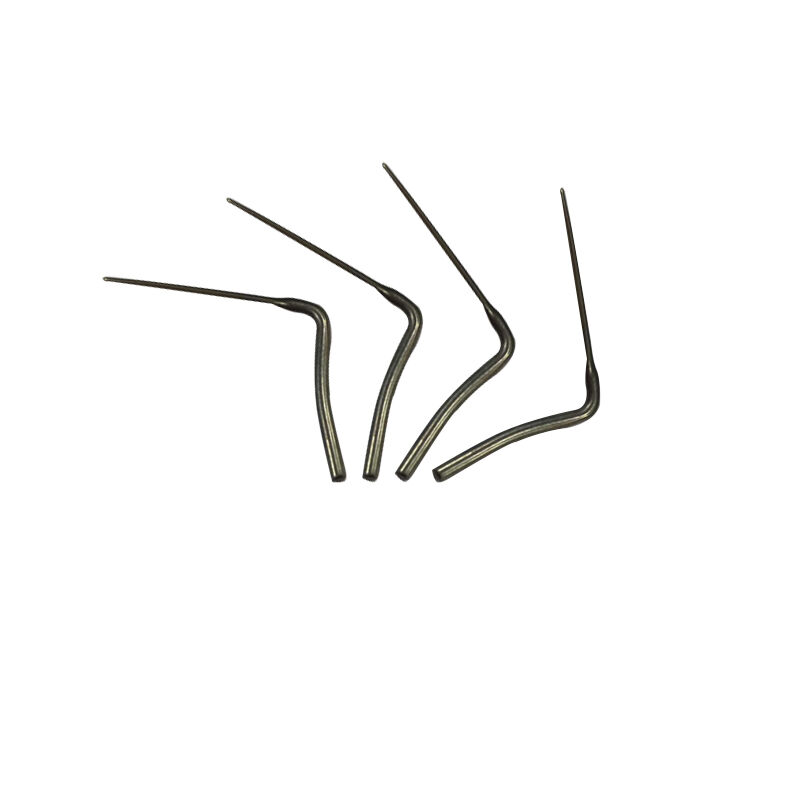
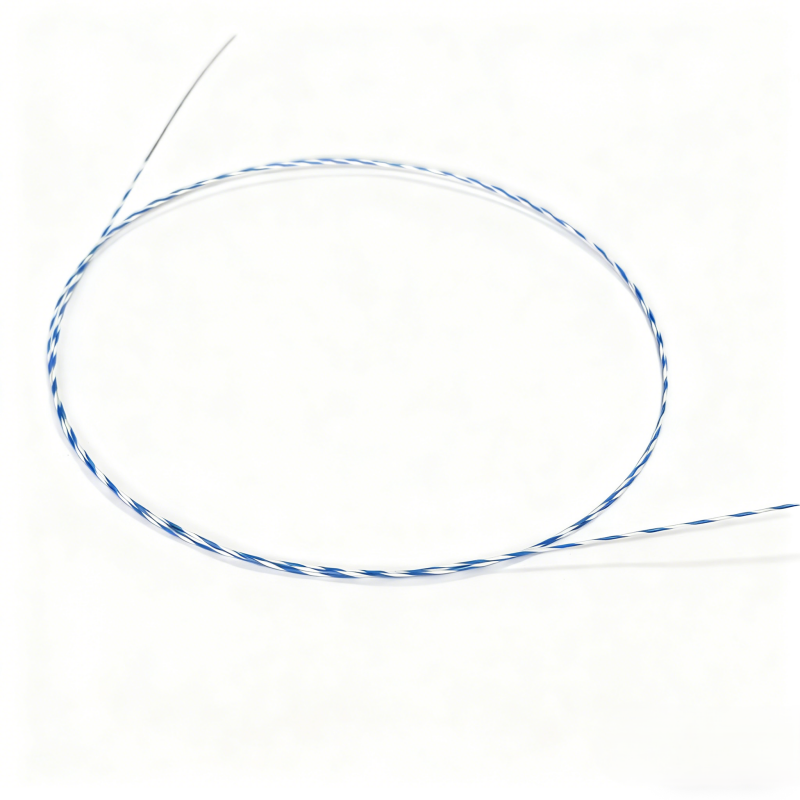
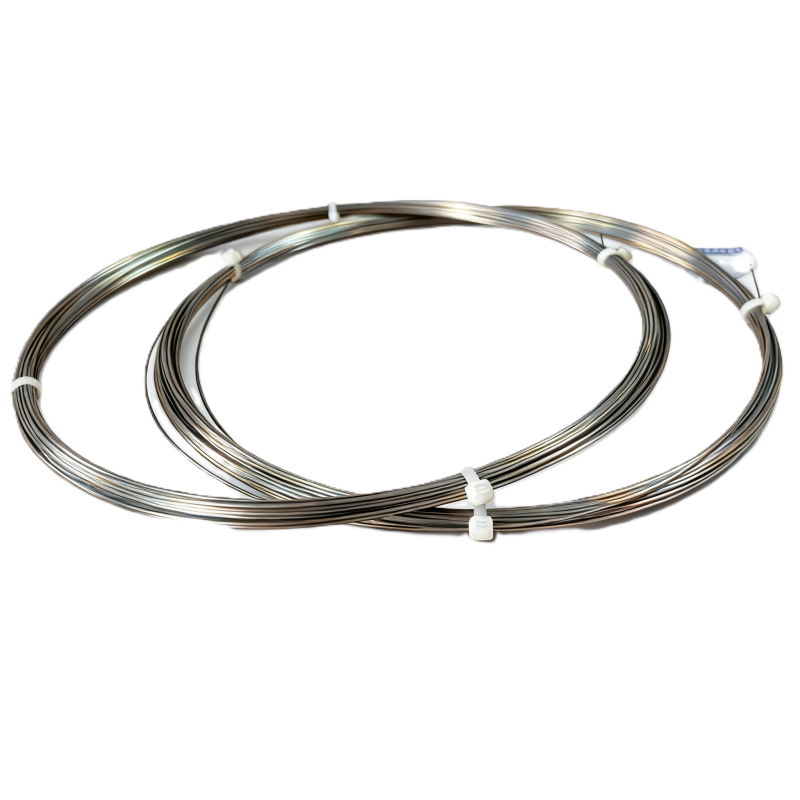
Smart Material Alloy: Advanced Shape Memory and Superelastic Solutions for Modern Engineering

Get a Free Quote

Our representative will contact you soon.
Email
Name
Company Name
Message
0/1000

smart material alloy

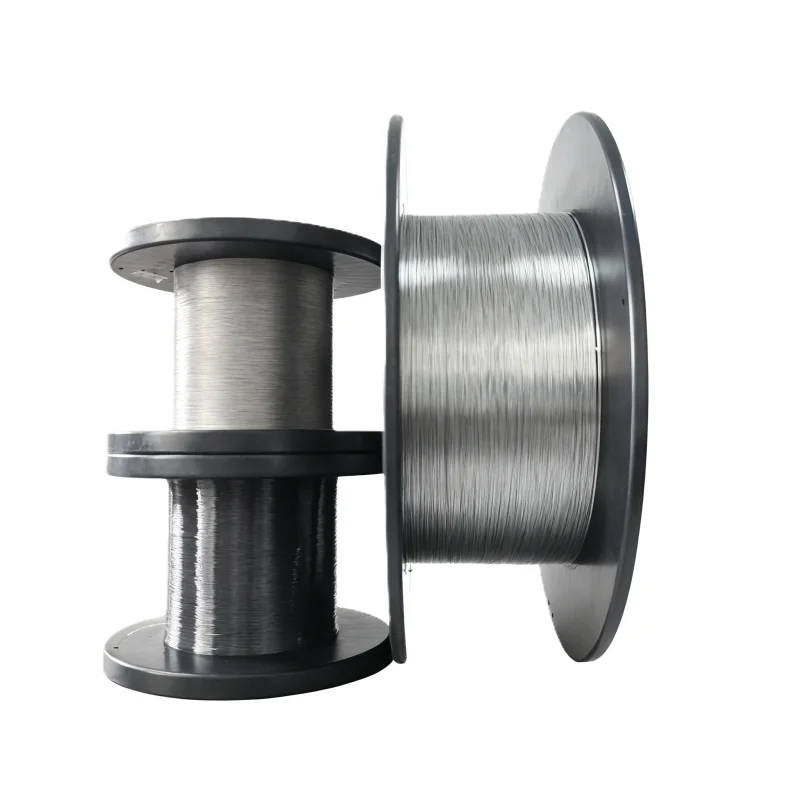
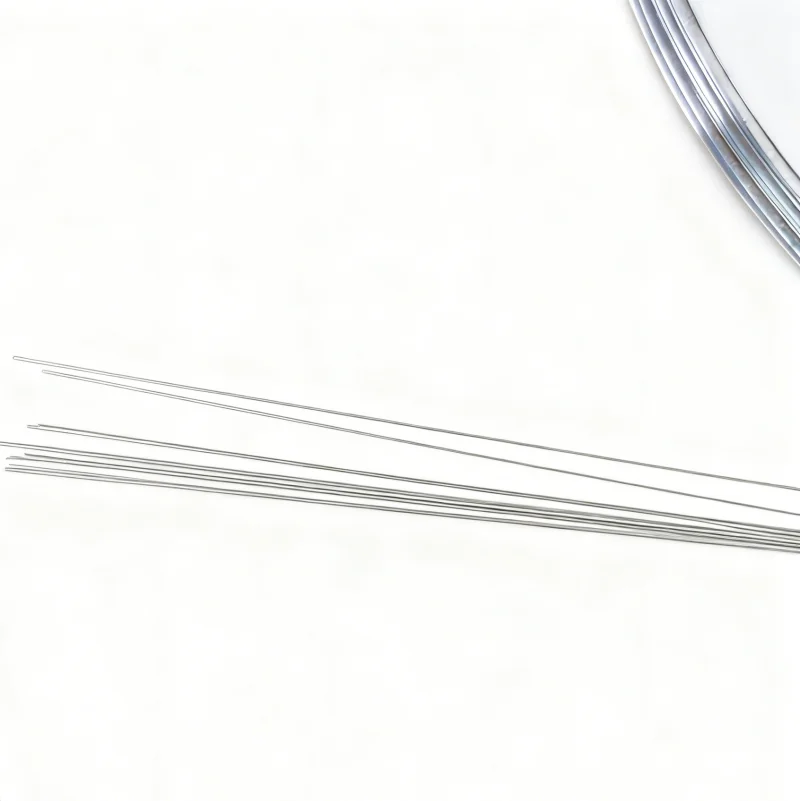
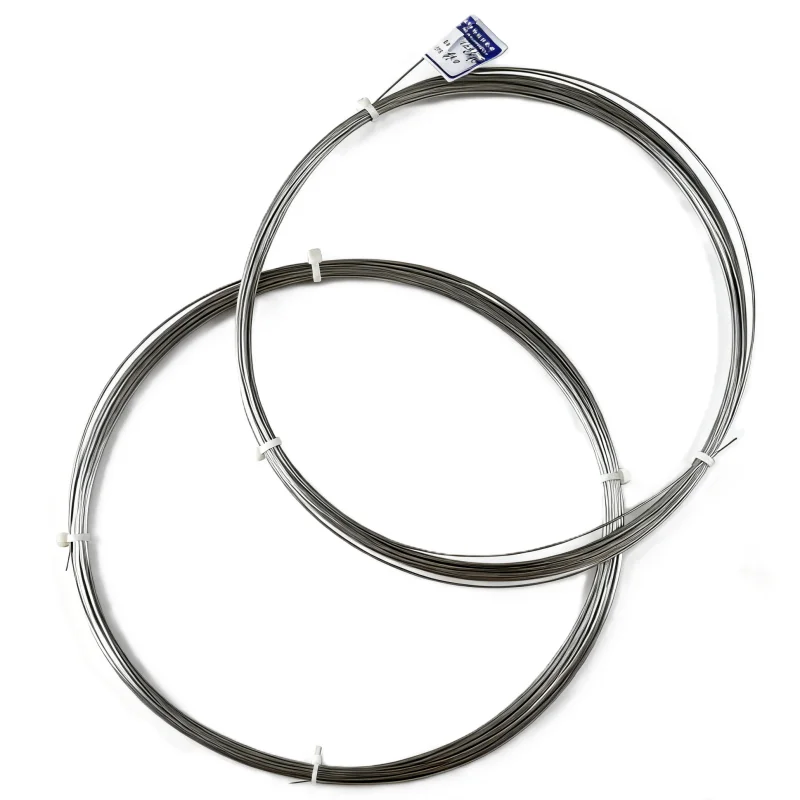
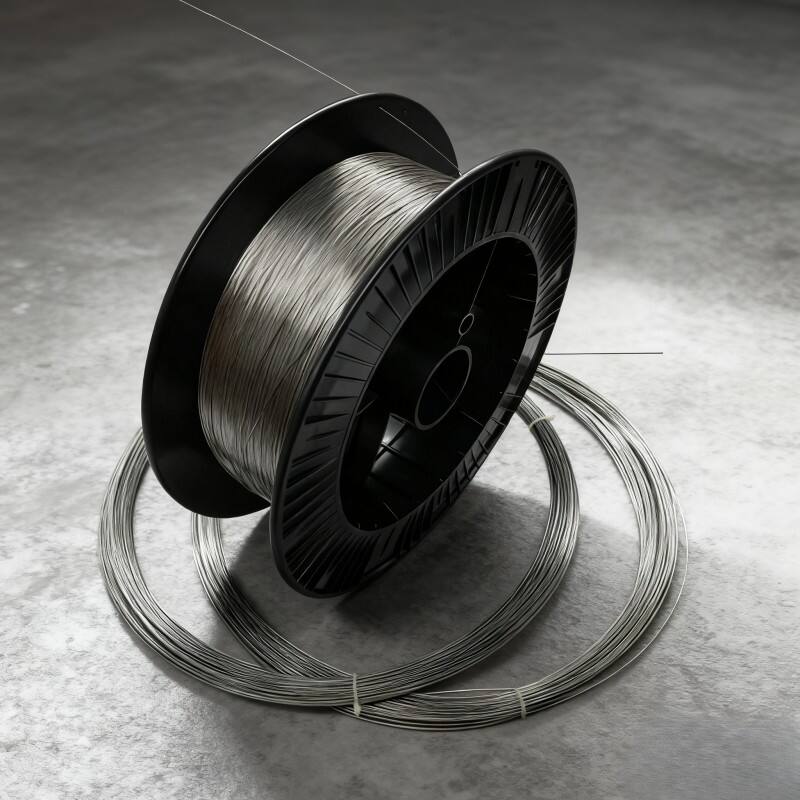
Smart material alloy represents a groundbreaking category of advanced engineering materials that respond dynamically to changes in their surrounding environment. Unlike conventional alloys that maintain fixed physical properties, a smart material alloy can alter its shape, stiffness, electrical conductivity, or thermal behavior in direct response to external stimuli such as temperature shifts, mechanical stress, magnetic fields, or electrical currents. This adaptive capability makes smart material alloy a cornerstone technology across a wide range of modern industries, from aerospace and automotive engineering to biomedical devices and consumer electronics. At its core, a smart material alloy is engineered through precise metallurgical processes that combine two or more metallic elements, often including nickel, titanium, copper, or iron, to produce a microstructure capable of undergoing reversible phase transformations. The most well-known example is the nickel-titanium alloy, commonly referred to as Nitinol, which exhibits both shape memory effect and superelasticity. The shape memory effect allows the alloy to return to a pre-programmed shape after deformation when heated to a specific transition temperature. Superelasticity, on the other hand, enables the material to undergo large elastic strains and recover fully upon unloading, even at constant temperature. These two properties alone open up an enormous range of functional applications. Technologically, smart material alloy is distinguished by its ability to serve simultaneously as both a sensor and an actuator, eliminating the need for complex mechanical systems in many applications. In aerospace, smart material alloy components are used to create morphing wing structures that adjust aerodynamic profiles in real time, improving fuel efficiency and flight performance. In the medical field, smart material alloy is used in stents, orthodontic wires, and surgical tools that activate precisely within the human body. The automotive industry leverages smart material alloy in adaptive suspension systems and thermal actuators. As manufacturing techniques continue to advance, the precision, reliability, and cost-effectiveness of smart material alloy components are improving rapidly, making this technology increasingly accessible to engineers and product designers worldwide.


New Product Recommendations

Smart material alloy delivers a set of practical benefits that make it a compelling choice for engineers, product designers, and manufacturers who need materials that do more than just hold things together. Here is a straightforward look at what smart material alloy actually does for the people and industries that use it. First, smart material alloy eliminates the need for complex mechanical assemblies. Traditional systems often require motors, gears, springs, and sensors working together to achieve movement or response. Smart material alloy handles all of that in a single component. It senses a change in its environment and responds physically, all on its own. This simplification reduces the number of parts in a product, which directly lowers manufacturing costs, reduces assembly time, and cuts down on potential failure points. Fewer parts mean fewer things that can go wrong. Second, smart material alloy gives products a longer working life. Because the material responds through internal phase changes rather than mechanical wear, it does not degrade the way traditional moving parts do. A smart material alloy actuator can cycle through millions of transformations without losing performance. For industries like aerospace and medical devices, where reliability is non-negotiable, this durability translates directly into lower maintenance costs and greater safety margins. Third, smart material alloy opens the door to miniaturization. Because a single piece of smart material alloy can perform the work of an entire mechanical subsystem, designers can build smaller, lighter products without sacrificing functionality. This is especially valuable in medical implants, wearable technology, and portable electronics, where size and weight are critical constraints. Fourth, smart material alloy supports precision control. The transformation behavior of smart material alloy can be tuned during manufacturing by adjusting alloy composition and heat treatment. This means engineers can specify exactly at what temperature or stress level the material activates, giving them precise control over product behavior without adding electronic control systems. Fifth, smart material alloy is biocompatible in its most common forms. Nickel-titanium smart material alloy, for example, has been extensively tested and approved for use inside the human body. This makes it the material of choice for cardiovascular stents, bone anchors, and orthodontic archwires, where the material must perform reliably in a demanding biological environment without causing adverse reactions. Sixth, smart material alloy reduces energy consumption. Because it responds passively to environmental changes rather than requiring a continuous power supply, smart material alloy-based systems often consume significantly less energy than electrically driven alternatives. In building automation and HVAC systems, for instance, smart material alloy actuators can open and close vents in response to temperature changes without drawing any electrical power at all. Taken together, these advantages make smart material alloy a practical, cost-effective, and versatile solution for anyone looking to build smarter, lighter, more reliable products across virtually any industry.

Practical Tips

Why do orthodontists prefer using orthodontic wire with shape memory?

15

May

Why do orthodontists prefer using orthodontic wire with shape memory?

In modern orthodontic practice, the materials used to move teeth are just as important as the clinical techniques applied. Among the many innovations that have transformed the field, orthodontic wire with shape memory stands out as one of the most cl...
View More
How to ensure dimensional tolerances for precision Nitinol metal parts?

18

May

How to ensure dimensional tolerances for precision Nitinol metal parts?

Achieving tight dimensional tolerances in Nitinol metal components is one of the most demanding challenges in precision manufacturing. Unlike conventional metals, Nitinol — a nickel-titanium shape memory alloy — exhibits superelastic recovery and pha...
View More
How to utilize one-way and two-way memory in precision medical components?

21

May

How to utilize one-way and two-way memory in precision medical components?

In the development of precision medical components, material intelligence is no longer a concept reserved for science fiction. nitinol wire has fundamentally changed how engineers and medical device designers approach the challenge of building compon...
View More
Why is a brand with a 5,000m² factory more professional in Nitinol customization?

22

May

Why is a brand with a 5,000m² factory more professional in Nitinol customization?

When sourcing advanced shape memory alloys for medical devices, aerospace components, or industrial actuators, the manufacturing environment behind a supplier tells you far more than a product catalog ever could. Nitinol customization is a precision-...
View More

Get a Free Quote

Our representative will contact you soon.
Email
Name
Company Name
Message
0/1000

smart material alloy

Shape Memory Effect: Engineering That Remembers Its Purpose

Shape Memory Effect: Engineering That Remembers Its Purpose

One of the most remarkable properties of smart material alloy is the shape memory effect, a behavior that allows the material to recover its original, pre-programmed geometry after being deformed, simply by being exposed to a specific trigger temperature. This is not a superficial surface behavior. It is a fundamental property rooted in the crystallographic structure of the alloy itself. When a smart material alloy is cooled below its transformation temperature, it enters a low-temperature phase known as martensite. In this phase, the material is relatively soft and can be deformed with modest force. When heat is applied and the alloy warms above its transformation temperature, it transitions into a high-temperature phase called austenite. During this transition, the crystal lattice snaps back to its original configuration, and the macroscopic shape of the component follows. The result is a material that physically moves, bends, or contracts in a controlled and repeatable way in direct response to temperature. For product designers and engineers, the shape memory effect in smart material alloy unlocks a category of functionality that would otherwise require motors, solenoids, or hydraulic actuators. A single wire or strip of smart material alloy can generate significant force during its transformation, making it capable of driving mechanical motion in compact spaces where conventional actuators simply cannot fit. In the medical device industry, this property is used to create self-expanding stents that are compressed for delivery through a catheter and then expand to their full diameter once they reach body temperature inside a blood vessel. In aerospace, shape memory effect components are used to deploy structures, seal gaps, and adjust control surfaces without adding the weight and complexity of traditional actuation systems. In consumer products, smart material alloy with shape memory effect is used in eyeglass frames that spring back to shape after being bent, and in coffee makers that use temperature-activated valves to control water flow. The precision with which the transformation temperature can be tuned during alloy manufacturing means that engineers can design smart material alloy components to activate at exactly the right moment in exactly the right environment. This level of control, combined with the material's ability to cycle reliably through millions of transformations, makes the shape memory effect one of the most commercially valuable properties in modern materials engineering.
Superelasticity: Flexibility Without Fatigue

Superelasticity: Flexibility Without Fatigue

Superelasticity is the second defining property of smart material alloy, and it is just as commercially significant as the shape memory effect. Where the shape memory effect relies on a temperature change to drive recovery, superelasticity operates entirely at constant temperature. A superelastic smart material alloy can be stretched, bent, or compressed to strains far beyond what any conventional metal can tolerate, and then return completely to its original shape the moment the load is removed. This behavior occurs because the applied mechanical stress itself triggers the phase transformation from austenite to martensite. When the stress is released, the martensite reverts to austenite and the shape is fully recovered. The practical implications of superelasticity in smart material alloy are enormous. In orthodontics, superelastic nickel-titanium archwires apply a continuous, gentle force to teeth throughout the full range of tooth movement, unlike conventional stainless steel wires that deliver high initial forces that drop off rapidly as teeth shift. This means fewer adjustment appointments, more comfortable treatment for patients, and faster overall results. In guidewires and catheters used in minimally invasive surgery, superelastic smart material alloy allows the device to navigate tight curves and bends inside the body without kinking or permanently deforming, which is critical for both safety and procedural success. In eyewear, superelastic smart material alloy frames can be twisted and flexed repeatedly without losing their shape, dramatically extending product lifespan and reducing warranty claims for manufacturers. In sporting goods, smart material alloy components in golf clubs, tennis rackets, and bicycle frames absorb and return energy more efficiently than conventional metals, improving performance and reducing fatigue on the athlete. The fatigue resistance of superelastic smart material alloy is particularly noteworthy. Because the deformation mechanism is a reversible phase transformation rather than dislocation movement, the material does not accumulate the internal damage that leads to metal fatigue in conventional alloys. This means superelastic smart material alloy components can endure millions of loading cycles in demanding applications without cracking or losing their elastic recovery. For any application where flexibility, resilience, and long service life are priorities, superelastic smart material alloy delivers performance that no conventional engineering material can match.
Biocompatibility and Medical-Grade Performance: Built for the Human Body

Biocompatibility and Medical-Grade Performance: Built for the Human Body

Among all the properties that distinguish smart material alloy from conventional engineering materials, its biocompatibility stands out as one of the most strategically important. The most widely used smart material alloy, nickel-titanium, has undergone decades of rigorous clinical testing and regulatory review, and it is now approved for use in a broad range of implantable and body-contact medical devices. This acceptance by the global medical community is not accidental. It reflects the unique combination of properties that smart material alloy brings to medical applications, properties that no other class of material can replicate in the same package. Biocompatibility in smart material alloy is achieved through the formation of a stable titanium oxide layer on the surface of the alloy. This passive oxide layer acts as a barrier between the nickel content of the alloy and the surrounding biological tissue, preventing ion release and minimizing the risk of allergic or toxic reactions. The result is a material that the human body tolerates exceptionally well, even in long-term implant applications. In cardiovascular medicine, smart material alloy is the material of choice for self-expanding stents used to treat arterial blockages. The stent is crimped onto a delivery catheter at low temperature, navigated to the target site, and then released, where body heat triggers the shape memory transformation and the stent expands to its full diameter, propping open the artery. The superelastic properties of smart material alloy also allow the stent to flex with the natural movement of the artery without fracturing, a critical requirement for long-term device performance. In orthopedics, smart material alloy staples and bone anchors use the shape memory effect to generate compressive forces across bone fractures, accelerating healing. In neurosurgery, smart material alloy clips and coils are used to treat aneurysms with precision and reliability. Beyond implantable devices, smart material alloy is used extensively in minimally invasive surgical instruments, where its flexibility and kink resistance allow surgeons to access difficult anatomical locations through small incisions. The combination of biocompatibility, shape memory effect, superelasticity, and fatigue resistance makes smart material alloy the definitive material for the next generation of medical devices, supporting better patient outcomes and enabling procedures that were previously impossible with conventional materials.
Smart Material Alloy: Advanced Shape Memory and Superelastic Solutions for Modern Engineering

Get a Free Quote

Our representative will contact you soon.
Email
Name
Company Name
Message
0/1000
Newsletter
Please Leave A Message With Us