List of Shape Memory Alloys: Complete Guide to Types, Properties, and Applications

Get a Free Quote

Our representative will contact you soon.
Email
Name
Company Name
Message
0/1000

list of shape memory alloys

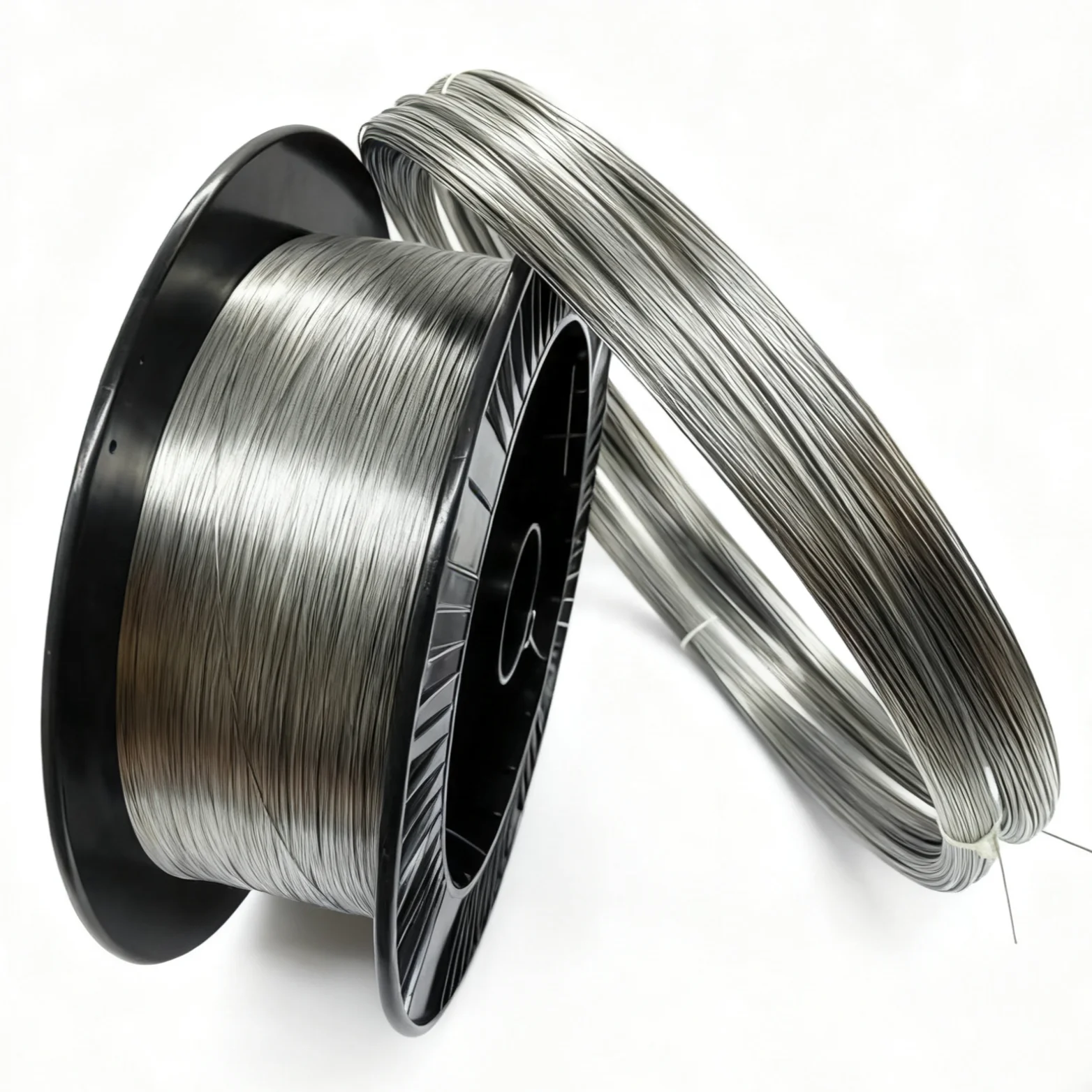
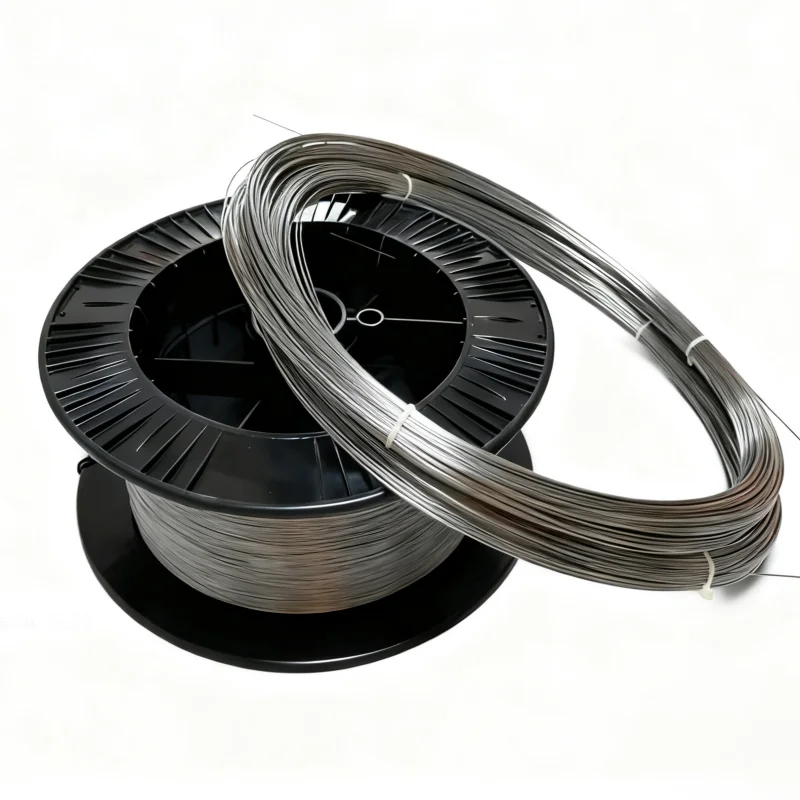
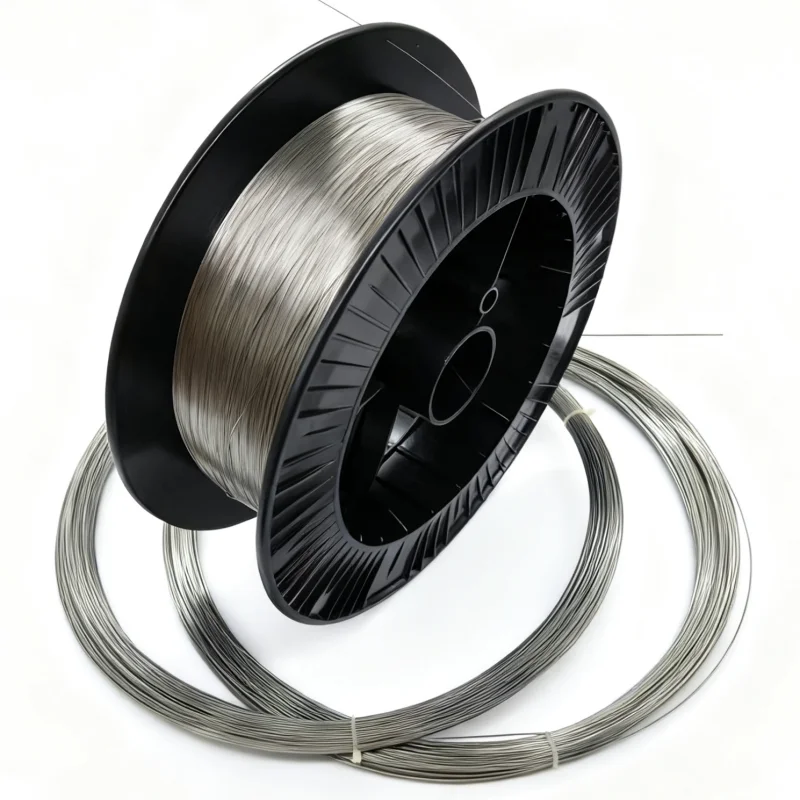
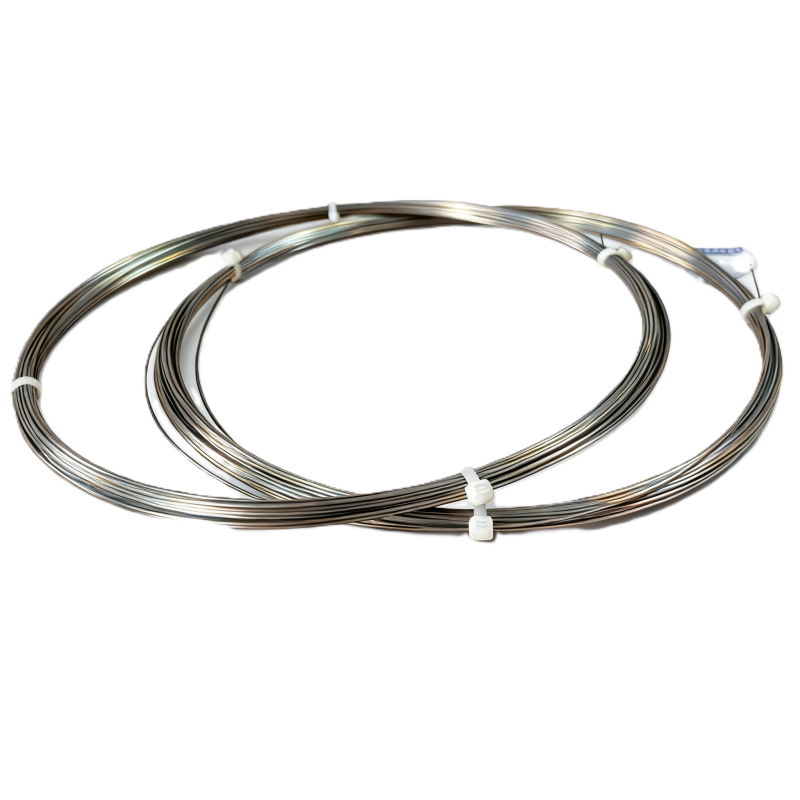
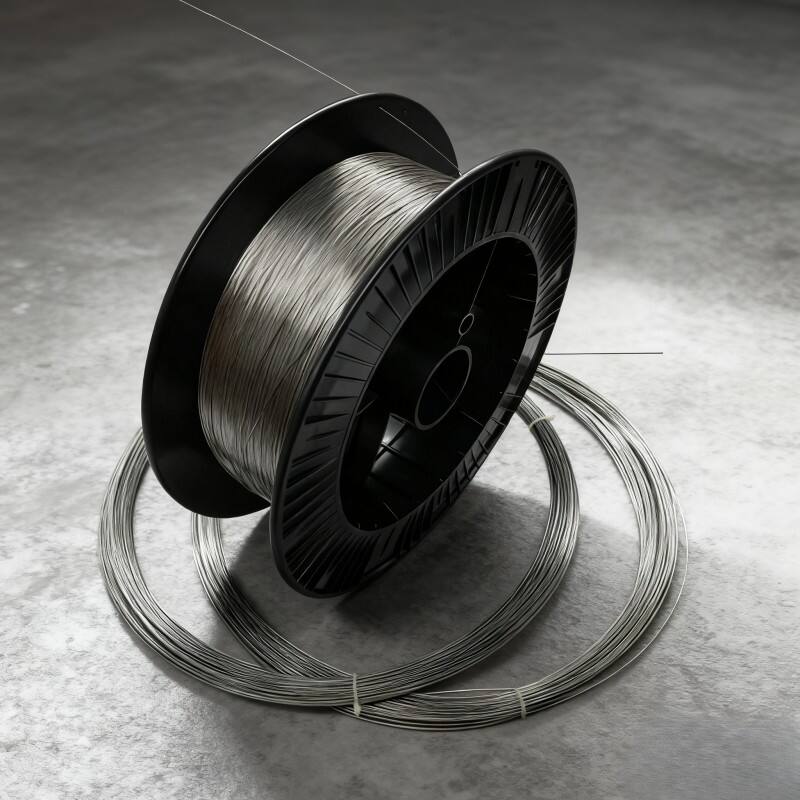
The list of shape memory alloys represents one of the most fascinating categories of smart materials available in modern engineering and manufacturing. Shape memory alloys, commonly referred to as SMAs, are metallic materials that have the remarkable ability to return to a previously defined shape after being deformed, when exposed to a specific stimulus such as heat, stress, or a magnetic field. The list of shape memory alloys includes well-known compositions such as Nickel-Titanium (Nitinol), Copper-Zinc-Aluminum, Copper-Aluminum-Nickel, Iron-Manganese-Silicon, and various other advanced alloy systems developed for specialized industrial and medical purposes. Each material within the list of shape memory alloys carries distinct transformation temperatures, mechanical properties, and recovery characteristics that make it suitable for targeted applications. The core mechanism behind these materials is the reversible martensitic phase transformation, a solid-state structural change that allows the alloy to shift between two crystalline phases, austenite and martensite, depending on temperature or applied stress. This transformation is what gives shape memory alloys their defining functional properties, including the shape memory effect and superelasticity. The shape memory effect allows a deformed alloy to recover its original shape upon heating, while superelasticity enables the material to undergo large elastic deformations at constant temperature and spring back without permanent change. Technologically, the list of shape memory alloys is distinguished by its biocompatibility, corrosion resistance, high fatigue strength, and the ability to generate significant recovery forces. These properties make them indispensable across a wide range of sectors. In the medical field, Nitinol is used in stents, guidewires, orthodontic archwires, and surgical tools. In aerospace and automotive industries, shape memory alloys serve as actuators, vibration dampers, and structural connectors. Consumer electronics, robotics, and civil engineering also benefit from the unique capabilities found across the list of shape memory alloys, making these materials a cornerstone of next-generation smart system design.


New Product Recommendations

When you look at what the list of shape memory alloys can actually do for your project or product, the practical benefits become clear very quickly. These are not theoretical materials sitting in a laboratory. They are active, functional components that solve real engineering problems in ways that traditional metals simply cannot match. Here is a straightforward breakdown of why choosing from the list of shape memory alloys makes sense for engineers, designers, product developers, and procurement teams alike. First, these alloys eliminate the need for complex mechanical systems. Traditional actuators require motors, gears, hydraulics, or pneumatics to create movement. Materials from the list of shape memory alloys generate motion directly through temperature change or stress response. This means fewer parts, less weight, reduced maintenance, and lower overall system complexity. For any application where space and weight are critical, this is a direct and measurable advantage. Second, the list of shape memory alloys delivers repeatable, reliable performance over thousands of cycles. Nitinol, for example, can undergo millions of superelastic cycles without significant degradation. This durability translates into longer product lifespans and reduced replacement costs, which matters enormously in medical devices, aerospace components, and consumer products where reliability is non-negotiable. Third, many alloys within the list of shape memory alloys are biocompatible, meaning they can safely interact with human tissue. This opens the door to minimally invasive medical devices that can be inserted in a compressed form and then expand to their functional shape inside the body. Patients benefit from less invasive procedures, faster recovery times, and better clinical outcomes. Fourth, these materials offer design freedom that rigid metals cannot provide. Because they can be deformed and then recover, engineers can create components that change shape on demand, adapt to their environment, or self-assemble under controlled conditions. This flexibility accelerates innovation in robotics, wearable technology, and adaptive structures. Fifth, the list of shape memory alloys supports energy efficiency. Since the actuation mechanism is driven by ambient heat or body heat in many applications, external power requirements are minimal or entirely eliminated. This is a significant advantage in remote sensing, implantable devices, and sustainable engineering projects. Sixth, corrosion resistance is a built-in feature for many alloys in the list of shape memory alloys, particularly Nitinol. This makes them suitable for harsh environments including marine, chemical processing, and biological settings without the need for protective coatings or frequent maintenance. Seventh, sourcing from a comprehensive list of shape memory alloys gives procurement teams the ability to match the exact transformation temperature, recovery force, and mechanical profile to their specific application. This precision reduces over-engineering and material waste, keeping project costs under control while meeting performance targets. In summary, the list of shape memory alloys gives you smarter, lighter, more durable, and more adaptable solutions across virtually every industry that demands high-performance materials.

Practical Tips

Why do full-chain manufacturers provide a more stable supply of SMA wire?

14

May

Why do full-chain manufacturers provide a more stable supply of SMA wire?

In industrial and medical procurement, supply chain reliability is not a luxury — it is a fundamental requirement. When sourcing SMA wire, the type of manufacturer you partner with has a direct and measurable impact on delivery consistency, material ...
View More
Why do orthodontists prefer using orthodontic wire with shape memory?

15

May

Why do orthodontists prefer using orthodontic wire with shape memory?

In modern orthodontic practice, the materials used to move teeth are just as important as the clinical techniques applied. Among the many innovations that have transformed the field, orthodontic wire with shape memory stands out as one of the most cl...
View More
How to ensure dimensional tolerances for precision Nitinol metal parts?

18

May

How to ensure dimensional tolerances for precision Nitinol metal parts?

Achieving tight dimensional tolerances in Nitinol metal components is one of the most demanding challenges in precision manufacturing. Unlike conventional metals, Nitinol — a nickel-titanium shape memory alloy — exhibits superelastic recovery and pha...
View More
Why do full-process manufacturers provide higher performance Nitinol SMA?

20

May

Why do full-process manufacturers provide higher performance Nitinol SMA?

When engineers and procurement specialists evaluate materials for high-precision medical devices, aerospace components, or advanced actuator systems, the source of the material matters as much as the material itself. Nitinol SMA — the nickel-titanium...
View More

Get a Free Quote

Our representative will contact you soon.
Email
Name
Company Name
Message
0/1000

list of shape memory alloys

Unmatched Shape Recovery and Superelastic Performance Across the List of Shape Memory Alloys

Unmatched Shape Recovery and Superelastic Performance Across the List of Shape Memory Alloys

One of the most compelling reasons engineers and product designers turn to the list of shape memory alloys is the extraordinary combination of shape recovery and superelasticity that these materials deliver. Unlike conventional metals that deform permanently under stress, alloys within the list of shape memory alloys can recover strains of up to eight percent, a figure that is orders of magnitude beyond what standard stainless steel or titanium can achieve. This capability is rooted in the reversible martensitic transformation, a phase change at the atomic level that allows the material to absorb mechanical energy and release it in a controlled, predictable manner. For customers, this means components that can be bent, compressed, or stretched during installation or use and then return precisely to their engineered shape without any loss of structural integrity. Consider the implications for medical device manufacturers. A stent made from Nitinol, one of the most widely used entries in the list of shape memory alloys, can be crimped down to a fraction of its deployed diameter, threaded through a catheter to the target site in the body, and then released to expand and hold open a narrowed artery. The recovery is not approximate. It is exact, repeatable, and reliable across the clinical lifetime of the device. For aerospace engineers, superelastic components from the list of shape memory alloys can absorb vibration and impact loads that would fatigue or fracture conventional materials, extending the service life of critical structures. In consumer electronics, hinges and connectors made from these alloys survive repeated bending cycles that would cause metal fatigue in standard alloys. The value here is not just technical performance. It is the downstream benefit of fewer warranty claims, lower replacement rates, and stronger customer confidence in the end product. Choosing the right entry from the list of shape memory alloys for your specific strain and temperature requirements gives your design a performance edge that is difficult to replicate with any other material class.
Broad Application Range Supported by the Diverse List of Shape Memory Alloys

Broad Application Range Supported by the Diverse List of Shape Memory Alloys

The practical value of the list of shape memory alloys is amplified by the sheer breadth of industries and applications it serves. This is not a niche material category. It is a versatile platform of engineered metals that addresses challenges across medicine, aerospace, automotive engineering, civil infrastructure, consumer products, and emerging technology sectors. Each alloy system within the list of shape memory alloys has been developed and refined to meet the specific demands of its target environment, giving customers a precise tool rather than a generic solution. In the medical sector, the list of shape memory alloys underpins some of the most important advances in minimally invasive surgery and implantable device technology. Nitinol guidewires navigate complex vascular anatomy with flexibility that rigid wires cannot match. Orthodontic archwires made from shape memory alloys apply consistent, gentle force over extended periods, reducing patient discomfort and the number of clinical adjustments required. Bone anchors, filters, and fixation devices all benefit from the biocompatibility and recovery force characteristics found throughout the list of shape memory alloys. In aerospace and defense, actuators built from shape memory alloys replace heavier, more complex electromechanical systems, reducing aircraft weight and improving fuel efficiency. Morphing wing structures, adaptive inlets, and vibration control systems all draw on the actuation capabilities available across the list of shape memory alloys. Automotive engineers use these materials in active engine mounts, climate control actuators, and safety systems where reliable, compact actuation is essential. In civil engineering, shape memory alloy reinforcements are being integrated into earthquake-resistant structures, where the superelastic behavior of these materials dissipates seismic energy and allows buildings to return to their original alignment after a seismic event. The list of shape memory alloys also plays a growing role in soft robotics, where compliant, muscle-like actuators are needed to create machines that interact safely with humans and delicate environments. This extraordinary range of applications means that when you source from the list of shape memory alloys, you are accessing a material ecosystem with decades of proven performance and a rapidly expanding frontier of new possibilities.
Superior Material Properties That Define the List of Shape Memory Alloys as a Premium Engineering Choice

Superior Material Properties That Define the List of Shape Memory Alloys as a Premium Engineering Choice

Beyond their headline shape recovery and actuation capabilities, the materials within the list of shape memory alloys offer a suite of intrinsic properties that make them a premium choice for demanding engineering applications. Understanding these properties helps customers make informed sourcing decisions and unlock the full potential of these advanced materials in their specific use cases. Biocompatibility is one of the most important properties associated with leading entries in the list of shape memory alloys. Nitinol, in particular, has been extensively tested and clinically validated for long-term implantation in the human body. Its oxide surface layer is chemically stable and resistant to ion release, which means it does not trigger adverse biological responses. This makes it the material of choice for permanent implants, temporary devices, and instruments that contact blood or tissue. For medical device companies, this biocompatibility is not just a technical specification. It is a regulatory asset that streamlines the path to market approval. Corrosion resistance is another defining characteristic across the list of shape memory alloys. In environments where moisture, salt, acids, or biological fluids are present, conventional metals corrode and weaken over time. Alloys from the list of shape memory alloys maintain their mechanical and functional properties in these conditions, reducing maintenance requirements and extending service intervals. This is particularly valuable in marine engineering, chemical processing equipment, and implantable medical devices. High damping capacity is a less widely discussed but equally important property found in many alloys within the list of shape memory alloys. The internal friction generated during the martensitic transformation absorbs mechanical vibration and acoustic energy, making these materials effective for noise and vibration control in precision instruments, automotive systems, and structural applications. Thermal and electrical properties within the list of shape memory alloys can also be tailored through compositional adjustments, allowing engineers to fine-tune transformation temperatures to match the operating environment of their specific application. Whether the target is body temperature actuation, ambient temperature superelasticity, or high-temperature aerospace performance, the list of shape memory alloys provides a composition to meet the requirement. Taken together, these properties position the list of shape memory alloys as a uniquely capable material platform for engineers who need performance that goes beyond what conventional metals can deliver.
List of Shape Memory Alloys: Complete Guide to Types, Properties, and Applications

Get a Free Quote

Our representative will contact you soon.
Email
Name
Company Name
Message
0/1000
Newsletter
Please Leave A Message With Us