Nitinol Memory Alloy: Shape Recovery, Superelasticity, and Biocompatible Performance

Get a Free Quote

Our representative will contact you soon.
Email
Name
Company Name
Message
0/1000

nitinol memory

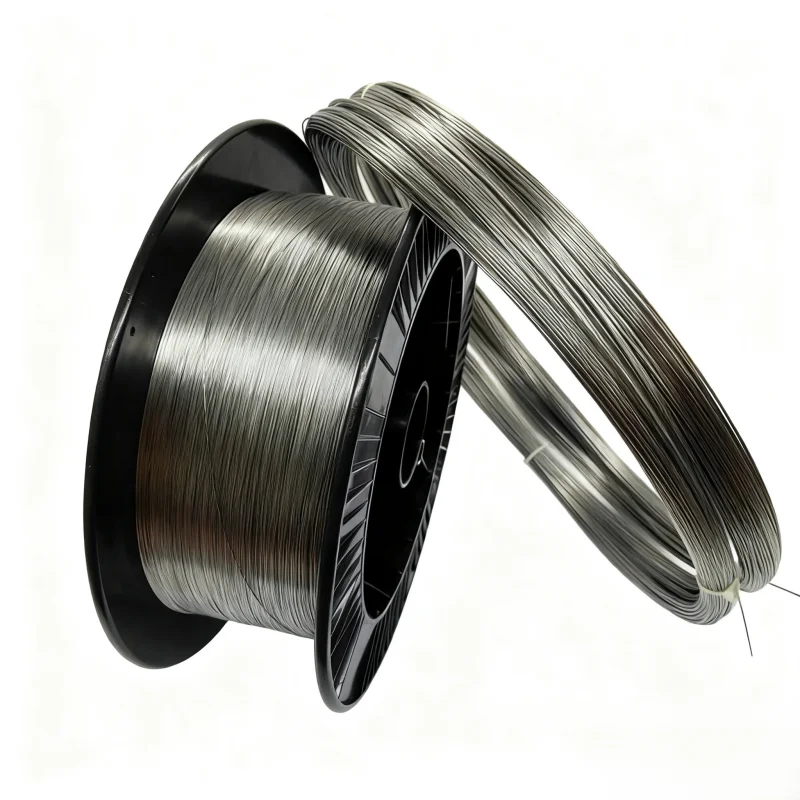
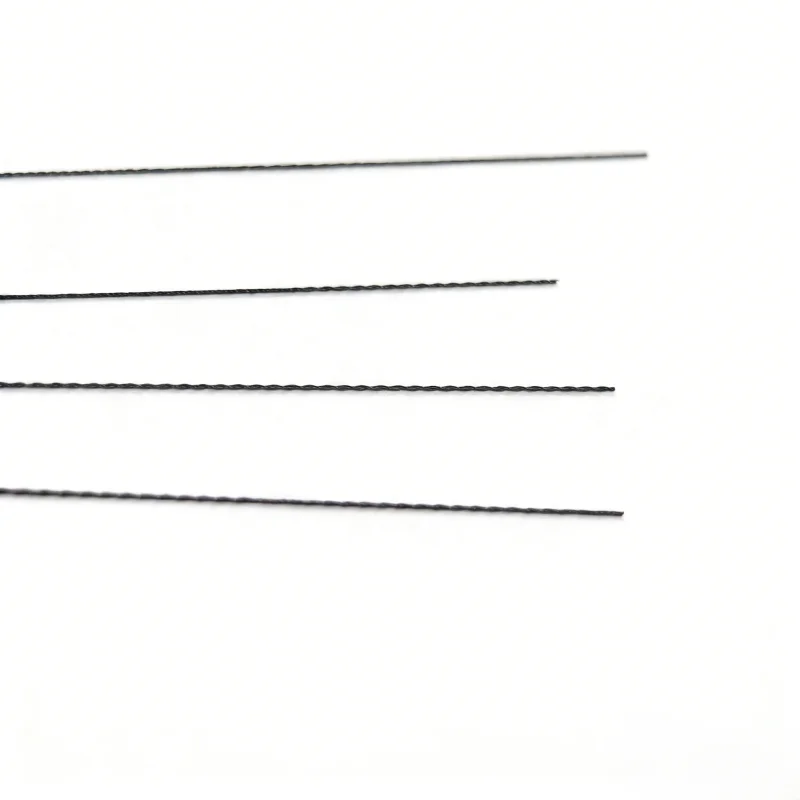
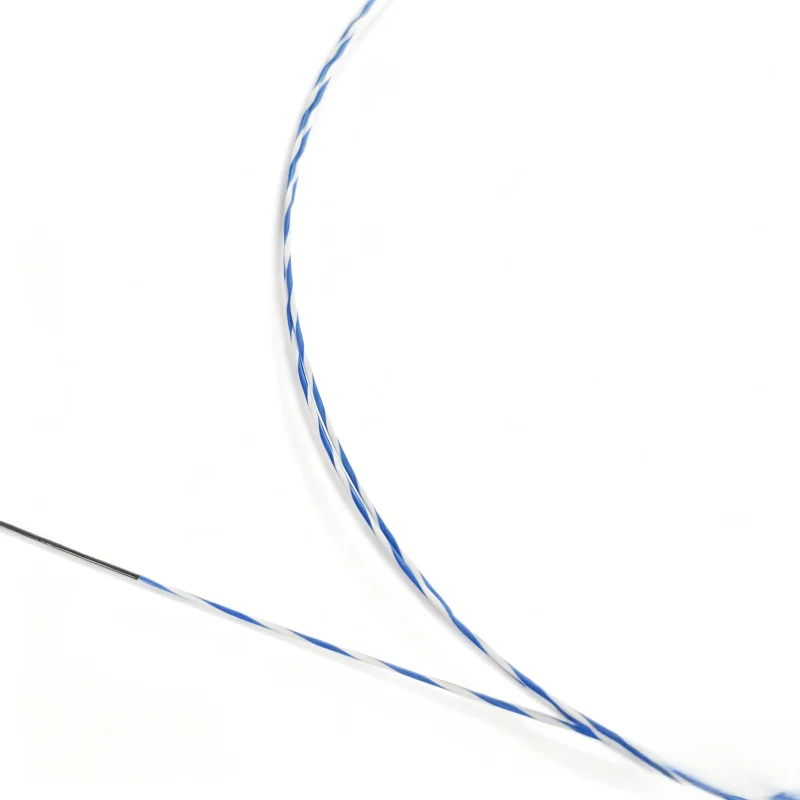
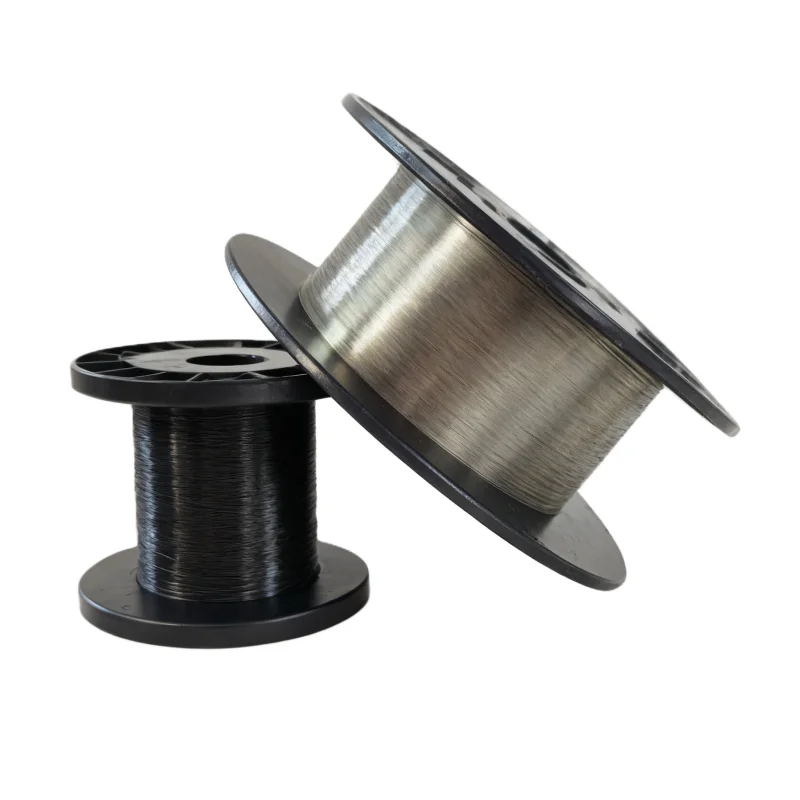
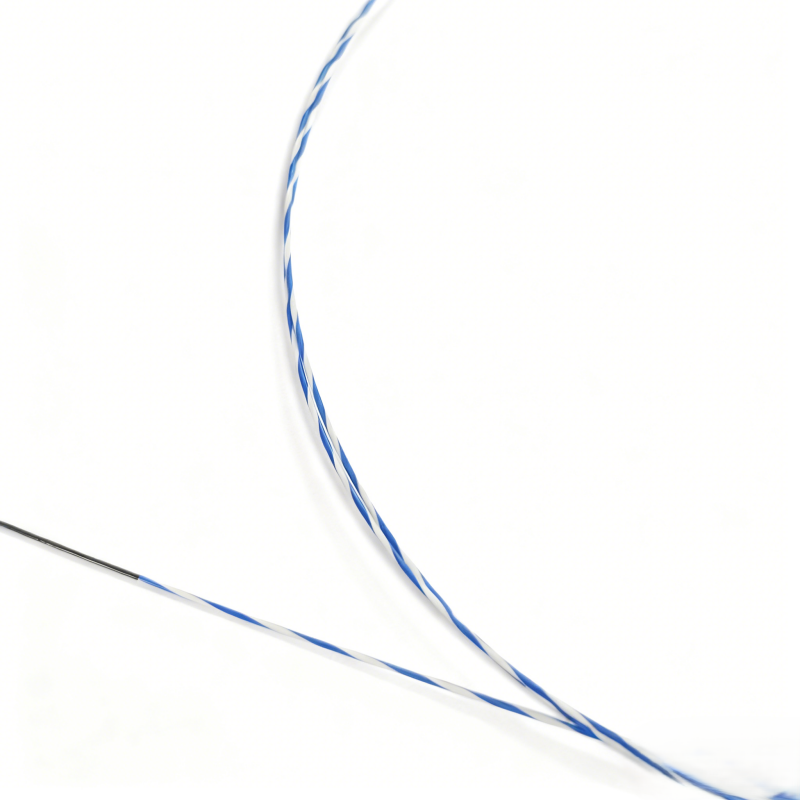
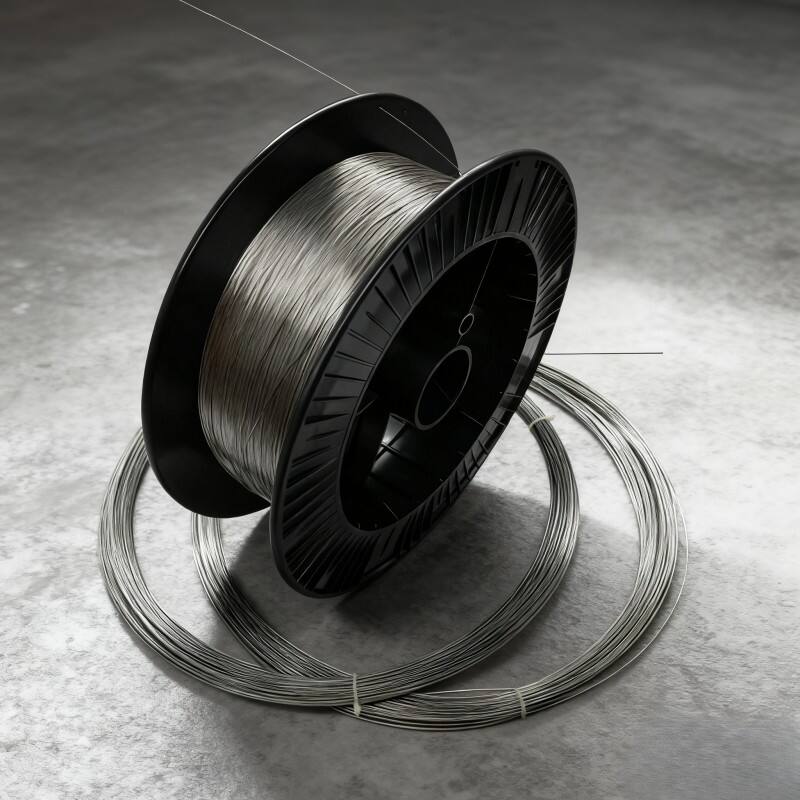
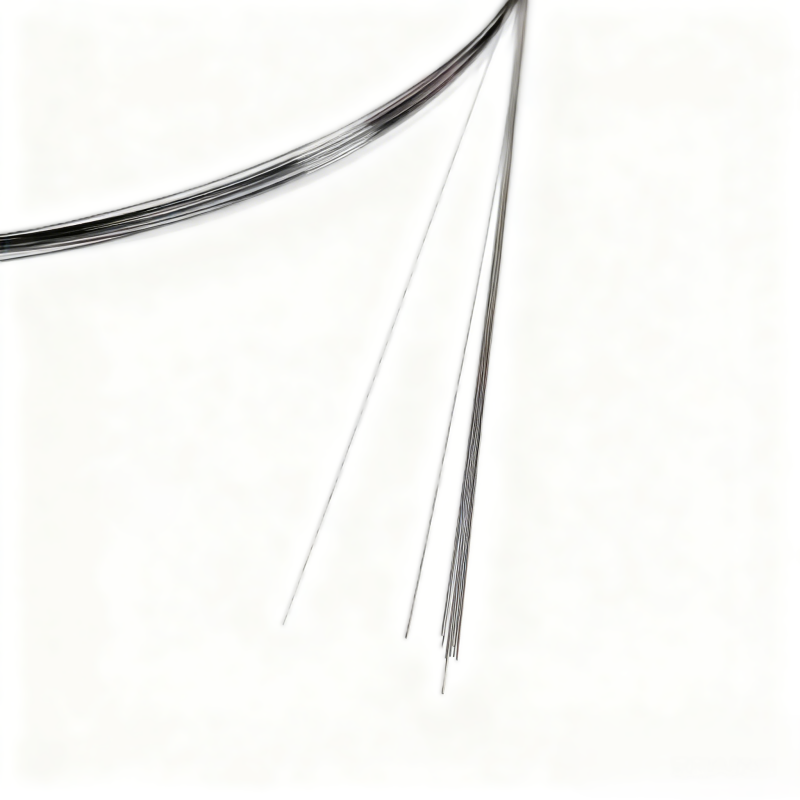
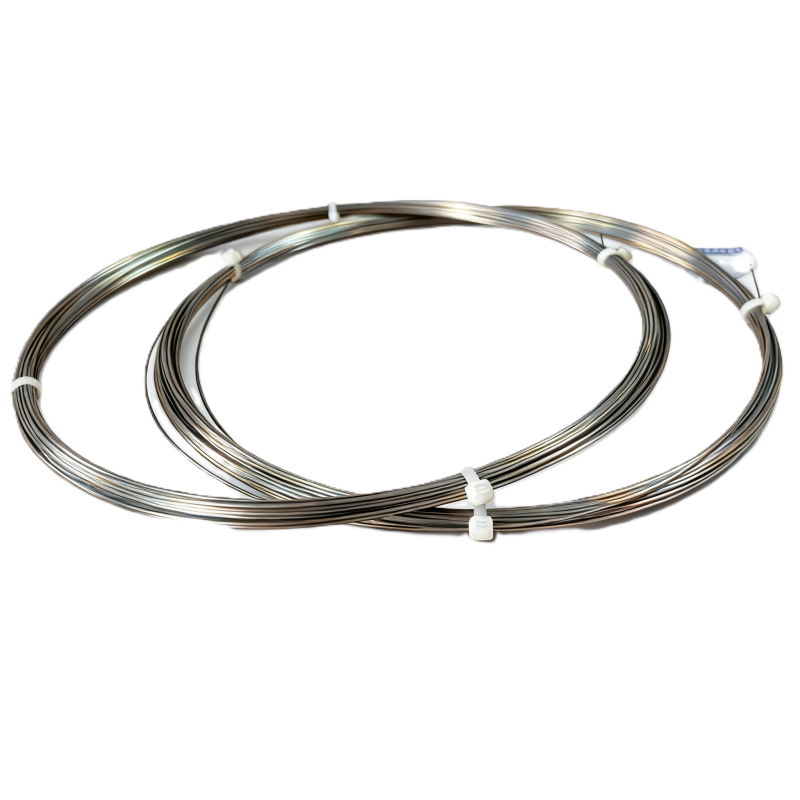
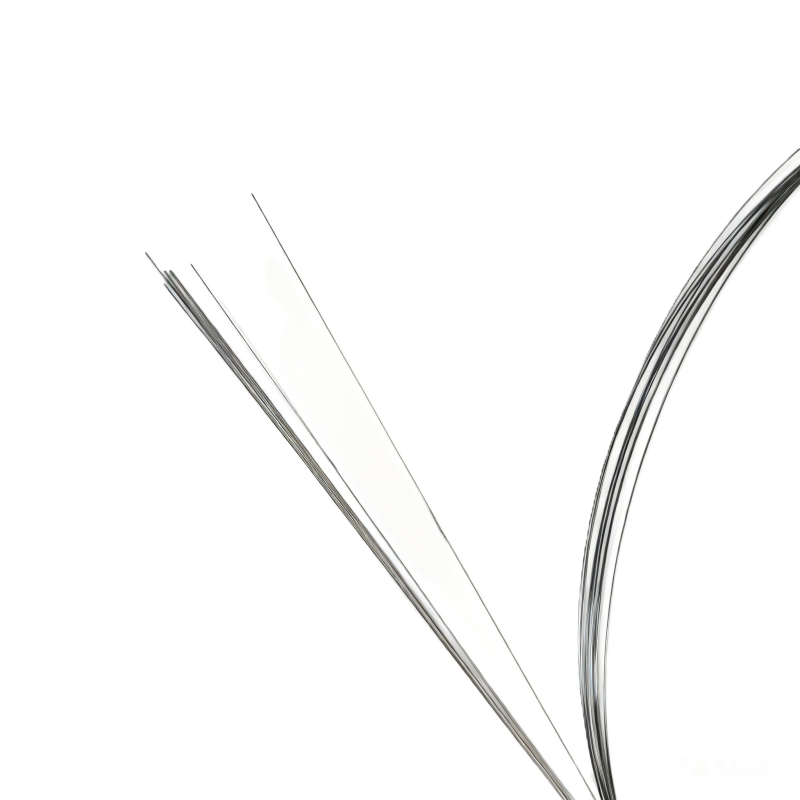
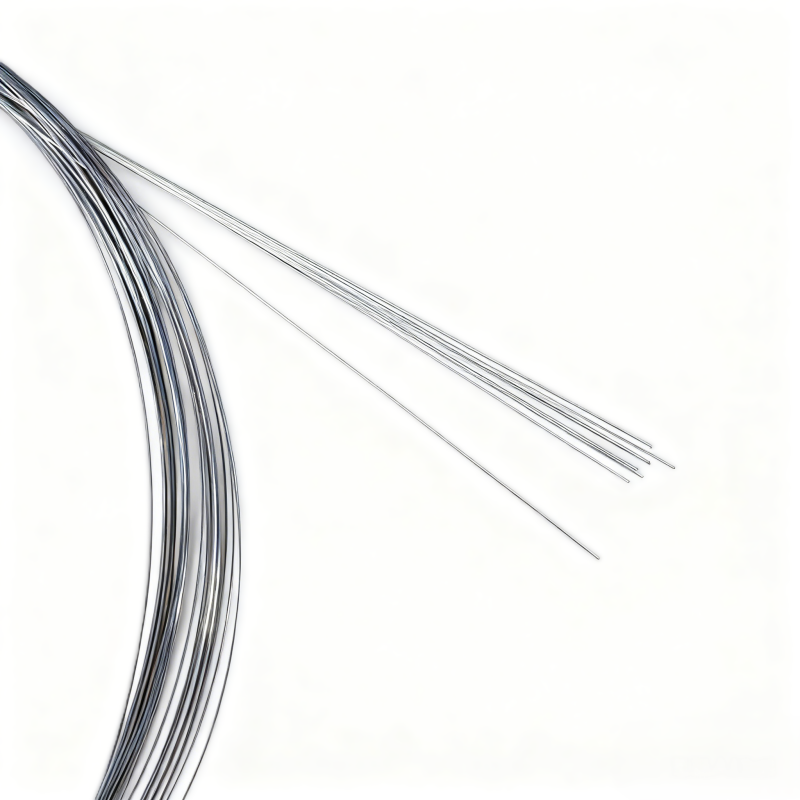
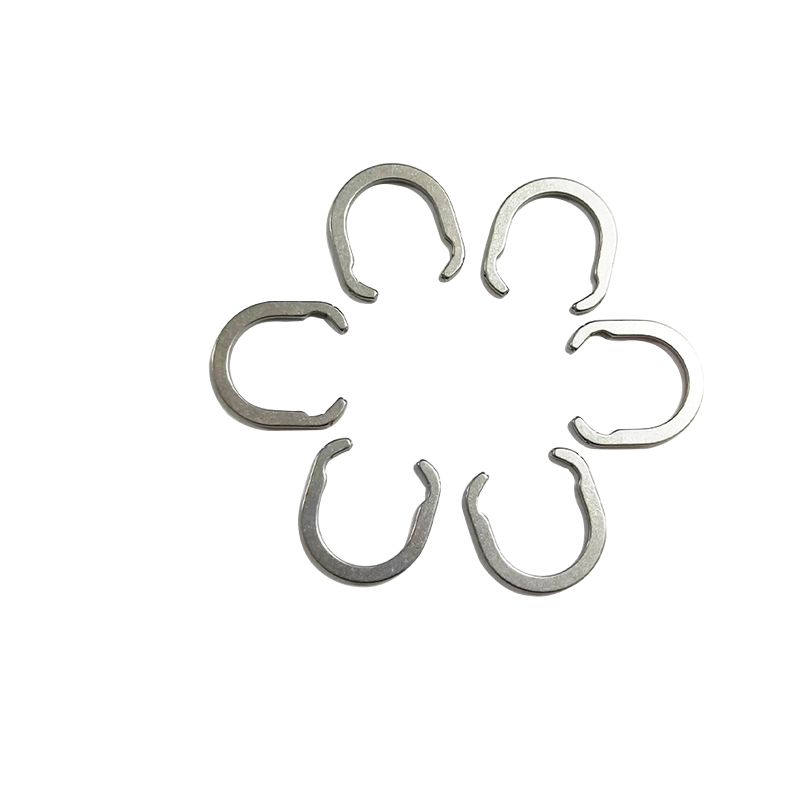
Nitinol memory is a remarkable class of shape memory alloy composed of nearly equal parts nickel and titanium. The term nitinol memory refers to the material's extraordinary ability to remember its original shape and return to it after being deformed, a property that sets it apart from conventional metals and alloys. This behavior is driven by a reversible phase transformation between two solid-state crystal structures known as austenite and martensite. When nitinol memory is cooled below its transformation temperature, it enters the martensitic phase, becoming soft and easily deformed. Upon heating above the transformation temperature, it reverts to the austenitic phase and recovers its pre-programmed shape with remarkable precision and force. This phenomenon is known as the shape memory effect, and it forms the foundation of virtually every application built around nitinol memory. Beyond the shape memory effect, nitinol memory also exhibits superelasticity, which allows it to undergo large elastic deformations at constant temperature and spring back to its original form once the applied stress is removed. This dual functionality makes nitinol memory one of the most versatile engineering materials available today. The transformation temperature of nitinol memory can be precisely tuned during manufacturing by adjusting the nickel-to-titanium ratio and applying specific heat treatment protocols, giving engineers fine control over when and how the material responds to thermal or mechanical stimuli. Nitinol memory demonstrates outstanding biocompatibility, corrosion resistance, and fatigue life, making it suitable for demanding environments ranging from the human body to aerospace systems. Its applications span a wide range of industries including medical devices such as stents, guidewires, and orthodontic archwires, as well as actuators, robotics, automotive components, and consumer electronics. The combination of shape recovery, superelasticity, and tunable transformation behavior makes nitinol memory a uniquely powerful material platform for innovation across engineering disciplines.

New Products

Nitinol memory delivers a set of practical benefits that are difficult to match with any other material, and understanding these advantages helps explain why engineers and product designers continue to choose it for demanding applications. First and foremost, nitinol memory gives you reliable shape recovery without any external motors, gears, or complex mechanical systems. The material itself acts as the actuator. When you heat it past its transformation temperature, it moves back to its original shape on its own. This means you can build simpler, lighter, and more compact devices that do the same job as bulkier mechanical assemblies. That translates directly into lower manufacturing costs, fewer parts to maintain, and a reduced risk of mechanical failure over time. Second, nitinol memory is superelastic at body temperature, which makes it ideal for medical applications. A stent made from nitinol memory can be compressed into a small catheter, guided through blood vessels, and then released to expand and hold the vessel open without any inflation mechanism. The material does the work automatically, and it keeps doing it reliably for years. Patients benefit from less invasive procedures, and clinicians benefit from devices that perform consistently. Third, nitinol memory has an exceptionally long fatigue life compared to conventional metals. It can cycle through its shape change transformation millions of times without cracking or losing performance. For products that need to flex, bend, or actuate repeatedly over their service life, this durability means fewer replacements, lower total cost of ownership, and greater confidence in long-term performance. Fourth, nitinol memory is highly biocompatible and corrosion resistant. It does not react negatively with human tissue or body fluids, which is why it has become the material of choice for implantable and minimally invasive medical devices. At the same time, its corrosion resistance makes it equally valuable in harsh industrial and marine environments where other metals would degrade quickly. Fifth, the transformation temperature of nitinol memory is programmable. Manufacturers can tune the alloy composition and heat treatment to set the exact temperature at which the material activates. This means you can design a device that stays dormant at room temperature and activates precisely when it reaches body temperature, or one that responds to a specific industrial process temperature. That level of control opens up design possibilities that simply do not exist with passive materials. Sixth, nitinol memory reduces system complexity in a meaningful way. Replacing a spring, motor, and sensor assembly with a single nitinol memory element cuts weight, reduces assembly time, and eliminates potential failure points. For aerospace, robotics, and wearable technology applications, this simplification is not just convenient, it is a competitive advantage. Taken together, these advantages make nitinol memory a smart investment for any application that demands reliable actuation, compact design, long service life, and material performance that conventional metals cannot provide.

Tips And Tricks

Why is phase transition stability of nickel titanium wire key to actuator success?

13

May

Why is phase transition stability of nickel titanium wire key to actuator success?

In the world of precision actuators, the materials used to generate motion are not merely components — they are the foundation of reliability. nickel titanium wire has emerged as one of the most compelling active materials in modern actuator engineer...
View More
Why do orthodontists prefer using orthodontic wire with shape memory?

15

May

Why do orthodontists prefer using orthodontic wire with shape memory?

In modern orthodontic practice, the materials used to move teeth are just as important as the clinical techniques applied. Among the many innovations that have transformed the field, orthodontic wire with shape memory stands out as one of the most cl...
View More
How to ensure dimensional tolerances for precision Nitinol metal parts?

18

May

How to ensure dimensional tolerances for precision Nitinol metal parts?

Achieving tight dimensional tolerances in Nitinol metal components is one of the most demanding challenges in precision manufacturing. Unlike conventional metals, Nitinol — a nickel-titanium shape memory alloy — exhibits superelastic recovery and pha...
View More
Why should you prioritize the manufacturer's R&D center when choosing partners?

02

Jun

Why should you prioritize the manufacturer's R&D center when choosing partners?

When evaluating potential manufacturing partners, most procurement teams focus on price, lead time, and production capacity. These are legitimate criteria, but they often overlook one of the most telling indicators of long-term value: the strength an...
View More

Get a Free Quote

Our representative will contact you soon.
Email
Name
Company Name
Message
0/1000

nitinol memory

Programmable Shape Recovery That Replaces Complex Mechanical Systems

Programmable Shape Recovery That Replaces Complex Mechanical Systems

One of the most compelling features of nitinol memory is its ability to recover a pre-programmed shape through a simple temperature change, effectively replacing entire mechanical assemblies with a single intelligent material element. This capability stems from the alloy's reversible martensitic phase transformation, which is engineered into the material during manufacturing through a process called shape setting. During shape setting, nitinol memory is constrained in its desired final geometry and heat treated at a specific temperature. This process locks the target shape into the austenitic crystal structure of the alloy. When the material is later cooled and deformed in its softer martensitic state, it holds the new deformed shape until heat is applied. Once the temperature rises above the austenite finish temperature, nitinol memory snaps back to its trained shape with measurable force and high dimensional accuracy. What makes this feature so valuable from a product design perspective is the elimination of motors, solenoids, gears, linkages, and the electronic control systems that drive them. A nitinol memory actuator is the mechanism. It senses temperature and responds to it in a single integrated step. This dramatically reduces part count, assembly complexity, and the number of potential failure modes in a finished product. In robotics and soft actuator research, nitinol memory wires and springs are used to create lifelike motion in compact, lightweight structures that would be impossible to achieve with conventional drive systems. In aerospace, nitinol memory components serve as passive actuators that respond to aerodynamic heating or cabin temperature changes without drawing electrical power. In consumer products, nitinol memory elements enable elegant mechanisms in eyeglass frames, coffee makers, and HVAC dampers that operate silently and require no maintenance. The transformation temperature can be tuned across a wide range, from well below zero degrees Celsius to above one hundred degrees Celsius, by adjusting the nickel-to-titanium ratio during alloy production. This tunability means that nitinol memory can be matched precisely to the thermal environment of any given application, ensuring that the shape recovery event happens exactly when and where the designer intends. For engineers looking to simplify their designs, reduce weight, and build products that perform reliably over millions of cycles, the programmable shape recovery of nitinol memory represents a foundational design advantage that no passive metal can replicate.
Superelasticity That Enables Minimally Invasive Medical Innovation

Superelasticity That Enables Minimally Invasive Medical Innovation

Nitinol memory exhibits a property called superelasticity, also referred to as pseudoelasticity, which allows it to undergo elastic strains of up to eight percent and return completely to its original shape once the applied load is removed. This is roughly twenty to thirty times greater than the elastic strain capacity of conventional stainless steel or titanium alloys. Superelasticity in nitinol memory occurs at temperatures above the austenite finish temperature, where the application of mechanical stress induces a localized phase transformation from austenite to martensite. This stress-induced martensite absorbs the deformation energy and then reverts to austenite when the stress is released, driving the material back to its original geometry without any permanent set. In the medical device industry, this property has been transformative. Self-expanding cardiovascular stents made from nitinol memory can be crimped to a fraction of their deployed diameter, loaded into a delivery catheter, navigated through tortuous vascular anatomy, and then released to expand and scaffold the vessel wall. The stent exerts a gentle, continuous outward force that keeps the vessel open, and it conforms to the natural movement of the vessel wall with each heartbeat without fatiguing or fracturing. This is only possible because of the superelastic behavior of nitinol memory. Orthopedic staples and bone fixation devices made from nitinol memory use the same principle to apply constant compressive force across bone fracture sites, promoting faster and more reliable healing. Orthodontic archwires made from nitinol memory deliver light, continuous forces to teeth throughout the full range of tooth movement, reducing patient discomfort and the frequency of adjustment appointments compared to conventional stainless steel wires. Beyond medical applications, the superelasticity of nitinol memory is exploited in eyeglass frames that can be bent severely and released without permanent deformation, in flexible antennas for mobile devices, and in vibration damping components for precision instruments. The combination of large recoverable strain, consistent force output, and long fatigue life makes nitinol memory the material of choice wherever a component must flex repeatedly, recover fully, and maintain its performance over the lifetime of the product. For medical device developers and product engineers alike, the superelastic behavior of nitinol memory opens design possibilities that simply cannot be achieved with any other structural material currently available.
Exceptional Biocompatibility and Corrosion Resistance for Long-Term Reliability

Exceptional Biocompatibility and Corrosion Resistance for Long-Term Reliability

Nitinol memory has earned a strong reputation in the medical and industrial communities not only for its functional properties but also for its outstanding biocompatibility and corrosion resistance. These characteristics are essential for any material intended for long-term contact with the human body or deployment in chemically aggressive environments, and nitinol memory delivers on both fronts with a level of performance that few materials can match. The biocompatibility of nitinol memory is rooted in the stable titanium oxide layer that forms naturally on its surface when exposed to air or body fluids. This passive oxide layer acts as a barrier between the underlying nickel-titanium alloy and the surrounding biological environment, preventing the release of nickel ions that could otherwise trigger cytotoxic or allergic responses. Extensive clinical and laboratory testing has confirmed that properly processed nitinol memory implants elicit minimal inflammatory response and integrate well with surrounding tissue over periods of many years. This is why nitinol memory has received regulatory clearance for use in a broad range of implantable medical devices, including cardiovascular stents, inferior vena cava filters, septal occluders, and spinal fixation systems. The corrosion resistance of nitinol memory is equally impressive. In saline solutions, body fluids, and many industrial chemical environments, nitinol memory maintains its structural integrity and surface quality far better than stainless steel and many other engineering alloys. The same titanium oxide passivation layer that provides biocompatibility also shields the alloy from electrochemical attack, pitting, and crevice corrosion. This makes nitinol memory a reliable choice for marine hardware, chemical processing equipment, and any application where long-term exposure to moisture, salt, or reactive chemicals would degrade conventional metals. From a product lifecycle perspective, the corrosion resistance of nitinol memory translates directly into longer service life, reduced maintenance requirements, and lower total cost of ownership. A nitinol memory component installed in a demanding environment does not need to be replaced as frequently as a comparable stainless steel part, and it does not require protective coatings or cathodic protection systems to maintain its performance. For customers who need a material that combines functional intelligence with long-term physical durability and biological safety, nitinol memory offers a uniquely complete solution that justifies its position as the premium choice in shape memory alloy technology.
Nitinol Memory Alloy: Shape Recovery, Superelasticity, and Biocompatible Performance

Get a Free Quote

Our representative will contact you soon.
Email
Name
Company Name
Message
0/1000
Newsletter
Please Leave A Message With Us