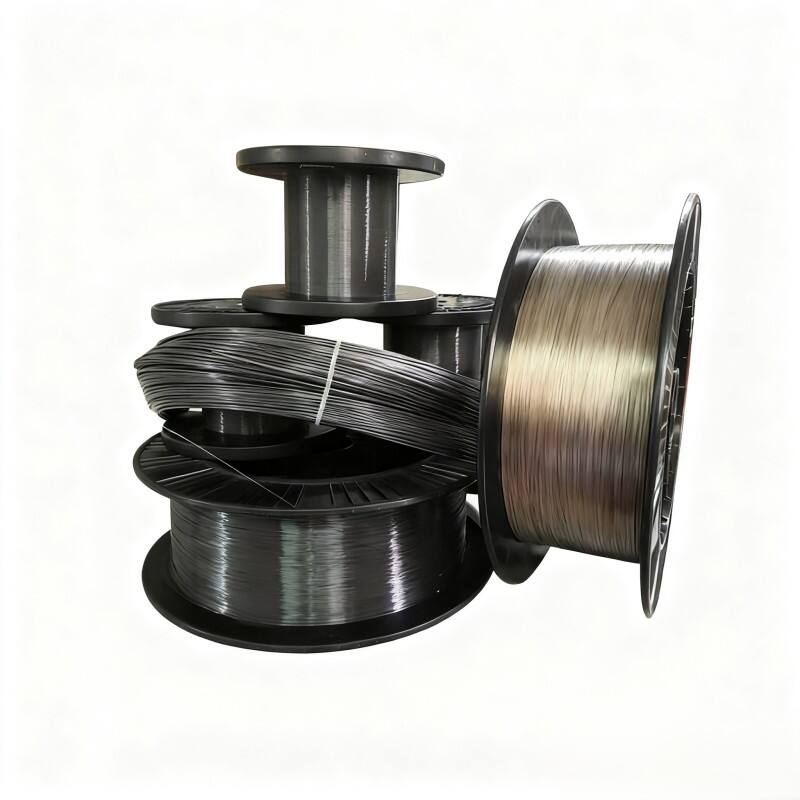
Shape Memory Alloy: Smart Materials for Advanced Engineering Applications and Innovative Solutions

Get a Free Quote

Our representative will contact you soon.
Email
Name
Company Name
Message
0/1000

a shape memory alloy

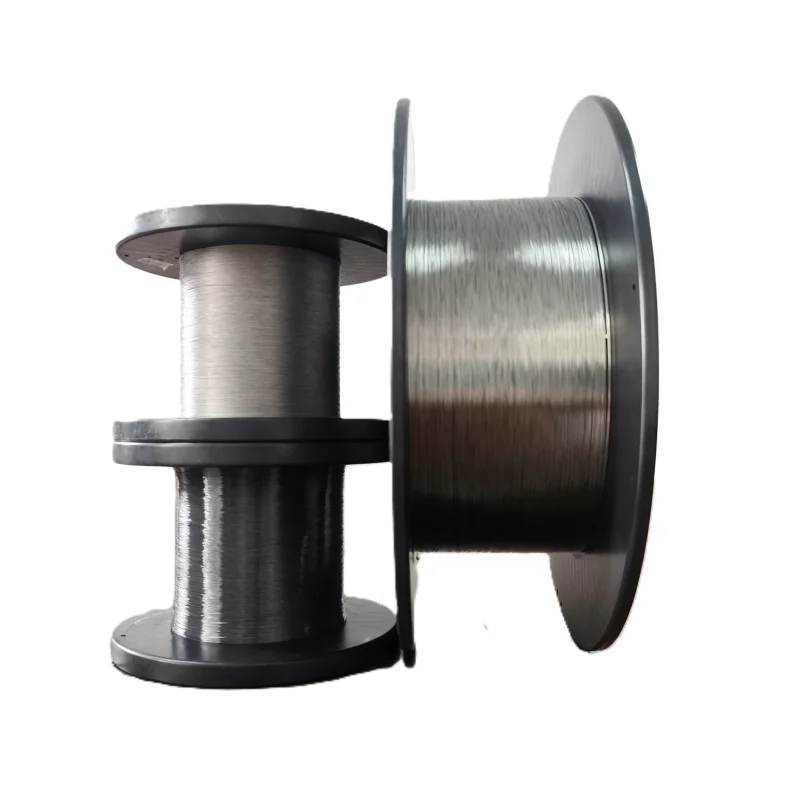
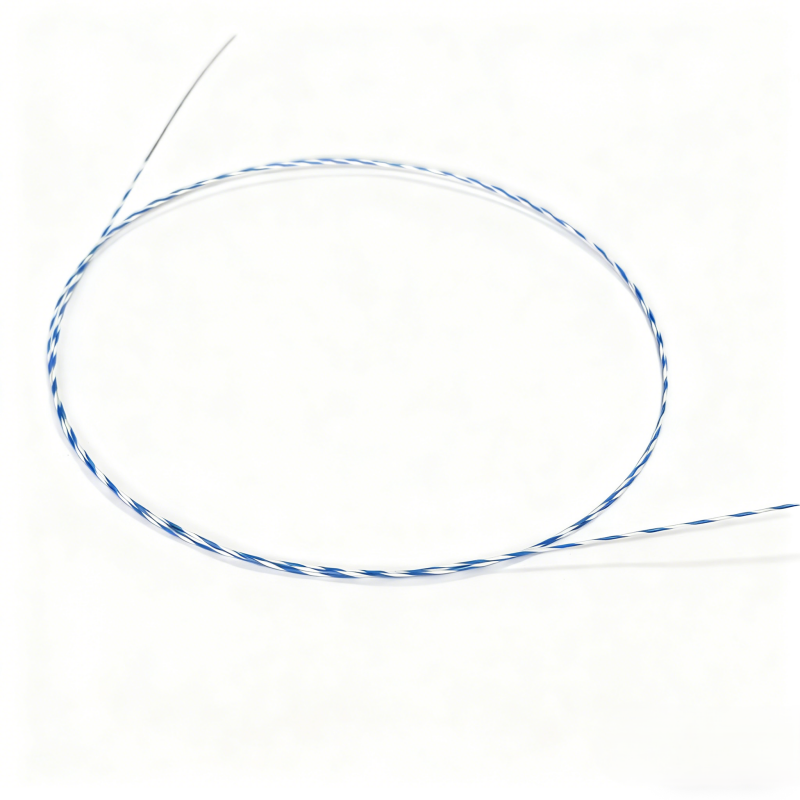
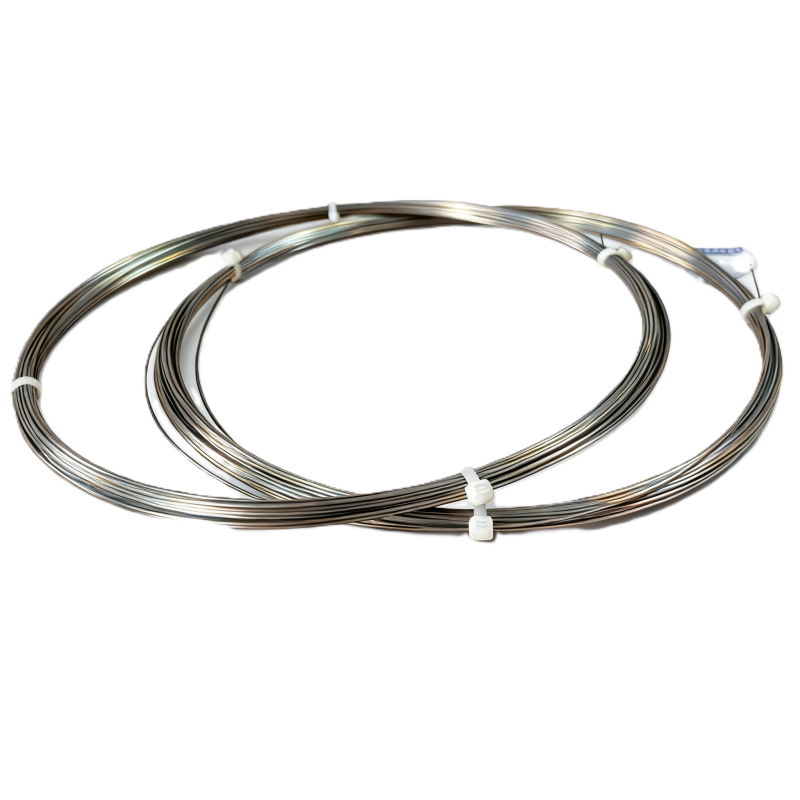
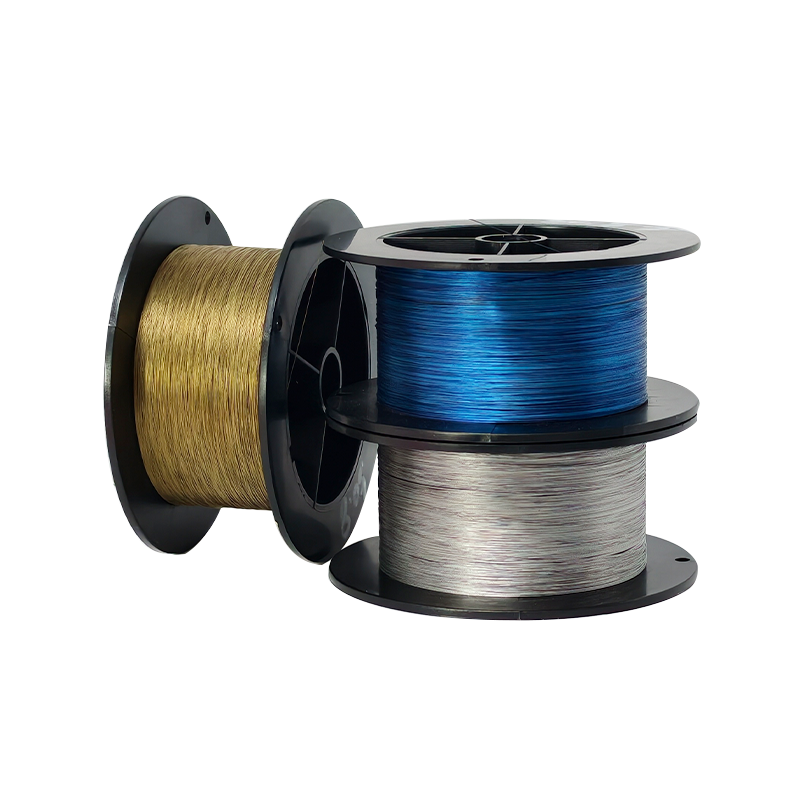
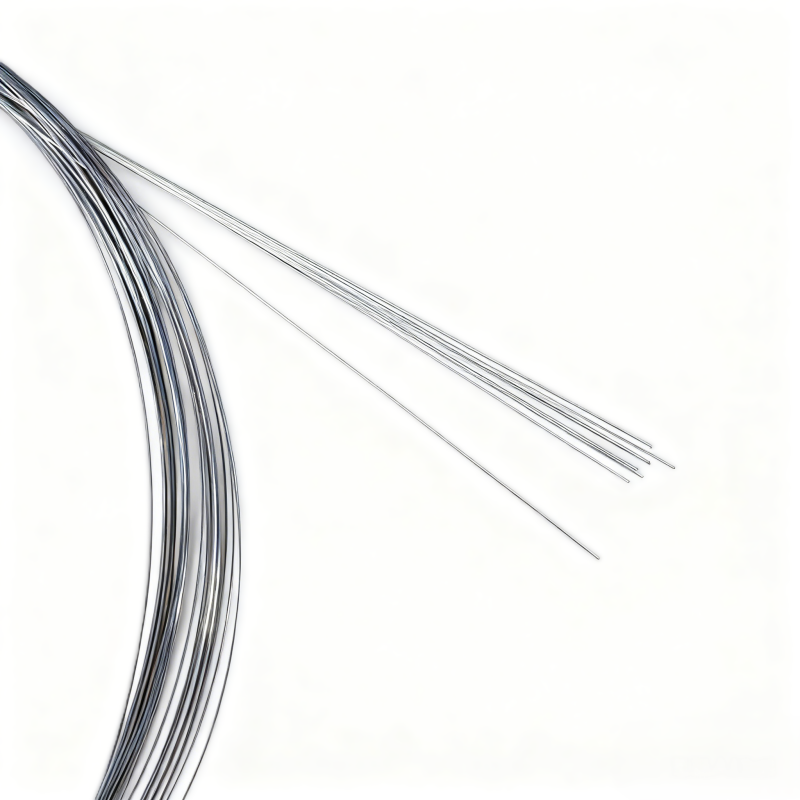
A shape memory alloy represents a remarkable class of smart materials that possess the extraordinary ability to return to a predetermined shape when subjected to specific thermal or mechanical conditions. These innovative metallic materials exhibit unique phase transformation characteristics that enable them to remember their original configuration after deformation. The most commonly utilized shape memory alloys include nickel-titanium compounds, copper-based alloys, and iron-based compositions, each offering distinct properties suited to various applications. The fundamental principle behind a shape memory alloy involves a reversible solid-state phase transformation between two crystallographic structures: austenite at higher temperatures and martensite at lower temperatures. This transformation mechanism allows the material to recover substantial deformations, sometimes up to eight percent strain, through simple temperature changes or stress removal. The main functions of a shape memory alloy encompass shape recovery, superelasticity, and damping capabilities that make these materials invaluable across multiple industries. From a technological perspective, a shape memory alloy demonstrates exceptional fatigue resistance, biocompatibility in medical applications, and reliable performance through millions of cycles. The transformation temperatures can be precisely engineered during manufacturing to match specific application requirements, ranging from subzero conditions to several hundred degrees Celsius. Modern applications of a shape memory alloy span aerospace components, medical devices, automotive systems, robotics, and consumer electronics. In the medical field, these alloys serve as self-expanding stents, orthodontic wires, and surgical instruments. Aerospace engineers utilize a shape memory alloy for deployable structures and adaptive wing components. The automotive industry incorporates these materials into climate control systems and safety mechanisms. The technological features that distinguish a shape memory alloy include its ability to generate significant recovery forces, withstand corrosive environments, and maintain dimensional stability. Manufacturing processes have advanced considerably, enabling precise control over transformation characteristics and mechanical properties to meet demanding specifications across diverse sectors.


Popular Products

When considering the practical benefits of a shape memory alloy for your applications, you will discover numerous advantages that translate directly into improved performance and cost savings. First and foremost, these materials eliminate the need for complex mechanical systems by providing motion and force generation through simple temperature changes. This simplification reduces the number of components in your designs, leading to lighter assemblies, fewer maintenance requirements, and enhanced reliability over time. You can achieve smooth, controlled movements without motors, gears, or hydraulic systems, which traditionally require regular servicing and eventual replacement. The durability of a shape memory alloy stands out as a significant benefit, with components capable of performing millions of actuation cycles without degradation. This longevity means your products will require less frequent replacement, reducing downtime and operational costs for your customers. Unlike conventional materials that fatigue and fail, a shape memory alloy maintains consistent performance throughout its service life. Another compelling advantage involves the compact form factor these materials enable. Because a shape memory alloy generates substantial force relative to its size, you can create smaller, more elegant designs that save space and reduce weight. This characteristic proves especially valuable in portable devices, medical implants, and aerospace applications where every gram matters. The biocompatibility of certain shape memory alloy compositions opens opportunities in medical applications where traditional materials would trigger adverse reactions. Patients benefit from implants and devices that integrate seamlessly with biological tissues, minimizing rejection risks and improving recovery outcomes. Energy efficiency represents another practical advantage, as a shape memory alloy requires minimal power input to activate. Unlike electric motors that consume continuous current, these materials only need brief thermal input to trigger transformation, resulting in lower energy consumption and extended battery life in portable applications. The corrosion resistance inherent in quality shape memory alloy formulations ensures long-term performance in harsh environments, from marine settings to chemical processing facilities. You can deploy these materials confidently knowing they will withstand exposure to moisture, salt, and various chemicals without deteriorating. Manufacturing flexibility allows you to specify transformation temperatures precisely matched to your application requirements, ensuring optimal performance under actual operating conditions. This customization capability means you get materials engineered specifically for your needs rather than compromising with off-the-shelf solutions. Finally, the silent operation of a shape memory alloy actuators enhances user experience in consumer products, medical devices, and precision instruments where noise reduction matters.

Practical Tips

Why is phase transition stability of nickel titanium wire key to actuator success?

13

May

Why is phase transition stability of nickel titanium wire key to actuator success?

In the world of precision actuators, the materials used to generate motion are not merely components — they are the foundation of reliability. nickel titanium wire has emerged as one of the most compelling active materials in modern actuator engineer...
View More
Why is Starspring's Nitinol metal at the forefront of the smart drive industry?

19

May

Why is Starspring's Nitinol metal at the forefront of the smart drive industry?

The smart drive industry is defined by its relentless demand for materials that can do more with less — components that respond intelligently to their environment, endure repeated mechanical cycles, and perform with precision in applications ranging ...
View More
What breakthroughs can Nitinol material bring to future flexible robot joints?

25

May

What breakthroughs can Nitinol material bring to future flexible robot joints?

The evolution of robotics is deeply tied to the materials that power movement, flexibility, and responsiveness. Among the most promising advances in this space, Nitinol material stands out as a transformative force in the design of flexible robot joi...
View More
How to identify high-quality Nitinol sources with a 21-year background?

01

Jun

How to identify high-quality Nitinol sources with a 21-year background?

Sourcing Nitinol for industrial, medical, or specialty applications is not a decision that should be made lightly. Nitinol, the nickel-titanium shape memory alloy renowned for its superelastic behavior and thermal responsiveness, demands a level of m...
View More

Get a Free Quote

Our representative will contact you soon.
Email
Name
Company Name
Message
0/1000

a shape memory alloy

Revolutionary Self-Healing Capabilities Through Temperature-Induced Transformation

Revolutionary Self-Healing Capabilities Through Temperature-Induced Transformation

One of the most compelling features of a shape memory alloy lies in its remarkable self-healing capabilities that occur through temperature-induced phase transformation. This extraordinary characteristic allows the material to recover from significant mechanical deformation without any external intervention beyond simple heating. Imagine a component that experiences accidental bending or crushing during service yet returns to its original geometry when warmed, restoring full functionality without replacement or repair. This self-healing property stems from the reversible martensitic transformation that occurs at the molecular level within a shape memory alloy. When the material exists in its low-temperature martensitic phase, the crystallographic structure allows for easy deformation through a process called detwinning. The material appears to deform plastically, yet this deformation is actually recoverable because the atomic bonds have not been broken but merely reoriented. Upon heating above the transformation temperature, the crystal structure shifts back to the austenite phase, and the material spontaneously returns to its memorized shape. This recovery can overcome substantial external forces, generating stresses up to several hundred megapascals during the transformation process. For practical applications, this means your products can survive abuse that would permanently damage conventional materials. A damaged eyeglass frame made from a shape memory alloy can be restored by briefly immersing in hot water. Automotive components can recover from minor collision damage when engine heat reaches them. Medical devices can be compressed for minimally invasive insertion, then expand to their functional shape at body temperature. The economic implications prove substantial, as products requiring less frequent replacement reduce both manufacturing demand and waste generation. Environmental benefits accompany these economic advantages, as longer-lasting components mean fewer materials entering landfills. The reliability that a shape memory alloy provides through self-healing translates into enhanced customer satisfaction and reduced warranty claims for manufacturers. Beyond simple shape recovery, this capability enables entirely new product categories that were previously impossible, such as deployable structures for space applications that must fit into compact launch configurations yet expand reliably in orbit. The transformation occurs predictably and repeatedly, allowing designers to incorporate this functionality into critical systems with confidence.
Exceptional Superelasticity Providing Enhanced Flexibility and Durability

Exceptional Superelasticity Providing Enhanced Flexibility and Durability

The superelastic behavior of a shape memory alloy represents another groundbreaking advantage that fundamentally changes how engineers approach design challenges requiring flexibility combined with durability. Superelasticity describes the ability of the material to undergo substantial elastic deformation, far exceeding what conventional metals can achieve, then return completely to its original shape upon stress removal without any permanent deformation or need for heating. While typical metals might tolerate one percent elastic strain before yielding plastically, a shape memory alloy in its superelastic state can accommodate up to eight percent recoverable strain. This exceptional flexibility occurs through stress-induced martensitic transformation at temperatures above the normal transformation range. When you apply mechanical stress to a shape memory alloy in this condition, the material transforms from austenite to martensite not through temperature change but through the applied load itself. This stress-induced martensite accommodates the deformation elastically, and when you remove the stress, the material instantly transforms back to austenite, recovering its original geometry. The practical benefits of superelasticity prove invaluable across numerous applications. In orthodontics, a shape memory alloy wires maintain constant corrective forces on teeth despite large deflections, providing more comfortable and efficient treatment compared to stainless steel alternatives. The wire bends significantly as teeth move but continues applying optimal pressure throughout the treatment period. Eyeglass frames manufactured from superelastic shape memory alloy withstand twisting and bending that would permanently deform conventional materials, springing back to shape after accidental sitting or stepping. Parents appreciate these frames for children who are notoriously hard on eyewear. In medical applications, superelastic guidewires navigate through tortuous blood vessels, bending through tight curves yet maintaining their shape and pushability, allowing physicians to reach treatment sites that would be inaccessible with stiffer conventional wires. The stent industry has been revolutionized by superelastic shape memory alloy, enabling self-expanding designs that compress for catheter delivery then spring open to their functional diameter when deployed. Cellular phone antennas benefit from superelasticity, as the antenna can be repeatedly flexed during pocket storage without breaking or losing its signal reception geometry. The fatigue resistance accompanying superelasticity means these components endure millions of deformation cycles, providing longevity that justifies premium pricing through extended service life and reduced replacement frequency.
Precise Actuation Control Enabling Intelligent Responsive Systems

Precise Actuation Control Enabling Intelligent Responsive Systems

The controllable actuation capability of a shape memory alloy empowers engineers to create intelligent, responsive systems that adapt to environmental conditions without complex electronic controls or power-hungry motors. This feature transforms passive components into active, smart elements that sense temperature changes and respond with precise mechanical motion. A shape memory alloy actuator combines sensing and actuation in a single element, simplifying system architecture while enhancing reliability by eliminating multiple components that could fail independently. The actuation mechanism operates through the volumetric change accompanying phase transformation, with the material contracting or expanding as it shifts between martensite and austenite structures. This transformation generates substantial force relative to the actuator size, with force-to-weight ratios exceeding those of electromagnetic motors or pneumatic cylinders in many configurations. Designers can engineer the transformation temperature during alloy processing and heat treatment, tailoring the response characteristics precisely to application requirements. This customization enables creation of actuators that respond to human body temperature, ambient air temperature, or process temperatures in industrial systems. In automotive climate control, a shape memory alloy actuators modulate airflow by opening and closing vent doors in response to temperature changes, requiring no electrical power and improving system efficiency. These actuators operate silently and reliably for the vehicle lifetime without maintenance. Building climate control systems utilize a shape memory alloy operators for window louvers and ventilation controls, automatically adjusting to maintain comfortable temperatures while minimizing energy consumption. The inherent temperature sensing eliminates need for separate thermostats and control circuits. Aerospace applications leverage the high power density of a shape memory alloy for deployment mechanisms in satellites and space probes, where reliability proves critical and traditional motors add unacceptable weight. Solar panel arrays and antenna reflectors compress for launch then deploy reliably using shape memory alloy actuators triggered by solar heating or internal heaters. Coffee makers and rice cookers incorporate these actuators as thermal safety valves that automatically activate at specific temperatures, providing fail-safe operation without electronic controls that could malfunction. The robotics field increasingly adopts a shape memory alloy for artificial muscles, creating bio-inspired motion that more closely mimics natural movement than traditional motors achieve. These actuators enable soft robotics applications where gentle interaction with objects or humans requires compliant, adaptable motion. Medical devices use shape memory alloy actuators for minimally invasive surgical tools that change configuration inside the body, allowing complex procedures through small incisions. The simplicity, reliability, and compact form factor of a shape memory alloy actuation systems continue driving adoption across industries seeking intelligent, responsive mechanical systems.
Shape Memory Alloy: Smart Materials for Advanced Engineering Applications and Innovative Solutions

Get a Free Quote

Our representative will contact you soon.
Email
Name
Company Name
Message
0/1000
Newsletter
Please Leave A Message With Us