Superelastic Shape Memory Alloy: Advanced Properties, Benefits, and Applications

Get a Free Quote

Our representative will contact you soon.
Email
Name
Company Name
Message
0/1000

superelastic shape memory alloy

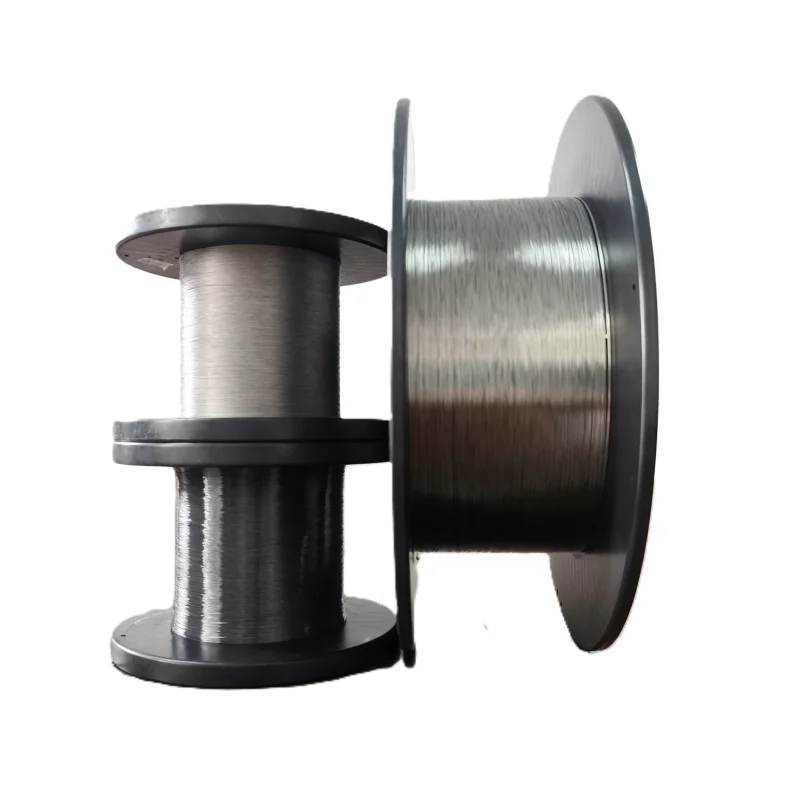
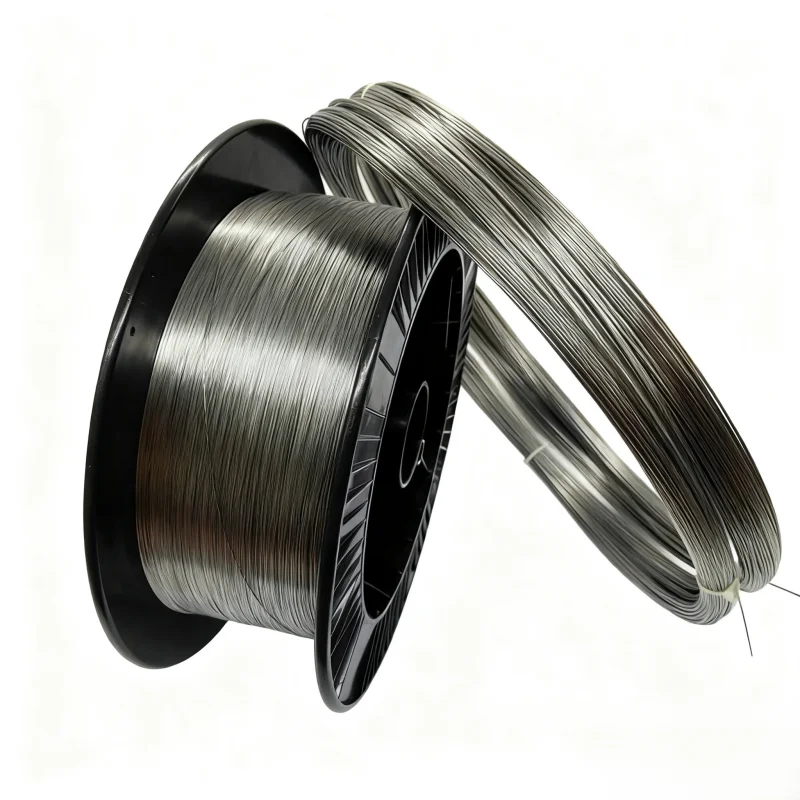
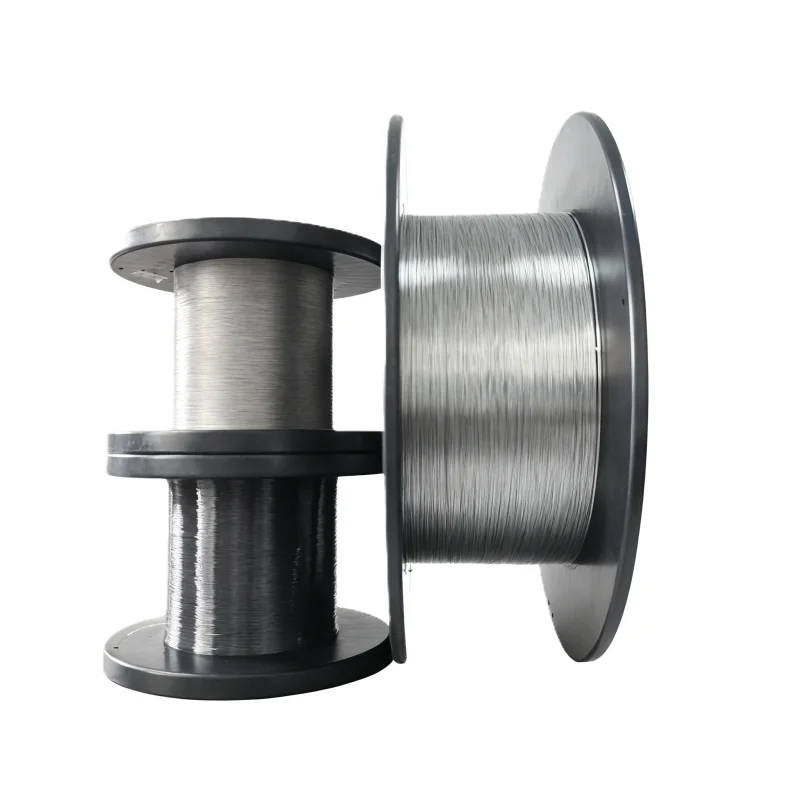
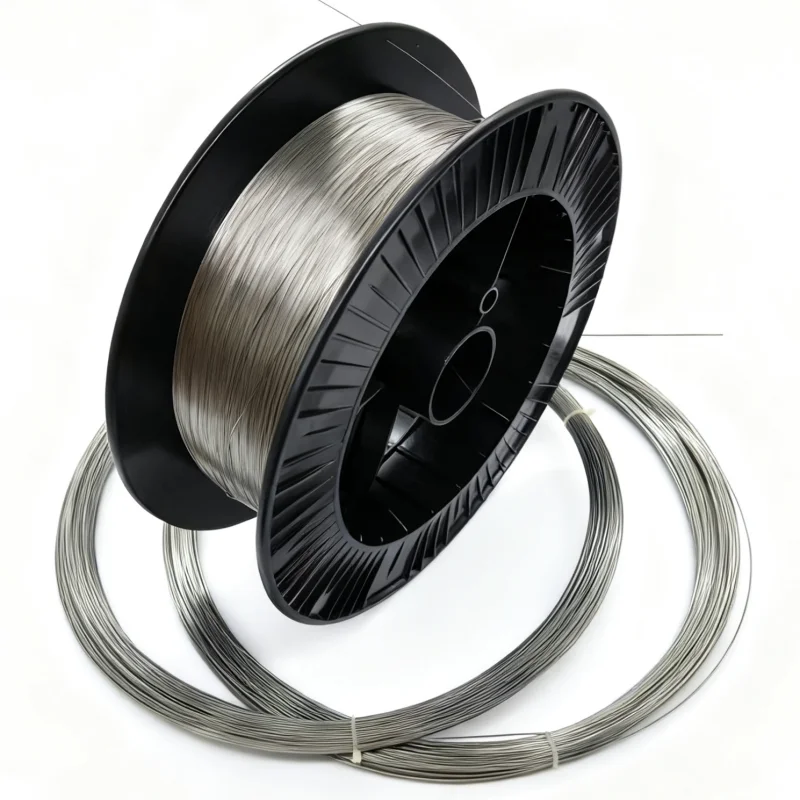
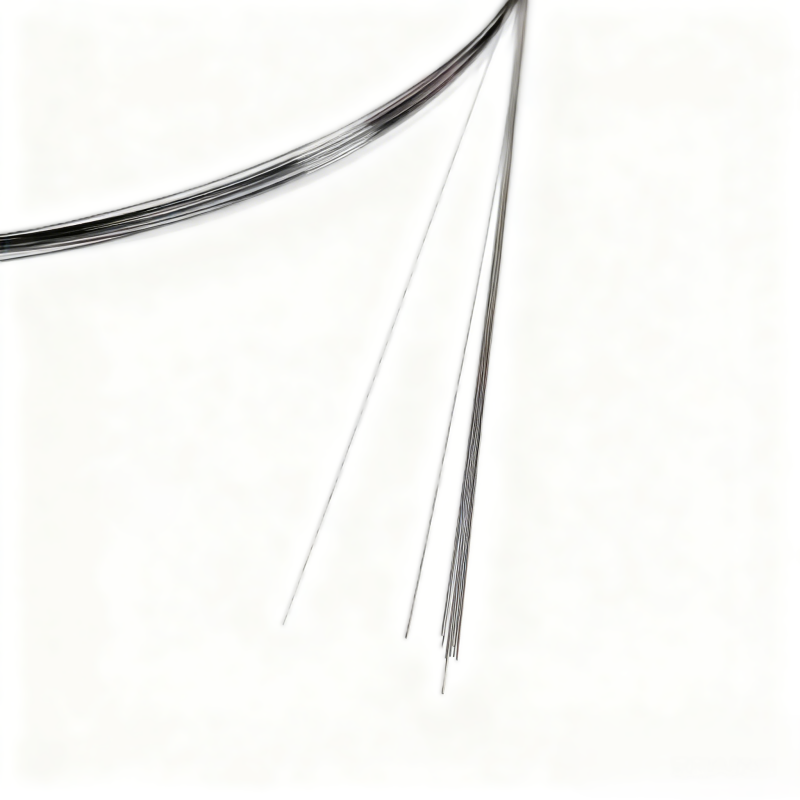
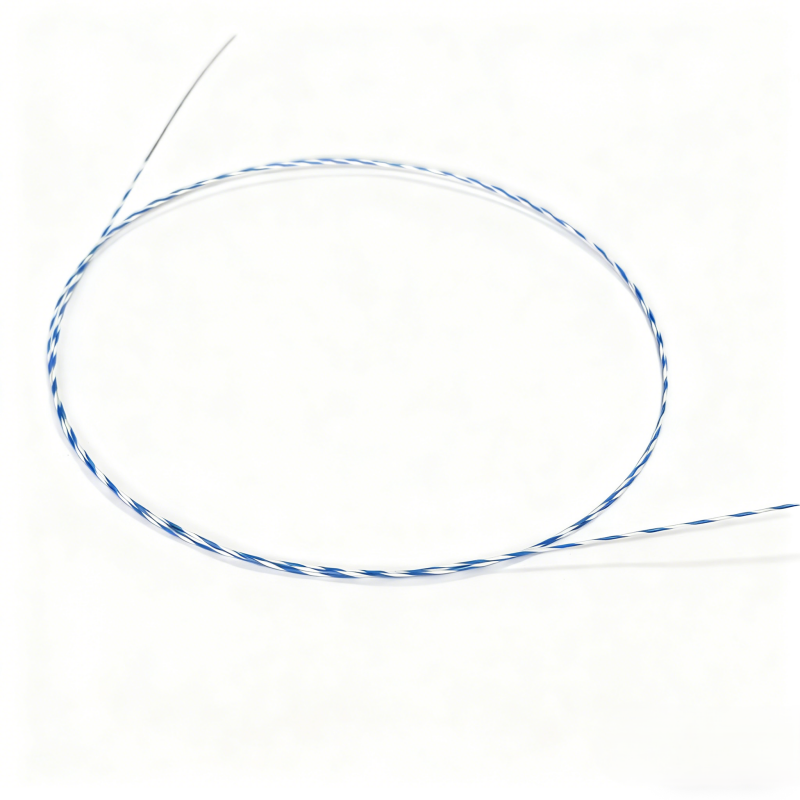
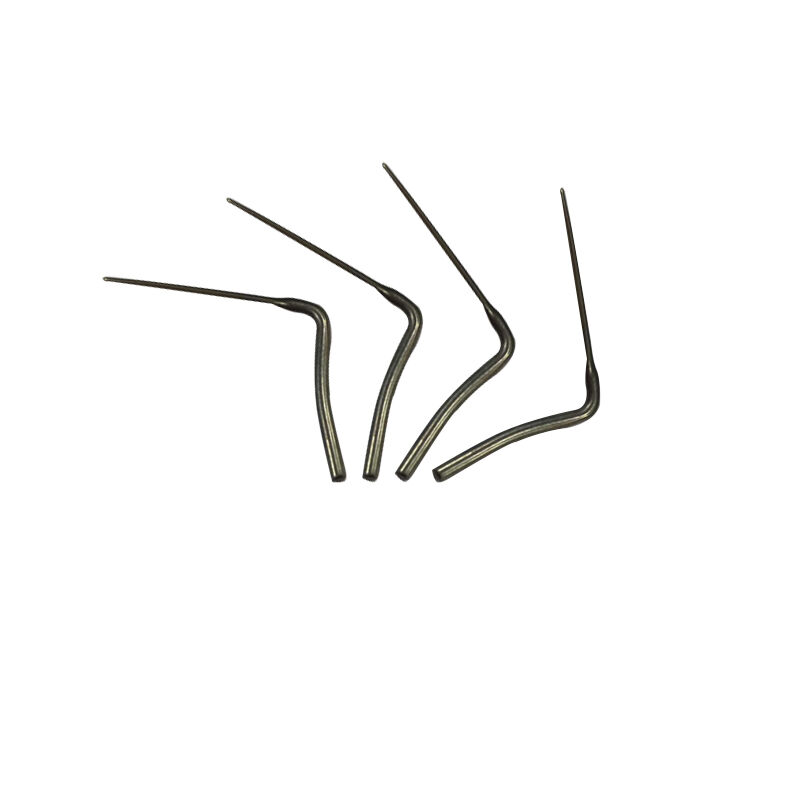
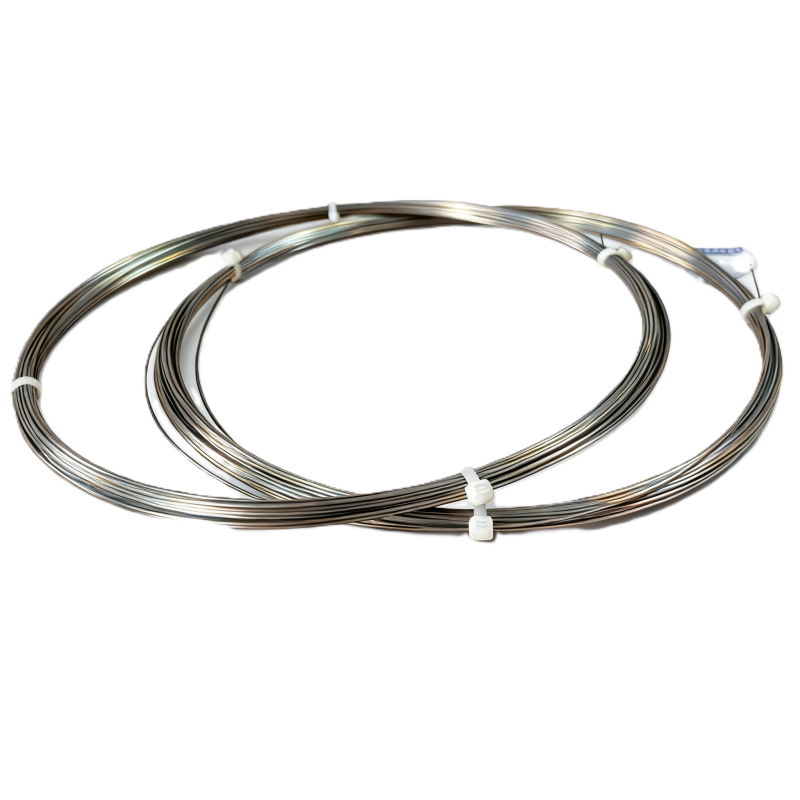
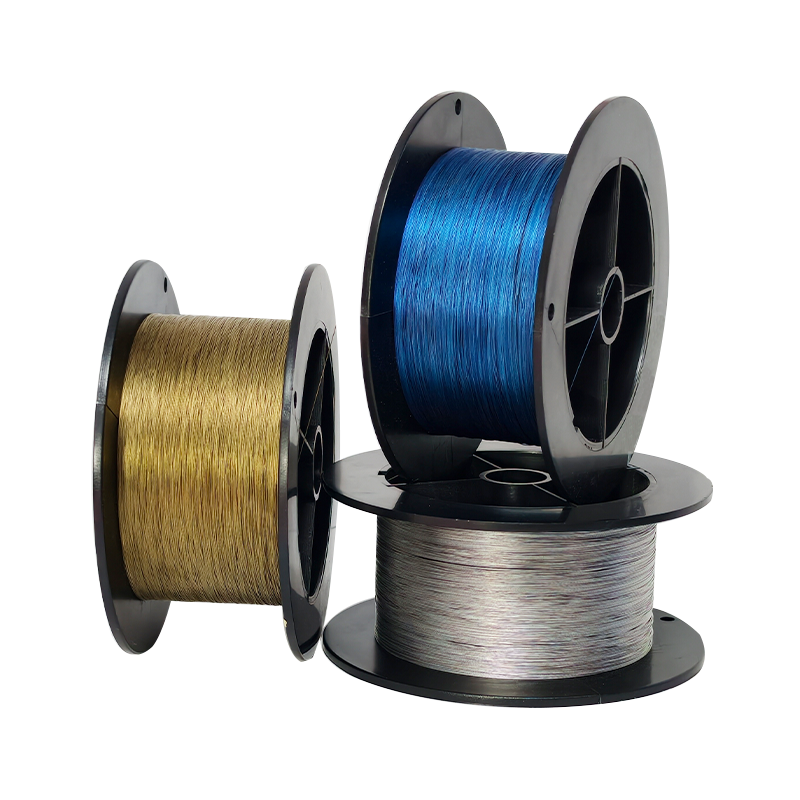
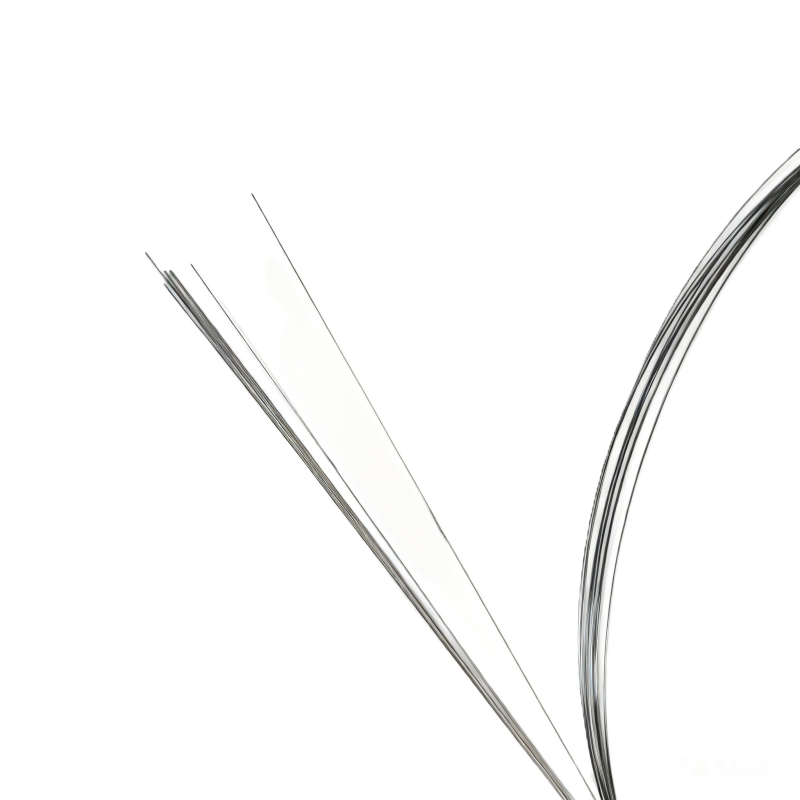
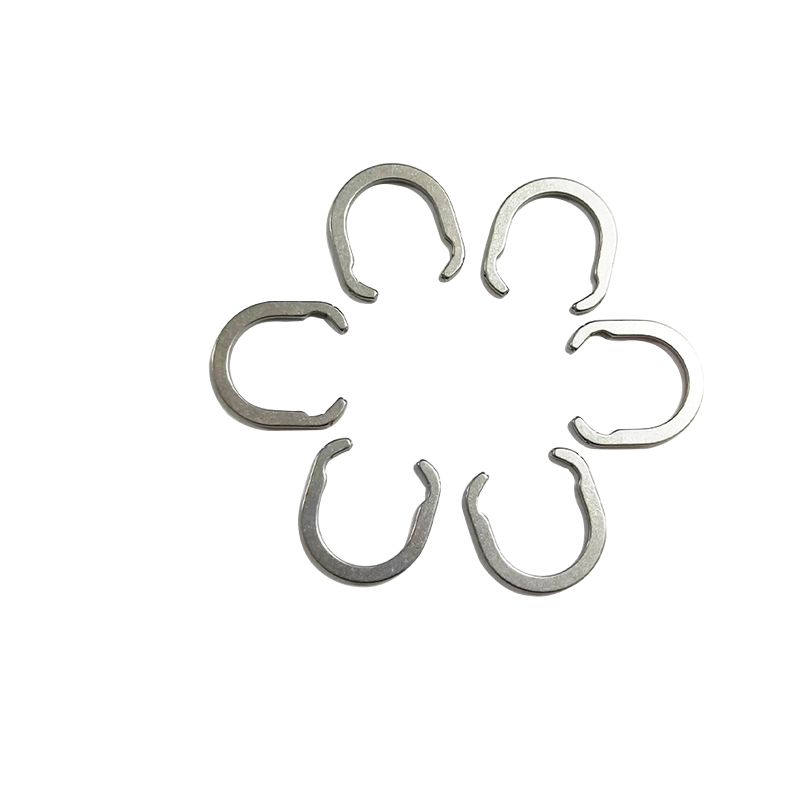
Superelastic shape memory alloy is a remarkable class of advanced metallic material that has transformed modern engineering and medical technology. At its core, this material possesses the extraordinary ability to undergo significant deformation and then return to its original shape without any permanent damage, all at a constant temperature. This behavior, known as superelasticity, is driven by a reversible phase transformation between two solid-state crystal structures: austenite and martensite. When stress is applied, the alloy shifts from the austenite phase to the martensite phase, absorbing energy and accommodating large strains. Once the stress is removed, the material reverts to austenite and recovers its original geometry completely. The most widely used superelastic shape memory alloy is the nickel-titanium alloy, commonly known as Nitinol, though copper-based and iron-based variants also exist for specific industrial applications. The key technological features of superelastic shape memory alloy include a recoverable strain of up to 8 percent, exceptional fatigue resistance over millions of cycles, outstanding corrosion resistance, and excellent biocompatibility, making it safe for use inside the human body. These properties are not found in conventional metals such as steel or aluminum, which deform permanently under similar stress conditions. In terms of applications, superelastic shape memory alloy is used extensively across multiple industries. In the medical field, it forms the backbone of cardiovascular stents, orthodontic archwires, surgical guidewires, and bone anchors. In aerospace and automotive engineering, it serves as actuators, vibration dampers, and structural connectors. Consumer electronics manufacturers use it in eyeglass frames, phone components, and flexible connectors. The oil and gas sector relies on it for pipeline couplings and downhole tools. The combination of mechanical resilience, shape recovery, and material durability makes superelastic shape memory alloy one of the most versatile and high-performance materials available to engineers and designers today, opening new possibilities across virtually every technology-driven industry.


New Products

Superelastic shape memory alloy gives you something that ordinary metals simply cannot: the ability to bend, flex, and compress under heavy loads and then spring back to exactly the right shape every single time. This is not a one-time trick. The material does this repeatedly, across millions of cycles, without wearing out or losing its performance. For anyone designing products that need to survive real-world stress, that kind of reliability changes everything. First, think about how much damage conventional metal components cause when they fail. A steel spring that loses its tension, a titanium rod that cracks under fatigue, or an aluminum bracket that bends out of shape all create costly failures that require replacement, downtime, and sometimes serious safety risks. Superelastic shape memory alloy eliminates most of these failure modes. Because the material absorbs energy through a phase transformation rather than through plastic deformation, it does not accumulate damage the way traditional metals do. You get a component that stays functional far longer, which directly reduces maintenance costs and replacement frequency. Second, the material works across a wide range of temperatures and environments. Whether your application operates in a cold surgical suite, a hot industrial pipeline, or a corrosive marine environment, superelastic shape memory alloy maintains its performance. Its natural resistance to corrosion means you do not need expensive coatings or protective treatments that add weight and complexity to your design. Third, for medical device manufacturers, the biocompatibility of superelastic shape memory alloy is a game changer. The material does not trigger immune responses or cause tissue irritation, which means it can stay inside the human body safely for years. This opens the door to minimally invasive devices that expand inside the body after insertion, reducing patient trauma and recovery time significantly. Fourth, the material is highly customizable. Engineers can tune the transformation temperature and mechanical response by adjusting the alloy composition and heat treatment process. This means you can design a component that behaves in a very specific way under very specific conditions, giving you precise control over product performance that is impossible to achieve with standard metals. Fifth, using superelastic shape memory alloy often allows for simpler, lighter designs. Because a single component can perform functions that previously required multiple parts, springs, hinges, or actuators, you reduce part count, assembly time, and overall product weight. In industries where weight and space are critical, such as aerospace, robotics, and wearable medical devices, this advantage translates directly into better products and lower production costs. In short, superelastic shape memory alloy helps you build things that last longer, perform better, weigh less, and cost less to maintain, all without compromising on safety or reliability.

Practical Tips

How to ensure dimensional tolerances for precision Nitinol metal parts?

18

May

How to ensure dimensional tolerances for precision Nitinol metal parts?

Achieving tight dimensional tolerances in Nitinol metal components is one of the most demanding challenges in precision manufacturing. Unlike conventional metals, Nitinol — a nickel-titanium shape memory alloy — exhibits superelastic recovery and pha...
View More
Why is Starspring's Nitinol metal at the forefront of the smart drive industry?

19

May

Why is Starspring's Nitinol metal at the forefront of the smart drive industry?

The smart drive industry is defined by its relentless demand for materials that can do more with less — components that respond intelligently to their environment, endure repeated mechanical cycles, and perform with precision in applications ranging ...
View More
How to utilize one-way and two-way memory in precision medical components?

21

May

How to utilize one-way and two-way memory in precision medical components?

In the development of precision medical components, material intelligence is no longer a concept reserved for science fiction. nitinol wire has fundamentally changed how engineers and medical device designers approach the challenge of building compon...
View More
Why should you prioritize the manufacturer's R&D center when choosing partners?

02

Jun

Why should you prioritize the manufacturer's R&D center when choosing partners?

When evaluating potential manufacturing partners, most procurement teams focus on price, lead time, and production capacity. These are legitimate criteria, but they often overlook one of the most telling indicators of long-term value: the strength an...
View More

Get a Free Quote

Our representative will contact you soon.
Email
Name
Company Name
Message
0/1000

superelastic shape memory alloy

Unmatched Shape Recovery for Long-Lasting Performance

Unmatched Shape Recovery for Long-Lasting Performance

One of the most compelling reasons engineers and product designers choose superelastic shape memory alloy is its ability to recover its original shape after extreme deformation, not once or twice, but consistently across millions of mechanical cycles. This property sets it apart from every conventional metal on the market. When you bend a piece of steel beyond its elastic limit, it stays bent. When you compress a standard spring repeatedly over time, it gradually loses its tension and fails to return to its original position. Superelastic shape memory alloy behaves in a fundamentally different way. The secret lies in its internal crystal structure. When external force is applied, the alloy undergoes a reversible transformation from its stable austenite phase to a stress-induced martensite phase. This transformation allows the material to accommodate strains of up to 8 percent, which is roughly 20 to 30 times greater than what you can achieve with high-performance steel, without any permanent deformation. The moment the force is removed, the crystal structure snaps back to austenite, and the component returns to its exact original geometry. For product designers, this means you can create components that flex, compress, or twist as part of their normal function without ever worrying about fatigue failure or dimensional drift over time. In medical devices, this translates to stents that expand reliably inside blood vessels and guidewires that navigate complex anatomy without kinking. In consumer electronics, it means hinges and connectors that survive thousands of open-and-close cycles without loosening. In industrial equipment, it means actuators and couplings that maintain precise tolerances even under continuous dynamic loading. The long-term cost implications are equally significant. Components made from superelastic shape memory alloy require far less frequent replacement than those made from conventional metals, which reduces maintenance schedules, minimizes downtime, and lowers the total cost of ownership over the product lifecycle. When you factor in the reduced need for backup components and emergency repairs, the economic case for superelastic shape memory alloy becomes very strong. Choosing this material is not just a technical decision. It is a strategic investment in product durability and customer satisfaction.
Superior Biocompatibility That Opens Doors in Medical Innovation

Superior Biocompatibility That Opens Doors in Medical Innovation

The medical device industry operates under some of the strictest material requirements in the world. Any material that comes into contact with human tissue must be non-toxic, non-allergenic, and stable inside the body over extended periods. Superelastic shape memory alloy, particularly nickel-titanium based formulations, meets all of these requirements and has earned regulatory acceptance for use in a wide range of implantable and minimally invasive medical devices. The biocompatibility of superelastic shape memory alloy comes from the stable titanium oxide layer that naturally forms on its surface. This passive layer acts as a barrier between the nickel content of the alloy and the surrounding biological tissue, preventing ion release and eliminating the risk of cytotoxic reactions. Decades of clinical use in cardiovascular stents, orthopedic implants, and dental devices have confirmed that the material integrates safely with the human body without triggering chronic inflammation or immune rejection. What makes this especially valuable for medical device engineers is the combination of biocompatibility with superelastic mechanical behavior. A stent made from superelastic shape memory alloy can be compressed into a small delivery catheter, navigated through narrow blood vessels, and then released to self-expand to its designed diameter without any balloon inflation mechanism. This self-expanding capability reduces procedural complexity, shortens surgery time, and lowers the risk of complications for patients. Orthodontic archwires made from superelastic shape memory alloy apply a continuous, gentle force to teeth throughout the full range of tooth movement, unlike conventional stainless steel wires that require frequent tightening and adjustment. This means fewer clinical visits for patients and more predictable treatment outcomes for practitioners. Surgical guidewires benefit from the kink resistance of superelastic shape memory alloy, allowing them to navigate tortuous anatomical pathways without losing their structural integrity. Bone staples and anchors made from this material can be inserted in a compressed state and then expand to grip bone tissue securely once in place. For medical device companies, the ability to leverage superelastic shape memory alloy means faster product development cycles, broader device functionality, and a stronger competitive position in a market that rewards innovation and clinical performance above all else.
Exceptional Corrosion Resistance for Demanding Environments

Exceptional Corrosion Resistance for Demanding Environments

Many of the most challenging applications in engineering involve exposure to harsh chemical environments, high humidity, saltwater, bodily fluids, or extreme temperature fluctuations. In these conditions, conventional metals corrode, weaken, and ultimately fail. Superelastic shape memory alloy offers a fundamentally superior level of corrosion resistance that makes it the material of choice for applications where environmental durability is non-negotiable. The corrosion resistance of superelastic shape memory alloy stems from the same titanium oxide passive layer that contributes to its biocompatibility. This thin but highly stable oxide film forms spontaneously on the surface of the alloy when exposed to oxygen and acts as a self-repairing protective barrier. If the surface is scratched or abraded, the oxide layer reforms almost instantly, maintaining continuous protection without any need for external coatings, platings, or chemical treatments. This self-healing surface behavior is a significant advantage over stainless steel, which can suffer from pitting corrosion in chloride-rich environments, and over aluminum alloys, which require anodizing or painting to achieve comparable protection. In marine and offshore applications, superelastic shape memory alloy components maintain their mechanical properties and dimensional accuracy even after prolonged exposure to seawater and salt spray. Pipeline couplings, subsea connectors, and downhole tools made from this material deliver consistent performance over years of service in some of the most corrosive environments on earth. In the chemical processing industry, equipment that handles aggressive acids, alkalis, or oxidizing agents benefits from the chemical inertness of superelastic shape memory alloy, reducing the risk of contamination and extending service intervals. For manufacturers, the elimination of protective coatings simplifies the production process, reduces material costs, and removes a potential failure point from the finished product. A coating can chip, peel, or degrade over time, but the intrinsic corrosion resistance of superelastic shape memory alloy does not. This makes it a more reliable and cost-effective long-term solution for any application where environmental exposure is a primary design concern. The result is a material that performs as well on day one thousand as it does on day one.
Superelastic Shape Memory Alloy: Advanced Properties, Benefits, and Applications

Get a Free Quote

Our representative will contact you soon.
Email
Name
Company Name
Message
0/1000
Newsletter
Please Leave A Message With Us