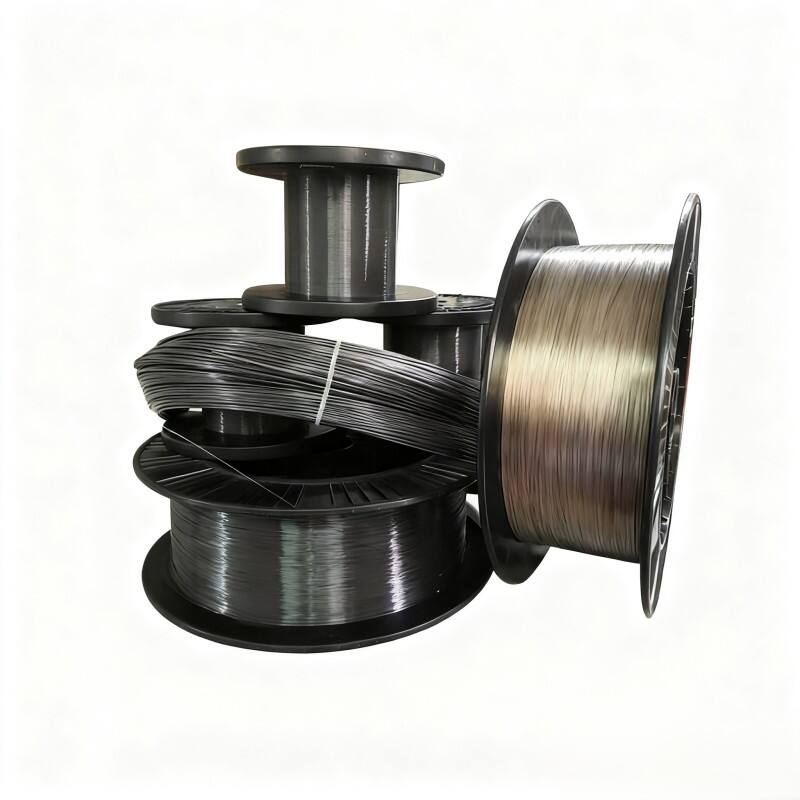
Precision Actuation Without Mechanical Complexity
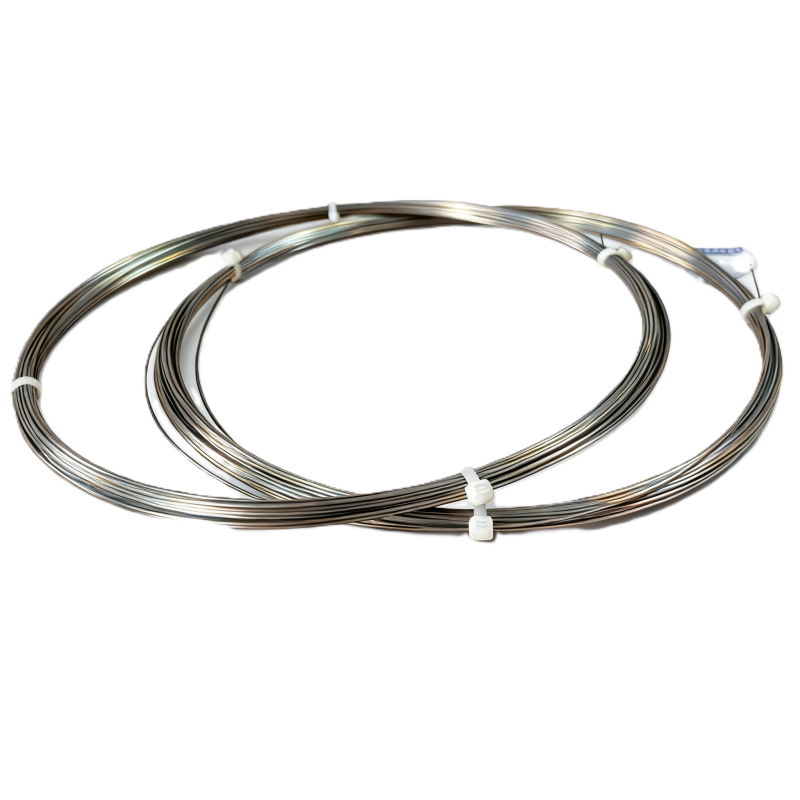
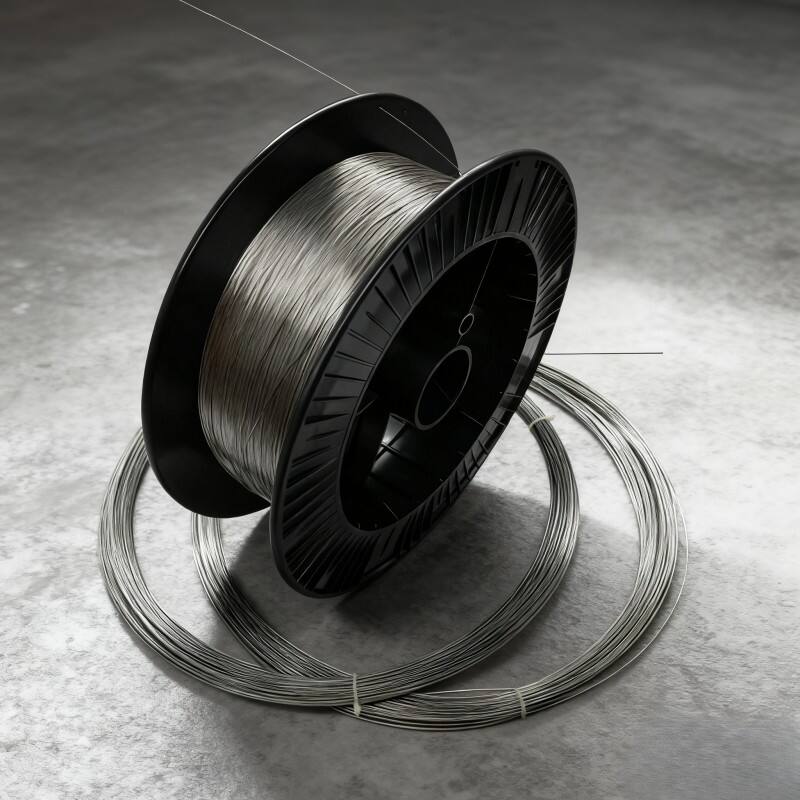
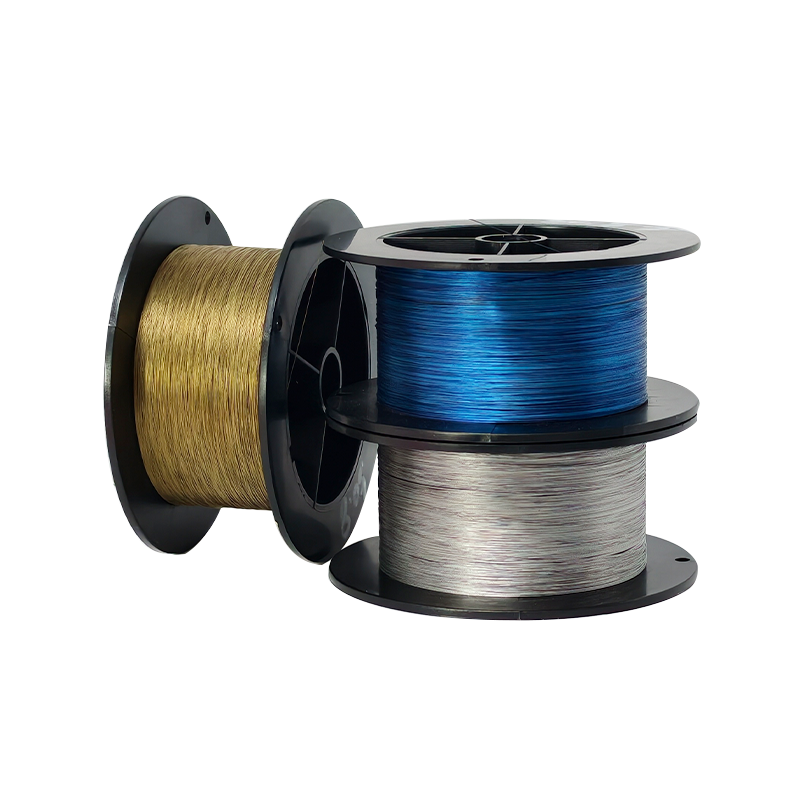
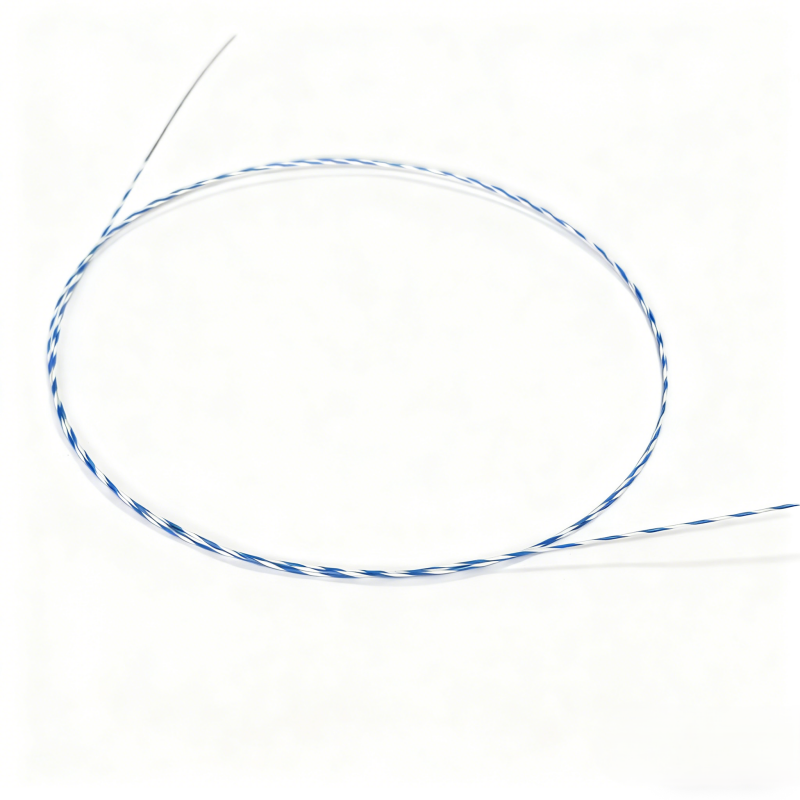
One of the most compelling advantages that shape memory alloy engineering brings to modern product design is the ability to achieve precise, repeatable actuation without the mechanical complexity that traditional systems demand. Conventional actuation relies on an assembly of motors, solenoids, gears, cams, and linkages working in concert to produce movement. Each additional component introduces a potential failure point, adds weight, increases assembly time, and raises the overall cost of the finished product. Shape memory alloy engineering eliminates this complexity by embedding the actuation function directly into the material itself. When a shape memory alloy component is manufactured through proper shape memory alloy engineering processes, it is programmed with a target geometry during a high-temperature training cycle. In its low-temperature martensitic state, the component can be deformed and held in a secondary shape. The moment it is exposed to the appropriate thermal trigger, whether from body heat, an electrical current, or ambient temperature change, it snaps back to its trained geometry with remarkable force and precision. This transformation is not a one-time event. Properly engineered shape memory alloy components can cycle through this transformation hundreds of thousands of times while maintaining dimensional accuracy within tight tolerances. For product designers, this means you can replace an entire electromechanical subassembly with a single shape memory alloy element, dramatically reducing the bill of materials and simplifying your supply chain. In robotics, shape memory alloy engineering enables the creation of soft actuators that mimic biological muscle movement, producing smooth, lifelike motion that rigid servo systems struggle to replicate. In aerospace, morphing wing structures built on shape memory alloy engineering principles adjust their aerodynamic profile in response to flight conditions, improving fuel efficiency without the weight penalty of hydraulic systems. In consumer products, miniature valves and latches powered by shape memory alloy engineering operate silently and reliably in spaces too small for conventional mechanisms. The precision of shape memory alloy engineering also supports closed-loop control strategies. By monitoring the electrical resistance of the alloy, which changes predictably during phase transformation, engineers can implement feedback control without additional sensors. This self-sensing capability further reduces system complexity and cost while improving responsiveness. For any application where space is limited, weight is critical, and reliability is paramount, shape memory alloy engineering delivers actuation performance that conventional technologies simply cannot match at the same scale and simplicity.

 EN
EN