Smart Materials Shape Memory Alloys: Revolutionary Intelligent Materials for Advanced Applications

Get a Free Quote

Our representative will contact you soon.
Email
Name
Company Name
Message
0/1000

smart materials shape memory alloys

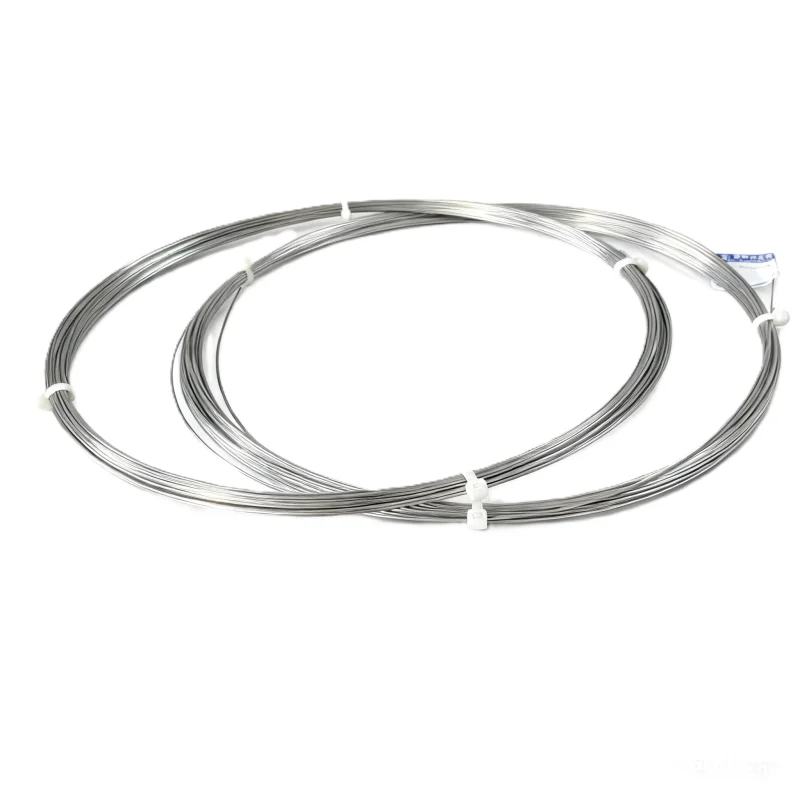
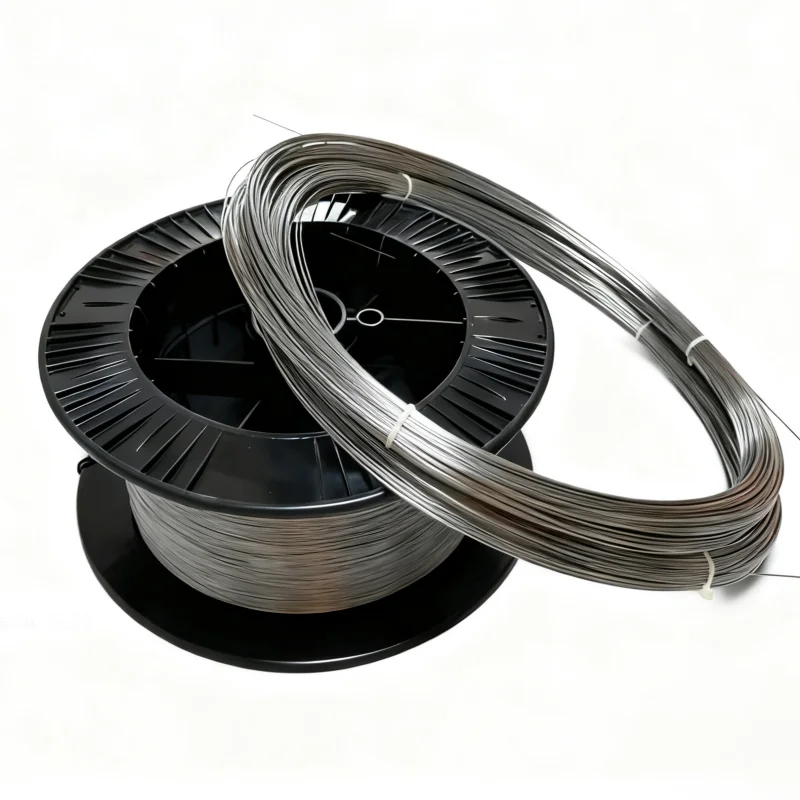
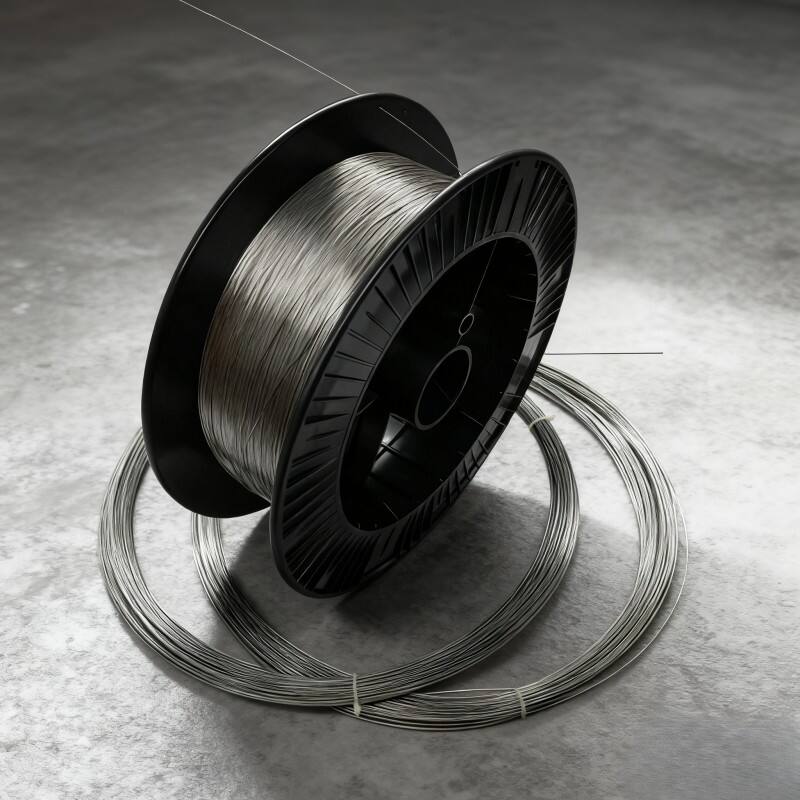
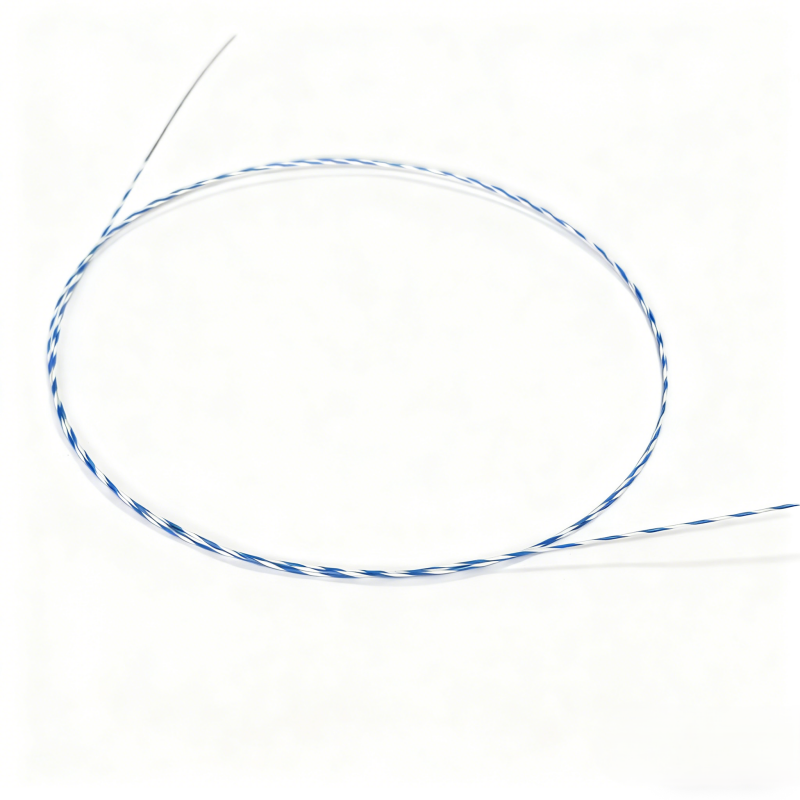
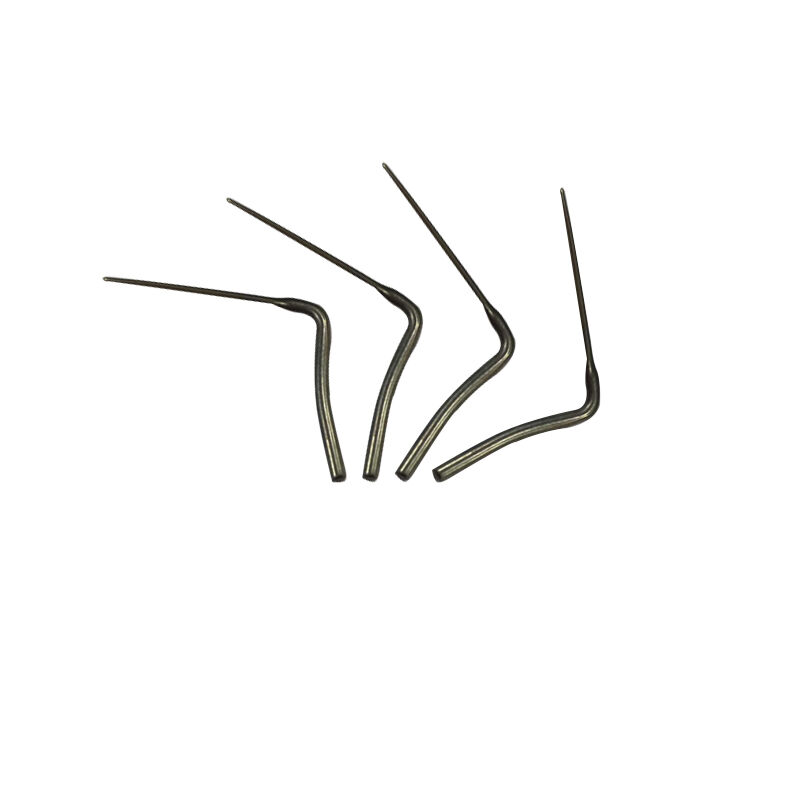
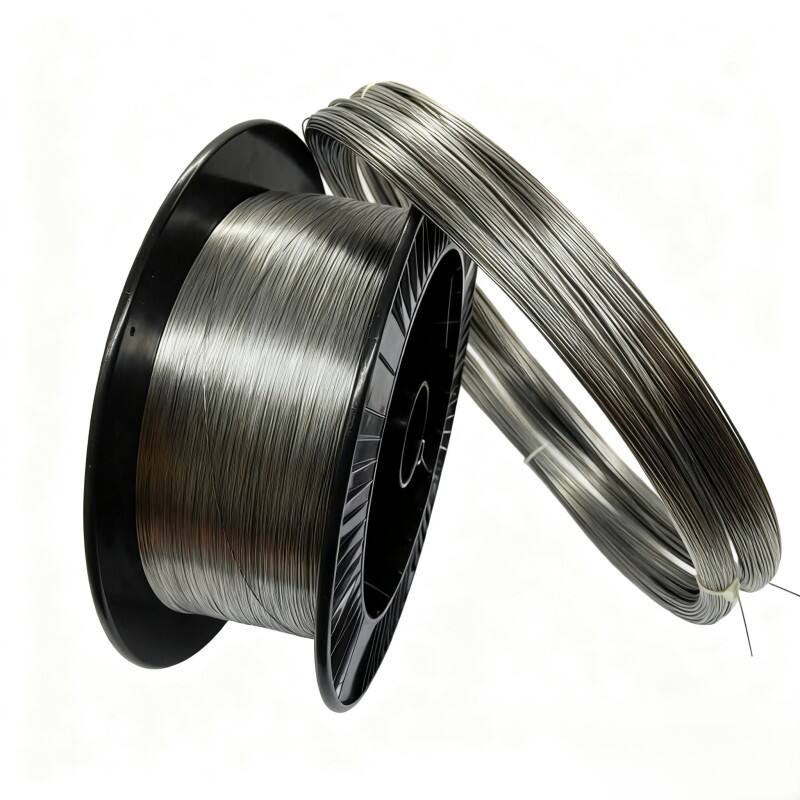
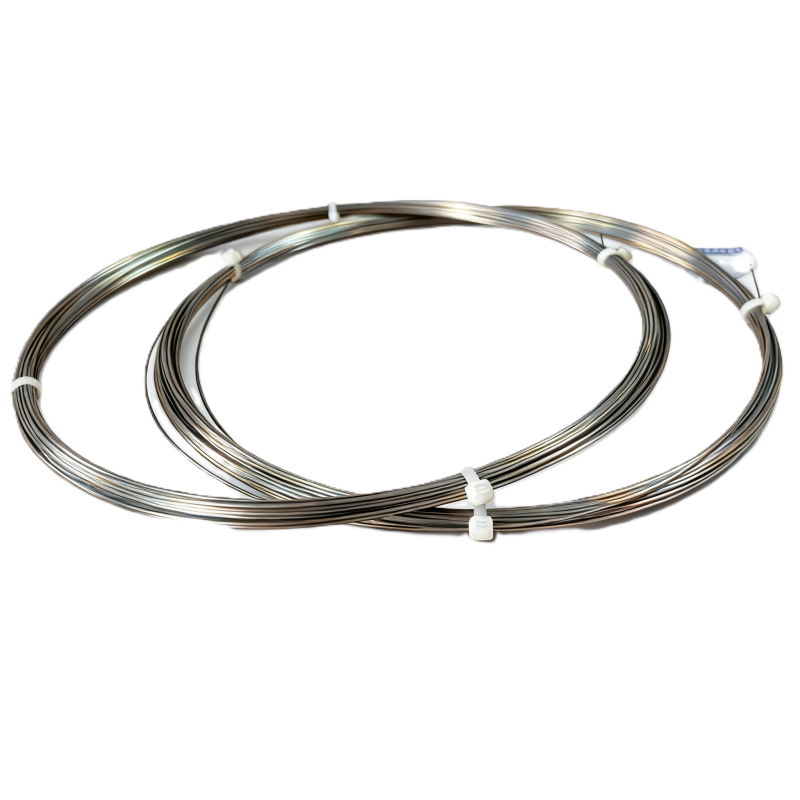
Smart materials shape memory alloys represent a revolutionary class of metallic materials that possess the extraordinary ability to remember and return to their original shape after deformation. These intelligent materials undergo a solid-state phase transformation that enables them to recover their predetermined form when exposed to specific stimuli, primarily temperature changes or stress removal. The most commonly used smart materials shape memory alloys include nickel-titanium alloys, also known as Nitinol, and copper-based alloys such as copper-zinc-aluminum and copper-aluminum-nickel compounds. The fundamental mechanism behind these remarkable materials involves a reversible transformation between two distinct crystal structures: the high-temperature austenite phase and the low-temperature martensite phase. When smart materials shape memory alloys are cooled below their transformation temperature, they enter the martensite phase, becoming easily deformable. Upon heating above the transition threshold, they transform back to the austenite phase and spontaneously recover their memorized configuration. This unique characteristic enables two primary effects: the shape memory effect, where the material returns to its original shape upon heating, and superelasticity, where the material can undergo large elastic deformations and return to its starting configuration upon stress removal. The technological features of smart materials shape memory alloys include exceptional biocompatibility, outstanding corrosion resistance, remarkable energy absorption capacity, and the ability to generate significant recovery forces during transformation. Applications span numerous industries including aerospace engineering for adaptive wing structures and deployment mechanisms, medical devices such as stents, orthodontic wires, and surgical instruments, automotive systems for actuators and coupling devices, robotics for artificial muscles and flexible joints, and consumer products ranging from eyeglass frames to temperature-responsive valves. The versatility and unique properties of smart materials shape memory alloys continue to drive innovation across multiple sectors, making them indispensable components in modern technology development.

New Product Releases

Smart materials shape memory alloys deliver practical benefits that directly impact product performance and user experience across numerous applications. These materials eliminate the need for complex mechanical systems by providing built-in intelligence that responds automatically to environmental conditions. You can design simpler, more reliable products because smart materials shape memory alloys replace bulky motors, gears, and electronic controls with a single responsive component. This simplification reduces manufacturing costs, minimizes maintenance requirements, and decreases the likelihood of mechanical failure. The materials offer exceptional durability, withstanding millions of transformation cycles without degradation in performance. Your products will last longer and require fewer replacements, saving money and resources over time. Smart materials shape memory alloys generate powerful forces relative to their size, enabling you to create compact actuators and mechanisms that fit into tight spaces where traditional systems cannot operate. This advantage proves particularly valuable in medical applications where miniaturization is essential. The biocompatibility of certain smart materials shape memory alloys, especially Nitinol, makes them safe for direct contact with human tissue, opening possibilities for innovative medical treatments and implantable devices. You benefit from reduced rejection rates and improved patient outcomes when using these materials in healthcare applications. The corrosion resistance of smart materials shape memory alloys ensures consistent performance in harsh environments, including marine settings, chemical processing facilities, and outdoor installations. Your equipment maintains functionality despite exposure to moisture, salt, and aggressive substances. Energy efficiency represents another significant advantage, as smart materials shape memory alloys require minimal power to trigger transformation, operating on simple temperature changes or stress application. You reduce operational costs and environmental impact by implementing these materials in place of electrically-powered alternatives. The reversible nature of smart materials shape memory alloys means they can perform repeated work cycles without consuming materials or generating waste products. This sustainability aspect appeals to environmentally conscious consumers and helps you meet green manufacturing goals. Installation and integration prove straightforward because smart materials shape memory alloys operate without complex programming or calibration procedures. You streamline production processes and reduce training requirements for personnel. The predictable behavior of smart materials shape memory alloys enables precise control over actuation timing and force output, improving product consistency and quality. You achieve tighter tolerances and more reliable performance compared to conventional mechanisms. Finally, smart materials shape memory alloys offer design flexibility, allowing you to create innovative solutions that were previously impossible with traditional materials, giving your products a competitive edge in the marketplace.

Practical Tips

Why is phase transition stability of nickel titanium wire key to actuator success?

13

May

Why is phase transition stability of nickel titanium wire key to actuator success?

In the world of precision actuators, the materials used to generate motion are not merely components — they are the foundation of reliability. nickel titanium wire has emerged as one of the most compelling active materials in modern actuator engineer...
View More
Why do orthodontists prefer using orthodontic wire with shape memory?

15

May

Why do orthodontists prefer using orthodontic wire with shape memory?

In modern orthodontic practice, the materials used to move teeth are just as important as the clinical techniques applied. Among the many innovations that have transformed the field, orthodontic wire with shape memory stands out as one of the most cl...
View More
Why is Starspring's Nitinol metal at the forefront of the smart drive industry?

19

May

Why is Starspring's Nitinol metal at the forefront of the smart drive industry?

The smart drive industry is defined by its relentless demand for materials that can do more with less — components that respond intelligently to their environment, endure repeated mechanical cycles, and perform with precision in applications ranging ...
View More
How to utilize one-way and two-way memory in precision medical components?

21

May

How to utilize one-way and two-way memory in precision medical components?

In the development of precision medical components, material intelligence is no longer a concept reserved for science fiction. nitinol wire has fundamentally changed how engineers and medical device designers approach the challenge of building compon...
View More

Get a Free Quote

Our representative will contact you soon.
Email
Name
Company Name
Message
0/1000

smart materials shape memory alloys

Automatic Temperature-Responsive Activation Without External Power

Automatic Temperature-Responsive Activation Without External Power

Smart materials shape memory alloys provide an unparalleled advantage through their inherent ability to respond automatically to temperature changes without requiring external power sources, control systems, or human intervention. This self-actuating characteristic fundamentally transforms how engineers approach design challenges across multiple industries. When you incorporate smart materials shape memory alloys into your products, you eliminate the need for batteries, electrical connections, sensors, and computerized control units that typically govern mechanical systems. The materials themselves serve as both the sensor and actuator, detecting temperature variations and executing precise movements in response. This integrated functionality reduces system complexity, cuts production costs, and enhances reliability by removing potential failure points. Consider applications in building management where smart materials shape memory alloys automatically open or close ventilation louvers based on ambient temperature, maintaining optimal indoor climate without electricity consumption or manual adjustment. The materials activate at predetermined temperatures specific to their metallurgical composition, which you can customize during manufacturing to match exact application requirements. This customization enables precise control over activation thresholds ranging from below freezing to several hundred degrees, accommodating diverse operational environments. Smart materials shape memory alloys maintain consistent performance across their operational lifetime, repeatedly activating and deactivating through millions of cycles without degradation or drift in transformation temperature. You gain long-term reliability that significantly outperforms conventional thermostatic devices prone to calibration errors and component wear. The materials generate substantial force during transformation, capable of moving loads many times their own weight, providing powerful actuation from compact form factors. This force generation occurs smoothly and progressively as temperature changes, avoiding the jerky movements associated with electromagnetic solenoids or motor-driven systems. Emergency safety systems particularly benefit from this temperature-responsive activation, as smart materials shape memory alloys will operate reliably even during power outages or control system failures. Fire suppression valves, thermal release mechanisms, and emergency shutdown devices utilizing these materials provide fail-safe protection when it matters most. The passive nature of temperature activation means smart materials shape memory alloys continue functioning indefinitely without maintenance, periodic testing, or battery replacement, reducing lifecycle costs and ensuring continuous readiness. Your products become more sustainable and user-friendly by eliminating ongoing operational expenses and maintenance schedules. This automatic temperature-responsive capability positions smart materials shape memory alloys as essential components for creating intelligent, energy-efficient, and reliable systems that adapt seamlessly to changing conditions.
Superelastic Flexibility with Complete Shape Recovery

Superelastic Flexibility with Complete Shape Recovery

Smart materials shape memory alloys exhibit extraordinary superelastic properties that enable them to withstand extreme deformation and return completely to their original shape without permanent damage or performance degradation. This remarkable characteristic distinguishes these materials from conventional metals and plastics, opening new possibilities for products requiring exceptional flexibility combined with structural integrity. When you apply stress to smart materials shape memory alloys at temperatures above their transformation threshold, they can elastically deform up to eight percent strain, approximately ten times greater than ordinary metals, then instantly recover their original configuration when the stress is removed. This superelastic behavior occurs through a stress-induced phase transformation from austenite to martensite that reverses automatically upon unloading, creating a unique rubber-like flexibility in a metallic material. The practical implications of this property prove transformative across numerous applications. Eyeglass frames manufactured from smart materials shape memory alloys bend dramatically without breaking, tolerating the abuse of daily wear, accidental sitting, and rough handling that would destroy conventional frames. You provide customers with products that maintain their appearance and functionality despite mistreatment, reducing warranty claims and increasing customer satisfaction. Medical guidewires and catheters made from superelastic smart materials shape memory alloys navigate through tortuous blood vessels, conforming to complex anatomical pathways while maintaining sufficient column strength to reach target sites. Physicians perform minimally invasive procedures with greater success rates and reduced patient trauma because these instruments adapt to body structures without kinking or permanent deformation. Cellular phone antennas, connectors, and mechanical components benefit from the superelastic properties of smart materials shape memory alloys, withstanding repeated flexing, dropping, and mechanical stress throughout the device lifecycle. You create more durable consumer electronics that survive real-world usage conditions, enhancing brand reputation and reducing product returns. The energy absorption capability of superelastic smart materials shape memory alloys makes them ideal for vibration damping and impact protection applications, as the materials dissipate mechanical energy through their phase transformation hysteresis. Seismic protection devices in buildings and bridges utilize this characteristic to absorb earthquake energy, protecting structures and occupants from catastrophic damage. Sporting goods incorporating smart materials shape memory alloys deliver enhanced performance through their unique combination of flexibility and strength, from golf club inserts that optimize energy transfer to protective gear that absorbs impacts while maintaining comfort. The superelastic behavior remains consistent across millions of deformation cycles, ensuring your products maintain performance throughout extended service lives without material fatigue or property changes that plague conventional materials.
Biocompatibility Enabling Advanced Medical Innovation

Biocompatibility Enabling Advanced Medical Innovation

Smart materials shape memory alloys, particularly nickel-titanium formulations, demonstrate exceptional biocompatibility that makes them uniquely suited for medical applications requiring long-term contact with human tissue and bodily fluids. This biological compatibility represents a critical advantage that has revolutionized minimally invasive surgery, implantable devices, and therapeutic interventions across multiple medical specialties. When you utilize smart materials shape memory alloys in healthcare products, you benefit from materials that resist corrosion in physiological environments, avoid triggering adverse immune responses, and maintain stable performance within the human body for years or even decades. The passive titanium oxide layer that forms naturally on nickel-titanium smart materials shape memory alloys creates a protective barrier preventing nickel ion release while presenting a biologically inert surface to surrounding tissues. This characteristic enables direct tissue contact without causing inflammation, allergic reactions, or toxic effects that would compromise patient safety and treatment outcomes. Cardiovascular stents manufactured from smart materials shape memory alloys exemplify this biocompatibility advantage, expanding to support arterial walls while integrating seamlessly with vessel endothelium. Cardiologists deploy these life-saving devices through minimally invasive procedures, restoring blood flow to compromised organs while the smart materials shape memory alloys remain permanently implanted without rejection or adverse tissue response. You provide medical solutions that improve patient quality of life while minimizing surgical trauma and recovery time. Orthodontic archwires made from smart materials shape memory alloys apply constant, gentle forces to teeth throughout treatment, reducing patient discomfort and appointment frequency compared to conventional stainless steel wires. Dentists achieve more predictable treatment results because the superelastic properties maintain consistent force levels despite tooth movement, while the biocompatibility ensures patient safety during months of continuous oral exposure. Surgical instruments incorporating smart materials shape memory alloys enable novel approaches to complex procedures, from staples that compress tissue with predetermined force to retrieval baskets that capture kidney stones without damaging delicate urinary tract structures. You empower surgeons with tools that enhance precision and outcomes while the biocompatibility of smart materials shape memory alloys ensures patient safety throughout the intervention. Bone anchors, spinal implants, and reconstructive devices utilizing smart materials shape memory alloys demonstrate superior osseointegration, with bone tissue growing directly onto implant surfaces to create strong, lasting fixation. Orthopedic surgeons achieve better clinical results because the mechanical properties of smart materials shape memory alloys closely match human bone, reducing stress shielding and implant loosening that plague traditional metallic implants. The combination of biocompatibility with the functional properties of smart materials shape memory alloys continues driving medical innovation, enabling breakthrough treatments that were previously impossible and improving patient outcomes across diverse therapeutic areas. Your healthcare products gain competitive advantage through the unique capabilities that only biocompatible smart materials shape memory alloys can deliver.
Smart Materials Shape Memory Alloys: Revolutionary Intelligent Materials for Advanced Applications

Get a Free Quote

Our representative will contact you soon.
Email
Name
Company Name
Message
0/1000
Newsletter
Please Leave A Message With Us