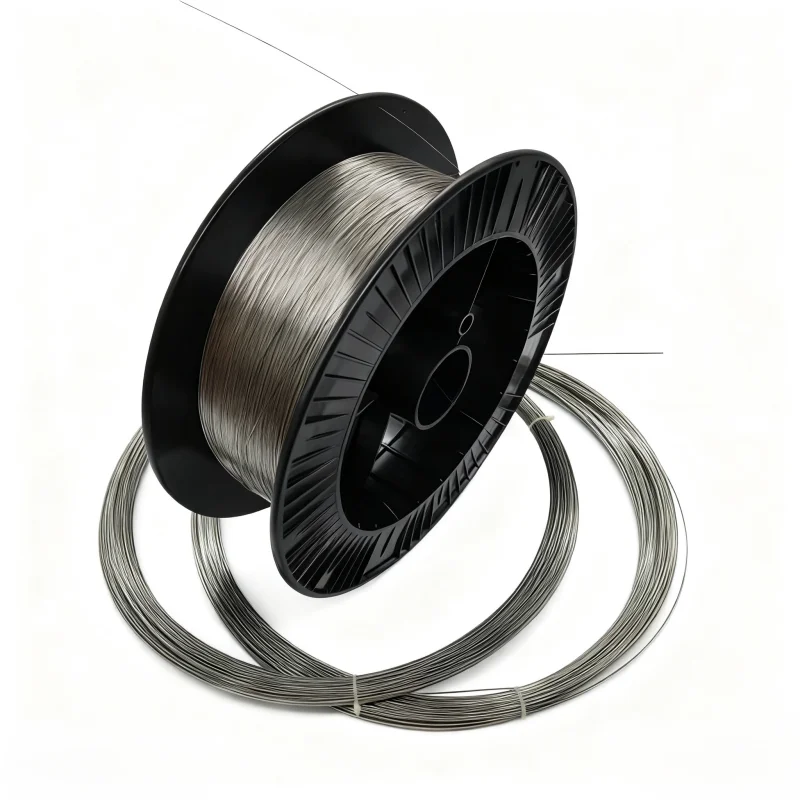
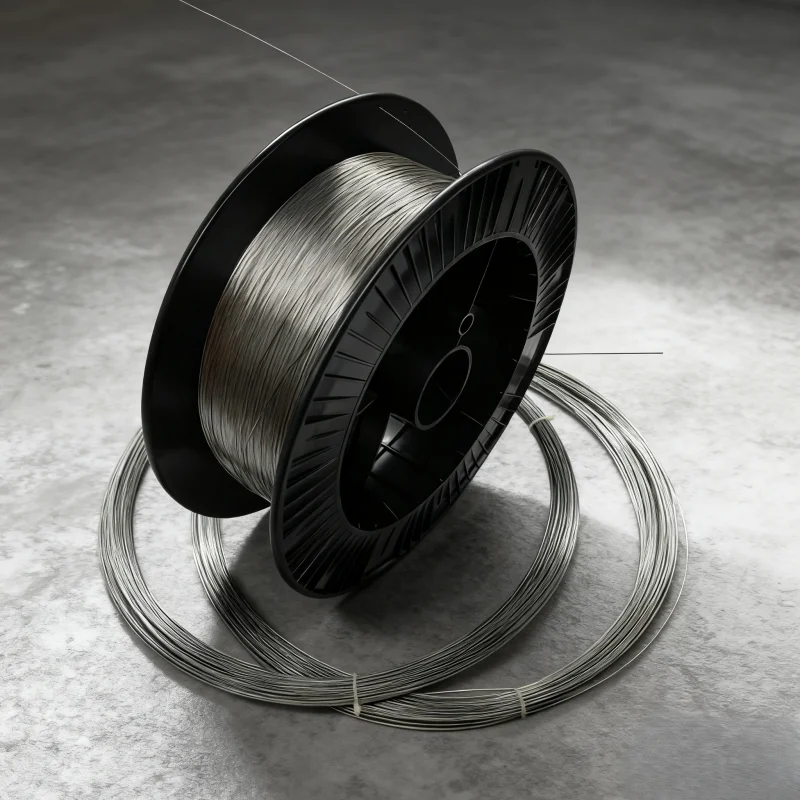
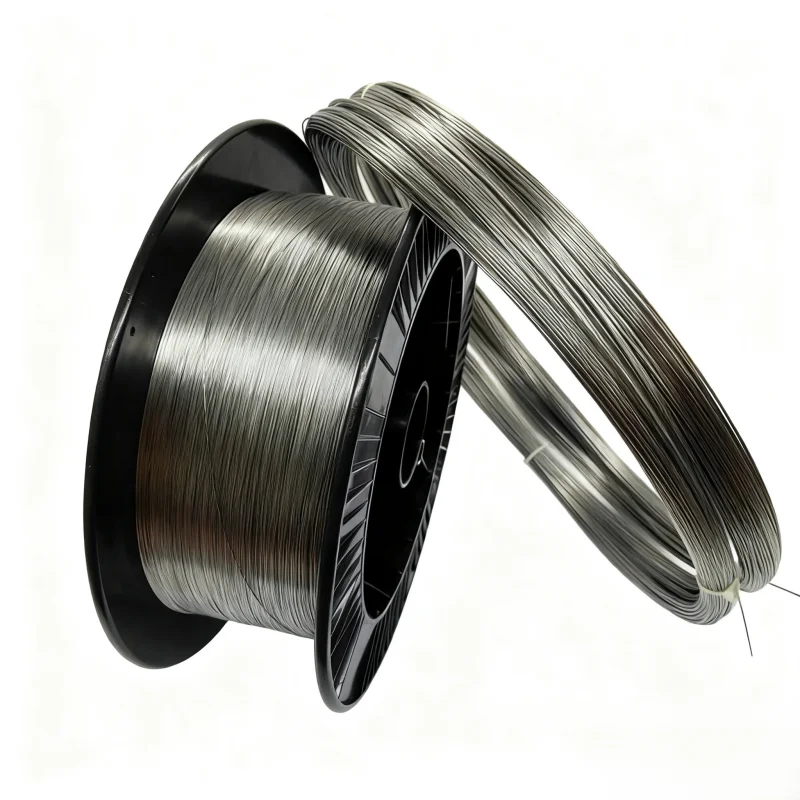
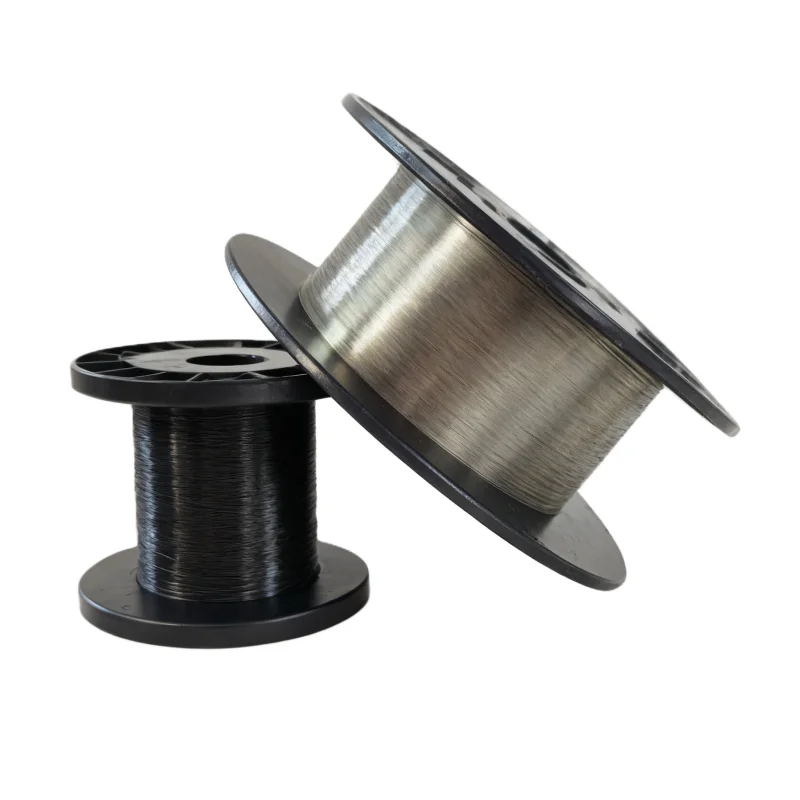
Shape Memory Alloys: Smart Material Solutions for Advanced Engineering Applications

Get a Free Quote

Our representative will contact you soon.
Email
Name
Company Name
Message
0/1000

use of shape memory alloys

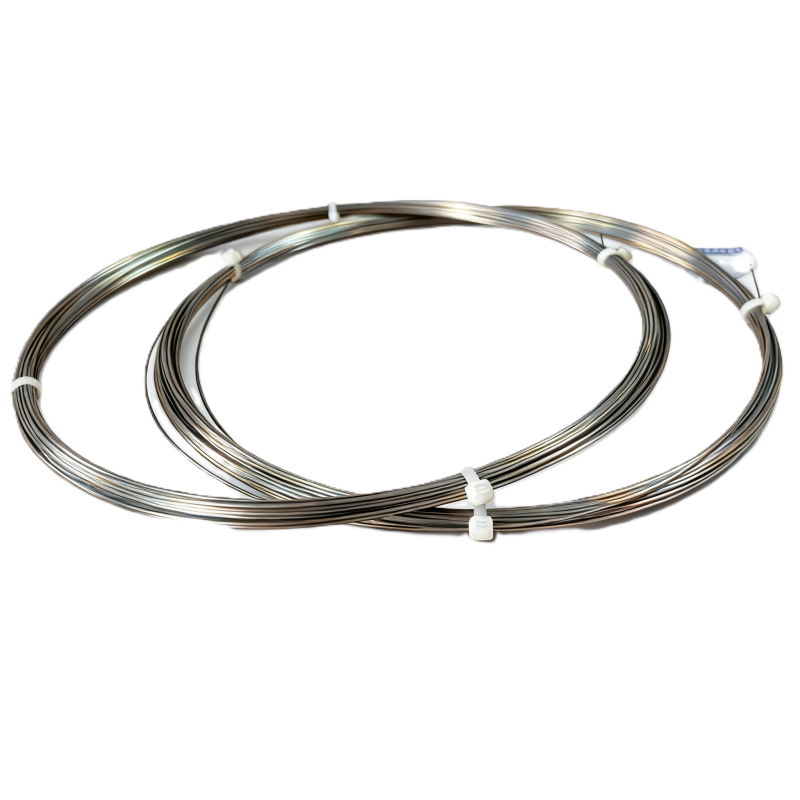
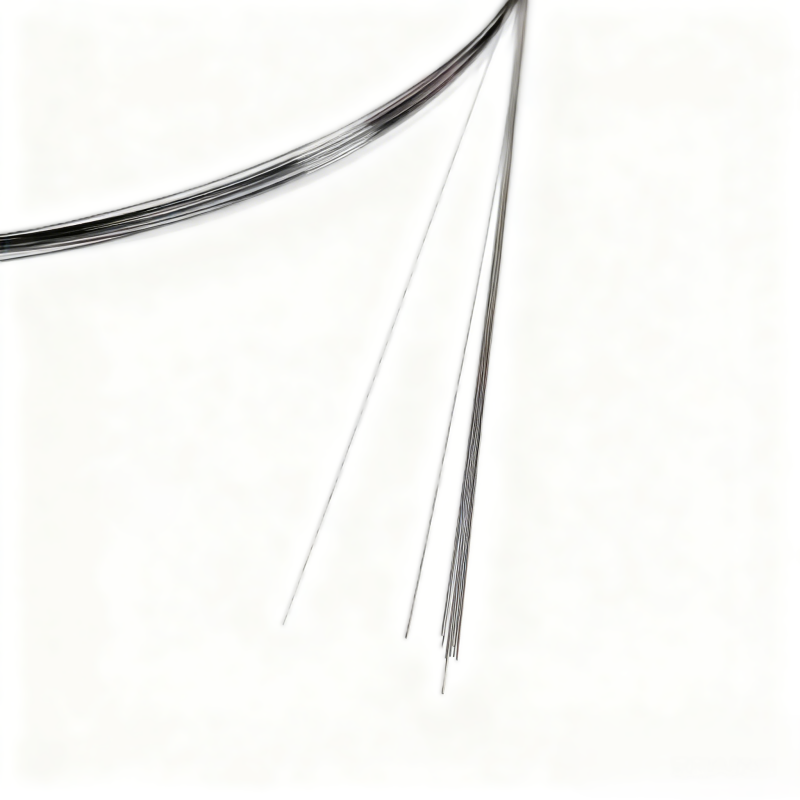
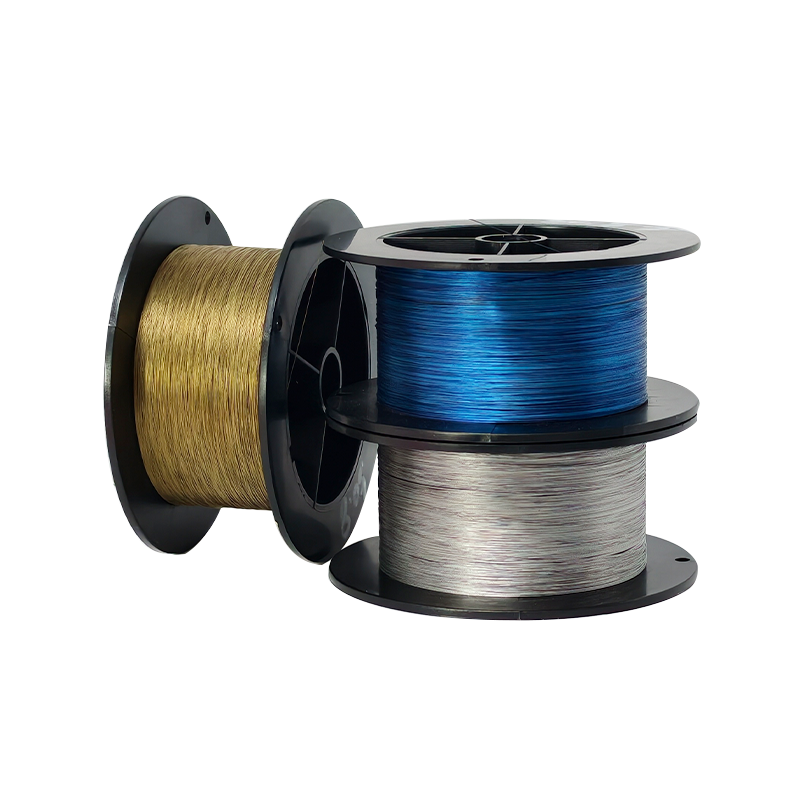
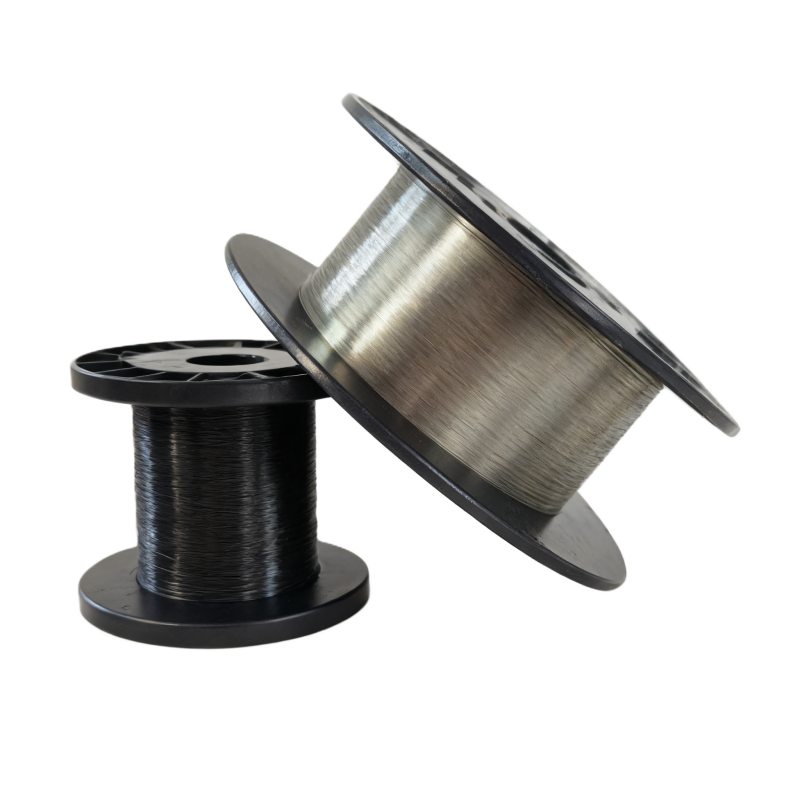
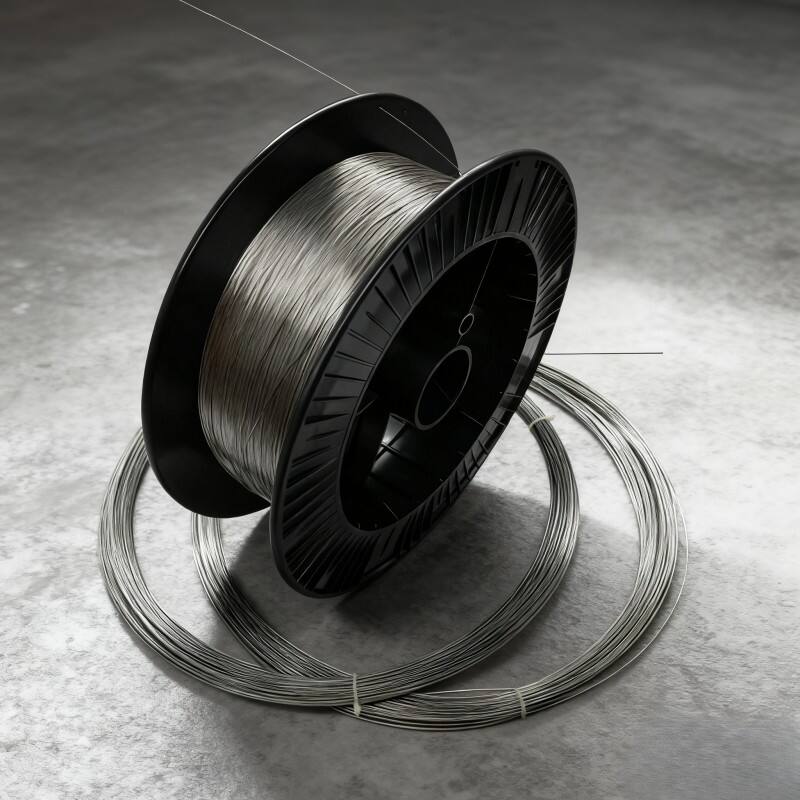
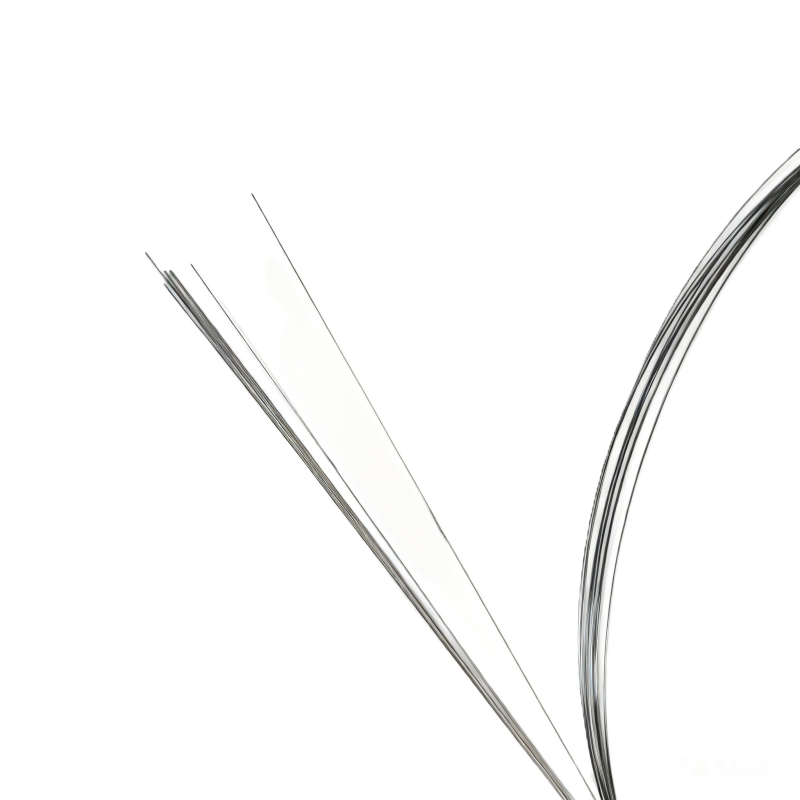
The use of shape memory alloys represents a groundbreaking advancement in materials science that has transformed numerous industries through its unique ability to remember and return to predetermined shapes. Shape memory alloys are metallic materials that can undergo significant deformation at one temperature and then recover their original shape when heated above a specific transformation temperature. The most commonly utilized shape memory alloys include nickel-titanium (Nitinol), copper-aluminum-nickel, and copper-zinc-aluminum compositions. The main functions of the use of shape memory alloys center around their remarkable shape recovery capabilities, superelasticity properties, and biocompatibility characteristics. These materials can generate substantial force during their transformation process, making them ideal for actuators and mechanical devices. Technologically, the use of shape memory alloys operates through a crystallographic phase transformation between martensite and austenite structures. At lower temperatures, the material exists in its martensitic phase, which is easily deformable. Upon heating, it transforms into the austenitic phase, triggering the shape recovery effect. This transformation can occur repeatedly, providing reliable performance over thousands of cycles. Applications of the use of shape memory alloys span diverse sectors including medical devices, aerospace engineering, automotive systems, robotics, and consumer electronics. In medical fields, these alloys create self-expanding stents, orthodontic wires, and surgical instruments that respond to body temperature. Aerospace applications leverage their lightweight nature and reliable actuation for wing morphing systems and deployment mechanisms. Automotive industries incorporate the use of shape memory alloys in climate control systems, safety features, and adaptive components. The versatility of the use of shape memory alloys continues to expand as researchers discover new alloy compositions and processing techniques. Their ability to combine sensing, actuating, and structural functions within a single material eliminates the need for complex mechanical systems, reducing weight, power consumption, and maintenance requirements across various applications.

Popular Products

The use of shape memory alloys offers numerous practical benefits that directly impact performance, cost efficiency, and reliability across multiple applications. One primary advantage is the significant reduction in system complexity. Traditional mechanical systems often require motors, gears, sensors, and controllers working together, but the use of shape memory alloys simplifies this arrangement by combining multiple functions into one smart material. This integration means fewer components to purchase, assemble, and maintain, leading to lower initial costs and reduced long-term maintenance expenses. The compact nature of the use of shape memory alloys makes them particularly valuable where space is limited. These materials can generate substantial force relative to their size, delivering powerful actuation in miniaturized devices that would be impossible with conventional technologies. This space-saving characteristic proves essential in medical implants, portable electronics, and aerospace applications where every gram matters. Energy efficiency represents another compelling advantage of the use of shape memory alloys. These materials require energy only during the transformation phase, not for maintaining position, unlike electric motors that continuously consume power. This feature translates into lower operating costs and extended battery life for portable devices. The silent operation of the use of shape memory alloys provides benefits in applications where noise reduction is critical, such as medical equipment, consumer appliances, and automotive interior components. Unlike motors and hydraulic systems that generate significant operational noise, shape memory alloys work quietly, enhancing user comfort and product appeal. Durability and longevity stand out as key advantages of the use of shape memory alloys. These materials can withstand millions of actuation cycles without degradation, far exceeding many traditional mechanical components. This exceptional fatigue resistance means products last longer, require fewer replacements, and generate less waste over their lifetime. The biocompatibility of certain shape memory alloys, particularly Nitinol, makes them safe for medical applications. The use of shape memory alloys in medical devices eliminates concerns about rejection or adverse reactions, enabling innovative treatments that improve patient outcomes. Temperature responsiveness allows the use of shape memory alloys to function as self-regulating systems. They automatically respond to environmental temperature changes without external controllers, creating fail-safe mechanisms and autonomous devices that adapt to conditions. Corrosion resistance in many shape memory alloy compositions ensures reliable performance in harsh environments, including marine applications, chemical processing, and outdoor installations. This resistance reduces maintenance needs and extends service life in challenging conditions. The use of shape memory alloys also enables entirely new design possibilities that were previously impractical or impossible, giving engineers creative freedom to develop innovative solutions for complex challenges.

Latest News

Why is phase transition stability of nickel titanium wire key to actuator success?

13

May

Why is phase transition stability of nickel titanium wire key to actuator success?

In the world of precision actuators, the materials used to generate motion are not merely components — they are the foundation of reliability. nickel titanium wire has emerged as one of the most compelling active materials in modern actuator engineer...
View More
Why do full-chain manufacturers provide a more stable supply of SMA wire?

14

May

Why do full-chain manufacturers provide a more stable supply of SMA wire?

In industrial and medical procurement, supply chain reliability is not a luxury — it is a fundamental requirement. When sourcing SMA wire, the type of manufacturer you partner with has a direct and measurable impact on delivery consistency, material ...
View More
How to ensure dimensional tolerances for precision Nitinol metal parts?

18

May

How to ensure dimensional tolerances for precision Nitinol metal parts?

Achieving tight dimensional tolerances in Nitinol metal components is one of the most demanding challenges in precision manufacturing. Unlike conventional metals, Nitinol — a nickel-titanium shape memory alloy — exhibits superelastic recovery and pha...
View More
How to identify high-quality Nitinol sources with a 21-year background?

01

Jun

How to identify high-quality Nitinol sources with a 21-year background?

Sourcing Nitinol for industrial, medical, or specialty applications is not a decision that should be made lightly. Nitinol, the nickel-titanium shape memory alloy renowned for its superelastic behavior and thermal responsiveness, demands a level of m...
View More

Get a Free Quote

Our representative will contact you soon.
Email
Name
Company Name
Message
0/1000

use of shape memory alloys

Revolutionary Shape Recovery and Superelastic Properties

Revolutionary Shape Recovery and Superelastic Properties

The use of shape memory alloys introduces revolutionary material behavior that fundamentally changes how engineers approach design challenges across industries. At the core of this innovation lies the shape memory effect, where materials deformed at lower temperatures spontaneously return to their original configuration when heated. This remarkable capability stems from a reversible phase transformation between two distinct crystallographic structures within the material. The martensitic phase, stable at cooler temperatures, allows easy deformation with relatively low stress. When heat is applied, the material transforms into the austenitic phase, and the atomic structure reorganizes to recover the memorized shape. This transformation generates substantial recovery forces, often exceeding the yield strength of conventional metals, enabling the use of shape memory alloys to perform work during shape recovery. Beyond simple shape memory, many compositions exhibit superelasticity at certain temperatures, where the material can undergo significant strain and immediately recover upon stress removal without requiring temperature changes. This superelastic behavior proves invaluable in applications requiring flexibility combined with consistent force delivery. The use of shape memory alloys in eyeglass frames exemplifies this property, as frames bent during daily wear automatically return to their proper shape. Medical applications particularly benefit from superelasticity, with orthodontic wires providing constant gentle pressure for tooth movement regardless of patient jaw position. The programmable nature of the use of shape memory alloys allows manufacturers to set specific transformation temperatures matching application requirements. By adjusting alloy composition and thermal treatment, engineers can create materials that activate at body temperature for medical devices, room temperature for consumer products, or higher temperatures for industrial applications. This customization capability makes the use of shape memory alloys adaptable to diverse operational environments. The repeatable nature of these transformations ensures reliable performance over extended periods. Quality shape memory alloys can complete hundreds of thousands of cycles without significant degradation, maintaining consistent transformation temperatures and recovery forces. This reliability makes the use of shape memory alloys suitable for critical applications where failure could have serious consequences, such as aircraft components or life-saving medical devices. The combination of shape recovery, superelasticity, and programmable transformation temperatures positions the use of shape memory alloys as a transformative technology enabling innovations across sectors.
Exceptional Biocompatibility for Medical Innovation

Exceptional Biocompatibility for Medical Innovation

The use of shape memory alloys has revolutionized medical technology through exceptional biocompatibility that allows these materials to function safely within the human body for extended periods. Nitinol, the most prominent biocompatible shape memory alloy, demonstrates outstanding tissue compatibility, corrosion resistance in bodily fluids, and minimal inflammatory response, making it the material of choice for numerous medical implants and devices. This biocompatibility enables the use of shape memory alloys in applications ranging from cardiovascular stents to orthopedic implants, fundamentally improving patient outcomes and quality of life. Cardiovascular applications represent one of the most significant success stories for the use of shape memory alloys. Self-expanding stents made from Nitinol can be compressed into small catheters for minimally invasive delivery through blood vessels. Once positioned at the treatment site, body temperature triggers the shape memory effect, causing the stent to expand and support the vessel wall. This approach reduces surgical trauma, shortens recovery times, and improves success rates compared to traditional open surgery. The superelastic properties of the use of shape memory alloys ensure that stents flex naturally with blood vessel movement, reducing stress on surrounding tissue and improving long-term performance. Orthodontic treatment has been transformed through the use of shape memory alloys in dental archwires. These wires maintain constant, gentle pressure on teeth throughout the alignment process, regardless of tooth position changes. Traditional stainless steel wires require frequent adjustments and tightening, causing discomfort and requiring more office visits. The use of shape memory alloys reduces treatment time, improves patient comfort, and delivers more predictable results. The biocompatibility ensures no adverse reactions during the months or years of continuous oral exposure. Surgical instruments incorporating the use of shape memory alloys offer enhanced functionality and improved patient outcomes. Devices can be inserted through small incisions in a compact configuration, then activated by body temperature to assume their working shape for performing procedures. This minimally invasive approach reduces scarring, infection risk, and recovery time. The use of shape memory alloys in surgical tools also provides tactile feedback and flexibility that rigid instruments cannot match, giving surgeons better control during delicate procedures. Orthopedic applications of the use of shape memory alloys include bone staples and fixation devices that generate compression as they warm to body temperature, promoting proper healing. The material compatibility with bone tissue and ability to apply controlled forces make these devices superior to traditional fixation methods in certain applications.
Simplified System Design with Multifunctional Integration

Simplified System Design with Multifunctional Integration

The use of shape memory alloys delivers transformative value through multifunctional integration that simplifies system design while enhancing performance and reliability. Traditional engineering approaches separate sensing, control, actuation, and structural functions into distinct components, creating complex systems with numerous potential failure points. The use of shape memory alloys combines these functions within a single material, eliminating complexity and creating elegant solutions to challenging design problems. This integration provides cascading benefits including reduced weight, lower manufacturing costs, simplified assembly, decreased maintenance requirements, and improved overall reliability. In aerospace applications, the use of shape memory alloys enables adaptive structures that respond autonomously to environmental conditions. Wing components incorporating these materials can change shape during flight to optimize aerodynamic performance without complex hydraulic systems or heavy electric motors. The material itself senses temperature changes and actuates accordingly, eliminating separate sensors and controllers. This functional integration reduces aircraft weight substantially, directly translating to fuel savings and increased payload capacity over the vehicle lifetime. The structural integrity of the use of shape memory alloys means they simultaneously provide actuation and load-bearing capabilities, further consolidating system functions. Automotive climate control systems benefit significantly from the use of shape memory alloys through simplified valve actuation and flow control. Temperature-responsive actuators made from these materials automatically adjust airflow without electric motors or electronic controllers, reducing electrical system load and improving energy efficiency. The use of shape memory alloys creates passive systems that continue functioning even during electrical failures, enhancing vehicle safety and reliability. Manufacturing costs decrease because the use of shape memory alloys eliminates multiple components, reducing parts procurement, inventory management, and assembly labor. Consumer electronics leverage the use of shape memory alloys for compact actuators in smartphones, cameras, and wearable devices. The space constraints in modern electronics demand miniaturized components that deliver reliable performance, and the use of shape memory alloys meets these requirements while providing haptic feedback, autofocus mechanisms, and adaptive structures. A single shape memory alloy element can replace assemblies containing motors, gears, position sensors, and control circuits, freeing valuable space for batteries or additional features. Industrial automation benefits from the use of shape memory alloys in specialized actuators for harsh environments where conventional systems struggle. Chemical processing, offshore platforms, and mining operations expose equipment to corrosive substances, extreme temperatures, and mechanical stress. The use of shape memory alloys provides robust actuation without requiring electrical power at the actuation point, eliminating explosion risks in hazardous atmospheres and simplifying safety systems. The inherent simplicity of the use of shape memory alloys reduces maintenance requirements, a critical advantage in remote or difficult-to-access installations where service calls are expensive and time-consuming. Robotics applications showcase the use of shape memory alloys in artificial muscles and compliant mechanisms that mimic biological movement. The material flexibility and distributed actuation create lifelike motion impossible with rigid mechanical systems, advancing human-robot interaction and expanding automation possibilities.
Shape Memory Alloys: Smart Material Solutions for Advanced Engineering Applications

Get a Free Quote

Our representative will contact you soon.
Email
Name
Company Name
Message
0/1000
Newsletter
Please Leave A Message With Us