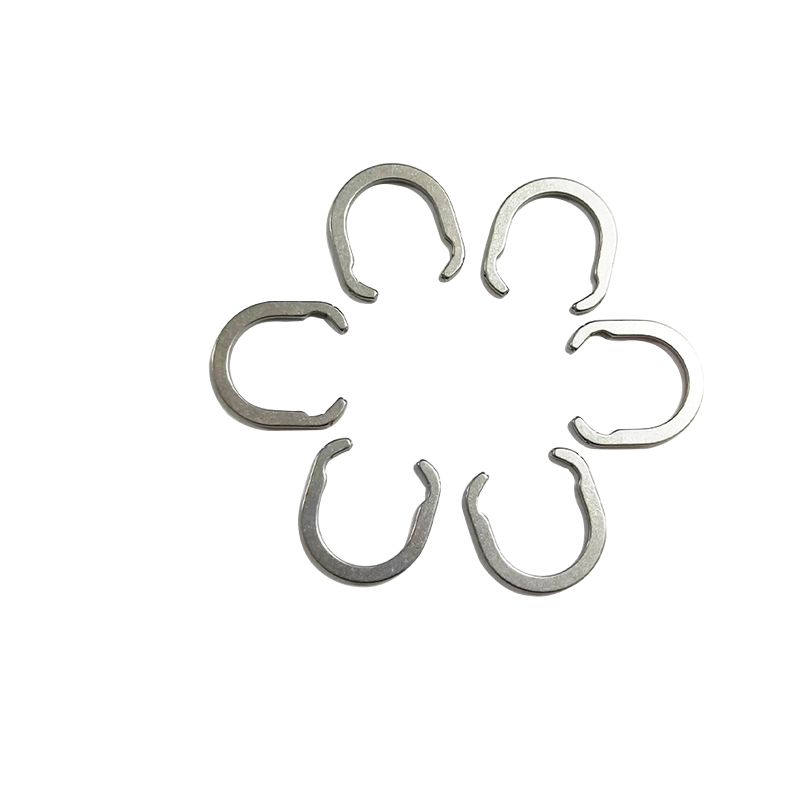
Shape Remembering Metal: Smart Alloys That Move, Flex, and Last

Get a Free Quote

Our representative will contact you soon.
Email
Name
Company Name
Message
0/1000

shape remembering metal

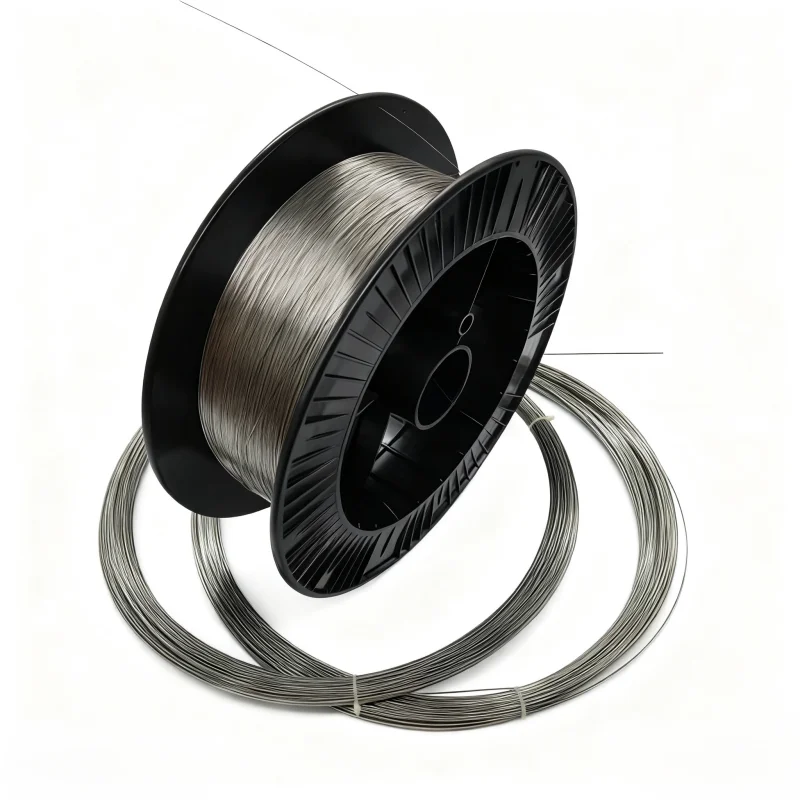
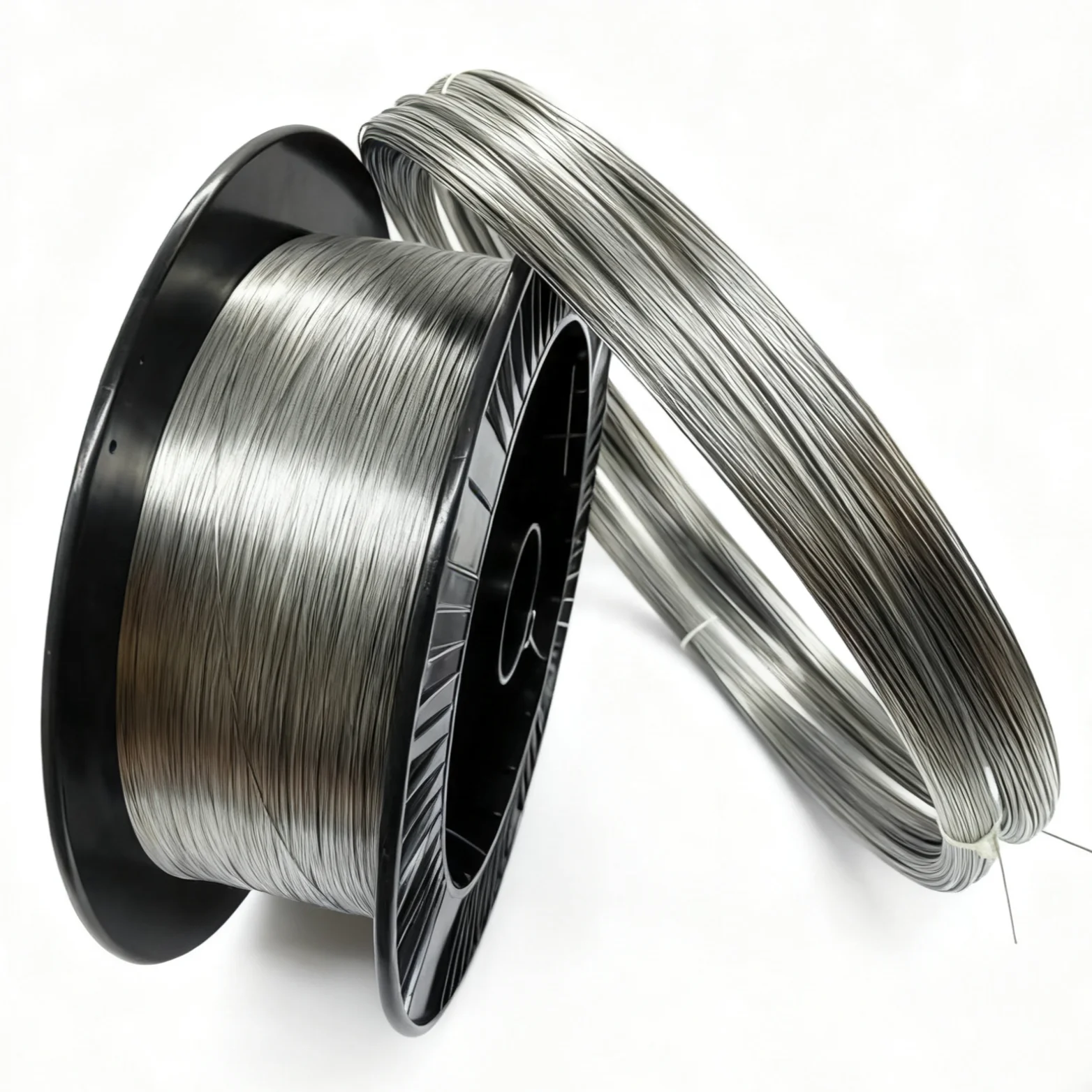
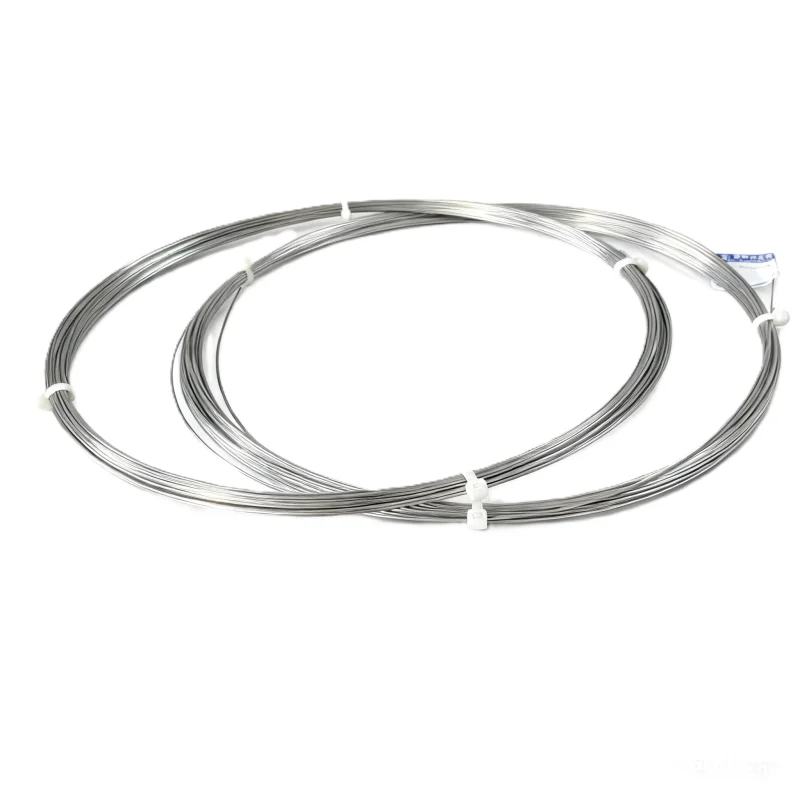
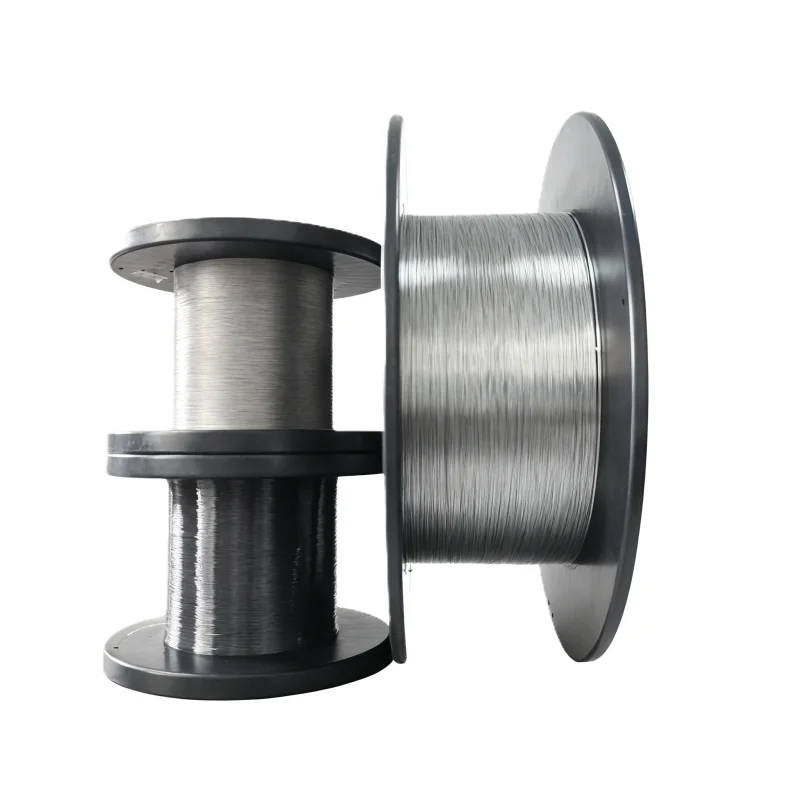
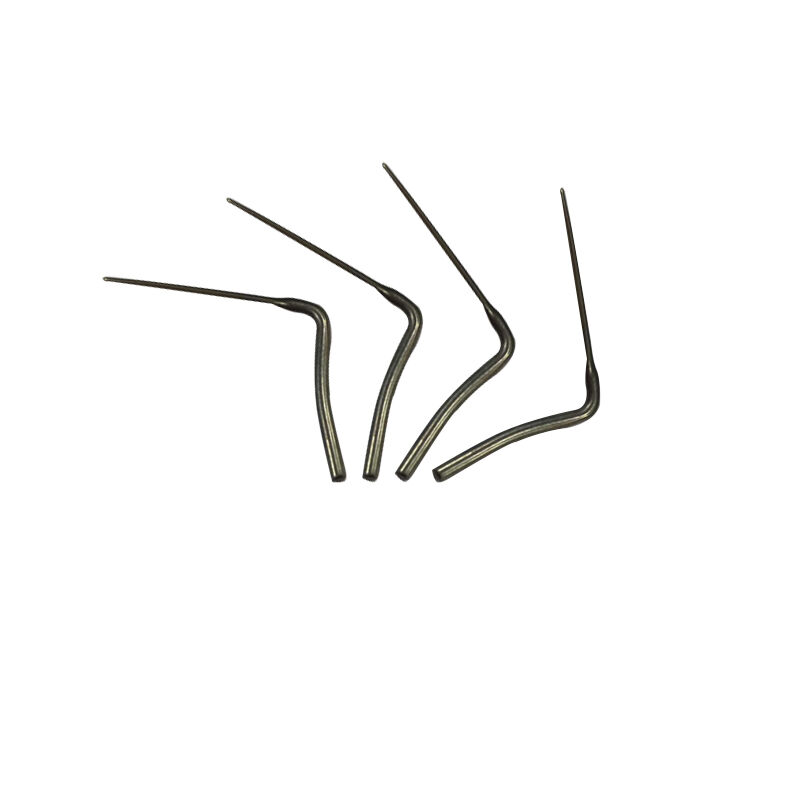
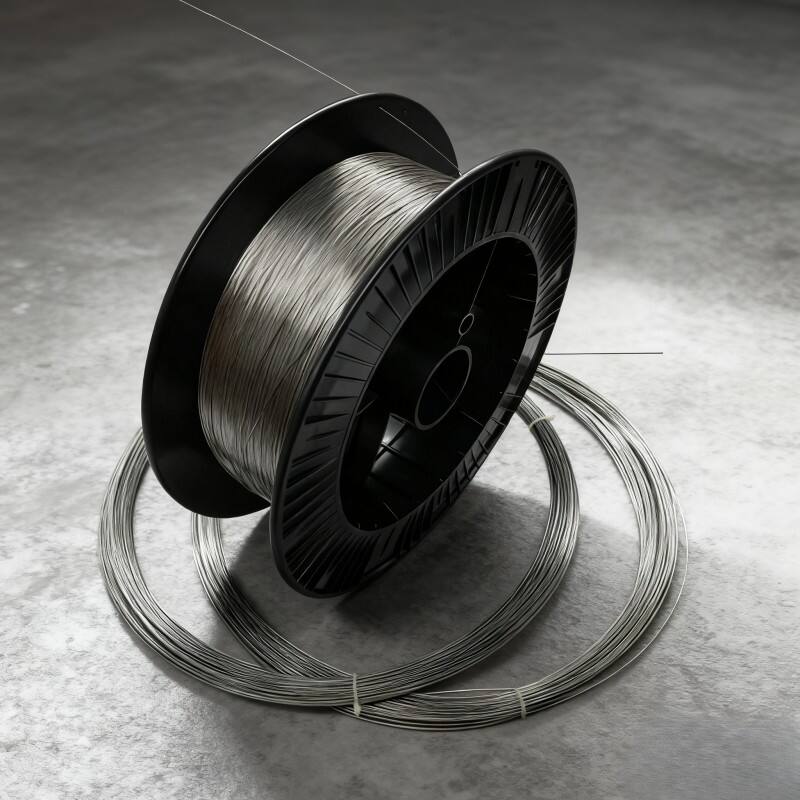
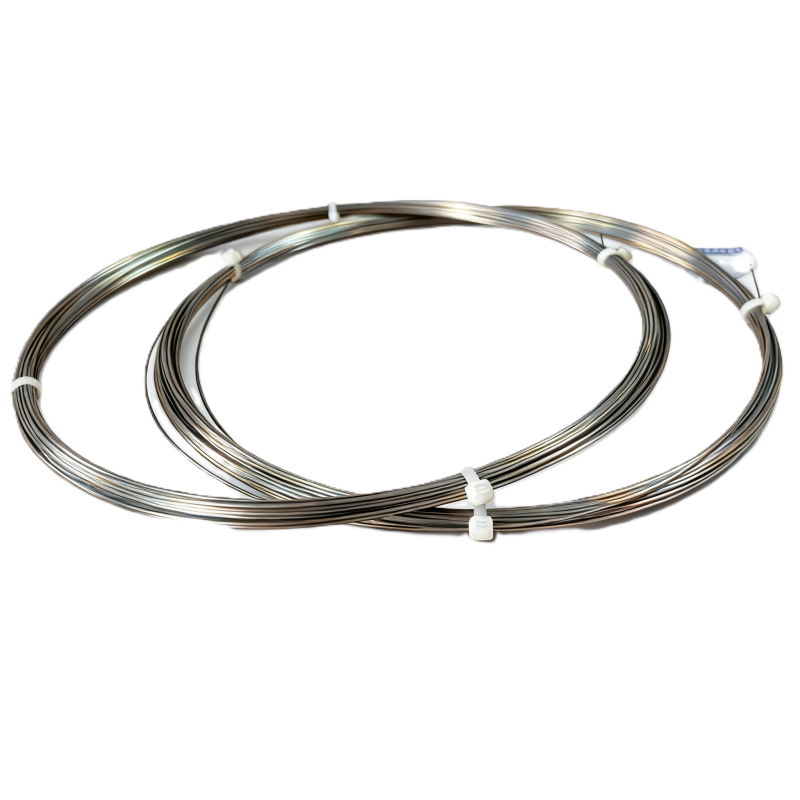
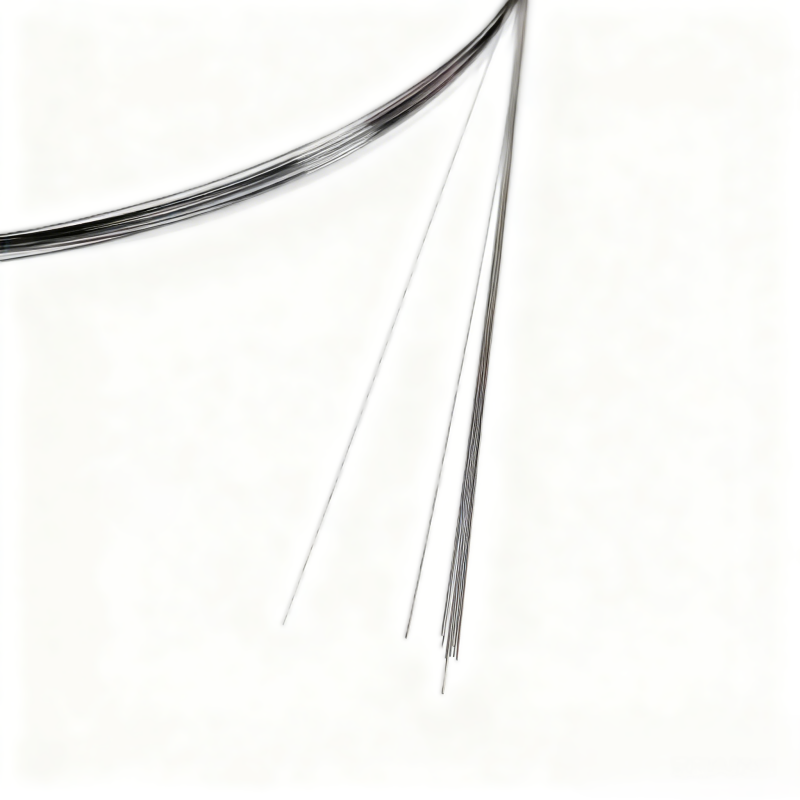
Shape remembering metal, also known as shape memory alloy (SMA), is a remarkable class of smart materials that can return to a previously defined shape when exposed to a specific stimulus, typically heat. This extraordinary capability sets shape remembering metal apart from conventional metals and alloys, making it one of the most fascinating and versatile engineering materials available today. At its core, shape remembering metal undergoes a reversible phase transformation between two distinct crystalline structures: the high-temperature austenite phase and the low-temperature martensite phase. When the material is deformed in its martensite state and subsequently heated above its transformation temperature, it reverts to its original austenite configuration, effectively recovering its programmed shape with remarkable precision. The most widely used shape remembering metal is the nickel-titanium alloy, commonly known as Nitinol, though copper-based and iron-based shape memory alloys also exist and serve various industrial purposes. The transformation temperatures of shape remembering metal can be precisely engineered during manufacturing, allowing designers to tailor the material response to specific operating conditions ranging from sub-zero environments to elevated temperatures exceeding 100 degrees Celsius. Beyond simple shape recovery, shape remembering metal also exhibits superelasticity, a property that allows the material to undergo large elastic deformations and return to its original form upon unloading, without requiring any thermal input. This dual functionality makes shape remembering metal exceptionally valuable across a wide spectrum of industries. In the medical field, shape remembering metal is used in stents, orthodontic wires, surgical tools, and bone anchors. In aerospace and automotive engineering, it serves as actuators, vibration dampers, and adaptive structures. Consumer electronics, robotics, and civil engineering also benefit from the unique properties of shape remembering metal. The combination of biocompatibility, corrosion resistance, high fatigue strength, and programmable mechanical behavior positions shape remembering metal as a cornerstone material for next-generation smart systems and devices.

New Products

Shape remembering metal delivers a set of practical benefits that make it a standout choice for engineers, designers, and product developers across many industries. Understanding these advantages in plain terms helps clarify why more and more applications are turning to shape remembering metal as a preferred material solution. First, shape remembering metal eliminates the need for complex mechanical systems. Traditional actuators and mechanisms often require motors, gears, springs, and electronic controllers working together to produce movement. Shape remembering metal replaces all of that with a single piece of material that moves on its own when temperature changes. This simplification reduces the number of parts in a system, which directly lowers manufacturing costs, reduces assembly time, and minimizes the number of components that can fail. Fewer parts mean fewer problems, and that translates into longer product life and lower maintenance expenses for customers. Second, shape remembering metal is incredibly compact and lightweight. Because the material itself acts as both the structural element and the actuator, products built with shape remembering metal can be made much smaller and lighter than those relying on conventional mechanical systems. This is a major advantage in industries like aerospace, medical devices, and consumer electronics, where every gram and every millimeter of space matters. A lighter product costs less to transport, fits into tighter spaces, and often performs better in demanding environments. Third, shape remembering metal offers repeatable and reliable performance. Once a shape is programmed into the material, it can cycle through its transformation thousands of times without losing accuracy or strength. This consistency is critical in applications where precision matters, such as medical implants that must open and close reliably inside the human body, or aerospace components that must respond predictably under varying thermal conditions. Customers can trust that shape remembering metal will perform the same way every single time. Fourth, shape remembering metal is biocompatible and corrosion resistant, particularly in its nickel-titanium form. This makes it safe for use inside the human body and in harsh outdoor or industrial environments where exposure to moisture, chemicals, or extreme temperatures would degrade ordinary metals. Medical device manufacturers rely on this property to create implants and instruments that remain stable and safe over long periods. Fifth, shape remembering metal enables entirely new product designs that were previously impossible. Designers are no longer constrained by the limitations of rigid mechanical systems. They can create products that adapt, flex, and respond to their environment in ways that feel almost organic. This opens the door to innovation in robotics, wearable technology, smart textiles, and adaptive architecture. For customers, this means access to smarter, more responsive products that improve quality of life and operational efficiency. In summary, shape remembering metal saves money, reduces complexity, improves reliability, supports safety, and unlocks creative design possibilities that conventional materials simply cannot match.

Tips And Tricks

Why do full-process manufacturers provide higher performance Nitinol SMA?

20

May

Why do full-process manufacturers provide higher performance Nitinol SMA?

When engineers and procurement specialists evaluate materials for high-precision medical devices, aerospace components, or advanced actuator systems, the source of the material matters as much as the material itself. Nitinol SMA — the nickel-titanium...
View More
Why is a brand with a 5,000m² factory more professional in Nitinol customization?

22

May

Why is a brand with a 5,000m² factory more professional in Nitinol customization?

When sourcing advanced shape memory alloys for medical devices, aerospace components, or industrial actuators, the manufacturing environment behind a supplier tells you far more than a product catalog ever could. Nitinol customization is a precision-...
View More
What breakthroughs can Nitinol material bring to future flexible robot joints?

25

May

What breakthroughs can Nitinol material bring to future flexible robot joints?

The evolution of robotics is deeply tied to the materials that power movement, flexibility, and responsiveness. Among the most promising advances in this space, Nitinol material stands out as a transformative force in the design of flexible robot joi...
View More
Why should you prioritize the manufacturer's R&D center when choosing partners?

02

Jun

Why should you prioritize the manufacturer's R&D center when choosing partners?

When evaluating potential manufacturing partners, most procurement teams focus on price, lead time, and production capacity. These are legitimate criteria, but they often overlook one of the most telling indicators of long-term value: the strength an...
View More

Get a Free Quote

Our representative will contact you soon.
Email
Name
Company Name
Message
0/1000

shape remembering metal

Programmable Shape Recovery: Engineering Motion Without Motors

Programmable Shape Recovery: Engineering Motion Without Motors

One of the most compelling features of shape remembering metal is its ability to be programmed with a specific target shape and then reliably return to that shape whenever the right conditions are met. This capability, known as the shape memory effect, fundamentally changes how engineers think about motion and actuation in mechanical systems. To understand why this matters, consider how motion is typically created in machines. Conventional systems use electric motors, hydraulic cylinders, pneumatic actuators, or complex spring-and-lever arrangements to generate movement. Each of these approaches requires energy input, control electronics, mechanical linkages, and regular maintenance. They add weight, volume, and cost to any product. Shape remembering metal replaces this entire assembly with a single, solid piece of material. The motion is built into the metal itself. When the temperature of shape remembering metal rises above its transformation threshold, the internal crystal structure of the alloy shifts from the flexible martensite phase to the rigid austenite phase. This shift generates a powerful mechanical force that moves the material back to its programmed geometry. The force produced during this transformation is substantial, often capable of lifting loads many times the weight of the alloy itself. For product designers and engineers, this means that shape remembering metal can do real mechanical work, not just flex or bend passively. The programming process itself is straightforward. During manufacturing, the shape remembering metal is held in its desired final form and heat-treated at a specific temperature. This treatment locks the target geometry into the material at the atomic level. From that point forward, the material will always seek to return to that shape when heated, regardless of how it was deformed in its cooler state. This permanence and repeatability give engineers a high degree of confidence in the material's long-term performance. In practical applications, this feature is used in pipe couplings that self-tighten when installed in warm environments, in medical stents that expand to their full diameter once inside the warm human body, and in aerospace fasteners that lock themselves into place during operation. Each of these uses replaces a more complex mechanical solution with a simpler, more elegant one. For customers, the value is clear: products built with shape remembering metal are simpler to manufacture, easier to install, more reliable in service, and often less expensive to maintain over their operational lifetime.
Superelasticity: Flexibility and Strength Working Together

Superelasticity: Flexibility and Strength Working Together

Beyond the classic shape memory effect, shape remembering metal possesses a second extraordinary property called superelasticity, sometimes referred to as pseudoelasticity. This characteristic allows the material to undergo deformations far larger than ordinary metals can tolerate and then spring back completely to its original form the moment the applied force is removed. No heat is required. The recovery is purely mechanical and happens instantly. To put this in perspective, conventional metals like steel or aluminum will permanently deform if bent beyond a small elastic limit, typically just a fraction of a percent of strain. Shape remembering metal, by contrast, can recover from strains of up to eight percent or more. This is roughly twenty to thirty times greater than what standard engineering metals can handle elastically. The result is a material that behaves almost like a metal rubber band, absorbing large deformations and releasing them without any permanent damage. The mechanism behind superelasticity is the same phase transformation that drives the shape memory effect, but in this case it is triggered by mechanical stress rather than temperature change. When force is applied to shape remembering metal at a temperature above its austenite finish temperature, the stress induces a localized transformation to martensite. This transformation absorbs the deformation energy. When the force is removed, the martensite reverts to austenite and the material returns to its original shape. This cycle can be repeated millions of times without fatigue failure, making shape remembering metal one of the most durable flexible materials available. The practical applications of superelastic shape remembering metal are extensive and growing. In orthodontics, superelastic wires made from shape remembering metal apply a gentle, continuous force to teeth over a long period, reducing patient discomfort and the need for frequent adjustments. In eyeglass frames, shape remembering metal allows the frames to be bent severely and return to their original shape, making them virtually unbreakable under normal use. In minimally invasive surgery, superelastic shape remembering metal instruments can be threaded through narrow, curved pathways inside the body and still function precisely at the tip. For customers in any of these markets, superelastic shape remembering metal delivers a product that is tougher, more forgiving, and longer lasting than alternatives made from conventional materials.
Biocompatibility and Corrosion Resistance: Safe Performance in Demanding Environments

Biocompatibility and Corrosion Resistance: Safe Performance in Demanding Environments

Shape remembering metal, particularly in its nickel-titanium form, offers a combination of biocompatibility and corrosion resistance that makes it uniquely suited for use in environments where material safety and long-term stability are non-negotiable. These properties are not incidental features but are central to why shape remembering metal has become the material of choice in medical devices and other high-stakes applications. Biocompatibility means that a material can exist in contact with living tissue without causing harm. For a metal to be biocompatible, it must not release toxic ions, trigger immune responses, or degrade in the presence of bodily fluids. Nickel-titanium shape remembering metal achieves this through the formation of a stable titanium oxide layer on its surface. This passive oxide layer acts as a barrier that prevents the underlying nickel from leaching into surrounding tissue, even though nickel in its free ionic form is known to cause allergic reactions and cytotoxicity. The oxide layer is self-repairing, meaning that if it is scratched or damaged, it reforms spontaneously when exposed to oxygen. This self-healing surface protection gives shape remembering metal a level of biological safety that few other metallic materials can match. Corrosion resistance is equally important in non-medical applications. Shape remembering metal maintains its structural integrity and functional properties when exposed to saltwater, industrial chemicals, humidity, and temperature extremes that would cause ordinary metals to rust, pit, or weaken. This makes shape remembering metal an excellent choice for marine hardware, outdoor actuators, chemical processing equipment, and any application where long-term exposure to aggressive environments is expected. For customers, the combination of these two properties translates into products that last longer, require less maintenance, and perform safely in conditions where other materials would fail. Medical device manufacturers can bring implants and instruments to market with confidence in their safety profile. Industrial equipment designers can specify shape remembering metal components knowing they will not corrode or degrade over years of service. The result is lower total cost of ownership, reduced liability, and greater customer satisfaction across every market where shape remembering metal is deployed.
Shape Remembering Metal: Smart Alloys That Move, Flex, and Last

Get a Free Quote

Our representative will contact you soon.
Email
Name
Company Name
Message
0/1000
Newsletter
Please Leave A Message With Us