Shape Metal Alloy: Advanced Smart Materials for Aerospace, Medical & Industrial Applications

Get a Free Quote

Our representative will contact you soon.
Email
Name
Company Name
Message
0/1000

shape metal alloy

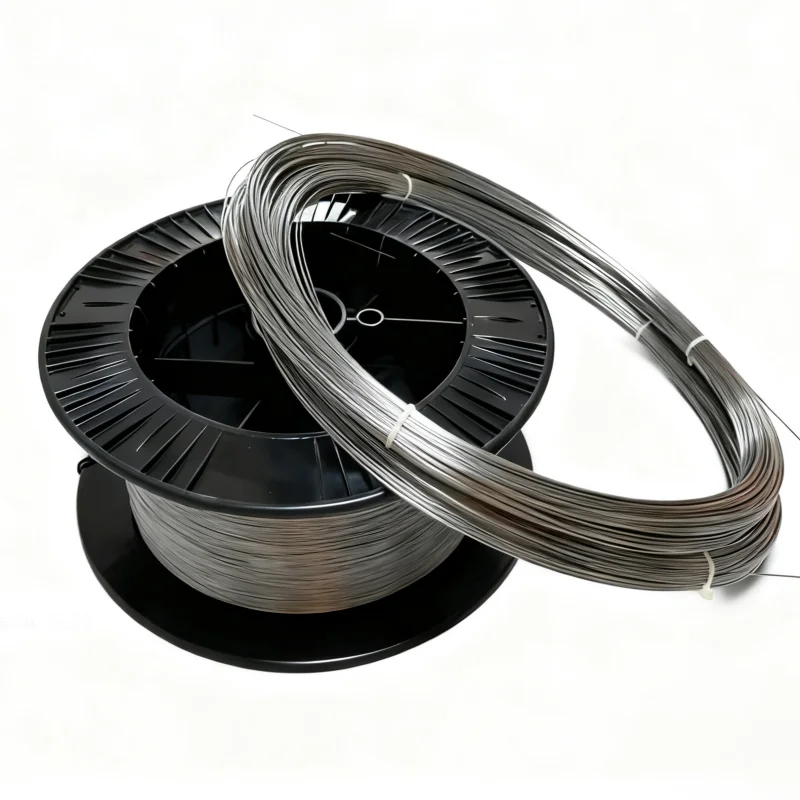
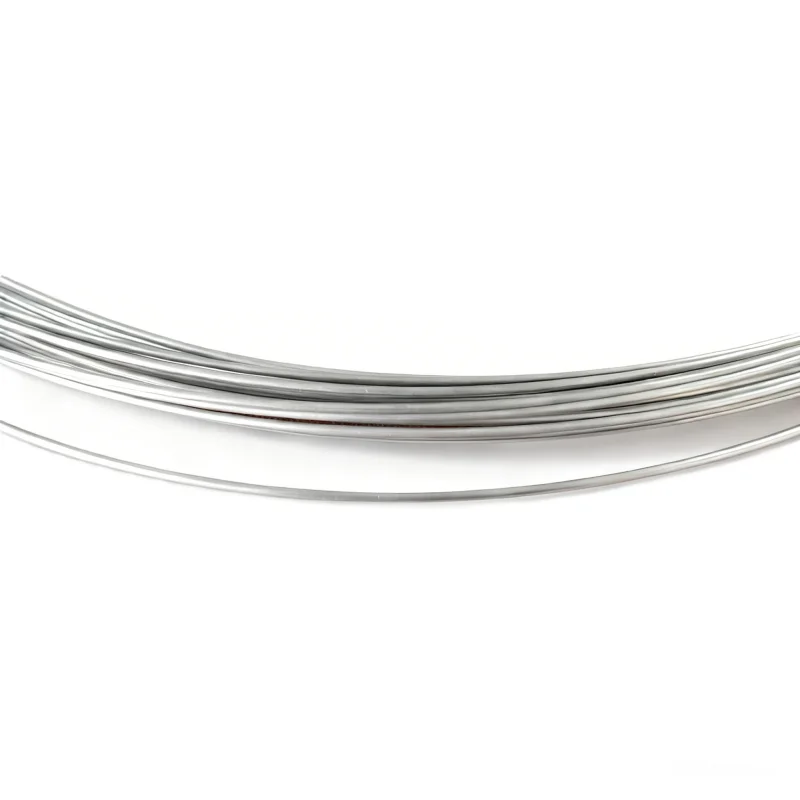
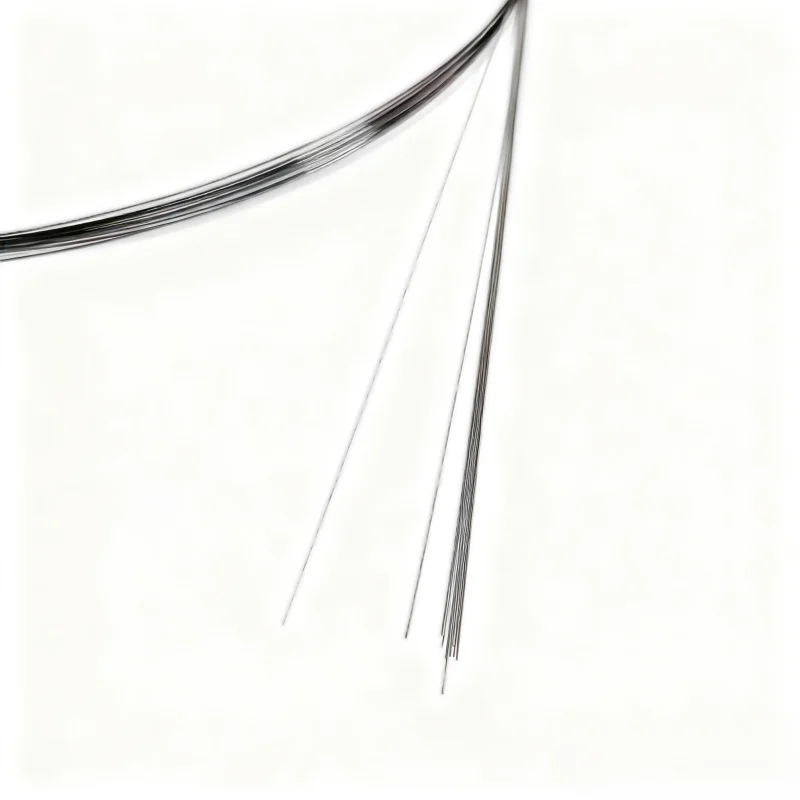
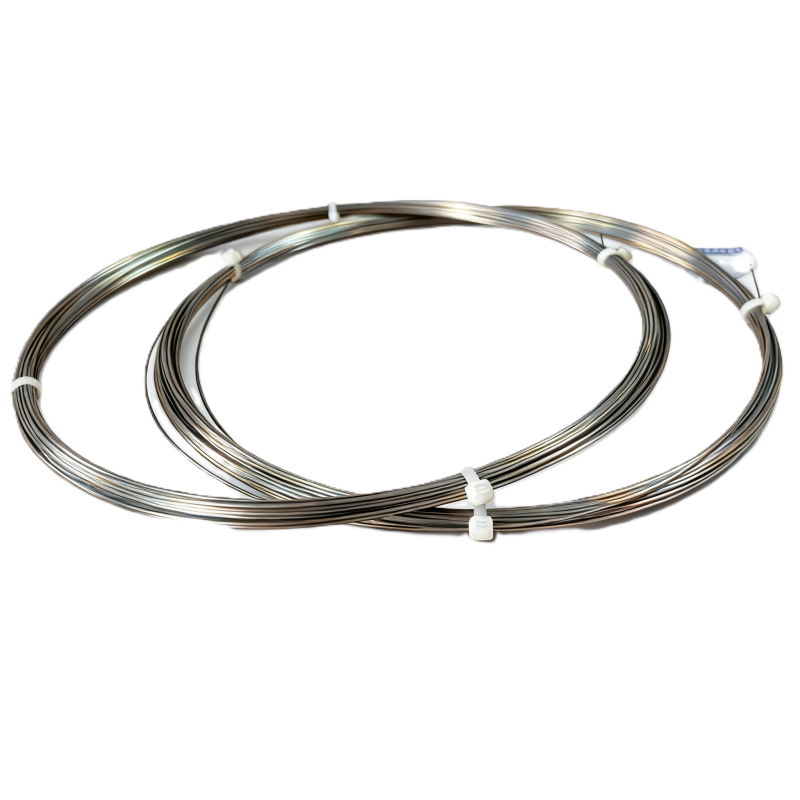
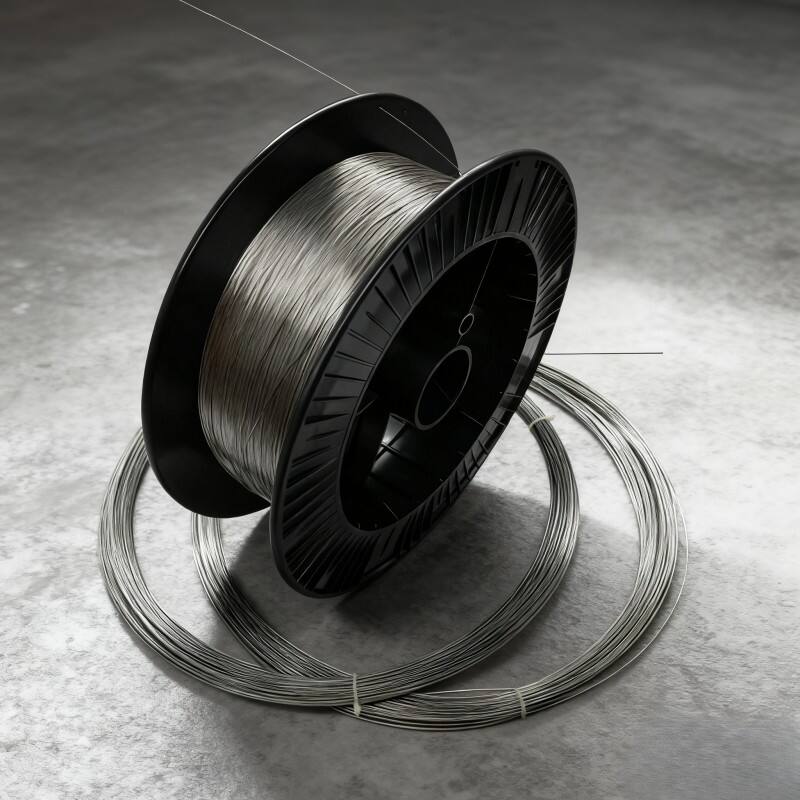
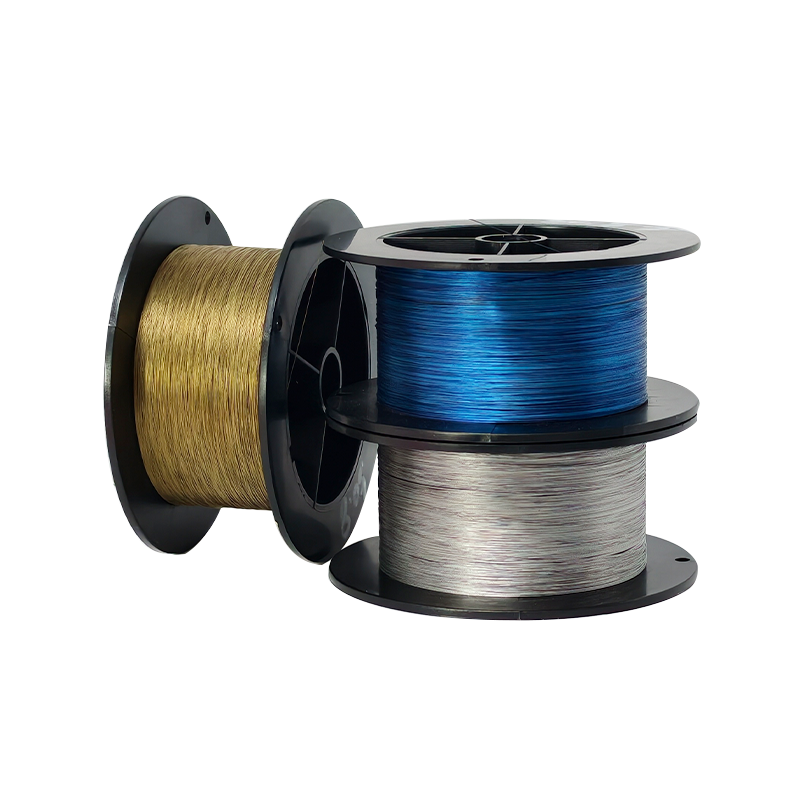
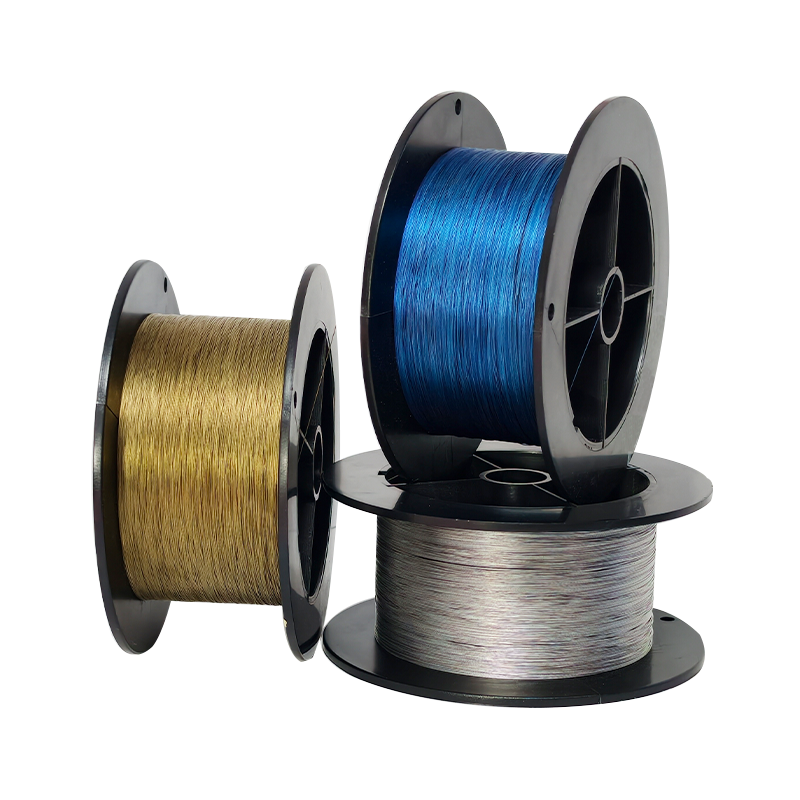
Shape metal alloy represents a revolutionary class of advanced materials engineered to exhibit exceptional memory properties and adaptive characteristics that set them apart from conventional metallic substances. These sophisticated alloys possess the remarkable ability to return to their original configuration after deformation, making them invaluable across numerous industries and applications. The primary function of shape metal alloy lies in its capacity to undergo reversible transformation when exposed to specific stimuli such as temperature changes, stress application, or magnetic fields. This unique behavior stems from a solid-state phase transformation at the molecular level, allowing the material to remember and recover its predetermined form. Technological features of shape metal alloy include superior fatigue resistance, biocompatibility in medical-grade variants, excellent corrosion resistance, and the ability to generate substantial recovery forces during transformation. The material can be trained to remember multiple shapes and can execute complex movements without requiring external mechanical systems. Shape metal alloy finds extensive applications in aerospace engineering where weight reduction and reliability are paramount, medical devices including stents and orthodontic wires that adapt to body temperature, automotive systems for improved safety mechanisms, robotics for creating flexible actuators and grippers, and consumer electronics where compact actuation is needed. Industrial sectors utilize shape metal alloy in thermal management systems, coupling devices, and vibration damping applications. The manufacturing process involves precise alloying of metals such as nickel-titanium, copper-aluminum-nickel, or iron-based compositions, followed by controlled heat treatment to establish the memory effect. This careful processing ensures consistent performance characteristics and predictable transformation temperatures. Engineers value shape metal alloy for its ability to simplify mechanical designs by replacing complex assemblies with single-component solutions, reducing maintenance requirements and extending operational lifespans across diverse applications.

New Product Recommendations

The practical benefits of shape metal alloy deliver tangible value that directly impacts your bottom line and operational efficiency. First and foremost, this material drastically reduces maintenance costs because it eliminates the need for multiple moving parts that typically wear out over time. Traditional mechanical systems require regular inspection, lubrication, and component replacement, but shape metal alloy simplifies these assemblies into single-piece solutions that function reliably for years without intervention. You save money on labor, replacement parts, and system downtime. The self-actuating nature of shape metal alloy means you can design products that respond automatically to environmental changes without sensors, controllers, or power supplies. This autonomous operation translates to energy savings and reduced system complexity. For manufacturers, shape metal alloy enables lighter product designs without sacrificing strength or functionality. The material's high strength-to-weight ratio allows you to reduce overall product weight by up to forty percent compared to conventional solutions, which means lower shipping costs, improved fuel efficiency in transportation applications, and easier handling during installation. The biocompatibility of certain shape metal alloy compositions opens opportunities in medical applications where the material integrates safely with human tissue, reducing rejection risks and improving patient outcomes. Your medical devices can now perform complex functions inside the body using the patient's own body heat as the power source. From a design perspective, shape metal alloy grants you unprecedented flexibility in creating products that adapt to user needs. You can develop eyeglass frames that resist permanent bending, smartphone antennas that deploy automatically, or clothing fasteners that adjust to temperature. The corrosion resistance inherent in quality shape metal alloy formulations ensures your products maintain performance in harsh environments including saltwater, chemical exposure, and extreme temperatures. This durability extends product lifecycles and enhances customer satisfaction. Manufacturing with shape metal alloy also provides competitive advantages through product differentiation. Your offerings stand out in crowded markets because they deliver functionality that competitors using traditional materials simply cannot match. The material's ability to generate substantial force during transformation enables you to create compact actuators that replace bulky pneumatic or hydraulic systems, freeing up valuable space in your designs. Installation becomes simpler because shape metal alloy components often require no external power connections or control systems. The material's fatigue resistance surpasses conventional metals, withstanding millions of cycles without degradation, which proves essential in applications involving repetitive motion. You gain peace of mind knowing your products will perform consistently throughout their intended lifespan, reducing warranty claims and protecting your brand reputation.

Tips And Tricks

Why do full-chain manufacturers provide a more stable supply of SMA wire?

14

May

Why do full-chain manufacturers provide a more stable supply of SMA wire?

In industrial and medical procurement, supply chain reliability is not a luxury — it is a fundamental requirement. When sourcing SMA wire, the type of manufacturer you partner with has a direct and measurable impact on delivery consistency, material ...
View More
Why do orthodontists prefer using orthodontic wire with shape memory?

15

May

Why do orthodontists prefer using orthodontic wire with shape memory?

In modern orthodontic practice, the materials used to move teeth are just as important as the clinical techniques applied. Among the many innovations that have transformed the field, orthodontic wire with shape memory stands out as one of the most cl...
View More
What breakthroughs can Nitinol material bring to future flexible robot joints?

25

May

What breakthroughs can Nitinol material bring to future flexible robot joints?

The evolution of robotics is deeply tied to the materials that power movement, flexibility, and responsiveness. Among the most promising advances in this space, Nitinol material stands out as a transformative force in the design of flexible robot joi...
View More
How to identify high-quality Nitinol sources with a 21-year background?

01

Jun

How to identify high-quality Nitinol sources with a 21-year background?

Sourcing Nitinol for industrial, medical, or specialty applications is not a decision that should be made lightly. Nitinol, the nickel-titanium shape memory alloy renowned for its superelastic behavior and thermal responsiveness, demands a level of m...
View More

Get a Free Quote

Our representative will contact you soon.
Email
Name
Company Name
Message
0/1000

shape metal alloy

Revolutionary Self-Healing and Adaptive Response Capabilities

Revolutionary Self-Healing and Adaptive Response Capabilities

Shape metal alloy possesses an extraordinary self-healing characteristic that fundamentally changes how we approach material failure and product longevity. Unlike traditional metals that permanently deform when bent or stressed beyond their elastic limit, shape metal alloy can recover from significant deformation by simply applying the appropriate trigger, typically heat. This recovery mechanism operates at the crystallographic level where the material transitions between different phase structures, specifically from martensite to austenite phases. When you bend or twist a component made from shape metal alloy at lower temperatures, the material accommodates this deformation through a reversible rearrangement of its crystal structure. Upon heating above its transformation temperature, the atomic lattice spontaneously reorganizes back to its original configuration, pulling the macroscopic shape back to its memorized form. This process can occur millions of times without material degradation, providing unmatched durability in cyclic applications. The adaptive response capability extends beyond simple shape recovery to include sophisticated behaviors like two-way memory where the material remembers both a cold shape and a hot shape, automatically transitioning between them as temperature cycles. This eliminates the need for complex control systems in applications like thermostatic valves, ventilation systems, and temperature-responsive safety devices. Engineers leverage this property to create fail-safe mechanisms that activate automatically during emergency conditions without requiring electrical power or human intervention. The self-healing aspect proves particularly valuable in applications where access for repairs is difficult or impossible, such as implanted medical devices, undersea equipment, or aerospace components. Rather than accepting permanent damage from accidental impacts or overloads, products incorporating shape metal alloy can be designed to recover functionality through simple heating cycles. This capability dramatically reduces lifecycle costs and extends useful product life far beyond what conventional materials permit. The precision with which shape metal alloy can be programmed to respond at specific temperatures, ranging from minus one hundred to plus one hundred degrees Celsius depending on composition, allows designers to tailor material behavior exactly to application requirements, creating products that respond intelligently to their operating environment without artificial intelligence or electronic controls.
Exceptional Force Generation in Compact Form Factors

Exceptional Force Generation in Compact Form Factors

One of the most compelling advantages of shape metal alloy lies in its ability to generate substantial mechanical force within remarkably small physical packages, revolutionizing actuator technology across multiple industries. Traditional actuation systems based on pneumatics, hydraulics, or electromagnetic motors require significant space for components like cylinders, pumps, valves, and power supplies. Shape metal alloy actuators achieve comparable or superior force output in devices that occupy a fraction of the volume, making them ideal for applications where space constraints are critical. The force generation mechanism stems from the crystallographic transformation that occurs during the memory effect. As the material transitions from its low-temperature martensite phase to its high-temperature austenite phase, it can exert forces exceeding five hundred megapascals, comparable to high-performance hydraulic systems. This force develops across the entire cross-section of the material, allowing even thin wires to move substantial loads. Engineers exploit this characteristic to create linear actuators that pull heavy objects, rotary actuators that generate torque, and gripping devices that handle delicate or irregularly shaped items. The solid-state nature of shape metal alloy actuation eliminates concerns about fluid leaks, compressed air supply, or electromagnetic interference that plague conventional systems. This makes the technology particularly suitable for clean room environments, medical applications, and electronic devices where contamination or interference cannot be tolerated. Response times of shape metal alloy actuators can be extremely fast, with small diameter wires transitioning in milliseconds when efficiently heated. Conversely, larger components can provide slow, controlled motion ideal for gradual positioning tasks. The material's high work output per unit mass surpasses most conventional actuator technologies, delivering more useful work from less material. This efficiency stems from the direct conversion of thermal energy into mechanical work without intermediate conversion steps that introduce losses. Power consumption remains low because energy is only required during the actuation phase, not to maintain position, since the material locks into its transformed state without continuous power input. Applications benefiting from these characteristics include robotic grippers that gently conform to object shapes, deployable structures for satellites that unfold reliably in space, automotive safety systems that activate during crashes, and minimally invasive surgical tools that navigate through small incisions yet deliver sufficient force for tissue manipulation. The scalability of shape metal alloy technology means the same principles apply whether creating microscopic actuators for microelectromechanical systems or large components for industrial machinery.
Superior Biocompatibility and Medical Integration

Superior Biocompatibility and Medical Integration

Shape metal alloy, particularly nickel-titanium variants commonly known as Nitinol, demonstrates exceptional biocompatibility that has transformed modern medical device design and patient care outcomes. This biocompatibility means the material coexists harmoniously with human tissue without triggering adverse immune responses, inflammation, or rejection that plague many implantable materials. The surface chemistry of properly processed shape metal alloy resists protein adhesion and cellular attachment in controlled ways, allowing medical devices to function within the body for extended periods without encapsulation or degradation. This property proves essential for cardiovascular stents, which must remain patent and functional for decades after implantation. The superelastic behavior of certain shape metal alloy compositions at body temperature provides mechanical properties closely matching natural tissue, reducing stress shielding effects that cause bone resorption around traditional metal implants. Orthopedic applications benefit tremendously as bone screws and plates made from shape metal alloy distribute loads more physiologically, promoting better healing outcomes. The material's ability to undergo large elastic deformations without permanent damage allows medical devices to compress for minimally invasive delivery through catheters, then expand to their functional size once positioned inside the body. This characteristic has enabled entirely new treatment paradigms including transcatheter heart valve replacement, where artificial valves compressed to pencil thickness travel through blood vessels to replace diseased valves without open-heart surgery, dramatically reducing patient trauma and recovery times. Orthodontic wires fabricated from shape metal alloy apply constant, gentle forces to teeth as they slowly recover their programmed shape, providing more comfortable and efficient tooth movement compared to stainless steel wires requiring frequent adjustment. The thermal responsiveness of shape metal alloy enables drug delivery systems that release medication in response to body temperature or localized inflammation, providing targeted therapy exactly when and where needed. Surgical instruments incorporating shape metal alloy demonstrate superior flexibility for navigating tortuous anatomical pathways while maintaining sufficient rigidity to manipulate tissue effectively. The material's resistance to corrosion in biological environments containing chlorides, proteins, and varying pH levels ensures long-term device integrity without releasing toxic metal ions. Fatigue resistance becomes crucial in cardiovascular applications where devices experience millions of loading cycles from heartbeats and breathing, and shape metal alloy's exceptional fatigue life prevents premature device failure. The radiopacity of nickel-titanium alloys allows clear visualization under fluoroscopy and other imaging modalities, helping physicians precisely position devices during implantation procedures. As medical technology advances toward personalized treatments, shape metal alloy's programmability allows custom devices tailored to individual patient anatomy and physiology, improving treatment efficacy while reducing complications.
Shape Metal Alloy: Advanced Smart Materials for Aerospace, Medical & Industrial Applications

Get a Free Quote

Our representative will contact you soon.
Email
Name
Company Name
Message
0/1000
Newsletter
Please Leave A Message With Us