Nickel Titanium Shape Memory Alloy: Properties, Benefits, and Applications

Get a Free Quote

Our representative will contact you soon.
Email
Name
Company Name
Message
0/1000

nickel titanium shape memory alloy

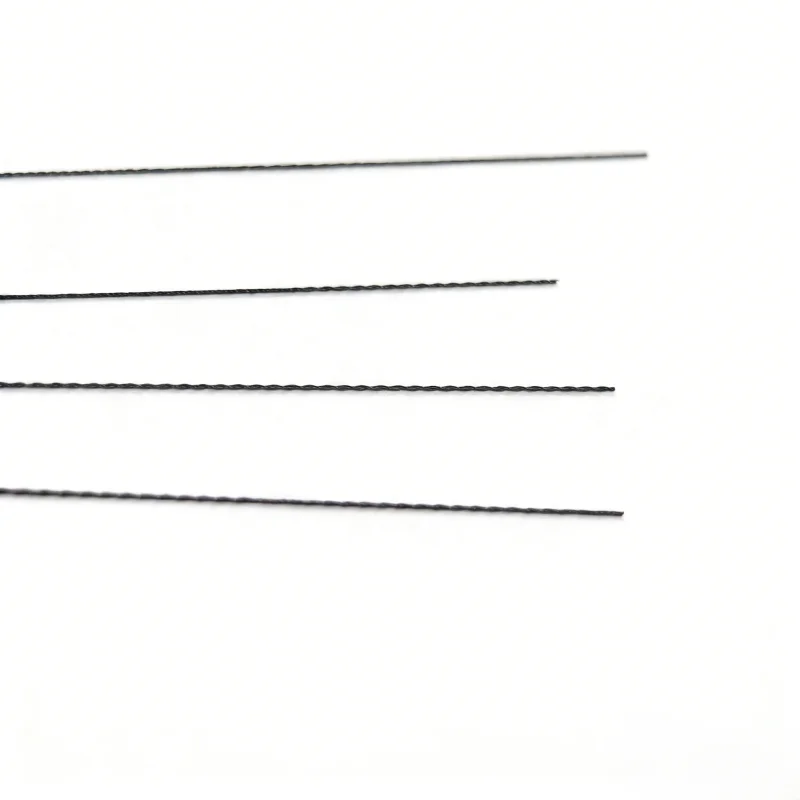
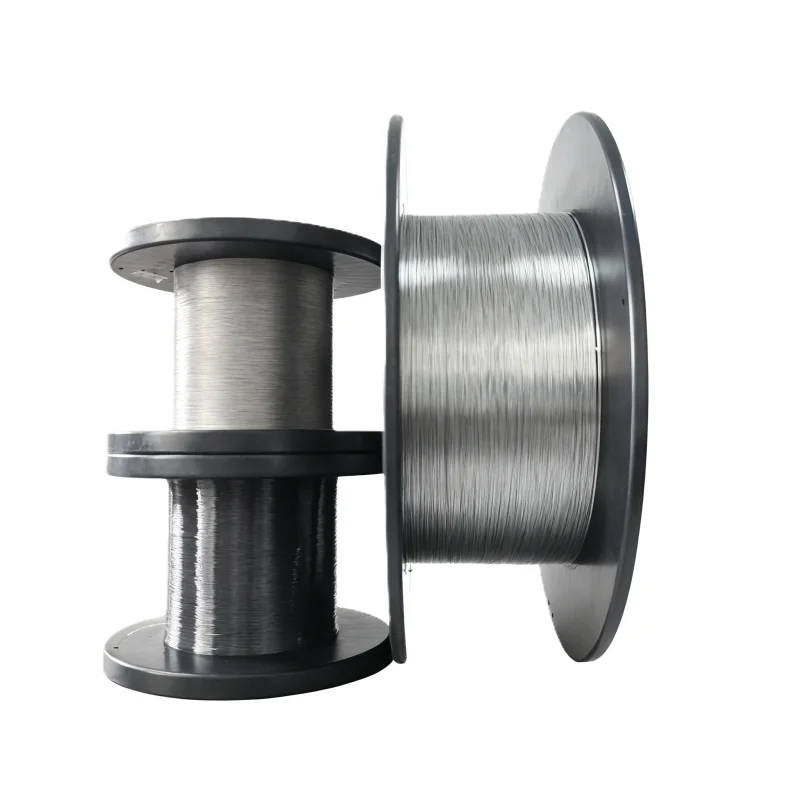
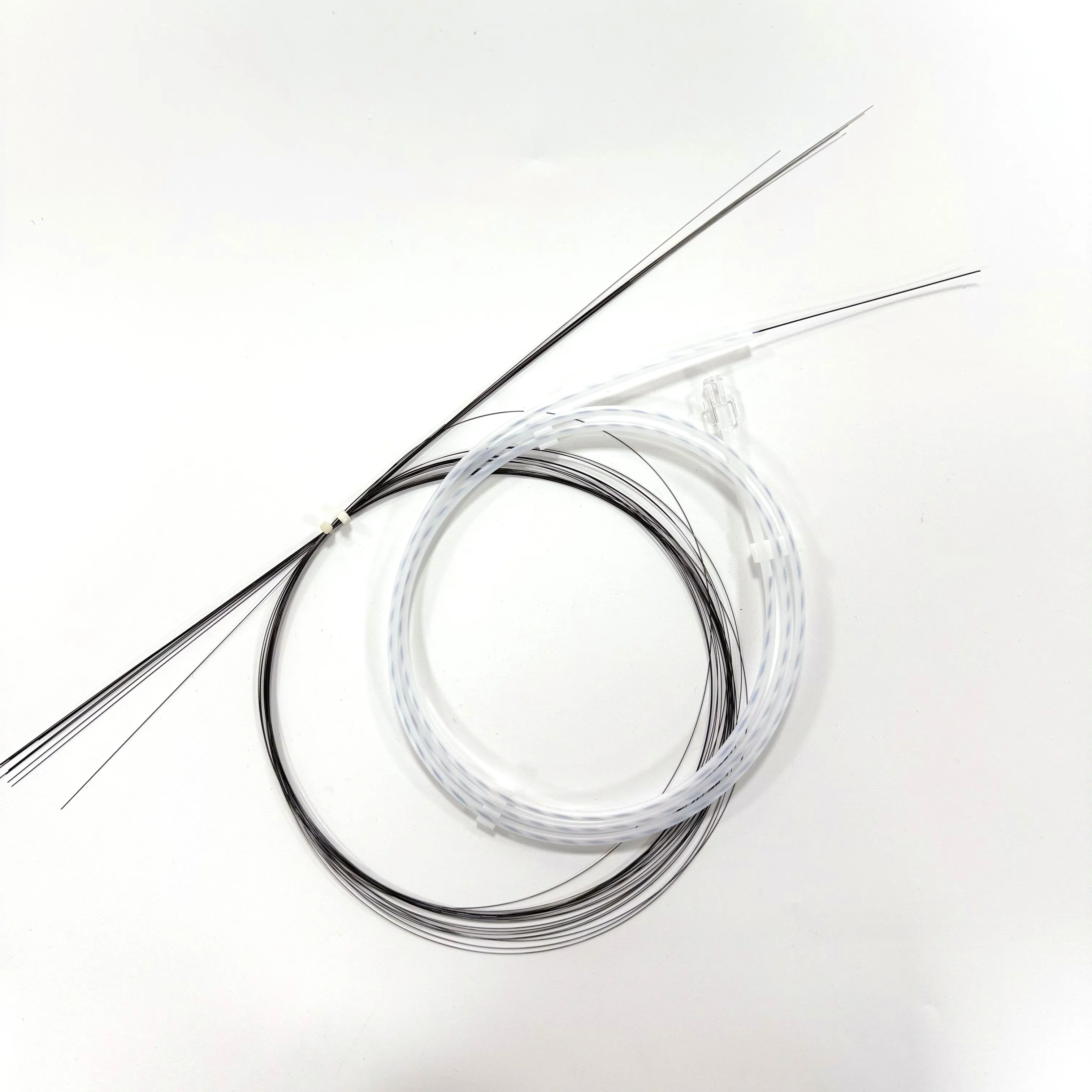
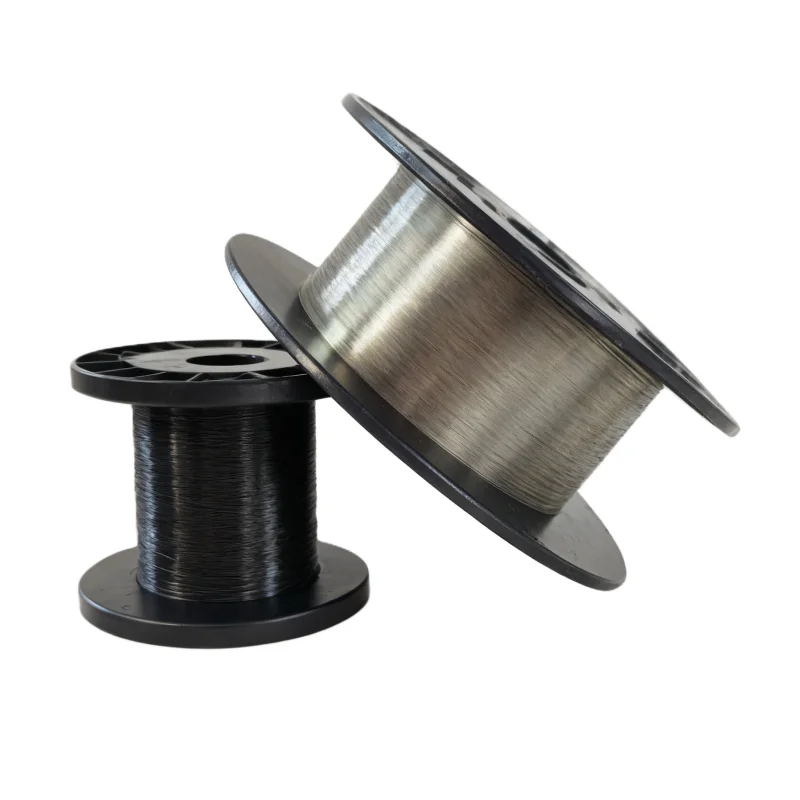
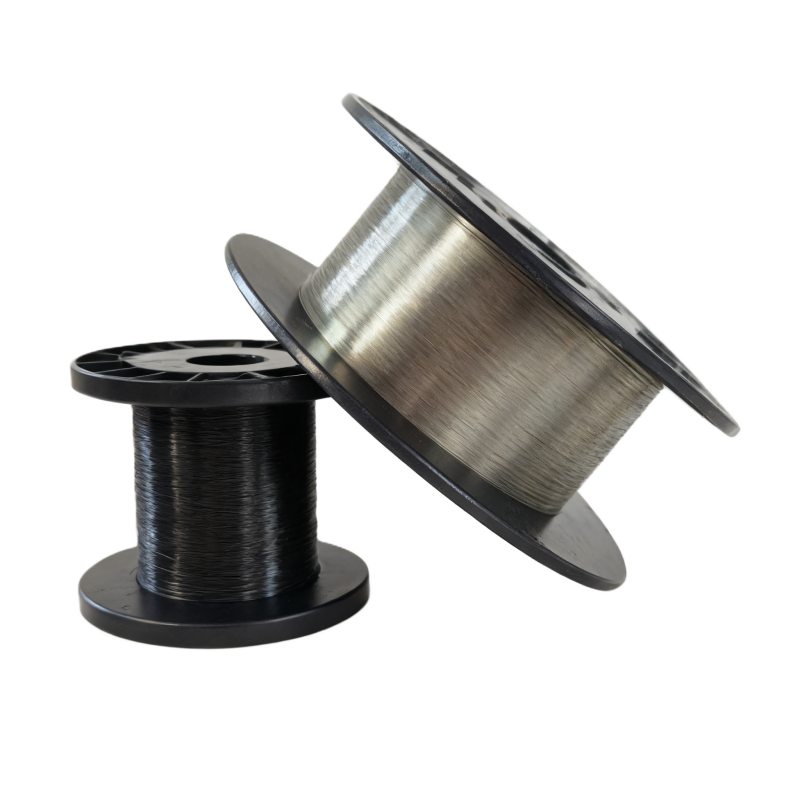
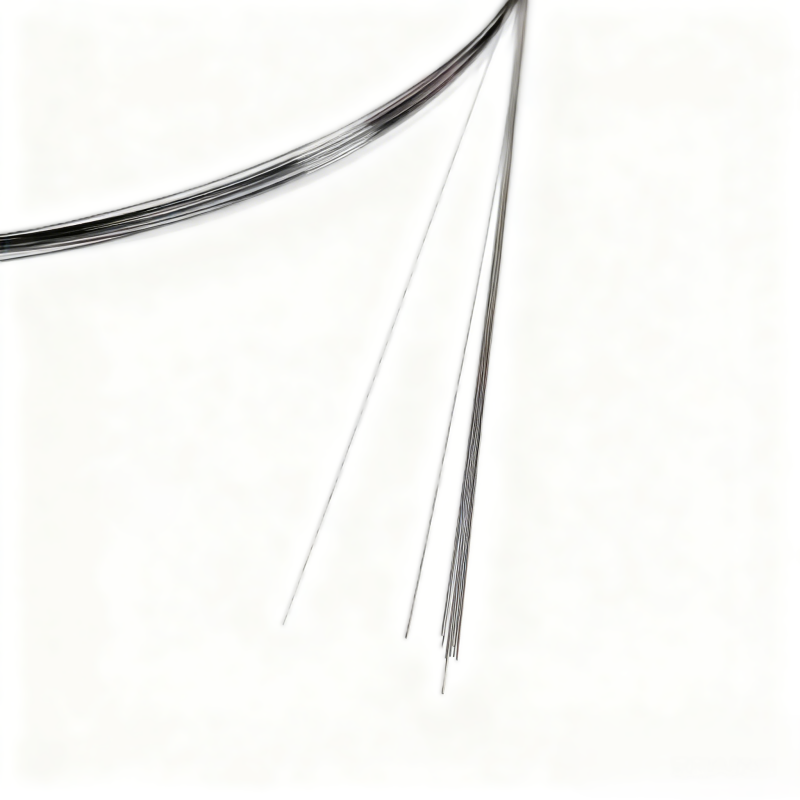
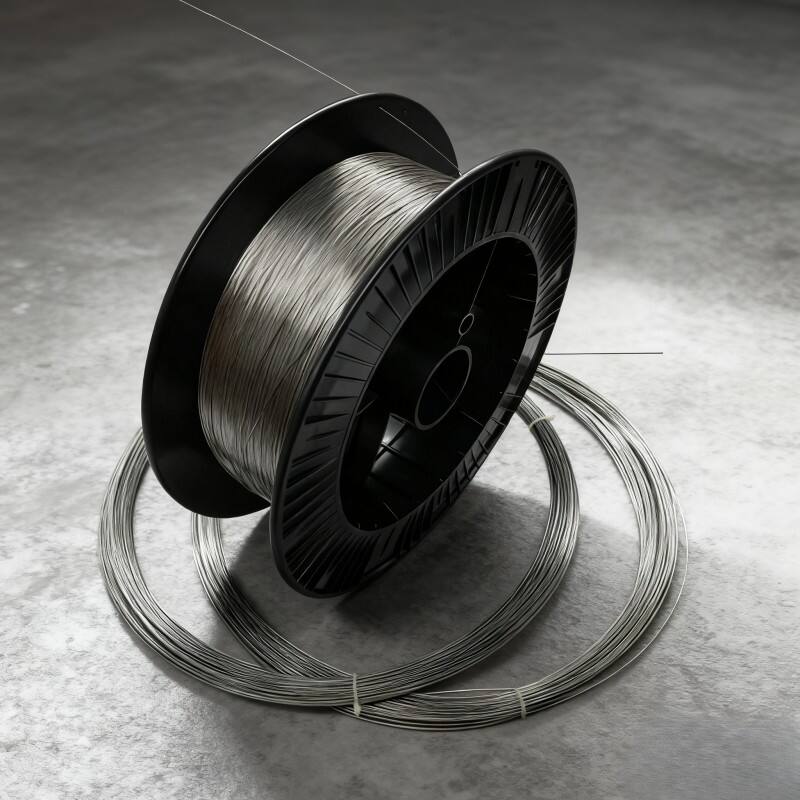
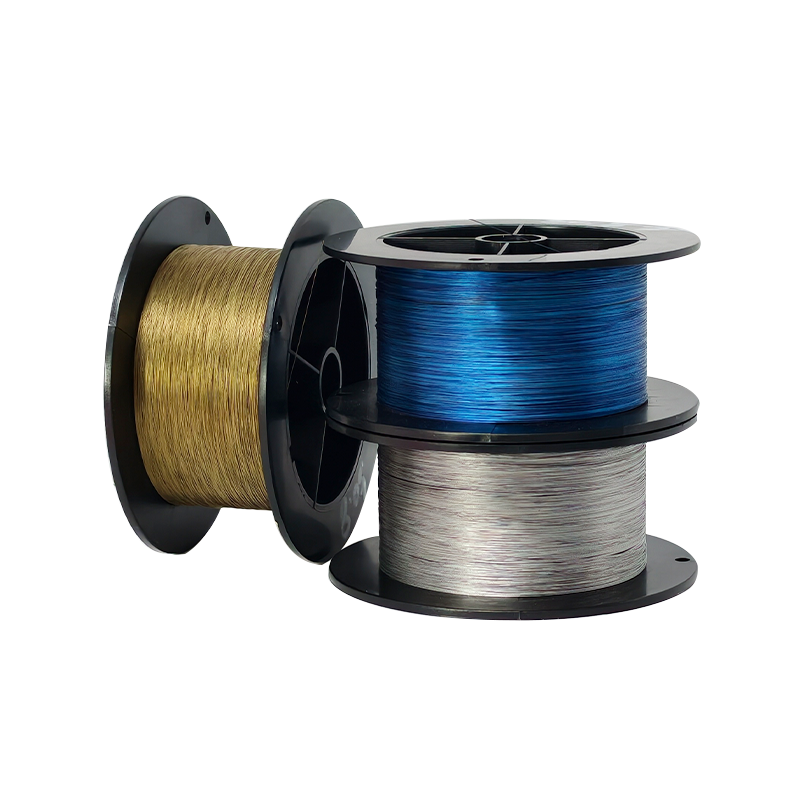
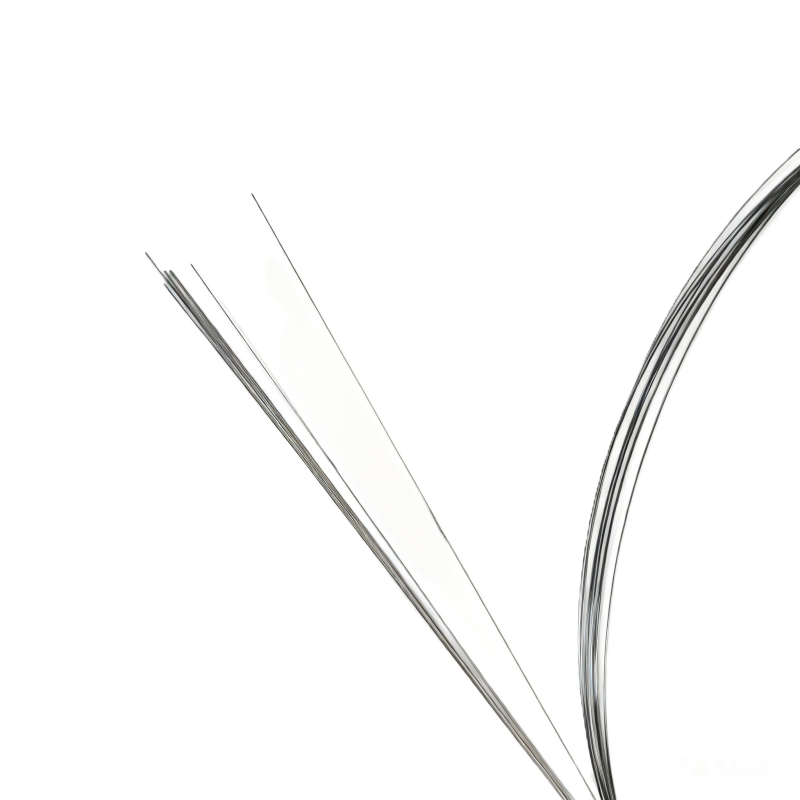
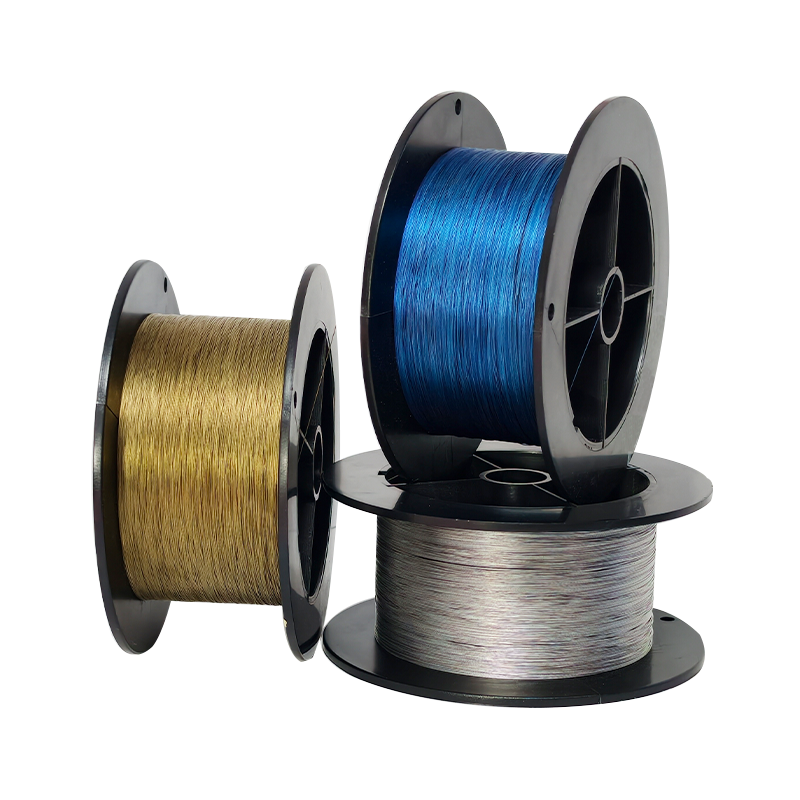
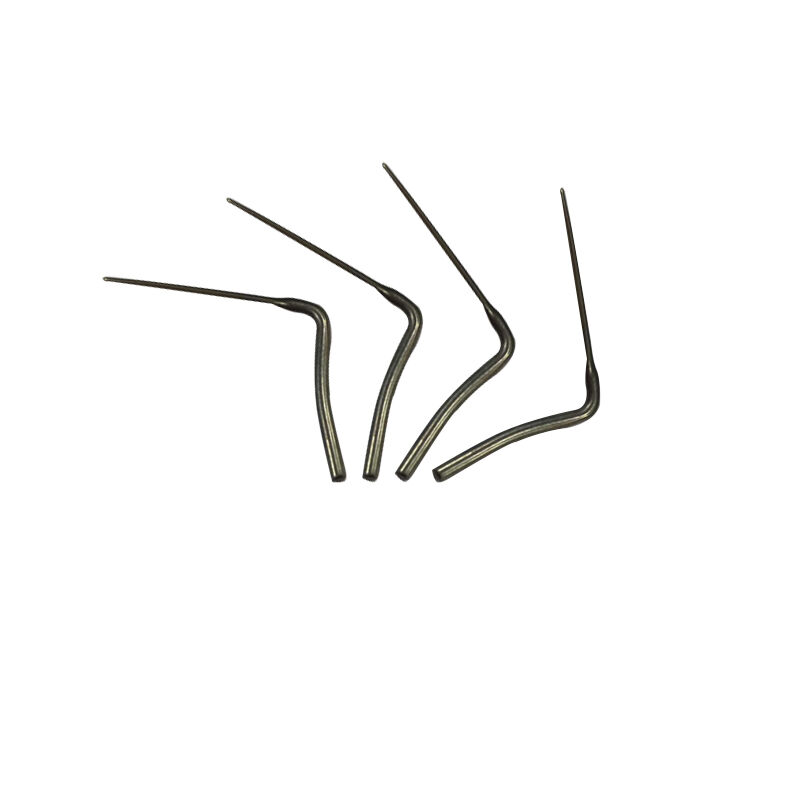
Nickel titanium shape memory alloy, commonly known as Nitinol, is a remarkable class of smart material composed of roughly equal atomic percentages of nickel and titanium. First discovered in the early 1960s at the Naval Ordnance Laboratory, this alloy has since transformed multiple industries by offering capabilities that conventional metals simply cannot match. At its core, nickel titanium shape memory alloy exhibits two extraordinary properties: the shape memory effect and superelasticity. The shape memory effect allows the material to be deformed at a lower temperature and then return to its original pre-programmed shape when heated above a specific transformation temperature. Superelasticity, on the other hand, enables the alloy to undergo significant deformation at a constant temperature and spring back to its original form once the stress is removed, without any need for heat. These behaviors arise from a reversible solid-state phase transformation between two crystal structures known as austenite and martensite. The transition between these phases is what gives nickel titanium shape memory alloy its unique and highly repeatable mechanical responses. From a technological standpoint, the alloy offers outstanding corrosion resistance, excellent biocompatibility, high fatigue resistance, and a favorable strength-to-weight ratio. These characteristics make it suitable for environments that are chemically aggressive or mechanically demanding. In the medical field, nickel titanium shape memory alloy is used extensively in stents, guidewires, orthodontic archwires, and surgical instruments. In aerospace and automotive engineering, it serves as actuators, vibration dampers, and connectors. Consumer electronics benefit from its use in micro-actuators and flexible components. The robotics industry leverages its muscle-like actuation capabilities for soft robotic systems. As research continues to advance, nickel titanium shape memory alloy is finding new roles in energy harvesting, wearable technology, and adaptive structures, cementing its status as one of the most versatile and forward-looking engineering materials available today.

Popular Products

Nickel titanium shape memory alloy gives you something most materials simply cannot: the ability to move, recover, and perform repeatedly without wearing out. If you are evaluating materials for a demanding application, here is why this alloy stands apart from the rest. First, it remembers its shape so you do not have to engineer complex mechanical systems to achieve movement. When you heat nickel titanium shape memory alloy above its transformation temperature, it snaps back to the shape it was trained to hold. This means you can replace bulky motors, springs, or hydraulic systems with a single lightweight component that does the same job with far fewer parts. Fewer parts mean lower assembly costs, reduced maintenance, and a smaller overall footprint for your product. Second, the superelastic behavior of nickel titanium shape memory alloy means it can stretch or bend dramatically and still return to its original form the moment you release the load. This is not a one-time trick. The alloy performs this recovery cycle thousands of times without cracking or losing its response. For products that need to flex repeatedly, such as medical devices, wearable sensors, or flexible electronics, this durability translates directly into longer product life and fewer warranty claims. Third, nickel titanium shape memory alloy is highly biocompatible. It does not trigger adverse reactions in the human body, which is why surgeons and medical device engineers trust it for implants, stents, and orthodontic wires. If your product touches or enters the human body, this alloy removes a major regulatory and safety hurdle right from the start. Fourth, it resists corrosion exceptionally well. Whether your application involves saltwater, body fluids, or industrial chemicals, nickel titanium shape memory alloy holds up where stainless steel and other alloys begin to degrade. This resistance extends the service life of your components and reduces the total cost of ownership over time. Fifth, the alloy is lightweight relative to the mechanical work it delivers. In aerospace, automotive, and portable device applications, every gram matters. Replacing heavier actuation systems with nickel titanium shape memory alloy components can meaningfully reduce the weight of an assembly without sacrificing performance. Sixth, the transformation temperature of nickel titanium shape memory alloy can be tuned during manufacturing by adjusting the nickel-to-titanium ratio. This means you can specify an alloy that activates at body temperature, at room temperature, or at elevated industrial temperatures, depending on exactly what your application demands. That level of customization is rare in structural materials and gives engineers precise control over when and how the material responds. Taken together, these advantages make nickel titanium shape memory alloy a practical, cost-effective, and highly adaptable choice for engineers and product developers who need reliable performance in challenging conditions.

Tips And Tricks

Why is high-stability Nitinol the first choice for equipment in extreme conditions?

12

May

Why is high-stability Nitinol the first choice for equipment in extreme conditions?

When equipment must perform reliably under mechanical stress, thermal cycling, and repeated deformation, material selection becomes a critical engineering decision. Nitinol, the nickel-titanium shape memory alloy, has earned a dominant position in de...
View More
How to ensure dimensional tolerances for precision Nitinol metal parts?

18

May

How to ensure dimensional tolerances for precision Nitinol metal parts?

Achieving tight dimensional tolerances in Nitinol metal components is one of the most demanding challenges in precision manufacturing. Unlike conventional metals, Nitinol — a nickel-titanium shape memory alloy — exhibits superelastic recovery and pha...
View More
Why is a brand with a 5,000m² factory more professional in Nitinol customization?

22

May

Why is a brand with a 5,000m² factory more professional in Nitinol customization?

When sourcing advanced shape memory alloys for medical devices, aerospace components, or industrial actuators, the manufacturing environment behind a supplier tells you far more than a product catalog ever could. Nitinol customization is a precision-...
View More
How to identify high-quality Nitinol sources with a 21-year background?

01

Jun

How to identify high-quality Nitinol sources with a 21-year background?

Sourcing Nitinol for industrial, medical, or specialty applications is not a decision that should be made lightly. Nitinol, the nickel-titanium shape memory alloy renowned for its superelastic behavior and thermal responsiveness, demands a level of m...
View More

Get a Free Quote

Our representative will contact you soon.
Email
Name
Company Name
Message
0/1000

nickel titanium shape memory alloy

Unmatched Shape Recovery That Simplifies Your Design

Unmatched Shape Recovery That Simplifies Your Design

One of the most compelling reasons engineers choose nickel titanium shape memory alloy is its ability to recover its original shape after being deformed, a capability that fundamentally changes how you approach mechanical design. Traditional engineering solutions for creating movement or returning a component to a set position typically involve springs, motors, solenoids, or hydraulic actuators. Each of these adds complexity, weight, potential failure points, and cost to a system. Nickel titanium shape memory alloy eliminates much of that complexity by building the actuation function directly into the material itself. When the alloy is cooled below its transformation temperature, it enters a martensitic phase where it becomes soft and easily deformable. You can bend it, compress it, or stretch it into a new configuration with relatively little force. The moment you raise the temperature above the austenite finish temperature, the crystal structure shifts back, and the material physically moves to its memorized shape with considerable force. This thermally driven actuation is clean, silent, and requires no electrical connections or moving mechanical parts beyond the alloy itself. For product designers, this means you can create compact, lightweight actuators that fit into spaces where conventional mechanisms would never fit. Medical device manufacturers use this property to build self-expanding stents that are compressed for delivery through a catheter and then expand automatically once they reach body temperature inside a vessel. Aerospace engineers use it to create morphing structures that change shape in response to temperature changes during flight. Robotics developers use it to build artificial muscles that contract and extend in a way that closely mimics biological tissue. The shape memory effect in nickel titanium shape memory alloy is also highly repeatable. With proper training and cycling, the alloy can perform its recovery motion hundreds of thousands of times with minimal degradation in response. This reliability is critical for any application where consistent performance over a long service life is non-negotiable. The ability to tune the transformation temperature by adjusting alloy composition adds another layer of design freedom, allowing engineers to specify exactly when the material activates relative to the operating environment. Whether you need activation at body temperature, ambient room temperature, or a specific industrial threshold, nickel titanium shape memory alloy can be engineered to meet that requirement precisely.
Superelasticity That Delivers Durability Under Repeated Stress

Superelasticity That Delivers Durability Under Repeated Stress

Superelasticity is the second defining property of nickel titanium shape memory alloy, and it is the reason this material has become indispensable in applications that demand both flexibility and long-term reliability. Unlike the shape memory effect, which requires a temperature change to trigger recovery, superelasticity operates entirely at a constant temperature. When stress is applied to the alloy in its austenitic state, the crystal structure locally transforms to martensite under the mechanical load. This transformation absorbs the deformation energy and allows the material to strain by as much as eight percent, far beyond what any conventional metal can tolerate without permanent damage. The moment the stress is removed, the martensite reverts to austenite and the material springs back to its original shape completely and immediately. This cycle can be repeated an extraordinary number of times without fatigue failure, making nickel titanium shape memory alloy one of the most durable flexible materials available to engineers today. In practical terms, superelasticity means your components can survive impacts, bending, and cyclic loading that would permanently deform or fracture steel, titanium, or aluminum parts. For orthodontic archwires, this translates into a wire that applies a gentle, continuous force to teeth over weeks without needing frequent adjustments, because the wire continuously recovers its shape as teeth move. For surgical guidewires and catheters, it means the device can navigate the sharp curves of the human vascular system without kinking or losing its ability to transmit torque. For eyeglass frames, it means a frame that bends dramatically when sat upon and returns to its original shape without any permanent distortion. The energy absorption characteristics of superelastic nickel titanium shape memory alloy also make it valuable in vibration damping and impact protection applications. Structures that incorporate this alloy can dissipate mechanical energy more effectively than conventional materials, reducing transmitted vibration and protecting sensitive components. For consumer electronics, sporting goods, and precision instruments, this damping capability adds a meaningful layer of protection without adding significant weight or bulk. The combination of high recoverable strain, excellent fatigue life, and tunable mechanical response makes superelastic nickel titanium shape memory alloy a uniquely capable material for any engineer who needs a component that bends without breaking, recovers without assistance, and performs consistently across thousands of load cycles.
Biocompatibility and Corrosion Resistance That Open Doors in Regulated Industries

Biocompatibility and Corrosion Resistance That Open Doors in Regulated Industries

For engineers and product developers working in medical devices, food processing, marine environments, or any other field where material safety and longevity are tightly regulated, nickel titanium shape memory alloy offers a combination of biocompatibility and corrosion resistance that is genuinely difficult to match with alternative materials. The biocompatibility of nickel titanium shape memory alloy stems from the stable titanium oxide layer that forms naturally on its surface. This passive oxide layer acts as a barrier between the nickel content of the alloy and the surrounding biological environment, preventing ion release and minimizing the risk of cytotoxic or allergic reactions. Extensive clinical and laboratory testing has confirmed that nickel titanium shape memory alloy meets the biocompatibility standards required for long-term implantable devices under ISO 10993 and related regulatory frameworks. This is why it has become the material of choice for cardiovascular stents, inferior vena cava filters, orthopedic staples, spinal implants, and a wide range of minimally invasive surgical tools. For medical device manufacturers, choosing a material that already has a well-established biocompatibility profile significantly reduces the time and cost associated with regulatory submissions and clinical validation. You are building on a foundation of existing evidence rather than starting from scratch. Beyond the medical field, the corrosion resistance of nickel titanium shape memory alloy makes it highly valuable in marine, chemical processing, and outdoor applications. The same oxide layer that protects against biological reactions also resists attack from chlorides, acids, and other corrosive agents that rapidly degrade stainless steel and other common engineering alloys. Components made from nickel titanium shape memory alloy maintain their mechanical properties and surface integrity in saltwater environments, humid industrial settings, and chemically aggressive process streams. This resistance directly reduces maintenance frequency, extends component service life, and lowers the total cost of ownership for systems that operate in harsh conditions. When you factor in the alloy's ability to deliver shape memory or superelastic performance while simultaneously meeting strict biocompatibility and corrosion resistance requirements, nickel titanium shape memory alloy stands out as a uniquely capable material that removes barriers rather than creating them, whether you are navigating a medical device approval process or specifying components for a demanding industrial environment.
Nickel Titanium Shape Memory Alloy: Properties, Benefits, and Applications

Get a Free Quote

Our representative will contact you soon.
Email
Name
Company Name
Message
0/1000
Newsletter
Please Leave A Message With Us