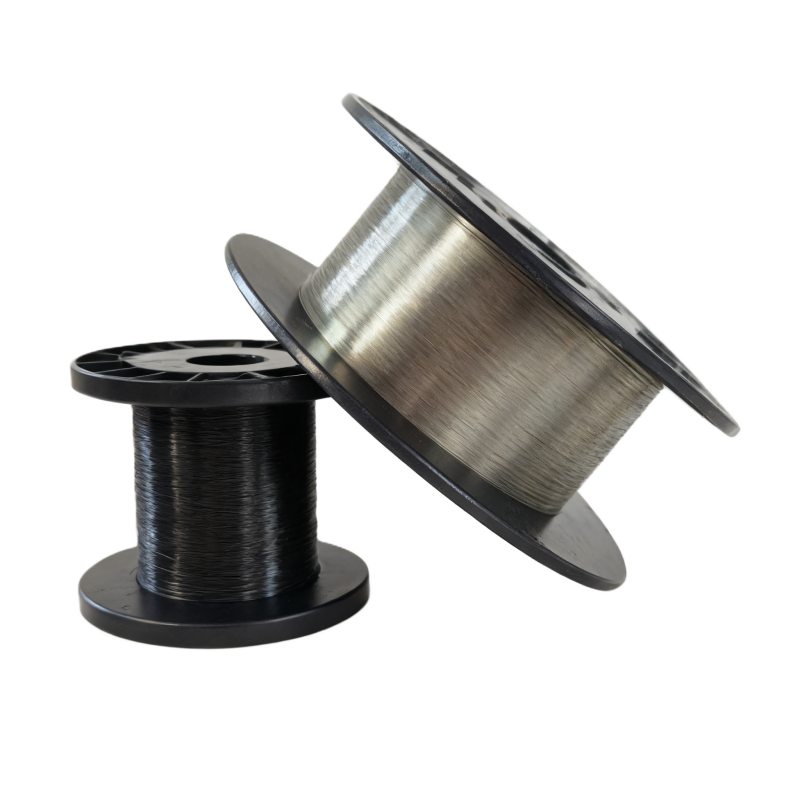
Shape Memory Alloy Motor: Advanced Actuation Technology for Compact, Reliable, and Efficient Motion Control Solutions

Get a Free Quote

Our representative will contact you soon.
Email
Name
Company Name
Message
0/1000

shape memory alloy motor

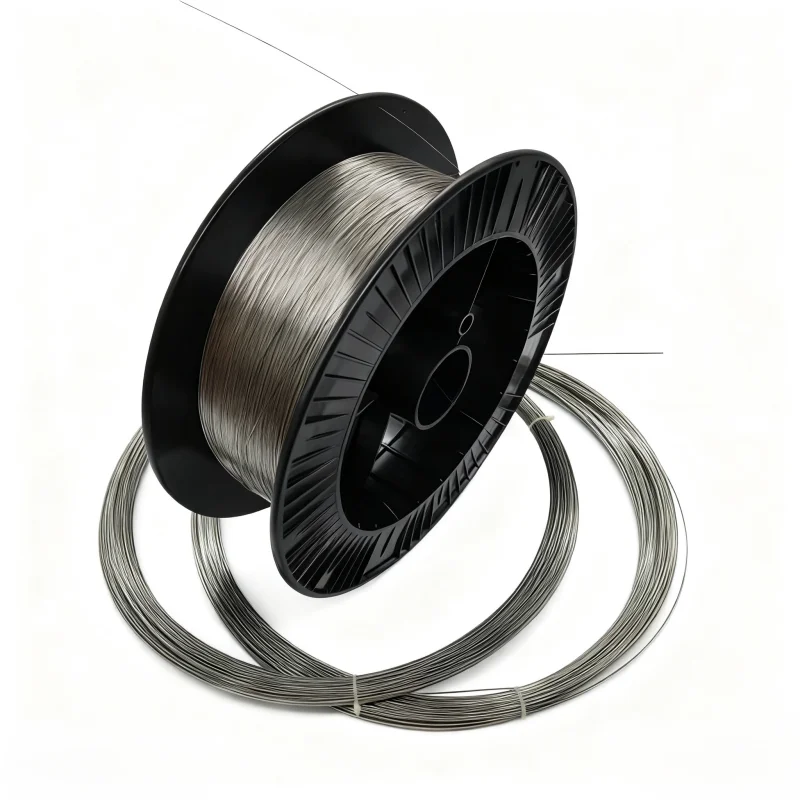
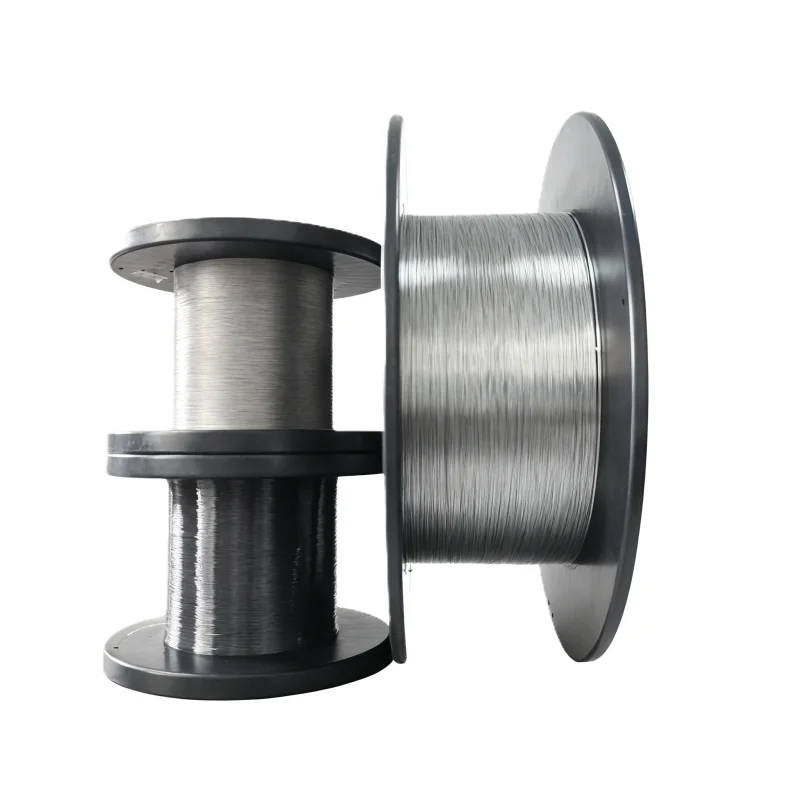
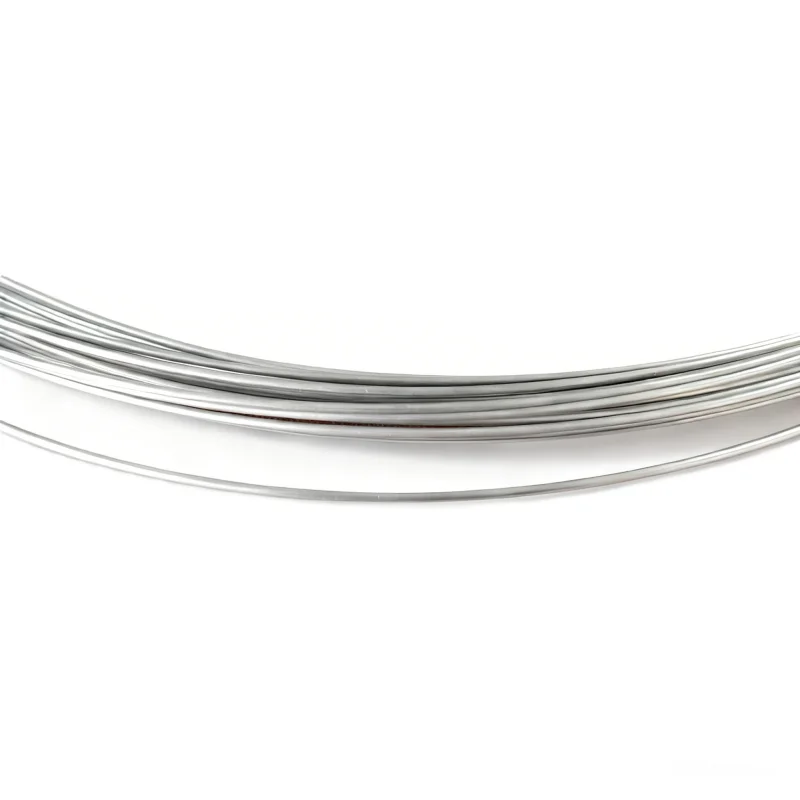
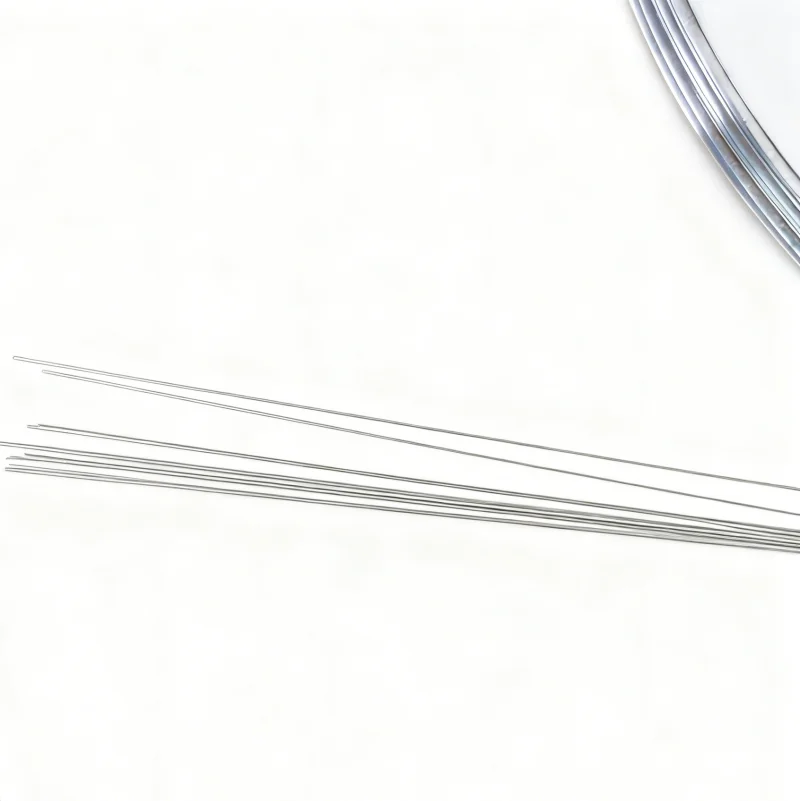
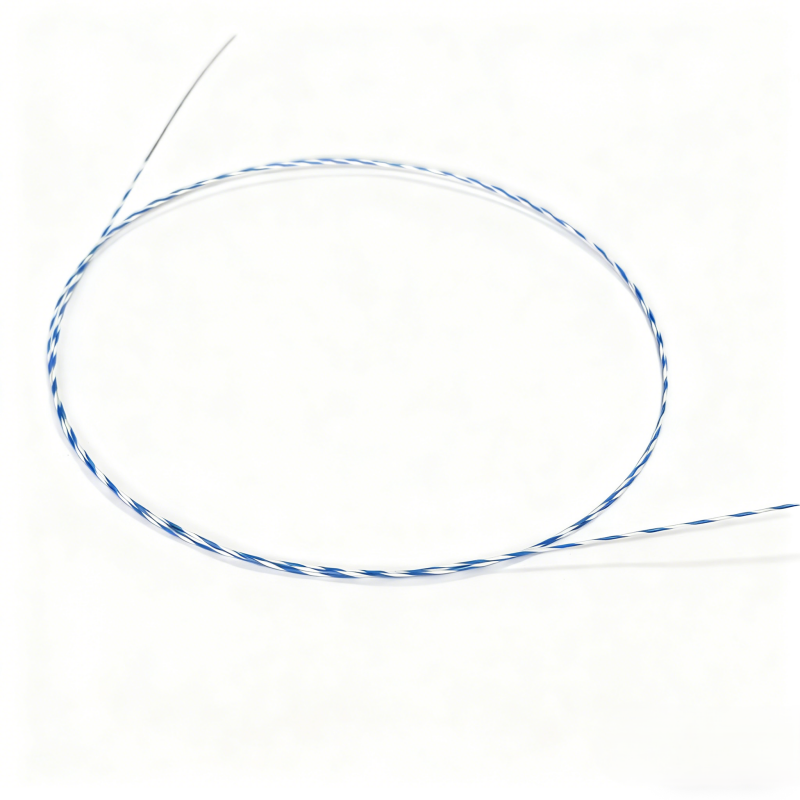
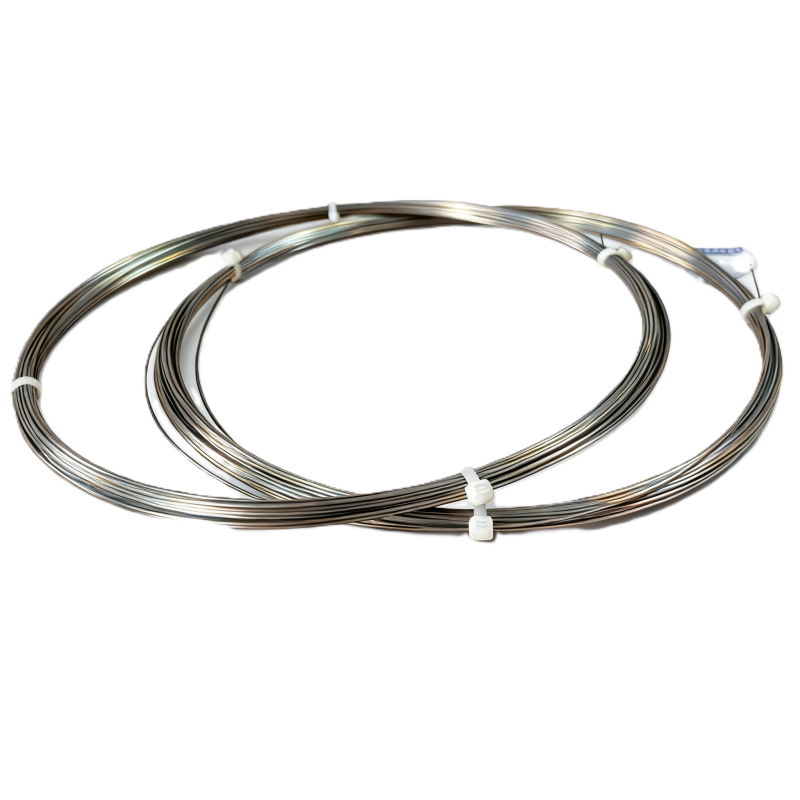
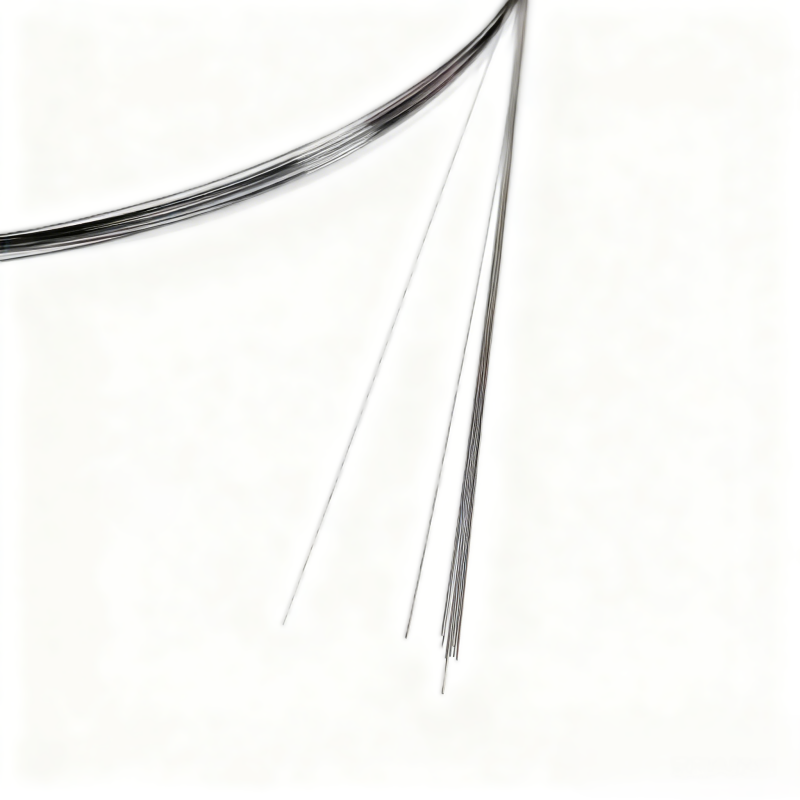
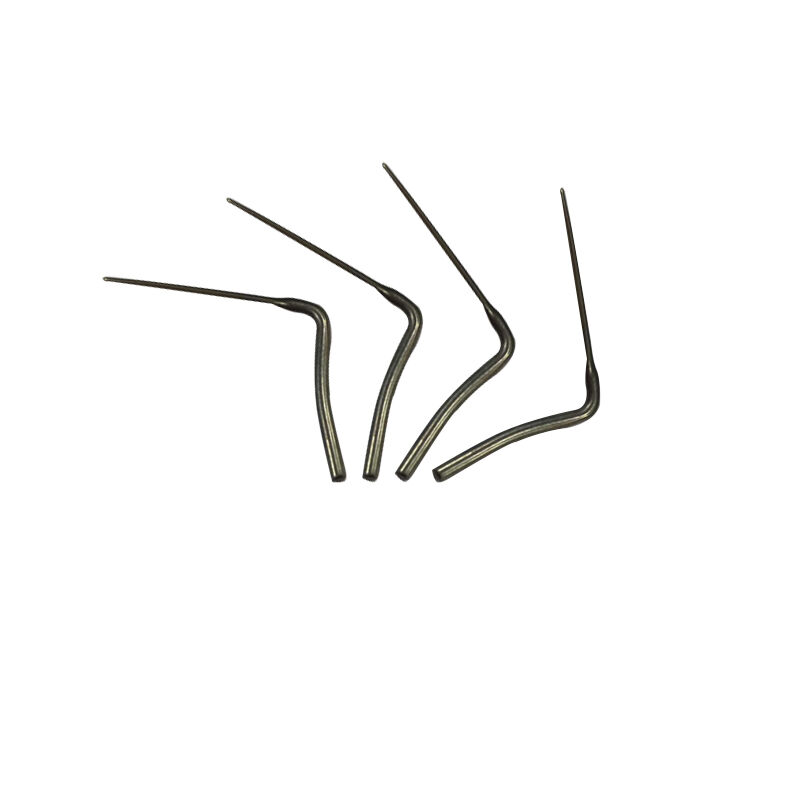
A shape memory alloy motor represents an innovative actuation technology that harnesses the unique thermomechanical properties of specialized metal alloys to generate controlled mechanical motion. Unlike conventional electric motors that rely on electromagnetic principles, this device operates by exploiting the reversible phase transformation characteristics inherent in shape memory materials. When heated above a specific transition temperature, these alloys undergo a crystallographic structure change that causes them to return to a predetermined shape, producing substantial force and displacement. The shape memory alloy motor consists of several essential components including the active shape memory alloy elements, a heating system to trigger the phase transformation, a cooling mechanism to reset the material, and a mechanical transmission system to convert the alloy contraction or expansion into useful rotational or linear motion. The technological foundation rests upon carefully engineered alloys, typically nickel-titanium combinations, that exhibit remarkable repeatability through millions of thermal cycles. These motors find diverse applications across multiple industries where traditional electromagnetic actuators prove unsuitable or inefficient. In medical device manufacturing, shape memory alloy motors power minimally invasive surgical instruments and prosthetic limbs due to their compact size and biocompatibility. Aerospace engineers integrate these motors into aircraft wing morphing systems and satellite deployment mechanisms where lightweight actuation solutions are critical. The automotive sector employs them in adaptive climate control systems and engine management components. Robotics designers appreciate their silent operation and high power-to-weight ratio for creating lifelike movements in humanoid robots and gripping mechanisms. Consumer electronics manufacturers utilize miniature versions in smartphone camera focusing systems and wearable devices. The primary functions encompass precise position control, force generation, and energy conversion from thermal to mechanical domains. Advanced control systems monitor temperature and position feedback to achieve sophisticated motion profiles. This technology continues evolving with improved alloy formulations, enhanced thermal management strategies, and integrated smart control architectures that expand performance boundaries and application possibilities.

New Product Recommendations

The shape memory alloy motor delivers numerous practical benefits that directly address real-world challenges faced by engineers and product designers. First and foremost, these motors achieve exceptional power density, generating significantly more force per unit weight compared to traditional electromagnetic alternatives. This characteristic proves invaluable when designing portable equipment or weight-sensitive applications where every gram matters. You can create more compact products without sacrificing performance, opening new possibilities for miniaturization across various industries. The inherently simple mechanical design eliminates the need for complex gear trains, brushes, commutators, or electromagnetic coils, which translates to fewer parts that can wear out or fail. This simplicity directly reduces manufacturing costs and assembly time while improving overall system reliability. Maintenance requirements drop dramatically since there are no brushes to replace or bearings to lubricate in many configurations. The motors operate silently without the electromagnetic noise or mechanical vibration associated with conventional motors, making them ideal for noise-sensitive environments like medical facilities, libraries, or high-end consumer products where user experience depends on quiet operation. Energy efficiency stands out as another compelling advantage, particularly in applications requiring intermittent actuation. When not actively moving, the motor consumes zero electrical power since no holding current is necessary to maintain position, unlike electromagnetic systems that continuously draw power. This feature dramatically extends battery life in portable devices and reduces overall energy consumption in stationary installations. The motors demonstrate excellent biocompatibility when manufactured from medical-grade alloys, enabling direct integration into implantable devices and surgical tools without triggering adverse biological responses. They function reliably across extreme temperature ranges and in harsh environments including high radiation fields, corrosive atmospheres, and strong magnetic fields where conventional motors struggle or fail completely. The inherent safety profile appeals to designers since the motors contain no high voltages or powerful magnetic fields that could interfere with sensitive electronics or pose risks to users. Installation flexibility increases because these motors can assume virtually any geometric configuration, wrapping around curved surfaces or fitting into irregular spaces that would be impossible for traditional cylindrical motor housings. Response speed can be optimized through thermal management design, delivering actuation times ranging from milliseconds to several seconds depending on application requirements. The technology scales effectively from micro-motors smaller than a grain of rice to large actuators capable of moving substantial loads, providing solutions across a broad spectrum of force and displacement requirements.

Tips And Tricks

Why is phase transition stability of nickel titanium wire key to actuator success?

13

May

Why is phase transition stability of nickel titanium wire key to actuator success?

In the world of precision actuators, the materials used to generate motion are not merely components — they are the foundation of reliability. nickel titanium wire has emerged as one of the most compelling active materials in modern actuator engineer...
View More
Why is Starspring's Nitinol metal at the forefront of the smart drive industry?

19

May

Why is Starspring's Nitinol metal at the forefront of the smart drive industry?

The smart drive industry is defined by its relentless demand for materials that can do more with less — components that respond intelligently to their environment, endure repeated mechanical cycles, and perform with precision in applications ranging ...
View More
What breakthroughs can Nitinol material bring to future flexible robot joints?

25

May

What breakthroughs can Nitinol material bring to future flexible robot joints?

The evolution of robotics is deeply tied to the materials that power movement, flexibility, and responsiveness. Among the most promising advances in this space, Nitinol material stands out as a transformative force in the design of flexible robot joi...
View More
Why should you prioritize the manufacturer's R&D center when choosing partners?

02

Jun

Why should you prioritize the manufacturer's R&D center when choosing partners?

When evaluating potential manufacturing partners, most procurement teams focus on price, lead time, and production capacity. These are legitimate criteria, but they often overlook one of the most telling indicators of long-term value: the strength an...
View More

Get a Free Quote

Our representative will contact you soon.
Email
Name
Company Name
Message
0/1000

shape memory alloy motor

Superior Force Generation with Minimal Space Requirements

Superior Force Generation with Minimal Space Requirements

The shape memory alloy motor excels at producing impressive mechanical force within remarkably compact dimensions, addressing one of the most persistent challenges in modern engineering design. This capability stems from the fundamental material properties of shape memory alloys, which can generate stresses exceeding 200 megapascals during phase transformation, translating to force output that surpasses conventional motors of equivalent size by substantial margins. For product designers constrained by strict space limitations, this advantage opens entirely new design possibilities that were previously unattainable. Consider the medical device industry where surgical instruments must navigate through small incisions or natural body pathways. A shape memory alloy motor can fit within a catheter tube merely a few millimeters in diameter while still generating sufficient force to manipulate tissue, deploy stents, or actuate surgical tools with precision. The same spatial efficiency benefits consumer electronics manufacturers who constantly seek thinner smartphones, lighter wearables, and more compact cameras. By implementing these motors in autofocus mechanisms or haptic feedback systems, designers reclaim valuable internal volume for larger batteries or additional features that enhance user experience. Aerospace applications particularly value this characteristic since reducing aircraft weight directly improves fuel efficiency and payload capacity. Wing flap actuators using shape memory alloy motors weigh significantly less than hydraulic or electric motor alternatives while delivering comparable control authority. The high power-to-weight ratio also proves essential in satellite systems where launch costs scale directly with mass, making every gram of weight savings translate to substantial financial benefits. Manufacturing advantages emerge from the compact design as well, since smaller components generally cost less to produce and ship while requiring less raw material. Assembly processes simplify when actuators occupy less space, allowing tighter component integration and more efficient use of product enclosures. The shape memory alloy motor achieves this remarkable force density without requiring supporting infrastructure like hydraulic pumps, air compressors, or large electromagnetic coils that conventional high-force actuators depend upon. This self-contained nature further reduces system complexity and total installation volume. Engineers can position multiple motors in close proximity without magnetic interference concerns, enabling sophisticated multi-axis motion systems within confined envelopes. The technology particularly shines in applications requiring high force during brief activation periods followed by extended idle times, such as locking mechanisms, emergency release systems, or reconfigurable structures that change shape infrequently but must do so reliably under substantial load.
Exceptional Reliability Through Simplified Mechanical Architecture

Exceptional Reliability Through Simplified Mechanical Architecture

The inherent mechanical simplicity of the shape memory alloy motor fundamentally transforms reliability expectations and maintenance requirements compared to conventional actuation technologies. Traditional electric motors incorporate numerous components including wound copper coils, permanent magnets, brushes, commutators, ball bearings, and intricate electronic drive circuits, each representing a potential failure point that can compromise system operation. In contrast, the shape memory alloy motor reduces the mechanical complexity to its essential elements, using the phase transformation of the alloy itself as the primary motion generation mechanism. This streamlined architecture eliminates many common failure modes that plague traditional motors. Without brushes wearing against commutators, there are no carbon dust particles to contaminate sensitive electronics or cause electrical shorts. The absence of bearings in some configurations removes concerns about lubricant degradation, seal failures, or raceway wear that typically limit motor service life. Electromagnetic coils cannot short circuit or suffer insulation breakdown because they simply do not exist in the mechanism. This simplicity translates directly into extended operational lifetimes that can reach tens of millions of cycles when properly designed and operated within specified parameters. For industrial automation systems where unexpected downtime cascades into substantial production losses, this reliability advantage delivers measurable economic value. Maintenance schedules compress dramatically since there are fewer consumable components requiring periodic inspection or replacement. Organizations reduce spare parts inventory costs and minimize the specialized technical expertise needed for servicing, as the straightforward design allows less experienced personnel to perform routine maintenance tasks. The shape memory alloy motor demonstrates remarkable tolerance to harsh operating conditions that quickly degrade conventional motors. Dusty environments that would clog ventilation systems or contaminate brush contacts pose minimal concerns. Humid atmospheres that corrode electrical connections or degrade insulation have less impact on the robust metallic structure of shape memory elements. Vibration and shock loads that might damage delicate electromagnetic components or dislodge permanent magnets are absorbed by the inherently flexible and resilient shape memory alloy. These environmental advantages prove particularly valuable in mobile equipment, outdoor installations, and industrial processes involving aggressive chemicals or particulate matter. Quality control during manufacturing benefits from the reduced component count, as fewer parts mean fewer dimensional tolerances to maintain and fewer assembly steps where errors might occur. Testing procedures simplify since there are no complex electromagnetic characteristics to verify or electronic timing parameters to calibrate. The predictable thermomechanical behavior of shape memory alloys enables straightforward validation testing that confirms proper operation across the full performance envelope.
Remarkable Energy Efficiency for Battery-Powered Applications

Remarkable Energy Efficiency for Battery-Powered Applications

The shape memory alloy motor revolutionizes energy consumption patterns in applications requiring intermittent actuation, delivering efficiency advantages that dramatically extend battery life and reduce operational costs. Unlike electromagnetic motors that continuously consume electrical current to generate holding torque and maintain position, the shape memory alloy motor requires power only during the brief transition period when changing states. Once the alloy completes its transformation and reaches the desired position, power can be completely removed while the motor maintains its position through mechanical latching or the inherent stiffness of the transformed material structure. This operational characteristic proves transformative for battery-powered devices where energy conservation directly determines usability and user satisfaction. Portable medical equipment such as insulin pumps or drug delivery systems benefit immensely, as their intermittent dosing requirements align perfectly with the duty cycle advantages of shape memory alloy motors. A device that previously required daily battery changes might operate for weeks or months between charges, significantly improving patient convenience and reducing anxiety about device reliability. Consumer electronics including smart locks, automated window blinds, and adjustable furniture incorporate these motors to achieve years of operation from small battery cells, eliminating the frustration of frequent battery replacements that plague conventional motorized products. The energy efficiency extends beyond just the zero-power holding capability. The direct conversion of thermal energy into mechanical work bypasses many of the inefficiency stages inherent in electromagnetic systems where electrical energy converts to magnetic fields, which then convert to mechanical motion through complex electromagnetic interactions involving eddy currents and hysteresis losses. The shape memory alloy motor achieves overall system efficiency that can exceed conventional alternatives in specific duty cycles, particularly when actuation events occur infrequently relative to idle periods. Environmental benefits emerge from reduced energy consumption, as lower power requirements translate to smaller batteries containing fewer environmentally problematic materials and generating less disposal waste at end of life. Solar-powered installations become more feasible since the reduced energy demand allows smaller, less expensive photovoltaic panels to supply adequate power. Remote monitoring systems and Internet of Things devices particularly benefit from this efficiency, as their distributed nature makes battery replacement labor-intensive and costly. A sensor network that operates for ten years on a single battery set rather than requiring annual service visits delivers enormous operational savings across the installation lifetime. Building automation systems using shape memory alloy motors for damper control, valve actuation, or access management reduce facility energy consumption while lowering maintenance labor costs. The technology also enables energy harvesting scenarios where ambient temperature differentials or waste heat provides sufficient thermal energy to power actuation cycles, creating truly autonomous systems that require no external power source whatsoever.
Shape Memory Alloy Motor: Advanced Actuation Technology for Compact, Reliable, and Efficient Motion Control Solutions

Get a Free Quote

Our representative will contact you soon.
Email
Name
Company Name
Message
0/1000
Newsletter
Please Leave A Message With Us