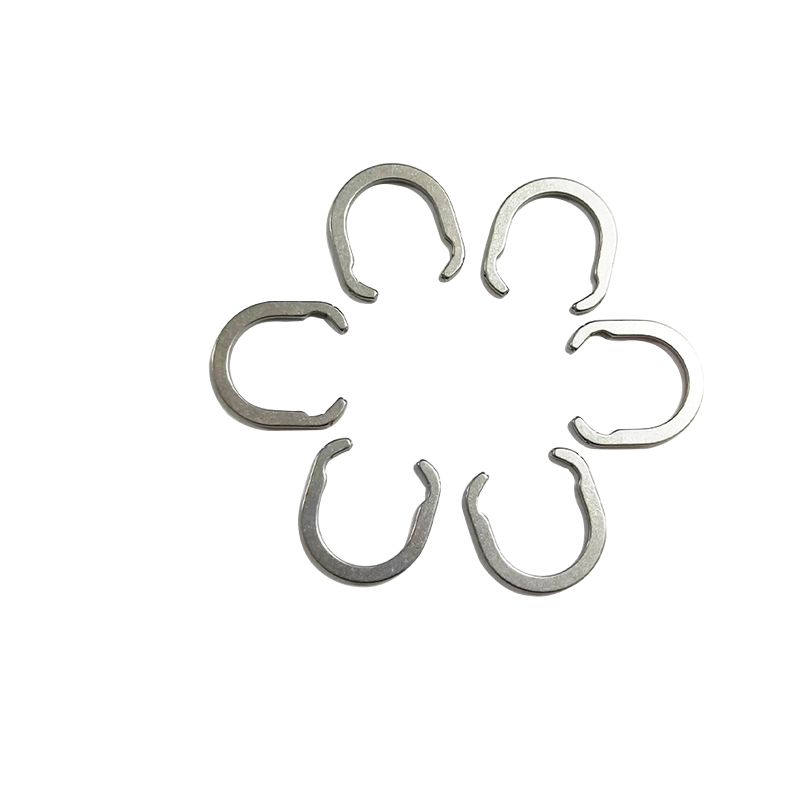
Cost of Shape Memory Alloys: Value, Applications, and Buying Guide

Get a Free Quote

Our representative will contact you soon.
Email
Name
Company Name
Message
0/1000

cost of shape memory alloys

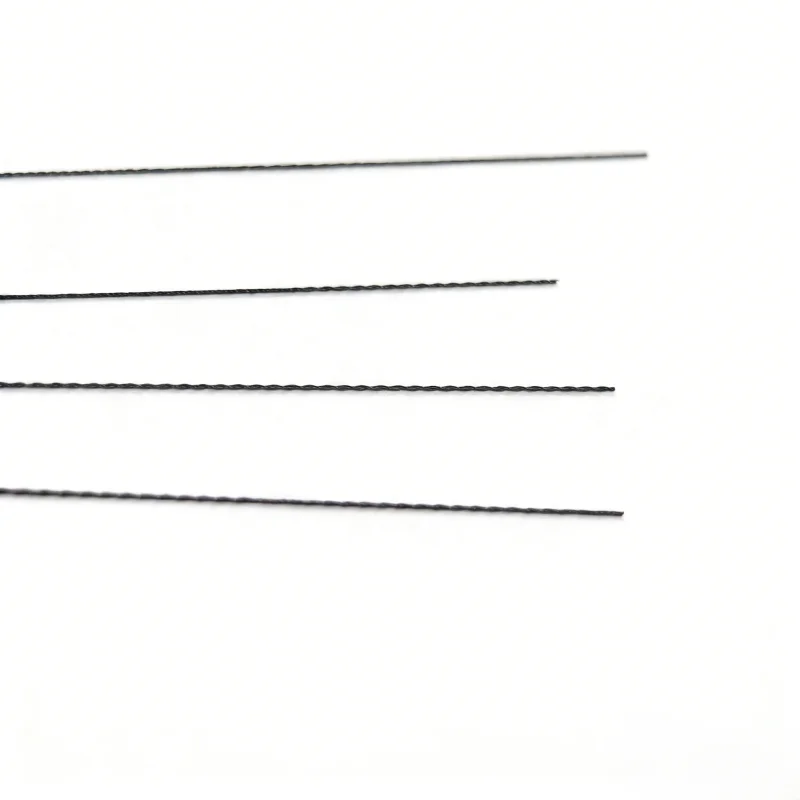
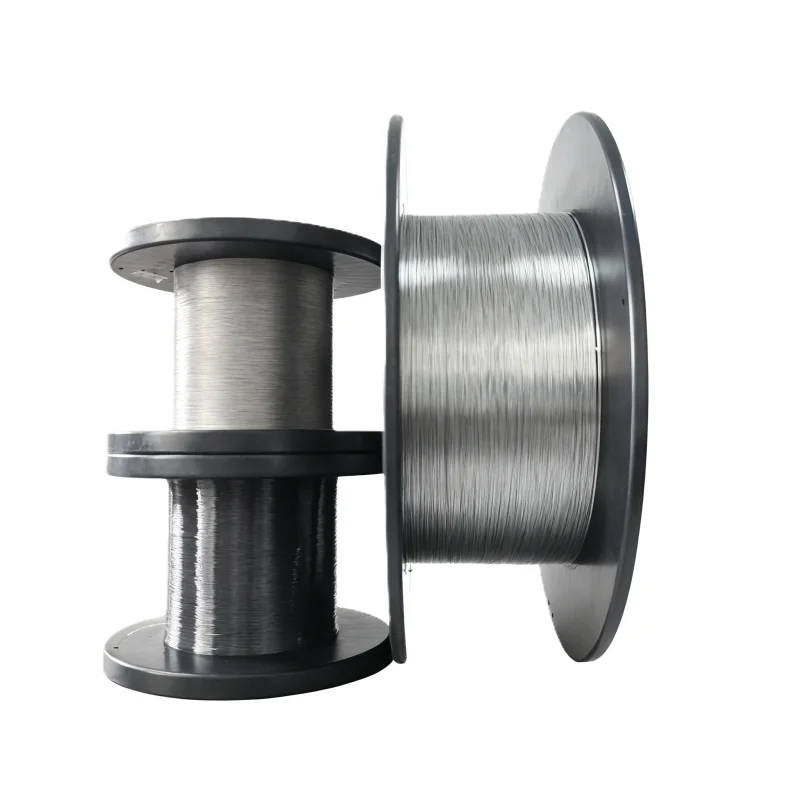
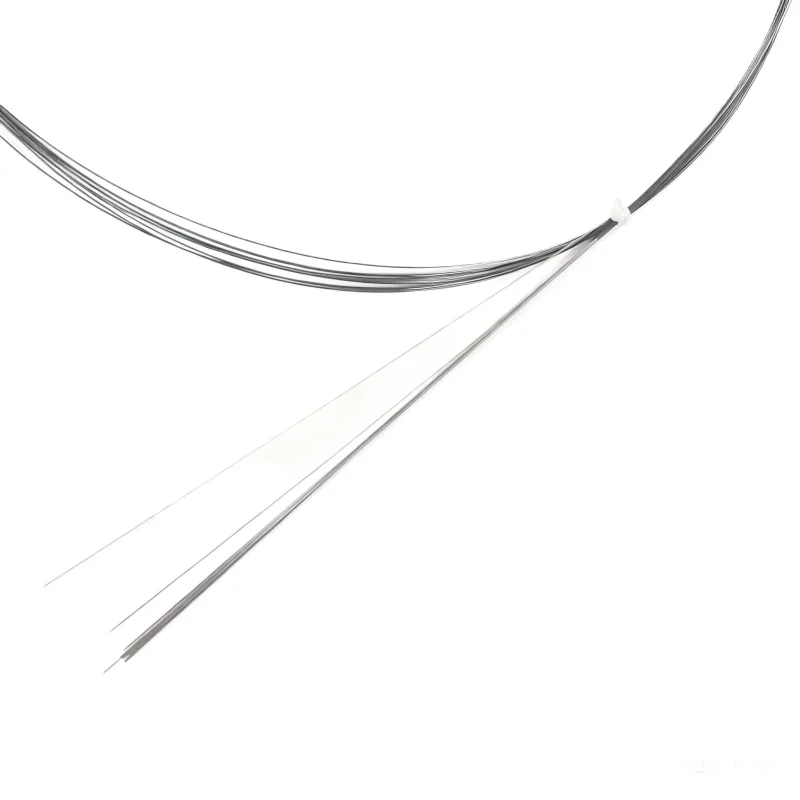
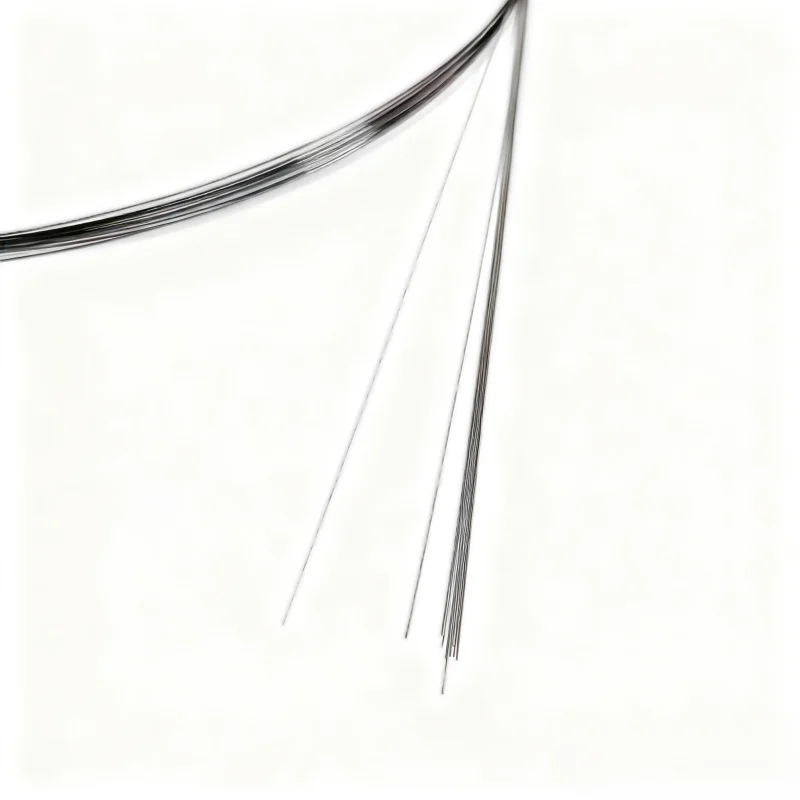
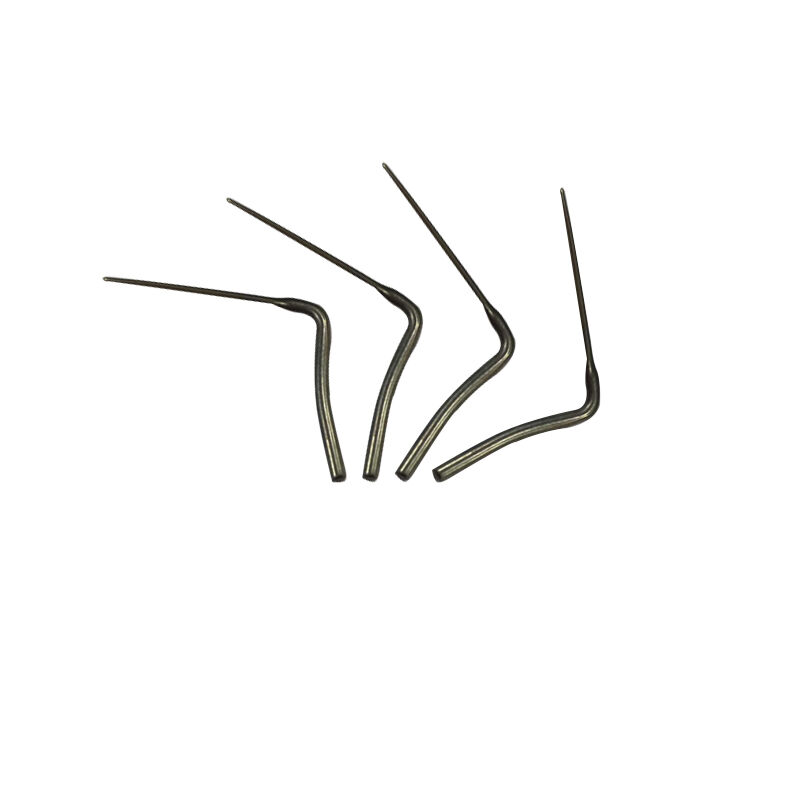
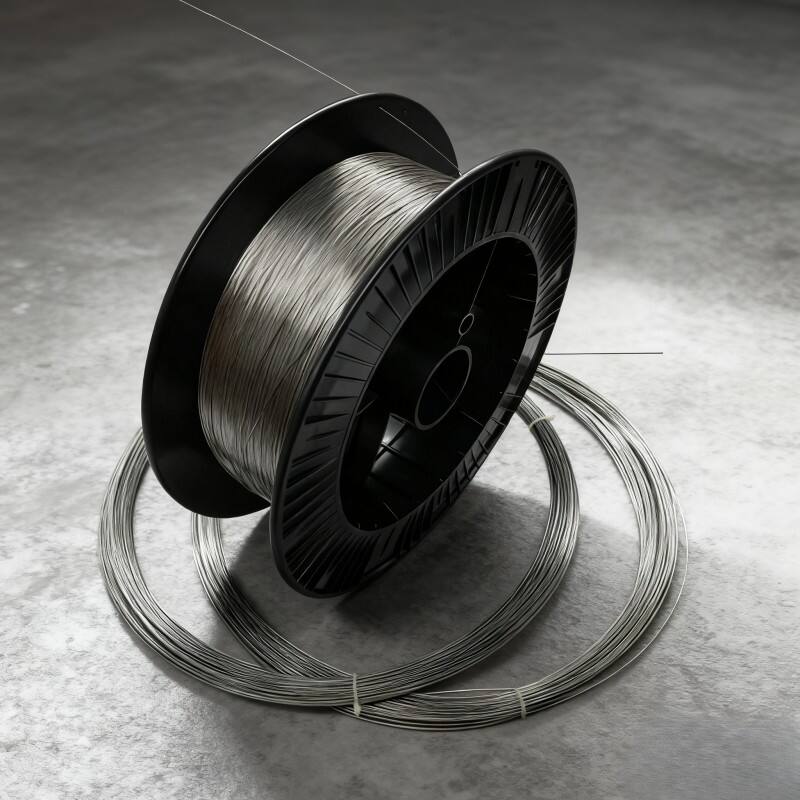
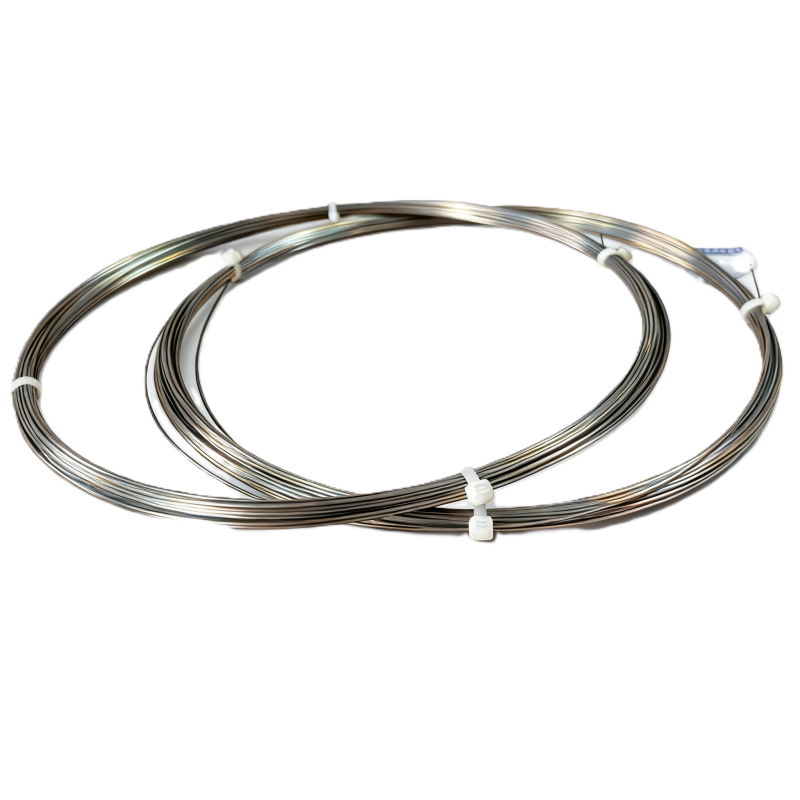
Shape memory alloys (SMAs) are a remarkable class of smart materials that have transformed engineering and manufacturing across multiple industries. Understanding the cost of shape memory alloys is essential for engineers, procurement specialists, and product designers who want to leverage these advanced materials without exceeding budget constraints. At their core, shape memory alloys are metallic compounds capable of returning to a pre-defined shape when exposed to specific temperature changes or mechanical stress. The most widely used alloys include nickel-titanium (Nitinol), copper-zinc-aluminum, and copper-aluminum-nickel blends, each carrying distinct price points based on composition and processing complexity. The cost of shape memory alloys is influenced by several key factors: raw material prices, manufacturing precision, alloy composition, and the degree of thermomechanical processing required to program the memory effect. Nitinol, for instance, commands a premium price due to the high purity of its constituent elements and the energy-intensive production process. Technologically, these alloys exhibit two primary effects: the shape memory effect, where the material recovers its original shape upon heating, and superelasticity, where it returns to shape after mechanical deformation at constant temperature. These properties are engineered at the microstructural level through precise heat treatment and cold-working cycles, which directly contribute to the overall cost of shape memory alloys. Applications span a wide spectrum, including medical devices such as stents, orthodontic wires, and surgical tools, as well as aerospace actuators, automotive components, robotics, and consumer electronics. In the medical sector alone, the demand for high-purity, biocompatible SMAs drives costs significantly higher than industrial-grade variants. Despite the relatively elevated cost of shape memory alloys compared to conventional metals, their unique functional capabilities often justify the investment by reducing system complexity, eliminating motors or hydraulic components, and extending product service life. As production scales and processing technologies improve, the cost of shape memory alloys continues to trend downward, making them increasingly accessible to a broader range of industries and applications.


Popular Products

When you look at what shape memory alloys actually deliver, the cost of shape memory alloys starts to make a lot more sense. These materials do things that ordinary metals simply cannot, and that functional gap translates directly into real savings and performance gains for the people and companies that use them. First, shape memory alloys replace entire mechanical systems. In traditional engineering, achieving controlled movement often requires motors, gears, hydraulic lines, and complex control electronics. A shape memory alloy component can perform the same function by simply responding to a temperature change or mechanical load. That means fewer parts, less assembly time, and a smaller overall system footprint. When you factor in those savings, the cost of shape memory alloys becomes far more competitive than a raw material price comparison would suggest. Second, these alloys are extraordinarily durable. Nitinol, the most popular shape memory alloy, can withstand millions of actuation cycles without fatigue failure. Conventional actuators and springs wear out, require maintenance, and eventually need replacement. A shape memory alloy component keeps performing reliably over the long term, which lowers your total cost of ownership significantly. For industries like aerospace and medical devices, where maintenance access is limited or replacement is simply not an option, this durability is not just convenient, it is critical. Third, shape memory alloys are lightweight. Replacing heavy mechanical assemblies with slim, lightweight SMA components reduces the overall weight of a product or system. In aerospace and automotive applications, weight reduction directly translates to fuel savings and improved performance. The cost of shape memory alloys is offset quickly when you calculate the downstream savings from carrying less weight over the operational life of a vehicle or aircraft. Fourth, these materials offer design freedom that conventional metals cannot match. Engineers can create compact, elegant solutions that integrate actuation directly into the structure of a component. This opens up new product possibilities and allows designers to solve problems that were previously considered too complex or too expensive to address with traditional approaches. Fifth, the biocompatibility of medical-grade shape memory alloys like Nitinol makes them the material of choice for implantable devices and minimally invasive surgical tools. The cost of shape memory alloys in the medical field reflects the stringent purity and processing standards required, but the clinical outcomes they enable, including faster patient recovery, reduced surgical trauma, and longer device lifespans, deliver value that far exceeds the material cost. Sixth, as global demand grows and manufacturing processes become more efficient, the cost of shape memory alloys is gradually decreasing. Advances in powder metallurgy, additive manufacturing, and precision heat treatment are all contributing to more cost-effective production. Buyers who invest in these materials today are positioning themselves ahead of a curve that will only become more favorable over time. In summary, the advantages of shape memory alloys go well beyond their physical properties. They simplify systems, reduce maintenance, save weight, enable new designs, and deliver long-term reliability. Evaluated on total value rather than unit price alone, the cost of shape memory alloys represents a smart, forward-looking investment for any industry that demands high performance from its materials.

Latest News

Why do full-process manufacturers provide higher performance Nitinol SMA?

20

May

Why do full-process manufacturers provide higher performance Nitinol SMA?

When engineers and procurement specialists evaluate materials for high-precision medical devices, aerospace components, or advanced actuator systems, the source of the material matters as much as the material itself. Nitinol SMA — the nickel-titanium...
View More
How to utilize one-way and two-way memory in precision medical components?

21

May

How to utilize one-way and two-way memory in precision medical components?

In the development of precision medical components, material intelligence is no longer a concept reserved for science fiction. nitinol wire has fundamentally changed how engineers and medical device designers approach the challenge of building compon...
View More
Why is a brand with a 5,000m² factory more professional in Nitinol customization?

22

May

Why is a brand with a 5,000m² factory more professional in Nitinol customization?

When sourcing advanced shape memory alloys for medical devices, aerospace components, or industrial actuators, the manufacturing environment behind a supplier tells you far more than a product catalog ever could. Nitinol customization is a precision-...
View More
Why should you prioritize the manufacturer's R&D center when choosing partners?

02

Jun

Why should you prioritize the manufacturer's R&D center when choosing partners?

When evaluating potential manufacturing partners, most procurement teams focus on price, lead time, and production capacity. These are legitimate criteria, but they often overlook one of the most telling indicators of long-term value: the strength an...
View More

Get a Free Quote

Our representative will contact you soon.
Email
Name
Company Name
Message
0/1000

cost of shape memory alloys

Precision Engineering Drives the Cost of Shape Memory Alloys

Precision Engineering Drives the Cost of Shape Memory Alloys

One of the most important factors that shapes the cost of shape memory alloys is the extraordinary level of precision required to manufacture them correctly. Unlike standard structural metals, shape memory alloys must be processed with exact control over composition, heat treatment temperatures, and mechanical working cycles. Even small deviations in nickel-to-titanium ratios in Nitinol, for example, can shift the transformation temperature by several degrees, rendering the material unsuitable for its intended application. This level of compositional control demands advanced melting techniques such as vacuum arc remelting or vacuum induction melting, both of which are energy-intensive and require specialized equipment. The raw materials themselves, particularly high-purity titanium and nickel, are not cheap, and sourcing them to the standards required for medical or aerospace applications adds another layer of cost. After melting, the alloy undergoes a series of thermomechanical processing steps, including hot working, cold drawing, and annealing cycles, each carefully calibrated to develop the microstructure responsible for the shape memory effect or superelastic behavior. Quality control at every stage is rigorous. Manufacturers use differential scanning calorimetry, tensile testing, and fatigue analysis to verify that each batch meets specification. For medical-grade material, additional biocompatibility testing and regulatory documentation are required, further contributing to the cost of shape memory alloys in that sector. What customers receive in return for this investment is a material that performs with exceptional consistency and reliability. When a stent expands precisely at body temperature, or an aerospace actuator deploys with repeatable accuracy after thousands of cycles, that performance is the direct result of the precision engineering embedded in every step of production. Understanding this connection between manufacturing rigor and the cost of shape memory alloys helps buyers appreciate that they are not simply paying for metal. They are paying for engineered performance, validated reliability, and the confidence that comes from knowing the material will behave exactly as designed when it matters most.
Application Versatility Justifies the Cost of Shape Memory Alloys

Application Versatility Justifies the Cost of Shape Memory Alloys

The breadth of industries that rely on shape memory alloys is one of the strongest arguments for their value relative to cost. From the operating room to the cockpit, from consumer electronics to deep-sea robotics, the cost of shape memory alloys is justified repeatedly by the unique solutions these materials make possible. In medicine, Nitinol stents have revolutionized cardiovascular treatment. These devices are compressed into a catheter, guided to the target site, and then released, where they self-expand to the correct diameter in response to body heat. No mechanical deployment mechanism is needed. The shape memory alloy does the work autonomously, reducing procedural complexity and improving patient outcomes. The cost of shape memory alloys in this context is a fraction of the total value delivered by a successful minimally invasive procedure. In aerospace, SMA actuators replace hydraulic systems in morphing wing structures and vibration damping assemblies. The weight savings and reliability improvements they offer translate directly into operational cost reductions over the life of an aircraft. Engineers working on next-generation spacecraft and satellites are exploring SMA-based deployment mechanisms for solar panels and antenna arrays, where the zero-maintenance, single-use actuation capability of shape memory alloys is uniquely suited to the demands of space environments. In consumer electronics, SMA wires are used in autofocus camera modules, haptic feedback systems, and miniature actuators where space is at an absolute premium. The ability to generate significant force from a very small, lightweight component makes the cost of shape memory alloys entirely reasonable when compared to the miniaturization challenges that alternative technologies would face. In industrial automation and robotics, SMA-based grippers and soft actuators are enabling a new generation of compliant, adaptable machines that can handle delicate objects without damaging them. Each of these applications demonstrates that the cost of shape memory alloys is not a barrier but a gateway to capabilities that simply do not exist with conventional materials.
Long-Term Value Reframes the Cost of Shape Memory Alloys

Long-Term Value Reframes the Cost of Shape Memory Alloys

A common initial reaction to the cost of shape memory alloys is sticker shock. Compared to stainless steel or aluminum, the price per kilogram of Nitinol or other SMA materials is substantially higher. But this comparison misses the point entirely, because shape memory alloys are not purchased as structural filler. They are purchased as functional components that replace entire subsystems and deliver performance over extended service lives. Consider the total cost of ownership perspective. A conventional actuator system includes a motor, a power supply, control electronics, mechanical linkages, and a maintenance schedule. Each of those elements carries its own cost, weight, and failure probability. A shape memory alloy actuator, by contrast, is a single component that responds directly to its environment without external power in many configurations. The upfront cost of shape memory alloys is higher, but the system-level cost is often lower, and the reliability is demonstrably better. Fatigue life is another dimension where shape memory alloys deliver outstanding long-term value. Properly processed Nitinol components have demonstrated cycle lives exceeding ten million actuations in laboratory conditions. For applications where replacement is costly or impossible, such as implanted medical devices or sealed aerospace assemblies, this longevity is not a luxury. It is a fundamental requirement, and the cost of shape memory alloys reflects the engineering investment needed to achieve it. The trend in manufacturing technology is also working in the buyer's favor. Additive manufacturing techniques are beginning to be applied to shape memory alloys, promising near-net-shape production that reduces material waste and machining costs. As these processes mature and scale, the cost of shape memory alloys will continue to decrease, making the long-term value proposition even more compelling. Buyers who build SMA-based designs into their products today are establishing supply chains and engineering expertise that will become increasingly cost-competitive over time. The cost of shape memory alloys, viewed through the lens of total value, lifecycle performance, and future price trends, is not a challenge to overcome. It is a strategic advantage waiting to be captured.
Cost of Shape Memory Alloys: Value, Applications, and Buying Guide

Get a Free Quote

Our representative will contact you soon.
Email
Name
Company Name
Message
0/1000
Newsletter
Please Leave A Message With Us