Long-Term Reliability and Biocompatibility for Demanding Applications
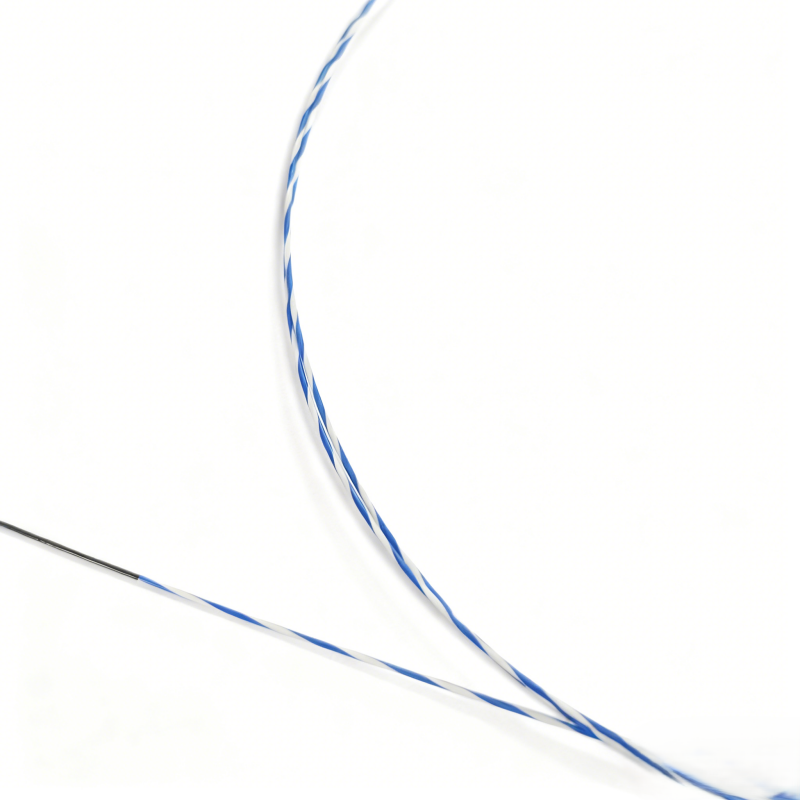
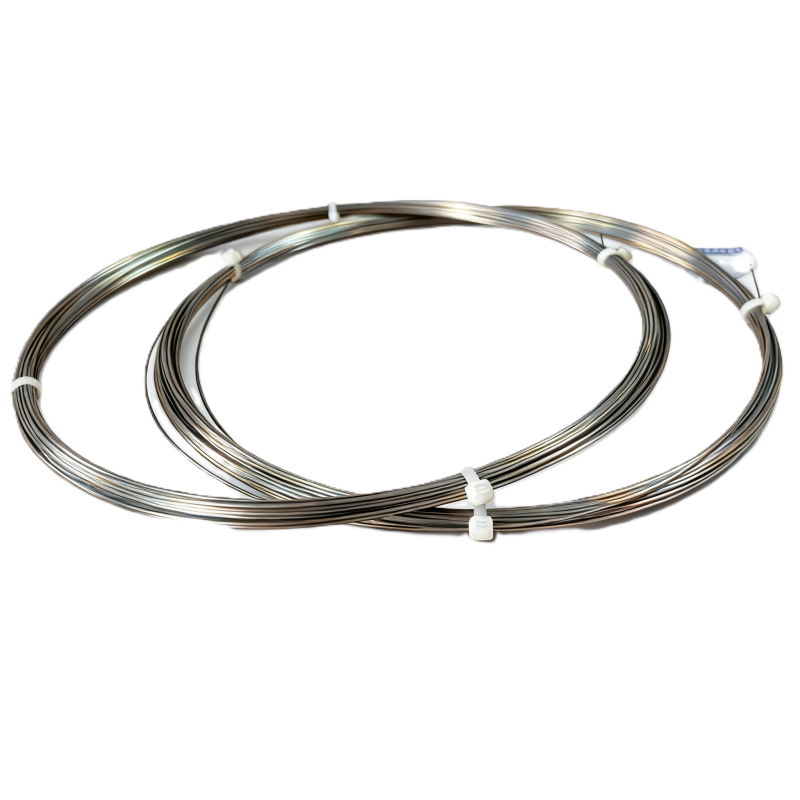
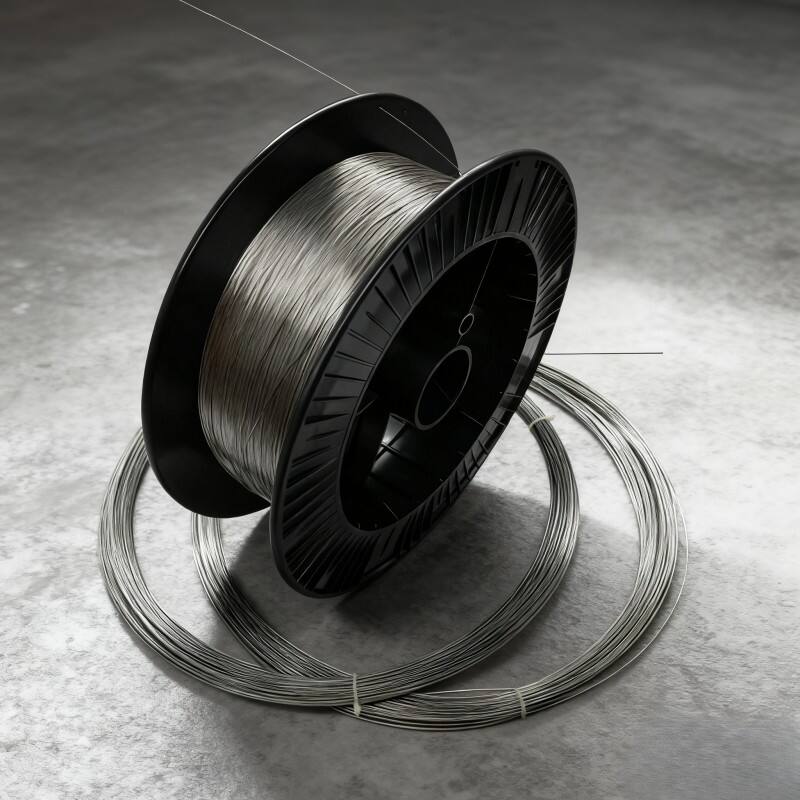
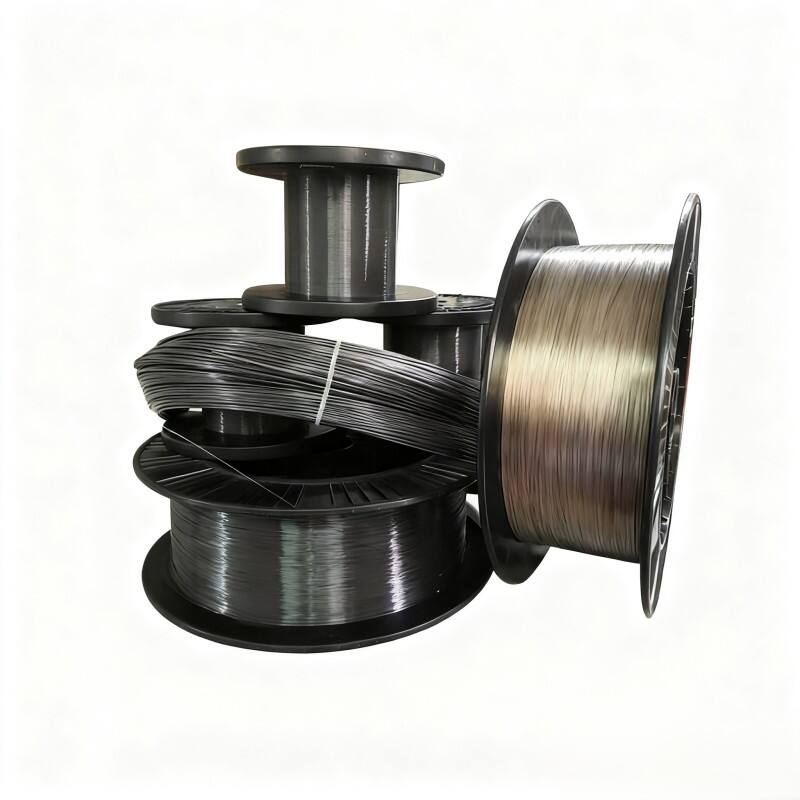
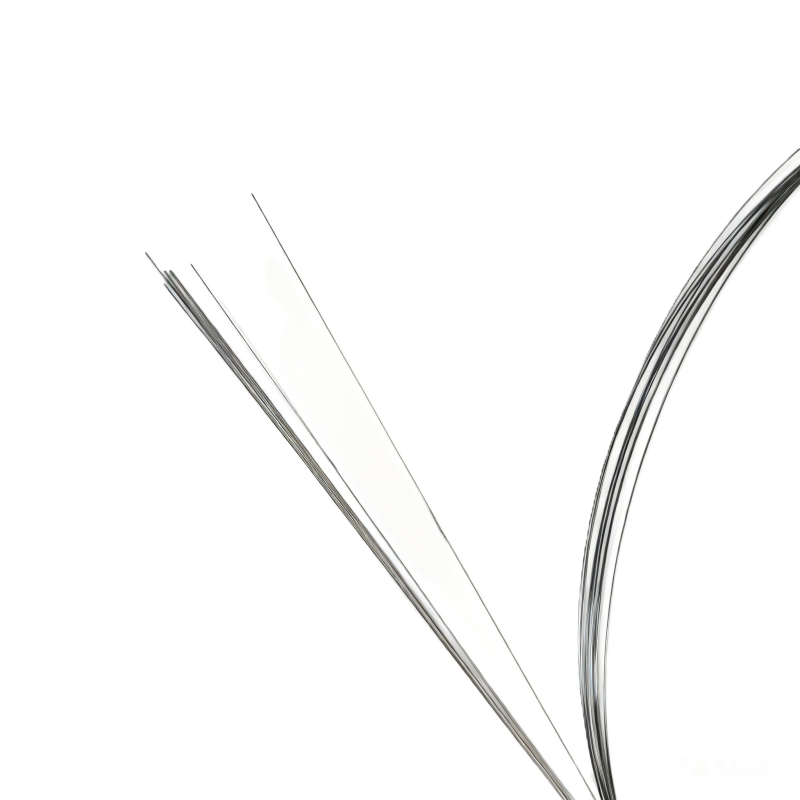
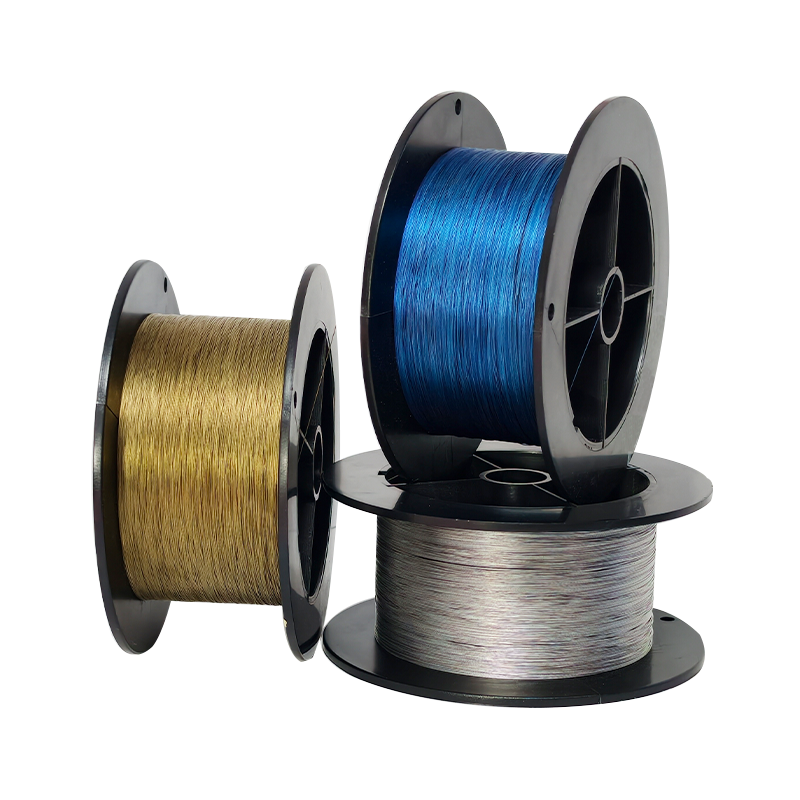
Reliability is the foundation of trust in any engineered product, and shape memory alloy wire is built to deliver consistent performance across an exceptionally wide range of operating conditions and application environments. When properly designed and cycled within its specified strain limits, shape memory alloy wire can complete hundreds of thousands of actuation cycles with minimal degradation in force output or stroke length. This durability is not accidental. It is a direct result of the thermodynamic stability of the phase transformation mechanism that drives the wire's behavior. Unlike mechanical components that wear through friction, or electronic components that degrade through thermal cycling, shape memory alloy wire undergoes a reversible crystalline transformation that is inherently self-renewing. Each cycle returns the material to its original austenitic structure, preserving the geometric memory that defines its functional behavior. This makes shape memory alloy wire an excellent choice for applications where maintenance access is limited or replacement is costly, such as implanted medical devices, embedded aerospace actuators, and sealed consumer electronics. In the medical field, the reliability of shape memory alloy wire is complemented by its outstanding biocompatibility. Nitinol, the nickel-titanium alloy that forms the basis of most commercial shape memory alloy wire products, has been extensively studied and clinically validated for use inside the human body. Its surface oxide layer is chemically stable and resistant to corrosion in physiological environments, and it does not provoke significant immune responses in most patients. These properties have made Nitinol-based shape memory alloy wire the material of choice for cardiovascular stents, which must expand reliably inside coronary arteries and remain stable for years without corroding or fatiguing. The same biocompatibility supports its use in orthopedic staples, spinal implants, cochlear device components, and a growing range of minimally invasive surgical instruments. For manufacturers in the medical device industry, the established regulatory track record of shape memory alloy wire significantly reduces the risk and timeline associated with bringing new products to market. Beyond the medical sector, the corrosion resistance of shape memory alloy wire makes it well-suited for use in harsh industrial environments, marine applications, and outdoor consumer products where exposure to moisture, salt, and temperature extremes would quickly degrade conventional metal components. The combination of mechanical durability, biocompatibility, and environmental resilience makes shape memory alloy wire a material that product developers can build around with confidence, knowing that it will perform reliably throughout the full intended service life of their products.

 EN
EN