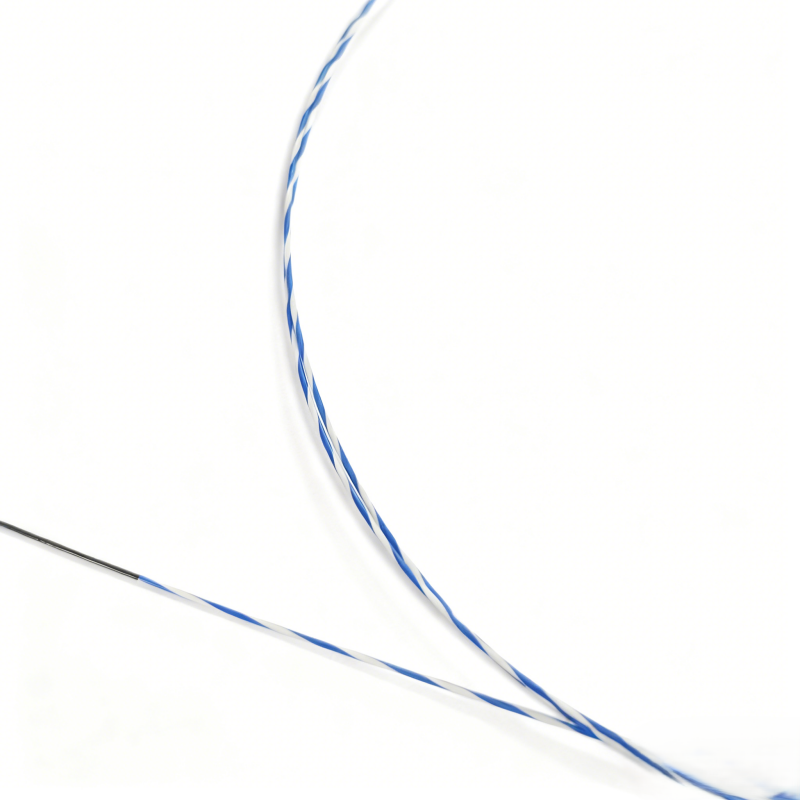
Shape Memory Wire: Smart Actuation Solutions for Medical, Industrial, and Consumer Applications

Get a Free Quote

Our representative will contact you soon.
Email
Name
Company Name
Message
0/1000

shape memory wire

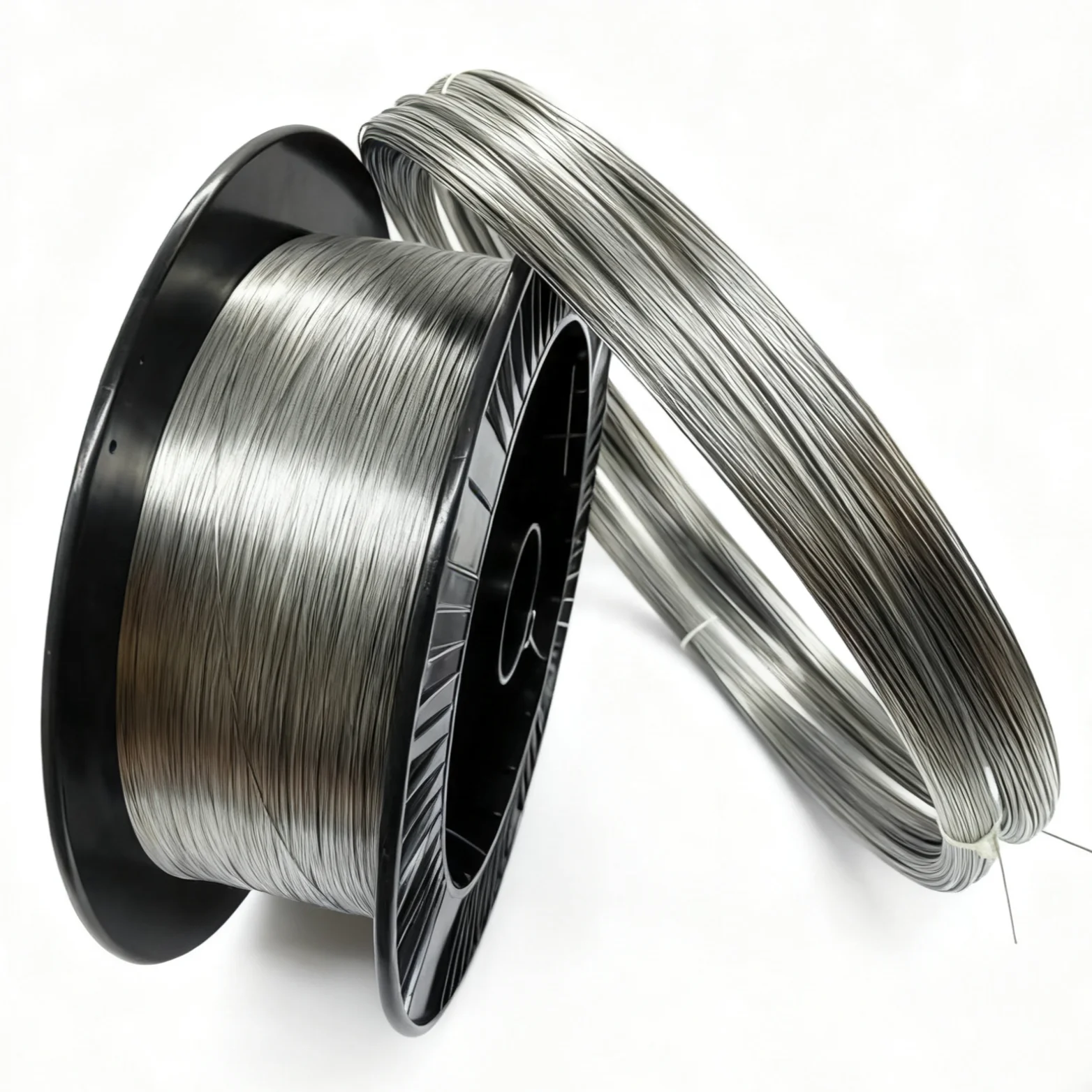
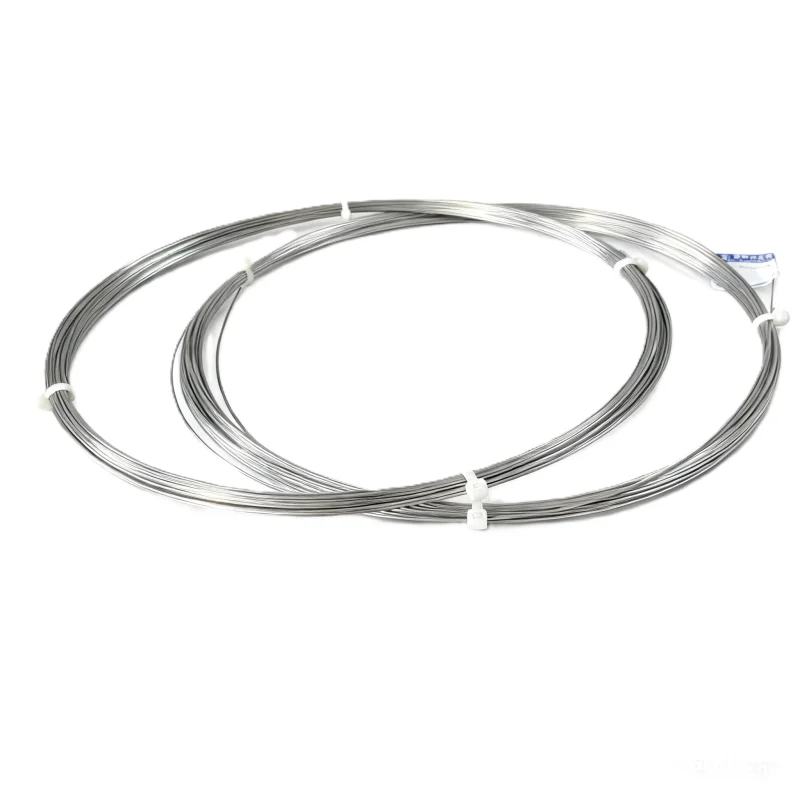
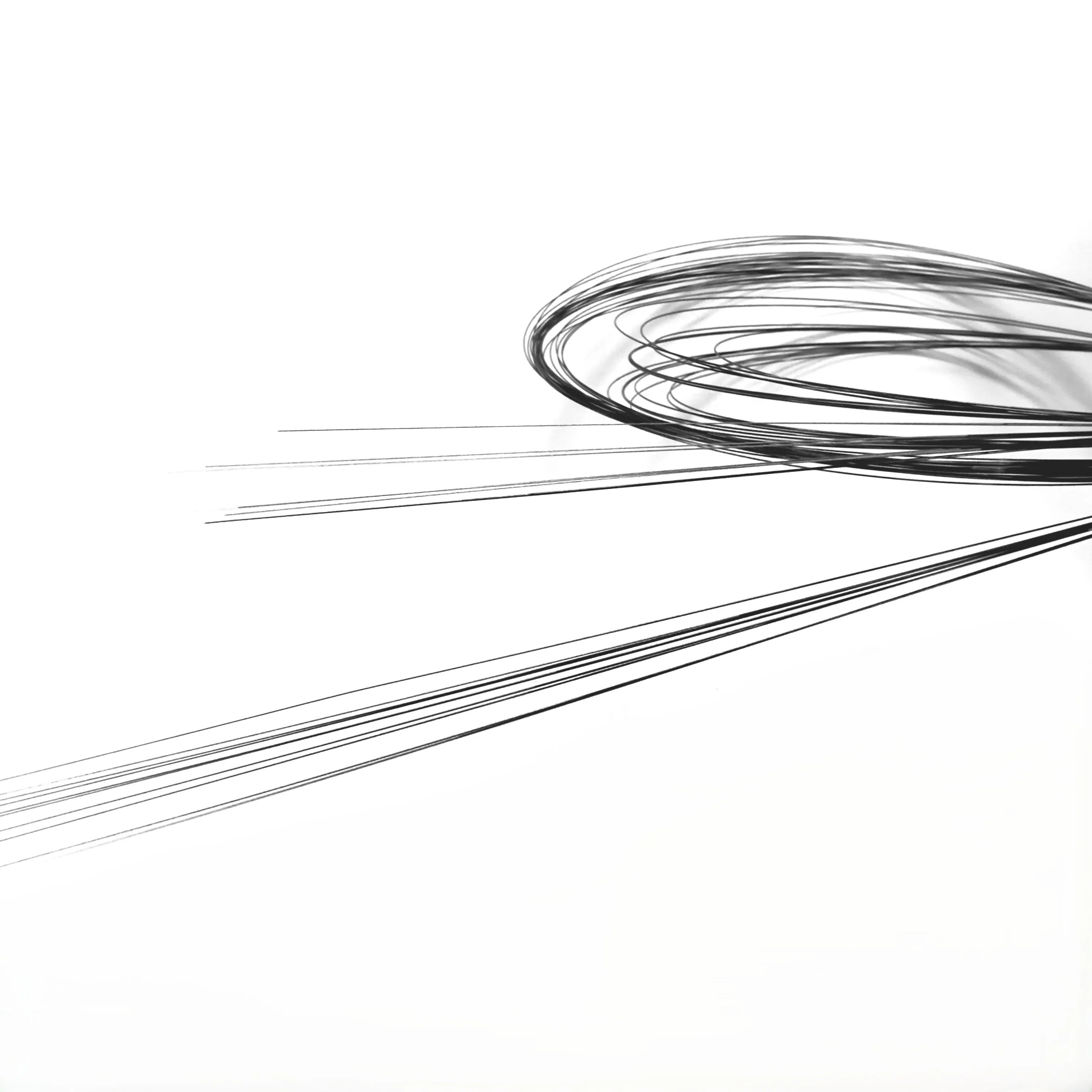
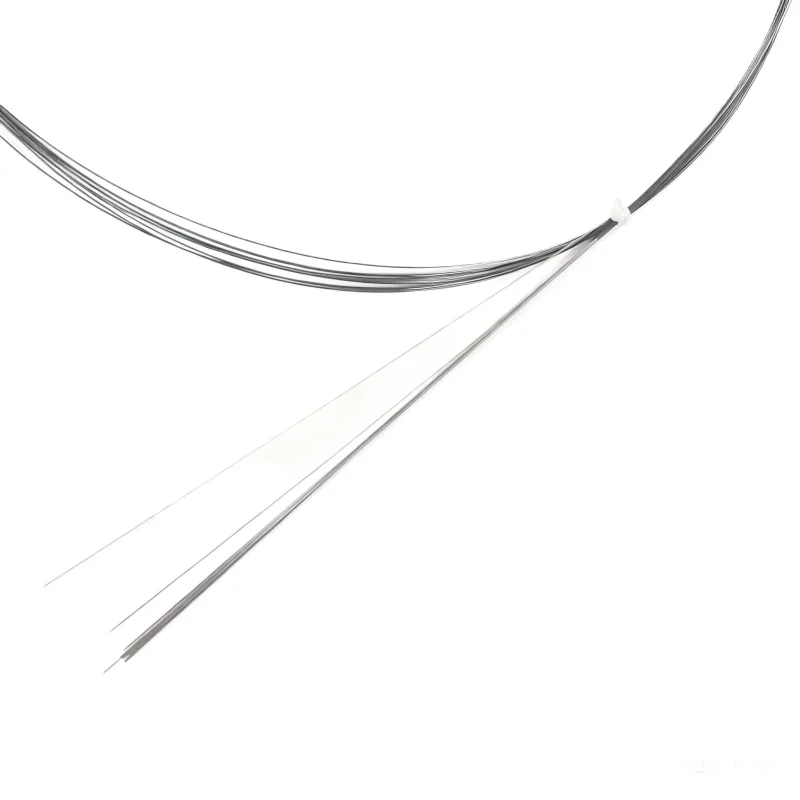
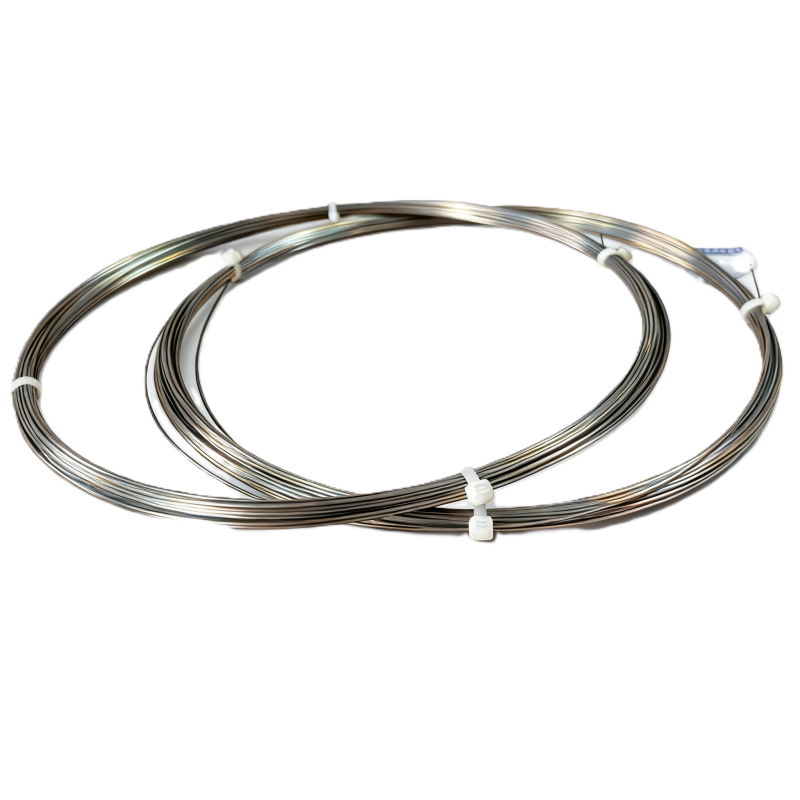
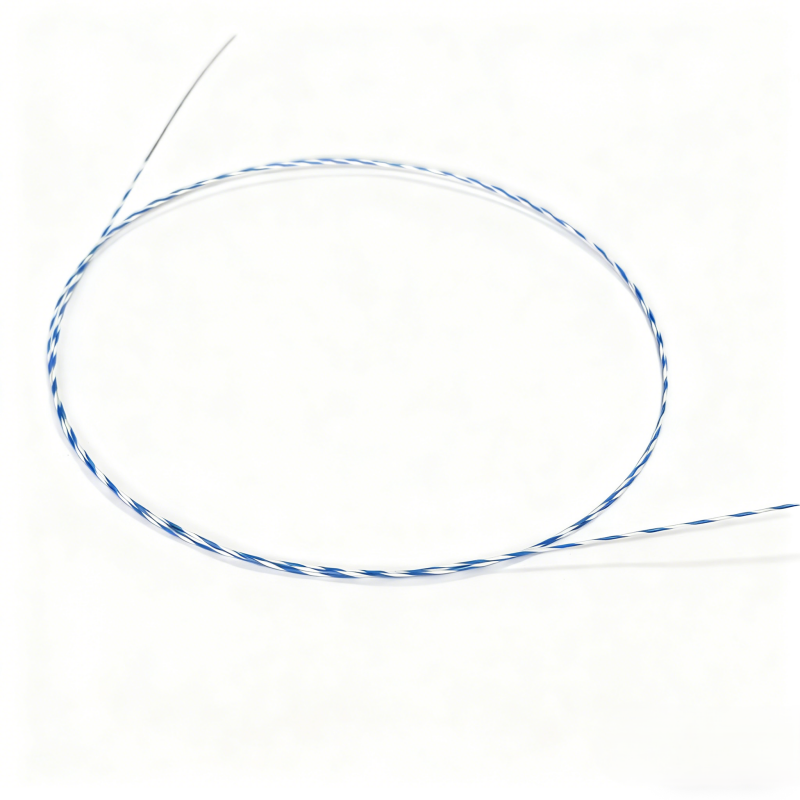
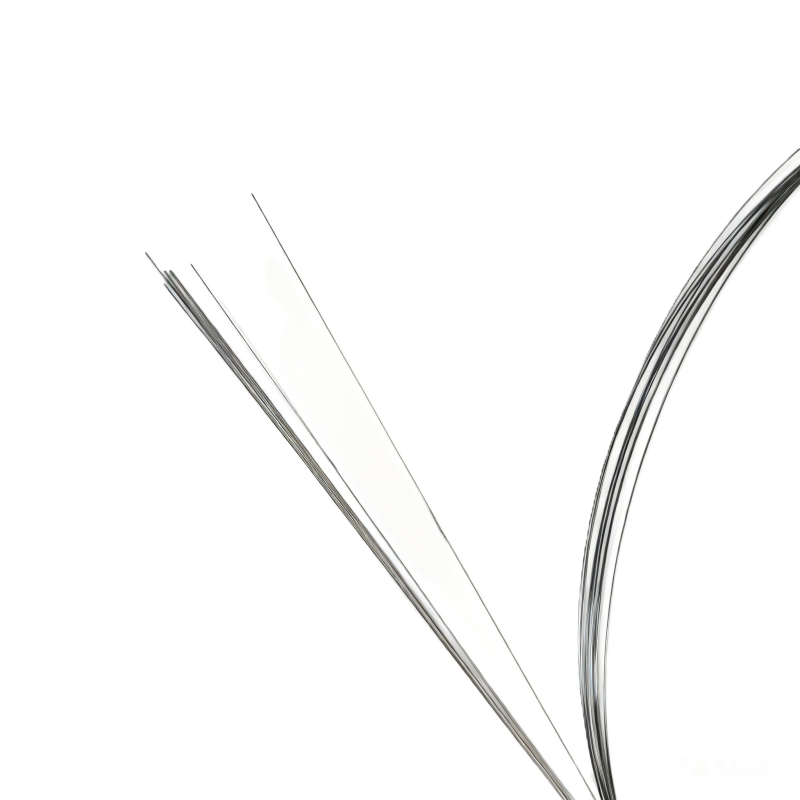
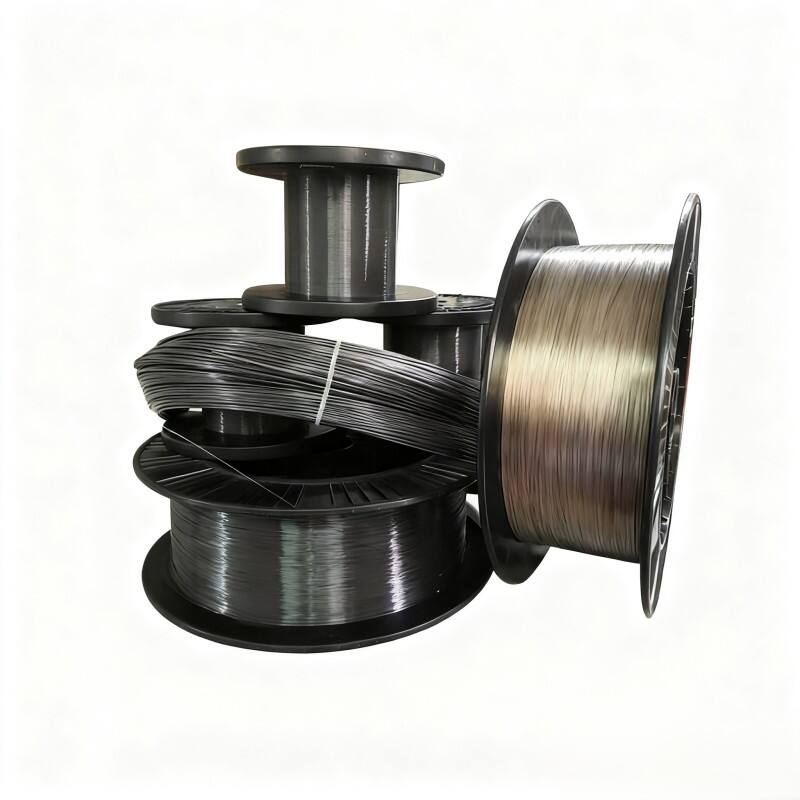
Shape memory wire is a remarkable class of smart material engineered to return to a predetermined shape when exposed to a specific stimulus, most commonly heat. Made primarily from nickel-titanium alloys, also known as Nitinol, shape memory wire exhibits two distinct phases: a low-temperature martensitic phase where the wire can be deformed easily, and a high-temperature austenitic phase where it snaps back to its original programmed form. This dual-phase behavior is what gives shape memory wire its extraordinary functional identity and sets it apart from conventional metal wires. The core mechanism behind shape memory wire lies in a solid-state phase transformation at the atomic level. When the wire is cooled, its crystal structure shifts into a more flexible configuration, allowing it to be bent, stretched, or compressed without permanent damage. Upon reheating, the crystal lattice reverts to its original arrangement, generating a powerful recovery force that drives the wire back to its memorized geometry. This transformation is highly repeatable, making shape memory wire suitable for cyclic applications that demand consistent mechanical performance over thousands of cycles. Technologically, shape memory wire can be engineered with precise transition temperatures, ranging from well below freezing to above 100 degrees Celsius, depending on the alloy composition. Manufacturers can fine-tune the activation temperature to match specific operating environments, giving engineers tremendous design flexibility. The wire is also available in a wide range of diameters, from ultra-thin strands used in medical devices to thicker gauges suited for industrial actuators. Applications of shape memory wire span an impressive range of industries. In the medical field, it is used in stents, orthodontic archwires, surgical tools, and minimally invasive devices. In aerospace and automotive engineering, it serves as lightweight actuators and vibration dampers. Consumer electronics, robotics, and smart textiles also leverage shape memory wire to create adaptive, responsive products. Its combination of compact size, silent operation, and reliable actuation makes it one of the most versatile smart materials available today.


Popular Products

Shape memory wire delivers a set of practical benefits that make it a compelling choice for engineers, product designers, and manufacturers across many industries. Understanding these advantages in plain terms helps clarify why this material continues to gain traction in both high-tech and everyday applications. First, shape memory wire acts as its own motor. Traditional mechanical systems often require electric motors, gears, or hydraulic components to produce movement. Shape memory wire replaces all of that with a single strand of metal. When heat is applied, the wire contracts and generates force, creating motion without any moving parts beyond the wire itself. This simplicity reduces the number of components in a system, which directly lowers manufacturing costs, reduces assembly time, and minimizes potential failure points. Fewer parts mean fewer things that can break. Second, shape memory wire is exceptionally lightweight. In industries like aerospace, medical devices, and wearable technology, every gram matters. A shape memory wire actuator can deliver the same mechanical output as a much heavier conventional actuator, freeing up weight budget for other critical components. This weight advantage also makes products easier to handle, transport, and integrate into compact designs where space is at a premium. Third, shape memory wire operates silently. Unlike motors or pneumatic systems that generate noise during operation, shape memory wire produces no sound when it activates. This makes it ideal for applications in medical environments, consumer electronics, and precision instruments where quiet operation is either required or strongly preferred. Patients using medical devices benefit from a less intrusive experience, and consumers appreciate products that work without disruptive mechanical noise. Fourth, shape memory wire is biocompatible. Nitinol, the primary alloy used in shape memory wire, has been extensively tested and approved for use inside the human body. This opens the door to a wide range of medical applications, from cardiovascular stents to orthopedic implants, without the risk of toxic reactions or material rejection. Medical device manufacturers can design with confidence knowing the material meets strict safety standards. Fifth, shape memory wire offers design flexibility that few other materials can match. Engineers can program the wire to remember virtually any shape, and the activation temperature can be customized to suit the specific environment where the product will operate. Whether the trigger is body heat, ambient temperature change, or a controlled electrical current passed through the wire to generate resistive heating, the system can be tailored precisely. This adaptability shortens development cycles and allows for rapid prototyping of innovative products. Sixth, shape memory wire has an impressive fatigue life. When properly designed and operated within its specified parameters, shape memory wire can complete hundreds of thousands of actuation cycles without significant degradation. This durability translates directly into longer product lifespans and lower maintenance costs for end users. Customers get reliable performance over the long term, which builds trust and reduces total cost of ownership. Taken together, these advantages make shape memory wire a smart investment for anyone looking to build lighter, simpler, quieter, and more reliable products.

Tips And Tricks

Why do full-chain manufacturers provide a more stable supply of SMA wire?

14

May

Why do full-chain manufacturers provide a more stable supply of SMA wire?

In industrial and medical procurement, supply chain reliability is not a luxury — it is a fundamental requirement. When sourcing SMA wire, the type of manufacturer you partner with has a direct and measurable impact on delivery consistency, material ...
View More
Why is Starspring's Nitinol metal at the forefront of the smart drive industry?

19

May

Why is Starspring's Nitinol metal at the forefront of the smart drive industry?

The smart drive industry is defined by its relentless demand for materials that can do more with less — components that respond intelligently to their environment, endure repeated mechanical cycles, and perform with precision in applications ranging ...
View More
What breakthroughs can Nitinol material bring to future flexible robot joints?

25

May

What breakthroughs can Nitinol material bring to future flexible robot joints?

The evolution of robotics is deeply tied to the materials that power movement, flexibility, and responsiveness. Among the most promising advances in this space, Nitinol material stands out as a transformative force in the design of flexible robot joi...
View More
Why should you prioritize the manufacturer's R&D center when choosing partners?

02

Jun

Why should you prioritize the manufacturer's R&D center when choosing partners?

When evaluating potential manufacturing partners, most procurement teams focus on price, lead time, and production capacity. These are legitimate criteria, but they often overlook one of the most telling indicators of long-term value: the strength an...
View More

Get a Free Quote

Our representative will contact you soon.
Email
Name
Company Name
Message
0/1000

shape memory wire

Precision Actuation Without Mechanical Complexity

Precision Actuation Without Mechanical Complexity

One of the most compelling features of shape memory wire is its ability to produce precise, repeatable mechanical movement without the need for complex mechanical assemblies. In conventional engineering, creating controlled linear or rotational motion typically requires a combination of motors, gearboxes, linkages, and control electronics. Each additional component introduces weight, volume, potential failure modes, and cost. Shape memory wire fundamentally changes this equation by embedding the actuation function directly into the material itself. When shape memory wire is trained to remember a specific geometry, it will return to that geometry every single time it is heated above its transformation temperature. The movement is not approximate or variable. It is consistent and predictable, governed by the physics of the phase transformation at the atomic level. This means that engineers can design systems with tight tolerances and high repeatability, knowing that the wire will deliver the same stroke length and force output cycle after cycle. The precision of shape memory wire actuation is particularly valuable in applications where space is severely constrained. Miniaturized medical devices, micro-robotics, and compact consumer electronics all benefit from an actuator that can be as thin as a human hair yet still generate meaningful mechanical force. A shape memory wire with a diameter of just 0.1 millimeters can exert a recovery force of several hundred grams, which is extraordinary for its size. This force-to-size ratio is unmatched by most conventional actuator technologies. Furthermore, the stroke and force output of shape memory wire can be tuned during the design phase by selecting the appropriate wire diameter, alloy composition, and training protocol. Engineers have direct control over how much the wire contracts and how much force it generates, allowing them to match the actuator performance precisely to the requirements of the application. This level of design control reduces the need for trial-and-error prototyping and accelerates the path from concept to finished product. For product developers who need reliable, precise, and compact actuation, shape memory wire offers a solution that is both technically superior and commercially practical.
Biocompatibility and Safety for Medical Innovation

Biocompatibility and Safety for Medical Innovation

Shape memory wire has earned a prominent place in the medical device industry, and the primary reason is its outstanding biocompatibility. The Nitinol alloy that forms the basis of most shape memory wire products has undergone decades of rigorous clinical testing and regulatory scrutiny. It has been demonstrated to be safe for long-term implantation in the human body, resistant to corrosion in biological fluids, and free from the toxic reactions that disqualify many other metals from medical use. This safety profile opens an enormous range of possibilities for medical device designers who need a material that can operate reliably inside or in close contact with the human body. Cardiovascular applications represent one of the most impactful uses of shape memory wire in medicine. Self-expanding stents made from shape memory wire are delivered to a target site in a compressed state and then allowed to expand to their programmed diameter once in place, using body heat as the activation trigger. This eliminates the need for balloon expansion and reduces procedural complexity, which translates to better patient outcomes and shorter procedure times. Orthopedic and dental applications also benefit significantly from shape memory wire. In orthodontics, archwires made from shape memory wire apply a gentle, continuous force to teeth over an extended period, reducing the number of adjustment appointments patients need and improving treatment comfort. The wire adapts to the contours of the dental arch and maintains consistent pressure as teeth move, making it more effective than traditional stainless steel wires. Beyond implantable devices, shape memory wire is used in minimally invasive surgical tools, guidewires, and catheter systems where its flexibility and kink resistance are critical to safe navigation through the body. The ability to pre-shape the wire and have it return to that shape after being straightened for insertion gives surgeons precise control during delicate procedures. For medical device companies, choosing shape memory wire means choosing a material with a proven safety record, regulatory acceptance, and the mechanical properties needed to push the boundaries of what minimally invasive medicine can achieve.
Durability and Long-Term Reliability Across Demanding Environments

Durability and Long-Term Reliability Across Demanding Environments

Shape memory wire is not just a novelty material with impressive party tricks. It is a robust, industrially proven solution that maintains its performance characteristics across thousands of actuation cycles and in environments that would degrade or destroy conventional materials. This durability is one of the most important practical advantages that shape memory wire brings to real-world applications, and it is a key reason why engineers in demanding industries continue to specify it for critical functions. The fatigue resistance of shape memory wire is rooted in the nature of its phase transformation. Unlike conventional metals that deform plastically when stressed and gradually accumulate damage over time, shape memory wire undergoes a reversible crystallographic transformation. The atomic structure shifts back and forth between phases without the dislocation buildup that causes fatigue in ordinary metals. When the wire is designed and operated within its recommended strain limits, it can complete hundreds of thousands of full actuation cycles while retaining its recovery force and stroke length. This translates directly into products that last longer and require less maintenance. In industrial automation, for example, shape memory wire actuators can replace solenoids or pneumatic cylinders in applications that cycle frequently. The elimination of moving mechanical parts means there is nothing to wear out, no seals to replace, and no lubrication required. Maintenance intervals are extended, and unplanned downtime is reduced, both of which have significant economic value in production environments. Shape memory wire also performs reliably across a wide temperature range and in chemically aggressive environments. Its corrosion resistance makes it suitable for use in marine applications, chemical processing equipment, and outdoor systems exposed to moisture and temperature cycling. The material does not rust, does not require protective coatings in most environments, and retains its mechanical properties even after prolonged exposure to harsh conditions. For customers who need a material they can depend on over the long term, shape memory wire delivers consistent, verifiable performance that justifies its initial cost many times over through reduced maintenance, longer service life, and fewer system failures.
Shape Memory Wire: Smart Actuation Solutions for Medical, Industrial, and Consumer Applications

Get a Free Quote

Our representative will contact you soon.
Email
Name
Company Name
Message
0/1000
Newsletter
Please Leave A Message With Us