Superior Durability and Fatigue Resistance
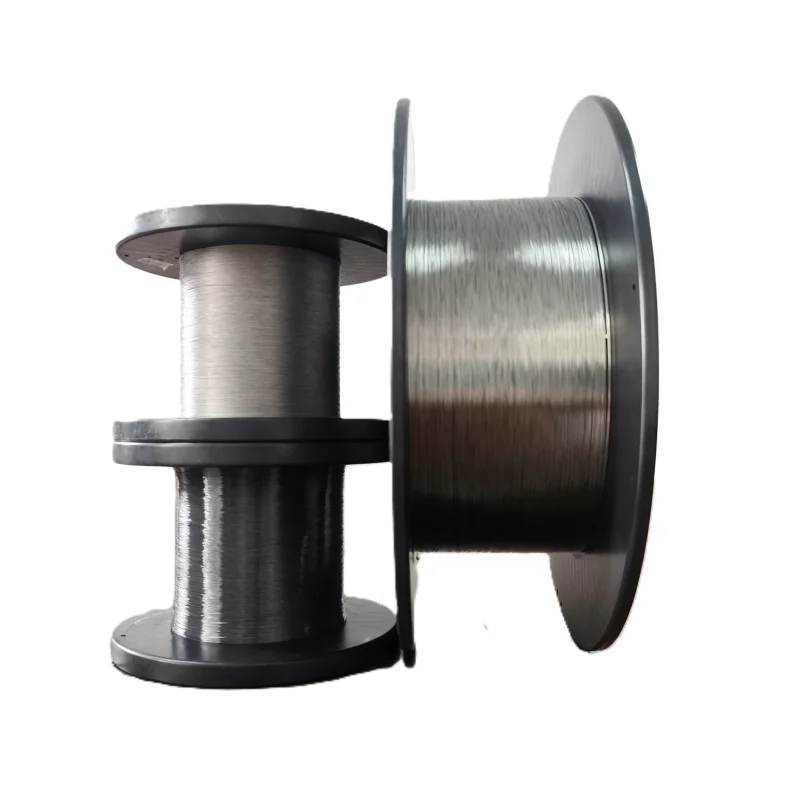
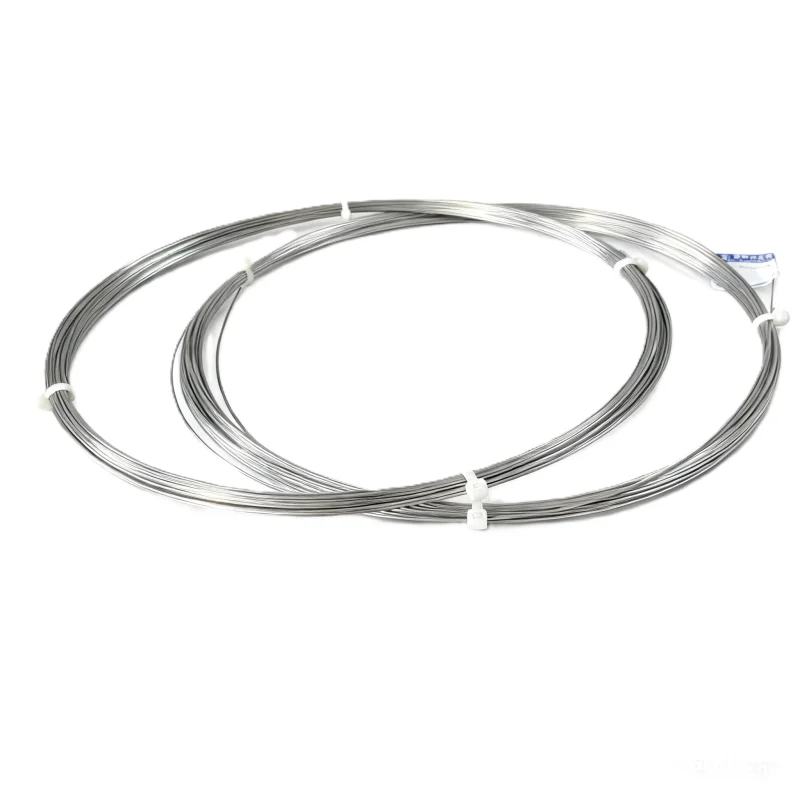
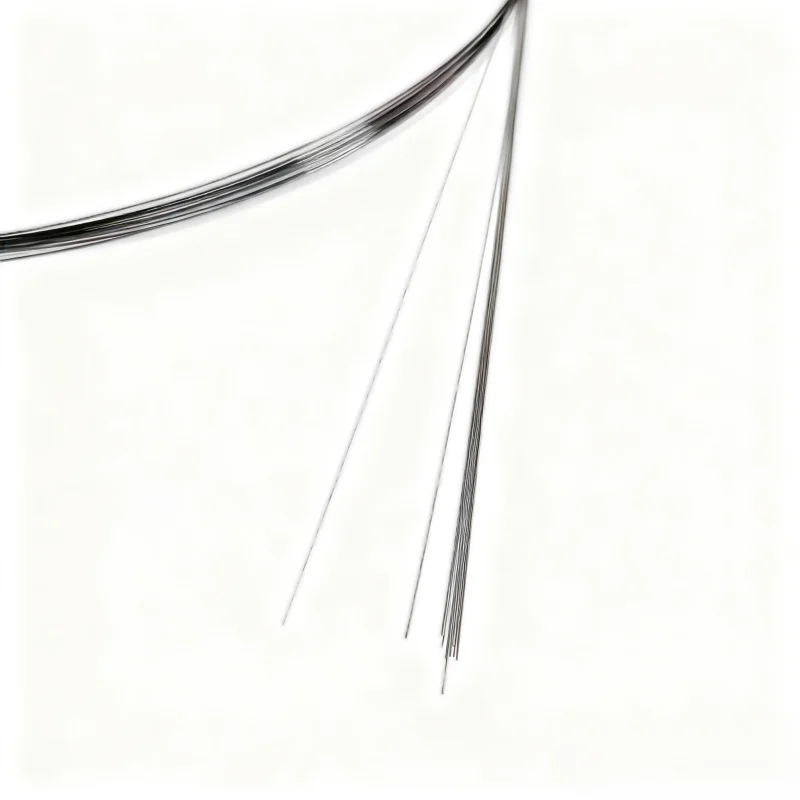
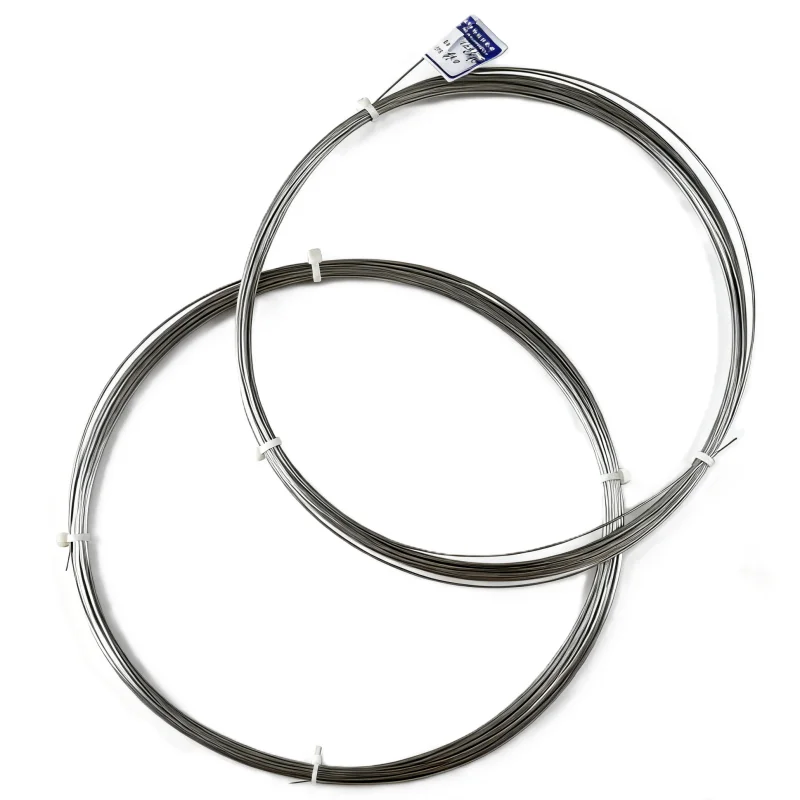
Durability represents perhaps the most economically significant advantage of nitinol memory wire for businesses evaluating materials for long-term applications. The exceptional fatigue resistance of this material directly impacts total cost of ownership, product reliability, and customer satisfaction in ways that provide measurable competitive advantages. Where conventional spring materials typically fail after thousands or tens of thousands of cycles, nitinol memory wire routinely endures ten million cycles or more without functional degradation, a difference that transforms product economics. For manufacturers, this longevity means fewer warranty claims, reduced service requirements, and enhanced brand reputation built on reliable products that simply keep working. The metallurgical properties underlying this durability stem from the reversible phase transformation mechanism that distributes stress throughout the crystal structure rather than concentrating it at weak points where cracks typically initiate. Each time nitinol memory wire transforms between phases, it essentially resets itself at the atomic level, preventing the accumulation of damage that causes traditional materials to fatigue. This characteristic proves particularly valuable in applications involving continuous or frequent actuation, such as robotic systems, automated manufacturing equipment, or medical devices used repeatedly in clinical settings. The corrosion resistance of nitinol memory wire further extends operational life, as the material naturally forms a stable titanium oxide surface layer that protects against chemical attack, moisture, and biological fluids. This passive layer reforms automatically if scratched, providing self-healing protection that maintains integrity even in challenging environments. Customers operating equipment in marine environments, chemical processing facilities, or medical applications benefit enormously from this inherent corrosion protection, eliminating concerns about rust or degradation that plague steel springs and many other metal components. The strain tolerance of nitinol memory wire exceeds conventional materials by substantial margins, accommodating deformations up to eight percent strain and recovering completely, whereas typical spring materials permanently deform at much lower strain levels. This resilience means nitinol memory wire handles unexpected overloads and shock loads without permanent damage, building robustness into products that protects against real-world conditions where forces may exceed design specifications. Temperature stability ensures that nitinol memory wire maintains its properties across wide temperature ranges, continuing to function in both extreme cold and elevated temperatures where other materials become brittle or lose strength. The combination of these durability factors creates products that require minimal maintenance, reducing lifecycle costs while improving user experiences through consistent, reliable performance that builds customer loyalty and positive word-of-mouth recommendations.

 EN
EN