Flexinol Actuator Wire: Revolutionary Shape Memory Alloy Technology for Compact, Powerful, Silent Actuation Solutions

Get a Free Quote

Our representative will contact you soon.
Email
Name
Company Name
Message
0/1000

flexinol actuator wire

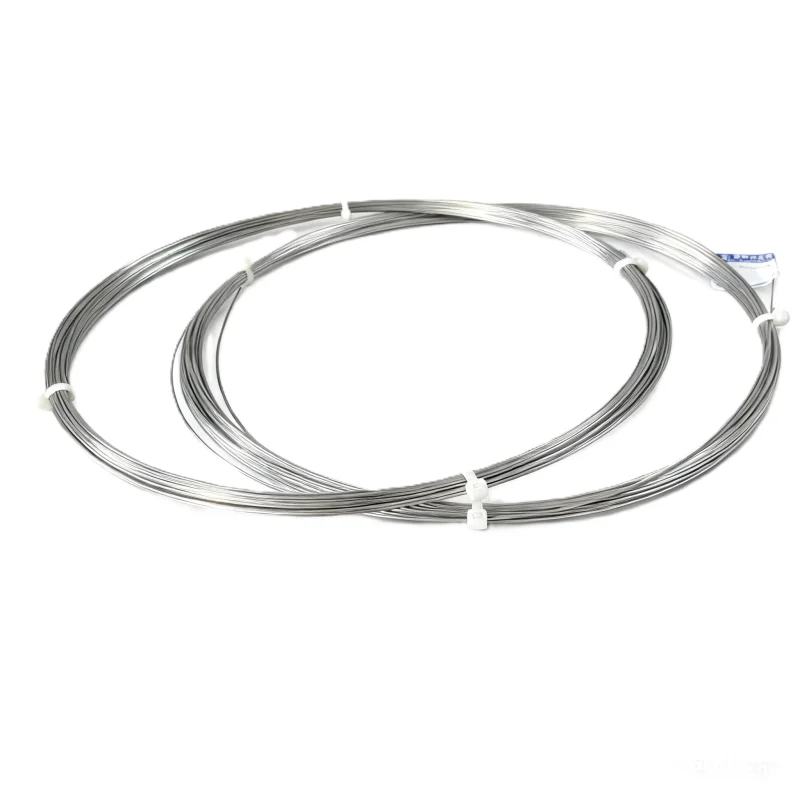
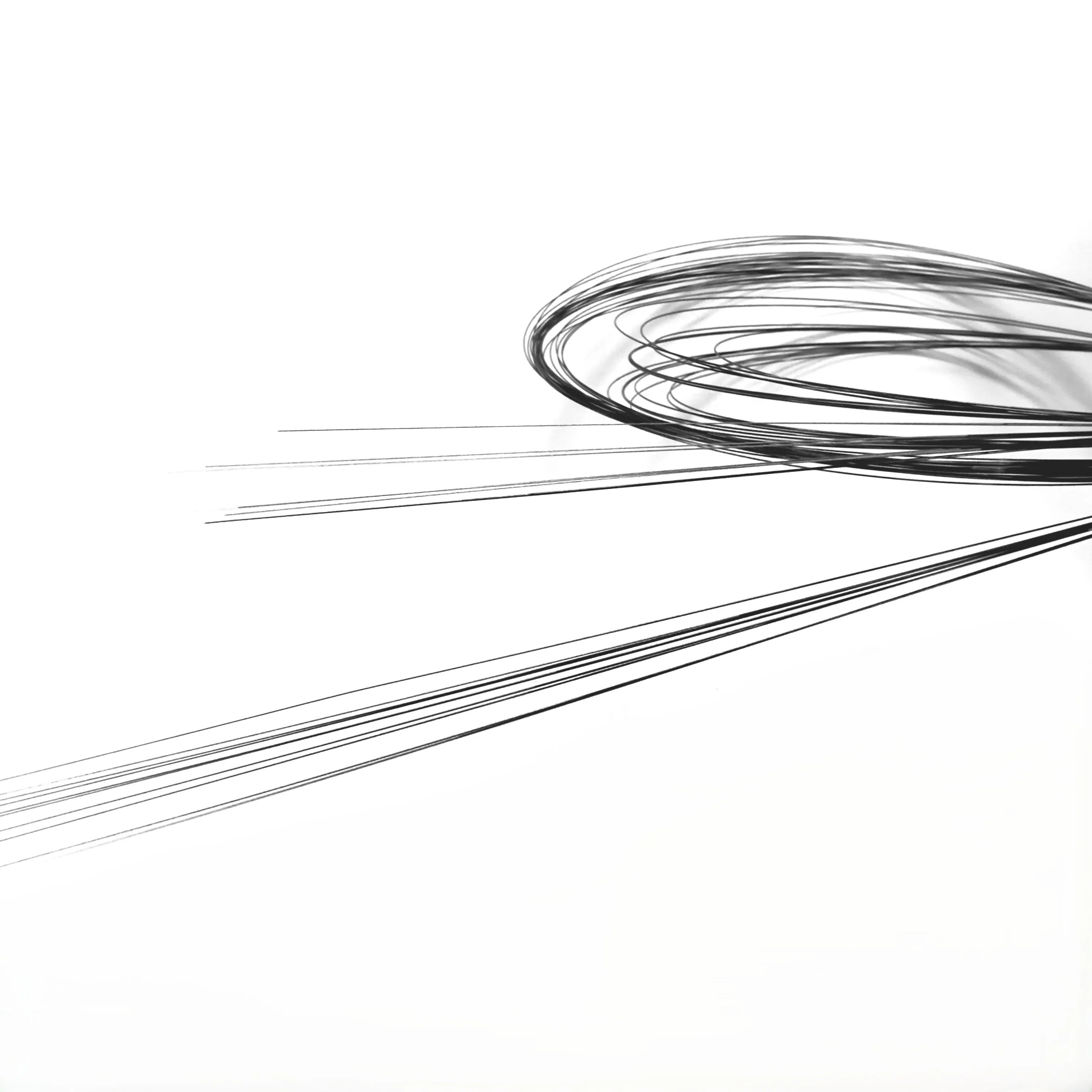
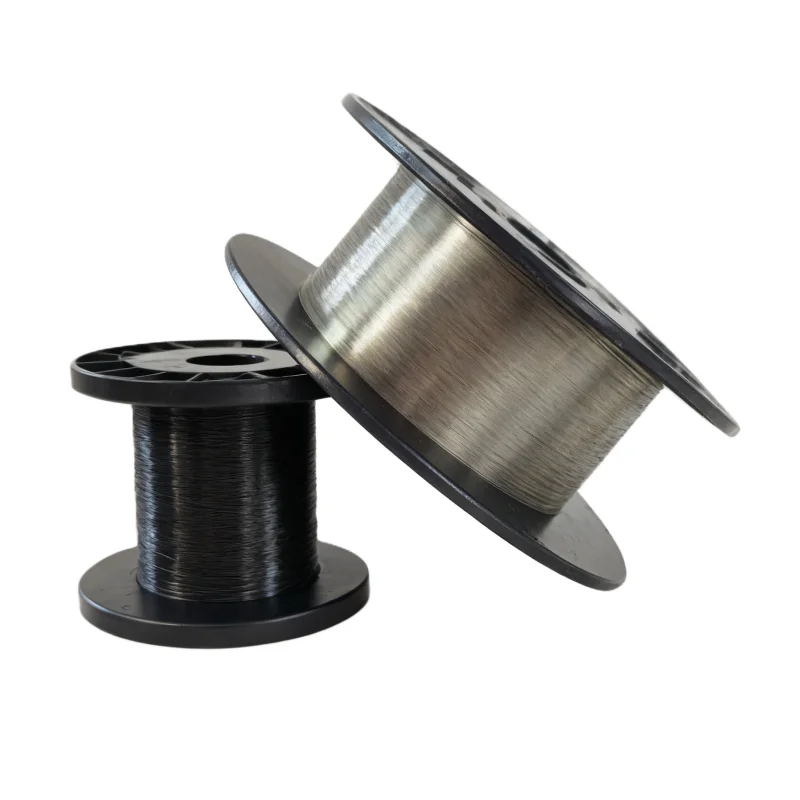
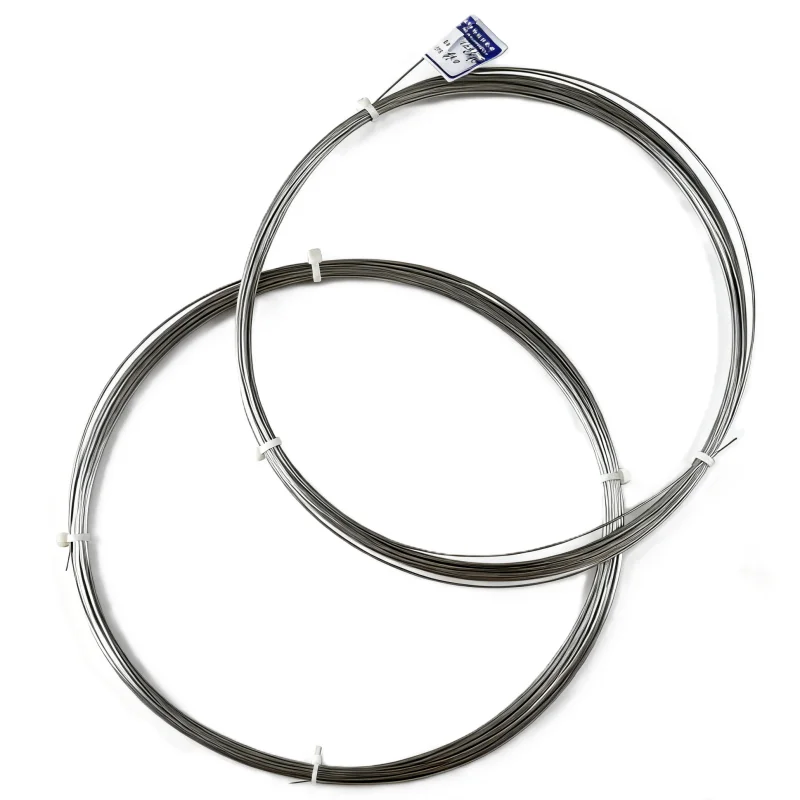
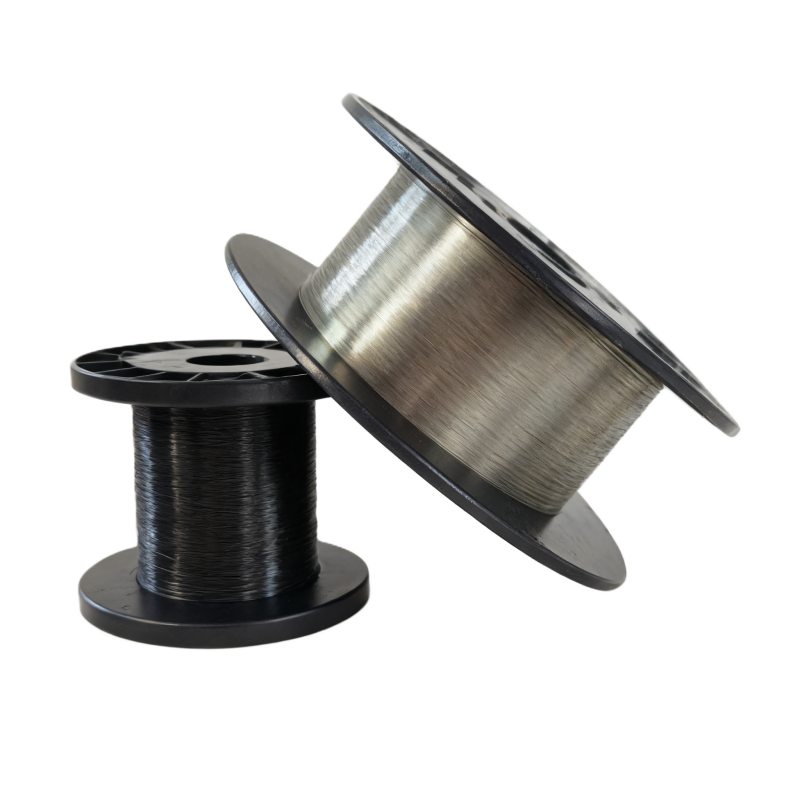
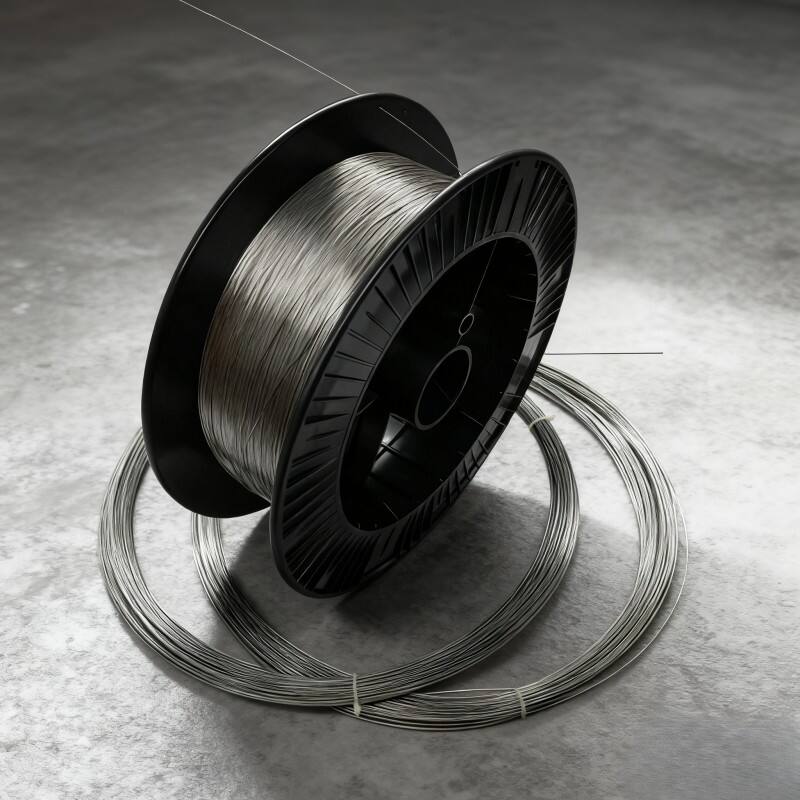
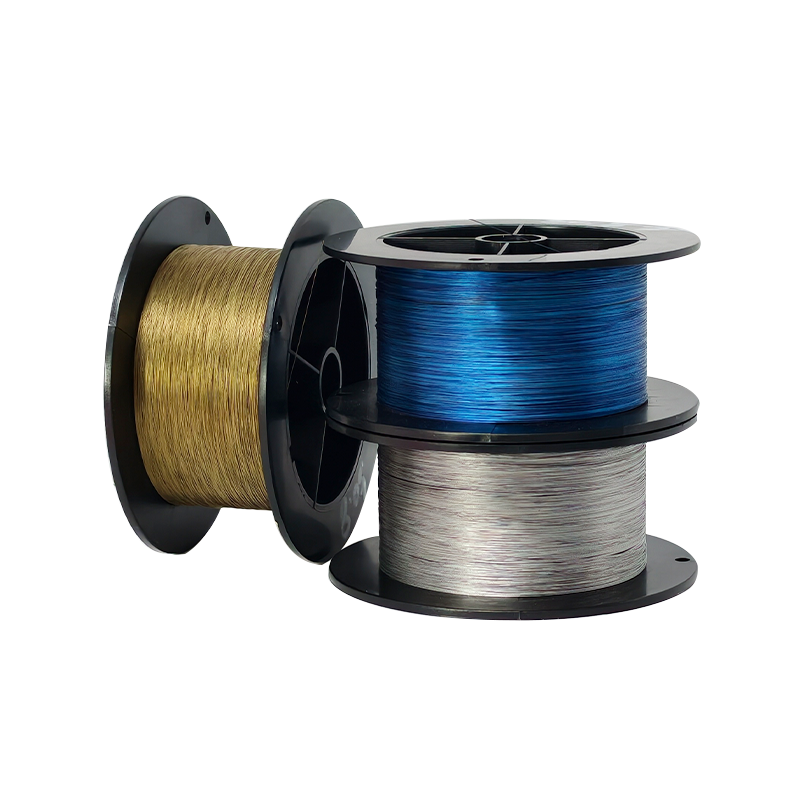
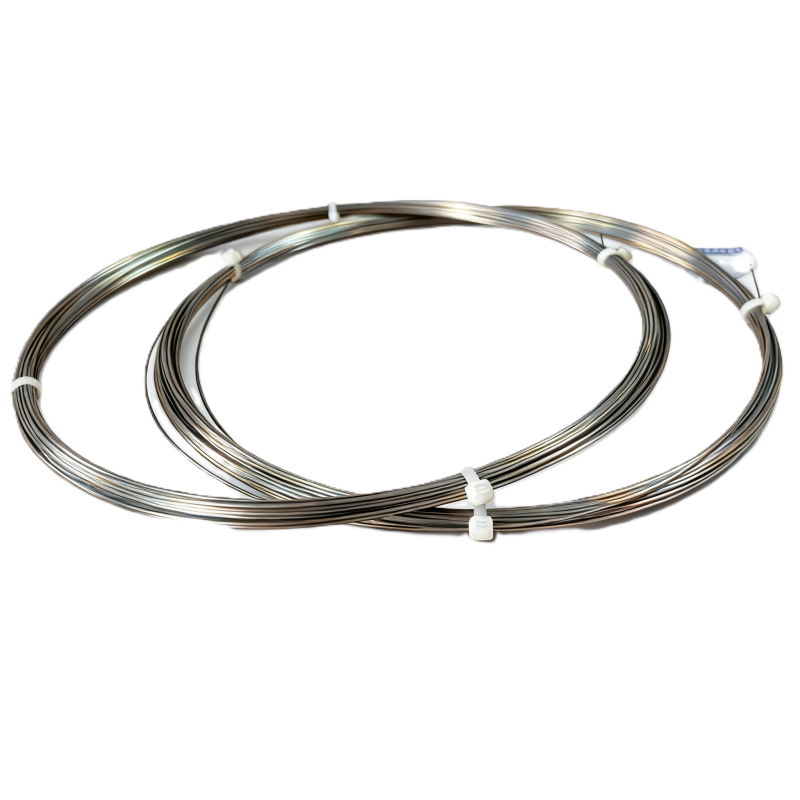
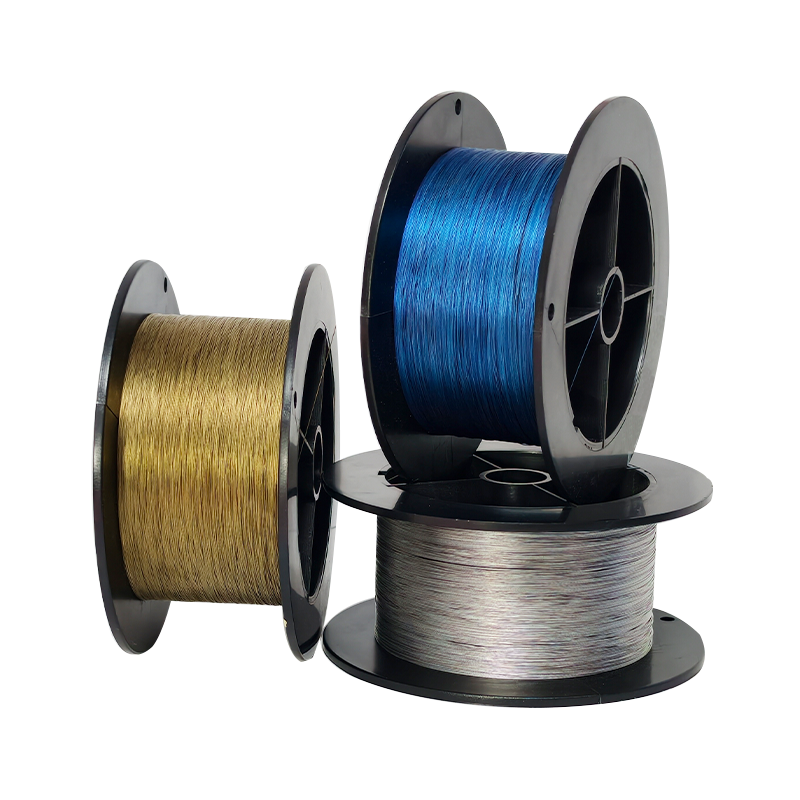
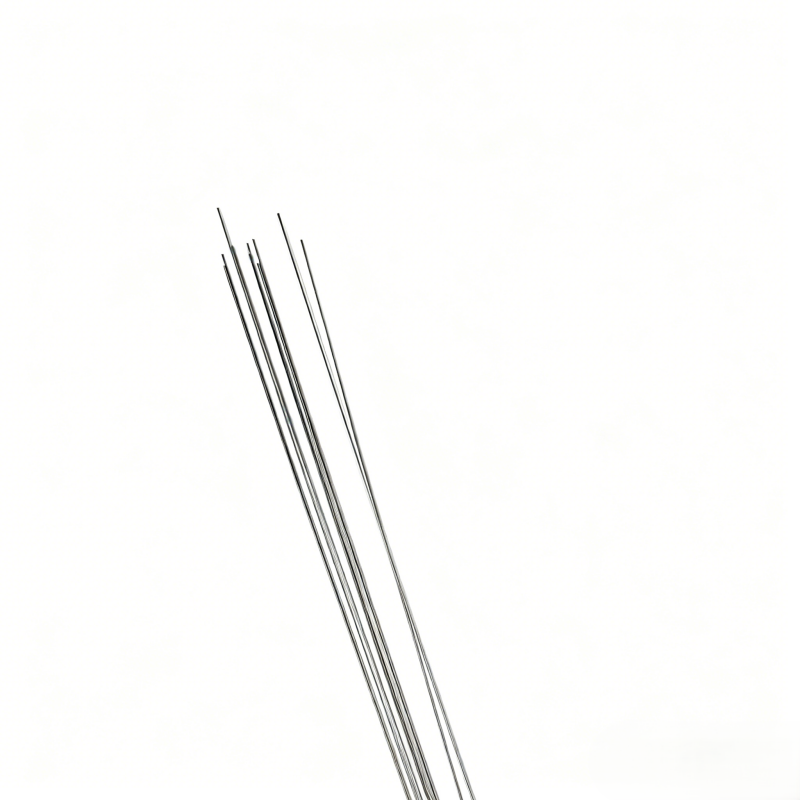
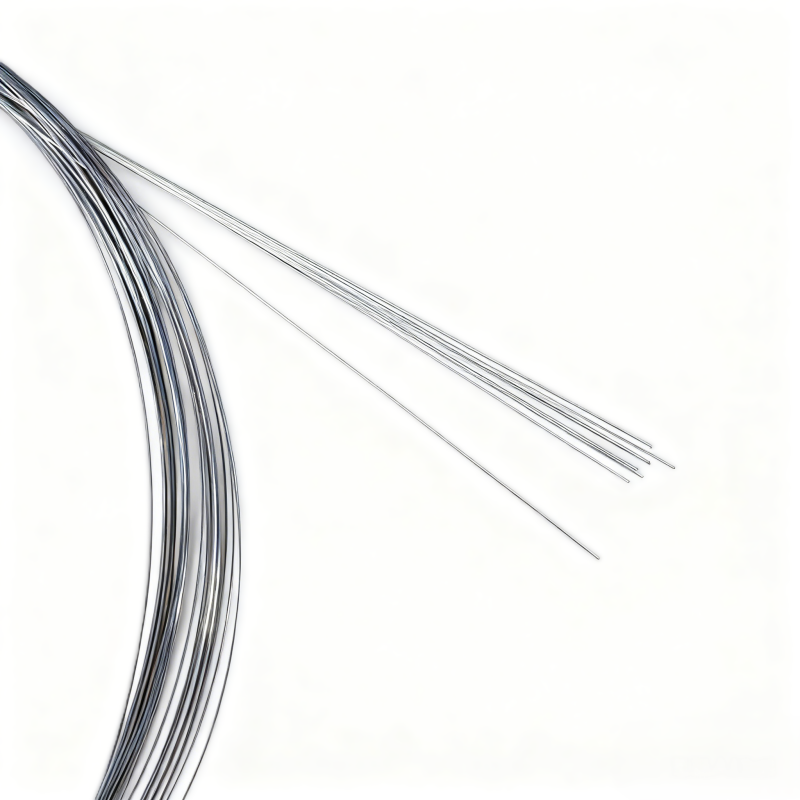
Flexinol actuator wire represents a revolutionary advancement in smart material technology, offering engineers and designers an innovative solution for compact, lightweight actuation systems. This remarkable wire is composed of a nickel-titanium shape memory alloy that possesses the unique ability to contract with significant force when electrically heated, then return to its original length upon cooling. The primary function of flexinol actuator wire centers on its capacity to convert electrical energy directly into mechanical motion without requiring traditional motors, gears, or hydraulic systems. When an electrical current passes through the wire, it heats rapidly due to resistive heating, causing the crystalline structure to transform and the wire to contract by approximately three to five percent of its original length. This contraction generates substantial pulling force relative to the wire's diameter, making it exceptionally powerful for its size. The technological features that distinguish flexinol actuator wire include its silent operation, minimal power consumption during idle states, and remarkable reliability across millions of actuation cycles. The wire operates on a simple principle: apply current to activate, remove current to deactivate. This straightforward mechanism eliminates the complexity associated with conventional actuators while providing precise, repeatable motion control. Applications for flexinol actuator wire span numerous industries and sectors. In robotics, engineers integrate this wire into biomimetic designs that replicate natural muscle movement, creating lifelike robotic hands and artificial limbs. The aerospace industry utilizes flexinol actuator wire for compact deployment mechanisms in satellites and aircraft control surfaces where weight reduction remains paramount. Consumer electronics manufacturers incorporate this technology into smartphone camera modules for autofocus and optical image stabilization, benefiting from the wire's miniature size and efficient performance. Medical device developers employ flexinol actuator wire in minimally invasive surgical instruments, catheters, and prosthetic devices where space constraints demand innovative actuation solutions. Automotive applications include active aerodynamic components, adaptive seating systems, and smart ventilation controls. The textile industry explores integration of flexinol actuator wire into adaptive clothing and responsive fabrics. Research laboratories continue discovering novel applications in microfluidics, MEMS devices, and autonomous systems where traditional actuators prove impractical or impossible to implement effectively.

New Product Recommendations

The flexinol actuator wire delivers compelling practical benefits that directly address real-world engineering challenges and customer needs. First and foremost, this wire offers exceptional space efficiency that traditional actuators simply cannot match. Where conventional motors and solenoids require substantial mounting space, support structures, and protective housings, flexinol actuator wire needs only simple anchor points at each end. This compact footprint enables designers to create slimmer products, fit actuation into previously impossible locations, and maximize the functional density of their devices. The weight savings prove equally impressive, as the wire itself weighs mere grams compared to motors that weigh hundreds of grams or more for equivalent force output. For battery-powered devices, this weight reduction translates directly to extended operating time or smaller battery requirements. The silent operation characteristic represents another significant advantage for customer applications. Unlike motors that generate audible noise and vibration during operation, flexinol actuator wire contracts smoothly and quietly. This feature becomes particularly valuable in consumer electronics, medical devices, and stealth applications where noise pollution must be minimized or eliminated entirely. Users appreciate products that function without drawing attention through unwanted sounds. Energy efficiency constitutes a major practical benefit, especially during standby periods. The wire consumes power only during active contraction cycles, requiring no energy to maintain position once contracted. This differs dramatically from electromagnetic actuators that continuously draw current to hold position. For portable devices operating on limited battery capacity, this efficiency advantage extends usage time significantly. The reliability and durability of flexinol actuator wire deliver long-term value to customers by reducing maintenance requirements and warranty concerns. The wire withstands millions of actuation cycles without mechanical wear, as it contains no rubbing surfaces, bearings, or gears that gradually degrade. This longevity reduces replacement costs and downtime while increasing customer satisfaction. Installation simplicity provides another practical advantage. Integrating flexinol actuator wire requires only basic electrical connections and mechanical anchoring. Designers need not specify complex mounting brackets, align precision gears, or accommodate bulky housings. This simplicity accelerates development cycles, reduces manufacturing complexity, and lowers production costs. The wire operates across wide temperature ranges and harsh environments where traditional actuators might fail due to corrosion, contamination, or mechanical jamming. Chemical resistance and sealed construction make flexinol actuator wire suitable for medical, marine, and industrial applications with demanding environmental conditions. Cost effectiveness becomes apparent when considering the total system cost rather than component price alone. While the wire itself may cost more than a basic motor, eliminating associated components like gearboxes, mounting hardware, and control electronics often results in lower overall system costs. Reduced assembly time and simplified quality control further enhance the economic advantages for manufacturers choosing this technology.

Latest News

Why is high-stability Nitinol the first choice for equipment in extreme conditions?

12

May

Why is high-stability Nitinol the first choice for equipment in extreme conditions?

When equipment must perform reliably under mechanical stress, thermal cycling, and repeated deformation, material selection becomes a critical engineering decision. Nitinol, the nickel-titanium shape memory alloy, has earned a dominant position in de...
View More
Why is a brand with a 5,000m² factory more professional in Nitinol customization?

22

May

Why is a brand with a 5,000m² factory more professional in Nitinol customization?

When sourcing advanced shape memory alloys for medical devices, aerospace components, or industrial actuators, the manufacturing environment behind a supplier tells you far more than a product catalog ever could. Nitinol customization is a precision-...
View More
How to identify high-quality Nitinol sources with a 21-year background?

01

Jun

How to identify high-quality Nitinol sources with a 21-year background?

Sourcing Nitinol for industrial, medical, or specialty applications is not a decision that should be made lightly. Nitinol, the nickel-titanium shape memory alloy renowned for its superelastic behavior and thermal responsiveness, demands a level of m...
View More
Why should you prioritize the manufacturer's R&D center when choosing partners?

02

Jun

Why should you prioritize the manufacturer's R&D center when choosing partners?

When evaluating potential manufacturing partners, most procurement teams focus on price, lead time, and production capacity. These are legitimate criteria, but they often overlook one of the most telling indicators of long-term value: the strength an...
View More

Get a Free Quote

Our representative will contact you soon.
Email
Name
Company Name
Message
0/1000

flexinol actuator wire

Exceptional Force-to-Size Ratio Enables Miniaturization

Exceptional Force-to-Size Ratio Enables Miniaturization

One of the most compelling characteristics of flexinol actuator wire lies in its extraordinary force-to-size ratio, which fundamentally changes how engineers approach actuation challenges in space-constrained applications. This wire generates pulling forces that seem disproportionately large relative to its slender diameter, delivering performance that would traditionally require actuators many times larger and heavier. A flexinol actuator wire measuring just 0.15 millimeters in diameter can exert pulling forces exceeding 35 grams, while larger diameter wires proportionally increase force output to several kilograms. This remarkable power density stems from the molecular-level transformation occurring within the nickel-titanium alloy structure during activation. When heated, billions of crystalline structures simultaneously shift orientation, collectively producing macroscopic contraction with substantial force. Engineers can stack multiple wires in parallel configurations to multiply force output while maintaining compact dimensions, or arrange wires in antagonistic pairs to achieve bidirectional motion control. The miniaturization potential this enables transforms product design possibilities across countless applications. In smartphone cameras, flexinol actuator wire occupies minimal space while providing precise lens positioning for autofocus systems that must fit within modules mere millimeters thick. Traditional voice coil motors performing similar functions require significantly more volume and add considerable thickness to device profiles. Medical catheter designers exploit this force-to-size ratio to create steerable tips that navigate complex vascular pathways, embedding actuation capability directly into tools measuring just two or three millimeters in diameter. Micro-robotics researchers build insect-scale robots with meaningful payload capacity by utilizing flexinol actuator wire as artificial muscles, achieving mobility in robots small enough to explore collapsed structures or perform minimally invasive procedures. The aerospace sector particularly values this characteristic, as every gram saved in satellite mechanisms translates to reduced launch costs or increased payload capacity. Deployment mechanisms for solar panels, antennas, and scientific instruments benefit from actuation systems that add negligible weight while providing reliable operation in the vacuum of space. Consumer product developers create thinner laptops, slimmer wearable devices, and more compact automotive components by replacing bulky traditional actuators with flexinol actuator wire solutions. This force-to-size advantage does not merely represent incremental improvement but rather enables entirely new product categories and design approaches that were previously impossible to realize with conventional actuation technology.
Simple Electrical Control Without Complex Mechanisms

Simple Electrical Control Without Complex Mechanisms

The operational simplicity of flexinol actuator wire represents a profound advantage that reduces system complexity, lowers development costs, and improves overall reliability compared to traditional actuation approaches. At its core, this wire requires only a controlled electrical current to activate, eliminating the need for complex gear trains, hydraulic pumps, pneumatic compressors, or sophisticated servo control systems. This direct electrical-to-mechanical conversion mechanism strips away layers of intermediary components that typically introduce failure points, require maintenance, and consume additional space and power. Engineers implement flexinol actuator wire control using straightforward pulse-width modulation techniques or simple on-off switching, depending on application requirements. A basic transistor or MOSFET switch can provide adequate control for many applications, while more sophisticated implementations might employ microcontroller-based systems that monitor wire resistance to precisely control contraction distance and force output. The absence of position sensors, limit switches, and feedback mechanisms in simpler applications further reduces component count and system complexity. This electrical control characteristic proves particularly advantageous during prototyping and development phases, as engineers can quickly iterate designs without redesigning mechanical linkages or recalculating gear ratios. Adjusting actuation speed, force, or displacement often requires only software modifications or electrical parameter changes rather than physical component substitutions. Manufacturing benefits emerge clearly when production teams assemble devices incorporating flexinol actuator wire. Assembly workers simply crimp, solder, or clamp wire ends to anchor points and connect electrical leads, operations requiring minimal skill and consuming little time compared to installing motors with precise alignment requirements, mounting brackets, and mechanical coupling systems. This assembly simplicity translates directly to reduced labor costs and faster production throughput. Quality control procedures similarly benefit from this simplicity, as testing actuator function requires only applying current and verifying motion rather than checking mechanical alignment, gear mesh quality, bearing smoothness, and lubrication adequacy. The reliability implications prove equally significant, as fewer components mean fewer potential failure modes. Traditional actuators fail through bearing wear, gear tooth damage, seal leakage, contamination ingress, and electrical commutator degradation. Flexinol actuator wire contains no wearing surfaces and no components that degrade through mechanical friction. The wire either functions correctly or fails completely, typically through electrical connection problems rather than wire degradation itself. This binary failure mode simplifies diagnostic procedures and preventive maintenance scheduling. Field service becomes more straightforward when devices incorporate flexinol actuator wire because technicians need only basic electrical testing equipment to verify functionality, and replacement procedures require simple mechanical and electrical disconnection rather than precision alignment and calibration. The educational barrier to implementing this technology remains low, as engineers familiar with basic electrical principles can quickly master flexinol actuator wire integration without specialized training in mechanical systems, hydraulics, or pneumatics.
Long Cycle Life and Environmental Durability

Long Cycle Life and Environmental Durability

The exceptional durability and environmental resilience of flexinol actuator wire deliver significant long-term value that extends product lifespans, reduces maintenance requirements, and enables reliable operation in challenging conditions where traditional actuators struggle or fail completely. This wire routinely survives millions of actuation cycles when properly implemented, with documented test results showing functional operation beyond ten million cycles in optimized systems. This longevity stems from the fundamental nature of shape memory alloy transformation, which occurs at the atomic level without mechanical wear. Unlike motors with brushes that erode, bearings that pit, or gears that experience tooth wear, flexinol actuator wire undergoes reversible crystalline phase changes that do not degrade the material structure. Each heating and cooling cycle exercises the same molecular transformation mechanism without accumulating damage or fatigue in the conventional sense. Proper system design that limits maximum strain to approximately four percent and implements gradual cooling cycles further extends operational life to extraordinary durations. Environmental durability represents another critical advantage for applications in demanding conditions. The nickel-titanium composition exhibits excellent corrosion resistance across diverse environments including marine atmospheres, chemical exposure, and biological fluids. Medical device manufacturers exploit this characteristic by incorporating flexinol actuator wire into surgical instruments and implantable devices that must function reliably while exposed to bodily fluids and tissues. The hermetically sealed nature of wire-based actuation prevents contamination ingress that commonly degrades motors through dust accumulation, moisture penetration, or chemical attack on internal components. Offshore and marine applications benefit from flexinol actuator wire's immunity to salt spray and moisture that rapidly corrode conventional electromagnetic actuators. Industrial environments with chemical vapors, abrasive dust, or extreme temperatures often prove hostile to traditional actuators but present manageable challenges for properly specified flexinol actuator wire systems. The wire functions across temperature ranges from cryogenic conditions to elevated temperatures, though activation parameters require adjustment for extreme ambient conditions. Vibration and shock resistance further demonstrates the environmental durability advantage. With no delicate bearings, precise gear alignments, or sensitive position sensors to misalign, flexinol actuator wire withstands mechanical shocks and sustained vibration that would destroy or degrade conventional actuators. Aerospace and defense applications particularly value this characteristic, specifying flexinol actuator wire for missile fin control, satellite mechanisms, and aircraft systems subjected to launch forces, flight vibration, and landing impacts. The automotive sector increasingly recognizes this advantage for underhood applications and chassis systems exposed to continuous vibration and occasional shock loading. Long-term cost of ownership calculations heavily favor flexinol actuator wire when maintenance expenses, replacement frequency, and downtime costs are properly considered. While initial component costs might exceed simple motors, the elimination of scheduled maintenance, absence of lubrication requirements, and extended replacement intervals typically yield lower total lifecycle costs. For applications in remote locations, underground installations, or embedded systems where service access proves difficult or expensive, this maintenance-free characteristic becomes particularly valuable. Product developers designing for sustainability and environmental responsibility appreciate that flexinol actuator wire contains no toxic materials, requires no lubricants that might leak, and generates no waste products during operation, aligning with green engineering principles and regulatory requirements for environmentally sensitive applications.
Flexinol Actuator Wire: Revolutionary Shape Memory Alloy Technology for Compact, Powerful, Silent Actuation Solutions

Get a Free Quote

Our representative will contact you soon.
Email
Name
Company Name
Message
0/1000
Newsletter
Please Leave A Message With Us