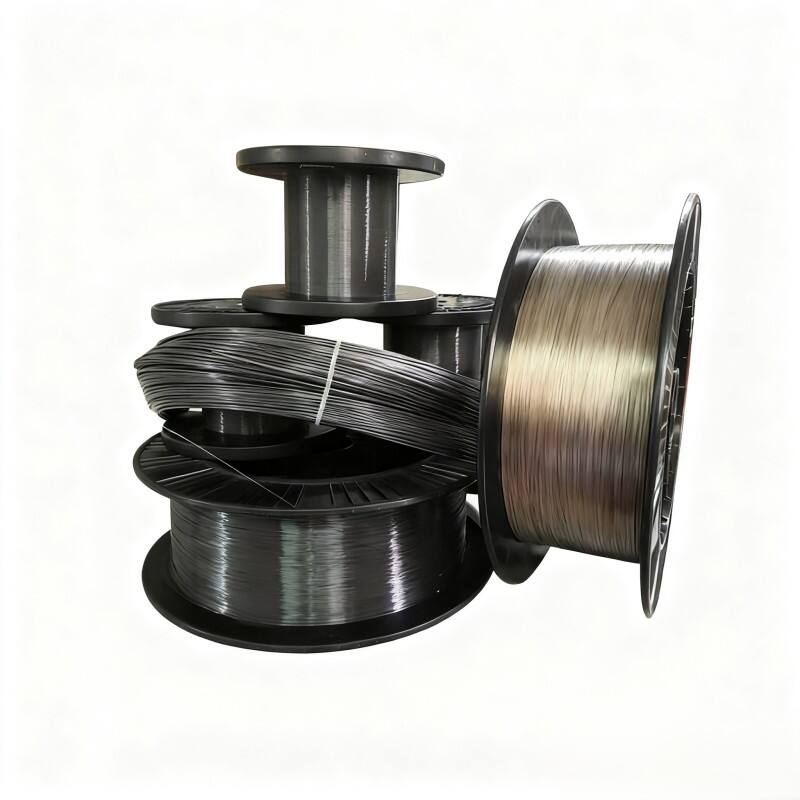
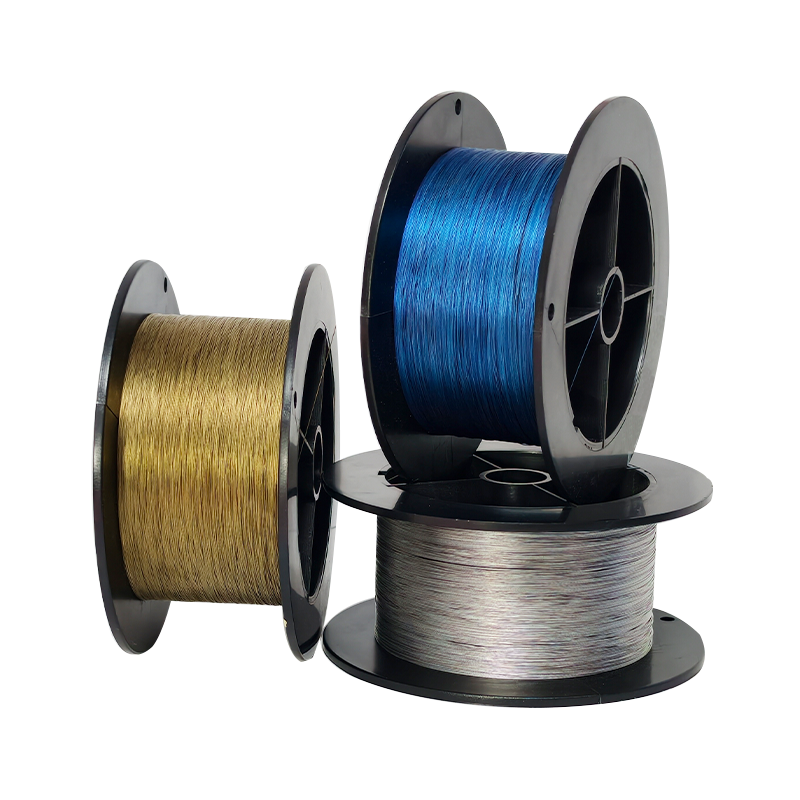
Memory Metal Wire: Smart Shape Memory Alloy Solutions for Precision Engineering

Get a Free Quote

Our representative will contact you soon.
Email
Name
Company Name
Message
0/1000

memory metal wire

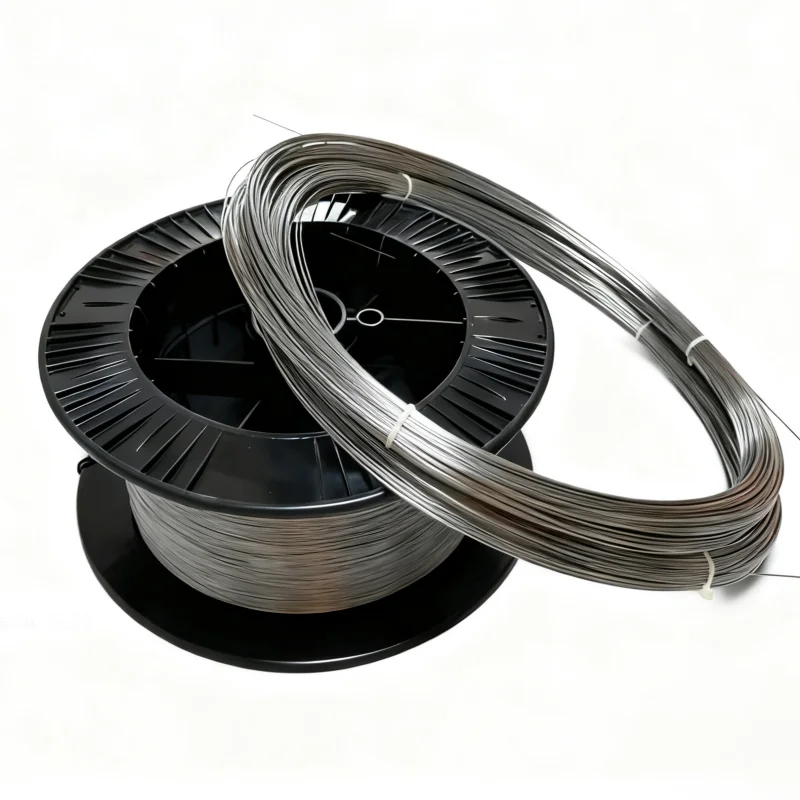
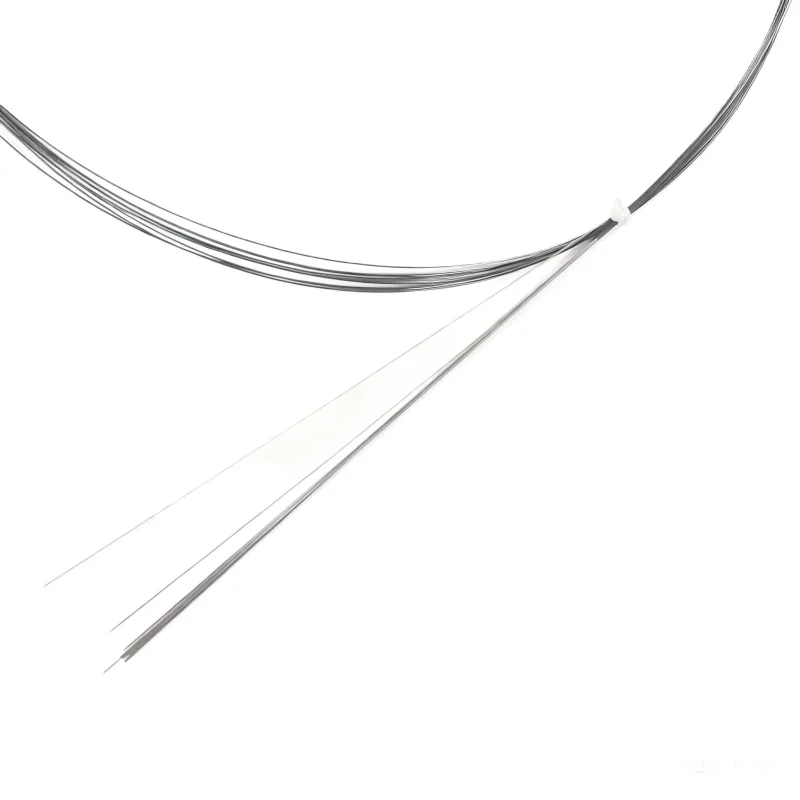
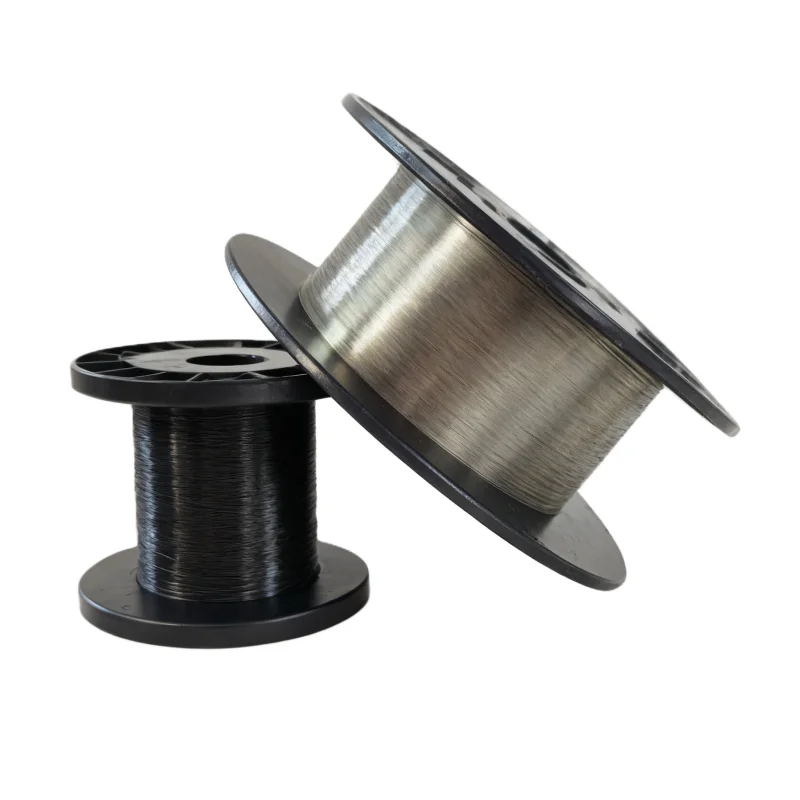
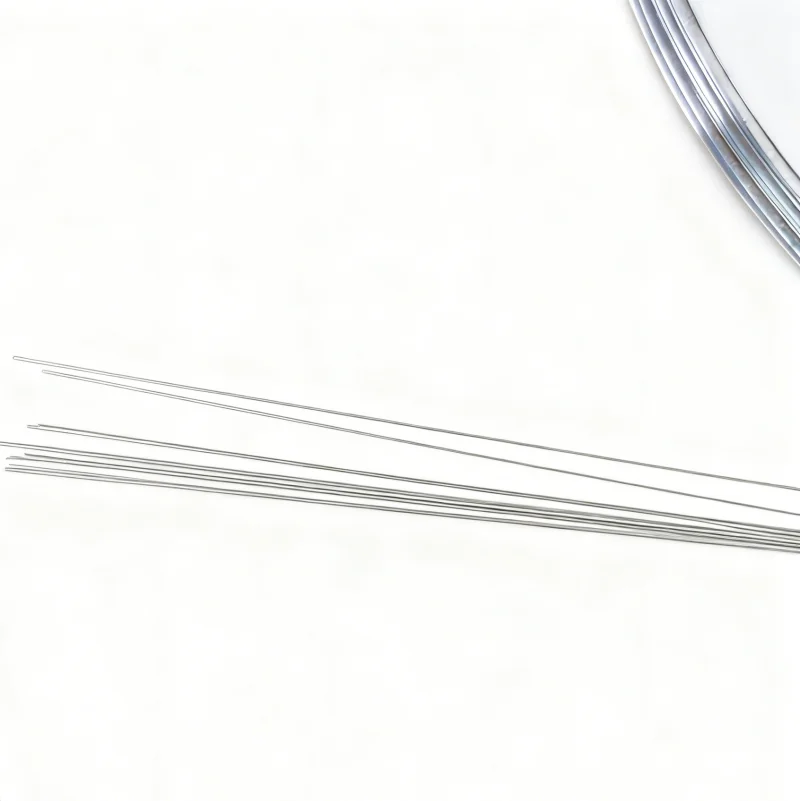
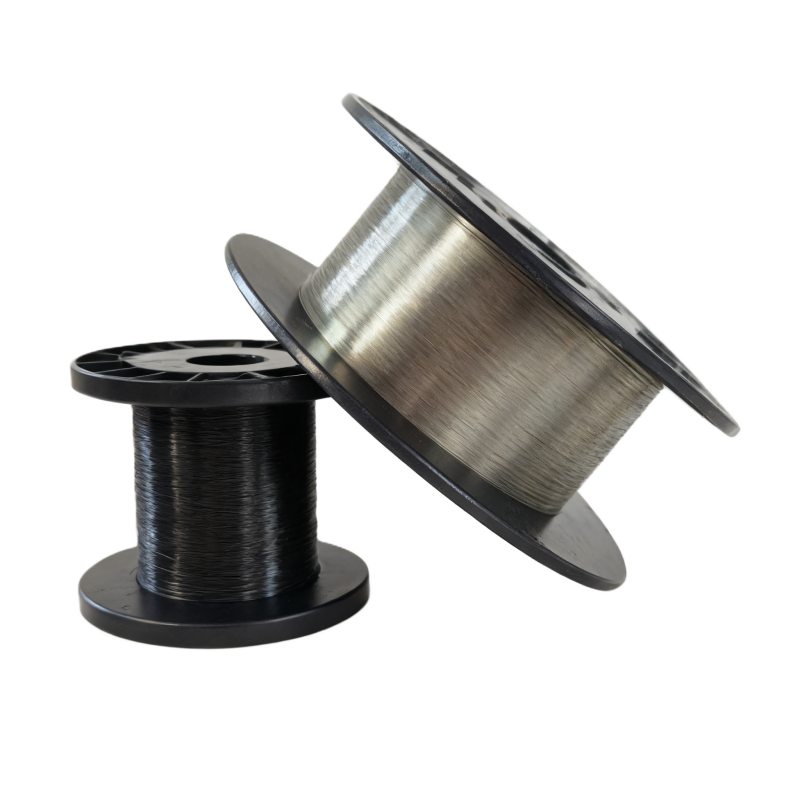
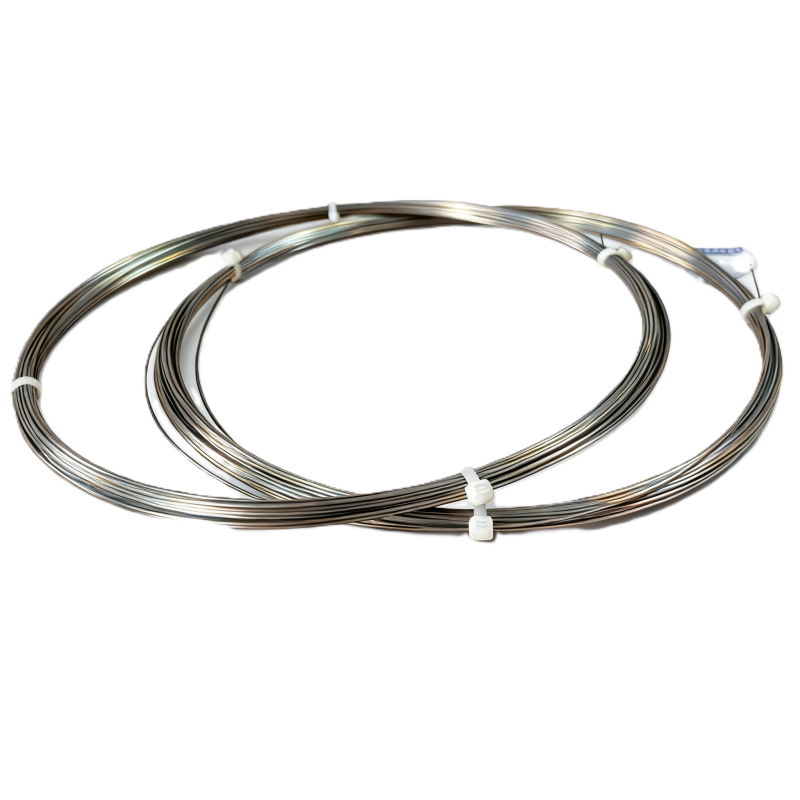
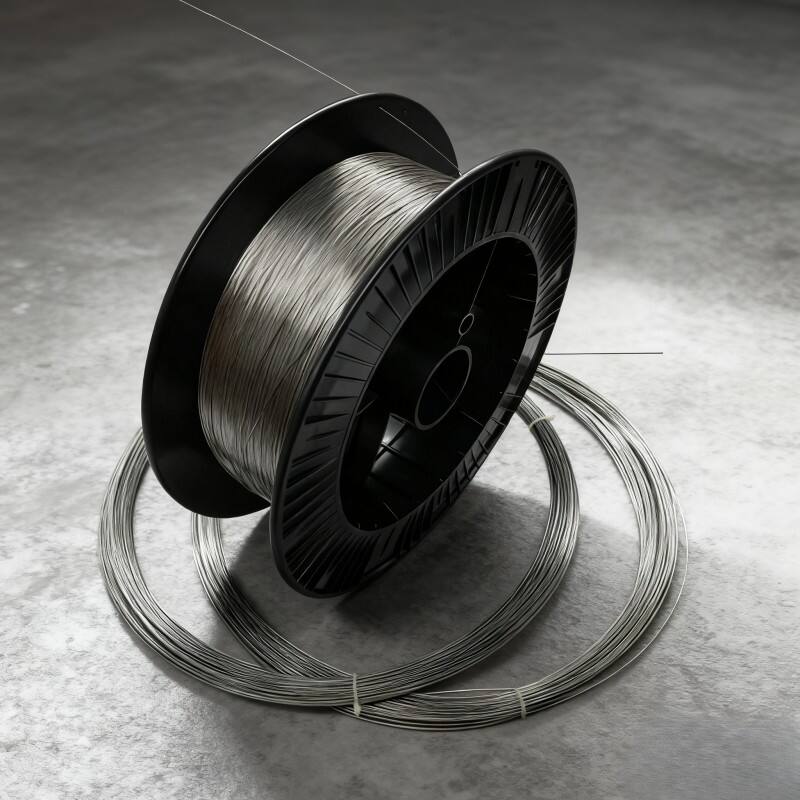
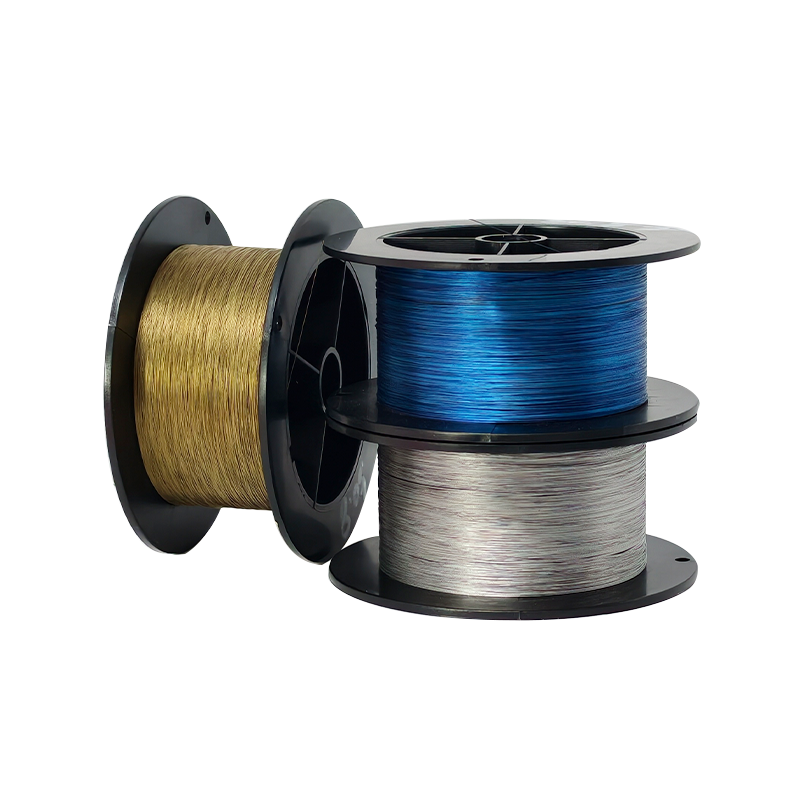
Memory metal wire is a remarkable engineering material that has transformed the way designers, engineers, and manufacturers approach complex mechanical and structural challenges. At its core, memory metal wire is made from shape memory alloys, most commonly nitinol, a nickel-titanium compound that exhibits two extraordinary properties: shape memory effect and superelasticity. These properties allow the wire to return to a pre-programmed shape after being deformed, making it one of the most versatile and intelligent materials available in modern manufacturing. The shape memory effect works through a temperature-driven phase transformation. When the wire is cooled, it enters a martensitic phase, becoming soft and easily deformable. Upon heating above a specific transition temperature, it reverts to its austenitic phase and recovers its original programmed shape with significant force. This behavior can be precisely engineered by adjusting the alloy composition and heat treatment process, giving manufacturers tight control over activation temperatures and mechanical response. Superelasticity, the second key property, allows memory metal wire to undergo large elastic deformations at constant temperature and spring back to its original form once the stress is removed. This makes it ideal for applications requiring repeated flexing without fatigue or permanent deformation. Memory metal wire finds applications across a wide range of industries. In the medical field, it is used in stents, guidewires, orthodontic archwires, and surgical tools that must navigate complex anatomical pathways. In aerospace and automotive engineering, it serves as actuators, vibration dampers, and smart fasteners. Consumer electronics benefit from its use in micro-actuators and flexible connectors. The robotics industry uses memory metal wire to create lightweight, compact artificial muscles. Its biocompatibility, corrosion resistance, and ability to perform reliably in demanding environments make memory metal wire a preferred choice for engineers seeking smart, durable, and efficient material solutions across virtually every sector of modern technology.

New Products

Memory metal wire delivers a set of practical benefits that make it stand out from conventional wire materials, and understanding these advantages helps customers make smarter purchasing and design decisions. First and most importantly, memory metal wire eliminates the need for complex mechanical systems. Traditional actuators and motion systems rely on motors, gears, springs, and linkages that add weight, bulk, and potential failure points. Memory metal wire replaces all of that with a single, lightweight strand that moves on its own when temperature changes. This simplification reduces manufacturing costs, lowers assembly time, and shrinks the overall footprint of a device or system. Second, memory metal wire is extraordinarily durable. It can cycle through its shape change transformation hundreds of thousands of times without breaking down or losing performance. Conventional springs and mechanical actuators wear out, corrode, or fatigue over time. Memory metal wire resists all of these failure modes, which means customers spend less on maintenance, replacement parts, and downtime. For industries where reliability is non-negotiable, such as medical devices, aerospace components, and industrial automation, this durability translates directly into lower total cost of ownership. Third, memory metal wire gives engineers precise, repeatable control. Because the activation temperature and recovery force can be tuned during manufacturing, customers get a wire that behaves exactly as needed for their specific application. There is no guesswork, no calibration drift, and no need for external sensors or feedback loops in many use cases. The wire simply does what it is designed to do, every single time. Fourth, memory metal wire is biocompatible and corrosion resistant. This makes it safe for use inside the human body and in harsh chemical or marine environments where other metals would degrade quickly. Medical device manufacturers rely on this property to build implants and minimally invasive surgical tools that patients can trust. Fifth, memory metal wire supports miniaturization. As products across every industry get smaller and more compact, the ability to build motion and actuation into a thin wire becomes enormously valuable. Wearable technology, micro-robotics, and portable medical devices all benefit from the space-saving nature of memory metal wire. Sixth, memory metal wire is energy efficient. It requires only a small amount of heat, often generated by passing a low electrical current through the wire, to trigger its shape change. Compared to electric motors or hydraulic systems, the energy consumption is minimal, which matters greatly in battery-powered or energy-constrained applications. Customers building IoT devices, drones, or portable instruments find that memory metal wire helps extend battery life while maintaining full functionality. Taken together, these advantages make memory metal wire a genuinely transformative material that empowers customers to build better products with fewer components, lower costs, and higher reliability than ever before.

Latest News

Why is high-stability Nitinol the first choice for equipment in extreme conditions?

12

May

Why is high-stability Nitinol the first choice for equipment in extreme conditions?

When equipment must perform reliably under mechanical stress, thermal cycling, and repeated deformation, material selection becomes a critical engineering decision. Nitinol, the nickel-titanium shape memory alloy, has earned a dominant position in de...
View More
Why do full-chain manufacturers provide a more stable supply of SMA wire?

14

May

Why do full-chain manufacturers provide a more stable supply of SMA wire?

In industrial and medical procurement, supply chain reliability is not a luxury — it is a fundamental requirement. When sourcing SMA wire, the type of manufacturer you partner with has a direct and measurable impact on delivery consistency, material ...
View More
Why do orthodontists prefer using orthodontic wire with shape memory?

15

May

Why do orthodontists prefer using orthodontic wire with shape memory?

In modern orthodontic practice, the materials used to move teeth are just as important as the clinical techniques applied. Among the many innovations that have transformed the field, orthodontic wire with shape memory stands out as one of the most cl...
View More
How to identify high-quality Nitinol sources with a 21-year background?

01

Jun

How to identify high-quality Nitinol sources with a 21-year background?

Sourcing Nitinol for industrial, medical, or specialty applications is not a decision that should be made lightly. Nitinol, the nickel-titanium shape memory alloy renowned for its superelastic behavior and thermal responsiveness, demands a level of m...
View More

Get a Free Quote

Our representative will contact you soon.
Email
Name
Company Name
Message
0/1000

memory metal wire

Precision Shape Recovery That Works Every Time

Precision Shape Recovery That Works Every Time

One of the most compelling features of memory metal wire is its ability to recover its exact pre-programmed shape with remarkable precision, cycle after cycle, without any loss of accuracy or performance. This is not a rough approximation or a gradual drift back toward an original position. It is a complete, controlled, and repeatable transformation that engineers can depend on in the most demanding applications. The science behind this precision lies in the crystalline structure of the shape memory alloy. When memory metal wire is manufactured, it undergoes a thermomechanical training process that encodes a specific shape into the material at the atomic level. This trained shape becomes the wire's default state in its high-temperature austenitic phase. Every time the wire is heated above its transition temperature, the crystal lattice snaps back to that encoded configuration with the same force and the same geometry. There is no mechanical wear, no spring fatigue, and no gradual loss of stroke over time. For customers, this precision translates into real-world reliability that is difficult to achieve with conventional mechanical systems. Consider a medical device that must open a stent to an exact diameter inside a blood vessel. A fraction of a millimeter too wide or too narrow can have serious consequences. Memory metal wire delivers the dimensional accuracy required because its recovery geometry is built into the material itself, not dependent on external calibration or adjustment. In industrial automation, precision shape recovery means that robotic grippers, clamps, and positioning systems built with memory metal wire maintain their accuracy over millions of operating cycles. Manufacturers do not need to schedule recalibration downtime or replace worn components. The wire performs identically on cycle one and cycle one million. This consistency also simplifies quality control. When a component built with memory metal wire leaves the factory, its behavior is predictable and verifiable. Engineers can test a sample and trust that every unit in the production run will perform the same way. That level of confidence is invaluable in regulated industries like aerospace and medical devices, where documentation and traceability of component performance are mandatory. The precision of memory metal wire also enables new design possibilities. Engineers can program multiple shape states into a single wire, creating components that move through a defined sequence of positions in response to temperature changes. This multi-state capability opens the door to sophisticated mechanisms that would require several separate parts if built with conventional materials, further reducing complexity and improving system reliability.
Superelastic Flexibility Without Permanent Deformation

Superelastic Flexibility Without Permanent Deformation

Superelasticity is the second defining property of memory metal wire, and it is just as impressive and practically valuable as the shape memory effect. While shape memory describes what happens when temperature changes, superelasticity describes what happens under mechanical stress at a constant temperature. When memory metal wire is bent, stretched, or compressed beyond what any ordinary metal wire could tolerate, it does not stay deformed. It springs back completely to its original shape the moment the stress is released. This behavior occurs because the applied force temporarily converts the wire's crystal structure from austenite to martensite, and when the force is removed, the structure reverts and the wire recovers. The practical implications of superelasticity are enormous across many industries. In orthodontics, memory metal wire archwires apply a gentle, continuous force to teeth over a long period without needing frequent adjustments. A conventional stainless steel wire would either be too stiff to bend comfortably into place or too soft to maintain consistent pressure. Memory metal wire threads easily into brackets even when teeth are severely misaligned, then exerts a steady corrective force as it tries to return to its straight programmed shape. Patients experience less discomfort and fewer office visits, while orthodontists achieve better clinical outcomes. In the eyewear industry, superelastic memory metal wire frames can be twisted, sat on, and bent dramatically without breaking or losing their shape. This durability is a major selling point for customers who want glasses that survive the rigors of daily life. The frames return to their original geometry every time, eliminating the frustration of bent frames that never quite look right again. For engineers designing flexible electronics, catheters, guidewires, and minimally invasive surgical instruments, superelasticity means the device can navigate tight curves and complex pathways inside the body or within a machine without kinking or permanently deforming. A kinked guidewire in a surgical procedure is a serious problem. Memory metal wire eliminates that risk entirely. The fatigue resistance that comes with superelasticity is equally important. Conventional metals accumulate microscopic damage with each bending cycle, eventually leading to fracture. Memory metal wire distributes stress through its phase transformation mechanism rather than through plastic deformation, which means it can endure millions of flex cycles without cracking. For any application involving repeated motion, vibration, or cyclic loading, this fatigue resistance dramatically extends product lifespan and reduces the risk of unexpected failure.
Biocompatibility and Corrosion Resistance for Demanding Environments

Biocompatibility and Corrosion Resistance for Demanding Environments

Memory metal wire, particularly nitinol-based alloys, possesses a natural oxide layer that makes it highly resistant to corrosion and fully biocompatible with human tissue. These two properties together open up a vast range of applications that would be impossible or unsafe with conventional metal wires, and they represent a significant competitive advantage for customers operating in medical, marine, chemical, and food processing industries. Biocompatibility means that memory metal wire does not trigger an immune response, does not leach harmful ions into surrounding tissue, and does not degrade when exposed to bodily fluids over extended periods. This is why nitinol memory metal wire has become the material of choice for cardiovascular stents, orthopedic staples, spinal implants, and a growing list of minimally invasive surgical devices. Regulatory agencies around the world have approved nitinol for long-term implantation, giving medical device manufacturers a clear path to market when they build with memory metal wire. For patients, this means safer implants with longer service lives and fewer revision surgeries. For manufacturers, it means access to the high-value medical device market with a material that meets the strictest safety standards. Corrosion resistance extends the value of memory metal wire far beyond the medical field. In marine environments, conventional steel and copper wires corrode rapidly when exposed to saltwater, leading to structural failures and costly replacements. Memory metal wire maintains its mechanical properties and surface integrity even after prolonged exposure to seawater, making it suitable for underwater robotics, oceanographic instruments, and offshore equipment. In chemical processing plants, where wires and actuators may be exposed to acids, solvents, and oxidizing agents, memory metal wire holds up where other materials fail. The same corrosion resistance that protects it in the ocean protects it in industrial reactors and laboratory equipment. Food processing is another area where corrosion resistance matters enormously. Equipment that contacts food must be easy to clean, resistant to sanitizing chemicals, and free from any risk of contamination. Memory metal wire meets all of these requirements, enabling its use in automated food handling, sorting, and packaging machinery. The combination of biocompatibility and corrosion resistance also simplifies sterilization. Memory metal wire can be autoclaved, gamma irradiated, or chemically sterilized without degrading its shape memory or mechanical properties. This makes it practical for reusable surgical instruments that must withstand repeated sterilization cycles throughout their service life, delivering long-term value to healthcare facilities and reducing medical waste.
Memory Metal Wire: Smart Shape Memory Alloy Solutions for Precision Engineering

Get a Free Quote

Our representative will contact you soon.
Email
Name
Company Name
Message
0/1000
Newsletter
Please Leave A Message With Us