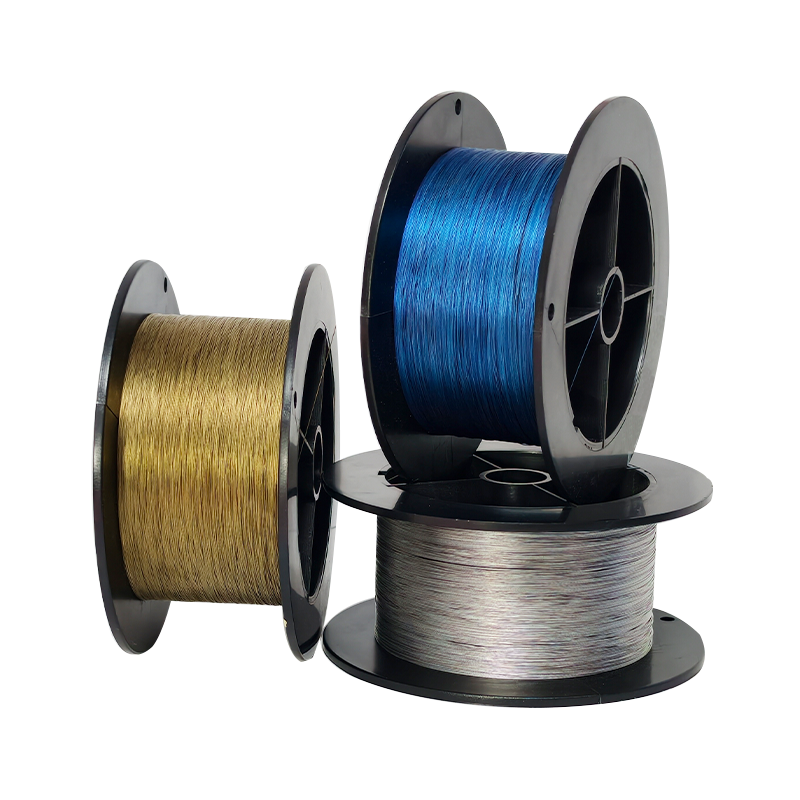
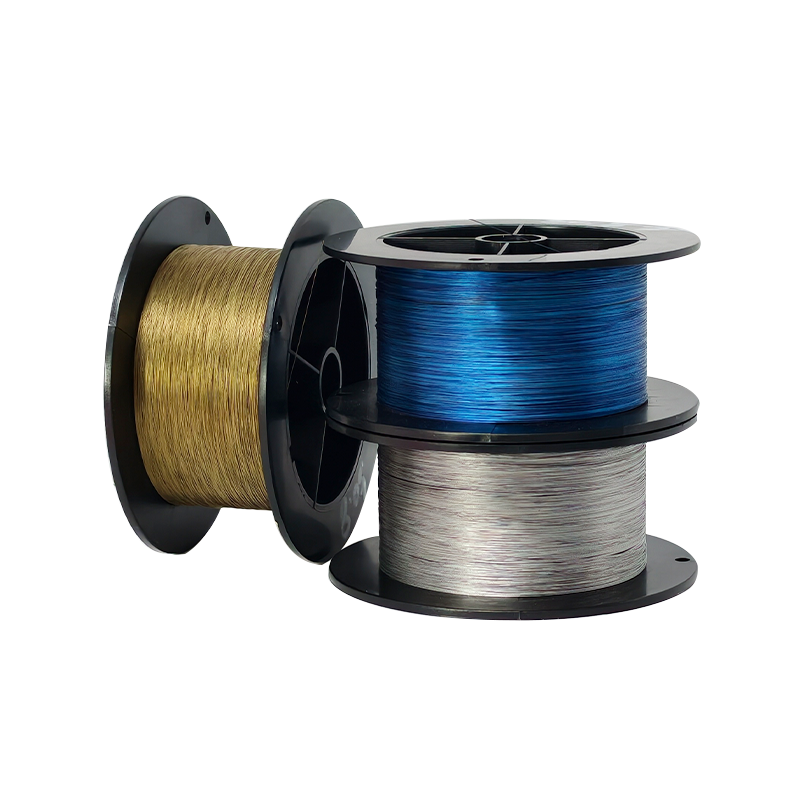
Nitinol Wire Actuator: Precision Motion, Silent Operation, and Proven Reliability

Get a Free Quote

Our representative will contact you soon.
Email
Name
Company Name
Message
0/1000

nitinol wire actuator

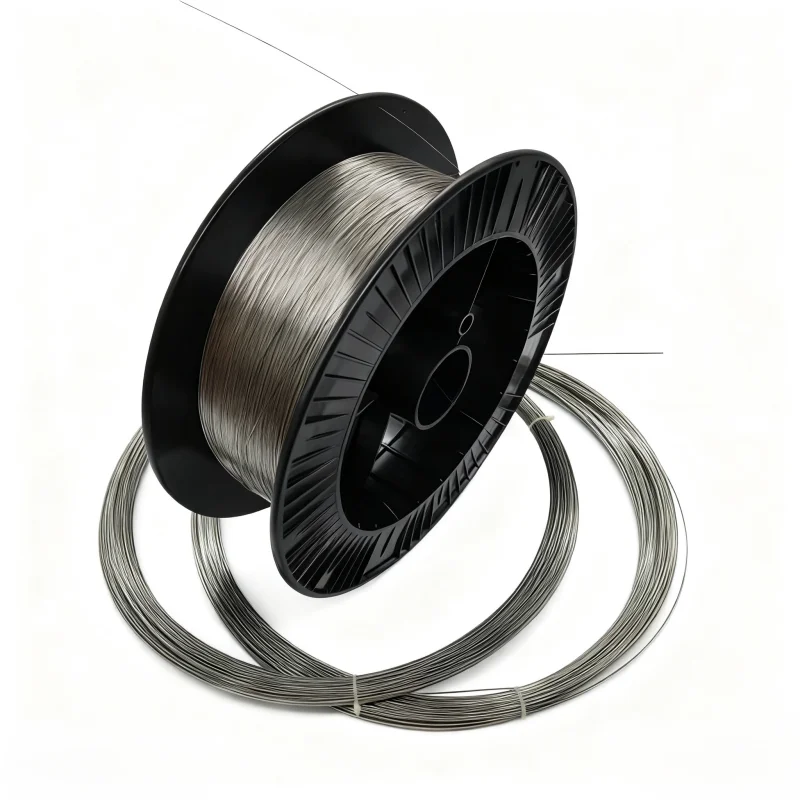
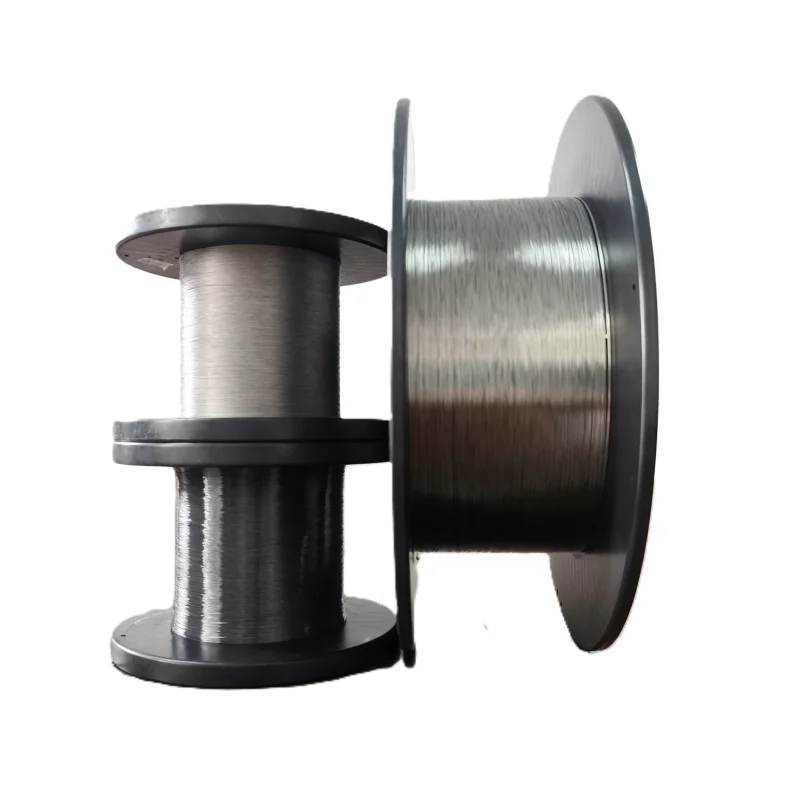
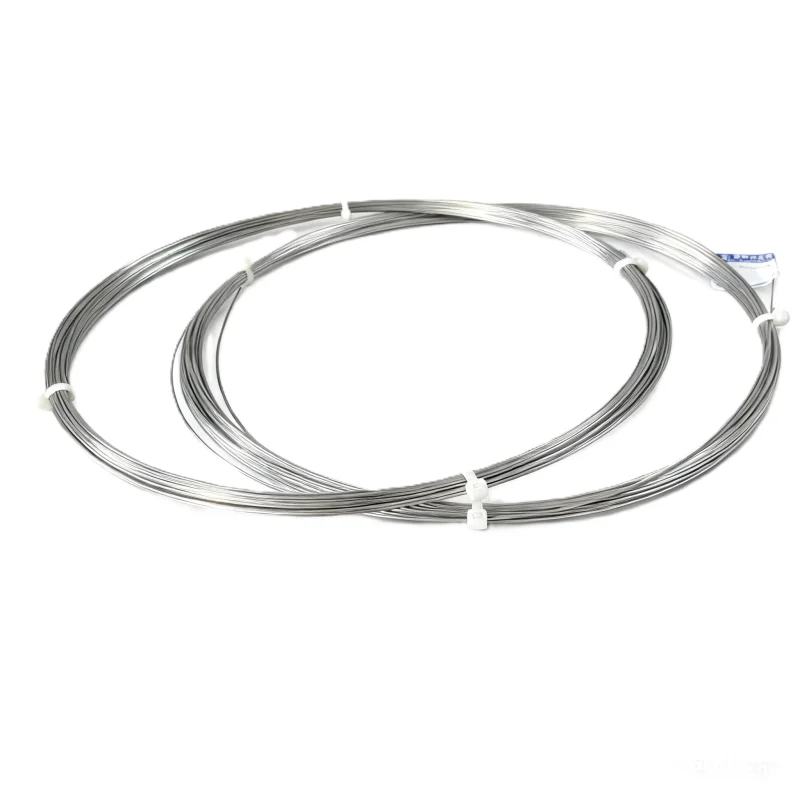
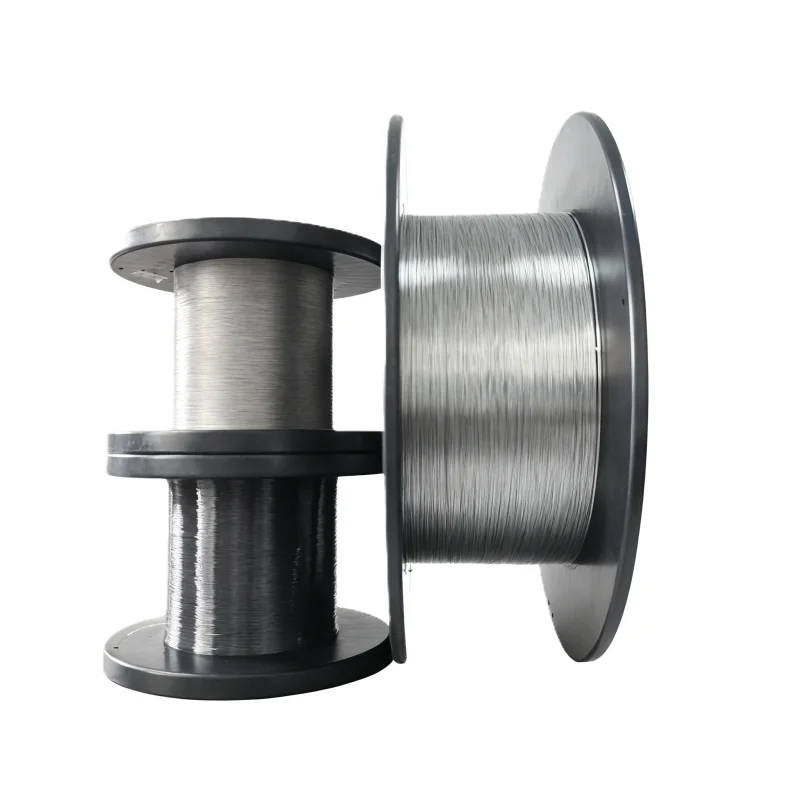
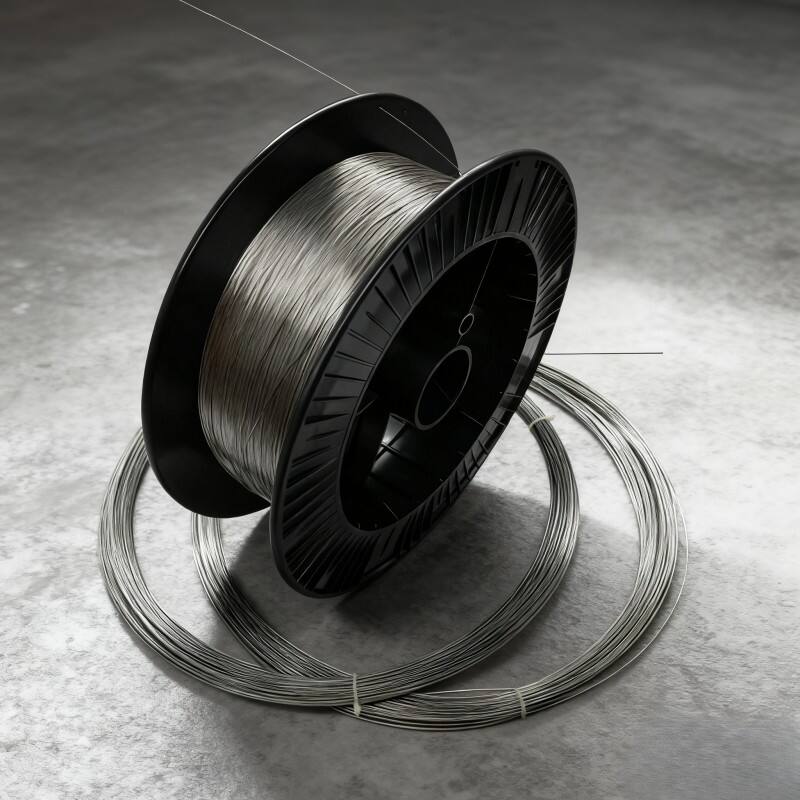
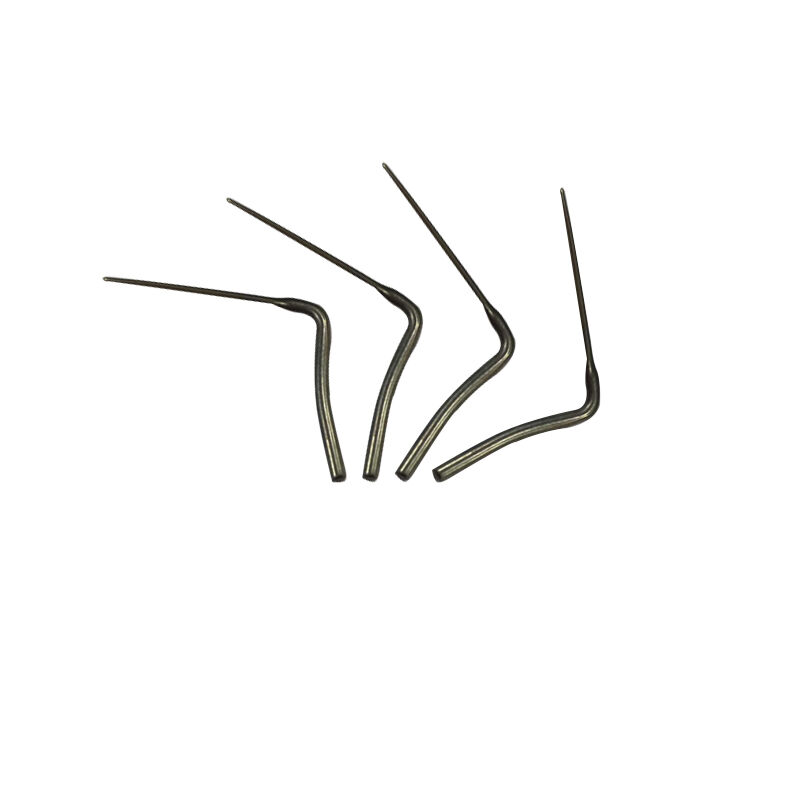
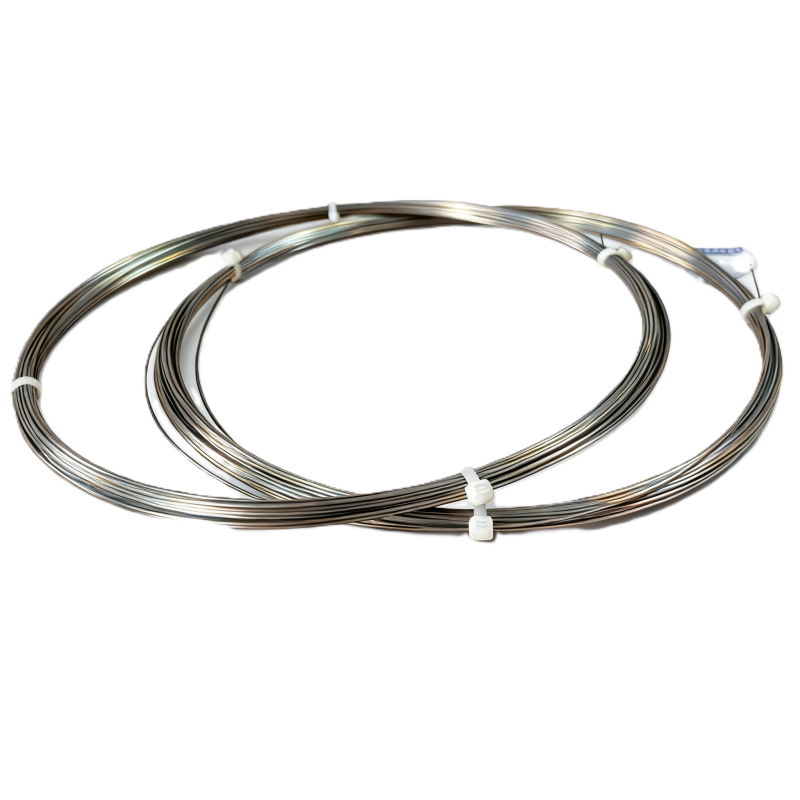
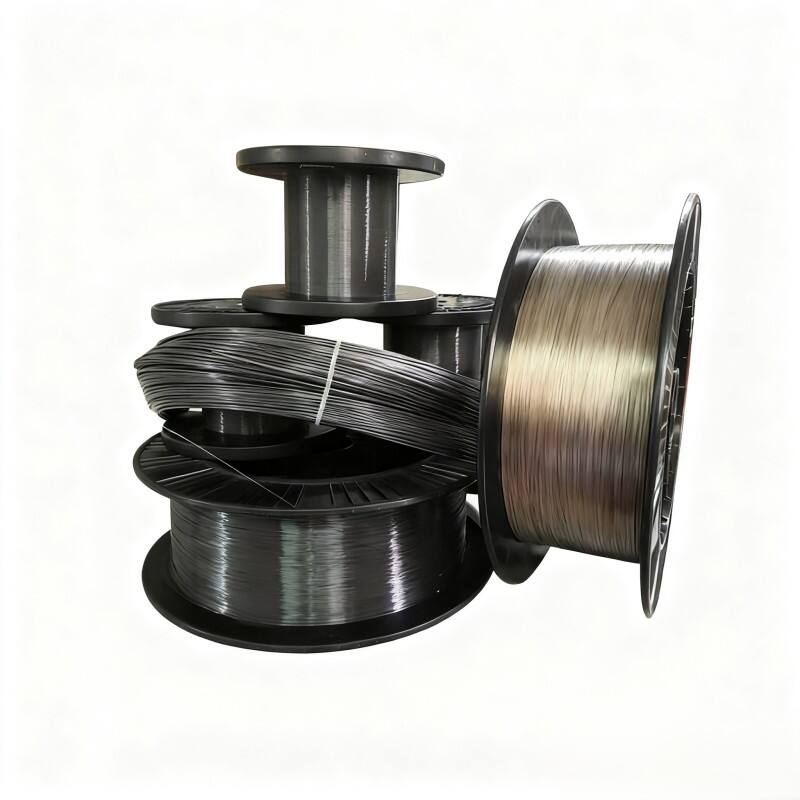
The nitinol wire actuator is a precision motion device built on the unique properties of nitinol, a nickel-titanium shape memory alloy. At its core, the nitinol wire actuator converts thermal energy into mechanical movement by exploiting the shape memory effect and superelastic behavior inherent to the alloy. When heated above a specific transformation temperature, the nitinol wire contracts with considerable force, returning to a pre-programmed shape. When cooled, it reverts to its deformed state, ready for the next actuation cycle. This repeatable, reversible motion makes the nitinol wire actuator a compelling alternative to conventional electromagnetic solenoids, pneumatic cylinders, and servo motors in applications where space, weight, and silent operation are critical constraints. From a technological standpoint, the nitinol wire actuator operates without gears, coils, or magnetic components, which dramatically reduces mechanical complexity and eliminates electromagnetic interference. The alloy itself is biocompatible, corrosion-resistant, and capable of withstanding millions of actuation cycles under proper loading conditions. Engineers can tune the transformation temperature of the nitinol wire actuator by adjusting the nickel-to-titanium ratio during manufacturing, enabling designs optimized for body-temperature activation, ambient-temperature cycling, or elevated-temperature industrial environments. Wire diameters typically range from 25 micrometers to over 500 micrometers, allowing force outputs from a few grams to several hundred grams depending on cross-sectional area and configuration. The nitinol wire actuator finds application across a remarkably broad spectrum of industries. In medical devices, it drives minimally invasive surgical tools, drug delivery systems, and implantable mechanisms. In consumer electronics, it enables compact camera autofocus modules and haptic feedback systems. Robotics engineers deploy the nitinol wire actuator in soft robotic grippers and biomimetic limbs. Aerospace and automotive designers use it for active flow control surfaces and adaptive ventilation systems. The combination of high power-to-weight ratio, silent operation, and design flexibility positions the nitinol wire actuator as a transformative technology for next-generation product development across virtually every engineering discipline.

New Product Releases

The nitinol wire actuator delivers a set of practical benefits that directly address the real-world challenges engineers and product designers face every day. Understanding these advantages helps you make smarter decisions when selecting motion components for your next project. First, the nitinol wire actuator is extraordinarily lightweight. Because it replaces bulky motors, gearboxes, and solenoids with a thin metallic wire, your finished product weighs less. Less weight means lower shipping costs, easier handling, and better performance in portable or wearable applications. A drone, a surgical instrument, or a wearable health monitor all benefit immediately from shedding unnecessary mass. Second, the nitinol wire actuator operates in complete silence. There are no spinning magnets, no clicking relays, and no humming coils. The wire simply contracts and relaxes. For consumer products used in quiet environments, medical devices deployed near sleeping patients, or precision instruments in noise-sensitive laboratories, silent operation is not a luxury but a necessity. The nitinol wire actuator delivers that silence without any additional engineering effort. Third, the nitinol wire actuator takes up very little space. Its form factor is essentially a wire, which means it fits into enclosures and assemblies where no conventional actuator could ever go. Product designers gain freedom to create thinner, sleeker, and more ergonomic designs without sacrificing functionality. This spatial efficiency is a direct competitive advantage in markets where miniaturization drives purchasing decisions. Fourth, the nitinol wire actuator is highly reliable over long service lives. The alloy resists corrosion, tolerates a wide range of environmental conditions, and can complete millions of cycles when operated within its design parameters. Fewer failures mean lower warranty costs, higher customer satisfaction, and a stronger brand reputation. Fifth, the nitinol wire actuator is biocompatible, making it safe for use in medical implants and devices that contact human tissue. Regulatory approval pathways are smoother when your core motion component already meets biocompatibility standards. Sixth, the nitinol wire actuator requires no lubrication, no magnetic shielding, and no complex drive electronics beyond a simple current source. Maintenance demands drop significantly, and integration into existing electronic systems becomes straightforward. Seventh, the nitinol wire actuator can be customized to activate at specific temperatures by adjusting alloy composition during production. This means you can design a device that responds to body heat, ambient room temperature, or a controlled electrical heating pulse, giving you precise control over when and how motion occurs. Taken together, these advantages make the nitinol wire actuator a practical, cost-effective, and versatile choice for engineers who need reliable motion in compact, lightweight, and quiet packages. Whether you are developing a next-generation medical device, a consumer gadget, or an industrial automation component, the nitinol wire actuator gives you the performance edge your product needs to stand out in a competitive market.

Latest News

Why do orthodontists prefer using orthodontic wire with shape memory?

15

May

Why do orthodontists prefer using orthodontic wire with shape memory?

In modern orthodontic practice, the materials used to move teeth are just as important as the clinical techniques applied. Among the many innovations that have transformed the field, orthodontic wire with shape memory stands out as one of the most cl...
View More
Why do full-process manufacturers provide higher performance Nitinol SMA?

20

May

Why do full-process manufacturers provide higher performance Nitinol SMA?

When engineers and procurement specialists evaluate materials for high-precision medical devices, aerospace components, or advanced actuator systems, the source of the material matters as much as the material itself. Nitinol SMA — the nickel-titanium...
View More
Why is a brand with a 5,000m² factory more professional in Nitinol customization?

22

May

Why is a brand with a 5,000m² factory more professional in Nitinol customization?

When sourcing advanced shape memory alloys for medical devices, aerospace components, or industrial actuators, the manufacturing environment behind a supplier tells you far more than a product catalog ever could. Nitinol customization is a precision-...
View More
Why should you prioritize the manufacturer's R&D center when choosing partners?

02

Jun

Why should you prioritize the manufacturer's R&D center when choosing partners?

When evaluating potential manufacturing partners, most procurement teams focus on price, lead time, and production capacity. These are legitimate criteria, but they often overlook one of the most telling indicators of long-term value: the strength an...
View More

Get a Free Quote

Our representative will contact you soon.
Email
Name
Company Name
Message
0/1000

nitinol wire actuator

Unmatched Miniaturization: Motion Without the Bulk

Unmatched Miniaturization: Motion Without the Bulk

One of the most transformative qualities of the nitinol wire actuator is its ability to deliver meaningful mechanical force from an almost impossibly small package. Traditional actuators rely on wound copper coils, permanent magnets, pneumatic chambers, or hydraulic pistons to generate motion. Each of these approaches demands physical volume, and that volume imposes hard limits on how small a product can be. The nitinol wire actuator breaks that constraint entirely. Because the active element is a wire, sometimes thinner than a human hair, the entire motion system can be integrated into spaces measured in millimeters. This miniaturization capability is not merely a convenience. It is a fundamental enabler for entire product categories that could not exist otherwise. Consider the modern smartphone camera. Consumers expect optical image stabilization and fast autofocus in a module only a few millimeters thick. The nitinol wire actuator makes that possible by moving lens elements with sub-millimeter precision while consuming almost no volume inside the camera assembly. The same principle applies to minimally invasive surgical tools, where a nitinol wire actuator can articulate the tip of a catheter or endoscope through a lumen only a few millimeters in diameter, giving surgeons dexterous control in anatomical spaces that no motor-driven device could ever reach. For wearable technology, the nitinol wire actuator enables haptic feedback, adjustable fit mechanisms, and active ventilation in garments and accessories that must remain comfortable and unobtrusive against the skin. The wire adds negligible weight and zero rigid bulk, preserving the soft, flexible character of the wearable form factor. Engineers working on micro-robotics and soft robotics find the nitinol wire actuator equally indispensable. Building a robotic hand that mimics the dexterity of human fingers requires actuators that fit within finger-sized structures and generate forces comparable to human tendons. The nitinol wire actuator meets both requirements simultaneously. Its high force-to-volume ratio, typically far superior to that of electromagnetic alternatives at the same scale, means that miniaturization does not come at the cost of performance. Customers who choose the nitinol wire actuator for miniaturization gain a genuine design advantage: the freedom to create products that are smaller, lighter, and more capable than anything their competitors can build with conventional motion technology.
Silent and Clean Operation: Performance Without Interference

Silent and Clean Operation: Performance Without Interference

The nitinol wire actuator generates motion through a solid-state phase transformation within the alloy itself. There are no rotating parts, no oscillating armatures, no fluid flows, and no electrical arcs. The practical consequence of this physics is that the nitinol wire actuator operates in near-perfect silence and produces no electromagnetic emissions during actuation. For a growing number of applications, these characteristics are not optional extras but absolute requirements. In medical environments, noise is a source of patient stress and clinical distraction. Devices that click, hum, or buzz draw attention and can interfere with the calm, controlled atmosphere that healthcare professionals work hard to maintain. A drug delivery pump, an implantable valve, or a diagnostic instrument driven by a nitinol wire actuator introduces no acoustic signature into that environment. Patients experience less anxiety, and clinicians can focus entirely on the procedure rather than managing device noise. In precision measurement and scientific instrumentation, electromagnetic interference from conventional actuators can corrupt sensor readings, destabilize feedback loops, and introduce systematic errors that are difficult to diagnose and eliminate. The nitinol wire actuator produces no magnetic field during operation, making it the natural choice for positioning stages, optical alignment systems, and analytical instruments where signal integrity is paramount. Consumer electronics benefit from silent operation in a different but equally important way. Users associate quiet devices with quality and refinement. A camera that focuses silently, a laptop vent that adjusts without whirring, or a wearable that provides haptic feedback without audible clicking all deliver a premium user experience that commands higher price points and stronger brand loyalty. The nitinol wire actuator also produces no particulate contamination, no outgassing from lubricants, and no wear debris from brushes or gears. In cleanroom manufacturing, semiconductor fabrication, and pharmaceutical production, contamination control is a regulatory and operational priority. The nitinol wire actuator fits naturally into these environments, reducing contamination risk without requiring special enclosures or filtration systems. Choosing the nitinol wire actuator for silent, clean applications means choosing a component that enhances product quality, protects sensitive processes, and satisfies the most demanding operational environments without compromise.
Long Service Life and Biocompatibility: Built to Last and Safe by Design

Long Service Life and Biocompatibility: Built to Last and Safe by Design

Reliability and safety are the two qualities that determine whether a motion component earns a place in a long-term product design or gets replaced after the first field failure. The nitinol wire actuator excels on both dimensions, and understanding why helps engineers and procurement teams make confident sourcing decisions. The nickel-titanium alloy at the heart of every nitinol wire actuator is inherently resistant to corrosion. Unlike steel springs, copper coils, or aluminum housings, nitinol does not oxidize readily in humid air, saline solutions, or mildly acidic environments. This corrosion resistance translates directly into consistent performance over the product lifetime. The mechanical properties of the nitinol wire actuator remain stable across thousands to millions of actuation cycles when the device is operated within its specified strain and temperature limits. Fatigue life is predictable and well-characterized in the engineering literature, giving designers the data they need to validate long-term reliability with confidence. For medical device manufacturers, the biocompatibility of the nitinol wire actuator is a decisive advantage. Nitinol has a decades-long clinical track record in cardiovascular stents, orthodontic archwires, and orthopedic implants. Regulatory agencies around the world recognize its safety profile, and the material meets the requirements of ISO 10993 biocompatibility testing standards. When a nitinol wire actuator is incorporated into an implantable device or a tool that contacts blood or tissue, the path to regulatory clearance is shorter and more predictable than it would be with an unproven material. Beyond medical applications, the long service life of the nitinol wire actuator reduces total cost of ownership across industrial and consumer applications. Fewer replacements mean lower maintenance labor costs, less downtime, and reduced spare parts inventory. For products deployed in remote or inaccessible locations, such as aerospace mechanisms, subsea instruments, or infrastructure monitoring systems, the ability to rely on the nitinol wire actuator for years without intervention is not just convenient but essential. Customers who prioritize durability and safety find that the nitinol wire actuator delivers both without requiring design compromises, making it the responsible and economical choice for demanding long-life applications.
Nitinol Wire Actuator: Precision Motion, Silent Operation, and Proven Reliability

Get a Free Quote

Our representative will contact you soon.
Email
Name
Company Name
Message
0/1000
Newsletter
Please Leave A Message With Us