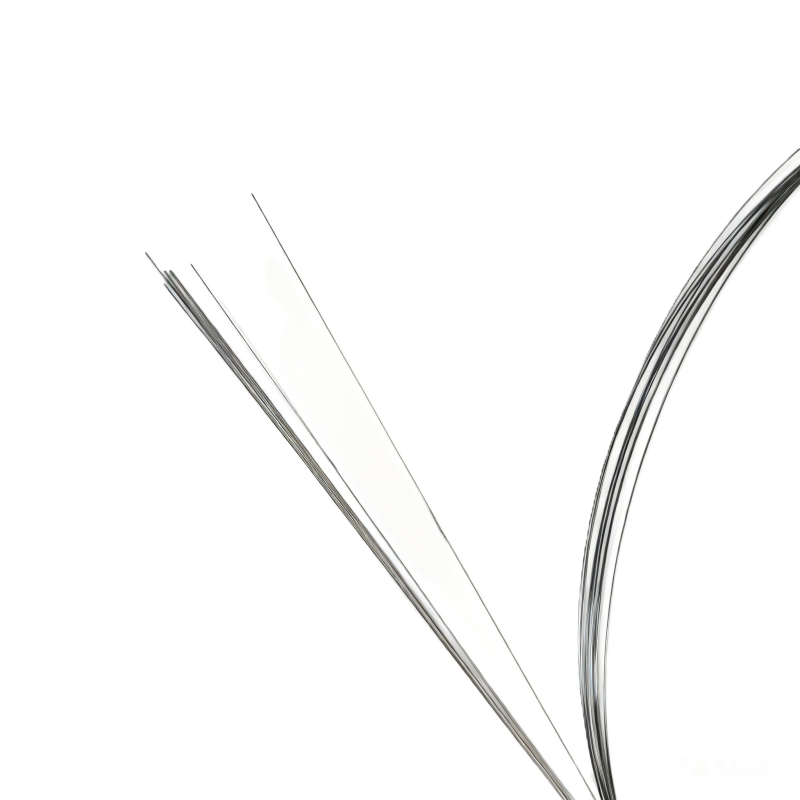
Shape Memory Nitinol Wire: Smart Alloy Solutions for Medical, Aerospace and Industrial Applications

Get a Free Quote

Our representative will contact you soon.
Email
Name
Company Name
Message
0/1000

shape memory nitinol wire

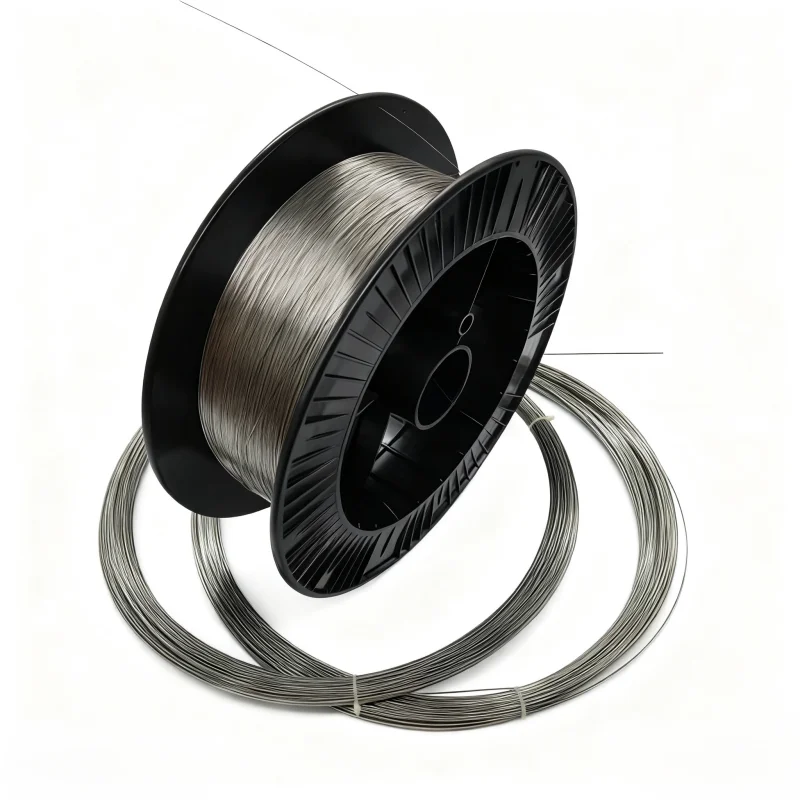
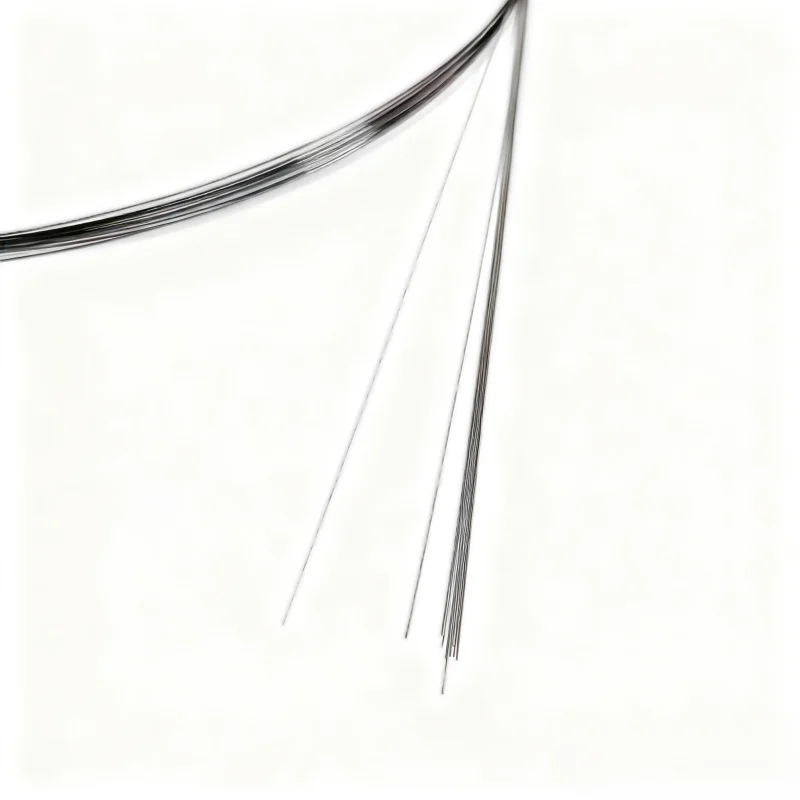
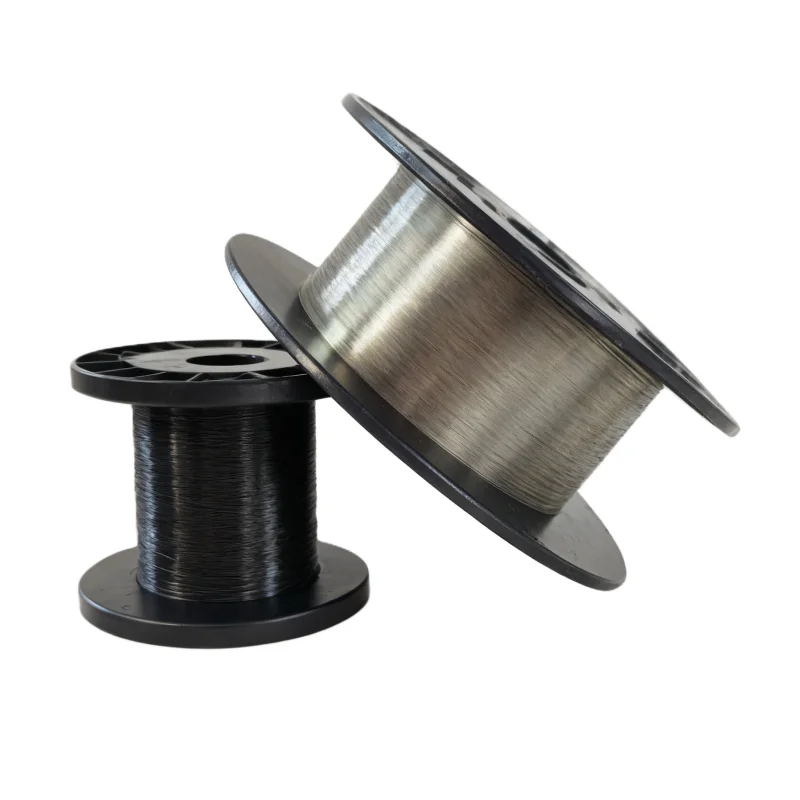
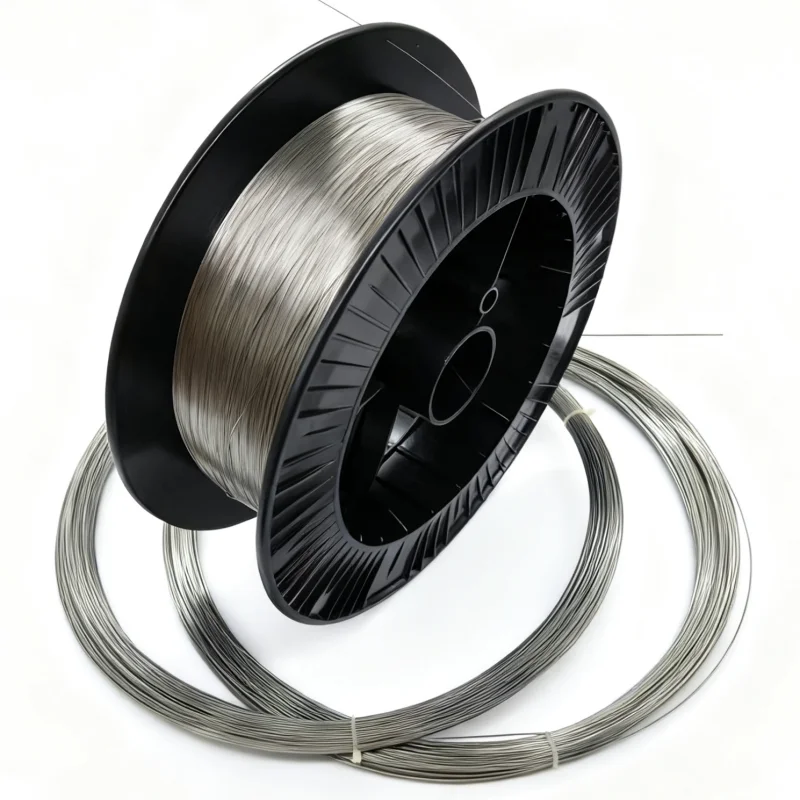
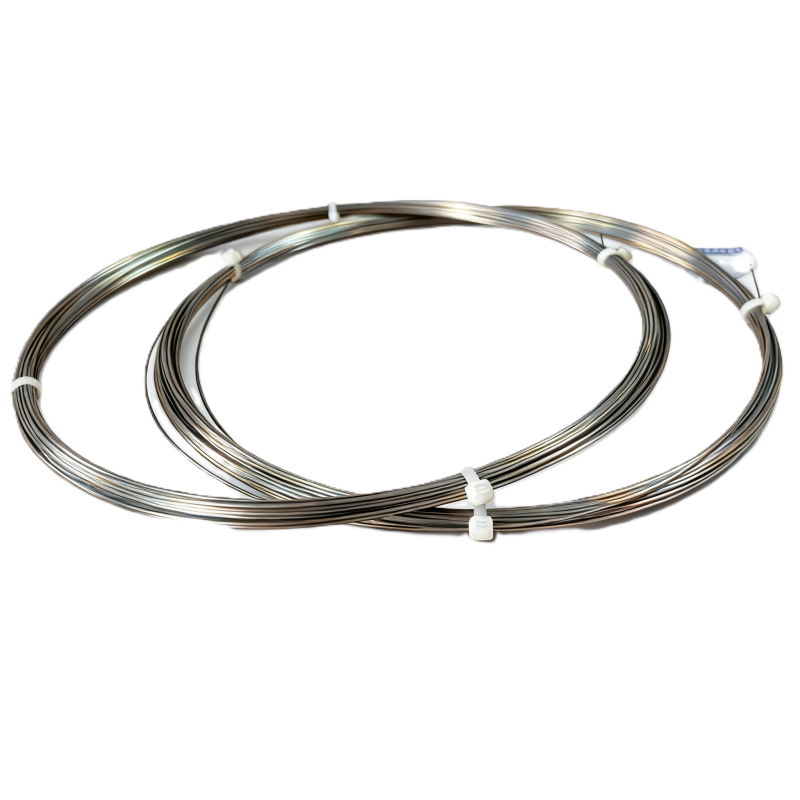
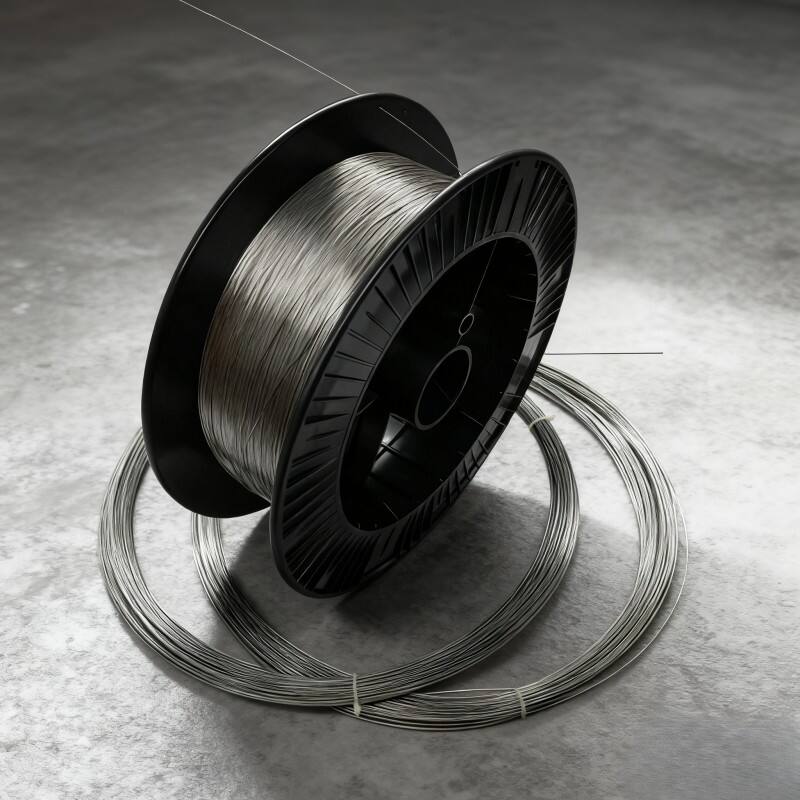
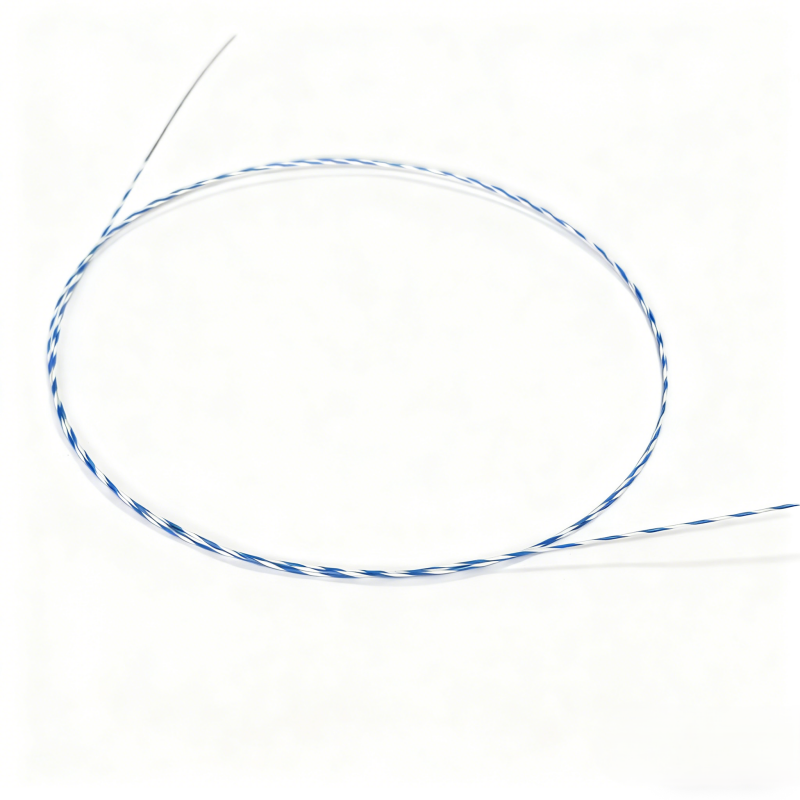
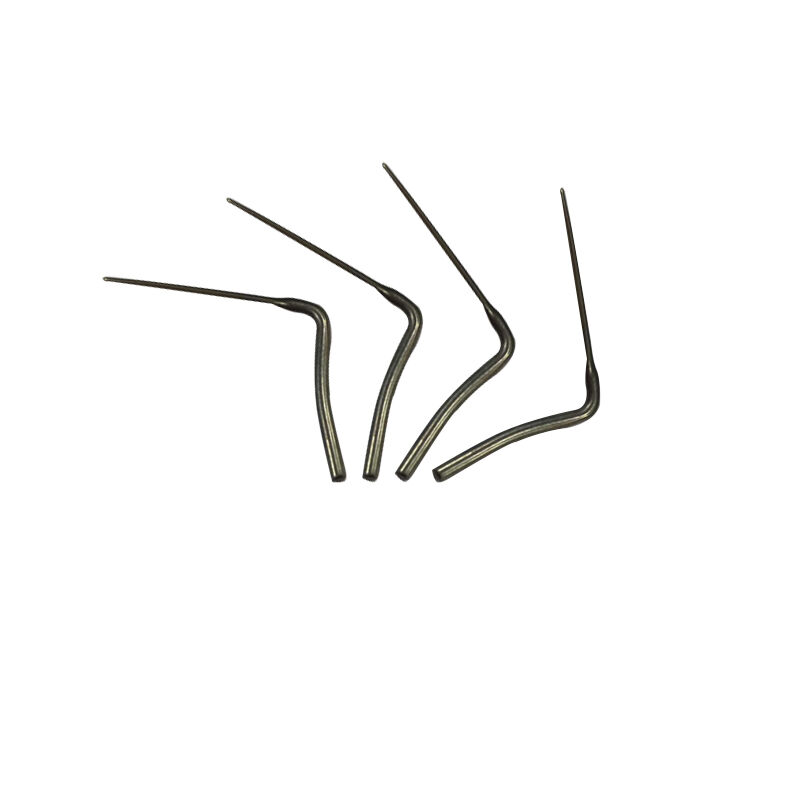
Shape memory nitinol wire represents a groundbreaking advancement in smart materials technology, combining exceptional mechanical properties with remarkable thermal responsiveness. This innovative alloy, composed of nearly equal parts nickel and titanium, exhibits the extraordinary ability to return to a predetermined shape when heated above its transformation temperature. The shape memory nitinol wire has revolutionized numerous industries by offering solutions that were previously impossible with conventional materials. At its core, this material functions through a solid-state phase transformation between two distinct crystalline structures: martensite at lower temperatures and austenite at higher temperatures. When deformed in its martensitic state, the shape memory nitinol wire can recover its original configuration upon heating, making it invaluable for applications requiring repeatable, controlled motion without external power sources. The technological features of shape memory nitinol wire extend beyond simple shape recovery. It demonstrates superelasticity, allowing it to undergo substantial deformation and return to its original form without permanent damage. This wire exhibits biocompatibility, corrosion resistance, and fatigue resistance superior to many traditional metals. The transformation temperature can be precisely engineered during manufacturing, ranging from minus 100 degrees Celsius to above 100 degrees Celsius, enabling customization for specific application requirements. Applications of shape memory nitinol wire span diverse sectors including medical devices, aerospace engineering, automotive systems, robotics, and consumer products. In medical fields, it serves as the foundation for minimally invasive surgical instruments, orthodontic archwires, cardiovascular stents, and guidewires. The aerospace industry utilizes this material for adaptive wing structures and deployment mechanisms. Automotive manufacturers incorporate it into climate control systems and safety mechanisms. The unique combination of shape memory effect, superelasticity, and biocompatibility positions shape memory nitinol wire as an essential material for modern engineering challenges, offering designers unprecedented flexibility in creating intelligent, self-actuating systems that respond dynamically to environmental conditions.

New Products

The advantages of shape memory nitinol wire deliver tangible benefits that directly address real-world challenges faced by manufacturers, designers, and end-users across multiple industries. First and foremost, this remarkable material eliminates the need for complex mechanical systems by providing self-actuation capabilities. When you incorporate shape memory nitinol wire into your designs, you reduce the number of moving parts, which means fewer components that can fail or require maintenance. This simplification translates into lower production costs, reduced assembly time, and enhanced reliability over the product lifecycle. The wire responds to temperature changes automatically, removing the requirement for motors, gears, or electronic controls in many applications. This self-powered operation saves energy and creates opportunities for compact, lightweight designs that were previously unattainable. Another significant advantage lies in the exceptional durability and longevity of shape memory nitinol wire. Unlike conventional materials that degrade or permanently deform under repeated stress, this wire can endure millions of cycles without losing its functional properties. For your products, this means extended service life, fewer warranty claims, and greater customer satisfaction. The material resists corrosion even in harsh chemical environments, maintaining performance where other metals would deteriorate rapidly. This corrosion resistance proves especially valuable in medical applications where the wire contacts bodily fluids, or in industrial settings with exposure to aggressive substances. The biocompatibility of shape memory nitinol wire opens doors to medical innovations that improve patient outcomes. Surgeons can insert devices in a compact form through small incisions, and the wire naturally expands to its functional shape at body temperature. This capability reduces patient trauma, shortens recovery times, and minimizes surgical complications. For medical device manufacturers, this means creating products that hospitals prefer and patients benefit from directly. The precision and consistency of shape memory nitinol wire ensure predictable performance across production batches. You can rely on uniform transformation temperatures and mechanical properties, which streamlines quality control and reduces manufacturing variability. This consistency matters when building products where safety and reliability are non-negotiable. Additionally, the wire offers design flexibility through its ability to be trained into complex three-dimensional shapes, enabling creative solutions to engineering problems. The material works silently during actuation, providing smooth motion without the noise associated with motors or solenoids. This quiet operation enhances user experience in consumer products and medical devices alike. The combination of strength and flexibility allows the wire to perform in confined spaces where traditional actuators cannot fit, expanding the possibilities for miniaturization and integration into existing systems without extensive redesign.

Latest News

Why do full-chain manufacturers provide a more stable supply of SMA wire?

14

May

Why do full-chain manufacturers provide a more stable supply of SMA wire?

In industrial and medical procurement, supply chain reliability is not a luxury — it is a fundamental requirement. When sourcing SMA wire, the type of manufacturer you partner with has a direct and measurable impact on delivery consistency, material ...
View More
Why do orthodontists prefer using orthodontic wire with shape memory?

15

May

Why do orthodontists prefer using orthodontic wire with shape memory?

In modern orthodontic practice, the materials used to move teeth are just as important as the clinical techniques applied. Among the many innovations that have transformed the field, orthodontic wire with shape memory stands out as one of the most cl...
View More
Why is Starspring's Nitinol metal at the forefront of the smart drive industry?

19

May

Why is Starspring's Nitinol metal at the forefront of the smart drive industry?

The smart drive industry is defined by its relentless demand for materials that can do more with less — components that respond intelligently to their environment, endure repeated mechanical cycles, and perform with precision in applications ranging ...
View More
How to utilize one-way and two-way memory in precision medical components?

21

May

How to utilize one-way and two-way memory in precision medical components?

In the development of precision medical components, material intelligence is no longer a concept reserved for science fiction. nitinol wire has fundamentally changed how engineers and medical device designers approach the challenge of building compon...
View More

Get a Free Quote

Our representative will contact you soon.
Email
Name
Company Name
Message
0/1000

shape memory nitinol wire

Temperature-Activated Shape Recovery for Intelligent Automation

Temperature-Activated Shape Recovery for Intelligent Automation

The temperature-activated shape recovery capability of shape memory nitinol wire stands as its most distinctive and commercially valuable characteristic, enabling automation without external power sources or complex control systems. This phenomenon occurs through a reversible phase transformation within the material's crystalline structure, allowing the wire to remember and return to a specific shape when exposed to predetermined temperatures. When you cool the shape memory nitinol wire below its transformation temperature, it enters a malleable martensitic phase where you can easily bend, twist, or stretch it into temporary configurations. Upon heating above the transition point, the material transforms into its rigid austenite phase and forcefully returns to the original memorized shape, generating significant force during this recovery process. This transformation happens rapidly and repeatedly, providing millions of reliable cycles throughout the wire's service life. The practical implications of this feature revolutionize product design across industries. Engineers can create self-deploying structures that activate precisely when environmental conditions reach specific thresholds, eliminating batteries, motors, and electronic sensors. In greenhouse ventilation systems, shape memory nitinol wire opens windows automatically when temperatures rise, providing natural climate control without electricity consumption. For safety applications, the wire can trigger emergency release mechanisms when detecting dangerous heat levels, offering fail-safe protection. The transformation temperature can be engineered during manufacturing to match exact application requirements, whether you need activation at human body temperature for medical devices, at room temperature for consumer products, or at elevated temperatures for industrial processes. This customization ensures the shape memory nitinol wire performs optimally within your specific operational parameters. The force generated during shape recovery is substantial relative to the wire's cross-sectional area, often exceeding conventional actuators of comparable size. This strength-to-weight ratio enables miniature devices with surprising power output, perfect for applications where space and weight constraints limit traditional mechanical solutions. The recovery process exhibits excellent repeatability, with the wire returning to virtually identical configurations through countless cycles. This consistency ensures predictable performance throughout the product's operational life, building user confidence and reducing maintenance requirements. Furthermore, the shape memory nitinol wire requires no programming or calibration after installation, simplifying manufacturing and eliminating potential sources of failure found in electronically controlled systems.
Superelastic Flexibility Enabling Extreme Deformation Without Damage

Superelastic Flexibility Enabling Extreme Deformation Without Damage

The superelastic properties of shape memory nitinol wire deliver unmatched flexibility and resilience, allowing the material to withstand extreme bending and stretching that would permanently deform or fracture conventional metals. This extraordinary characteristic stems from stress-induced phase transformation, where mechanical loading causes the austenite structure to temporarily convert to martensite, accommodating large strains that reverse completely upon unloading. Unlike ordinary elastic materials that exhibit limited deformation before yielding, shape memory nitinol wire can sustain strains up to eight percent or more while returning precisely to its original configuration without residual deformation or material fatigue. This superelasticity proves invaluable when designing products that must navigate tight spaces, absorb impacts, or flex repeatedly under varying loads. In medical catheter and guidewire applications, the shape memory nitinol wire navigates through tortuous blood vessels, bending around sharp corners and compressing against vessel walls without kinking or breaking. Once the external forces release, the wire immediately springs back to its predetermined curved shape, maintaining optimal positioning for medical procedures. This behavior dramatically improves surgical success rates and reduces the risk of device failure inside the patient's body. For eyeglass frames constructed from shape memory nitinol wire, the superelasticity allows frames to bend dramatically when sat upon or dropped, yet return to proper shape without adjustment. Customers appreciate this durability, which eliminates frequent repairs and replacements common with traditional frame materials. The material absorbs energy during deformation and releases it during recovery, creating a cushioning effect valuable in impact protection applications. Sporting equipment, protective gear, and automotive safety components benefit from this energy absorption capability, dissipating forces that might otherwise cause damage or injury. The consistent stress-strain relationship of shape memory nitinol wire across millions of cycles ensures that products maintain their performance characteristics throughout extended use. Unlike materials that work-harden or soften with repeated flexing, this wire exhibits stable mechanical properties, providing reliable functionality year after year. The superelastic plateau in the material's stress-strain curve offers nearly constant force over a wide displacement range, enabling applications requiring controlled resistance such as orthodontic tooth movement or vibration damping systems. This unique force profile cannot be easily replicated with springs or conventional elastic materials, giving designers access to entirely new mechanical behaviors. The combination of flexibility and strength allows the shape memory nitinol wire to replace bulkier, heavier components while improving overall system performance, contributing to weight reduction goals critical in aerospace, automotive, and portable device applications.
Biocompatibility and Corrosion Resistance for Medical and Harsh Environment Applications

Biocompatibility and Corrosion Resistance for Medical and Harsh Environment Applications

The exceptional biocompatibility and corrosion resistance of shape memory nitinol wire establish it as the material of choice for medical implants and devices operating in challenging environments where other metals fail. Extensive clinical testing and decades of medical use have confirmed that this alloy exhibits excellent tissue compatibility, generating minimal immune response when implanted in the human body. The passive oxide layer that forms naturally on the surface of shape memory nitinol wire creates a stable barrier between the metal and surrounding tissues, preventing ion release that could trigger inflammation or adverse reactions. This biocompatibility, combined with the material's functional properties, has enabled revolutionary medical devices that improve patient outcomes and quality of life. Cardiovascular stents fabricated from shape memory nitinol wire can be compressed into small catheters, threaded through blood vessels to blockage sites, and deployed by allowing the wire to expand at body temperature. The superelastic properties ensure the stent adapts to vessel movements during heartbeats without fracturing, while the biocompatible surface promotes healthy tissue integration without rejection. Orthodontic archwires made from this material apply consistent gentle forces that align teeth more comfortably than stainless steel alternatives, and the shape memory effect allows fewer adjustment appointments, reducing treatment time and patient visits. Surgical instruments utilizing shape memory nitinol wire can navigate through minimally invasive access points, transforming into complex working shapes once inside the body, then returning to compact configurations for removal. These capabilities reduce surgical trauma, minimize scarring, and accelerate patient recovery compared to traditional open surgical approaches. Beyond medical applications, the corrosion resistance of shape memory nitinol wire proves equally valuable in industrial and marine environments where exposure to moisture, salt, chemicals, or extreme pH conditions rapidly degrades ordinary metals. The material maintains its mechanical properties and functional characteristics even after prolonged exposure to corrosive substances, eliminating the need for protective coatings that might interfere with the shape memory effect or superelasticity. Offshore equipment, chemical processing systems, and water treatment facilities benefit from components that resist corrosion while providing smart material functionality. The combination of corrosion resistance and fatigue resistance means that shape memory nitinol wire continues operating reliably in applications where maintenance access is difficult or impossible, such as subsea installations or embedded sensors. The material does not rust, tarnish, or degrade when exposed to atmospheric conditions, maintaining aesthetic appearance in consumer products while ensuring functional longevity. For manufacturers, this durability translates to reduced warranty costs and enhanced brand reputation built on product reliability. The non-magnetic properties of shape memory nitinol wire add another dimension of utility in medical imaging environments where MRI compatibility is essential, and in electronic applications where magnetic interference must be avoided. This comprehensive suite of material properties makes shape memory nitinol wire uniquely suited to applications demanding the intersection of biological compatibility, environmental durability, and intelligent mechanical response.
Shape Memory Nitinol Wire: Smart Alloy Solutions for Medical, Aerospace and Industrial Applications

Get a Free Quote

Our representative will contact you soon.
Email
Name
Company Name
Message
0/1000
Newsletter
Please Leave A Message With Us