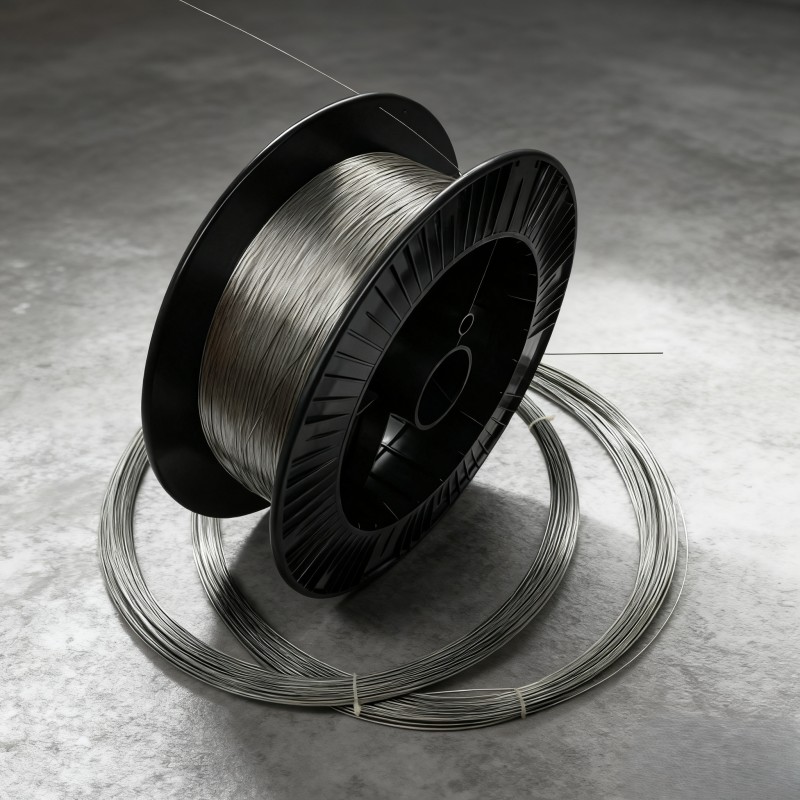
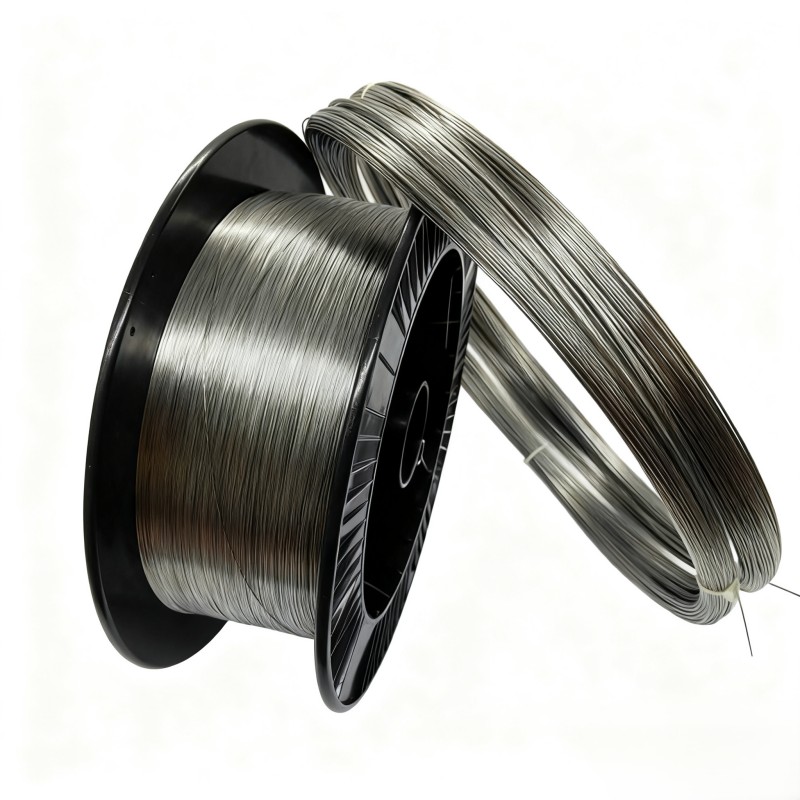
Superelastingumas realiomis eksploatacijos sąlygomis
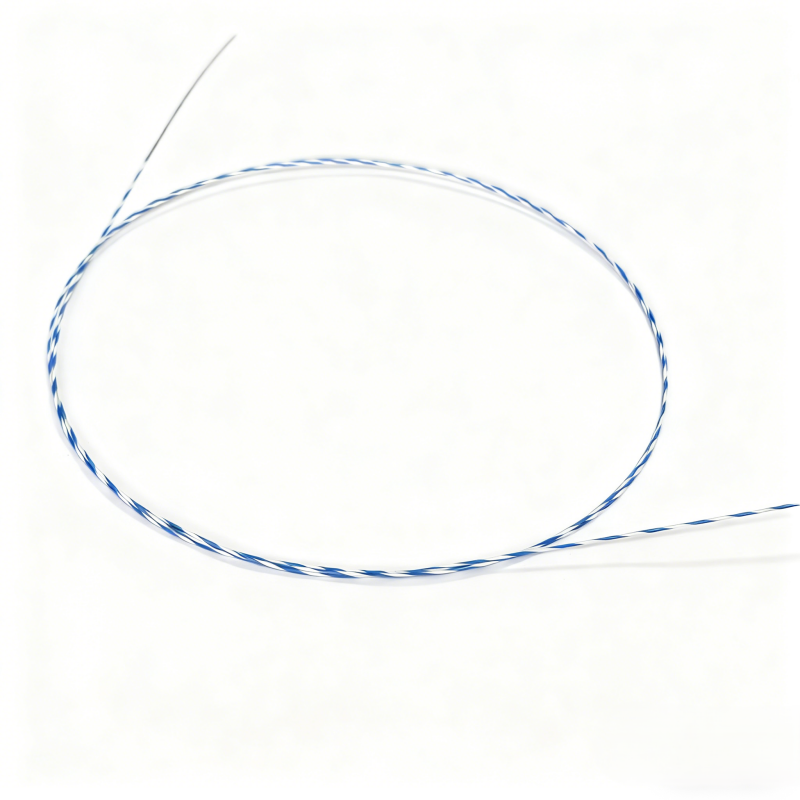
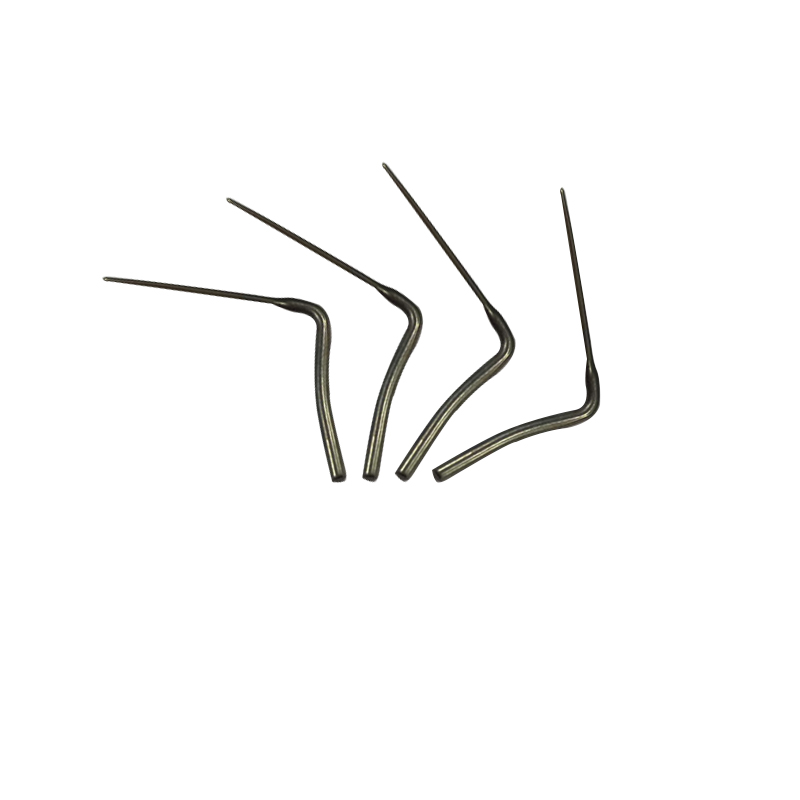
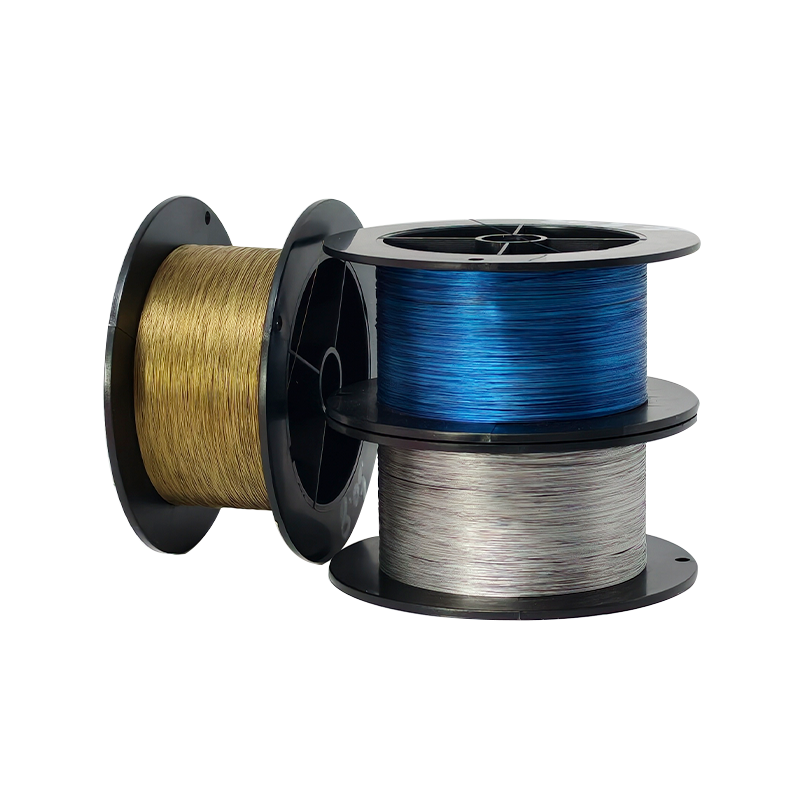
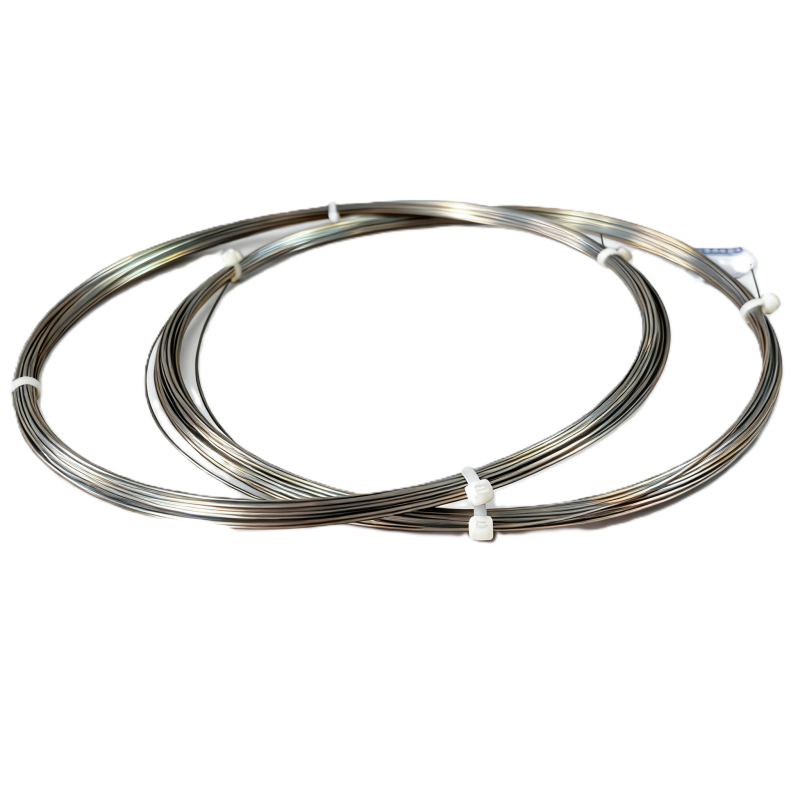
Superelastingumas yra antrasis nitinolio vielos apibrėžiamasis savybė, ir jis yra taip pat vertingas kaip formos atmintis įvairiose srityse. Tuo tarpu formos atmintis remiasi temperatūros pokyčiu, kuris sukelia atstatymą, superelastingumas veikia pastovios temperatūros sąlygomis. Kai prie superelastingos nitinolio vielos pritaikoma apkrova, ji deformuojama žymiai virš įprastų metalų tamprumo ribos. Įprasta plieninė viela, lenkta per tam tikrą tašką, lieka išlenkta. Superelastinga nitinolio viela, išlenkta tuo pačiu kampu, iškart atsitiesina į tiesią padėtį, kai apkrova pašalinama. Šis atstatymas vyksta dėl to, kad apkrova sukelia fazinę transformaciją vielos kristalinėje struktūroje – austenito pavertimą martensitu. Kai apkrova pašalinama, ši transformacija grįžta į pradinę būseną ir viela grįžta į savo pirminę formą. Šio reiškinio praktinės pasekmės yra labai svarbios. Ortodontijoje superelastinga nitinolio viela naudojama kaip lankinės vielos, nes ji taiko nuolatinę, švelnią jėgą dantims per plačią deformacijos ribą. Kai dantys juda ir vielos geometrija keičiasi, jėga, kurią ji sukuria, lieka santykinai pastovi. Tai sumažina paciento nepatogumus ir mažina poreikį dažnai reguliuoti vielą lyginant su tradicinėmis nerūdijančiojo plieno vielomis. Mažiausiai invazinėje chirurgijoje superelastinga nitinolio viela leidžia naviguoti vadovaujančioms vieloms ir kateteriams per žmogaus kraujagyslių sistemos išlenktus ir vingiuotus takus be susisukimo ar nuolatinės deformacijos. Viela lenkiasi, kad sektų anatomines savybes, ir vėl išsitiesina judėdama pirmyn, išlaikydama savo struktūrinę vientisumą visą procedūros trukmę. Vartotojų prekėse superelastinga nitinolio viela naudojama akinių rėmeliuose, kuriuos galima sukurti, sėdėti ant jų ar smarkiai išlenkti, o jie vis tiek grįš į pirminę formą. Tai žymiai sumažina lūžimų tikimybę ir padeda ilgiau išlaikyti gaminio naudingą gyvavimo trukmę. Inžinieriams, kurie projektuoja komponentus, turėsiančius ištverti pakartotinę ar netikėtą mechaninę apkrovą, superelastinga nitinolio viela suteikia atsparumo lygį, kuris keičia tai, kas yra techniškai įmanoma. Ji sugeria deformacijos energiją ir išskleidžia ją kaip atstatymą, o ne kaip nuolatinę žalą, todėl ji yra viena iš labiausiai nuovargiui atspariausių vielų medžiagų ciklinėms apkrovoms.

 EN
EN