Nitinol Wire: Shape Memory and Superelastic Solutions for Medical and Industrial Applications

Get a Free Quote

Our representative will contact you soon.
Email
Name
Company Name
Message
0/1000

nitinol wire

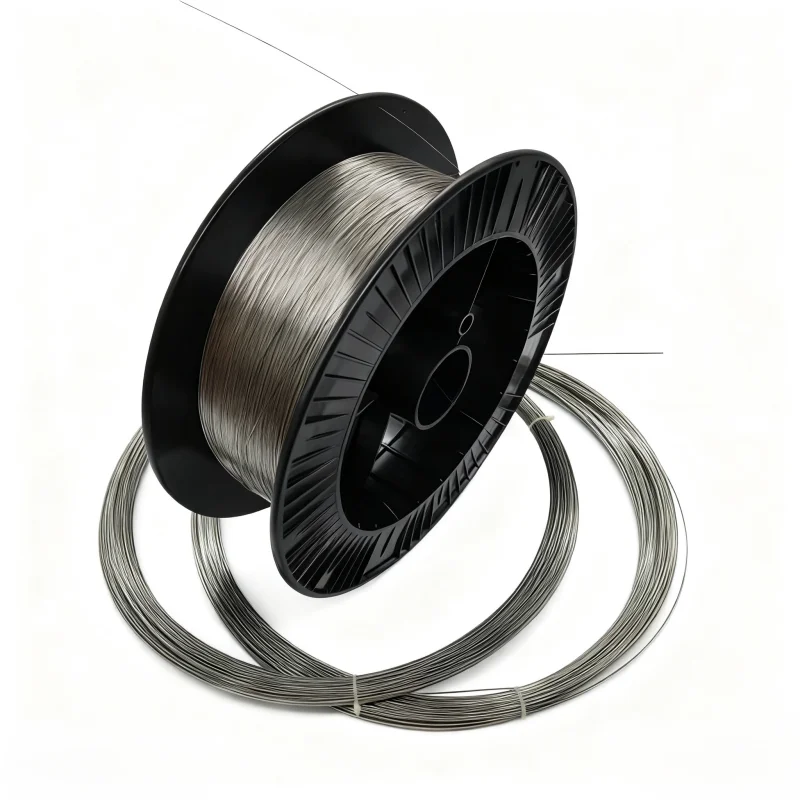
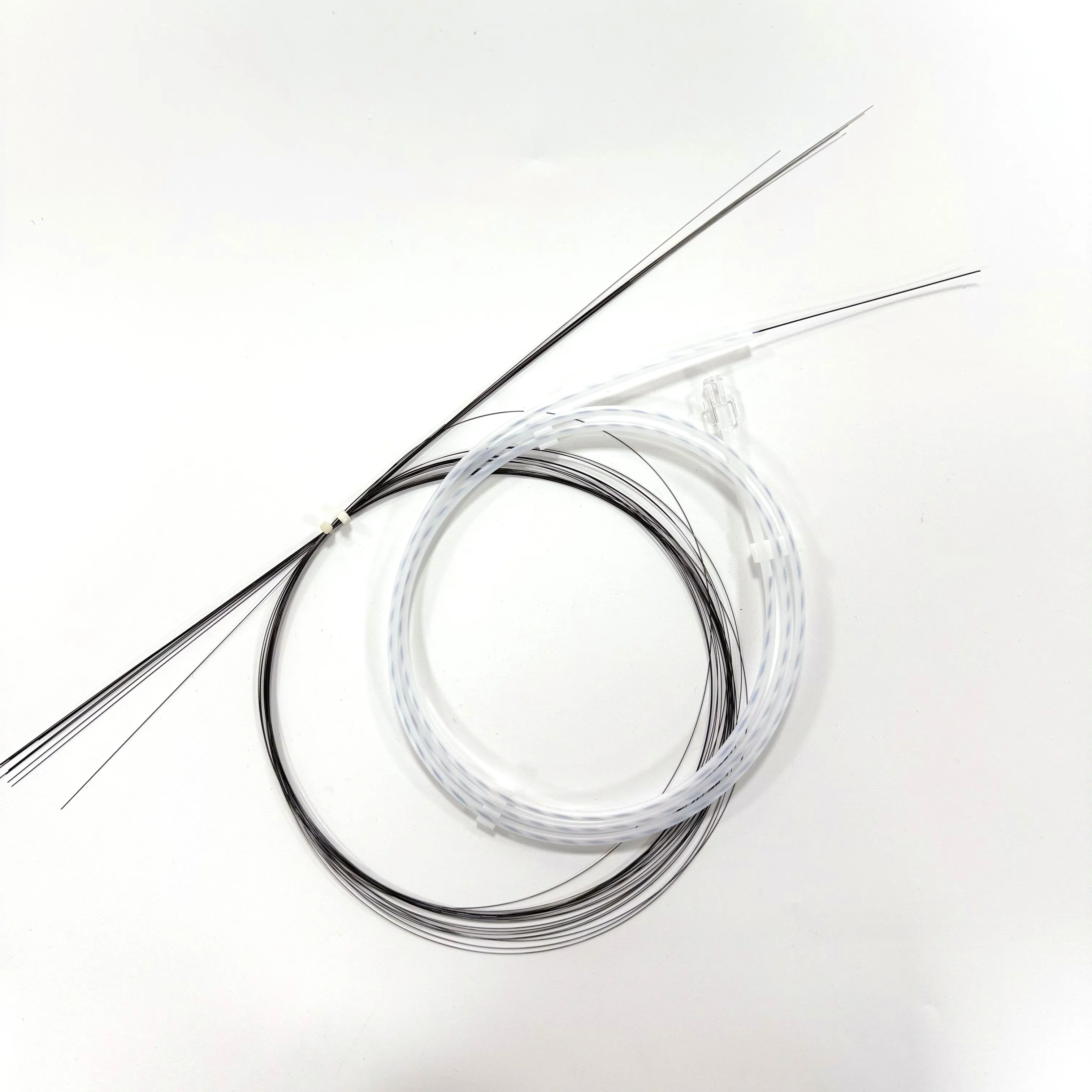
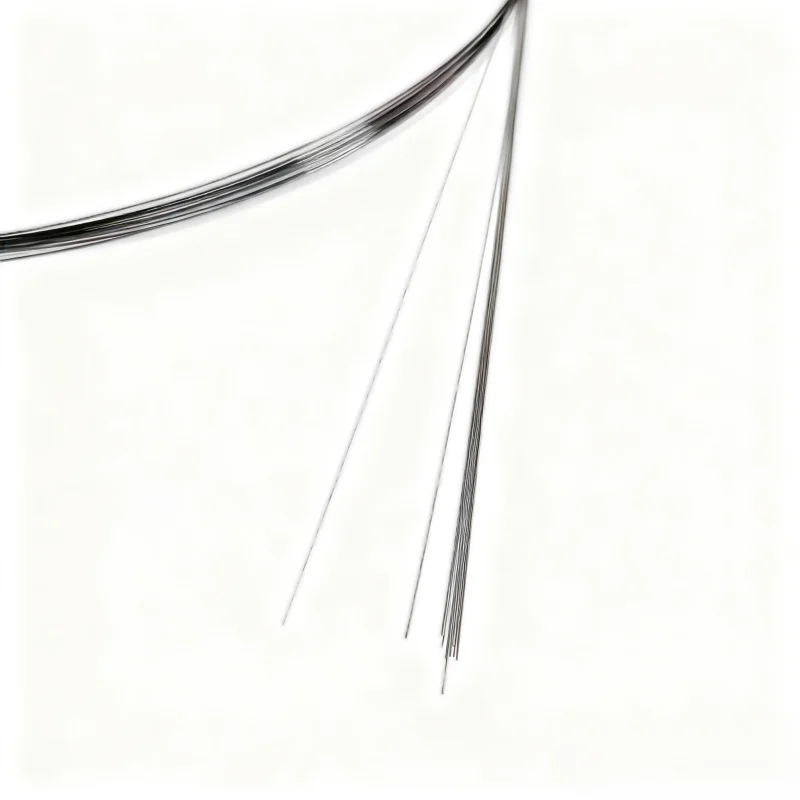
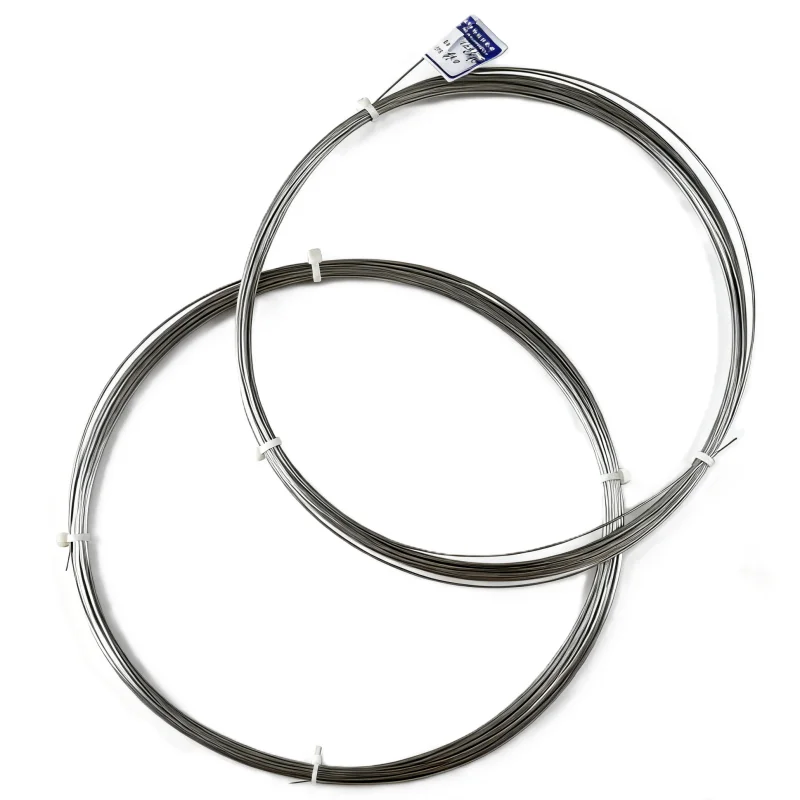
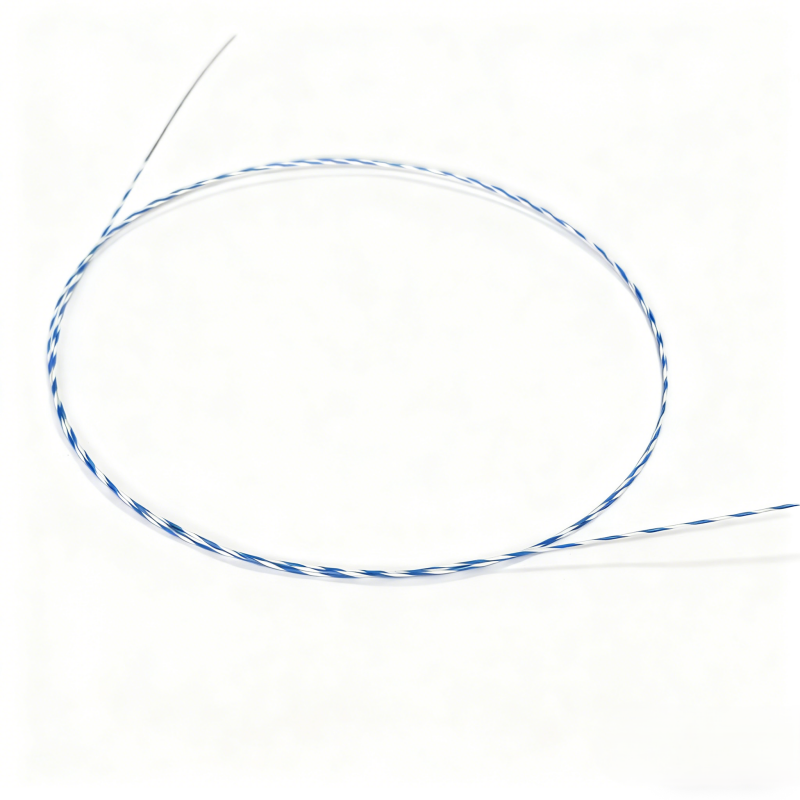
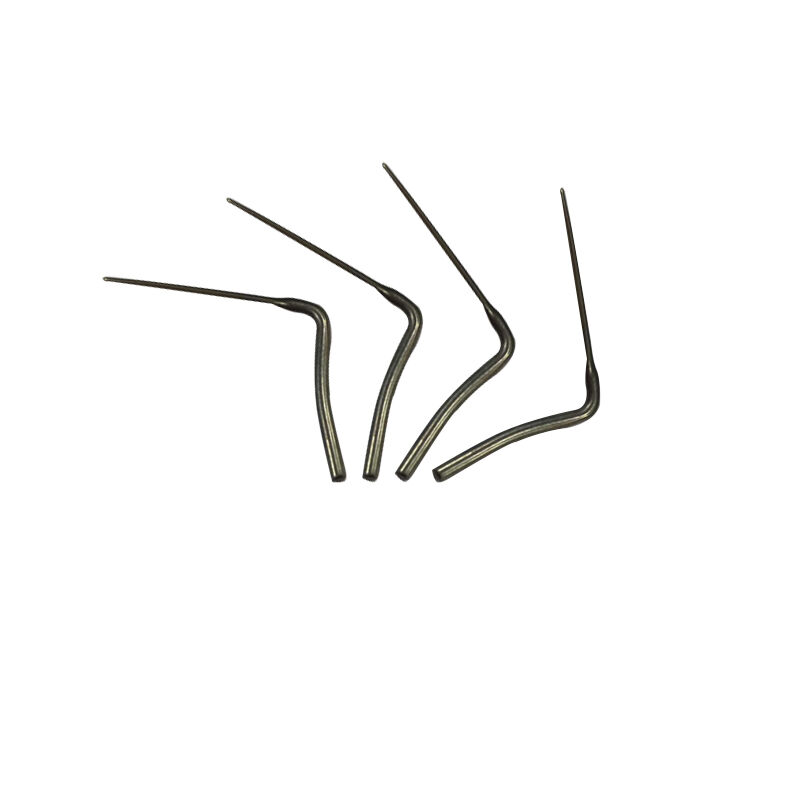
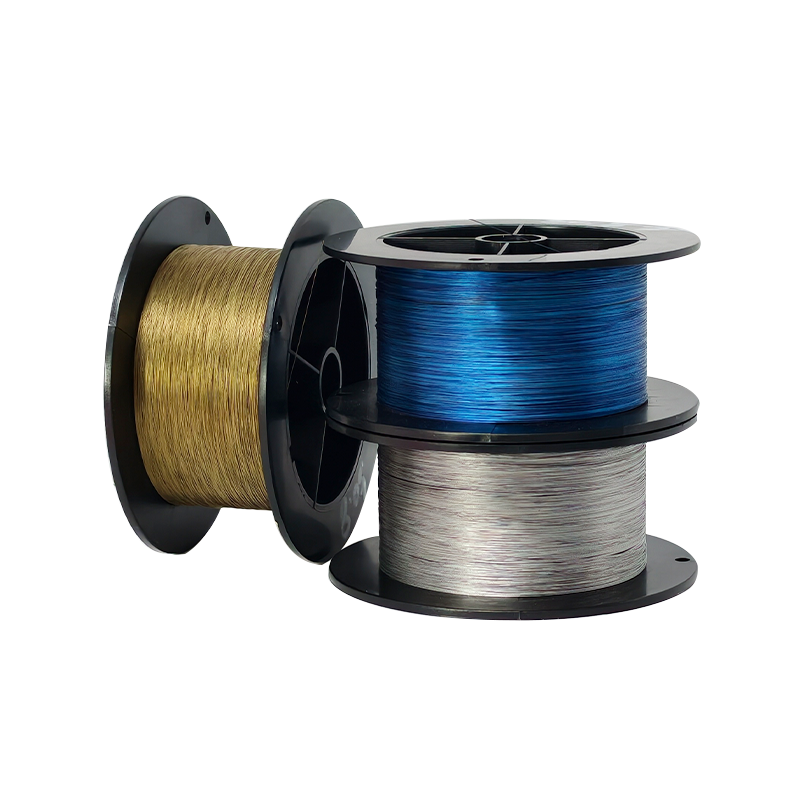
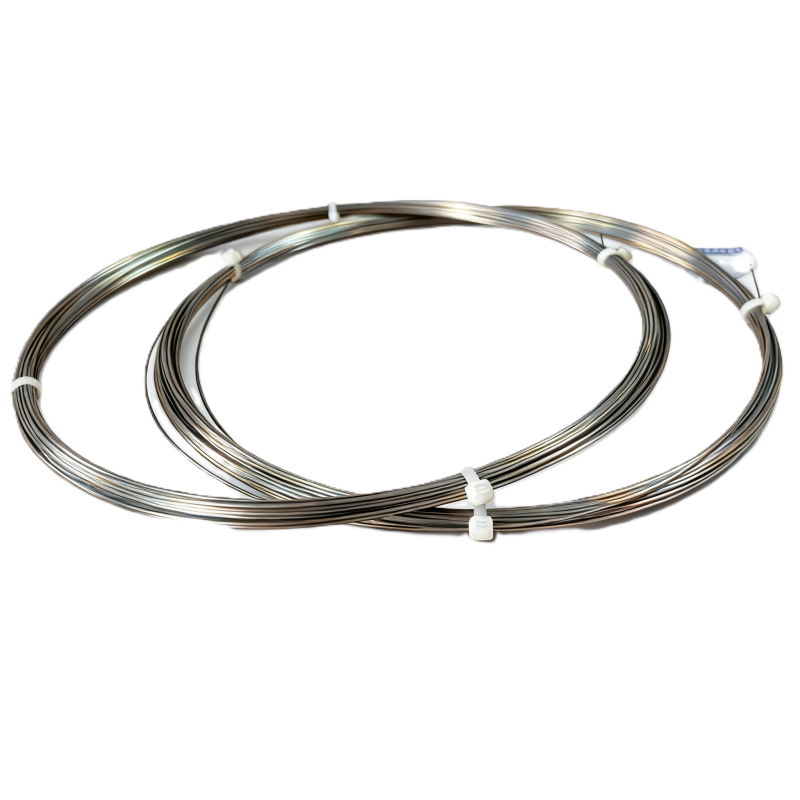
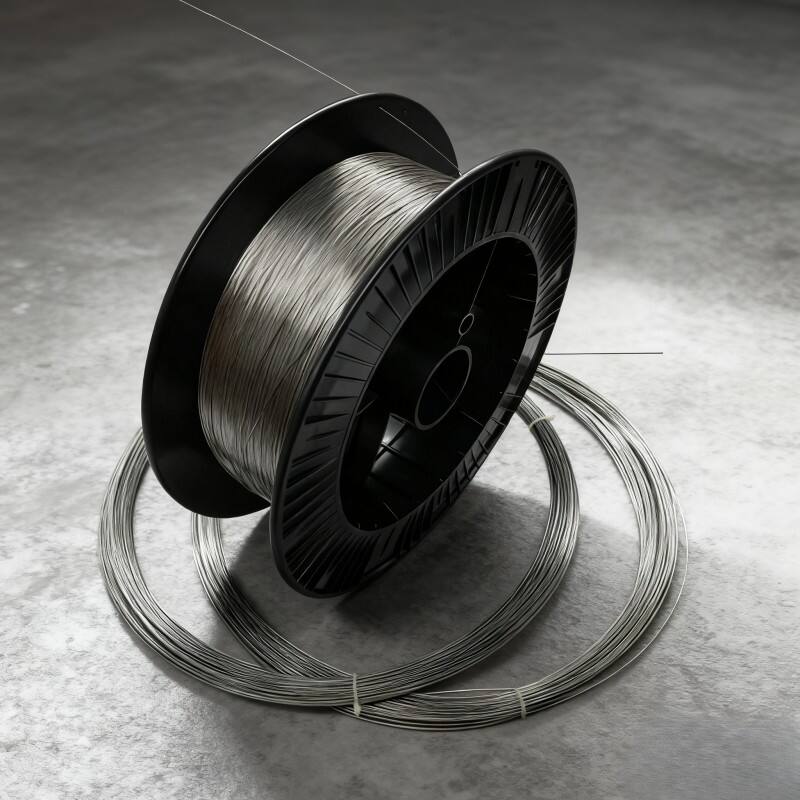
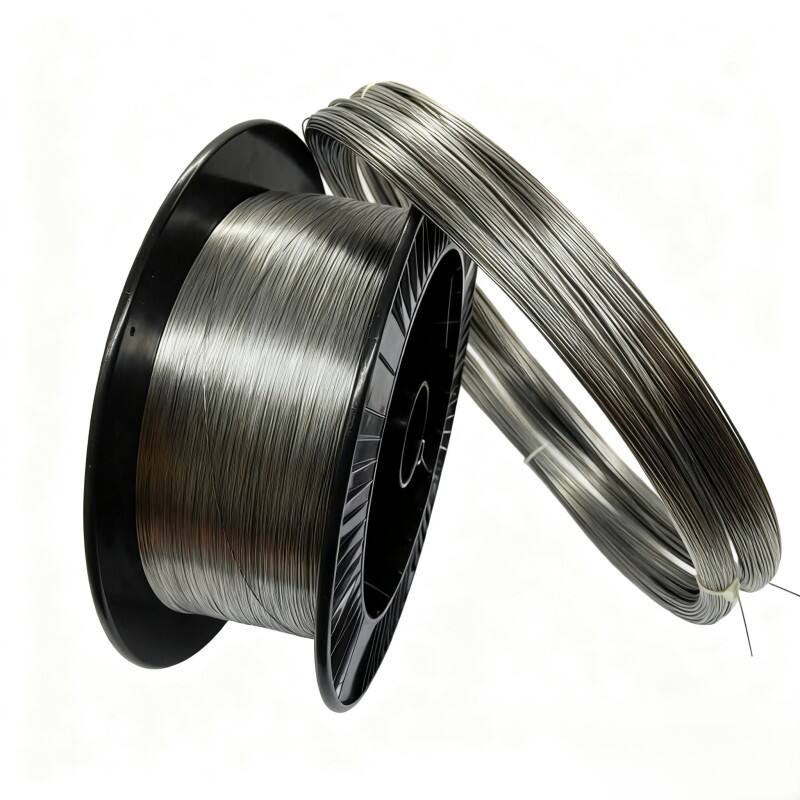
Nitinol wire is a remarkable engineering material composed of nearly equal parts nickel and titanium. First discovered in the 1960s at the Naval Ordnance Laboratory, this alloy quickly earned its name from its elemental composition and place of origin. What sets nitinol wire apart from conventional metals is its ability to exhibit two extraordinary physical phenomena: the shape memory effect and superelasticity. These properties make it one of the most versatile and sought-after specialty materials in modern manufacturing and medical technology. The shape memory effect allows nitinol wire to return to a pre-programmed shape when heated to a specific transition temperature. This means the wire can be deformed at a lower temperature and will snap back to its original form once heat is applied. Superelasticity, on the other hand, enables the wire to undergo significant deformation under stress and recover its original shape once that stress is removed, all without any heat input. This behavior is driven by a reversible phase transformation between two crystal structures known as austenite and martensite. Nitinol wire is produced in a wide range of diameters, from ultra-fine strands used in minimally invasive surgical tools to thicker gauges suited for industrial actuators and robotics. Its biocompatibility makes it safe for use inside the human body, which is why it has become a foundational material in medical devices such as stents, guidewires, orthodontic archwires, and surgical retrieval tools. Beyond medicine, nitinol wire finds application in aerospace components, consumer electronics, eyeglass frames, and smart actuator systems. Its corrosion resistance and fatigue durability further extend its service life in demanding environments. As industries continue to push the boundaries of miniaturization and precision engineering, nitinol wire remains a critical enabler of next-generation solutions. Its unique combination of mechanical intelligence, biocompatibility, and resilience positions it as an indispensable material for engineers and designers working at the cutting edge of technology.

Popular Products

Nitinol wire gives engineers and product designers a set of capabilities that no ordinary metal wire can match. If you are evaluating materials for a demanding application, here is why nitinol wire consistently rises to the top of the list. First, nitinol wire bounces back. When you bend or stretch it, it returns to its original shape on its own. This is not a minor convenience. It means you can build mechanisms that self-correct, components that absorb repeated stress without permanent damage, and devices that maintain their geometry over thousands of cycles. For products that need to perform reliably in tight spaces or under variable loads, this recovery behavior is a game changer. Second, nitinol wire responds to temperature. You can program it to change shape at a specific heat threshold. This turns a simple wire into a built-in actuator. Instead of adding motors, gears, or complex linkages to create movement, you use the wire itself. The result is a lighter, simpler, and more compact design. In medical devices, this means tools that deploy automatically inside the body. In industrial systems, it means valves and switches that activate without external power sources. Third, nitinol wire is safe for the human body. It does not corrode, it does not trigger immune reactions, and it has been used in implantable devices for decades. If your product touches skin, enters a body cavity, or needs to meet strict biocompatibility standards, nitinol wire clears those hurdles with a well-established safety record. Fourth, nitinol wire handles fatigue exceptionally well. Conventional metals weaken and crack after repeated bending. Nitinol wire is engineered to flex millions of times without losing its performance. This makes it ideal for applications where the wire is constantly in motion, such as catheters that navigate through blood vessels or actuator cables that cycle continuously in robotic systems. Fifth, nitinol wire is lightweight. Compared to steel or other high-performance alloys, it delivers its unique mechanical properties at a lower weight penalty. In aerospace, wearable technology, and portable medical devices, every gram matters. Choosing nitinol wire lets you maintain strength and function while keeping the overall product lighter. Sixth, nitinol wire resists corrosion. Exposure to moisture, body fluids, and harsh chemicals does not degrade its surface or compromise its mechanical behavior. This durability reduces maintenance requirements and extends the working life of any product built around it. Taken together, these advantages make nitinol wire a practical, proven choice for teams that need reliable performance in challenging conditions. It simplifies designs, reduces part counts, and delivers consistent results across a wide range of industries.

Tips And Tricks

Why is Starspring's Nitinol metal at the forefront of the smart drive industry?

19

May

Why is Starspring's Nitinol metal at the forefront of the smart drive industry?

The smart drive industry is defined by its relentless demand for materials that can do more with less — components that respond intelligently to their environment, endure repeated mechanical cycles, and perform with precision in applications ranging ...
View More
Why do full-process manufacturers provide higher performance Nitinol SMA?

20

May

Why do full-process manufacturers provide higher performance Nitinol SMA?

When engineers and procurement specialists evaluate materials for high-precision medical devices, aerospace components, or advanced actuator systems, the source of the material matters as much as the material itself. Nitinol SMA — the nickel-titanium...
View More
How to identify high-quality Nitinol sources with a 21-year background?

01

Jun

How to identify high-quality Nitinol sources with a 21-year background?

Sourcing Nitinol for industrial, medical, or specialty applications is not a decision that should be made lightly. Nitinol, the nickel-titanium shape memory alloy renowned for its superelastic behavior and thermal responsiveness, demands a level of m...
View More
Why should you prioritize the manufacturer's R&D center when choosing partners?

02

Jun

Why should you prioritize the manufacturer's R&D center when choosing partners?

When evaluating potential manufacturing partners, most procurement teams focus on price, lead time, and production capacity. These are legitimate criteria, but they often overlook one of the most telling indicators of long-term value: the strength an...
View More

Get a Free Quote

Our representative will contact you soon.
Email
Name
Company Name
Message
0/1000

nitinol wire

Shape Memory That Works for You

Shape Memory That Works for You

One of the most compelling reasons engineers choose nitinol wire is its shape memory effect, a built-in intelligence that no other common wire material can replicate. To understand why this matters, consider what it means in practice. You take a length of nitinol wire and train it to hold a specific geometry during a controlled heat treatment process. After that, you can deform the wire at room temperature or below, bending it, coiling it, or compressing it into a completely different shape. The wire stays in that deformed state until you apply heat. Once the temperature crosses the wire's transition threshold, it moves back to the shape it was trained to hold. This happens reliably, repeatedly, and without any mechanical assistance. For product designers, this behavior opens up entirely new categories of solutions. In the medical field, nitinol wire is used to create stents that are compressed into a thin catheter for delivery and then expand to their full diameter once they reach body temperature inside a blood vessel. The wire does the work automatically, driven purely by the thermal environment of the human body. No inflation balloon, no manual expansion, no additional mechanism required. In industrial automation, nitinol wire serves as a thermal actuator. A wire trained to contract when heated can pull a lever, open a valve, or trigger a switch the moment a temperature threshold is reached. This eliminates the need for separate sensors and actuators in certain applications, reducing system complexity and potential failure points. The transition temperature of nitinol wire is not fixed. It can be tuned during manufacturing by adjusting the ratio of nickel to titanium and through post-processing heat treatments. This means you can specify a wire that activates at body temperature, at a slightly elevated industrial temperature, or at a custom setpoint that matches your exact application requirements. The shape memory effect also contributes to product longevity. Because the wire returns to its trained shape rather than accumulating permanent deformation, it maintains its functional geometry over a long service life. For any application where consistent, repeatable movement is critical, nitinol wire with shape memory capability delivers a level of performance that conventional materials simply cannot achieve.
Superelastic Performance Under Real-World Stress

Superelastic Performance Under Real-World Stress

Superelasticity is the second defining property of nitinol wire, and it is just as valuable as shape memory in a wide range of applications. Where shape memory relies on temperature change to drive recovery, superelasticity works at a constant temperature. When you apply stress to a superelastic nitinol wire, it deforms far beyond the elastic limit of ordinary metals. A conventional steel wire bent past a certain point stays bent. A superelastic nitinol wire bent to the same degree springs back to straight the moment you release it. This recovery happens because the stress triggers a phase transformation inside the wire's crystal structure, converting austenite to martensite. When the stress is removed, the transformation reverses and the wire returns to its original shape. The practical implications of this behavior are significant. In orthodontics, superelastic nitinol wire is used as archwires because it applies a continuous, gentle force to teeth over a wide range of deflection. As teeth move and the wire's geometry changes, the force it delivers remains relatively constant. This reduces patient discomfort and the need for frequent adjustments compared to traditional stainless steel wires. In minimally invasive surgery, superelastic nitinol wire allows guidewires and catheters to navigate through the curved and tortuous pathways of the human vascular system without kinking or permanently deforming. The wire bends to follow the anatomy and straightens again as it advances, maintaining its structural integrity throughout the procedure. In consumer products, superelastic nitinol wire is used in eyeglass frames that can be twisted, sat on, or severely bent and still return to their original shape. This dramatically reduces breakage and extends the useful life of the product. For engineers designing components that will experience repeated or unpredictable mechanical stress, superelastic nitinol wire provides a level of resilience that changes what is possible. It absorbs deformation energy and releases it as recovery rather than as permanent damage, making it one of the most fatigue-resistant wire materials available for cyclic loading applications.
Biocompatibility and Corrosion Resistance for Demanding Environments

Biocompatibility and Corrosion Resistance for Demanding Environments

Nitinol wire has earned a trusted position in medical device manufacturing for reasons that go beyond its mechanical properties. Its biocompatibility and corrosion resistance make it one of the few high-performance wire materials that can be used safely inside the human body over extended periods. Biocompatibility means that the material does not provoke a harmful response from the body's immune system. Nitinol wire has been tested extensively and is approved for use in implantable medical devices by regulatory agencies around the world. The titanium-rich oxide layer that naturally forms on the surface of nitinol wire acts as a stable, inert barrier between the metal and surrounding tissue. This passive layer prevents nickel ions from leaching into the body at harmful levels and gives the wire its excellent biological tolerance. For medical device manufacturers, this established safety profile significantly reduces the regulatory burden when incorporating nitinol wire into new products. The corrosion resistance of nitinol wire extends its value well beyond medical applications. In marine environments, chemical processing equipment, and outdoor consumer products, exposure to moisture, salt, and aggressive chemicals can rapidly degrade conventional metal wires. Nitinol wire maintains its surface integrity and mechanical properties in these conditions because its oxide layer continuously regenerates when damaged, providing self-healing corrosion protection. This durability translates directly into lower maintenance costs and longer product service intervals. A component built with nitinol wire does not need to be replaced as frequently as one built with a less resistant material, which reduces lifecycle costs and improves the overall value proposition for end users. The combination of biocompatibility and corrosion resistance also makes nitinol wire an excellent choice for wearable technology, where the wire may be in prolonged contact with skin and exposed to sweat, humidity, and varying temperatures. Designers of fitness trackers, medical monitoring devices, and smart textiles can incorporate nitinol wire with confidence that it will perform safely and reliably over the product's intended lifespan. When you need a wire that works in the body, in harsh outdoor conditions, or in any environment where material integrity is non-negotiable, nitinol wire delivers the combination of safety, durability, and performance that demanding applications require.
Nitinol Wire: Shape Memory and Superelastic Solutions for Medical and Industrial Applications

Get a Free Quote

Our representative will contact you soon.
Email
Name
Company Name
Message
0/1000
Newsletter
Please Leave A Message With Us