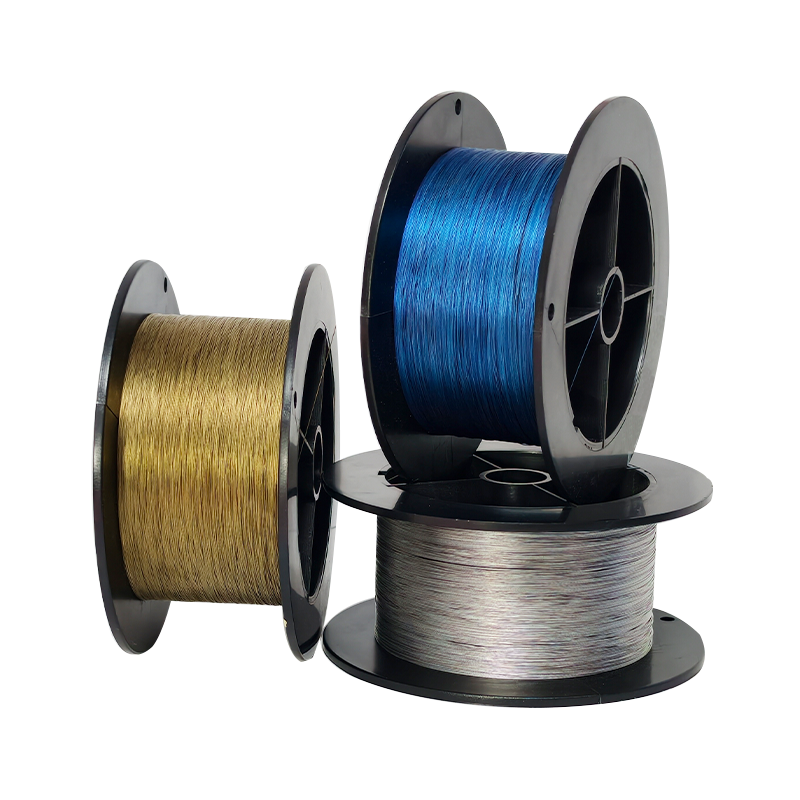
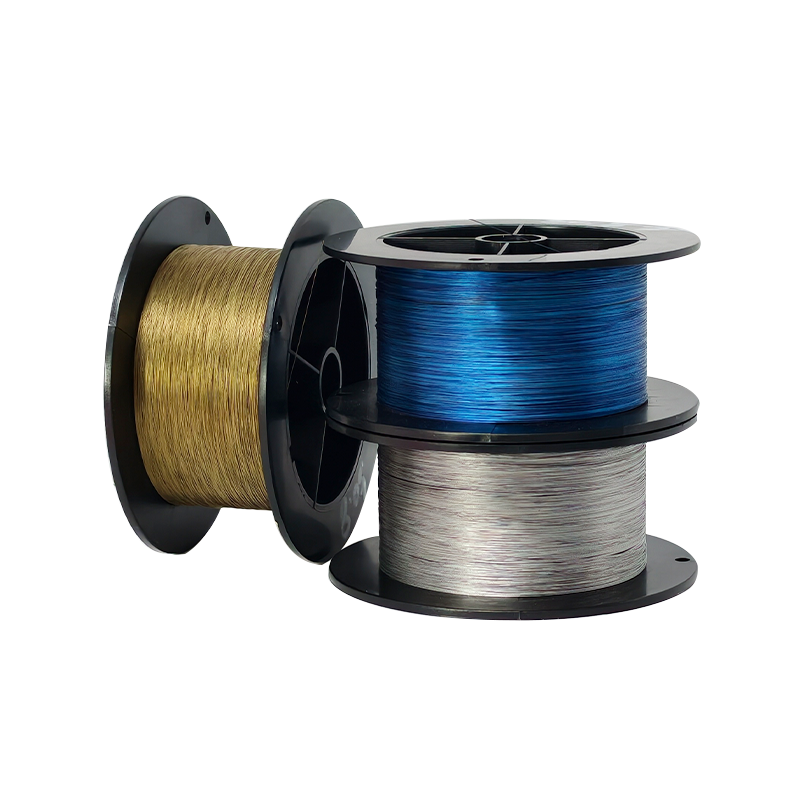
Confluent Nitinol: Advanced Shape Memory Alloy for Medical and Industrial Applications

Get a Free Quote

Our representative will contact you soon.
Email
Name
Company Name
Message
0/1000

confluent nitinol

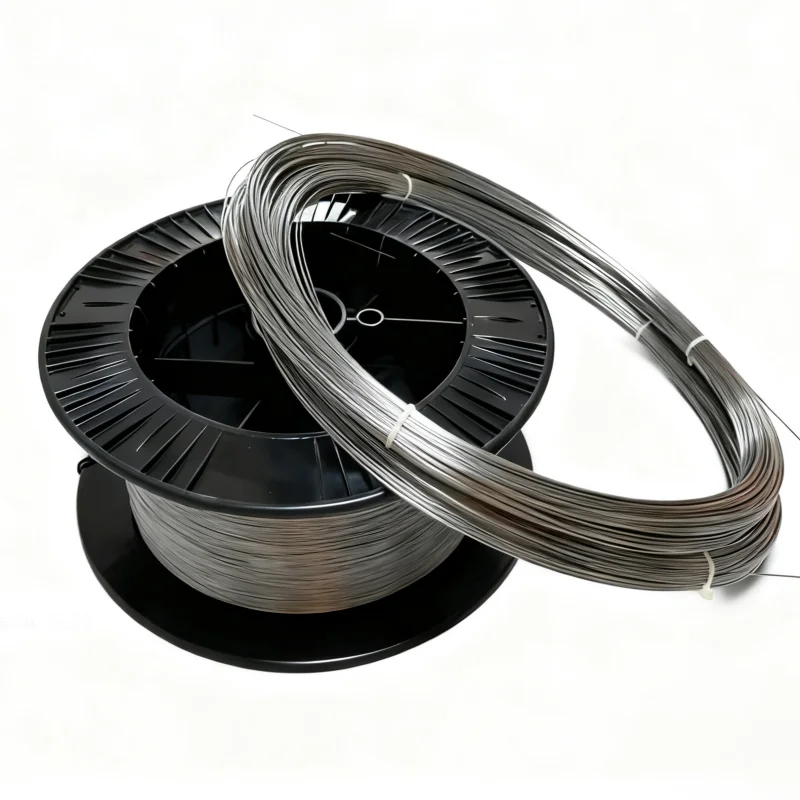
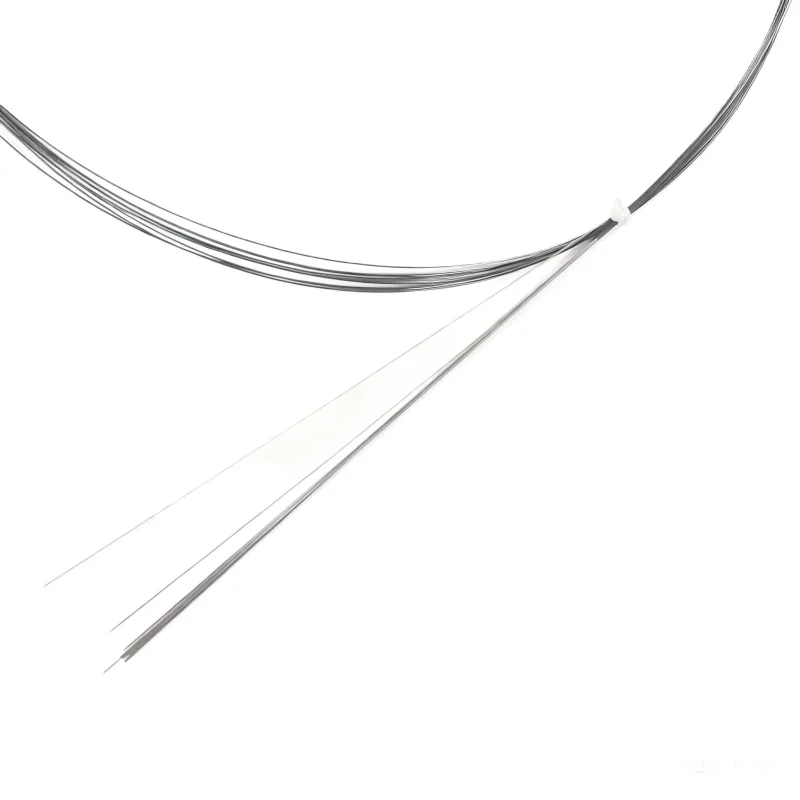
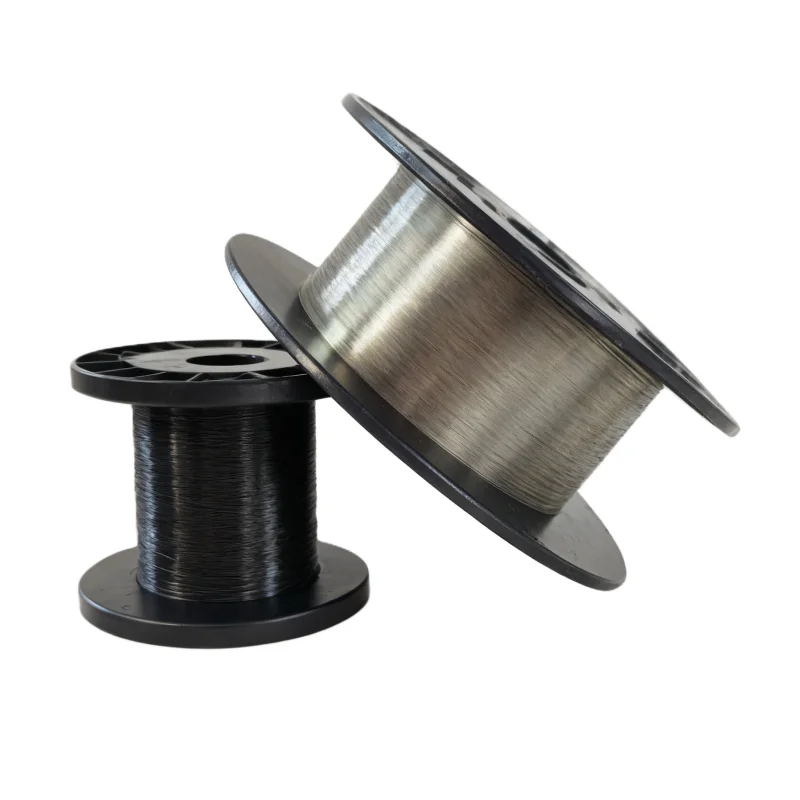
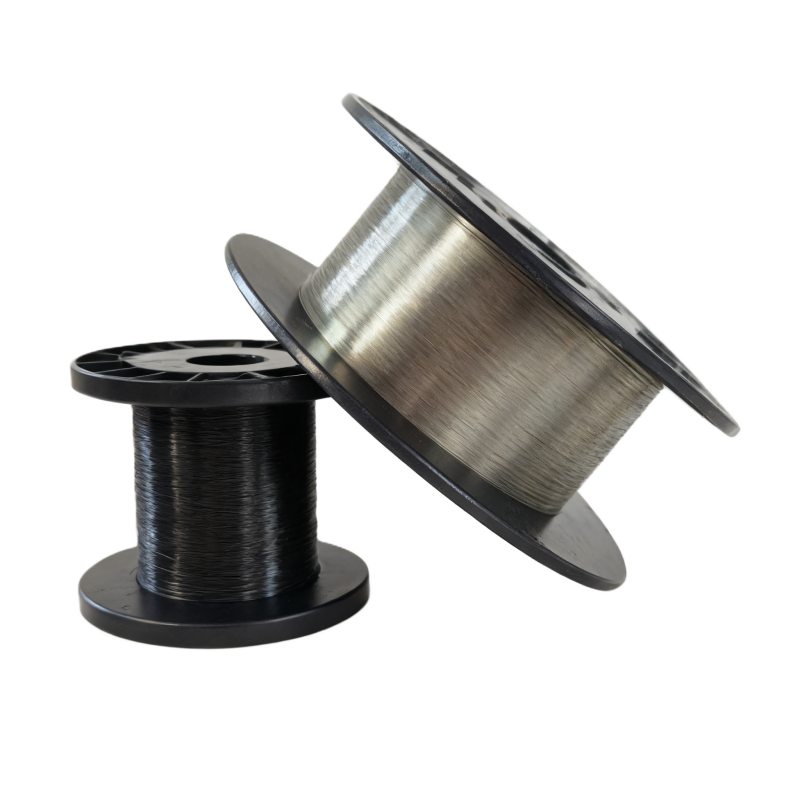
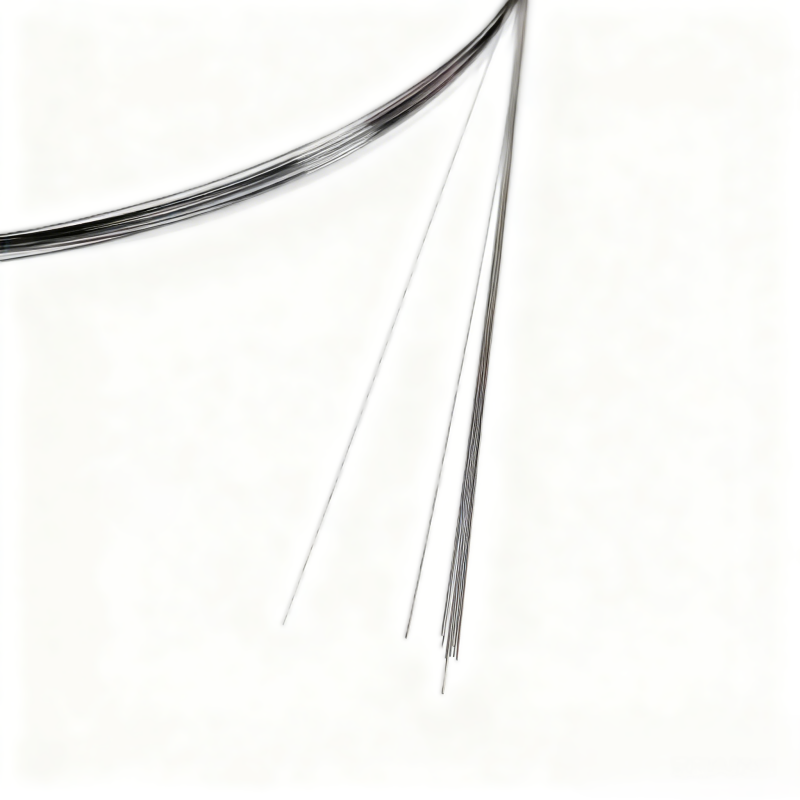
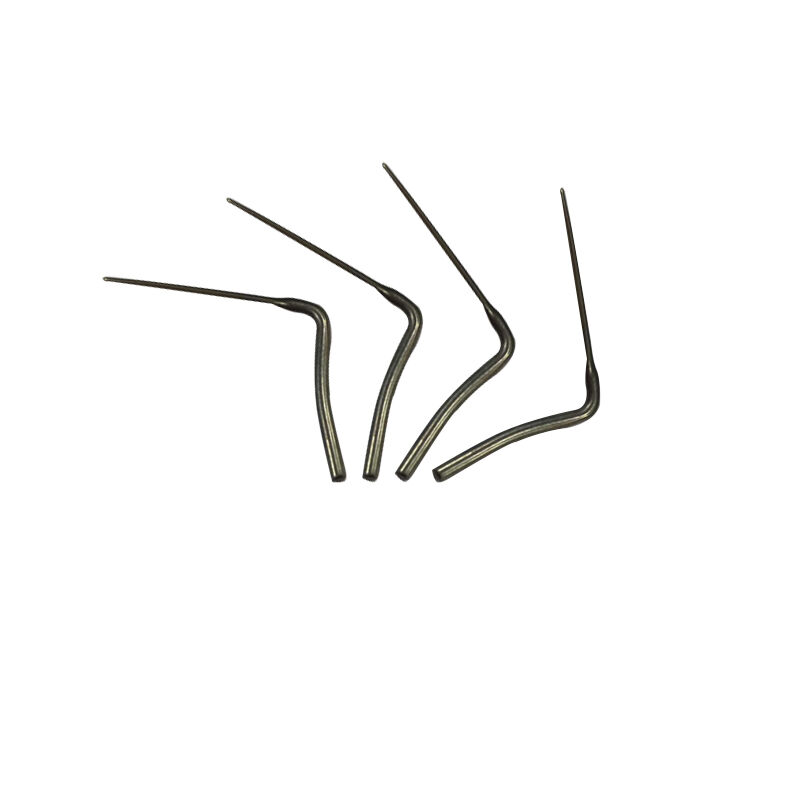
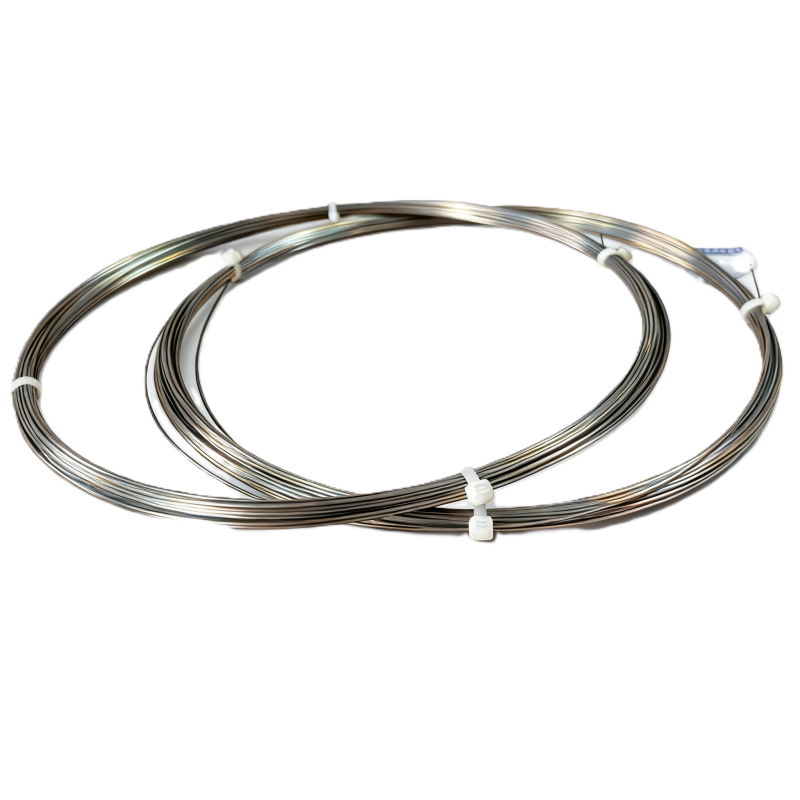
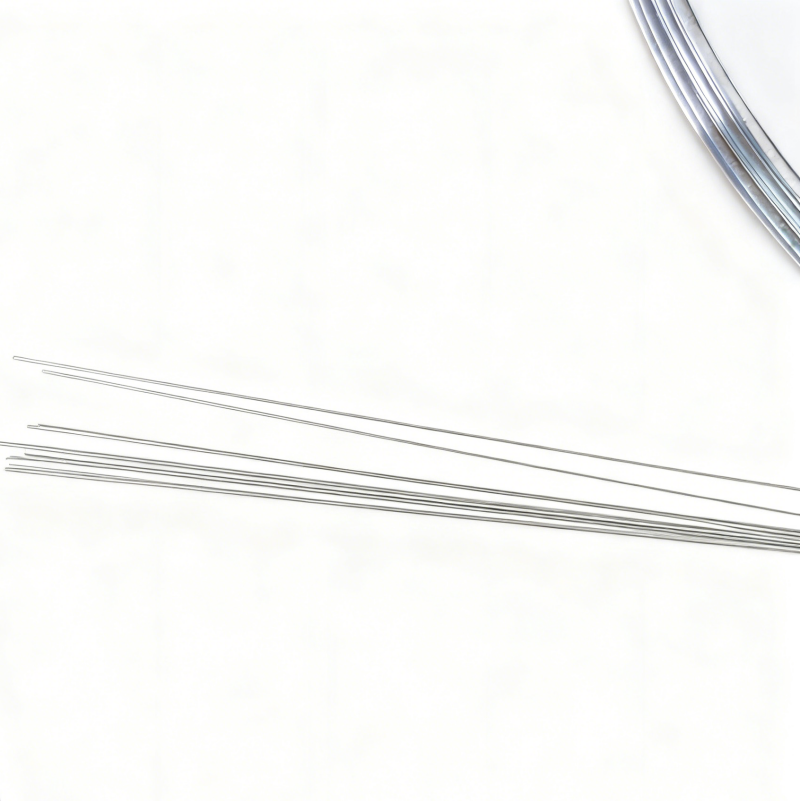
Confluent nitinol represents a significant advancement in shape memory alloy technology, combining the well-established properties of nickel-titanium with refined manufacturing processes that deliver consistent, high-performance results across a wide range of demanding applications. At its core, confluent nitinol is engineered to harness two defining physical phenomena: the shape memory effect and superelasticity. These properties allow the material to return to a predetermined shape after deformation and to withstand repeated mechanical stress without permanent damage, making it uniquely suited for environments where conventional metals would fail. The shape memory effect is activated by temperature changes, enabling components made from confluent nitinol to respond dynamically to thermal stimuli. This behavior is particularly valuable in medical devices, where precise, controlled movement within the human body is essential. Superelasticity, on the other hand, allows the material to undergo significant elastic deformation at a constant temperature, recovering its original form once the applied force is removed. This characteristic is critical in applications requiring flexibility combined with structural integrity. From a technological standpoint, confluent nitinol is produced through carefully controlled melting, alloying, and thermomechanical processing techniques. The composition ratio of nickel to titanium is precisely managed to tune the transformation temperatures and mechanical properties to meet specific application requirements. Surface treatments and coatings can further enhance biocompatibility, corrosion resistance, and fatigue life. In terms of applications, confluent nitinol is widely used in the medical device industry for stents, guidewires, orthodontic archwires, and surgical instruments. Beyond medicine, it finds use in aerospace actuators, robotics, consumer electronics, and industrial automation systems. Its ability to perform reliably under cyclic loading and in corrosive environments makes confluent nitinol a material of choice for engineers seeking long-term performance with minimal maintenance. The combination of functional versatility, biocompatibility, and mechanical resilience positions confluent nitinol as a foundational material in next-generation product design.


New Product Recommendations

Confluent nitinol offers a set of practical benefits that make it stand out from conventional engineering materials, and understanding these advantages helps explain why so many industries continue to adopt it for critical applications. First and foremost, confluent nitinol gives you a material that remembers its shape. When you bend it or compress it and then apply heat or remove mechanical force, it snaps back to its original form. This is not a minor convenience. It means you can design components that move, actuate, or self-correct without motors, batteries, or complex control systems. You reduce part count, lower assembly costs, and eliminate potential failure points all at once. Second, confluent nitinol handles repeated stress without breaking down. Most metals fatigue over time when you cycle them through bending and straightening. Confluent nitinol resists this degradation far better than stainless steel or titanium alloys in comparable applications. For products that need to flex thousands or even millions of times over their service life, this translates directly into longer product lifespans and fewer warranty claims or replacements. Third, confluent nitinol is biocompatible. It does not trigger adverse reactions in the human body, which is why medical device manufacturers rely on it for implants and minimally invasive tools. If you are developing a product that contacts tissue or blood, confluent nitinol removes a major regulatory and safety hurdle that other metals cannot clear as easily. Fourth, confluent nitinol is highly corrosion resistant. In marine environments, chemical processing settings, or anywhere moisture and reactive substances are present, the material holds up without the surface degradation that plagues ordinary metals. You spend less on protective coatings and maintenance schedules. Fifth, confluent nitinol is lightweight relative to the structural performance it delivers. Engineers working on weight-sensitive designs in aerospace, wearable technology, or portable medical equipment find that confluent nitinol lets them hit performance targets without adding bulk. Sixth, the transformation temperatures of confluent nitinol can be tuned during manufacturing. This means you can specify exactly at what temperature the material activates, giving you precise control over product behavior in the field. Whether your operating environment runs cold or hot, the material can be tailored to match. Seventh, confluent nitinol supports miniaturization. Because it delivers strong actuation force from a small cross-section, you can build smaller, lighter, and more elegant devices without sacrificing function. This is a decisive advantage in consumer electronics and medical devices where compact form factors drive purchasing decisions. Taken together, these advantages make confluent nitinol a smart investment for product teams that want reliable performance, design flexibility, and long service life without the compromises that come with conventional material choices.

Latest News

Why is high-stability Nitinol the first choice for equipment in extreme conditions?

12

May

Why is high-stability Nitinol the first choice for equipment in extreme conditions?

When equipment must perform reliably under mechanical stress, thermal cycling, and repeated deformation, material selection becomes a critical engineering decision. Nitinol, the nickel-titanium shape memory alloy, has earned a dominant position in de...
View More
How to ensure dimensional tolerances for precision Nitinol metal parts?

18

May

How to ensure dimensional tolerances for precision Nitinol metal parts?

Achieving tight dimensional tolerances in Nitinol metal components is one of the most demanding challenges in precision manufacturing. Unlike conventional metals, Nitinol — a nickel-titanium shape memory alloy — exhibits superelastic recovery and pha...
View More
How to utilize one-way and two-way memory in precision medical components?

21

May

How to utilize one-way and two-way memory in precision medical components?

In the development of precision medical components, material intelligence is no longer a concept reserved for science fiction. nitinol wire has fundamentally changed how engineers and medical device designers approach the challenge of building compon...
View More
Why should you prioritize the manufacturer's R&D center when choosing partners?

02

Jun

Why should you prioritize the manufacturer's R&D center when choosing partners?

When evaluating potential manufacturing partners, most procurement teams focus on price, lead time, and production capacity. These are legitimate criteria, but they often overlook one of the most telling indicators of long-term value: the strength an...
View More

Get a Free Quote

Our representative will contact you soon.
Email
Name
Company Name
Message
0/1000

confluent nitinol

Unmatched Shape Memory Performance for Precision Engineering

Unmatched Shape Memory Performance for Precision Engineering

One of the most compelling reasons engineers and product designers choose confluent nitinol is its exceptional shape memory performance. Unlike passive structural materials that simply resist deformation, confluent nitinol actively participates in the function of the device it is built into. When the material is deformed below its transformation temperature and then warmed, it recovers its programmed shape with a level of force and precision that passive springs or mechanical linkages struggle to match. This behavior stems from a reversible phase transformation between two crystalline structures: martensite at lower temperatures and austenite at higher temperatures. The transition between these phases is what drives the shape recovery, and because it occurs at the atomic level throughout the entire material volume, the response is smooth, consistent, and repeatable. For engineers designing medical stents, confluent nitinol delivers self-expansion behavior that allows a compressed device to be delivered through a catheter and then expand reliably once it reaches body temperature. This eliminates the need for balloon inflation in many applications, simplifying the procedure and reducing patient risk. In industrial actuators, the shape memory effect of confluent nitinol replaces electric motors or pneumatic systems in applications where space is constrained or where silent, smooth motion is required. The material generates substantial recovery forces relative to its size, enabling compact actuator designs that would be impossible with conventional approaches. The transformation temperature of confluent nitinol can be precisely set during alloy preparation, which means the activation point can be matched to the specific thermal environment of the end application. A device intended for use in the human body can be tuned to activate at body temperature, while an industrial component might be set to respond at a higher threshold. This tunability gives design teams a level of control that is simply not available with other smart materials. Furthermore, confluent nitinol maintains its shape memory performance across thousands of thermal cycles without significant degradation. This long-term stability is critical for implantable devices that must function reliably for years inside a patient, and equally important for industrial systems where maintenance access is limited or costly. The combination of strong recovery force, precise activation temperature, miniaturization potential, and long cycle life makes the shape memory capability of confluent nitinol a genuinely transformative feature for any application that demands intelligent, responsive material behavior.
Superior Superelasticity That Protects Devices Under Extreme Stress

Superior Superelasticity That Protects Devices Under Extreme Stress

Confluent nitinol delivers a level of superelasticity that sets it apart from virtually every other structural metal available to engineers today. Superelasticity, sometimes called pseudoelasticity, refers to the ability of confluent nitinol to undergo very large elastic deformations, often up to eight percent strain, and then return completely to its original shape once the load is removed. This happens at a constant temperature, driven by a stress-induced phase transformation rather than a thermal one. The practical implications of this property are profound and far-reaching across multiple industries. In the medical device sector, guidewires and catheters made from confluent nitinol can navigate the tortuous anatomy of blood vessels and body cavities without kinking or permanently deforming. A stainless steel wire subjected to the same bending radius would take a set and lose its navigability. Confluent nitinol springs back, maintaining its function and allowing clinicians to work with greater confidence and precision. This directly improves procedural outcomes and reduces the risk of device failure during critical interventions. In orthodontics, archwires fabricated from confluent nitinol apply a gentle, continuous force to teeth over a wide range of deflection. Conventional stainless steel wires deliver high force over a narrow range and require frequent adjustment. Confluent nitinol archwires maintain their corrective force even as teeth move, reducing the number of clinical visits a patient needs and improving treatment comfort. For structural components in aerospace and robotics, the superelastic behavior of confluent nitinol means that parts can absorb impact energy and recover without plastic deformation. This resilience extends component life dramatically in applications where shock loading is common. The fatigue resistance of confluent nitinol under cyclic superelastic loading is also significantly better than that of conventional spring materials, which means components last longer and fail less frequently in service. The stress plateau behavior of confluent nitinol, where large deformation occurs at nearly constant stress, also acts as a natural load-limiting mechanism. This protects adjacent components from overload, adding a passive safety function to the material itself. For product teams focused on reliability and longevity, the superelastic properties of confluent nitinol represent a clear and measurable competitive advantage that justifies its selection over lower-cost but less capable alternatives.
Exceptional Biocompatibility and Corrosion Resistance for Long-Term Reliability

Exceptional Biocompatibility and Corrosion Resistance for Long-Term Reliability

Confluent nitinol has earned its dominant position in the medical device industry largely because of its outstanding biocompatibility and corrosion resistance, two properties that are non-negotiable when a material must perform inside or in close contact with the human body. Biocompatibility means that confluent nitinol does not provoke harmful immune responses, does not release toxic ions at clinically significant levels, and does not degrade in a way that compromises surrounding tissue. This is a high bar that many metals fail to clear, but confluent nitinol meets it consistently when properly processed and surface-treated. The corrosion resistance of confluent nitinol comes from a stable titanium oxide layer that forms naturally on the surface of the alloy. This passive oxide film acts as a barrier between the bulk material and the surrounding environment, preventing the electrochemical reactions that cause rust, pitting, and stress corrosion cracking in other metals. In the saline environment of the human body, or in industrial settings involving moisture, acids, or chlorides, this protective layer keeps confluent nitinol performing at full capacity for the intended service life of the device. For implantable medical devices such as cardiovascular stents, orthopedic staples, and spinal implants, the long-term stability of confluent nitinol in the body is a critical design requirement. Regulatory agencies require extensive biocompatibility testing before any implantable material can be approved, and confluent nitinol has a well-established track record of passing these evaluations. This reduces the regulatory risk for medical device companies and shortens the path to market for new products built on confluent nitinol platforms. Beyond medicine, the corrosion resistance of confluent nitinol makes it valuable in offshore oil and gas equipment, chemical processing instrumentation, and marine hardware where conventional metals require expensive coatings or frequent replacement. The ability to deploy confluent nitinol components in harsh environments without additional protective measures reduces total cost of ownership and simplifies maintenance programs. Surface finishing options including electropolishing, passivation, and specialized coatings can further enhance the already strong corrosion resistance of confluent nitinol, allowing engineers to tailor the surface properties to the specific demands of their application. This combination of inherent biocompatibility, natural corrosion resistance, and surface engineering flexibility makes confluent nitinol the material of choice for any application where long-term reliability in a challenging environment is the primary design objective.
Confluent Nitinol: Advanced Shape Memory Alloy for Medical and Industrial Applications

Get a Free Quote

Our representative will contact you soon.
Email
Name
Company Name
Message
0/1000
Newsletter
Please Leave A Message With Us