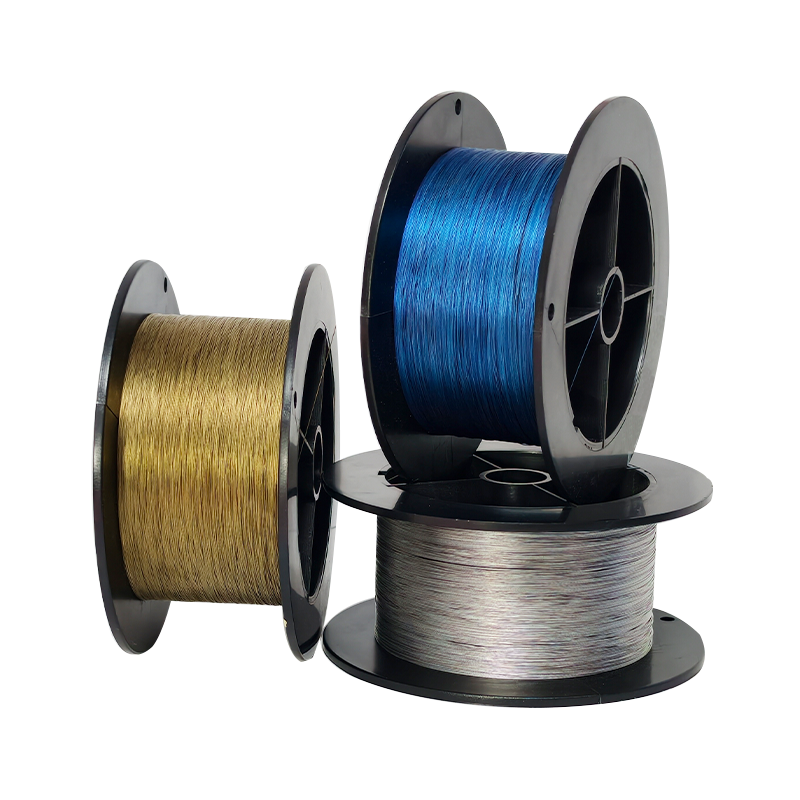
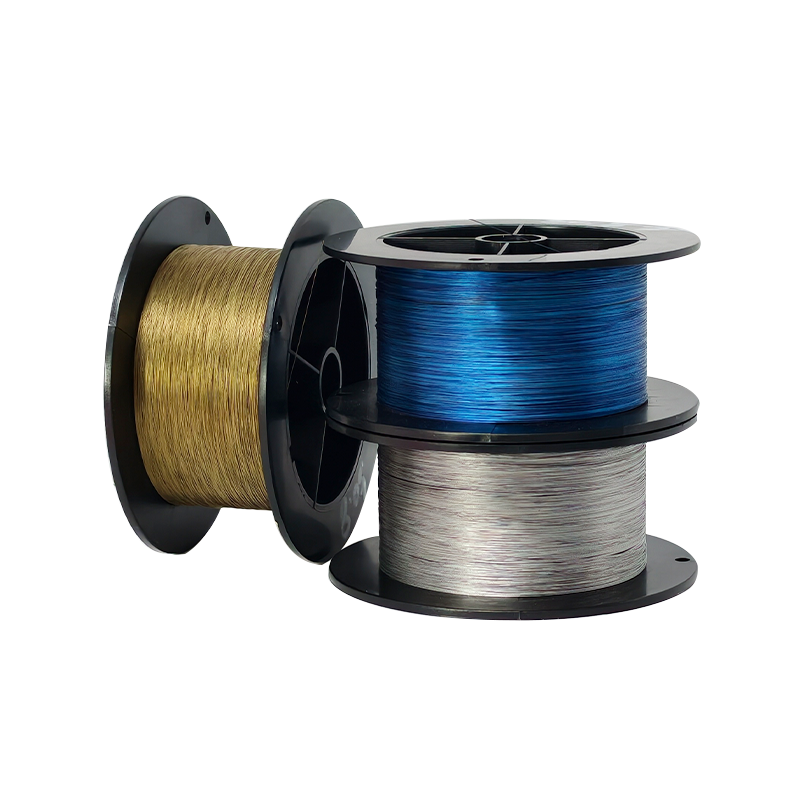
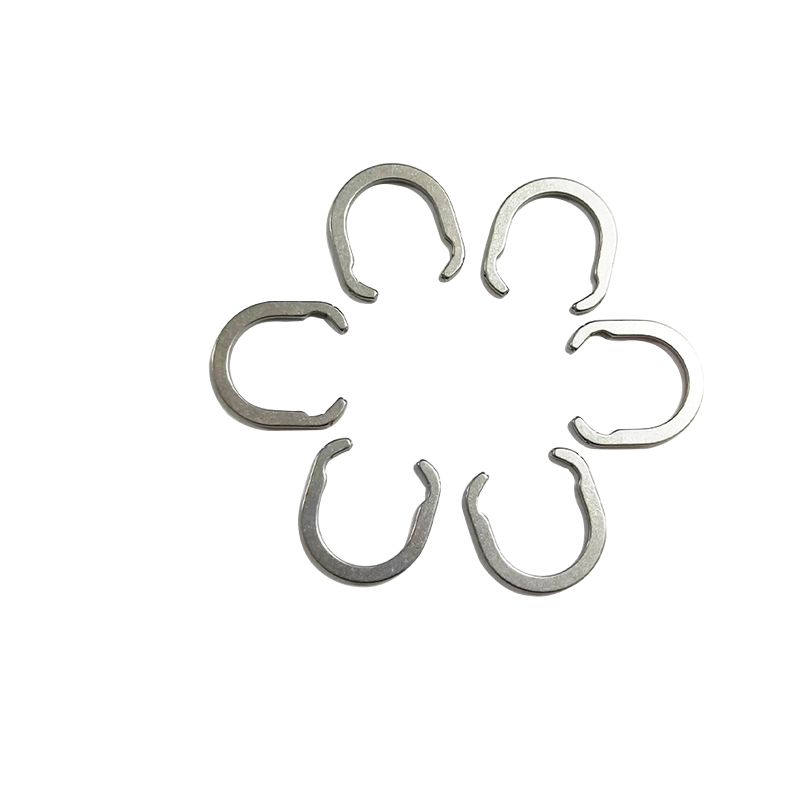
Cable Nitinol: Superelastic, Fatigue-Resistant Wire Solutions for Medical and Industrial Applications

Get a Free Quote

Our representative will contact you soon.
Email
Name
Company Name
Message
0/1000

cable nitinol

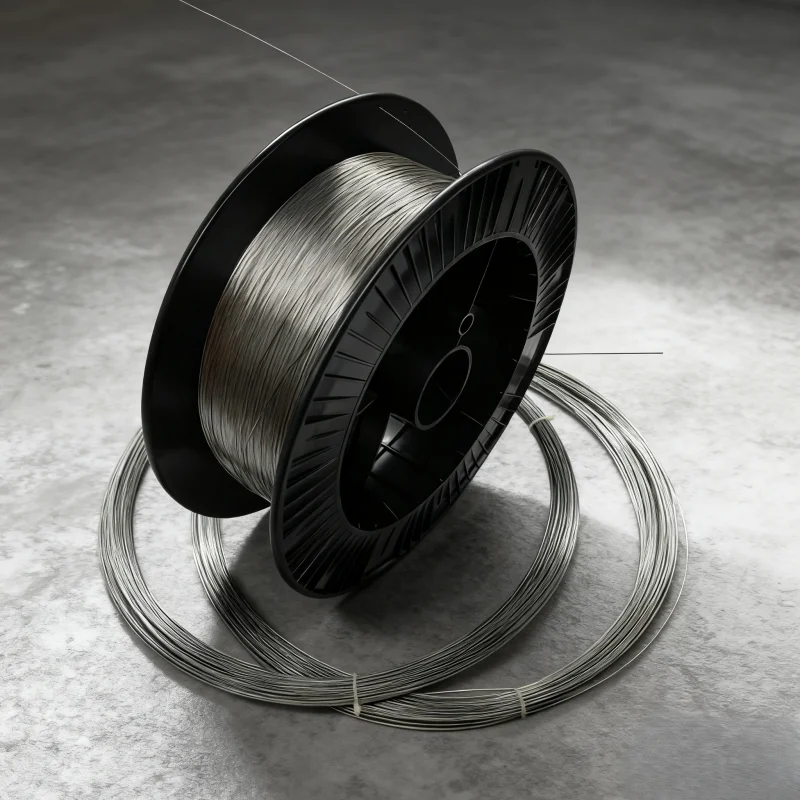
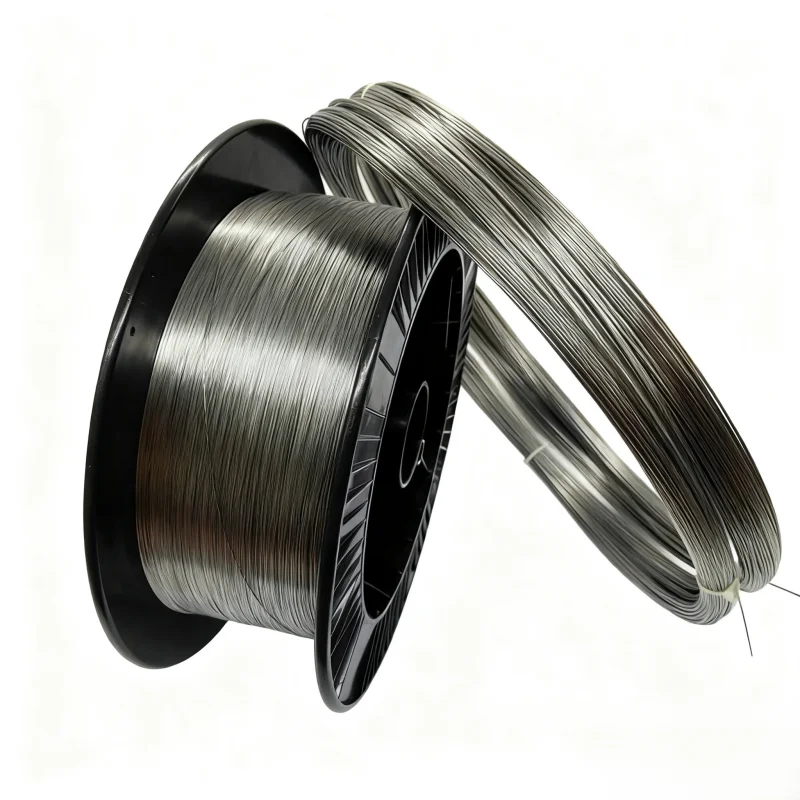
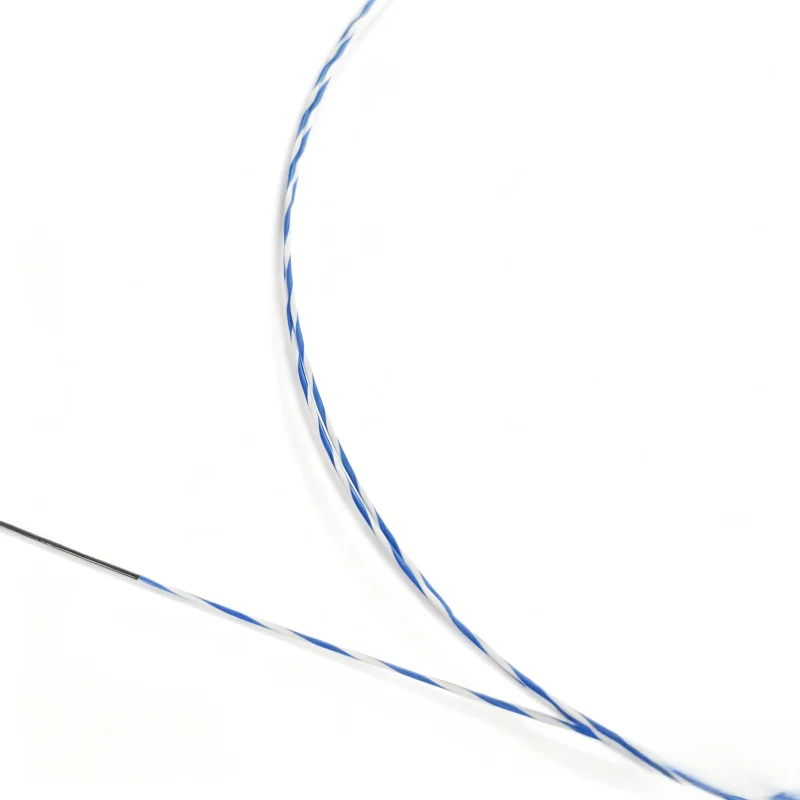
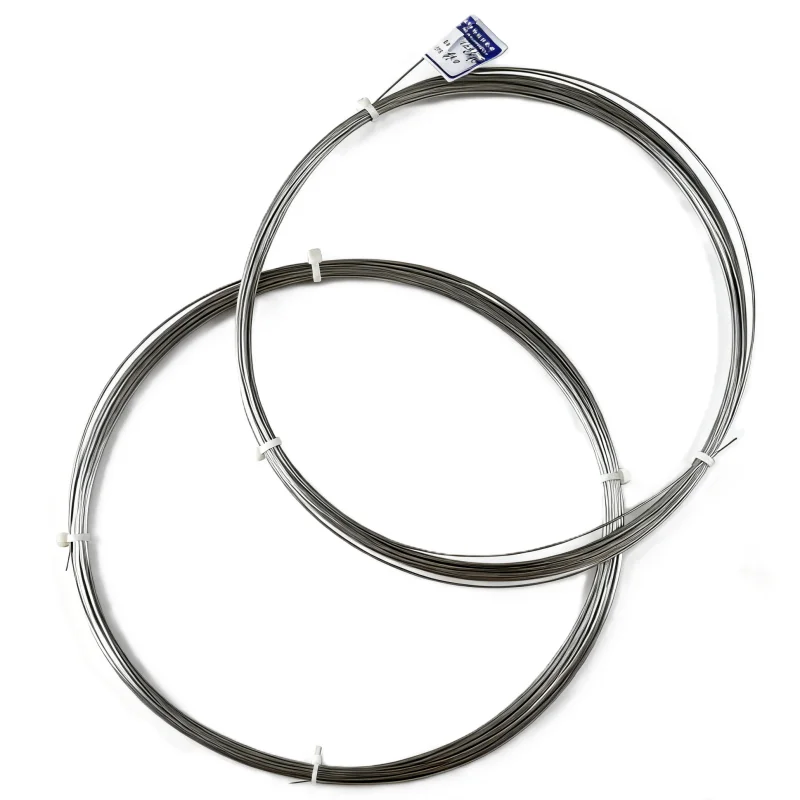
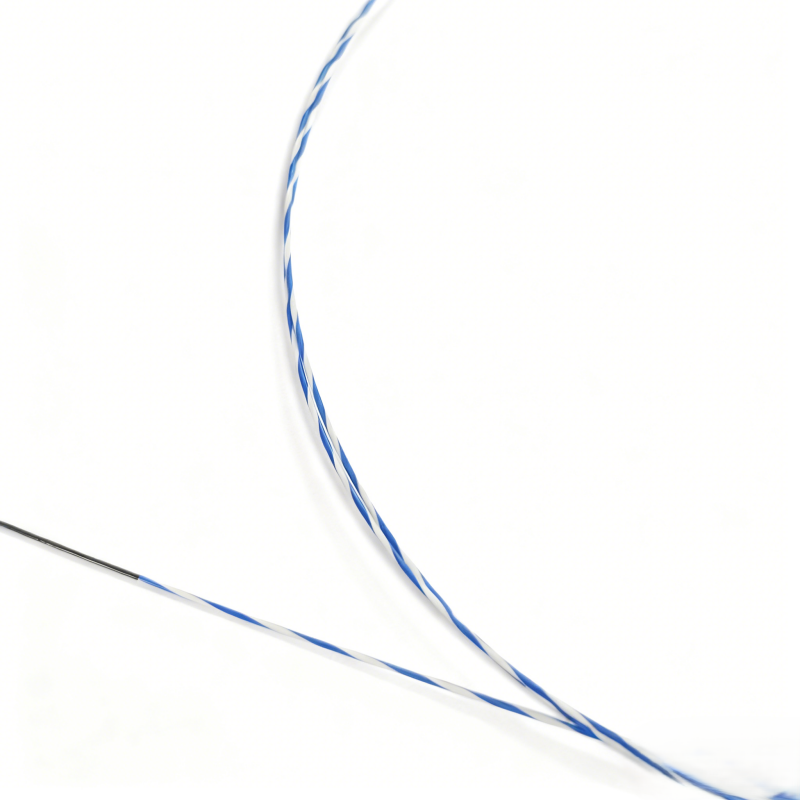
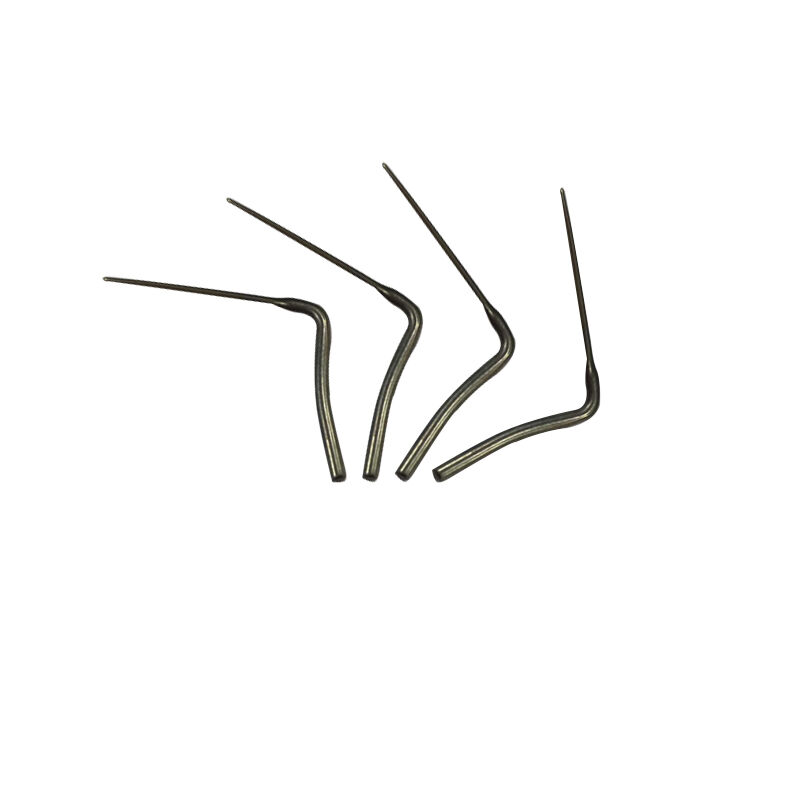
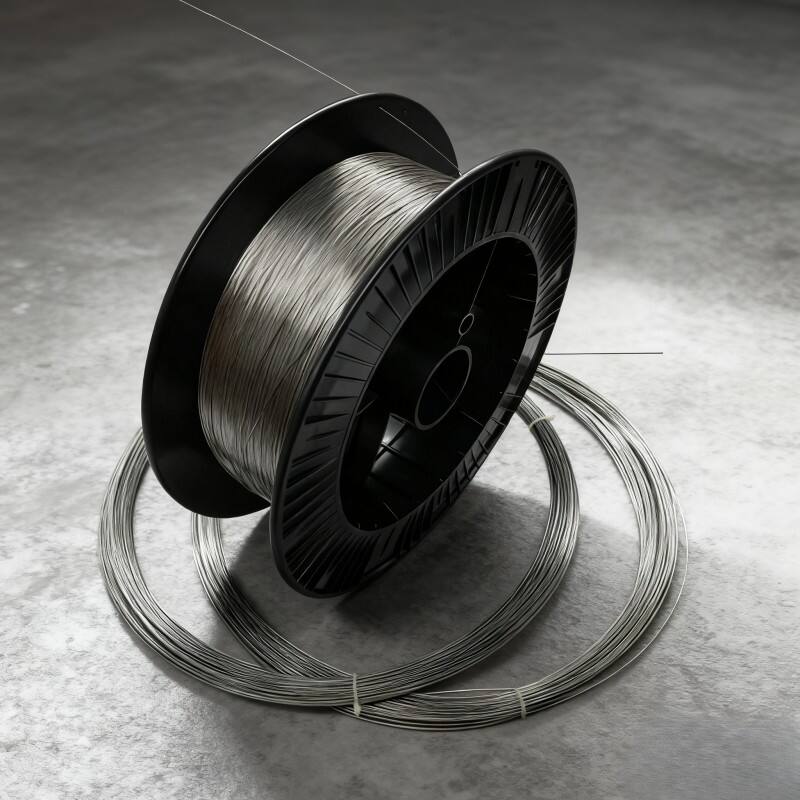
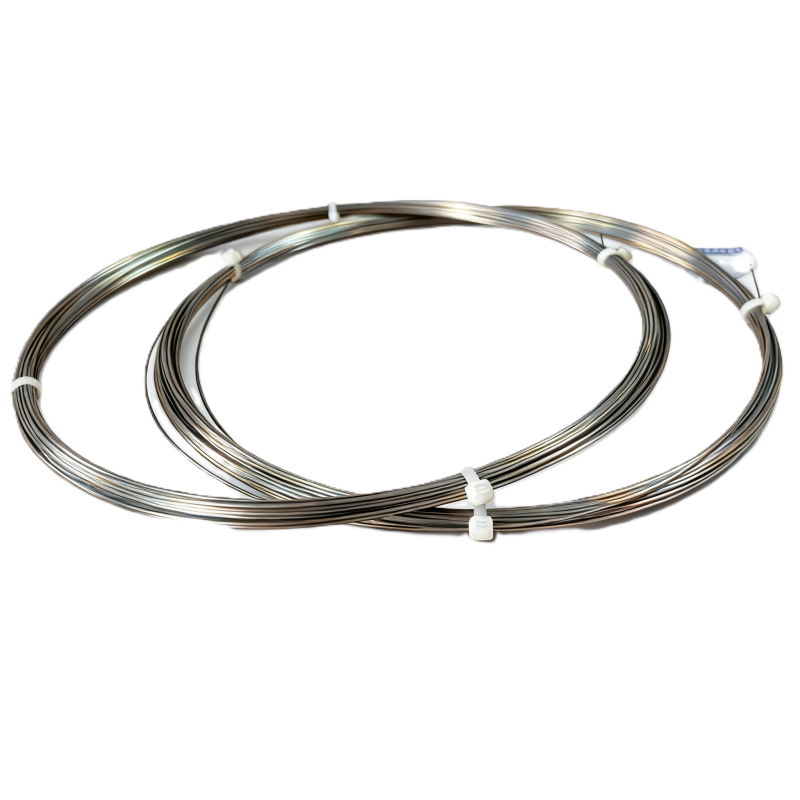
Cable nitinol represents a remarkable advancement in the field of shape memory and superelastic materials. Composed of a near-equiatomic alloy of nickel and titanium, cable nitinol is engineered into a multi-strand wire configuration that combines the extraordinary properties of nitinol with the flexibility and strength characteristics of a traditional cable structure. This unique construction allows cable nitinol to perform in environments and applications where conventional metal cables simply cannot compete. At its core, cable nitinol leverages two defining physical phenomena: the shape memory effect and superelasticity. The shape memory effect enables the cable to return to a pre-programmed shape after deformation when exposed to a specific temperature threshold. Superelasticity, on the other hand, allows cable nitinol to undergo significant elastic deformation at a constant temperature and then recover its original form once the applied stress is removed. These properties make cable nitinol an exceptionally versatile material across a wide range of demanding industries. From a technological standpoint, cable nitinol is manufactured through a precise process of cold drawing, stranding, and heat treatment. The stranded cable architecture distributes mechanical loads across multiple wires, enhancing fatigue resistance and overall durability compared to single-strand nitinol wire. The alloy composition is carefully controlled to tune the transformation temperatures, ensuring the cable performs reliably within the intended operating range. Cable nitinol finds critical applications in the medical device industry, particularly in minimally invasive surgical tools, guidewires, stents, and catheter systems. Its biocompatibility, kink resistance, and ability to navigate complex anatomical pathways make it indispensable in modern interventional medicine. Beyond healthcare, cable nitinol is used in aerospace actuators, robotics, safety mechanisms, and specialty engineering components where reliable, repeatable motion and resilience under cyclic loading are essential. The combination of mechanical performance, biological compatibility, and unique physical behavior positions cable nitinol as a material of choice for engineers and designers pushing the boundaries of what is possible in high-performance applications.


New Product Releases

Cable nitinol delivers a set of practical benefits that make it stand out from conventional cable materials, and understanding these advantages helps engineers, medical device designers, and product developers make smarter material choices. Here is a clear look at what cable nitinol brings to the table and why it matters for real-world performance. First, cable nitinol bounces back. Unlike stainless steel or standard metal cables that permanently deform when bent or stretched beyond their limits, cable nitinol returns to its original shape after being released from stress. This superelastic behavior means the cable can be compressed, coiled, or bent sharply during deployment and still recover fully once the load is removed. For medical device manufacturers, this translates directly into catheters and guidewires that navigate tight anatomical curves without kinking or losing function. For engineers in other fields, it means components that survive repeated mechanical cycles without fatigue failure accumulating as quickly as it would in conventional materials. Second, cable nitinol handles fatigue exceptionally well. The multi-strand cable construction spreads mechanical stress across individual wires, reducing the peak load any single wire must bear. Combined with the inherent fatigue resistance of the nitinol alloy itself, cable nitinol maintains its performance through millions of flex cycles. This durability reduces replacement frequency, lowers maintenance costs, and increases the overall reliability of the systems it is built into. Third, cable nitinol is safe for use inside the human body. The nickel-titanium alloy has a well-established biocompatibility profile, meaning it does not trigger harmful reactions when it contacts biological tissue or fluids. Medical device companies rely on this property to build implants, surgical tools, and vascular devices that patients can trust. Fourth, cable nitinol is lightweight without sacrificing strength. Compared to many high-performance metal cables, nitinol offers a favorable strength-to-weight ratio. This matters in aerospace components, wearable robotics, and portable medical equipment where every gram counts. Fifth, cable nitinol can be programmed to move. By setting a specific transformation temperature during manufacturing, designers can create actuator cables that change shape or generate force in response to heat. This built-in actuation capability eliminates the need for external motors or complex mechanical linkages in certain applications, simplifying system design and reducing part count. Sixth, cable nitinol resists corrosion. The titanium oxide layer that naturally forms on the surface of nitinol provides strong protection against corrosion in saline, humid, and chemically aggressive environments. This makes cable nitinol a reliable long-term solution in marine, medical, and industrial settings where material degradation is a constant concern. Taken together, these advantages make cable nitinol a genuinely practical choice for applications that demand resilience, precision, and longevity. It is not just a specialty material for niche uses. It is a high-performance solution that solves real engineering problems in ways that conventional cables cannot match.

Tips And Tricks

Why is phase transition stability of nickel titanium wire key to actuator success?

13

May

Why is phase transition stability of nickel titanium wire key to actuator success?

In the world of precision actuators, the materials used to generate motion are not merely components — they are the foundation of reliability. nickel titanium wire has emerged as one of the most compelling active materials in modern actuator engineer...
View More
Why do full-process manufacturers provide higher performance Nitinol SMA?

20

May

Why do full-process manufacturers provide higher performance Nitinol SMA?

When engineers and procurement specialists evaluate materials for high-precision medical devices, aerospace components, or advanced actuator systems, the source of the material matters as much as the material itself. Nitinol SMA — the nickel-titanium...
View More
Why is a brand with a 5,000m² factory more professional in Nitinol customization?

22

May

Why is a brand with a 5,000m² factory more professional in Nitinol customization?

When sourcing advanced shape memory alloys for medical devices, aerospace components, or industrial actuators, the manufacturing environment behind a supplier tells you far more than a product catalog ever could. Nitinol customization is a precision-...
View More
What breakthroughs can Nitinol material bring to future flexible robot joints?

25

May

What breakthroughs can Nitinol material bring to future flexible robot joints?

The evolution of robotics is deeply tied to the materials that power movement, flexibility, and responsiveness. Among the most promising advances in this space, Nitinol material stands out as a transformative force in the design of flexible robot joi...
View More

Get a Free Quote

Our representative will contact you soon.
Email
Name
Company Name
Message
0/1000

cable nitinol

Superelastic Recovery That Protects Performance Under Pressure

Superelastic Recovery That Protects Performance Under Pressure

One of the most compelling reasons engineers and designers choose cable nitinol is its superelastic behavior, a property that sets it apart from virtually every other cable material available today. Superelasticity in cable nitinol means the material can be deformed by strains of up to eight percent and then recover completely to its original shape once the applied force is removed. This is not a gradual or partial recovery. It is a full, repeatable return to the original geometry, cycle after cycle, without the permanent set that plagues conventional metal cables made from stainless steel, titanium alloy, or cobalt-chromium. To understand why this matters in practice, consider a guidewire navigating the tortuous anatomy of a coronary artery. The wire must bend sharply, twist, and compress as it travels through the vessel, yet it must maintain its structural integrity and transmit torque accurately to the physician controlling it from outside the body. A stainless steel cable in the same scenario would accumulate plastic deformation, losing its responsiveness and potentially kinking in a way that compromises the procedure. Cable nitinol handles this challenge with ease because its superelastic plateau allows it to absorb large deformations without crossing into permanent plastic strain territory. The same principle applies in industrial and aerospace contexts. Actuator cables in robotic joints, safety release mechanisms in aerospace systems, and flexible linkages in precision instruments all benefit from a cable that returns faithfully to its set geometry after each operational cycle. This reliability reduces the need for recalibration, lowers the risk of unexpected mechanical failure, and extends the service life of the assembly. The superelastic property of cable nitinol also contributes to a smoother force-displacement profile compared to conventional cables. Rather than stiffening sharply as deformation increases, cable nitinol maintains a relatively flat stress plateau during loading and unloading. This characteristic makes it easier to design systems with predictable, controllable mechanical behavior, which is a significant advantage in precision engineering and medical device development where consistency is non-negotiable. Choosing cable nitinol for superelastic applications is not just a technical decision. It is a strategic one that reduces risk, improves product reliability, and ultimately delivers better outcomes for end users.
Exceptional Fatigue Resistance Built for Long-Term Reliability

Exceptional Fatigue Resistance Built for Long-Term Reliability

Fatigue failure is one of the most common and costly modes of mechanical failure in cable-based systems. When a cable is subjected to repeated bending, tension, and compression cycles, microscopic cracks initiate at stress concentration points and propagate until the cable fractures. For applications that demand thousands or even millions of operational cycles, fatigue resistance is not a secondary consideration. It is a primary design requirement. Cable nitinol addresses this challenge through two complementary mechanisms that work together to deliver fatigue performance far superior to conventional cable materials. The first mechanism is the intrinsic fatigue resistance of the nitinol alloy itself. The superelastic deformation mechanism in nitinol involves a reversible phase transformation between austenite and martensite rather than conventional dislocation-based plasticity. Because the material accommodates strain through this transformation rather than through irreversible atomic slip, it accumulates damage more slowly under cyclic loading. Research and clinical data from the medical device industry consistently show that nitinol components outperform stainless steel and cobalt-chromium alloys in fatigue life testing under physiologically relevant loading conditions. The second mechanism is the multi-strand cable architecture. By distributing the total mechanical load across multiple individual wires twisted together in a helical pattern, the cable construction reduces the peak stress experienced by any single wire. This load sharing effect directly lowers the driving force for crack initiation and propagation, extending the fatigue life of the assembly beyond what a single solid wire of equivalent cross-section could achieve. For medical device manufacturers producing implantable or long-term use products, this fatigue performance translates into devices that remain functional and safe throughout their intended service life, reducing the risk of in-vivo failure and the associated clinical and regulatory consequences. For industrial and aerospace engineers, it means fewer unplanned maintenance events, lower lifecycle costs, and greater confidence in system reliability. Cable nitinol is engineered to keep working long after conventional cables have reached their limits, making it the material of choice for any application where fatigue life is a critical design parameter.
Biocompatibility and Corrosion Resistance That Open Doors in Medical and Harsh Environments

Biocompatibility and Corrosion Resistance That Open Doors in Medical and Harsh Environments

The ability of a material to coexist safely with biological tissue and resist degradation in aggressive chemical environments is not a given. It is a carefully engineered property that determines whether a material can be trusted in the most demanding applications. Cable nitinol earns this trust through a combination of inherent biocompatibility and outstanding corrosion resistance that together make it one of the most versatile high-performance cable materials available. The biocompatibility of cable nitinol stems from the stable titanium oxide layer that forms naturally on the surface of the nickel-titanium alloy. This passive oxide layer acts as a barrier between the underlying alloy and the surrounding biological environment, preventing the release of nickel ions at levels that would trigger cytotoxic or allergic responses. Decades of clinical use in cardiovascular stents, orthopedic staples, and surgical instruments have established a robust safety record for nitinol in contact with human tissue and blood. Regulatory agencies around the world recognize this track record, and medical device manufacturers rely on it to bring life-saving products to market with confidence. Beyond the medical field, the corrosion resistance of cable nitinol makes it a practical choice for marine, chemical processing, and outdoor industrial applications where moisture, salt, and reactive chemicals would rapidly degrade conventional steel cables. The titanium oxide surface layer is self-healing, meaning that if it is scratched or abraded, it reforms spontaneously in the presence of oxygen. This self-passivation behavior provides ongoing protection without the need for coatings, platings, or chemical treatments that can wear away over time. For product designers and engineers evaluating cable nitinol for a new application, these properties translate into a material that reduces regulatory risk in medical contexts, eliminates the need for protective surface treatments in corrosive environments, and delivers consistent long-term performance without the degradation-related maintenance burden associated with conventional cable materials. Cable nitinol does not just survive in challenging environments. It thrives in them, making it a uniquely capable solution for applications where material integrity over time is essential to safety and performance.
Cable Nitinol: Superelastic, Fatigue-Resistant Wire Solutions for Medical and Industrial Applications

Get a Free Quote

Our representative will contact you soon.
Email
Name
Company Name
Message
0/1000
Newsletter
Please Leave A Message With Us