Nitinol in Dentistry: Revolutionary Shape Memory Alloy for Orthodontics and Endodontics

Get a Free Quote

Our representative will contact you soon.
Email
Name
Company Name
Message
0/1000

nitinol in dentistry

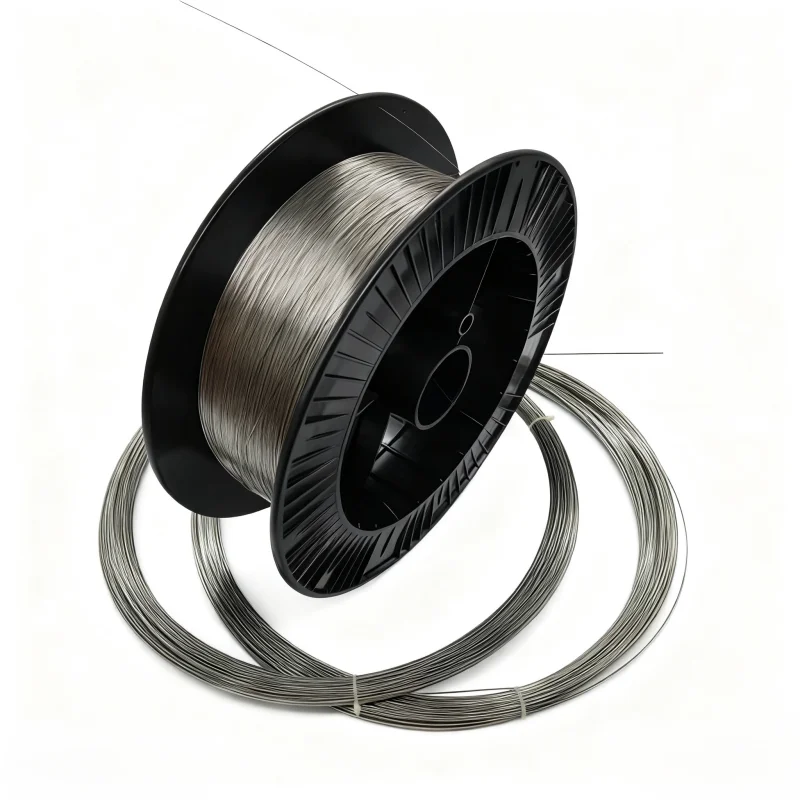
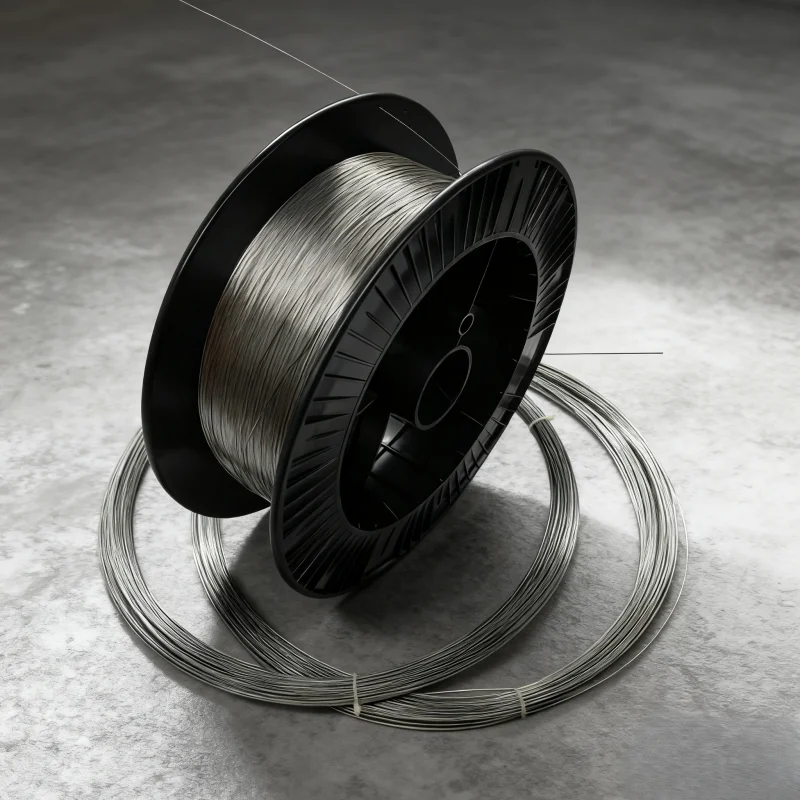
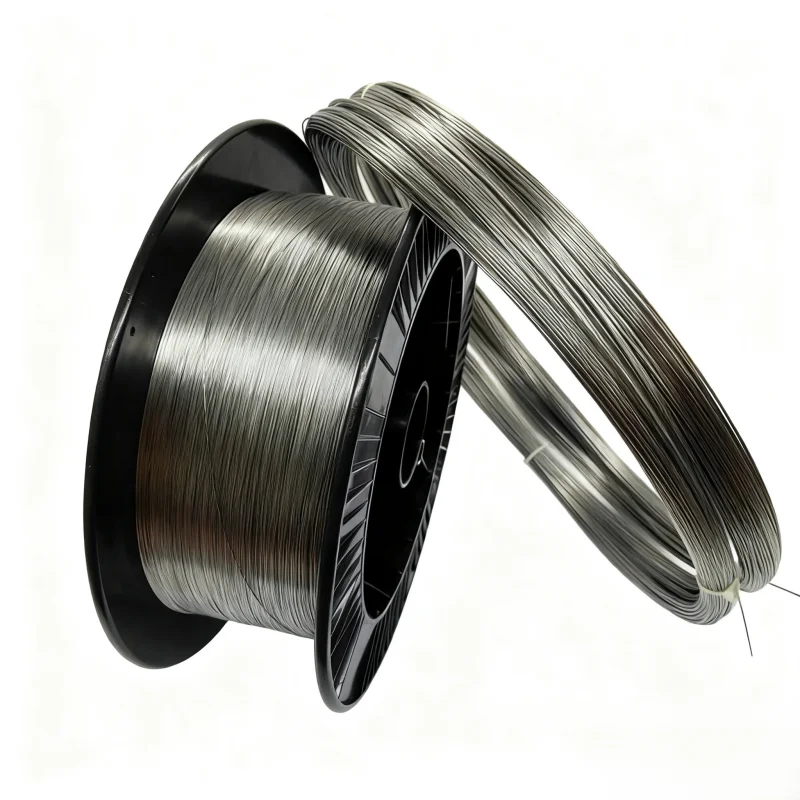
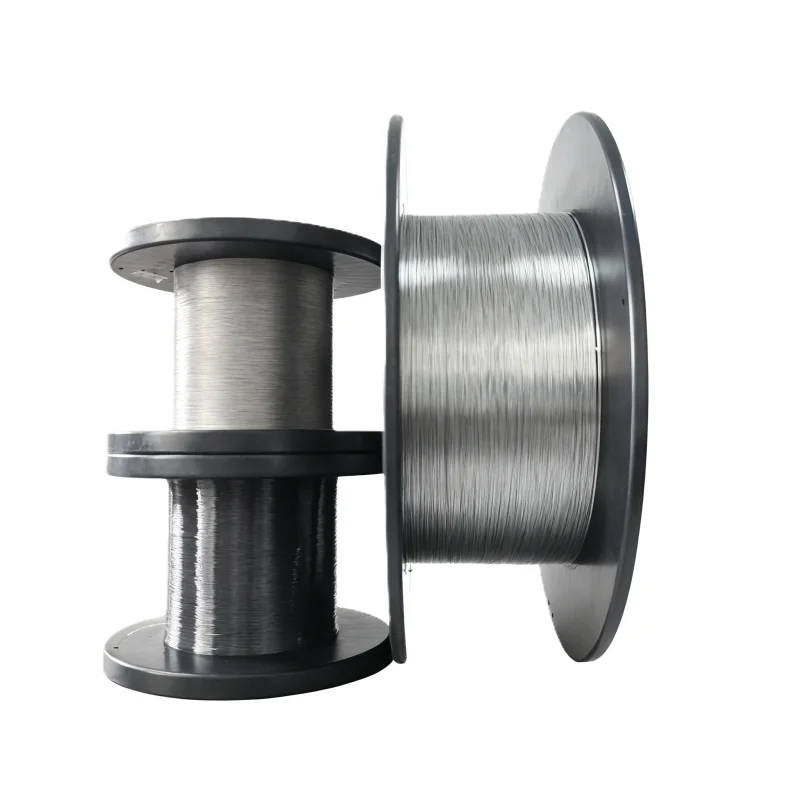
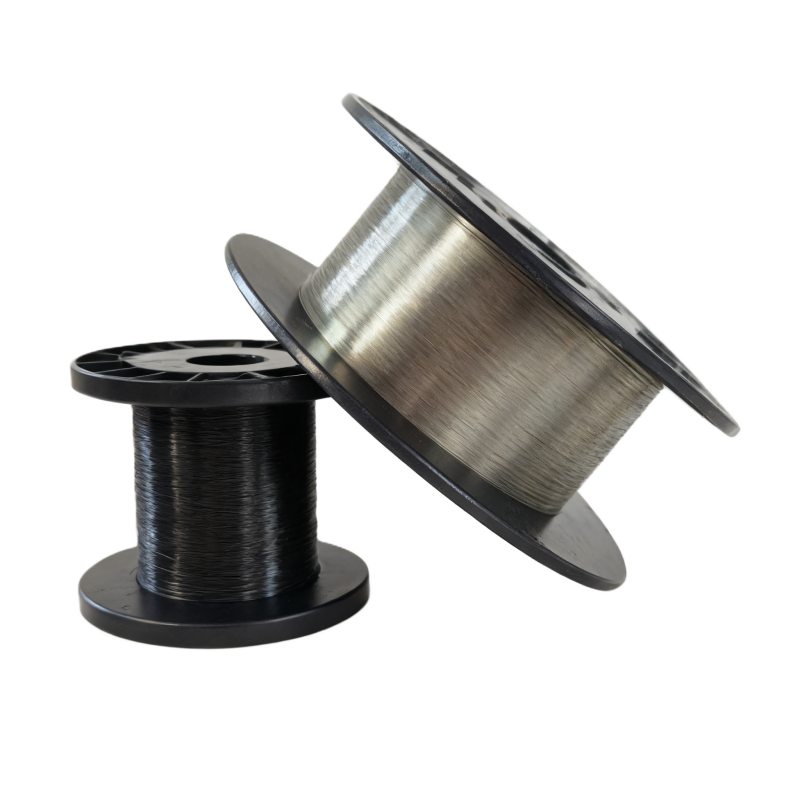
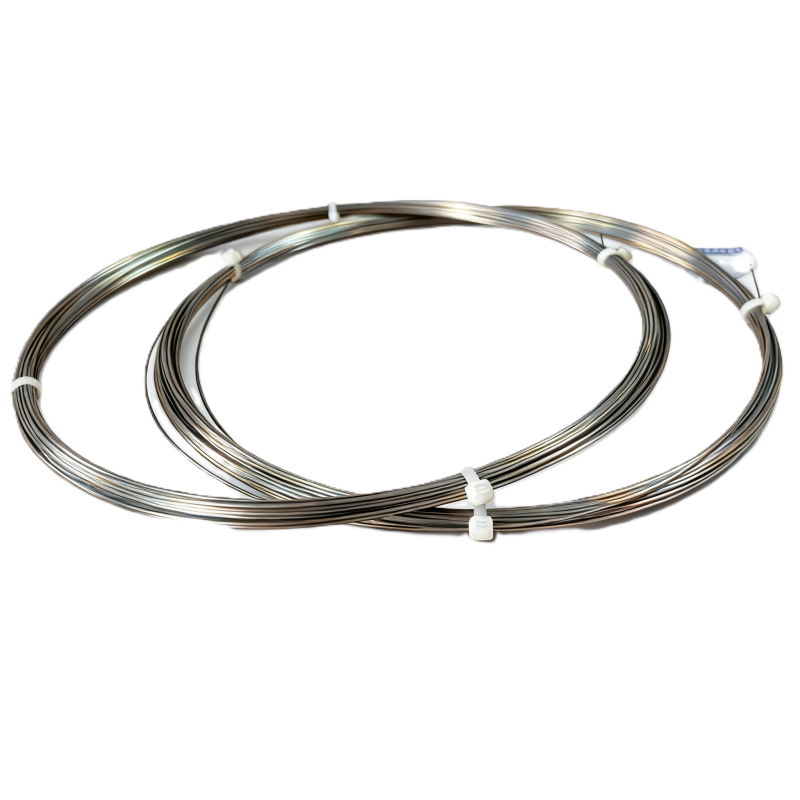
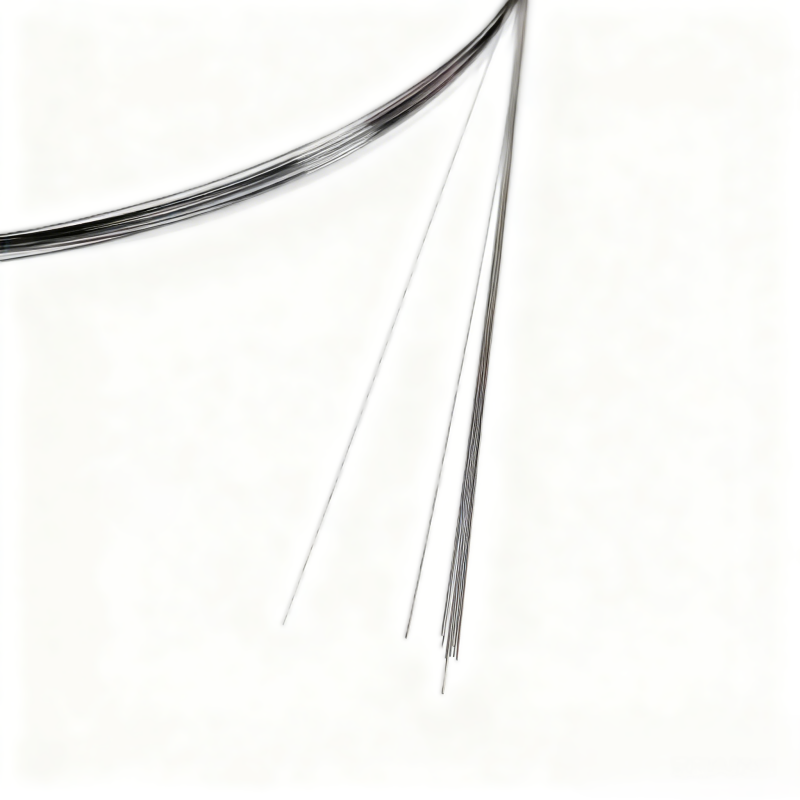
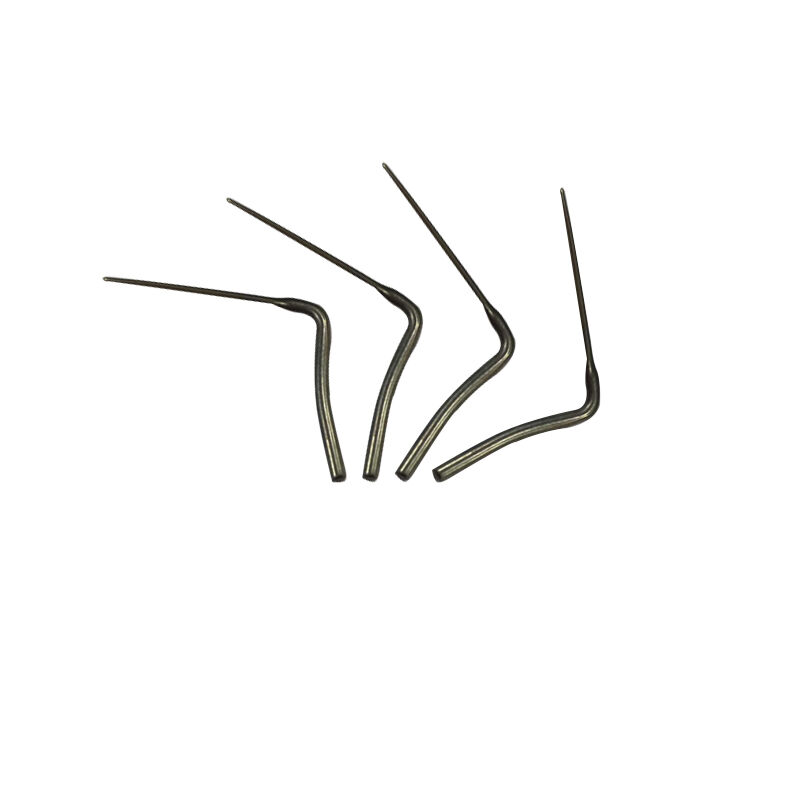
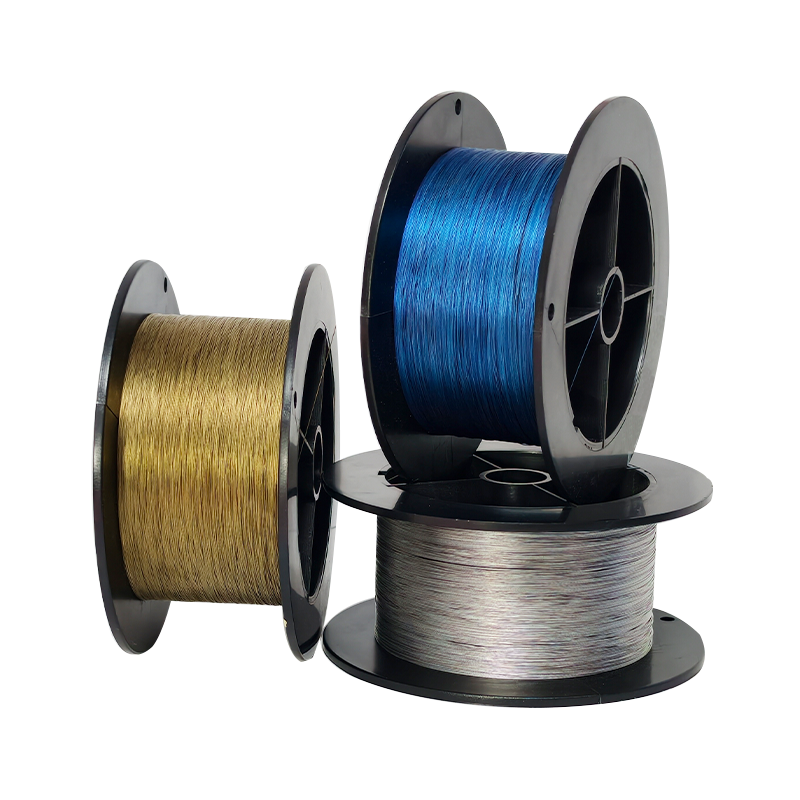
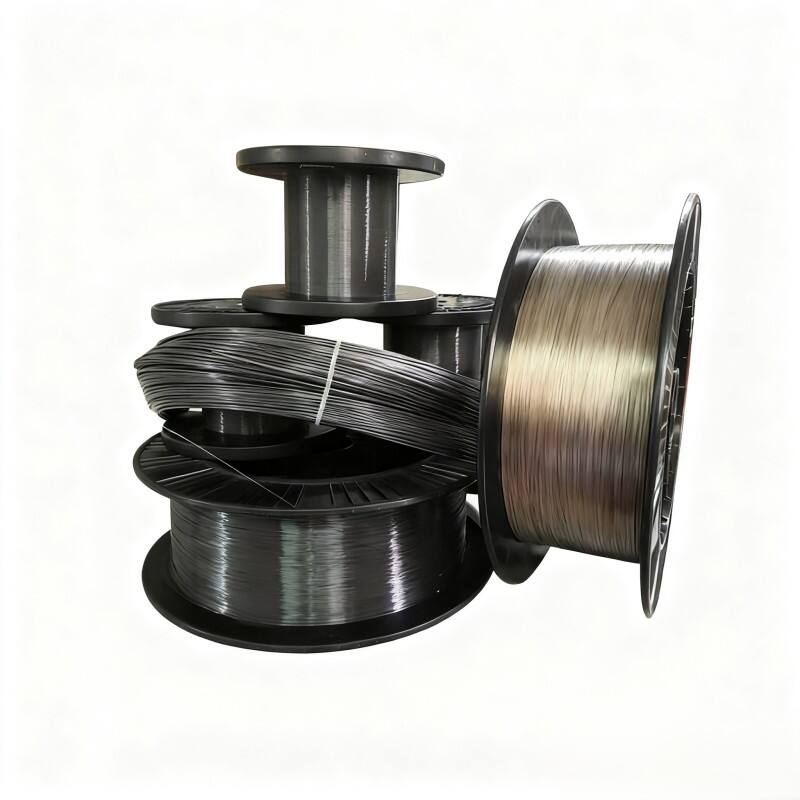
Nitinol in dentistry represents a groundbreaking advancement in orthodontic treatment and dental procedures. This unique nickel-titanium alloy has transformed how dental professionals approach tooth alignment, root canal procedures, and various corrective treatments. The material derives its name from its composition and origin at the Naval Ordnance Laboratory, combining nickel and titanium in nearly equal proportions. What makes nitinol in dentistry so revolutionary is its shape memory effect and superelasticity, properties that allow it to return to its predetermined shape after deformation while maintaining consistent force levels. In orthodontic applications, nitinol wires can bend significantly without permanent deformation, making them ideal for braces and aligners. The technological features of nitinol in dentistry include its ability to operate at body temperature, where it exhibits optimal elasticity and shape memory characteristics. Unlike traditional stainless steel wires, nitinol maintains constant gentle pressure on teeth over extended periods, reducing the need for frequent adjustments. The material's biocompatibility ensures minimal tissue irritation and allergic reactions, making it suitable for long-term use in the oral environment. Dental professionals utilize nitinol in dentistry for orthodontic archwires, endodontic files, and various instruments requiring flexibility and durability. The alloy's resistance to corrosion in the moist oral environment ensures longevity and reliability. Its superelastic properties mean that nitinol instruments can navigate curved root canals without breaking or permanently bending, significantly improving treatment outcomes. The applications of nitinol in dentistry extend beyond basic orthodontics to include complex surgical procedures, prosthodontics, and restorative dentistry, where precision and material reliability are paramount for successful patient outcomes.

New Product Releases

The advantages of nitinol in dentistry offer compelling reasons for both dental professionals and patients to embrace this innovative material. First and foremost, patients experience significantly greater comfort during orthodontic treatment when nitinol wires are used compared to traditional materials. The superelastic nature means the wires apply steady, gentle pressure that moves teeth efficiently without causing excessive discomfort or requiring frequent tightening appointments. This translates to fewer visits to the orthodontist, saving patients both time and money throughout their treatment journey. The material's flexibility allows it to work continuously between appointments, maintaining optimal force levels that traditional wires cannot match. Parents particularly appreciate how nitinol in dentistry reduces the anxiety children often feel about orthodontic adjustments, as the appointments become shorter and less uncomfortable. Another significant advantage involves treatment efficiency and predictability. Dental professionals can achieve desired tooth movements more quickly because nitinol maintains consistent forces regardless of how much the wire is deflected. This means treatment times often decrease by several months compared to conventional approaches. The shape memory effect ensures that wires continue working toward their programmed configuration, providing reliable and predictable results that professionals can plan with confidence. For endodontic procedures, nitinol files bend and flex through curved canals without breaking, allowing dentists to clean and shape root systems more thoroughly while preserving tooth structure. This flexibility dramatically reduces the risk of procedural errors such as ledging, transportation, or instrument separation that can compromise treatment success. Patients benefit from higher success rates and fewer complications during root canal therapy. The biocompatibility of nitinol in dentistry means reduced risk of allergic reactions and tissue irritation, making treatment safer for patients with metal sensitivities. The material resists corrosion and maintains its properties in the challenging oral environment, ensuring instruments and appliances perform consistently throughout treatment. Dental practices also benefit economically, as nitinol instruments demonstrate excellent durability and longevity, reducing replacement costs over time. The material's resilience means fewer broken instruments during procedures, minimizing interruptions and improving clinical efficiency. For patients requiring complex orthodontic corrections, nitinol in dentistry enables treatment options that would be impractical with traditional materials, expanding the possibilities for achieving optimal dental health and aesthetics without resorting to more invasive surgical interventions.

Practical Tips

Why is high-stability Nitinol the first choice for equipment in extreme conditions?

12

May

Why is high-stability Nitinol the first choice for equipment in extreme conditions?

When equipment must perform reliably under mechanical stress, thermal cycling, and repeated deformation, material selection becomes a critical engineering decision. Nitinol, the nickel-titanium shape memory alloy, has earned a dominant position in de...
View More
Why do full-chain manufacturers provide a more stable supply of SMA wire?

14

May

Why do full-chain manufacturers provide a more stable supply of SMA wire?

In industrial and medical procurement, supply chain reliability is not a luxury — it is a fundamental requirement. When sourcing SMA wire, the type of manufacturer you partner with has a direct and measurable impact on delivery consistency, material ...
View More
How to ensure dimensional tolerances for precision Nitinol metal parts?

18

May

How to ensure dimensional tolerances for precision Nitinol metal parts?

Achieving tight dimensional tolerances in Nitinol metal components is one of the most demanding challenges in precision manufacturing. Unlike conventional metals, Nitinol — a nickel-titanium shape memory alloy — exhibits superelastic recovery and pha...
View More
How to utilize one-way and two-way memory in precision medical components?

21

May

How to utilize one-way and two-way memory in precision medical components?

In the development of precision medical components, material intelligence is no longer a concept reserved for science fiction. nitinol wire has fundamentally changed how engineers and medical device designers approach the challenge of building compon...
View More

Get a Free Quote

Our representative will contact you soon.
Email
Name
Company Name
Message
0/1000

nitinol in dentistry

Superior Shape Memory and Superelastic Properties Transform Orthodontic Treatment

Superior Shape Memory and Superelastic Properties Transform Orthodontic Treatment

The shape memory and superelastic characteristics of nitinol in dentistry represent perhaps the most significant technological breakthrough in orthodontic materials science in recent decades. These unique properties fundamentally change how tooth movement occurs and how patients experience their orthodontic journey. Shape memory refers to the material's ability to remember and return to a predetermined shape when heated to a specific temperature, which in dental applications corresponds to normal body temperature. When an orthodontist places a nitinol archwire in a patient's mouth, the wire warms to body temperature and begins working toward its programmed straight configuration, applying consistent forces to move misaligned teeth into proper position. This happens automatically and continuously without requiring mechanical adjustments. The superelastic property means nitinol in dentistry can undergo significant deformation and still return to its original shape without permanent damage. Traditional stainless steel wires can only bend a small amount before they either break or become permanently deformed, requiring replacement. Nitinol wires, by contrast, can be deflected dramatically to accommodate severely misaligned teeth at the beginning of treatment while maintaining their ability to guide teeth into alignment. This superelasticity delivers another crucial advantage: constant force application. Regardless of whether teeth have moved slightly or significantly between appointments, nitinol wires continue applying optimal forces for tooth movement. Traditional wires lose their effectiveness as teeth move, requiring frequent adjustments to maintain treatment progress. With nitinol in dentistry, the material compensates automatically for tooth movement, maintaining therapeutic force levels throughout the interval between appointments. This means patients can go longer between visits without compromising treatment efficiency. The clinical implications are profound: treatment becomes more comfortable because forces remain in the optimal range rather than starting high and diminishing over time. Tooth movement occurs more physiologically, reducing root resorption risks and improving long-term stability. Patients appreciate fewer emergency visits for broken or poking wires because the material's flexibility prevents the sharp ends and breakage common with rigid wires. For dental professionals, these properties of nitinol in dentistry mean more predictable treatment outcomes, simplified wire selection protocols, and improved patient satisfaction scores that benefit practice reputation and growth.
Enhanced Flexibility and Durability Revolutionize Endodontic Procedures

Enhanced Flexibility and Durability Revolutionize Endodontic Procedures

The application of nitinol in dentistry extends far beyond orthodontics into the critical field of endodontics, where its unique properties have revolutionized root canal treatment success rates and procedural safety. Traditional stainless steel endodontic files are relatively rigid, making them prone to breakage when navigating the complex, curved anatomy of root canal systems. When these instruments break inside a tooth, they can be extremely difficult or impossible to remove, potentially compromising the entire treatment. Nitinol endodontic files, by contrast, exhibit remarkable flexibility that allows them to follow the natural curvature of root canals without creating procedural errors or experiencing catastrophic failure. This flexibility represents a game-changing advantage for both dentists and patients. Dentists can now clean and shape root canal systems more thoroughly and predictably, reaching areas that were previously inaccessible with rigid instruments. The material's resistance to torsional and cyclic fatigue means nitinol files maintain their integrity through multiple uses and stress cycles that would destroy conventional files. This durability translates directly into improved procedural outcomes and reduced risk of mid-treatment complications. For patients, the benefits of nitinol in dentistry for endodontic treatment are substantial and meaningful. Root canal procedures completed with nitinol instruments have higher success rates because dentists can more completely remove infected tissue and bacteria from complex canal anatomies. More thorough cleaning means reduced risk of persistent infection and the need for retreatment or tooth extraction. The flexibility of nitinol files also means less removal of healthy tooth structure during canal preparation. Traditional rigid files often require dentists to remove additional tooth material to create a straighter path for instrument access. Nitinol instruments work with the tooth's natural anatomy, preserving structural integrity and improving long-term tooth survival. Procedurally, treatments often proceed more quickly and smoothly when utilizing nitinol in dentistry for endodontic applications. Dentists spend less time managing instrument-related complications and more time focusing on optimal treatment execution. The reduced risk of instrument separation means fewer lengthy procedures attempting to remove broken file fragments or bypass obstructions they create. Patients experience shorter appointment times and reduced anxiety about potential complications. The economic implications also favor nitinol technology. While individual nitinol files may cost more initially than stainless steel alternatives, their superior durability and reduced complication rates make them more cost-effective over time. Practices experience fewer instances of extended appointments due to instrument failure and fewer cases requiring referral to specialists for complication management.
Exceptional Biocompatibility and Corrosion Resistance Ensure Long-Term Safety

Exceptional Biocompatibility and Corrosion Resistance Ensure Long-Term Safety

The biocompatibility and corrosion resistance of nitinol in dentistry address critical concerns regarding long-term material performance and patient safety in the challenging oral environment. The mouth presents unique challenges for any material: constant exposure to saliva, fluctuating pH levels, temperature variations, enzymatic activity, and mechanical stresses from chewing and tooth grinding. Materials must withstand these conditions for months or years without degrading, releasing harmful substances, or triggering adverse biological responses. Nitinol excels in meeting these demanding requirements. The passive oxide layer that forms naturally on nitinol surfaces provides excellent corrosion resistance, preventing material degradation even after extended exposure to oral fluids. This stability ensures that nitinol appliances and instruments maintain their mechanical properties throughout treatment rather than weakening over time as some materials do. For patients, this means reliable, consistent treatment progress without unexpected appliance failures or the need for premature replacements. The biocompatibility of nitinol in dentistry has been extensively studied and validated through decades of clinical use and scientific research. The material exhibits minimal cytotoxicity and does not trigger significant inflammatory responses in oral tissues. While nitinol contains nickel, a known allergen for some individuals, the stable oxide layer effectively prevents nickel ion release under normal conditions. Studies have shown that nickel release from nitinol orthodontic appliances is negligible and well below levels that would trigger allergic responses even in sensitive patients. This makes nitinol in dentistry appropriate for the vast majority of patients, including those with mild nickel sensitivities. For the small percentage of patients with severe nickel allergies, alternative materials remain available, but most patients can safely benefit from nitinol's superior performance characteristics. The long-term tissue compatibility means nitinol appliances can remain in place for extended treatment periods without causing soft tissue irritation, gingival inflammation, or other adverse reactions that might compromise treatment outcomes or patient comfort. This is particularly important for orthodontic patients who may wear appliances for two years or longer. The material's smooth surface finish and resistance to plaque accumulation further contribute to maintaining good oral hygiene during treatment. Dental professionals appreciate that nitinol in dentistry simplifies patient management by reducing material-related complications and adverse reactions. The reliability and safety profile of nitinol means practitioners can focus on treatment execution rather than managing material performance issues. This confidence translates into better treatment planning, more predictable outcomes, and higher patient satisfaction rates that benefit practice success and professional reputation in competitive dental markets.
Nitinol in Dentistry: Revolutionary Shape Memory Alloy for Orthodontics and Endodontics

Get a Free Quote

Our representative will contact you soon.
Email
Name
Company Name
Message
0/1000
Newsletter
Please Leave A Message With Us