Remarkable Fatigue Resistance and Energy Efficiency Drive Performance Excellence
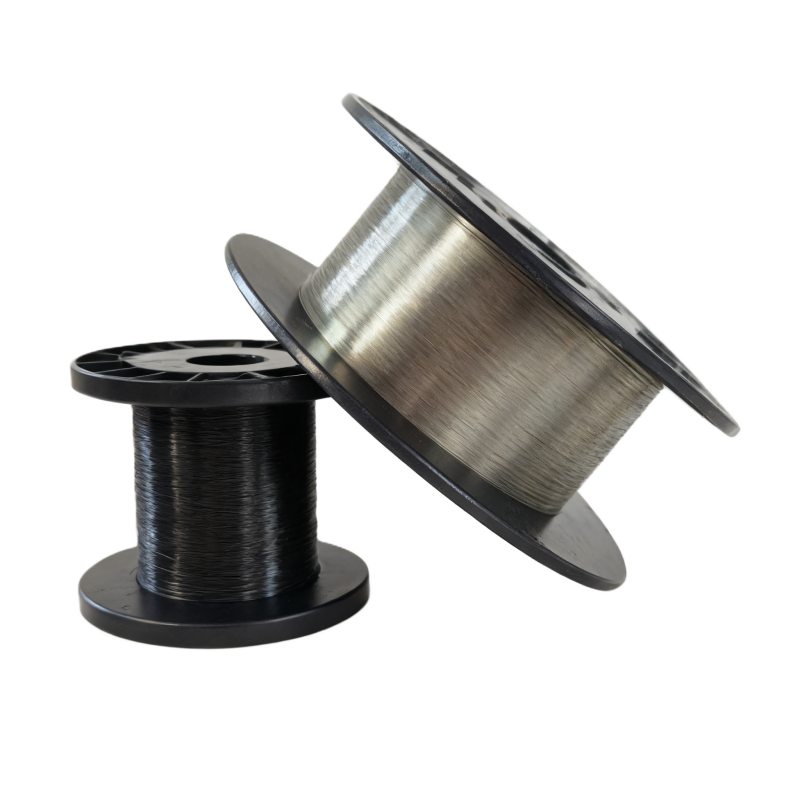
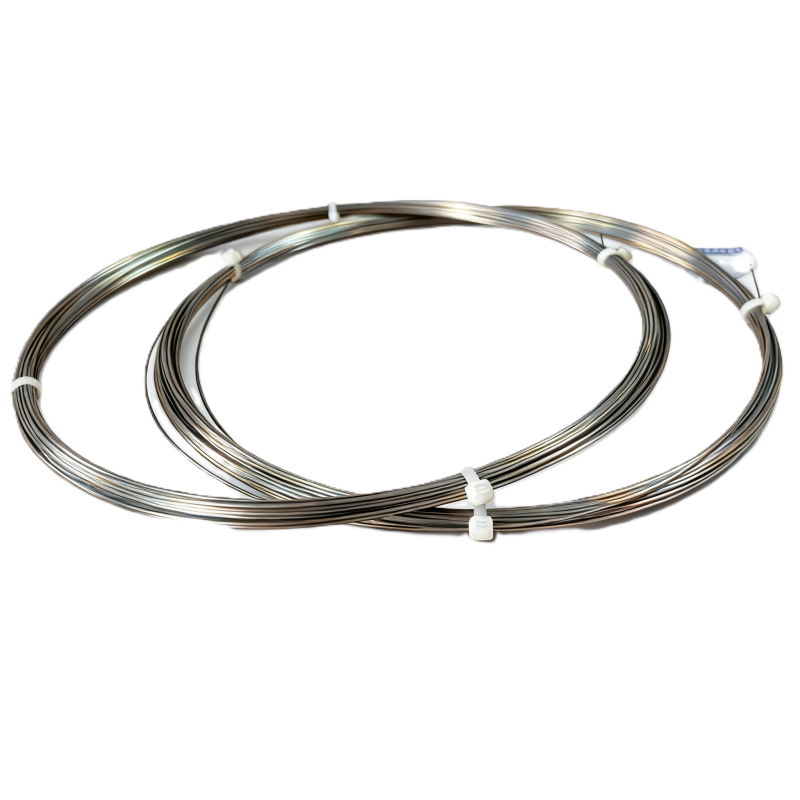
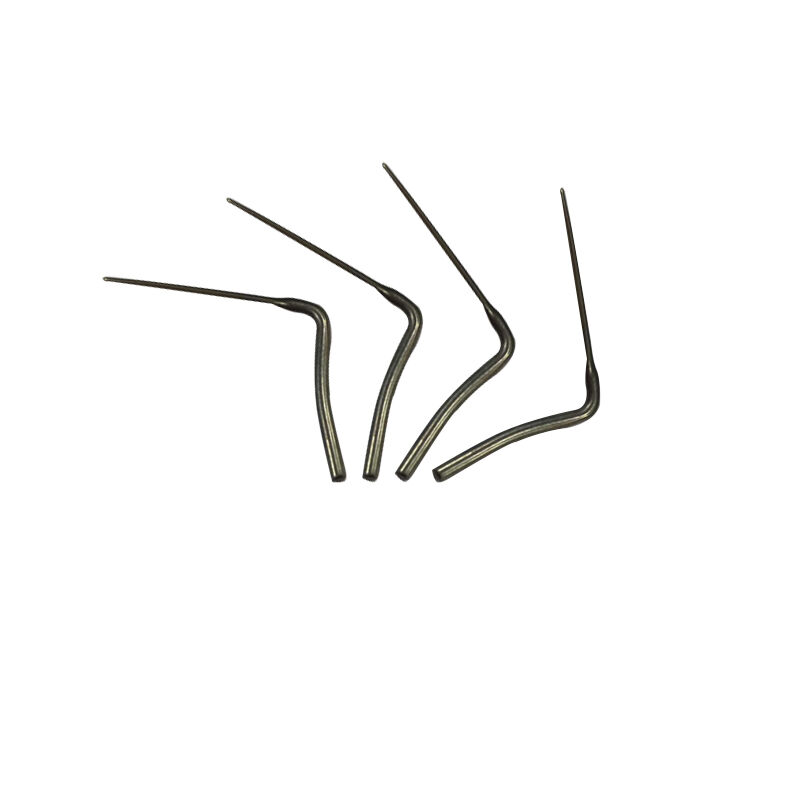
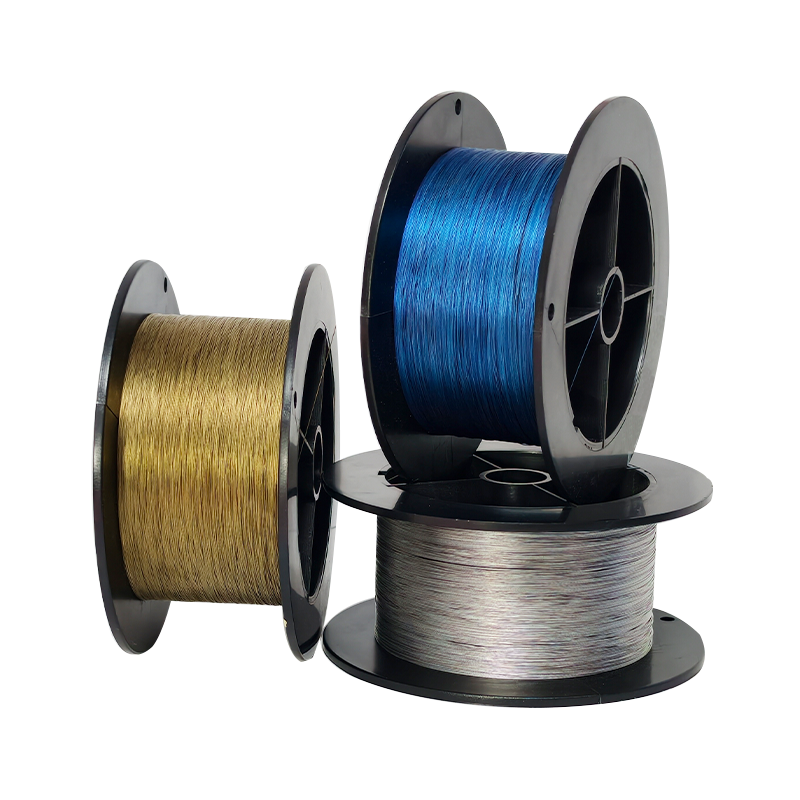
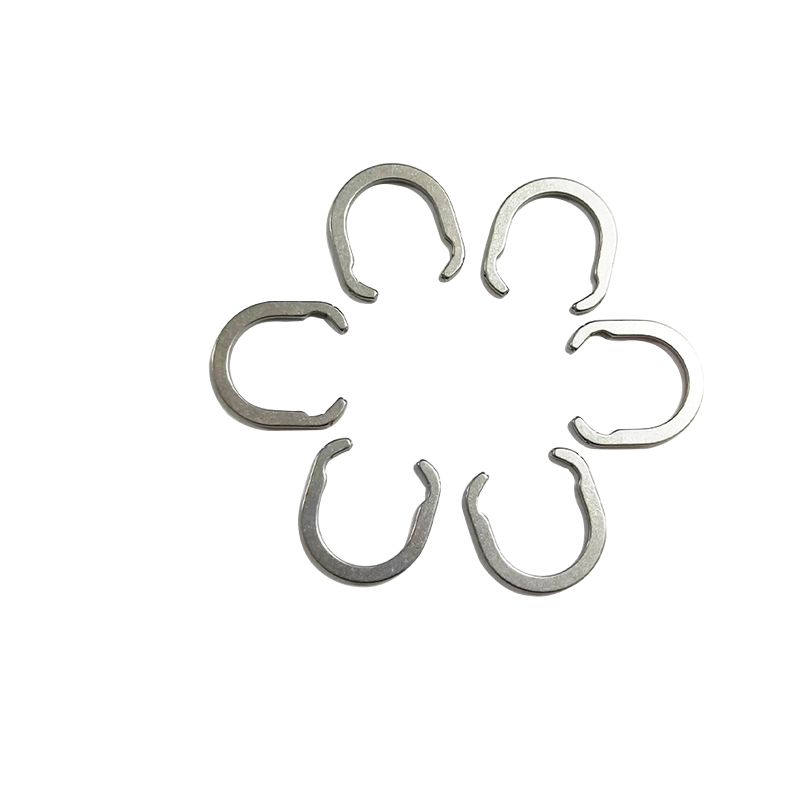
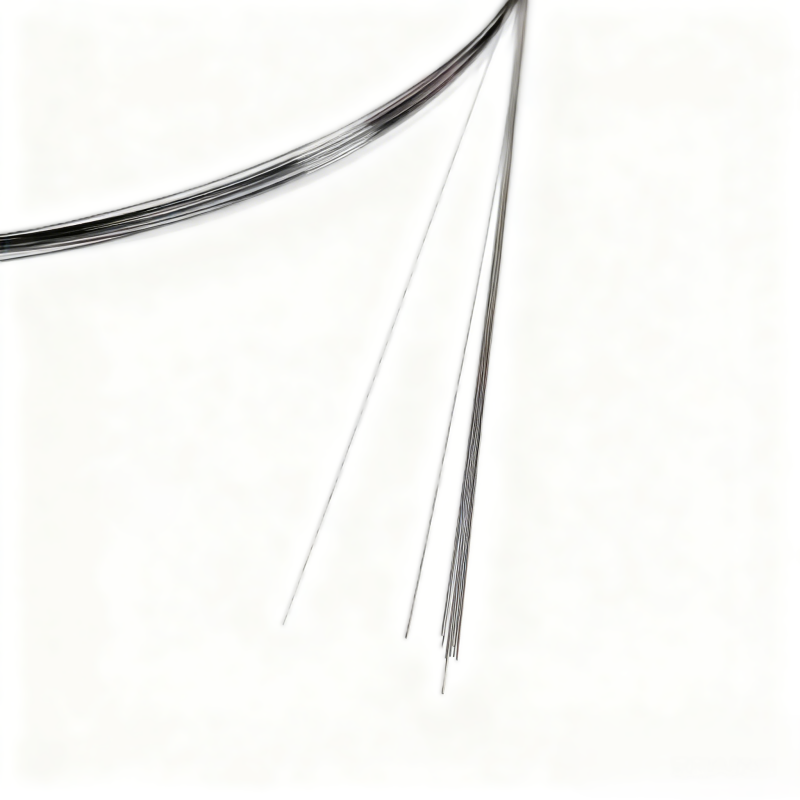
Material nitinol demonstrates exceptional fatigue resistance that far exceeds conventional materials, enabling it to withstand millions of loading cycles without failure, a critical advantage for applications involving repetitive motion or cyclic stress. Traditional metals experience progressive damage accumulation during cyclic loading, eventually leading to crack formation and catastrophic failure, but material nitinol maintains its structural integrity and functional properties through extensive use. This outstanding durability stems from the reversible phase transformation mechanism underlying its superelastic behavior, which distributes stress uniformly throughout the material rather than concentrating it at weak points where cracks typically initiate. Laboratory testing has shown that material nitinol components can endure over ten million stress cycles at significant strain levels, making it ideal for medical devices like heart valve frames that must flex with every heartbeat for decades, totaling billions of cycles over a patient's lifetime. In industrial actuators and robotic systems, material nitinol elements operate reliably through countless activation cycles, eliminating the wear and tear that plague conventional motors, gears, and hydraulic components. This longevity reduces maintenance requirements, minimizes downtime, and lowers total cost of ownership for equipment operators. The energy efficiency of material nitinol actuators presents another compelling advantage, as they convert thermal or electrical energy directly into mechanical motion with minimal losses, unlike traditional systems that require complex transmissions and suffer from friction losses. Material nitinol actuators can be extremely compact and lightweight while generating substantial force, making them ideal for applications where space and weight are constrained, such as aerospace systems, portable medical devices, and miniature robotics. The silent operation of material nitinol actuators eliminates noise pollution associated with motors and pneumatic systems, creating more comfortable and pleasant environments in medical facilities, consumer products, and industrial settings. From an environmental perspective, the durability and efficiency of material nitinol contribute to sustainability by reducing material consumption, energy use, and waste generation compared to shorter-lived alternatives that require frequent replacement. The ability of material nitinol to perform reliably across wide temperature ranges without performance degradation ensures consistent operation in extreme environments, from Arctic conditions to desert heat, expanding the envelope of possible applications. For customers seeking maximum value, reliability, and performance, material nitinol delivers unmatched benefits through its combination of fatigue resistance, energy efficiency, and operational excellence that conventional materials simply cannot match.

 EN
EN