Nitinol Devices: Advanced Shape Memory Medical Solutions for Minimally Invasive Procedures

Get a Free Quote

Our representative will contact you soon.
Email
Name
Company Name
Message
0/1000

nitinol devices

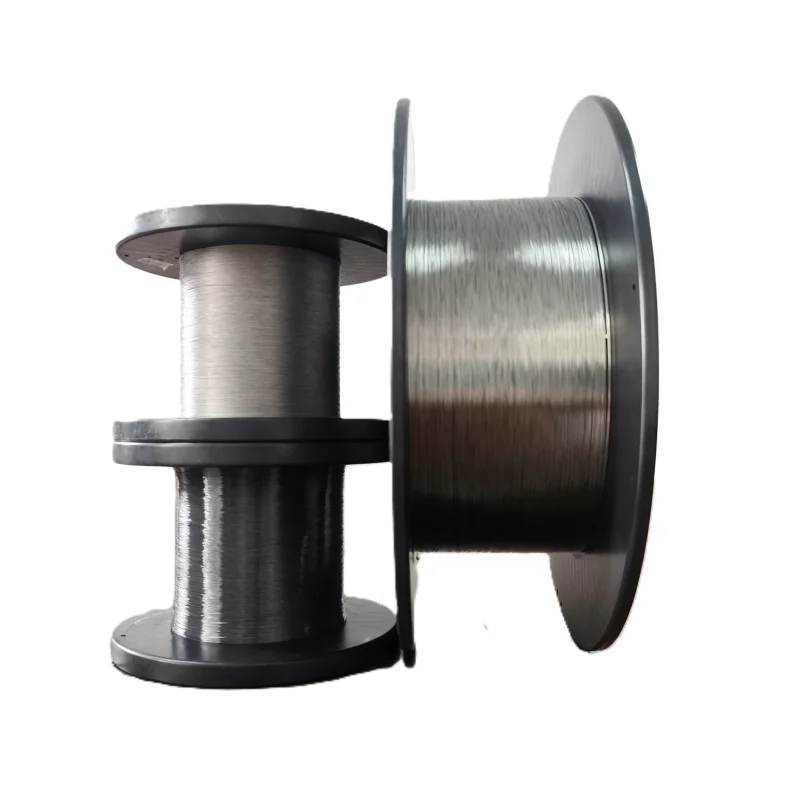
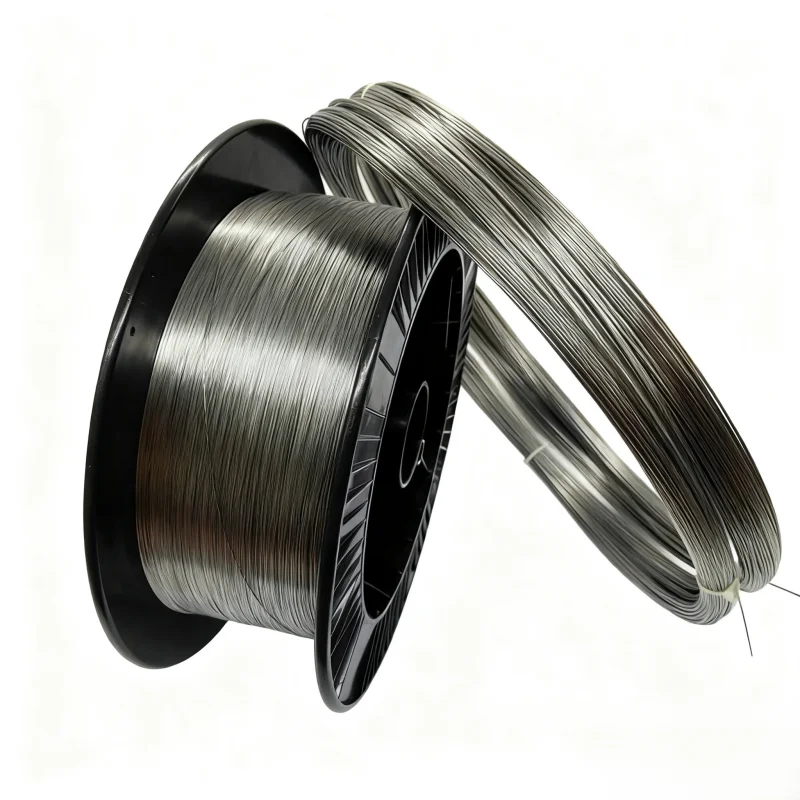
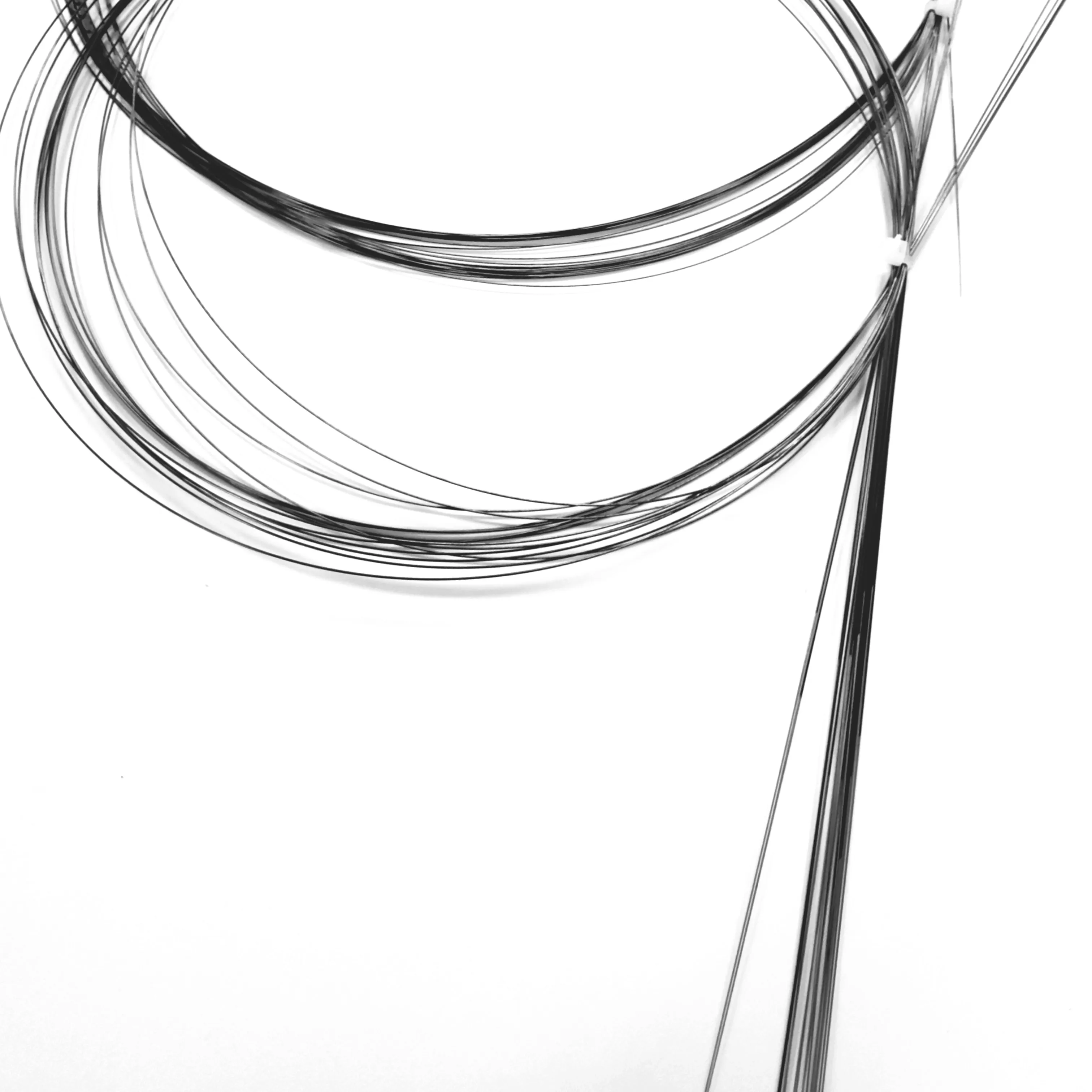
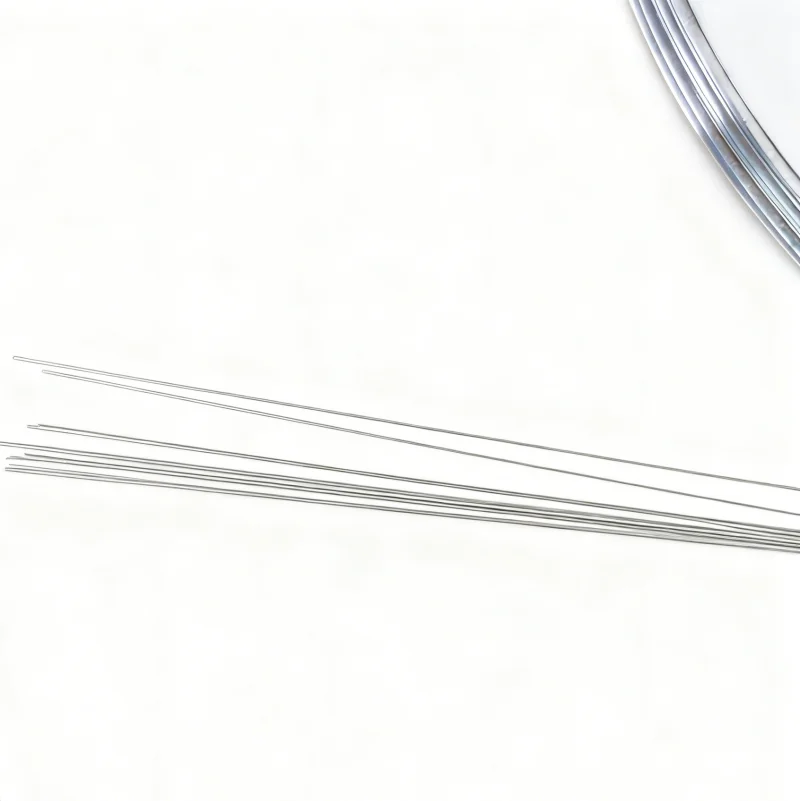
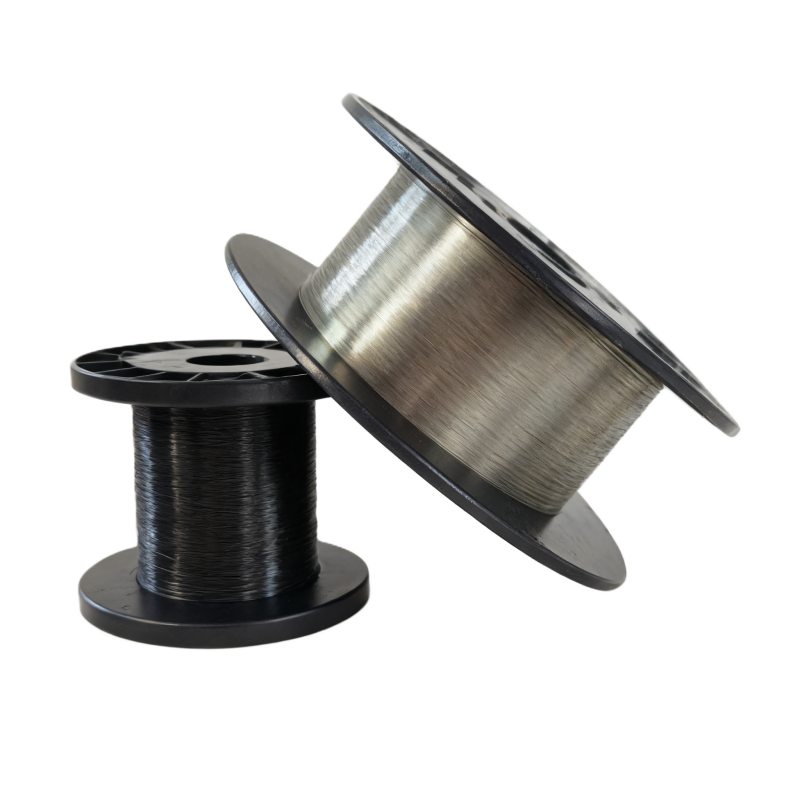
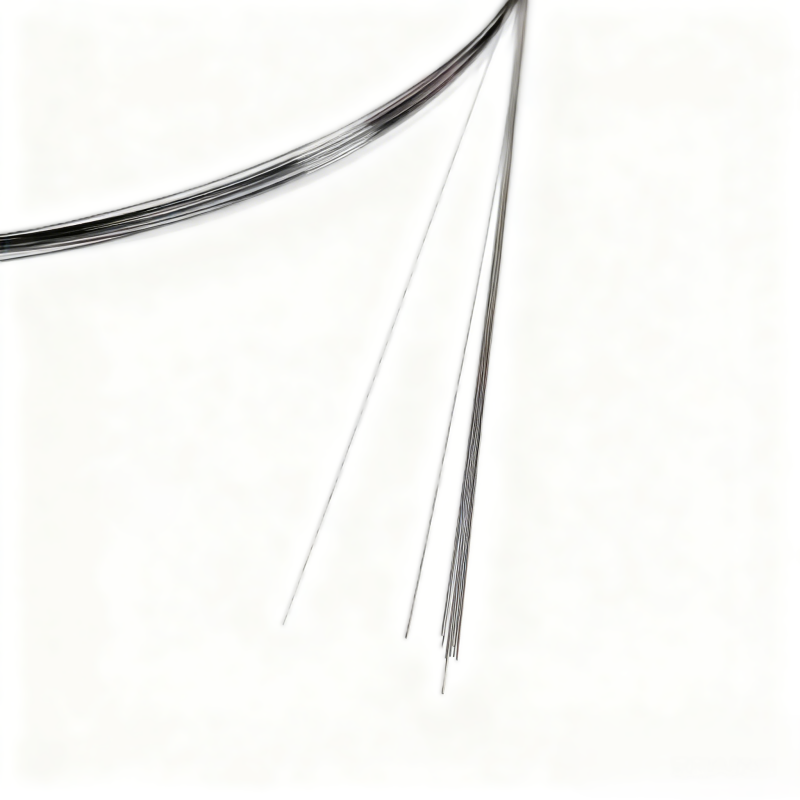
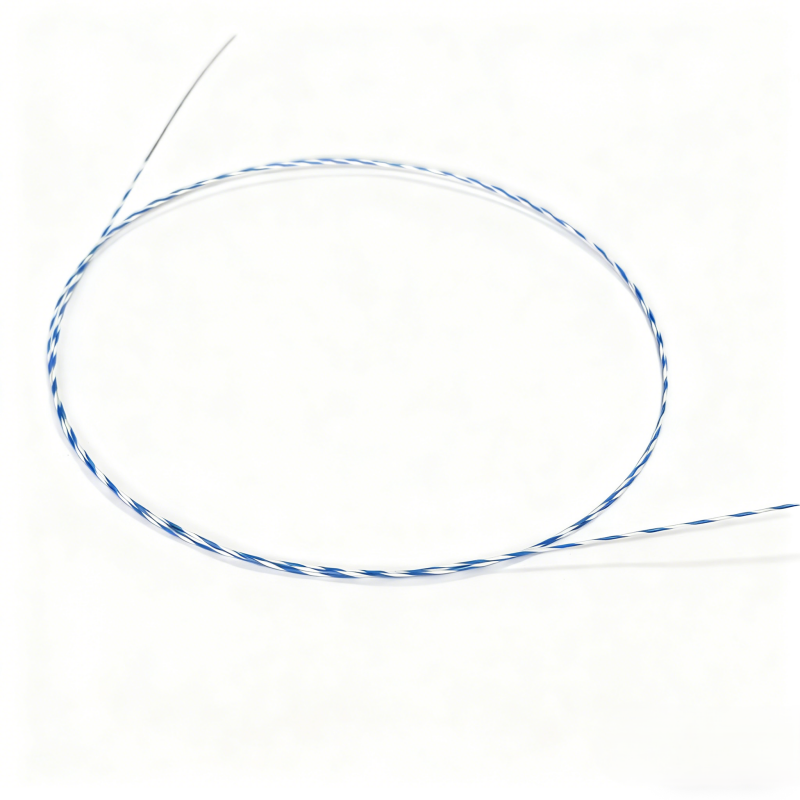
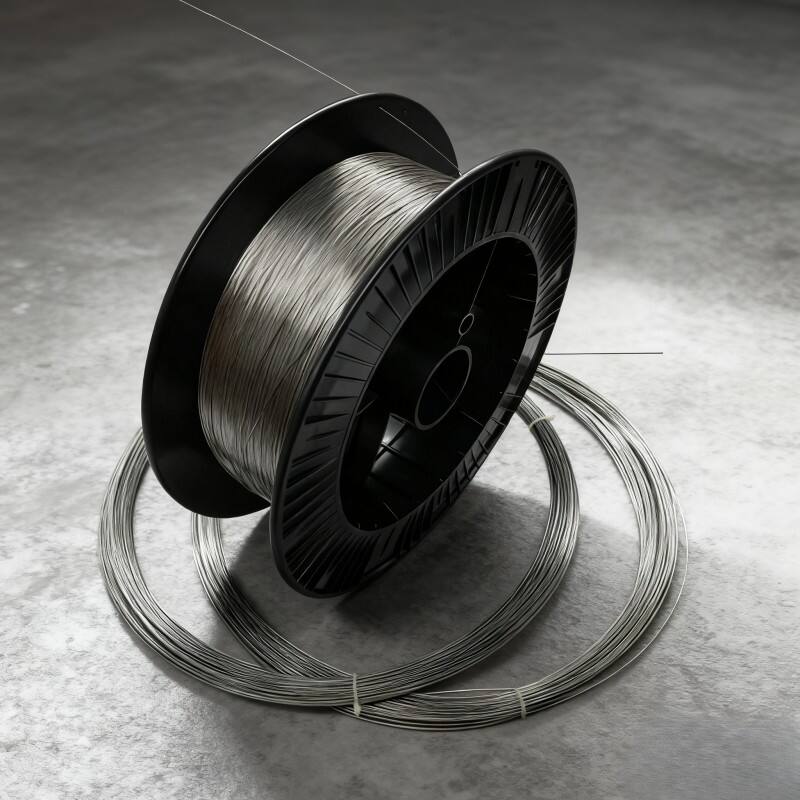
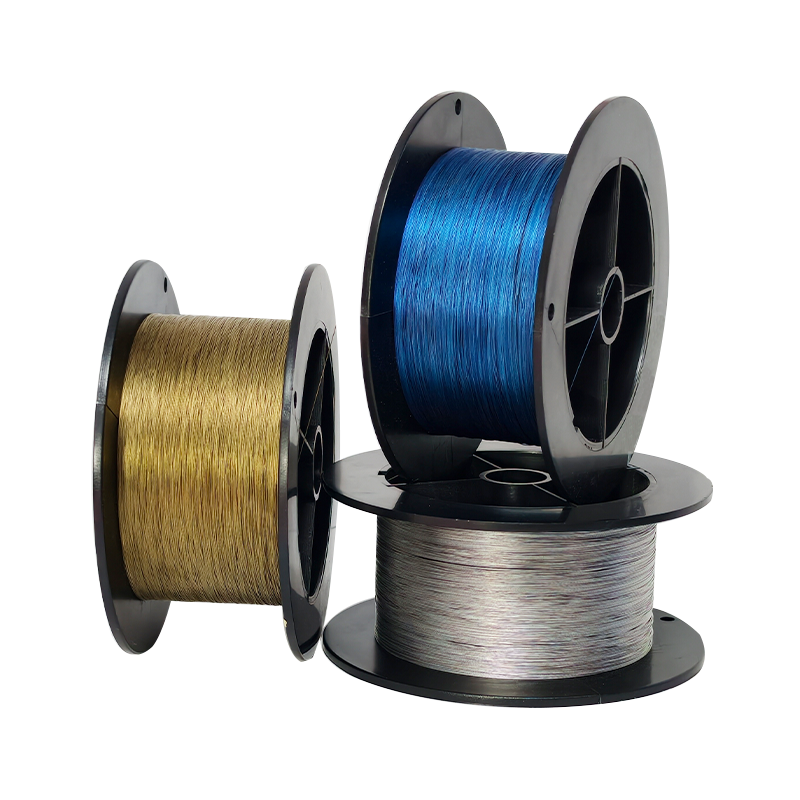
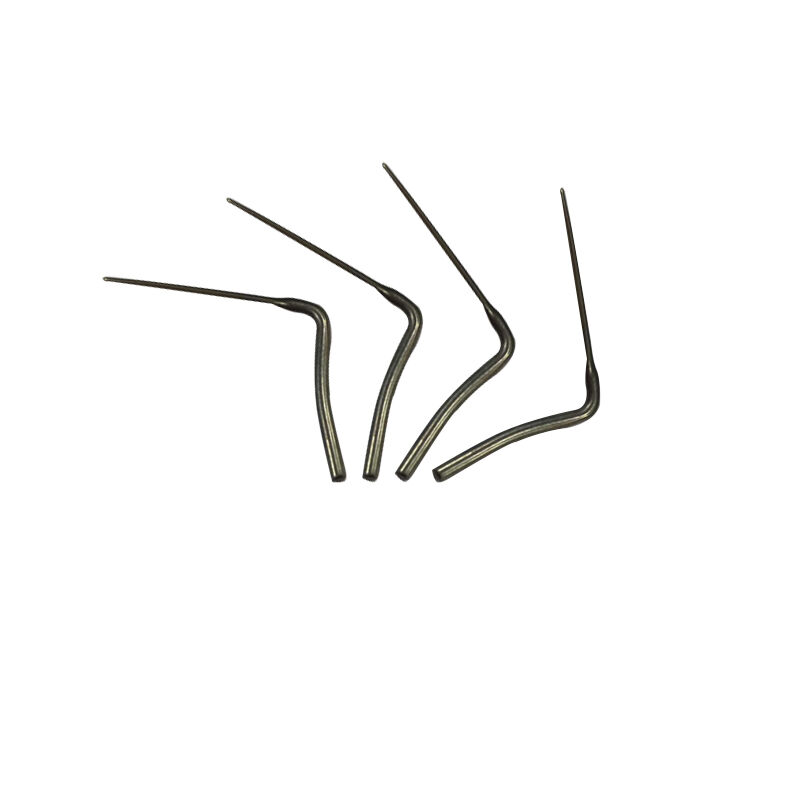
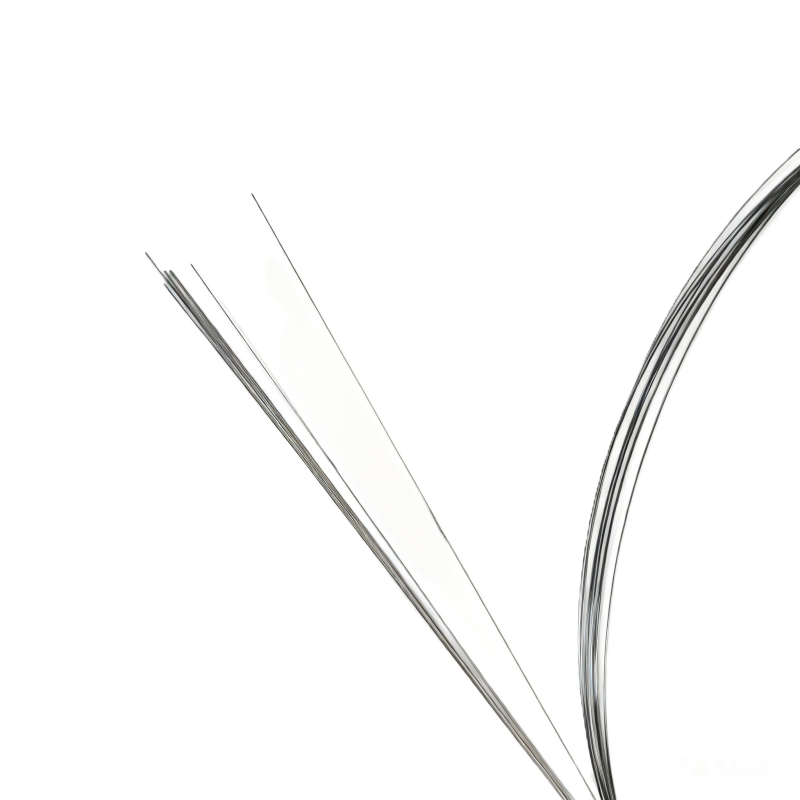
Nitinol devices represent a revolutionary advancement in medical technology and engineering applications, utilizing a unique nickel-titanium alloy that exhibits extraordinary properties. These sophisticated instruments harness the shape memory effect and superelasticity characteristics inherent to nitinol material, making them indispensable across cardiovascular interventions, orthopedic procedures, and minimally invasive surgeries. The primary functions of nitinol devices encompass stent deployment in blocked arteries, guidewire navigation through complex vascular pathways, orthodontic arch wires for dental correction, and various surgical tools requiring precise manipulation in confined spaces. Technological features distinguishing these instruments include their ability to return to predetermined shapes when heated above transition temperatures, exceptional flexibility allowing navigation through tortuous anatomy, and remarkable fatigue resistance enabling millions of compression cycles without material degradation. The superelastic behavior permits these tools to undergo substantial deformation and recover completely upon stress removal, a characteristic impossible with conventional materials. Applications span diverse medical specialties including cardiology where self-expanding stents maintain vessel patency, neurology utilizing retrieval devices for clot removal during stroke interventions, gastroenterology employing retrieval baskets and dilators, and orthopedics featuring bone staples and spinal correction systems. Beyond medical realms, aerospace engineering, robotics, and consumer electronics incorporate nitinol components for actuators and connectors. The biocompatibility of nitinol devices ensures minimal adverse tissue reactions, reducing complications and improving patient outcomes. Manufacturing precision allows customization for specific anatomical requirements, with devices available in various diameters, lengths, and configurations. Temperature-sensitive activation mechanisms enable controlled deployment at body temperature, providing surgeons with reliable performance during critical procedures. These advanced characteristics position nitinol devices as essential tools in modern interventional medicine, offering solutions previously unattainable with traditional materials while continuously expanding into emerging therapeutic applications.


New Product Releases

Choosing nitinol devices delivers tangible benefits that directly impact procedural success and patient wellbeing. The foremost advantage lies in their extraordinary flexibility, which allows physicians to navigate through challenging blood vessel curves and anatomical structures that rigid instruments simply cannot access. This flexibility translates to fewer complications during procedures, reduced patient discomfort, and shorter recovery times. Patients benefit from less invasive treatments, as these tools enable doctors to reach treatment sites through small entry points rather than requiring large surgical incisions. The shape memory capability means these instruments automatically assume their functional configuration once positioned correctly, eliminating guesswork and reducing procedure duration. Shorter operation times decrease anesthesia exposure and minimize infection risks, directly contributing to faster hospital discharge and return to normal activities. The superelastic nature ensures these tools withstand repeated bending without breaking or permanently deforming, providing consistent performance throughout lengthy procedures and across multiple uses where applicable. This durability translates to cost effectiveness, as reliable performance reduces the need for device replacement during operations. Medical facilities appreciate the inventory efficiency, as single nitinol devices often replace multiple traditional instruments, streamlining supply chains and reducing storage requirements. Patients experience improved outcomes because the biocompatible composition minimizes inflammatory responses and reduces rejection risks compared to other metallic implants. The corrosion resistance ensures long-term stability for permanent implants, maintaining structural integrity and functionality for years without degradation. Temperature responsiveness provides surgeons with precise control, as devices remain flexible during insertion and then activate into their working shape at body temperature without requiring additional manipulation. This self-deploying characteristic reduces trauma to surrounding tissues and ensures accurate placement. The kink resistance prevents device failure during challenging navigation, maintaining open channels for other instruments or contrast agents. Reduced radiation exposure benefits both patients and medical staff, as the radiopaque markers on nitinol devices allow clear visualization with minimal fluoroscopy time. Economic advantages extend to healthcare systems through reduced complication rates, shorter hospital stays, and decreased need for repeat procedures. Patients return to work faster, reducing economic impact on families. The learning curve for using these devices proves shorter than traditional alternatives, as their forgiving nature accommodates technique variations while maintaining effectiveness. Versatility across applications means training investment transfers across specialties, maximizing institutional value and expertise development.

Tips And Tricks

Why is high-stability Nitinol the first choice for equipment in extreme conditions?

12

May

Why is high-stability Nitinol the first choice for equipment in extreme conditions?

When equipment must perform reliably under mechanical stress, thermal cycling, and repeated deformation, material selection becomes a critical engineering decision. Nitinol, the nickel-titanium shape memory alloy, has earned a dominant position in de...
View More
How to ensure dimensional tolerances for precision Nitinol metal parts?

18

May

How to ensure dimensional tolerances for precision Nitinol metal parts?

Achieving tight dimensional tolerances in Nitinol metal components is one of the most demanding challenges in precision manufacturing. Unlike conventional metals, Nitinol — a nickel-titanium shape memory alloy — exhibits superelastic recovery and pha...
View More
Why is Starspring's Nitinol metal at the forefront of the smart drive industry?

19

May

Why is Starspring's Nitinol metal at the forefront of the smart drive industry?

The smart drive industry is defined by its relentless demand for materials that can do more with less — components that respond intelligently to their environment, endure repeated mechanical cycles, and perform with precision in applications ranging ...
View More
Why is a brand with a 5,000m² factory more professional in Nitinol customization?

22

May

Why is a brand with a 5,000m² factory more professional in Nitinol customization?

When sourcing advanced shape memory alloys for medical devices, aerospace components, or industrial actuators, the manufacturing environment behind a supplier tells you far more than a product catalog ever could. Nitinol customization is a precision-...
View More

Get a Free Quote

Our representative will contact you soon.
Email
Name
Company Name
Message
0/1000

nitinol devices

Unmatched Shape Memory Technology for Precise Medical Interventions

Unmatched Shape Memory Technology for Precise Medical Interventions

The shape memory effect represents the cornerstone advantage distinguishing nitinol devices from all conventional medical instruments, offering transformative capabilities that revolutionize how physicians approach complex procedures. This remarkable phenomenon occurs because nitinol exists in two distinct crystalline phases: the low-temperature martensite phase and the high-temperature austenite phase. When cooled below the transition temperature, nitinol devices become highly malleable, allowing manufacturers to compress stents into narrow delivery catheters or straighten curved instruments for easy insertion through small incisions. Once these devices reach body temperature during deployment, the material undergoes a phase transformation, automatically returning to the predetermined shape programmed during manufacturing. This self-actuating behavior eliminates the need for manual expansion mechanisms, reducing procedural complexity and potential points of failure. Cardiovascular stents exemplify this advantage perfectly: compressed to minimal profiles for delivery through narrow catheters, these devices expand fully upon reaching the treatment site, applying consistent radial force against vessel walls to maintain patency. The precision of shape recovery ensures predictable outcomes, as each device returns to exact specifications regardless of delivery pathway complexity. Orthopedic applications leverage this property through bone staples that close across fracture sites when warmed, applying continuous compression that promotes healing while adapting to subtle bone movements during recovery. Dental professionals utilize orthodontic wires that maintain constant corrective forces across temperature fluctuations in the oral environment, providing more comfortable and efficient tooth movement compared to stainless steel alternatives. The programming versatility allows customization for specific anatomical requirements, with manufacturers able to create patient-specific geometries for complex cases. This technology reduces dependence on physician manipulation skills, as the device itself ensures proper deployment geometry. Temperature control during procedures becomes straightforward, with body heat providing sufficient activation energy without requiring external heating sources. The memory effect remains stable across years for permanent implants, ensuring long-term functionality without shape degradation. This reliability proves critical for devices like atrial septal occluders that must maintain structural integrity indefinitely. The predictable transformation temperatures allow physicians to plan procedures confidently, knowing exactly when deployment will occur. Recovery completeness distinguishes nitinol from other shape memory alloys, as these devices return to original configurations with exceptional accuracy, typically within fractions of a millimeter. This precision proves essential for applications requiring exact positioning, such as heart valve frames that must align perfectly with native anatomy.
Superior Flexibility and Kink Resistance for Complex Navigation

Superior Flexibility and Kink Resistance for Complex Navigation

The superelastic properties of nitinol devices provide unparalleled flexibility that fundamentally changes what physicians can accomplish during minimally invasive procedures, enabling access to anatomical regions previously requiring open surgery. Unlike traditional stainless steel instruments that permanently deform when bent beyond elastic limits, nitinol devices can flex dramatically and immediately return to their original straight configuration when stress releases. This extraordinary behavior results from stress-induced martensitic transformation, where applied force temporarily converts the crystalline structure without causing permanent atomic displacement. Guidewires manufactured from nitinol demonstrate this advantage during complex cardiovascular interventions, bending through acute angles in tortuous vessels while maintaining sufficient pushability to advance catheters. The material tolerates repeated flexing cycles without metal fatigue, a critical requirement for devices that must navigate through moving anatomical structures like beating hearts or breathing lungs. Neurovascular procedures particularly benefit from this characteristic, as devices must traverse the extreme curvatures of cerebral arteries where traditional materials would kink and obstruct. Kink resistance ensures consistent lumen patency throughout navigation, maintaining pathways for contrast injection and preventing device fracture that could create dangerous fragments. The flexibility gradient can be engineered along device lengths, creating softer distal tips for atraumatic tissue contact while maintaining stiffer proximal sections for effective torque transmission. This customization optimizes handling characteristics for specific applications, balancing trackability with control. Peripheral vascular interventions in leg arteries benefit enormously, as vessels in limbs undergo extreme bending during normal movement, requiring devices that accommodate these deformations without compromising position or function. Retrieval devices for removing kidney stones or foreign bodies utilize superelasticity to collapse for insertion through working channels, then expand to capture targets before collapsing again for extraction through the same narrow pathway. The elastic recovery ensures these instruments return to optimal configurations between uses during single procedures, maintaining effectiveness across multiple capture attempts. Flexibility enhances patient comfort during conscious sedation procedures, as softer devices cause less sensation during advancement. The forgiving nature reduces perforation risks when navigating delicate structures, as the device yields rather than puncturing when encountering resistance. Deployment accuracy improves because flexible devices conform to anatomy rather than distorting vessel geometry, ensuring stents and implants seat properly against irregular surfaces. The stress-strain behavior remains consistent across millions of cycles, providing reliable performance throughout device service life. Testing demonstrates nitinol devices withstand over ten million flexing cycles, far exceeding requirements for even the most demanding applications. This durability translates to confidence during extended procedures, knowing instruments will perform consistently regardless of manipulation duration or complexity.
Exceptional Biocompatibility for Optimal Patient Safety and Outcomes

Exceptional Biocompatibility for Optimal Patient Safety and Outcomes

The biocompatibility profile of nitinol devices establishes them as the gold standard for long-term implantable medical devices, offering safety characteristics that directly translate to better patient outcomes and reduced complication rates. The passivation process creates a stable titanium oxide surface layer that shields the nickel-titanium substrate from bodily fluids, preventing nickel ion release that could trigger allergic reactions or inflammatory responses. Extensive biocompatibility testing demonstrates nitinol elicits minimal foreign body reaction compared to stainless steel or cobalt-chromium alloys, with surrounding tissues showing reduced fibrous encapsulation and better integration. This favorable biological response proves critical for cardiovascular stents, where excessive tissue growth can cause restenosis and device failure. The smooth oxide layer discourages platelet adhesion and thrombus formation, reducing risks of blood clots that could cause heart attacks or strokes. Patients with nickel sensitivities can often tolerate nitinol implants safely due to this protective barrier, expanding treatment options for individuals who might otherwise face limited choices. Corrosion resistance in the physiological environment ensures long-term structural integrity, preventing degradation that could release metal particles or compromise mechanical properties. Permanent implants like atrial septal defect occluders must function reliably for decades, making material stability essential for patient safety. The absence of magnetic susceptibility allows patients with nitinol implants to undergo magnetic resonance imaging safely, an increasingly important consideration as MRI becomes standard diagnostic practice. Many traditional implant materials create imaging artifacts or experience dangerous heating during MRI, limiting diagnostic options or requiring device removal. Nitinol devices produce minimal artifacts, enabling clear visualization of surrounding anatomy for follow-up assessments. The similar elastic modulus to human tissue reduces stress shielding effects in orthopedic applications, where overly rigid implants can cause adjacent bone resorption. Spinal correction devices utilizing nitinol provide necessary support while allowing natural micromotion that maintains bone health. The fatigue resistance prevents gradual degradation under cyclic loading, ensuring implants withstand millions of heartbeats or breathing cycles without fracturing. Fracture represents a catastrophic failure mode that can necessitate emergency surgery and cause serious complications. The reliability of nitinol devices reduces these risks substantially, as documented by decades of clinical data showing exceptional long-term safety records. Sterilization compatibility allows thorough disinfection without compromising material properties, ensuring infection prevention protocols remain effective. The manufacturing quality control ensures consistent composition and surface treatment, eliminating batch-to-batch variations that could affect biocompatibility. Regulatory approval across global markets reflects the extensive safety documentation and clinical success of nitinol devices. Patients benefit from reduced medication requirements, as the favorable biocompatibility often allows shorter antiplatelet therapy durations compared to other implant materials. This reduction minimizes bleeding risks and simplifies post-procedural management. The combination of mechanical performance and biological compatibility makes nitinol devices uniquely suited for applications requiring both structural function and tissue integration, delivering outcomes that enhance quality of life while maintaining safety across patient lifespans.
Nitinol Devices: Advanced Shape Memory Medical Solutions for Minimally Invasive Procedures

Get a Free Quote

Our representative will contact you soon.
Email
Name
Company Name
Message
0/1000
Newsletter
Please Leave A Message With Us