Nitinol Arduino: Precision Smart Actuator Platform for Robotics and Prototyping

Get a Free Quote

Our representative will contact you soon.
Email
Name
Company Name
Message
0/1000

nitinol arduino

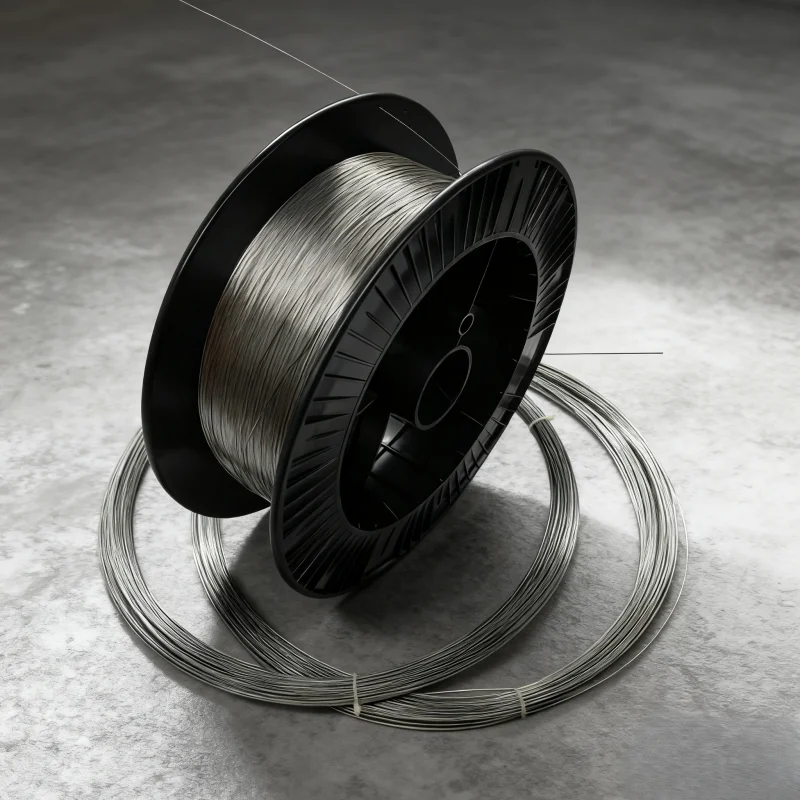
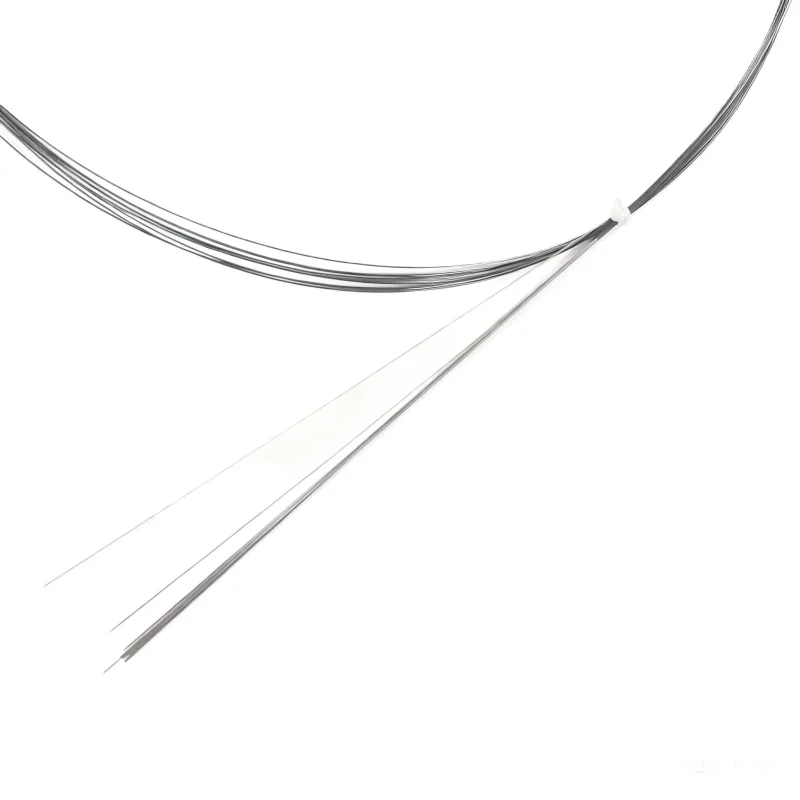
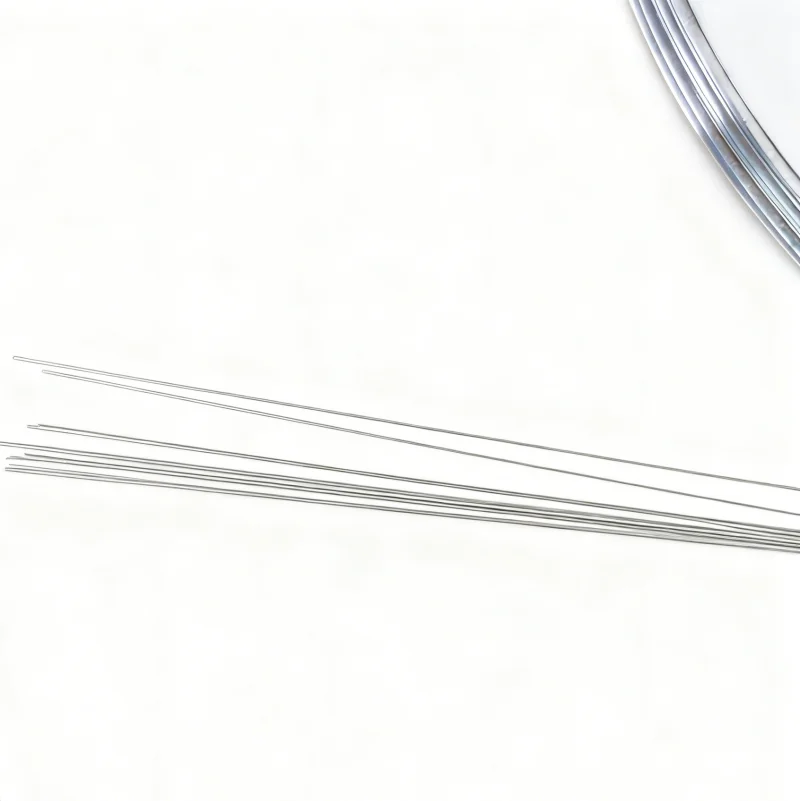
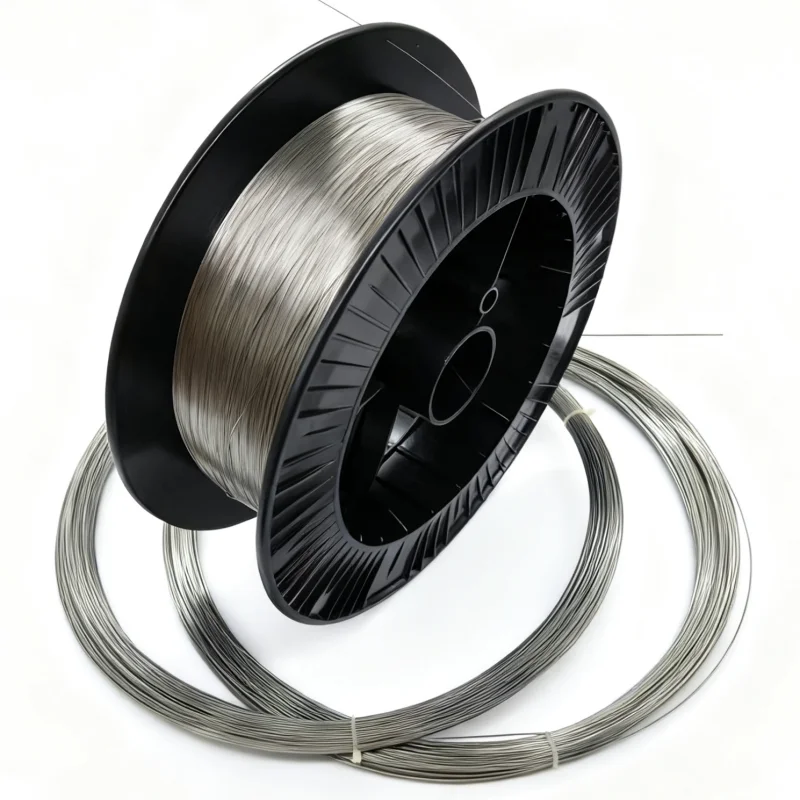
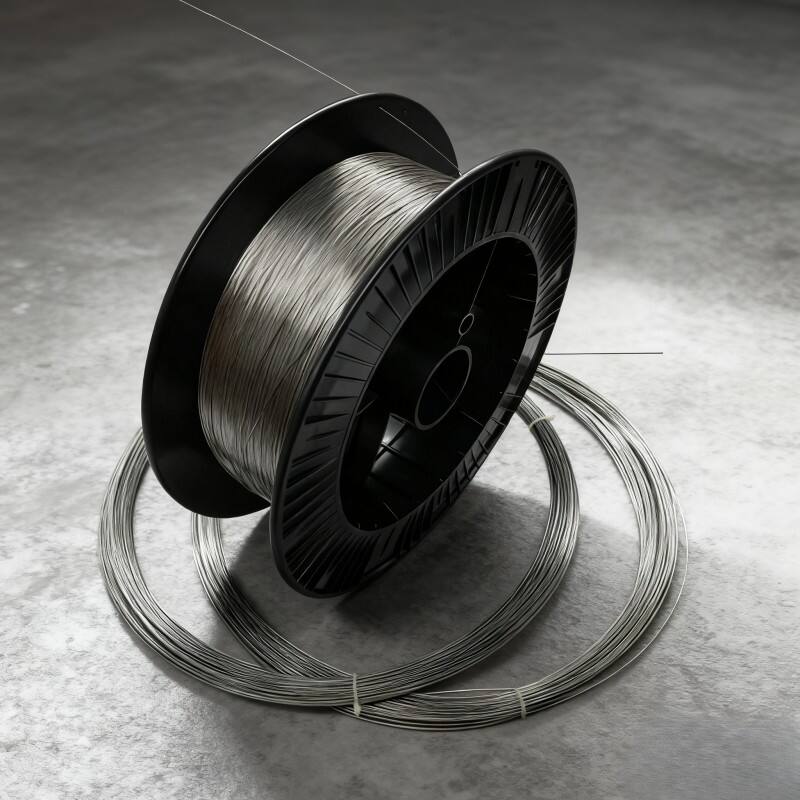
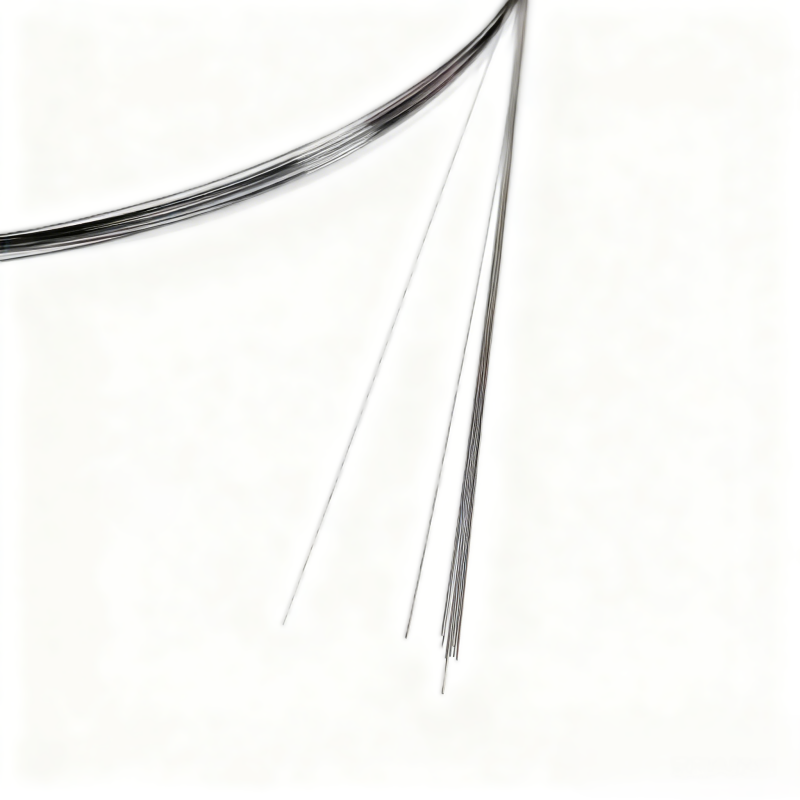
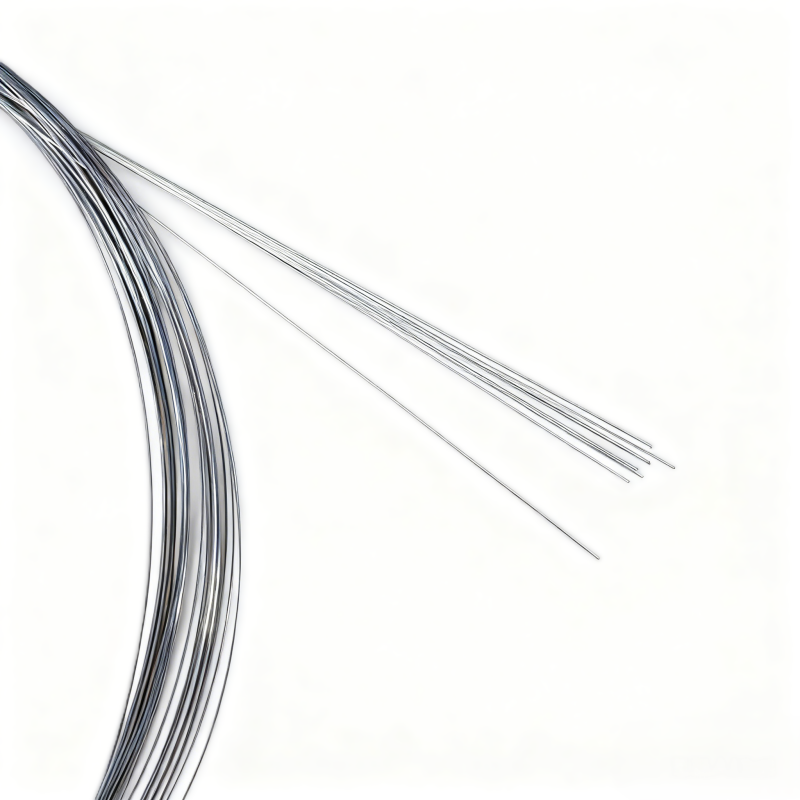
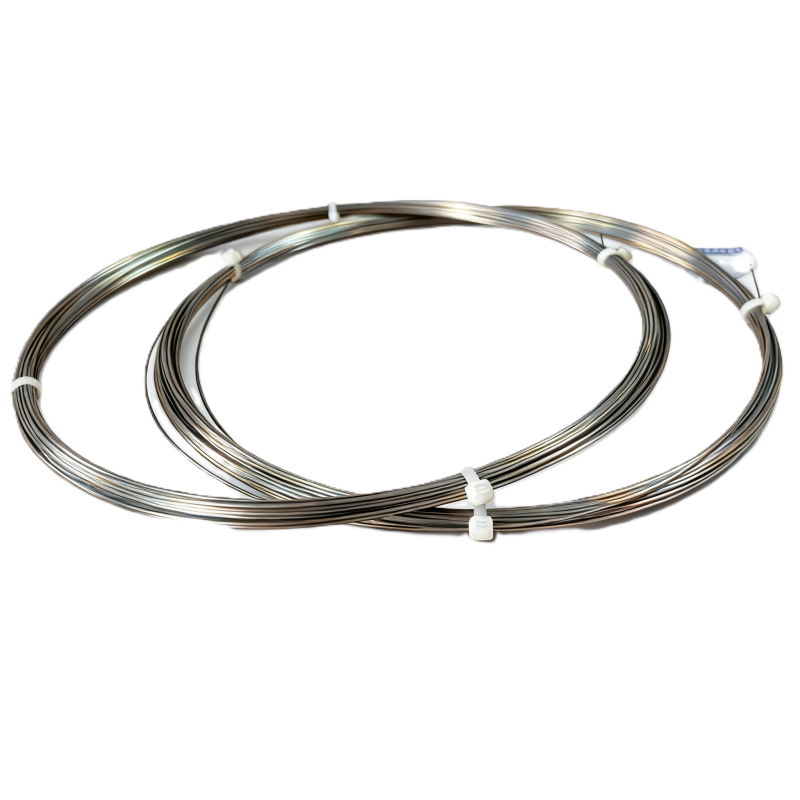
Nitinol Arduino represents a groundbreaking fusion of smart material science and open-source electronics, bringing the remarkable properties of nitinol wire into the hands of engineers, makers, researchers, and educators worldwide. Nitinol, a nickel-titanium shape memory alloy, is renowned for its ability to return to a pre-programmed shape when heated and to exhibit superelastic behavior under mechanical stress. When paired with the versatile Arduino microcontroller platform, nitinol becomes an accessible, programmable actuator that opens up entirely new categories of motion, robotics, and sensing applications. The nitinol arduino system typically consists of an Arduino board, nitinol wire or spring elements, driver circuitry to safely deliver controlled current, and firmware that governs heating cycles, cooling intervals, and feedback loops. The shape memory effect in nitinol is triggered by resistive heating: passing an electrical current through the wire raises its temperature above the austenite transformation threshold, causing it to contract or bend with surprising force relative to its diameter. The Arduino microcontroller manages this process with precision, allowing users to program specific actuation sequences, duty cycles, and response behaviors. Technologically, the nitinol arduino platform supports PWM-based current control, temperature sensing via thermistors or thermocouples, and integration with Bluetooth, Wi-Fi, or serial communication modules for remote operation. Its compatibility with the vast Arduino library ecosystem means that developers can rapidly prototype complex behaviors without deep embedded programming expertise. Applications span a wide spectrum: soft robotics and biomimetic limbs, wearable haptic feedback devices, minimally invasive medical instrument prototypes, aerospace morphing structures, smart textiles, educational demonstration kits, and artistic kinetic sculptures. The nitinol arduino combination is particularly valued in research environments where rapid iteration and low-cost experimentation are essential. Whether you are building a gripper that mimics a human hand, a valve that responds to temperature changes, or an interactive art installation, the nitinol arduino platform delivers the precision, flexibility, and community support needed to bring ambitious ideas to life efficiently and affordably.


New Product Recommendations

The nitinol arduino platform gives you real, tangible advantages that make a difference from the first day you start building. Here is a straightforward look at why so many engineers, students, and innovators choose this combination over conventional actuator systems. First, the nitinol arduino setup is remarkably compact. Traditional motors and pneumatic actuators require gearboxes, air lines, or bulky housings. Nitinol wire contracts silently and smoothly with nothing more than an electrical current, so your finished device stays small and lightweight. This matters enormously when you are designing wearables, medical prototypes, or any product where size and weight are critical constraints. Second, the nitinol arduino system is easy to get started with. Arduino boards are widely available, well-documented, and supported by one of the largest maker communities on the planet. You do not need a specialized engineering background to write your first actuation script. Thousands of tutorials, forums, and open-source libraries mean that help is always close at hand, and you can move from concept to working prototype in a single afternoon. Third, the cost of entry is low. A basic nitinol arduino rig costs a fraction of what you would spend on servo-driven or pneumatic systems of comparable output force. This makes it practical to build multiple prototypes simultaneously, test different wire gauges and configurations, and iterate quickly without worrying about budget overruns. Fourth, the nitinol arduino combination gives you precise, programmable control. PWM signals let you dial in exactly how much current flows through the nitinol wire, which directly governs contraction speed, force, and displacement. You can store multiple motion profiles in memory and switch between them on the fly based on sensor input, user commands, or scheduled timers. Fifth, nitinol wire is silent in operation. Unlike stepper motors or solenoids, there are no clicks, buzzes, or vibrations. This is a genuine advantage in medical devices, consumer electronics, and any application where acoustic noise would be disruptive or unacceptable. Sixth, the nitinol arduino platform integrates naturally with the broader electronics ecosystem. You can add accelerometers, pressure sensors, cameras, wireless modules, and display screens without changing your core architecture. The Arduino IDE supports hundreds of libraries that let these components talk to each other cleanly. Seventh, nitinol wire has an impressive lifespan when operated within its rated strain limits. Properly programmed nitinol arduino systems can cycle hundreds of thousands of times before showing fatigue, making them suitable for products that need long-term reliability. Eighth, the educational value of the nitinol arduino platform is outstanding. It teaches fundamental concepts in materials science, thermodynamics, control systems, and embedded programming all at once, making it a favorite in university labs and STEM programs. In summary, the nitinol arduino platform removes the traditional barriers between a creative idea and a working physical prototype, delivering compact size, low cost, silent operation, precise control, and seamless expandability in one accessible package.

Latest News

Why is phase transition stability of nickel titanium wire key to actuator success?

13

May

Why is phase transition stability of nickel titanium wire key to actuator success?

In the world of precision actuators, the materials used to generate motion are not merely components — they are the foundation of reliability. nickel titanium wire has emerged as one of the most compelling active materials in modern actuator engineer...
View More
Why do orthodontists prefer using orthodontic wire with shape memory?

15

May

Why do orthodontists prefer using orthodontic wire with shape memory?

In modern orthodontic practice, the materials used to move teeth are just as important as the clinical techniques applied. Among the many innovations that have transformed the field, orthodontic wire with shape memory stands out as one of the most cl...
View More
How to ensure dimensional tolerances for precision Nitinol metal parts?

18

May

How to ensure dimensional tolerances for precision Nitinol metal parts?

Achieving tight dimensional tolerances in Nitinol metal components is one of the most demanding challenges in precision manufacturing. Unlike conventional metals, Nitinol — a nickel-titanium shape memory alloy — exhibits superelastic recovery and pha...
View More
Why is Starspring's Nitinol metal at the forefront of the smart drive industry?

19

May

Why is Starspring's Nitinol metal at the forefront of the smart drive industry?

The smart drive industry is defined by its relentless demand for materials that can do more with less — components that respond intelligently to their environment, endure repeated mechanical cycles, and perform with precision in applications ranging ...
View More

Get a Free Quote

Our representative will contact you soon.
Email
Name
Company Name
Message
0/1000

nitinol arduino

Precision Programmable Actuation with Nitinol Arduino

Precision Programmable Actuation with Nitinol Arduino

One of the most compelling reasons engineers and product designers choose the nitinol arduino platform is the level of precision it delivers over physical motion. Unlike conventional actuators that rely on mechanical linkages, gears, or pneumatic pressure, the nitinol arduino system achieves movement through direct electrical control of a shape memory alloy wire. This means there are no backlash errors from gear teeth, no pressure fluctuations from air lines, and no mechanical wear from rotating parts. The motion is clean, repeatable, and fully governed by software. At the heart of this precision is the Arduino microcontroller's ability to generate pulse-width modulation signals that regulate the current flowing through the nitinol wire with millisecond-level timing accuracy. By adjusting the duty cycle of the PWM output, you control how quickly the wire heats up, how much force it generates during contraction, and how smoothly it returns to its extended state during the cooling phase. This granular control allows designers to create nuanced motion profiles that would be extremely difficult to achieve with traditional actuator technologies. For example, a robotic finger built with nitinol arduino can be programmed to grip softly for fragile objects and firmly for heavier loads, switching between modes based on input from a force sensor in real time. A medical device prototype can execute a precise, repeatable bending sequence with sub-millimeter consistency across thousands of cycles. A wearable haptic device can deliver subtle, graduated tactile feedback that feels natural and responsive to the wearer. The nitinol arduino platform also supports closed-loop control when combined with temperature sensors or position feedback elements. By reading the wire's resistance or an attached thermocouple, the Arduino can dynamically adjust power delivery to maintain a target actuation state, compensating for ambient temperature changes or load variations automatically. This closed-loop capability elevates the nitinol arduino from a simple on-off actuator to a genuinely intelligent motion system. For product developers, this precision translates directly into competitive advantage. Devices built on the nitinol arduino platform can meet tighter performance specifications, pass more rigorous quality tests, and deliver a more polished user experience than products relying on cruder actuation methods. The ability to fine-tune behavior entirely in software also means that performance improvements can be deployed as firmware updates without any hardware changes, dramatically reducing the cost and time associated with product iteration.
Silent, Lightweight Design Enabled by Nitinol Arduino

Silent, Lightweight Design Enabled by Nitinol Arduino

In a world where user experience increasingly depends on how a product feels and sounds, the silent and lightweight nature of the nitinol arduino platform stands out as a decisive engineering advantage. Traditional electromechanical actuators, including DC motors, stepper motors, and solenoids, all produce audible noise during operation. This noise comes from magnetic coil switching, gear meshing, bearing friction, and mechanical impact. In consumer electronics, medical devices, and wearable technology, this noise is not just an annoyance but a genuine barrier to product acceptance. The nitinol arduino system eliminates this problem entirely. Nitinol wire actuates through a thermally driven crystalline phase transformation at the atomic level. There are no moving mechanical parts beyond the wire itself, no magnetic fields switching on and off, and no impact events. The result is an actuator that operates in complete silence, making the nitinol arduino platform ideal for hearing aids, surgical tools, sleep monitoring devices, quiet office environments, and any application where acoustic discretion is a design requirement. Weight is the second major dimension where the nitinol arduino platform excels. Nitinol wire generates a remarkable amount of force relative to its mass. A single strand of nitinol wire just a few hundred micrometers in diameter can lift loads many times its own weight. When you build an actuation system around nitinol arduino, you replace heavy motor assemblies, gearboxes, and mounting brackets with a few grams of wire and a small driver circuit. This weight reduction has cascading benefits throughout a product design. Lighter actuators mean lighter structural components, smaller batteries, reduced shipping costs, and improved ergonomics for end users. In wearable robotics and exoskeleton research, where every gram of added weight increases user fatigue, the nitinol arduino platform enables designs that are genuinely comfortable to wear for extended periods. In aerospace and drone applications, the weight savings translate directly into longer flight times and greater payload capacity. The nitinol arduino combination also simplifies mechanical design by reducing part count. Fewer parts mean fewer failure points, simpler assembly processes, lower manufacturing costs, and easier maintenance. For startups and small teams working with limited resources, this simplicity is not just convenient but strategically important. It allows a small engineering team to design, build, and validate a sophisticated actuation system without the specialized tooling or manufacturing expertise that complex mechanical assemblies typically demand.
Rapid Prototyping and Broad Application Range with Nitinol Arduino

Rapid Prototyping and Broad Application Range with Nitinol Arduino

The nitinol arduino platform has earned its reputation as the go-to toolkit for rapid prototyping of smart actuation systems, and the reason is straightforward: it combines a universally familiar development environment with a uniquely capable physical actuator material. The Arduino ecosystem is built around speed of development. The IDE is free, the hardware is inexpensive and globally available, and the community has produced an enormous library of reusable code covering everything from basic PWM control to complex PID feedback algorithms. When you add nitinol wire to this ecosystem, you gain access to a physical actuator that can be cut to length with scissors, attached with crimps or adhesive, and driven directly from a standard Arduino output pin through a simple MOSFET driver circuit. The barrier between having an idea and having a working physical demonstration is remarkably low with the nitinol arduino platform. This rapid prototyping capability has real commercial value. In competitive markets, the team that can test more ideas in less time consistently outperforms teams that move slowly. The nitinol arduino platform lets engineers explore multiple design directions in parallel, validate assumptions with physical hardware before committing to expensive tooling, and present working demonstrations to stakeholders and investors at early project stages. Beyond prototyping speed, the nitinol arduino platform covers an exceptionally broad application range. In soft robotics, researchers use nitinol arduino to build grippers, crawlers, and swimmers that mimic biological motion with a naturalness that rigid-link robots cannot match. In medical device development, nitinol arduino prototypes demonstrate catheter steering mechanisms, stent deployment tools, and minimally invasive surgical instruments. In the fashion and textile industry, designers embed nitinol arduino systems into garments that change shape or stiffness in response to body temperature or electronic commands. In architecture and interactive art, nitinol arduino drives kinetic facades, responsive sculptures, and immersive installations that react to visitors in real time. In education, the nitinol arduino platform serves as a hands-on teaching tool that makes abstract concepts in materials science, thermodynamics, and control engineering tangible and engaging for students at every level. Each of these application domains benefits from the same core strengths: low cost, ease of programming, silent operation, compact form factor, and the extraordinary physical properties of nitinol itself. The nitinol arduino platform does not just serve one niche but grows with you as your projects become more ambitious and your understanding of smart materials deepens.
Nitinol Arduino: Precision Smart Actuator Platform for Robotics and Prototyping

Get a Free Quote

Our representative will contact you soon.
Email
Name
Company Name
Message
0/1000
Newsletter
Please Leave A Message With Us