Biocompatibility and Corrosion Resistance for Medical Excellence
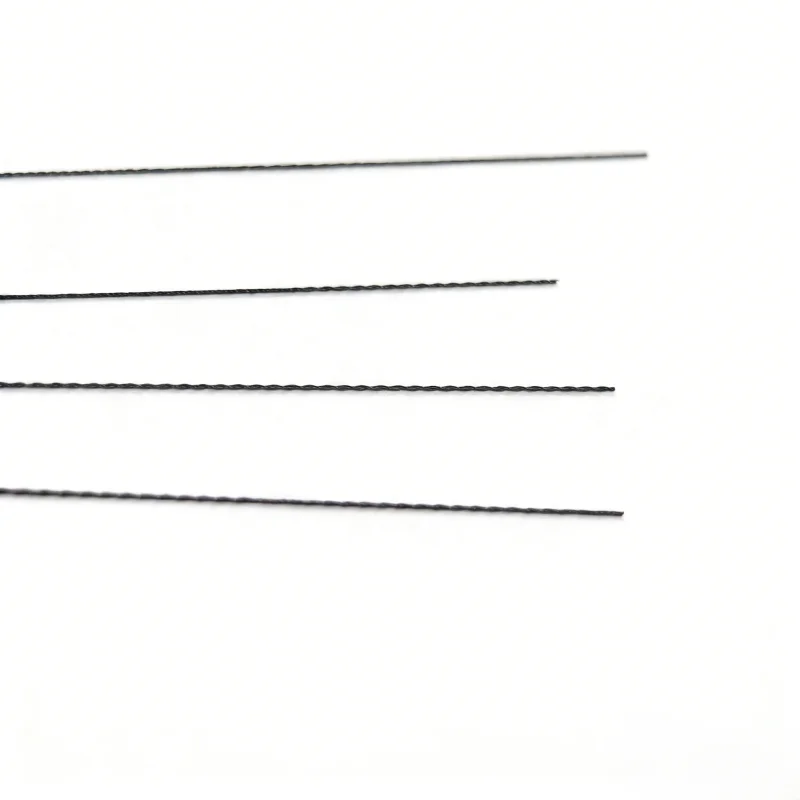
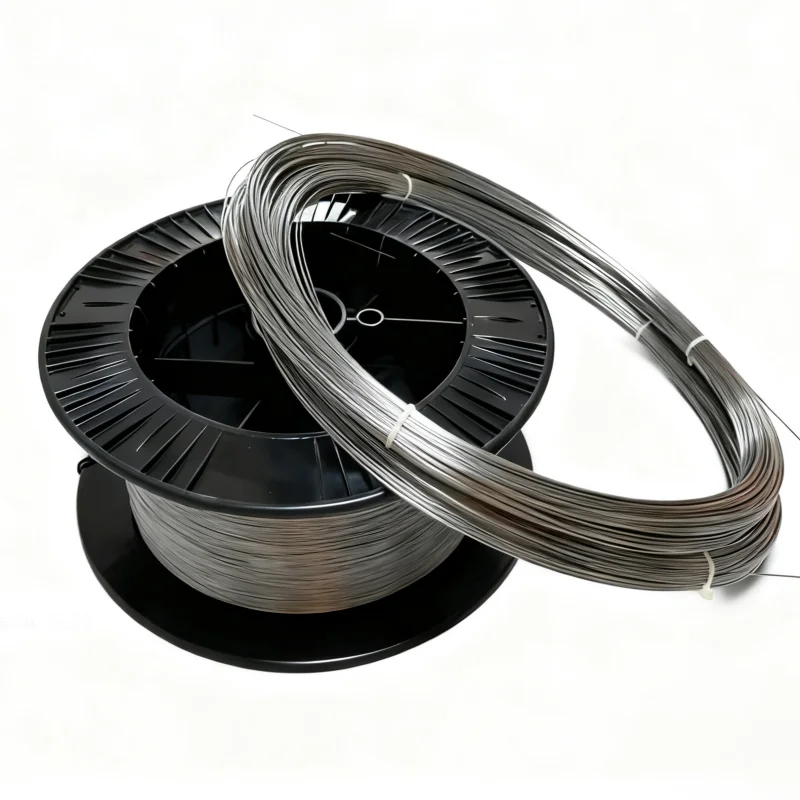
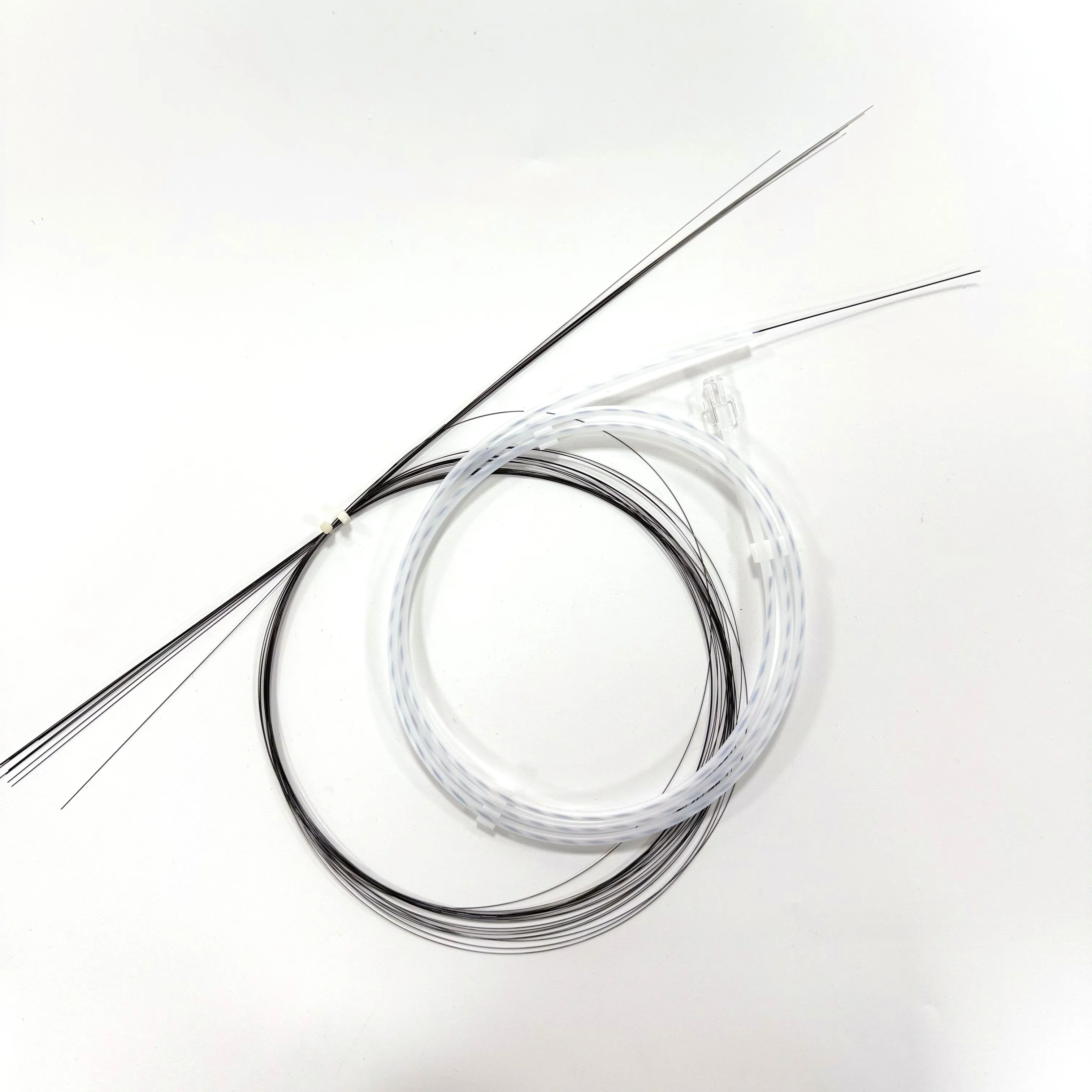
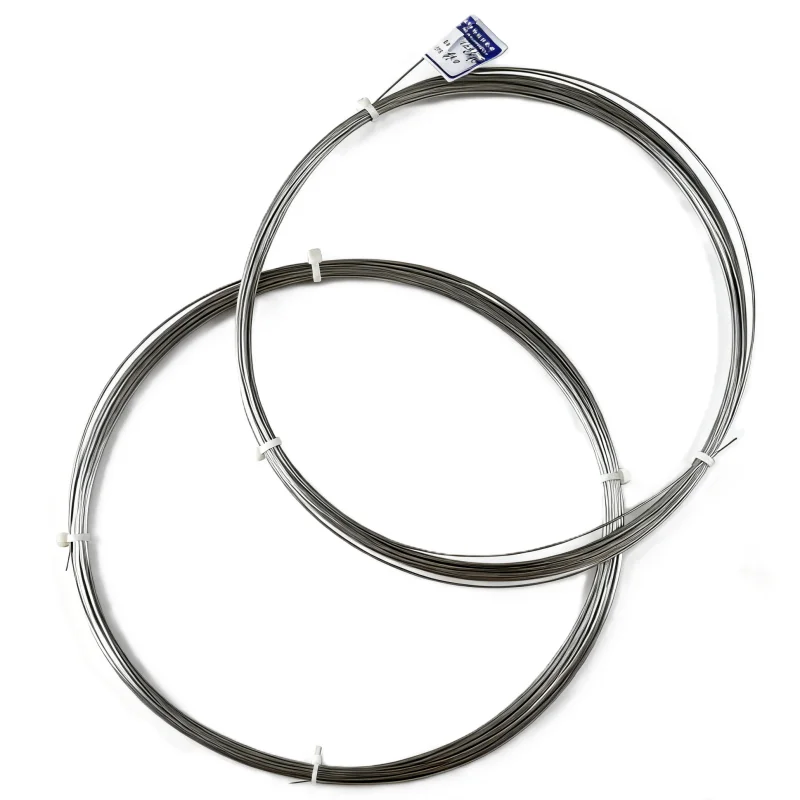
The biocompatibility and corrosion resistance of nitinol components make them uniquely suited for medical implants and devices that contact the human body, addressing critical safety and performance requirements that many other materials cannot meet simultaneously. Biocompatibility refers to the ability of nitinol components to exist in contact with living tissue without causing toxic, injurious, or immunological responses, a property that has been extensively validated through decades of research and clinical use. The surface of nitinol components naturally forms a stable titanium oxide layer that acts as a barrier between the nickel-titanium alloy and surrounding biological tissues, preventing nickel ion release that could trigger allergic reactions or other adverse effects. This passive oxide layer on nitinol components demonstrates exceptional stability in physiological environments, resisting degradation from bodily fluids, proteins, and cellular activity that would corrode or degrade lesser materials. Medical device manufacturers can implant nitinol components for permanent use in cardiovascular, orthopedic, and other applications with confidence in their long-term safety profile. Clinical data spanning millions of patients and decades of follow-up demonstrate that properly manufactured nitinol components maintain their integrity and biocompatibility throughout extended implantation periods. The corrosion resistance of nitinol components extends beyond medical applications to industrial environments where exposure to chemicals, saltwater, or extreme conditions would rapidly degrade ordinary metals. Offshore equipment, chemical processing systems, and marine applications benefit from nitinol components that maintain their mechanical properties and dimensional accuracy despite corrosive surroundings. For medical device designers, the combination of biocompatibility and mechanical properties in nitinol components eliminates traditional design compromises. Previous generations of implants often required choosing between biocompatible materials with poor mechanical properties or strong materials with questionable biocompatibility, sometimes necessitating protective coatings that could delaminate or wear away over time. Nitinol components provide both characteristics inherently, simplifying manufacturing and improving device reliability. The thromboresistance of nitinol components, particularly when properly surface treated, reduces the risk of blood clot formation on cardiovascular devices, potentially eliminating or reducing the need for long-term anticoagulation therapy that carries its own risks and complications. This property makes nitinol components especially valuable for stents, heart valve frames, and other devices in direct blood contact. Sterilization compatibility represents another practical advantage of nitinol components in medical applications, as they withstand repeated autoclave cycles, gamma irradiation, and ethylene oxide treatment without degradation of their shape memory or superelastic properties, ensuring devices remain safe and functional throughout their shelf life and clinical use.

 EN
EN