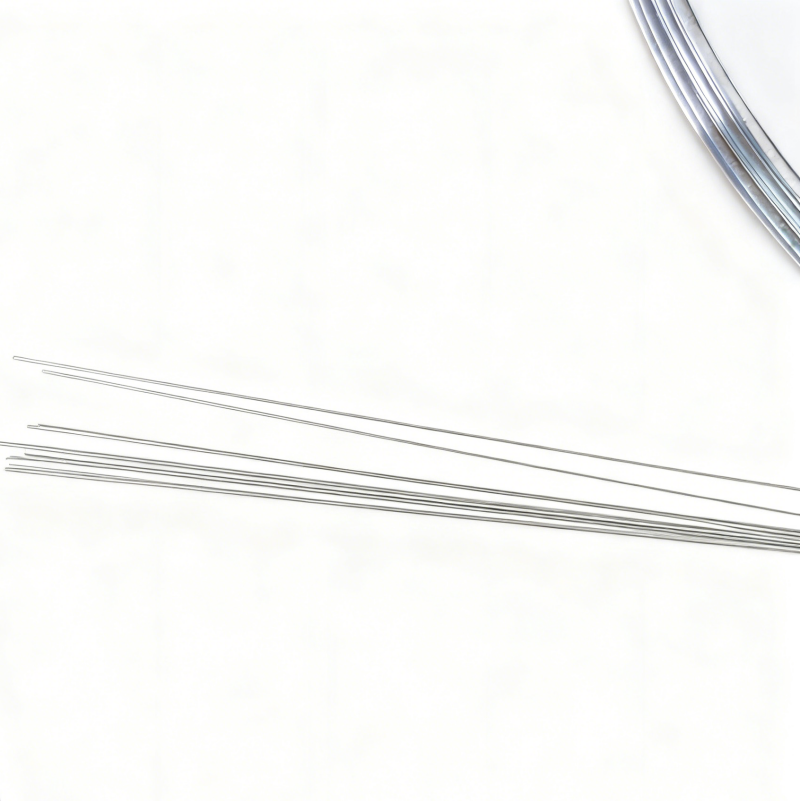
nitinol material
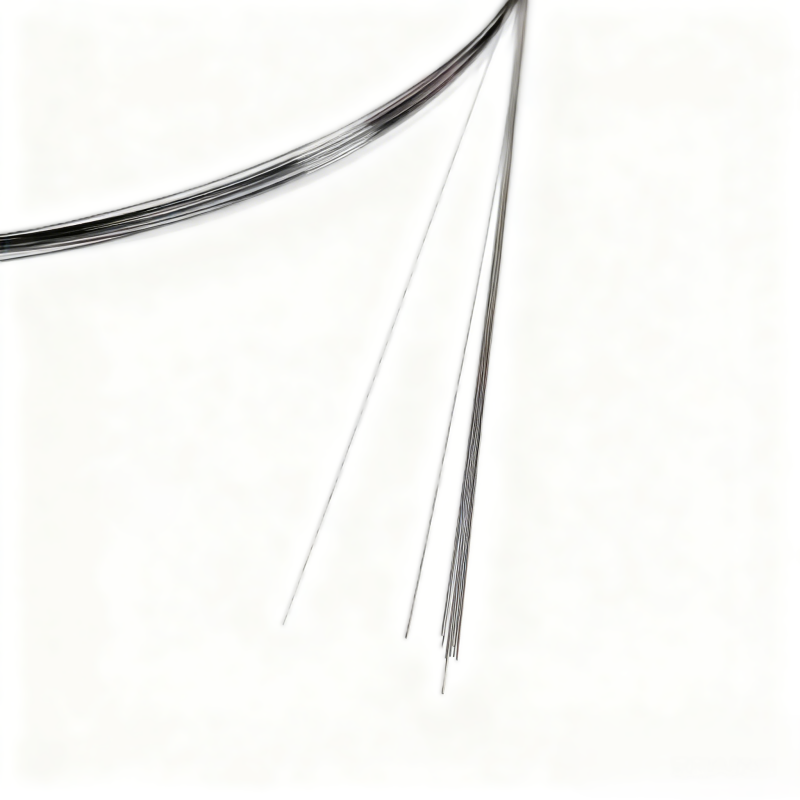
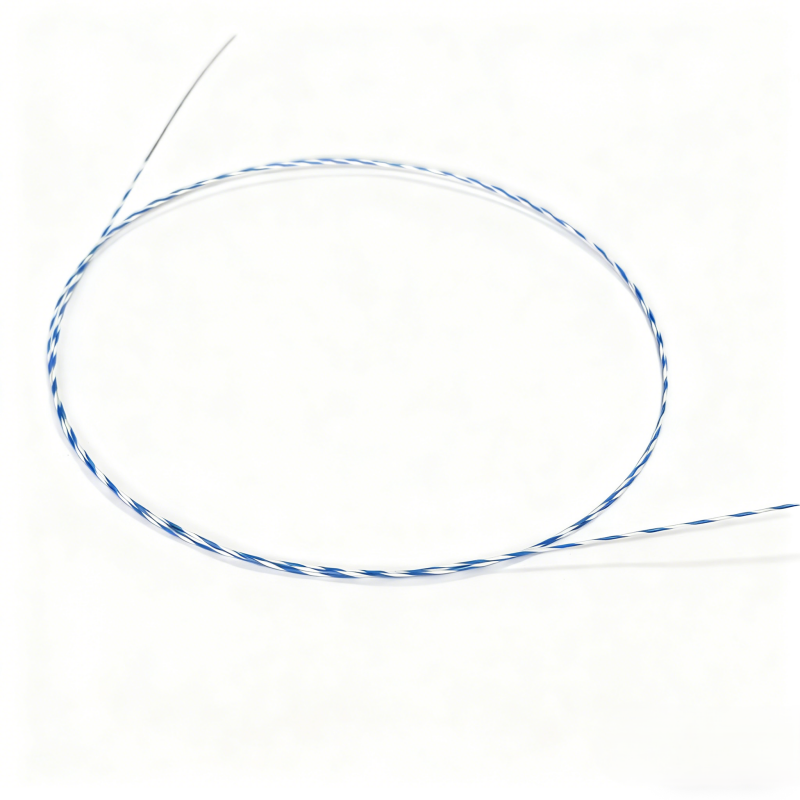
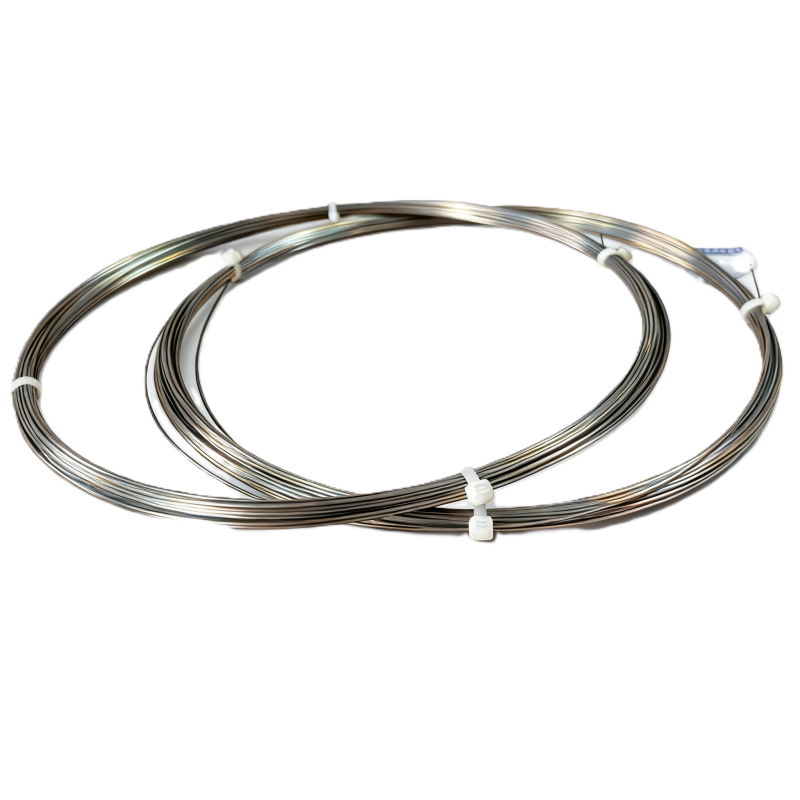
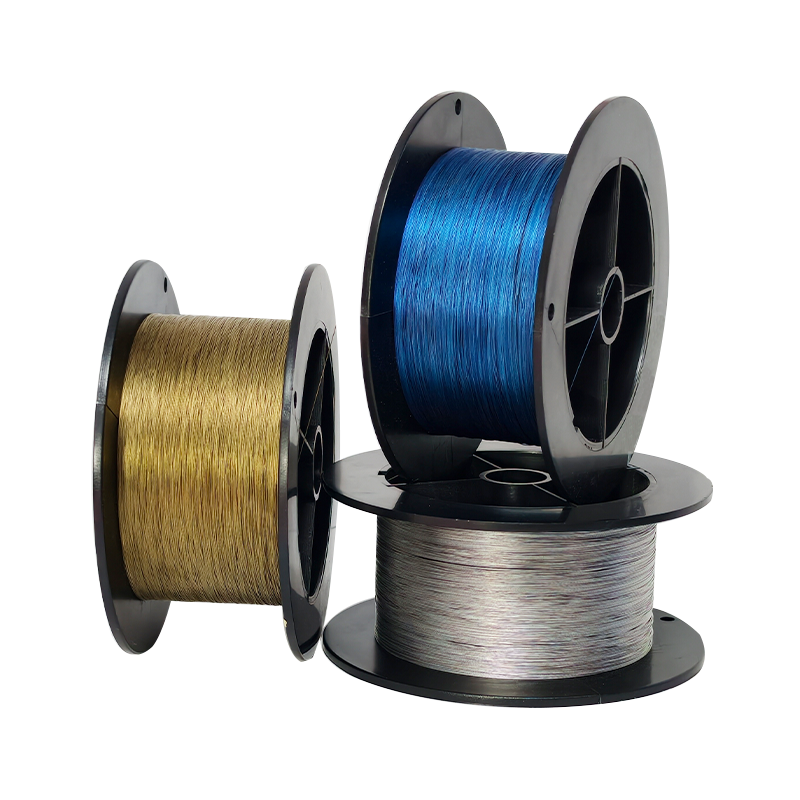
Nitinol material represents a groundbreaking advancement in metallurgy, combining nickel and titanium in nearly equal proportions to create an alloy with extraordinary properties. This remarkable metal demonstrates unique characteristics that set it apart from conventional materials, making it invaluable across numerous industries. The nitinol material exhibits two primary functions that define its exceptional nature: shape memory effect and superelasticity. The shape memory effect allows the nitinol material to return to its predetermined shape when heated above a specific transition temperature, while superelasticity enables it to withstand significant deformation and return to its original form upon stress removal. These technological features stem from a reversible solid-state phase transformation between austenite and martensite crystal structures. At lower temperatures, the nitinol material exists in its martensite phase, which is soft and easily deformable. When heated, it transforms into austenite, becoming rigid and recovering its memorized shape. This transformation occurs within a narrow temperature range, typically between negative forty and one hundred degrees Celsius, depending on the precise composition and processing methods. The superelastic behavior of nitinol material manifests at temperatures above the austenite finish temperature, allowing it to endure strains up to eight percent while returning completely to its original configuration. Applications for nitinol material span diverse sectors including medical devices, aerospace engineering, automotive systems, robotics, and consumer products. In healthcare, surgeons utilize nitinol material for stents, guidewires, orthodontic archwires, and surgical instruments. The aerospace industry employs this alloy in actuators, couplings, and adaptive structures. Automotive manufacturers integrate nitinol material into climate control systems and safety mechanisms. The material's biocompatibility, corrosion resistance, and fatigue strength make it particularly suitable for implantable medical devices that must perform reliably within the human body for extended periods.

 EN
EN