Braided Nitinol: Advanced Shape Memory Alloy Solutions for Medical and Industrial Applications

Get a Free Quote

Our representative will contact you soon.
Email
Name
Company Name
Message
0/1000

braided nitinol

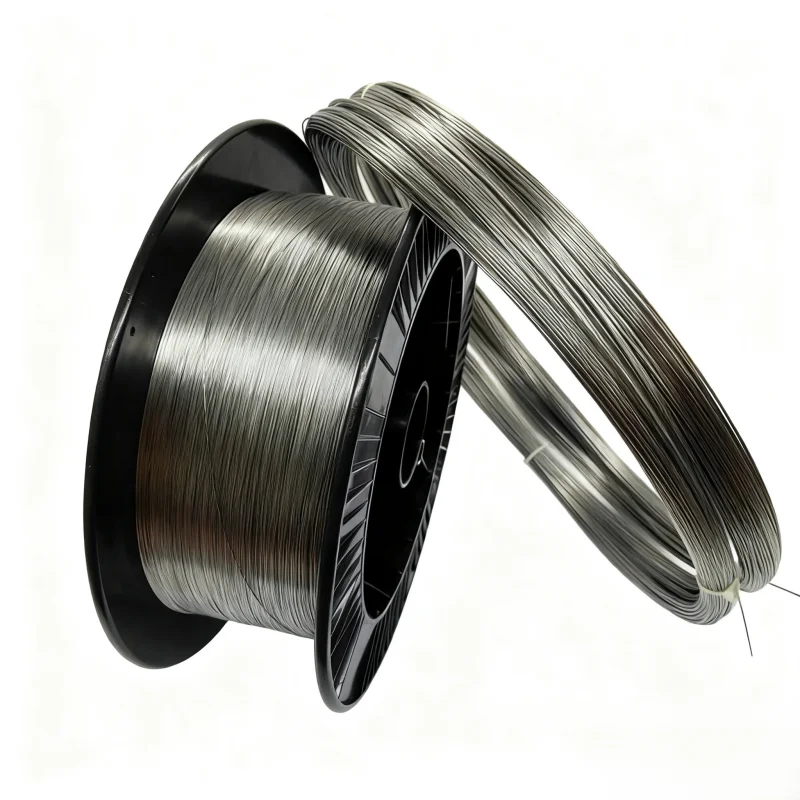
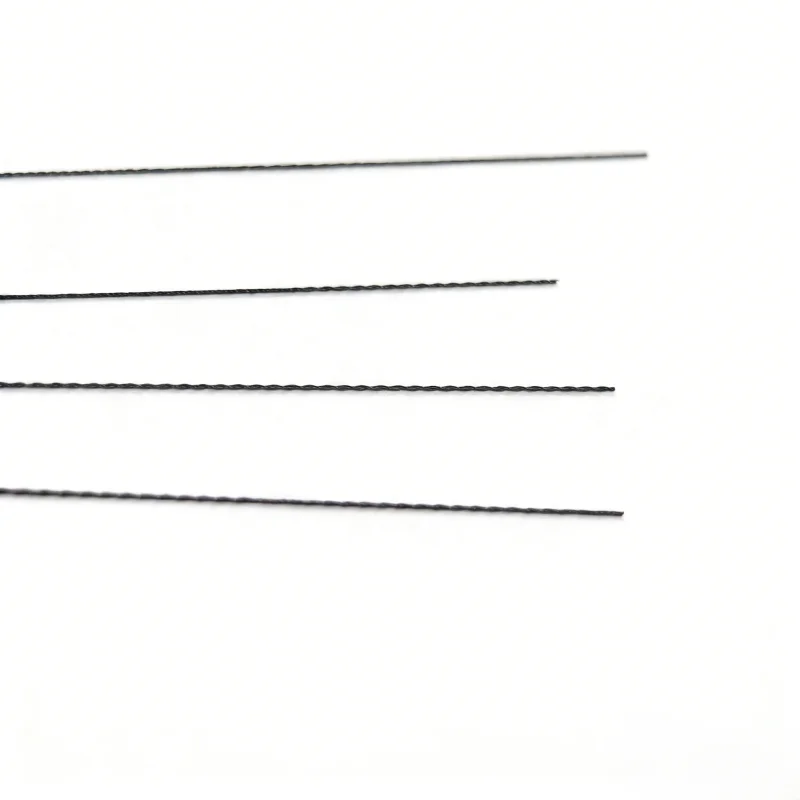
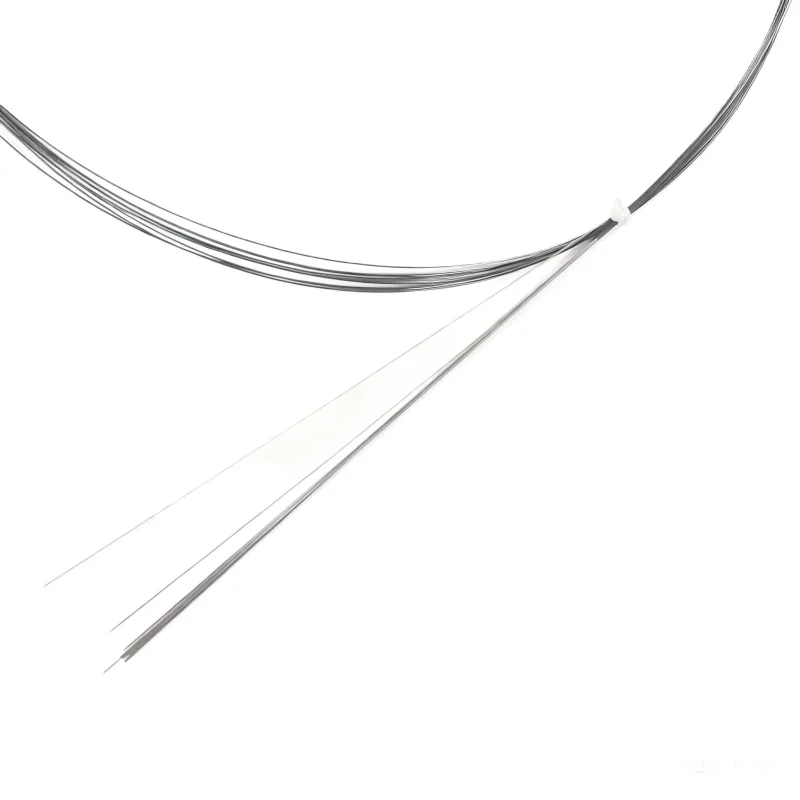
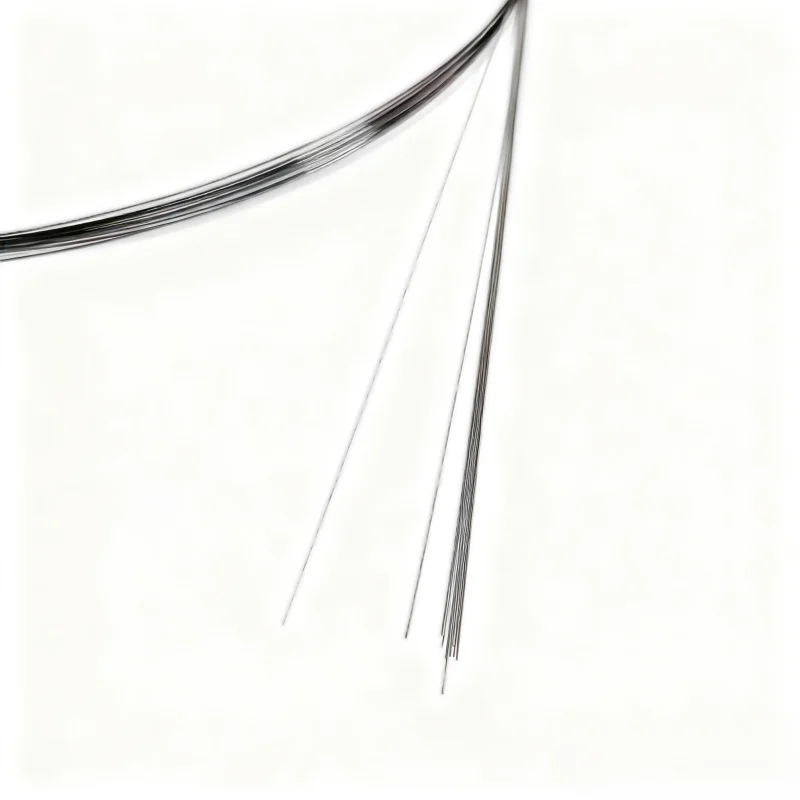
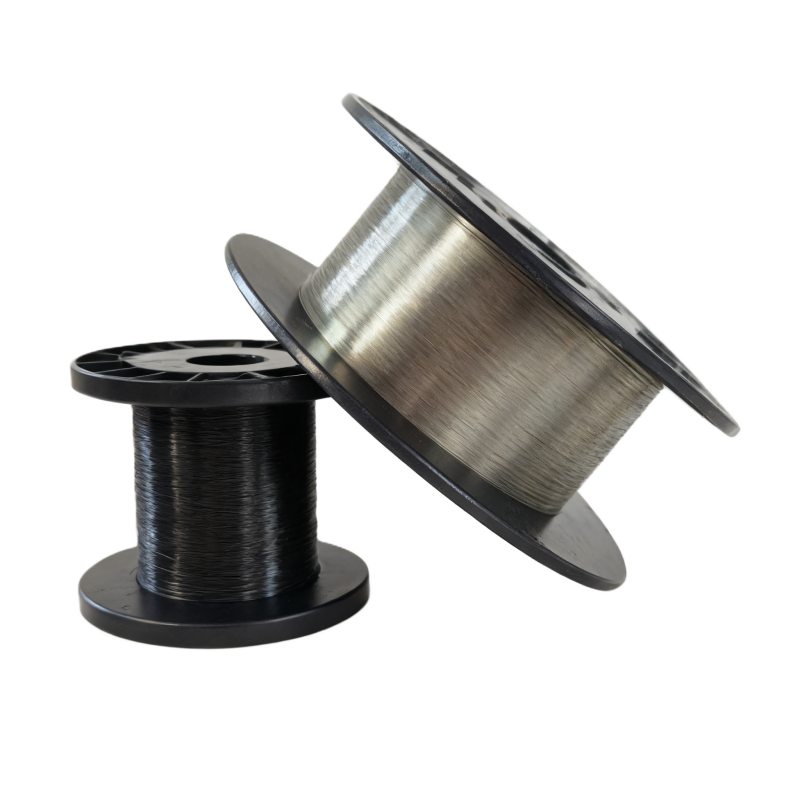
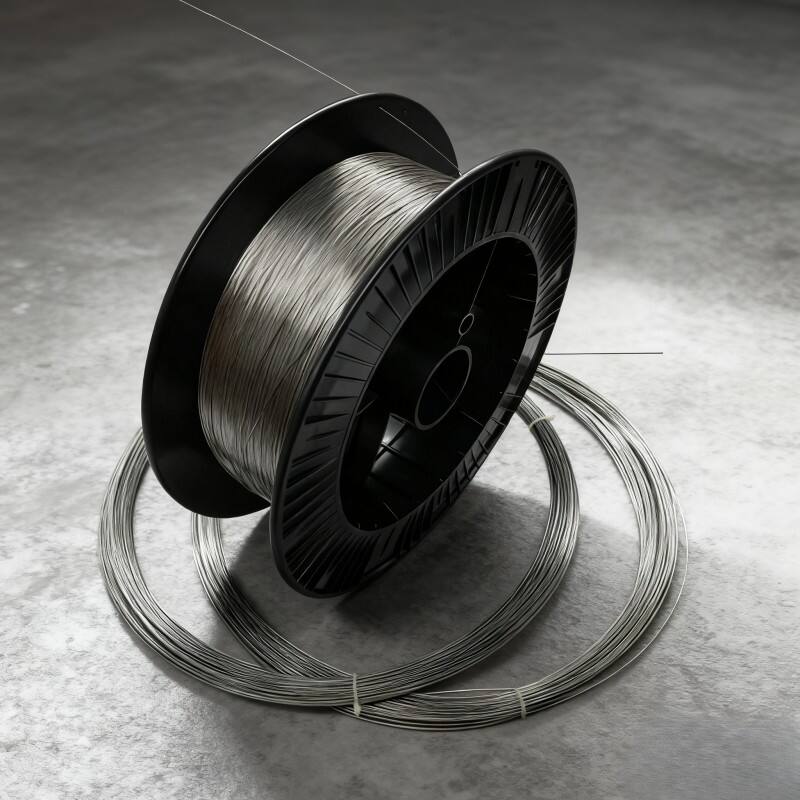
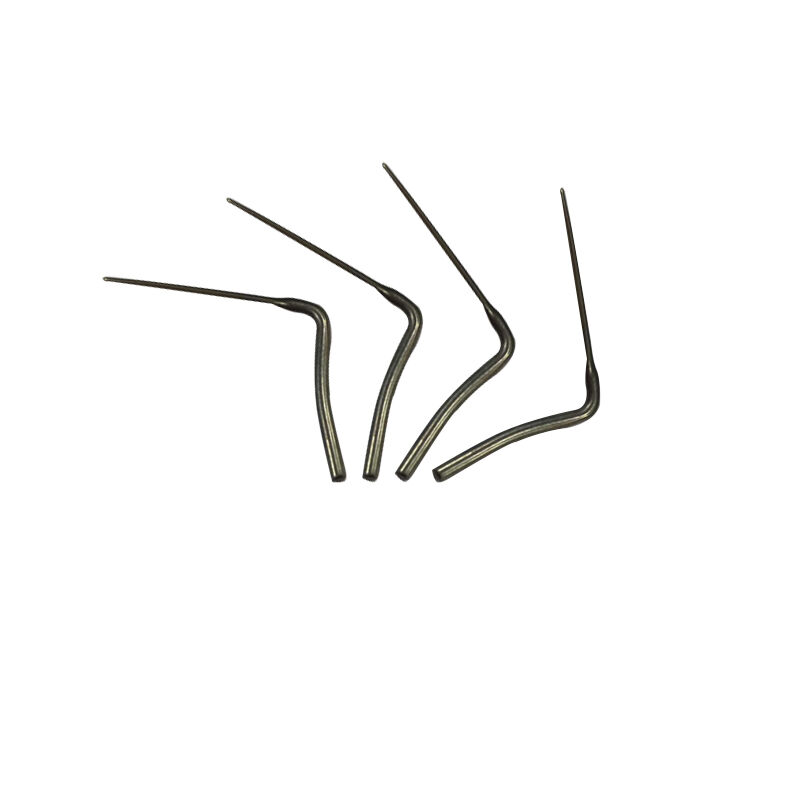
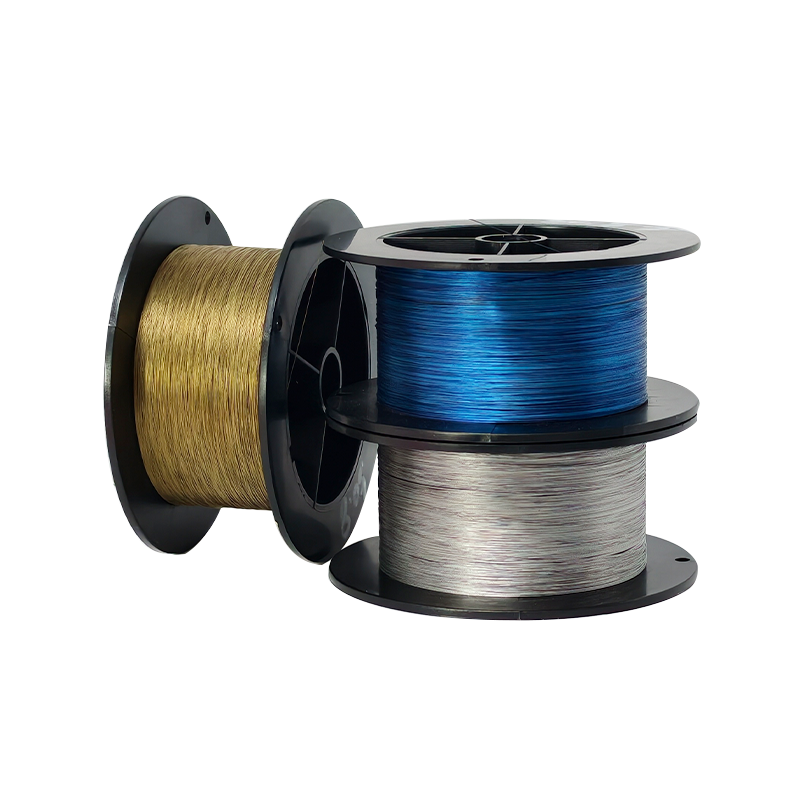
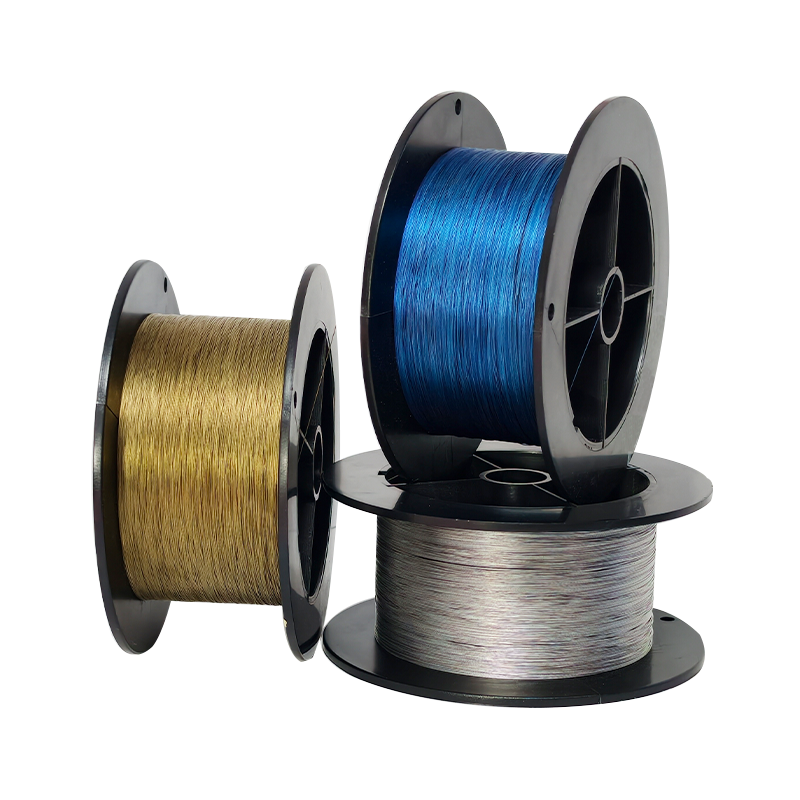
Braided nitinol represents a revolutionary advancement in shape memory alloy technology, combining the unique properties of nitinol with an intricate braided structure to create a versatile material solution for demanding applications. This innovative product consists of multiple nitinol wires woven together in a precise pattern, creating a tubular or flat mesh structure that maintains the remarkable characteristics of nitinol while offering enhanced flexibility and strength. The braided nitinol construction method allows for customization of mechanical properties, including radial force, flexibility, and collapse resistance, making it suitable for a wide range of technical applications. The primary functions of braided nitinol include providing structural support, enabling controlled expansion and contraction, offering biocompatibility for medical uses, and delivering consistent performance across varying temperature ranges. Technologically, braided nitinol leverages the superelastic properties of nickel-titanium alloy, which allows the material to undergo significant deformation and return to its original shape without permanent damage. The braiding process creates a network of interlocking wires that distribute stress evenly throughout the structure, preventing localized failure points and extending product lifespan. This construction technique also allows for precise control over porosity, coverage density, and mechanical characteristics by adjusting wire diameter, braid angle, and pick count. Applications for braided nitinol span multiple industries, with particular prominence in medical device manufacturing, aerospace engineering, and industrial filtration systems. In the medical field, braided nitinol serves as the foundation for self-expanding stents, catheter components, guidewires, and implantable devices that require both flexibility and strength. The aerospace industry utilizes braided nitinol for actuators, vibration damping systems, and deployable structures that must perform reliably in extreme conditions. Industrial applications include high-temperature filters, specialty fasteners, and advanced spring systems that benefit from the material's unique recovery properties and durability under cyclic loading conditions.


Popular Products

The advantages of braided nitinol make it an exceptional choice for engineers and product designers seeking reliable, high-performance materials that deliver tangible benefits in real-world applications. First and foremost, this material offers outstanding flexibility combined with remarkable strength, allowing products to bend and flex repeatedly without breaking or losing their shape. Unlike traditional metal braids that may fatigue or fracture after repeated use, braided nitinol maintains its structural integrity through thousands of compression and expansion cycles, reducing maintenance needs and extending product life significantly. This durability translates directly into cost savings for customers who no longer need to replace components as frequently. The superelastic nature of braided nitinol means it can compress to a fraction of its expanded size and then reliably return to its original diameter when released, making installation procedures simpler and less invasive, particularly in medical applications where smaller delivery profiles improve patient outcomes and reduce recovery times. Temperature responsiveness provides another practical advantage, as braided nitinol can be programmed to change shape at specific temperatures, enabling automatic actuation without electrical power or complex control systems. This feature creates opportunities for self-regulating devices that respond intelligently to environmental conditions. The biocompatibility of braided nitinol makes it safe for long-term implantation in the human body, resisting corrosion and avoiding adverse tissue reactions that plague other metal alloys. Customers benefit from regulatory approval pathways that are well-established for nitinol medical devices, accelerating time to market for new products. The material's corrosion resistance extends its advantages beyond medical use, performing reliably in harsh chemical environments, saltwater exposure, and high-humidity conditions where conventional materials deteriorate rapidly. Manufacturing flexibility represents another significant advantage, as braided nitinol can be produced in various diameters, lengths, braid densities, and wire configurations to match specific application requirements without necessitating entirely new production processes. This customization capability allows customers to optimize performance characteristics for their unique needs while maintaining cost effectiveness. The radial force characteristics of braided nitinol can be precisely controlled during manufacturing, ensuring consistent performance across production batches and eliminating the unpredictability associated with alternative materials. Weight reduction compared to stainless steel alternatives provides advantages in applications where mass matters, improving fuel efficiency in transportation applications and reducing patient burden in medical implants. Finally, the proven track record of braided nitinol across decades of use in critical applications provides customers with confidence in material performance, supported by extensive research data and clinical evidence demonstrating safety and effectiveness.

Practical Tips

Why is high-stability Nitinol the first choice for equipment in extreme conditions?

12

May

Why is high-stability Nitinol the first choice for equipment in extreme conditions?

When equipment must perform reliably under mechanical stress, thermal cycling, and repeated deformation, material selection becomes a critical engineering decision. Nitinol, the nickel-titanium shape memory alloy, has earned a dominant position in de...
View More
Why do orthodontists prefer using orthodontic wire with shape memory?

15

May

Why do orthodontists prefer using orthodontic wire with shape memory?

In modern orthodontic practice, the materials used to move teeth are just as important as the clinical techniques applied. Among the many innovations that have transformed the field, orthodontic wire with shape memory stands out as one of the most cl...
View More
Why do full-process manufacturers provide higher performance Nitinol SMA?

20

May

Why do full-process manufacturers provide higher performance Nitinol SMA?

When engineers and procurement specialists evaluate materials for high-precision medical devices, aerospace components, or advanced actuator systems, the source of the material matters as much as the material itself. Nitinol SMA — the nickel-titanium...
View More
How to identify high-quality Nitinol sources with a 21-year background?

01

Jun

How to identify high-quality Nitinol sources with a 21-year background?

Sourcing Nitinol for industrial, medical, or specialty applications is not a decision that should be made lightly. Nitinol, the nickel-titanium shape memory alloy renowned for its superelastic behavior and thermal responsiveness, demands a level of m...
View More

Get a Free Quote

Our representative will contact you soon.
Email
Name
Company Name
Message
0/1000

braided nitinol

Superior Flexibility and Kink Resistance for Demanding Applications

Superior Flexibility and Kink Resistance for Demanding Applications

One of the most compelling advantages of braided nitinol is its exceptional flexibility combined with outstanding kink resistance, a combination that proves invaluable across numerous application scenarios. Traditional metal structures face a fundamental limitation: they must sacrifice flexibility to achieve strength, or accept reduced durability to gain bendability. Braided nitinol transcends this compromise through its unique superelastic properties and intelligent structural design. The interwoven wire construction distributes mechanical stresses across multiple load paths, preventing concentration of force at any single point that could lead to permanent deformation or failure. When you bend a braided nitinol component, the individual wires slide and rotate relative to each other within the braid pattern, accommodating the curvature without exceeding the elastic limit of the material. This mechanism allows braided nitinol products to navigate tight curves and complex pathways that would cause conventional materials to kink, collapse, or fracture. In medical applications, this flexibility advantage directly improves patient care by enabling minimally invasive procedures through tortuous blood vessels and anatomical structures. Physicians can guide braided nitinol catheters and guidewires through challenging vascular anatomy with confidence, knowing the device will track smoothly without kinking or losing its ability to transmit torque and pushing force. The kink resistance of braided nitinol also means that devices maintain their luminal integrity even when severely bent, ensuring uninterrupted flow of fluids, passage of instruments, or delivery of therapeutic agents. Beyond medical uses, industrial applications benefit equally from this flexibility advantage. Aerospace engineers specify braided nitinol for deployable structures that must fold compactly for transport and then reliably expand to full size when needed. Robotic systems incorporate braided nitinol components that flex repeatedly through millions of cycles without degradation, eliminating downtime for component replacement. The flexibility of braided nitinol does not diminish over time or with repeated use, unlike polymer alternatives that suffer from fatigue and creep. This long-term stability ensures that products perform consistently throughout their service life, maintaining the same responsive feel and reliable function on the thousandth use as on the first. For customers, this translates into predictable product performance, reduced warranty claims, and enhanced reputation for quality and reliability in their market segments.
Precise Radial Force Control for Optimal Performance

Precise Radial Force Control for Optimal Performance

Braided nitinol offers unparalleled capability for precise radial force customization, a technical feature that delivers substantial practical benefits across diverse applications. Radial force refers to the outward pressure that a tubular braided structure exerts when compressed, and controlling this characteristic with precision allows engineers to optimize device performance for specific anatomical sites, environmental conditions, or functional requirements. The braided construction of nitinol enables radial force adjustment through multiple design parameters including wire diameter, number of wires in the braid, braid angle, and heat treatment protocols. This multi-dimensional design space provides engineers with extensive flexibility to fine-tune mechanical properties without compromising other essential characteristics. In cardiovascular stent applications, precise radial force control ensures that the device provides sufficient support to hold a blood vessel open against disease-induced narrowing while avoiding excessive force that could damage delicate vessel walls or trigger adverse biological responses. The ability to graduate radial force along the length of a braided nitinol device creates additional design possibilities, with higher force in regions requiring maximum support and lower force in transitional zones where flexibility takes priority. Manufacturing processes for braided nitinol have matured to deliver excellent consistency in radial force characteristics, with tight tolerances that ensure each device performs identically to specifications. This consistency eliminates the performance variability that plagues some alternative technologies, where unpredictable radial force leads to clinical complications or product failures. Customers gain confidence knowing that every unit leaving the manufacturing facility will perform as intended, reducing risk and supporting regulatory compliance. The radial force of braided nitinol remains stable across the temperature ranges encountered in normal use, unlike some polymer alternatives that soften or stiffen dramatically with temperature changes. This thermal stability ensures reliable performance whether the product operates in the human body at 37 degrees Celsius, in industrial processes at elevated temperatures, or in cold environments where other materials become brittle. Testing and characterization methods for braided nitinol radial force are well-established, allowing designers to predict device behavior accurately using computational models validated against empirical data. This predictability accelerates product development cycles, reducing time and cost associated with iterative prototyping. For applications beyond medicine, precise radial force control enables braided nitinol springs and actuators that deliver consistent force output across their working range, improving control system accuracy and eliminating the need for complex compensation algorithms. The combination of customizable radial force, manufacturing consistency, and thermal stability makes braided nitinol the preferred choice for applications where reliable mechanical performance is non-negotiable.
Exceptional Biocompatibility and Corrosion Resistance

Exceptional Biocompatibility and Corrosion Resistance

The exceptional biocompatibility and corrosion resistance of braided nitinol make it uniquely suited for applications requiring long-term reliability in challenging biological and chemical environments. Biocompatibility refers to the ability of a material to perform its intended function without triggering adverse reactions in living tissue, a critical requirement for medical implants and devices that contact blood or body tissues. Braided nitinol has demonstrated outstanding biocompatibility through decades of clinical use and extensive laboratory testing, with millions of implanted devices providing real-world evidence of safety and tissue compatibility. The passive oxide layer that forms naturally on nitinol surfaces protects the underlying alloy from corrosion while presenting a biologically inert interface that resists protein adhesion, cell activation, and inflammatory responses. This surface characteristic minimizes the risk of thrombosis in blood-contacting applications and reduces foreign body reactions in soft tissue implant sites. The braided structure of nitinol offers additional biocompatibility advantages by providing a porous architecture that allows tissue ingrowth in applications where biological integration is desired, creating a stable interface between device and body that improves long-term fixation and reduces migration risk. Corrosion resistance extends the advantages of braided nitinol beyond medical applications into industrial environments where exposure to aggressive chemicals, saltwater, or high temperatures would rapidly degrade conventional materials. The nickel-titanium alloy composition resists oxidation, chloride attack, and galvanic corrosion, maintaining structural integrity and mechanical properties even after prolonged exposure to corrosive media. This durability eliminates costly maintenance cycles and unexpected failures that interrupt operations and compromise safety. In marine applications, braided nitinol components resist the devastating effects of saltwater corrosion that destroy stainless steel and aluminum parts, providing reliable service in offshore equipment, underwater vehicles, and coastal installations. Chemical processing industries benefit from braided nitinol filtration elements and valve components that withstand caustic solutions, organic solvents, and oxidizing agents that would dissolve or embrittle alternative materials. The combination of corrosion resistance and mechanical properties allows braided nitinol to function reliably across temperature extremes, from cryogenic conditions to several hundred degrees Celsius, expanding application possibilities into aerospace thermal management systems and industrial heat exchangers. For customers, the biocompatibility and corrosion resistance of braided nitinol translate into reduced lifecycle costs through extended product lifespans, decreased maintenance requirements, and elimination of premature failures. Medical device manufacturers gain regulatory advantages from the extensive safety database supporting nitinol biocompatibility claims, accelerating approval processes and reducing preclinical testing burdens. Industrial customers appreciate the reliability that comes from specifying a material proven to resist the environmental factors that cause conventional materials to fail, protecting their operations from downtime and their reputations from quality issues.
Braided Nitinol: Advanced Shape Memory Alloy Solutions for Medical and Industrial Applications

Get a Free Quote

Our representative will contact you soon.
Email
Name
Company Name
Message
0/1000
Newsletter
Please Leave A Message With Us