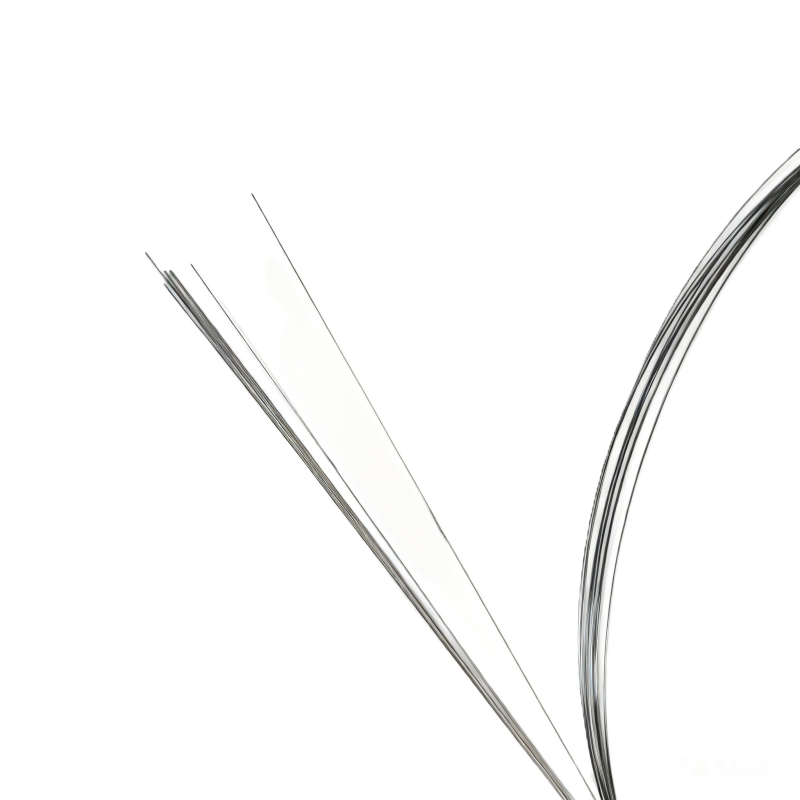
Nitinol Cable: Superior Shape Memory Alloy Wire for Medical, Aerospace & Industrial Applications

Get a Free Quote

Our representative will contact you soon.
Email
Name
Company Name
Message
0/1000

nitinol cable

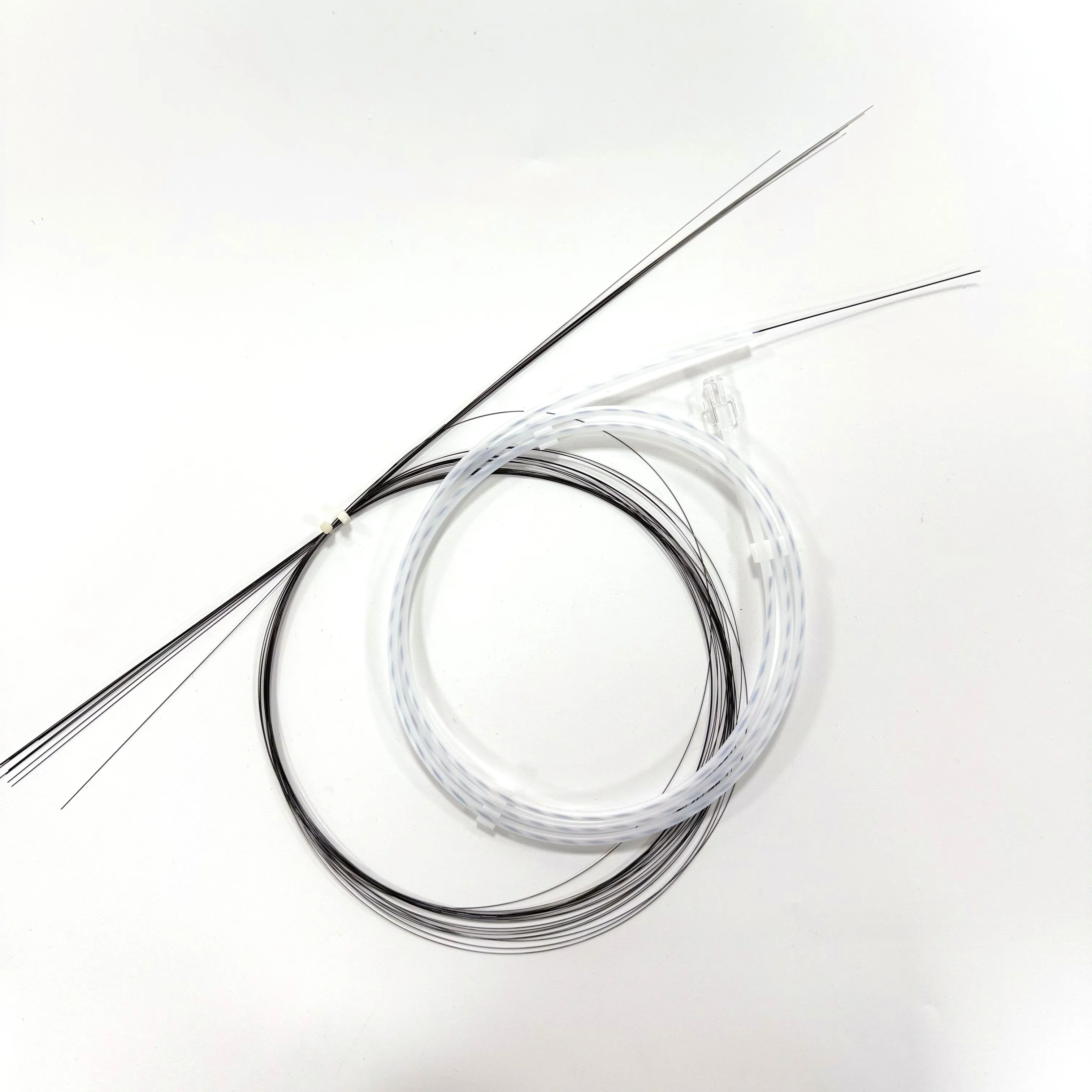
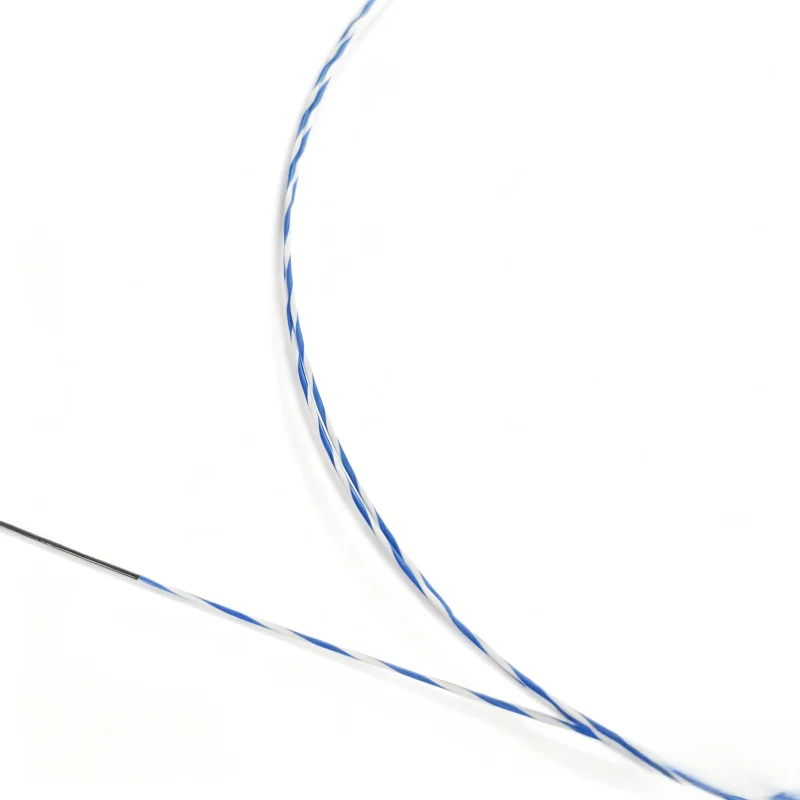
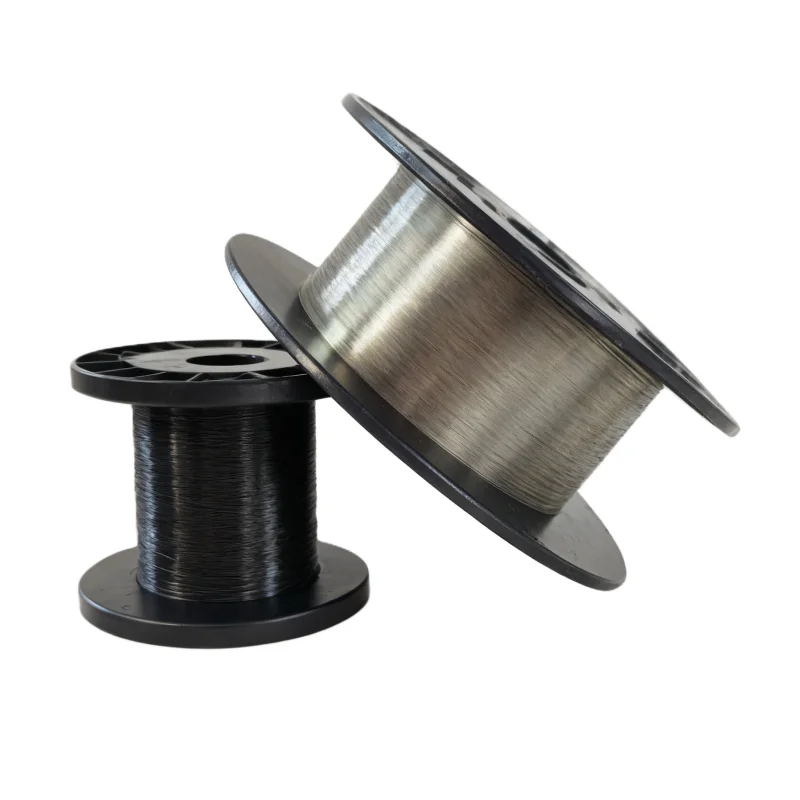
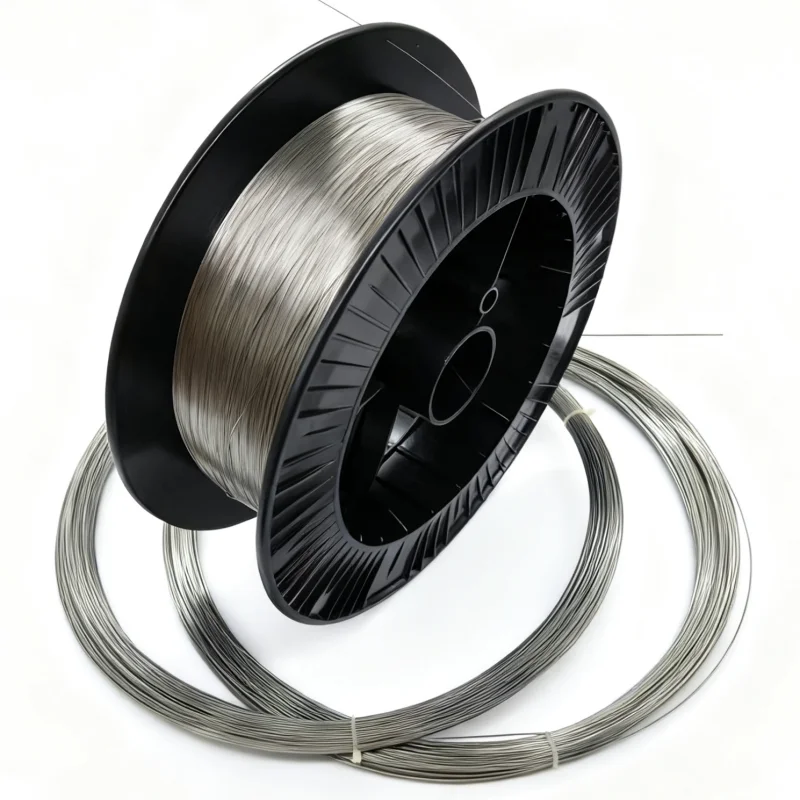
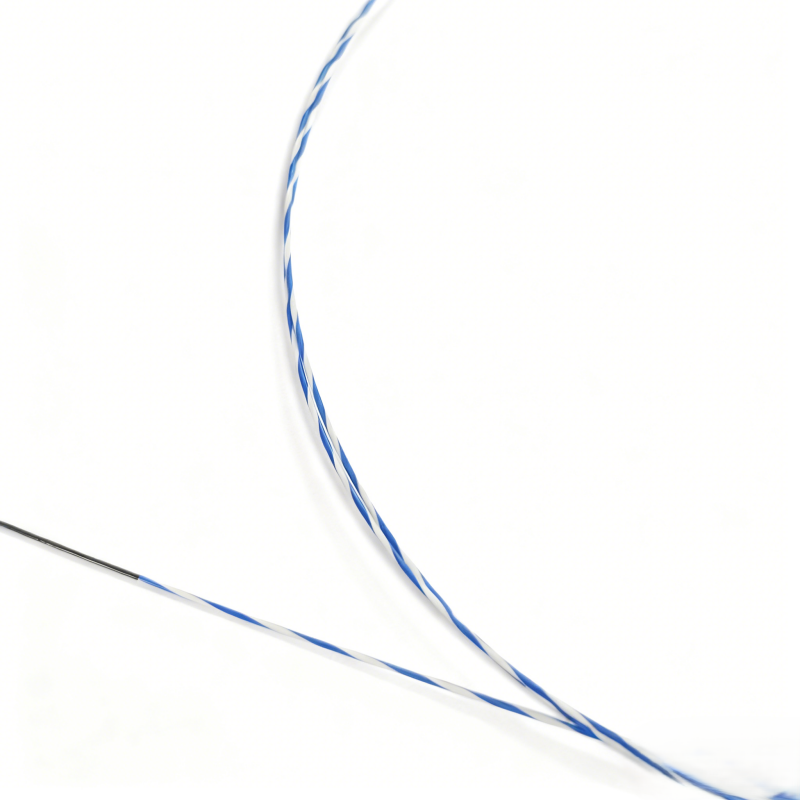
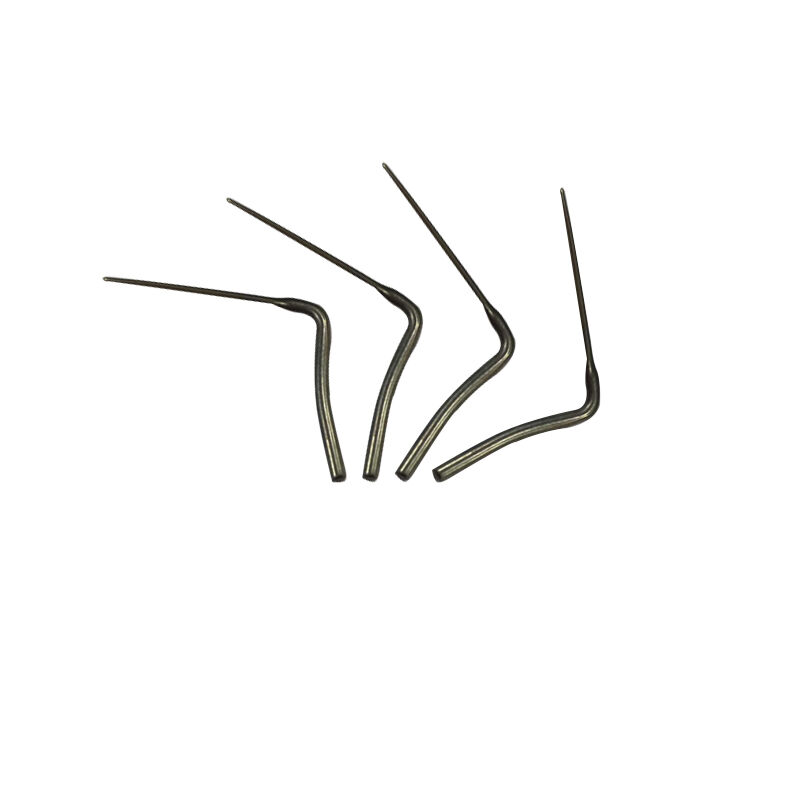
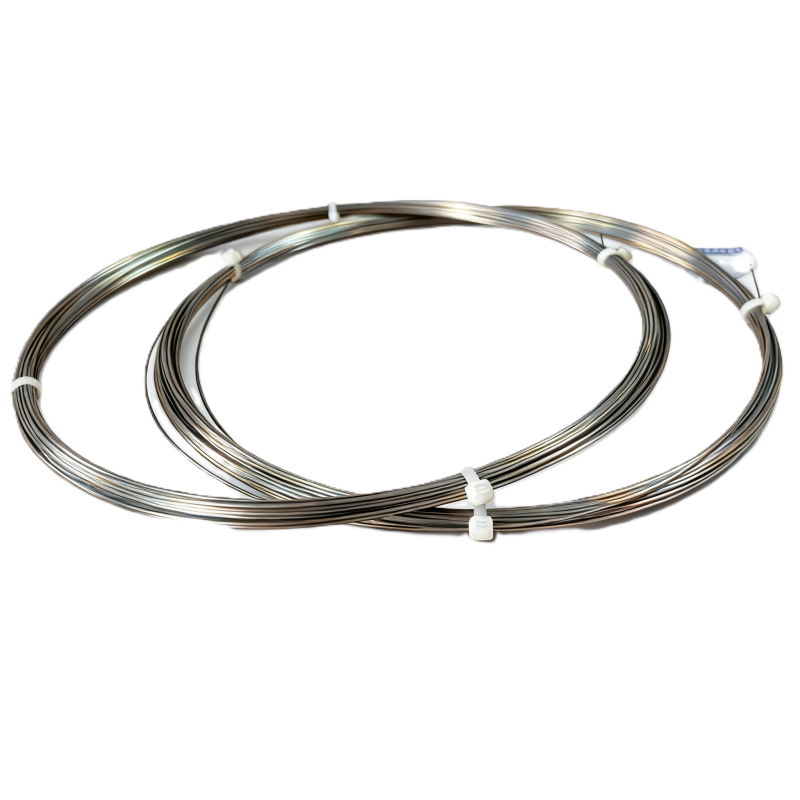
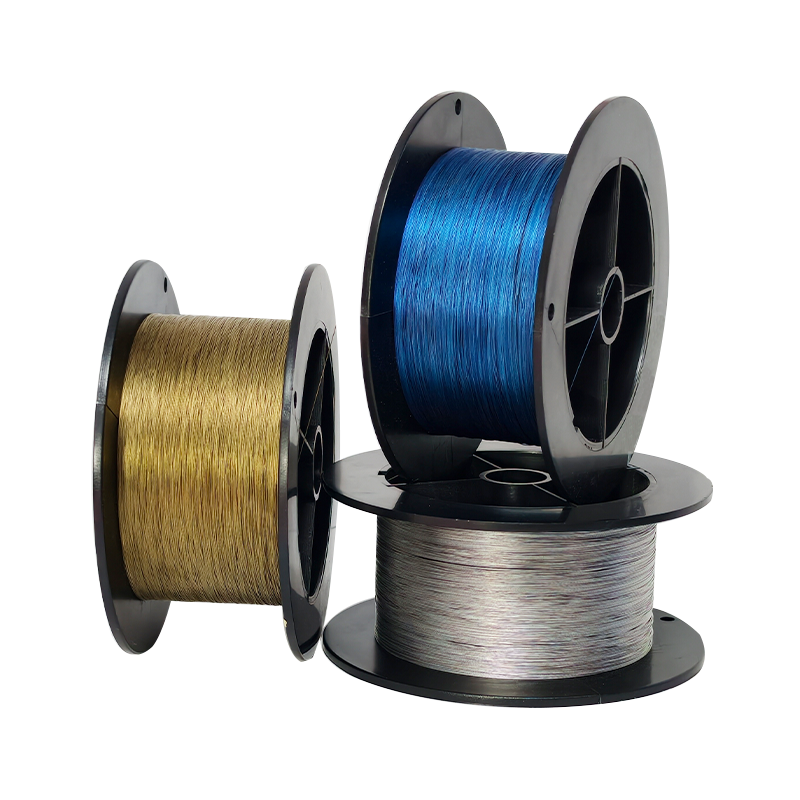
Nitinol cable represents a revolutionary advancement in specialized wire technology, combining the remarkable properties of nickel-titanium alloy to deliver exceptional performance across demanding applications. This innovative cable utilizes nitinol's unique characteristics to provide solutions that traditional metal cables simply cannot match. The nitinol cable exhibits extraordinary shape memory and superelastic properties, enabling it to return to predetermined configurations after deformation and withstand significant stress without permanent damage. These technological features make nitinol cable an invaluable component in medical devices, aerospace systems, robotics, and precision engineering applications. The main functions of nitinol cable include providing flexible yet resilient mechanical linkages, enabling precise actuation mechanisms, and delivering reliable performance in environments where temperature fluctuations and mechanical stress are constant challenges. The cable's composition typically consists of approximately equal parts nickel and titanium, engineered to precise specifications that determine its transformation temperatures and mechanical properties. This careful formulation allows manufacturers to customize nitinol cable for specific operational requirements, whether the application demands actuation at body temperature or deployment in extreme environmental conditions. The technological features that distinguish nitinol cable include its remarkable fatigue resistance, biocompatibility, corrosion resistance, and ability to generate substantial force during shape transformation. Applications span minimally invasive surgical instruments, guidewires for cardiovascular procedures, orthodontic archwires, eyeglass frames, robotic actuators, aerospace deployment mechanisms, and countless industrial automation systems. The nitinol cable serves as an enabling technology that allows engineers and designers to create solutions previously impossible with conventional materials, offering compact actuation without complex motors or hydraulics, maintaining consistent performance across millions of cycles, and providing fail-safe mechanical properties that enhance system reliability and safety in critical applications.

New Product Recommendations

The nitinol cable delivers transformative benefits that directly address practical challenges faced by manufacturers, engineers, and end users across diverse industries. First and foremost, this remarkable cable provides unmatched flexibility combined with strength, allowing it to bend repeatedly through tight radii without breaking or losing performance characteristics that would cause ordinary cables to fail after minimal use. This durability translates directly into reduced maintenance costs and extended product lifespans, saving organizations substantial resources over time. The superelastic nature of nitinol cable means it can endure strains up to eight percent and still recover its original shape completely, a performance level that conventional stainless steel cables cannot approach, giving product designers freedom to create more compact, efficient devices that operate reliably in confined spaces. Temperature responsiveness offers another significant advantage, as nitinol cable can be engineered to actuate at specific temperatures, providing elegant solutions for automatic control systems without requiring electronic sensors, controllers, or power supplies, simplifying designs while improving reliability. The biocompatibility of nitinol cable makes it exceptionally valuable for medical applications, as the material integrates safely with human tissue and resists corrosion from bodily fluids, ensuring patient safety while enabling minimally invasive procedures that reduce recovery times and improve outcomes. Engineers appreciate how nitinol cable eliminates the need for complex mechanical systems, as a single strand can replace multiple components including springs, actuators, and linkages, reducing assembly complexity, part counts, and potential failure points. The corrosion resistance inherent in nitinol cable ensures consistent performance in harsh environments including saltwater, chemicals, and extreme temperatures where traditional cables would degrade rapidly, making it ideal for marine applications, chemical processing equipment, and outdoor installations. Weight savings represent another practical benefit, as nitinol cable delivers superior performance while weighing less than comparable steel cables, an advantage that matters significantly in aerospace applications, portable medical devices, and robotic systems where every gram affects efficiency. The consistent force delivery of nitinol cable during transformation provides predictable actuation that designers can rely upon, enabling precise control in applications ranging from surgical tools to industrial automation. Long-term cost effectiveness becomes apparent when evaluating total ownership costs, as the initial investment in nitinol cable pays dividends through reduced replacements, lower maintenance requirements, decreased downtime, and improved system performance that enhances productivity and customer satisfaction across the product lifecycle.

Practical Tips

Why is phase transition stability of nickel titanium wire key to actuator success?

13

May

Why is phase transition stability of nickel titanium wire key to actuator success?

In the world of precision actuators, the materials used to generate motion are not merely components — they are the foundation of reliability. nickel titanium wire has emerged as one of the most compelling active materials in modern actuator engineer...
View More
Why do full-process manufacturers provide higher performance Nitinol SMA?

20

May

Why do full-process manufacturers provide higher performance Nitinol SMA?

When engineers and procurement specialists evaluate materials for high-precision medical devices, aerospace components, or advanced actuator systems, the source of the material matters as much as the material itself. Nitinol SMA — the nickel-titanium...
View More
How to utilize one-way and two-way memory in precision medical components?

21

May

How to utilize one-way and two-way memory in precision medical components?

In the development of precision medical components, material intelligence is no longer a concept reserved for science fiction. nitinol wire has fundamentally changed how engineers and medical device designers approach the challenge of building compon...
View More
Why should you prioritize the manufacturer's R&D center when choosing partners?

02

Jun

Why should you prioritize the manufacturer's R&D center when choosing partners?

When evaluating potential manufacturing partners, most procurement teams focus on price, lead time, and production capacity. These are legitimate criteria, but they often overlook one of the most telling indicators of long-term value: the strength an...
View More

Get a Free Quote

Our representative will contact you soon.
Email
Name
Company Name
Message
0/1000

nitinol cable

Exceptional Shape Memory and Superelastic Performance

Exceptional Shape Memory and Superelastic Performance

The nitinol cable possesses extraordinary shape memory and superelastic characteristics that fundamentally differentiate it from every other cable material available in modern manufacturing. This unique combination of properties allows the nitinol cable to undergo significant deformation and then recover its original shape either spontaneously through superelasticity or upon heating through shape memory effect, providing designers with unprecedented flexibility in creating innovative solutions. When a nitinol cable experiences stress at temperatures above its transformation point, it exhibits superelasticity, meaning it can stretch considerably further than steel cables while maintaining the ability to return to its exact original dimensions once the stress is removed. This superelastic behavior occurs because the material undergoes a reversible phase transformation at the atomic level, shifting between austenite and martensite crystal structures without permanent deformation. For practical applications, this means a nitinol cable can be bent, twisted, or stretched repeatedly through millions of cycles without developing the fatigue cracks and permanent deformation that plague conventional cables, dramatically extending service life and reliability. The shape memory effect provides even more remarkable capabilities, as a nitinol cable can be deformed at lower temperatures and then heated to trigger a powerful return to a predetermined shape, generating substantial force during the transformation. Engineers leverage this property to create actuators, deployment mechanisms, and control systems that operate without motors, hydraulics, or complex electronics. Medical device manufacturers particularly value how nitinol cable can be inserted through small incisions in a compressed configuration and then deployed to its functional shape once positioned correctly, enabling minimally invasive procedures that reduce patient trauma and accelerate recovery. The transformation temperatures can be precisely engineered during manufacturing, allowing customization of nitinol cable for specific applications, whether activation should occur at body temperature for medical implants or at higher temperatures for industrial applications. This controllability extends to the force generated during transformation, which can be substantial enough to move loads or maintain tension in demanding applications. The combination of superelasticity and shape memory in nitinol cable creates possibilities that simply do not exist with traditional materials, allowing products to be smaller, lighter, more reliable, and more capable than previous generations, while the material's consistent behavior across millions of cycles ensures that performance remains predictable throughout the operational lifetime.
Superior Biocompatibility and Medical Application Benefits

Superior Biocompatibility and Medical Application Benefits

The nitinol cable demonstrates exceptional biocompatibility that has revolutionized medical device design and enabled breakthrough treatments across cardiovascular, orthodontic, and surgical specialties. This biocompatibility stems from the stable titanium oxide layer that forms naturally on the surface of nitinol cable, creating a barrier that prevents nickel ions from leaching into surrounding tissues while the inert oxide surface integrates harmoniously with biological systems. Medical professionals and device manufacturers rely on nitinol cable for applications where materials contact blood, tissue, and bone for extended periods, confident that the cable will not trigger adverse immune responses, inflammation, or rejection that could compromise patient outcomes. The use of nitinol cable in cardiovascular guidewires and stents has transformed interventional cardiology, as the material's flexibility allows navigation through tortuous blood vessels while its superelasticity ensures the devices can be compressed for insertion through catheters and then expand to their functional diameter once positioned. Orthodontists leverage nitinol cable in archwires that apply gentle, continuous forces to teeth, utilizing the shape memory properties to maintain optimal pressure throughout treatment while the superelasticity accommodates the changing positions of teeth without requiring frequent adjustments that inconvenience patients. Surgical instrument designers incorporate nitinol cable into tools for laparoscopic and endoscopic procedures, taking advantage of the material's ability to flex through tight anatomical pathways while maintaining the strength and precision necessary for delicate tissue manipulation. The corrosion resistance of nitinol cable proves critical in these biological environments, as bodily fluids contain salts, proteins, and other substances that would rapidly degrade lesser materials, but nitinol cable maintains its mechanical properties and surface integrity throughout years of implantation or repeated sterilization cycles. This durability combined with biocompatibility makes nitinol cable the material of choice for long-term implants including bone anchors, tissue scaffolds, and vascular occlusion devices where material failure could have serious consequences. The radiopacity of nitinol cable provides another medical advantage, as the material remains visible under fluoroscopy and other imaging modalities, allowing physicians to track device position during placement and verify correct deployment without requiring additional marker materials. Manufacturers appreciate how nitinol cable can be sterilized using standard hospital protocols including autoclaving, ethylene oxide treatment, and gamma radiation without degrading its properties, ensuring safety while simplifying regulatory compliance and distribution logistics. Patient outcomes improve when devices incorporate nitinol cable because the material's properties enable less invasive approaches, reduce procedure times, minimize complications, and often eliminate the need for device removal that would require additional surgeries, all while the consistent performance of nitinol cable ensures reliable function throughout the treatment period.
Outstanding Fatigue Resistance and Operational Longevity

Outstanding Fatigue Resistance and Operational Longevity

The nitinol cable exhibits remarkable fatigue resistance that surpasses conventional cable materials by orders of magnitude, delivering reliable performance through millions of operational cycles in demanding applications where other materials would fail catastrophically. This exceptional fatigue life stems from the fundamental material properties of nitinol cable, particularly the reversible phase transformation that allows the material to accommodate stress through atomic rearrangement rather than accumulating the microscopic damage that leads to crack initiation and propagation in traditional metals. Testing has demonstrated that properly manufactured nitinol cable can endure ten million cycles or more at significant strain levels without failure, whereas stainless steel cables typically fail after thousands of cycles under comparable conditions, representing a performance improvement that transforms product reliability and maintenance requirements. This fatigue resistance makes nitinol cable indispensable in applications involving continuous or repetitive motion including robotic actuators, reciprocating mechanisms, vibration dampers, and articulated assemblies where conventional cables would require frequent replacement, disrupting operations and increasing costs. The aerospace industry depends on nitinol cable for deployment mechanisms in satellites and aircraft because the material must function reliably after years of storage followed by precise actuation in critical moments where failure is not an option, and the proven longevity of nitinol cable provides the confidence necessary for such high-stakes applications. Industrial automation systems benefit enormously from incorporating nitinol cable into moving assemblies, as the extended service life reduces unplanned downtime, maintenance labor, and spare parts inventory while improving overall equipment effectiveness metrics that directly impact profitability. The fatigue performance of nitinol cable remains consistent across a wide temperature range, maintaining its exceptional cycle life whether operating in arctic cold, desert heat, or the temperature fluctuations common in many industrial and outdoor environments, providing reliability that weather-dependent or temperature-sensitive materials cannot match. Engineers designing consumer products increasingly specify nitinol cable for applications like eyeglass frames and portable device hinges where users expect years of daily use without failure, and the material delivers this durability in compact, lightweight forms that enhance user experience. The economic implications of this fatigue resistance extend throughout product lifecycles, as manufacturers reduce warranty claims and service costs while building brand reputation for reliability, and end users enjoy lower total cost of ownership through reduced replacements and maintenance. Quality manufacturing processes ensure nitinol cable achieves its full fatigue potential through careful control of composition, heat treatment, surface finish, and stress concentration elimination, with reputable suppliers providing material certifications and testing documentation that verify performance characteristics. This combination of inherent material properties and manufacturing excellence makes nitinol cable the superior choice for any application where operational longevity, reliability, and consistent performance directly impact success, safety, or customer satisfaction, delivering value that extends far beyond the initial material cost through years of trouble-free service.
Nitinol Cable: Superior Shape Memory Alloy Wire for Medical, Aerospace & Industrial Applications

Get a Free Quote

Our representative will contact you soon.
Email
Name
Company Name
Message
0/1000
Newsletter
Please Leave A Message With Us