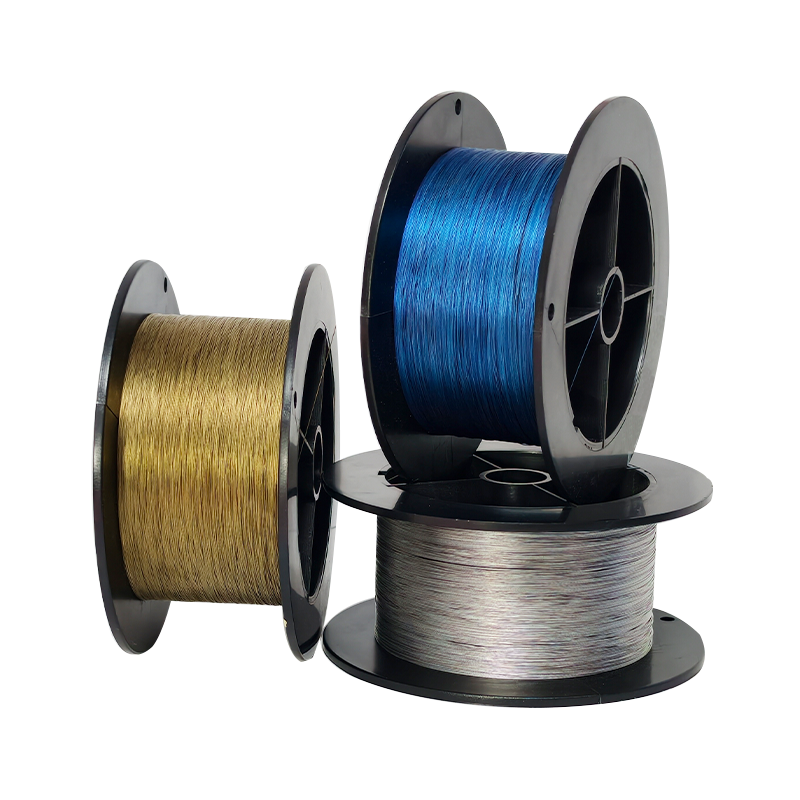
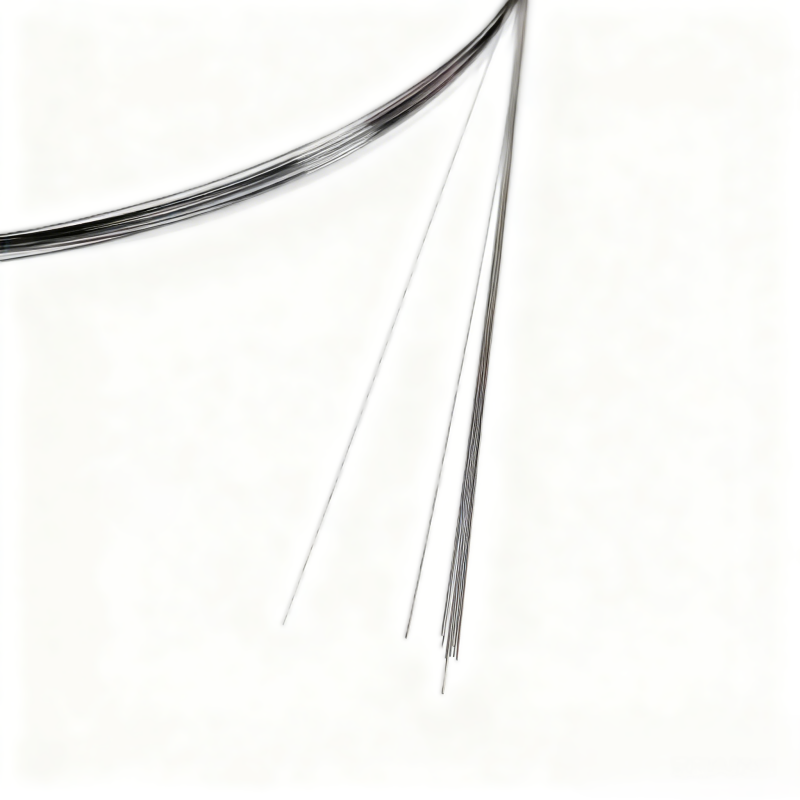
Nitinol Manufacture: Advanced Shape Memory Alloy Production & Custom Solutions

Get a Free Quote

Our representative will contact you soon.
Email
Name
Company Name
Message
0/1000

nitinol manufacture

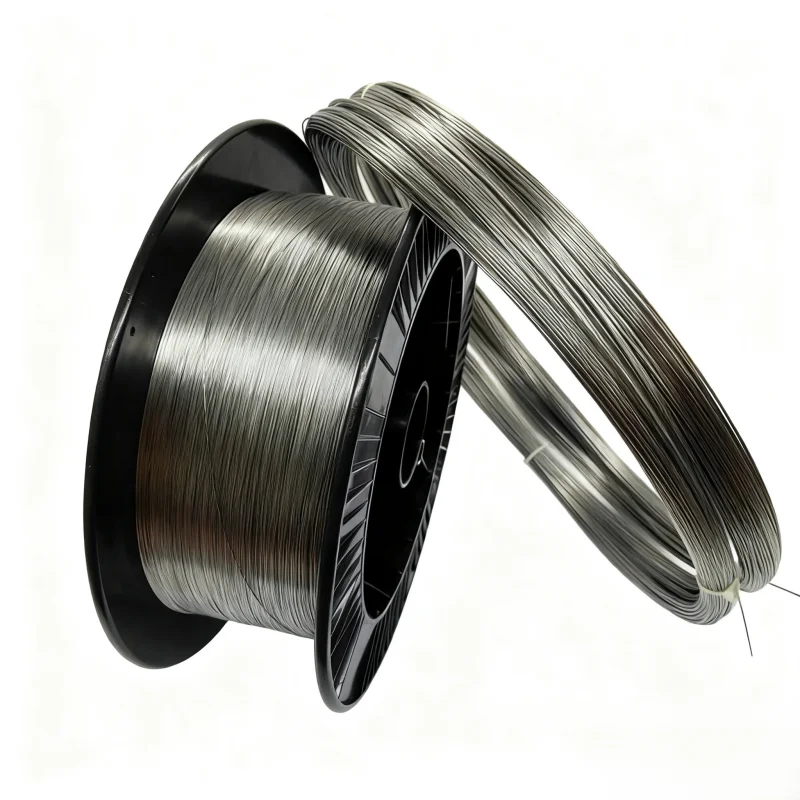
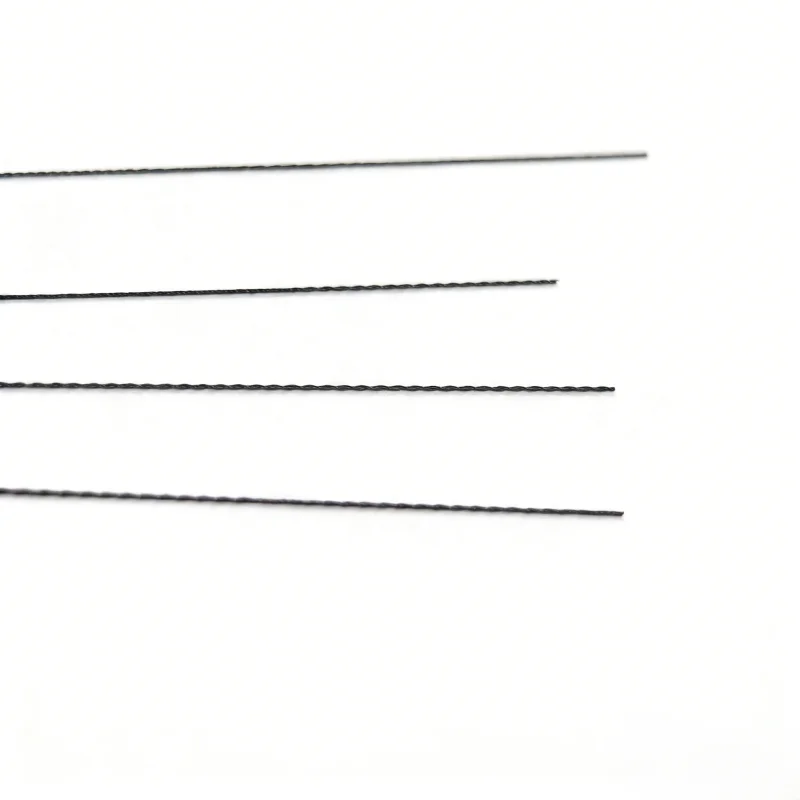
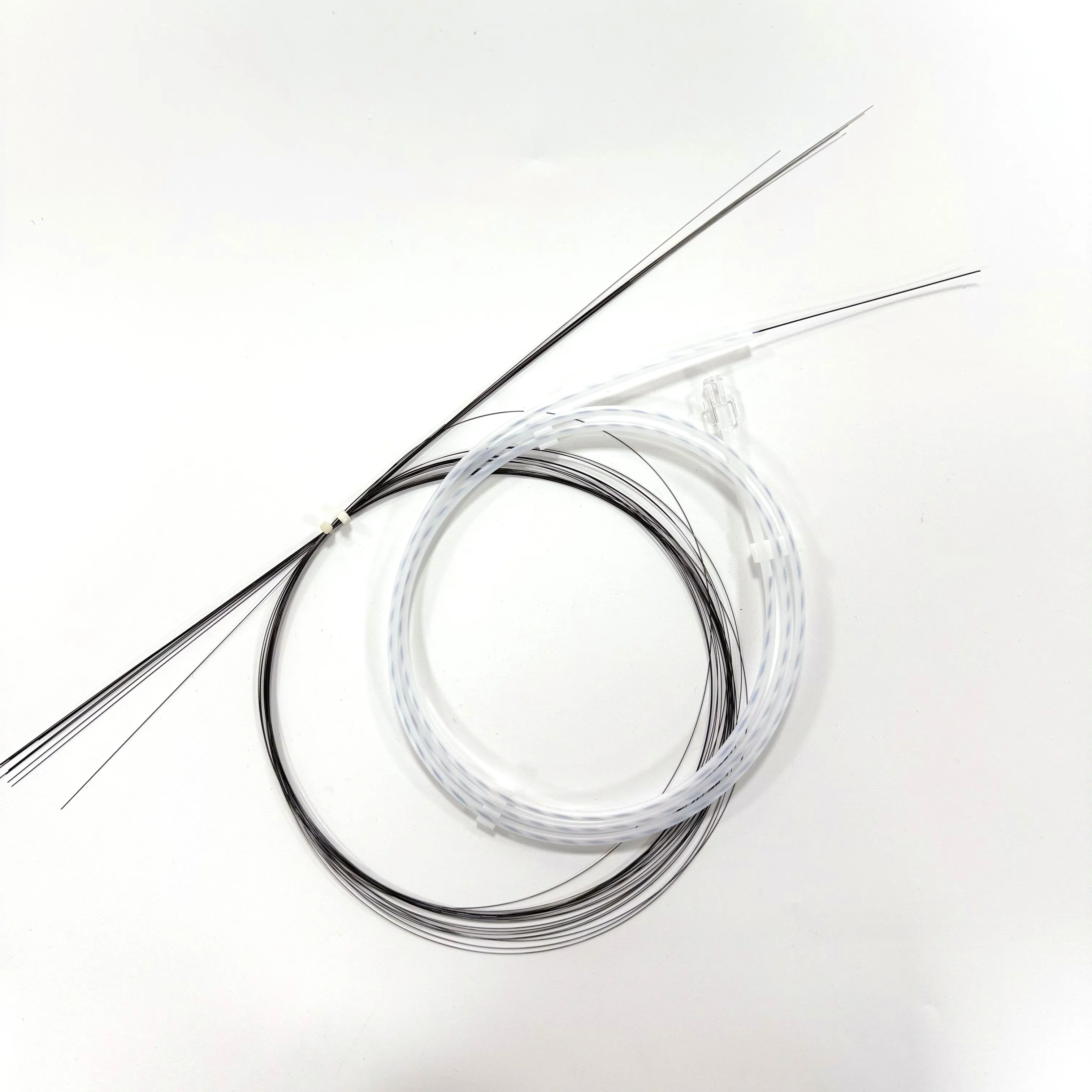
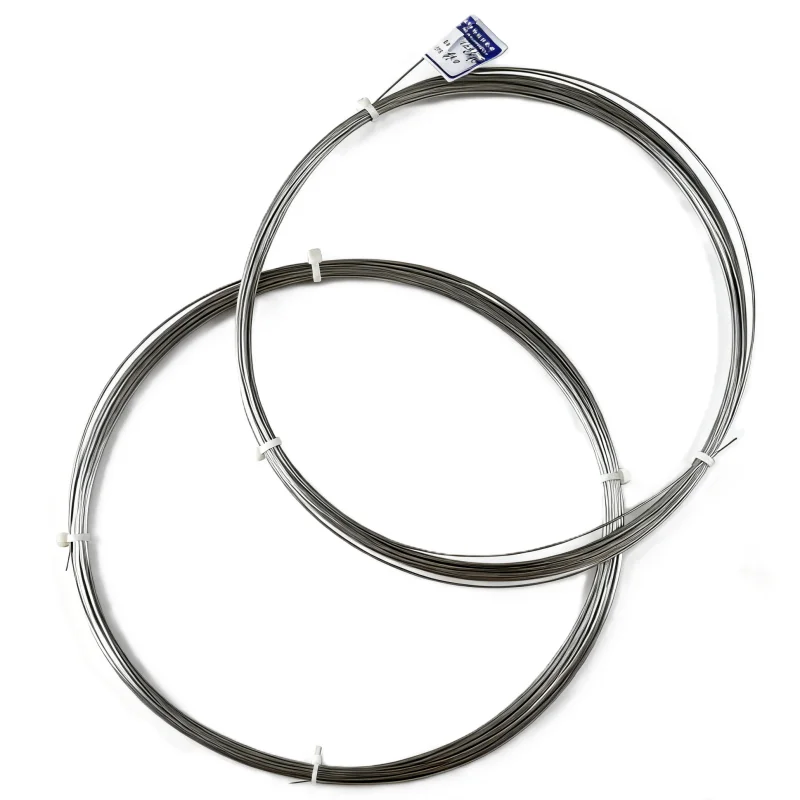
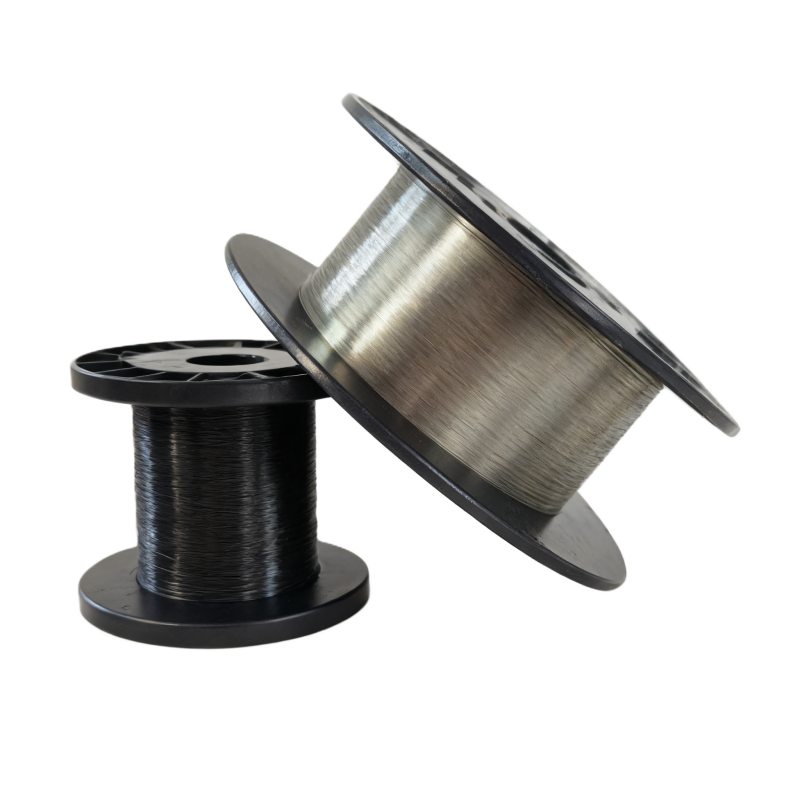
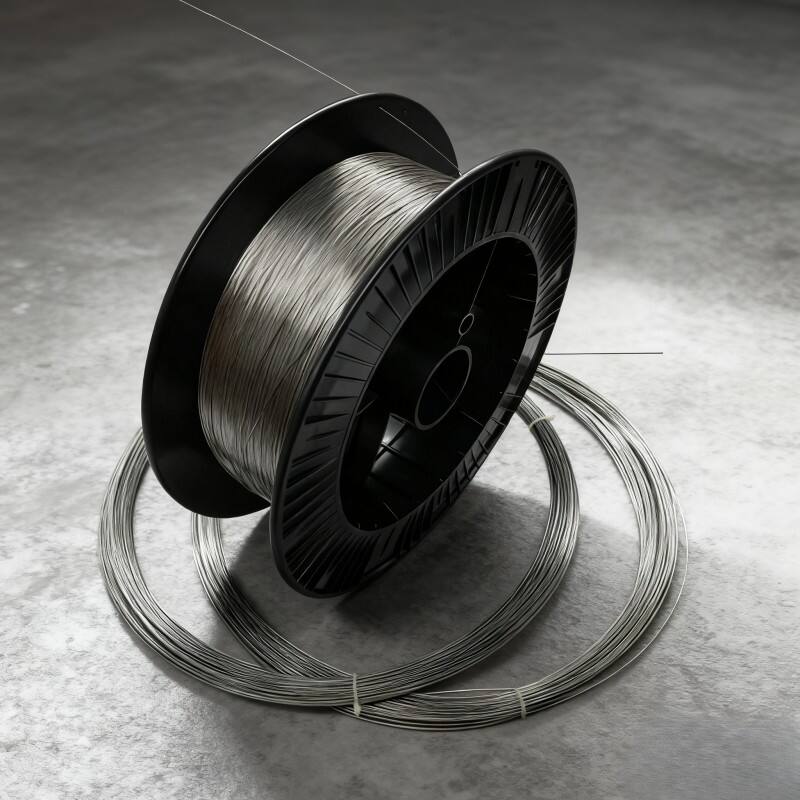
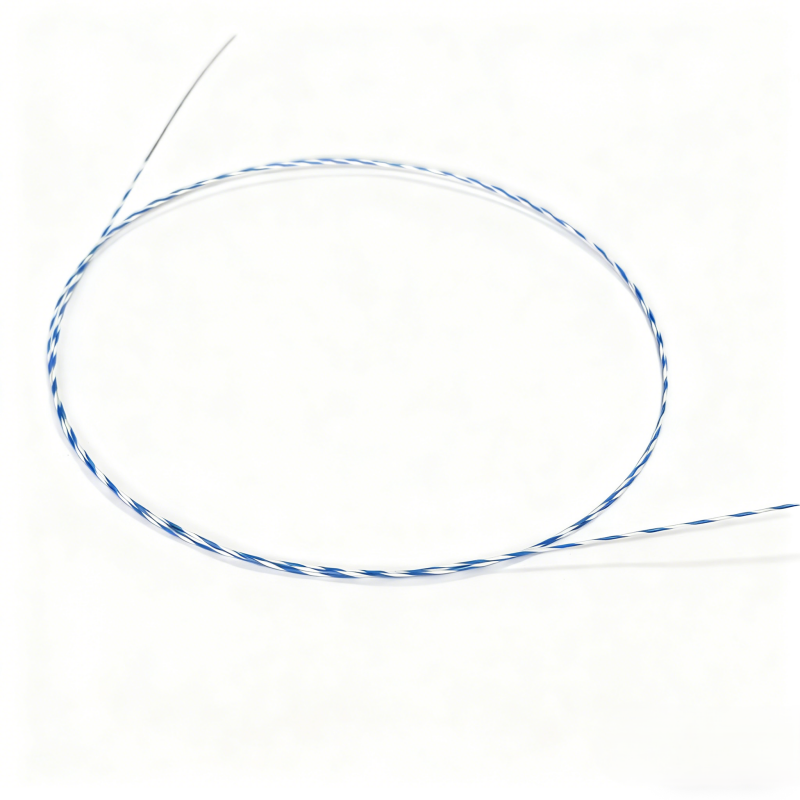
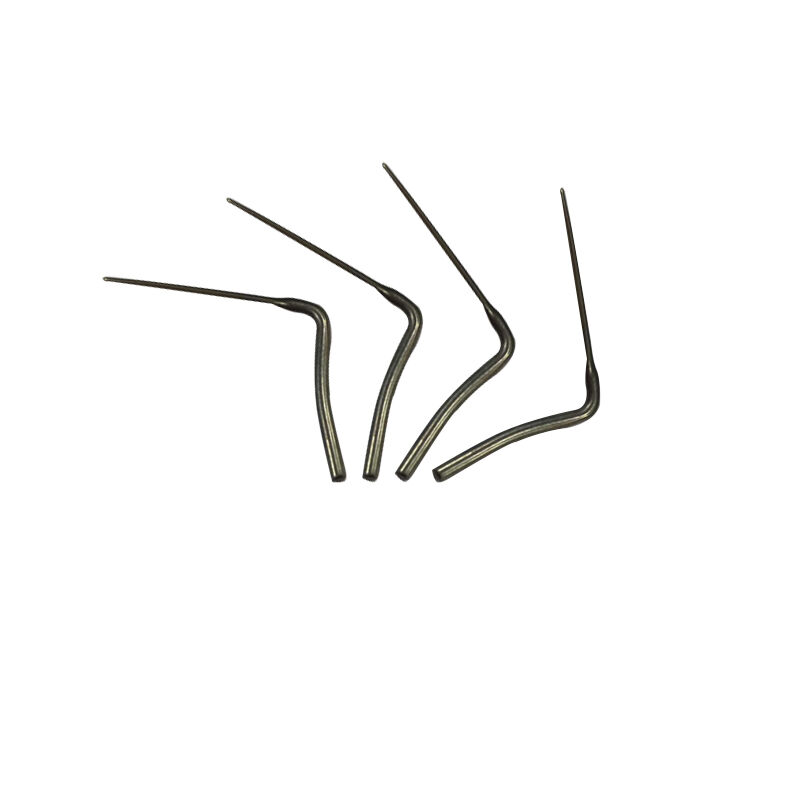
Nitinol manufacture represents a sophisticated metallurgical process that creates one of the most remarkable alloys in modern materials science. This specialized manufacturing technique produces an alloy composed primarily of nickel and titanium in near-equal atomic proportions, resulting in a material with extraordinary properties that have revolutionized multiple industries. The nitinol manufacture process involves precise melting, casting, and thermal treatment procedures that require exacting control over composition, temperature, and atmospheric conditions. What makes nitinol manufacture particularly challenging and valuable is the need to achieve exact stoichiometric ratios between nickel and titanium, as even minor variations can significantly affect the final material's performance characteristics. The manufacturing process typically begins with high-purity raw materials that undergo vacuum induction melting or vacuum arc remelting to prevent contamination and ensure homogeneous mixing. Following the initial melting phase, the nitinol manufacture continues through controlled cooling, hot working, cold working, and precise heat treatment cycles that determine the transformation temperatures and mechanical properties of the finished product. The main functions of nitinol manufacture encompass creating materials that exhibit shape memory effect and superelasticity, two phenomena that enable the alloy to return to predetermined shapes when heated or to undergo substantial deformation and recovery at specific temperatures. Technological features inherent in nitinol manufacture include advanced process control systems, specialized furnace equipment capable of maintaining ultra-clean environments, sophisticated testing apparatus for verifying transformation temperatures, and quality assurance protocols that ensure consistency across production batches. Applications of products from nitinol manufacture span medical devices such as stents, guidewires, and orthodontic archwires, aerospace components including actuators and couplings, automotive safety systems, consumer electronics, and industrial tools. The versatility of nitinol manufacture allows for customization of transformation temperatures, mechanical strength, and form factors ranging from thin wires to thick bars, making it adaptable to diverse engineering requirements across sectors demanding reliable, high-performance materials with unique functional capabilities.

New Product Recommendations

The nitinol manufacture process delivers numerous practical benefits that directly address real-world challenges faced by engineers, designers, and manufacturers across industries. First and foremost, products created through nitinol manufacture offer exceptional durability and longevity compared to conventional materials. This extended service life translates directly into reduced replacement costs and decreased maintenance requirements, providing substantial financial savings over the operational lifetime of devices and components. The superelastic properties achieved through proper nitinol manufacture enable materials to withstand repeated stress cycles without permanent deformation, making them ideal for applications subjected to constant flexing or bending. This resilience eliminates the frequent failures associated with traditional materials that fatigue and break under similar conditions. Another significant advantage of nitinol manufacture is the production of biocompatible materials perfectly suited for medical applications. Devices made through nitinol manufacture can be safely implanted in the human body without triggering adverse reactions, opening possibilities for minimally invasive procedures that improve patient outcomes and reduce recovery times. The shape memory effect produced through nitinol manufacture creates opportunities for innovative design solutions that were previously impossible. Components can be manufactured in compact forms for easy insertion or installation, then activated to expand into functional configurations through simple temperature changes. This capability simplifies complex procedures and reduces the skill level required for installation, lowering labor costs and minimizing errors. The corrosion resistance inherent in materials from nitinol manufacture ensures reliable performance in harsh environments, including chemical exposure, saltwater conditions, and extreme temperatures. This stability eliminates concerns about degradation that plague steel and other conventional alloys, reducing unexpected failures and associated safety risks. Energy efficiency represents another compelling advantage of nitinol manufacture, as the alloys can function as actuators that convert thermal energy directly into mechanical motion without requiring complex mechanical systems, electric motors, or hydraulic components. This streamlined operation reduces energy consumption, simplifies system architecture, and decreases overall weight in applications where mass is critical. The precision achievable through modern nitinol manufacture techniques allows for tight tolerance control and consistent quality, ensuring that components perform exactly as specified across production runs. This reliability reduces waste, minimizes testing requirements, and builds confidence in product performance. Furthermore, nitinol manufacture can produce materials in various forms including wires, sheets, tubes, and complex shapes, providing design flexibility that accommodates diverse application requirements without necessitating completely different manufacturing approaches. The combination of these advantages makes nitinol manufacture an increasingly attractive option for organizations seeking to enhance product performance, reduce lifecycle costs, improve safety margins, and gain competitive advantages through superior material properties that conventional manufacturing processes simply cannot deliver.

Latest News

Why is high-stability Nitinol the first choice for equipment in extreme conditions?

12

May

Why is high-stability Nitinol the first choice for equipment in extreme conditions?

When equipment must perform reliably under mechanical stress, thermal cycling, and repeated deformation, material selection becomes a critical engineering decision. Nitinol, the nickel-titanium shape memory alloy, has earned a dominant position in de...
View More
Why do orthodontists prefer using orthodontic wire with shape memory?

15

May

Why do orthodontists prefer using orthodontic wire with shape memory?

In modern orthodontic practice, the materials used to move teeth are just as important as the clinical techniques applied. Among the many innovations that have transformed the field, orthodontic wire with shape memory stands out as one of the most cl...
View More
Why is Starspring's Nitinol metal at the forefront of the smart drive industry?

19

May

Why is Starspring's Nitinol metal at the forefront of the smart drive industry?

The smart drive industry is defined by its relentless demand for materials that can do more with less — components that respond intelligently to their environment, endure repeated mechanical cycles, and perform with precision in applications ranging ...
View More
How to utilize one-way and two-way memory in precision medical components?

21

May

How to utilize one-way and two-way memory in precision medical components?

In the development of precision medical components, material intelligence is no longer a concept reserved for science fiction. nitinol wire has fundamentally changed how engineers and medical device designers approach the challenge of building compon...
View More

Get a Free Quote

Our representative will contact you soon.
Email
Name
Company Name
Message
0/1000

nitinol manufacture

Advanced Shape Memory Technology Through Precision Manufacturing

Advanced Shape Memory Technology Through Precision Manufacturing

The nitinol manufacture process enables the creation of materials with remarkable shape memory capabilities that fundamentally change how engineers approach design challenges. This extraordinary property allows manufactured components to be deformed at lower temperatures and then return precisely to their original configuration when heated above a specific transformation temperature. The value this brings to potential customers is immense, particularly in applications where space constraints, installation complexity, or operational conditions make traditional mechanical solutions impractical or impossible. Through careful control during nitinol manufacture, engineers can program specific transformation temperatures ranging from below freezing to well above normal operating conditions, tailoring material behavior to exact application requirements. This customization capability means that medical device manufacturers can create stents that remain compact during catheter insertion, then self-expand to the correct diameter when reaching body temperature, eliminating the need for balloon inflation or mechanical expansion systems. Similarly, aerospace engineers utilize products from nitinol manufacture to develop actuators that respond reliably to temperature changes in harsh environments without requiring external power sources, complex control systems, or maintenance-intensive mechanical linkages. The importance of this feature cannot be overstated, as it enables entirely new categories of devices and systems that were previously impossible to realize. Industrial applications benefit from nitinol manufacture through components that automatically adjust configurations based on operating temperatures, providing passive safety mechanisms that function without sensors, electronics, or human intervention. The reliability of shape memory behavior achieved through proper nitinol manufacture ensures consistent performance across millions of cycles, making these solutions suitable for critical applications where failure is not acceptable. Manufacturing techniques employed in nitinol manufacture include precise heat treatment protocols that establish the memory shape, careful control of cooling rates that influence transformation characteristics, and thorough testing procedures that verify performance parameters. Customers gain significant practical benefits including simplified installation procedures that reduce labor costs, elimination of complex mechanical systems that would otherwise require regular maintenance, enhanced reliability through fewer moving parts that could wear or fail, and compact designs that fit into spaces where conventional mechanisms would not be feasible. The shape memory technology enabled by nitinol manufacture also creates opportunities for innovative product differentiation, allowing companies to offer unique solutions that competitors using traditional materials cannot match. This competitive advantage translates into market leadership positions, premium pricing opportunities, and stronger customer loyalty based on superior performance characteristics that solve problems in fundamentally better ways than alternative approaches.
Exceptional Superelasticity for Demanding Applications

Exceptional Superelasticity for Demanding Applications

Superelasticity stands as one of the most valuable properties achievable through nitinol manufacture, providing materials that can undergo extreme deformations and immediately return to their original shape without permanent set or damage. This characteristic distinguishes products from nitinol manufacture from virtually all other engineering materials, offering strain recovery capabilities up to eight percent or more compared to the fraction of one percent typical of conventional metals. The practical implications for customers are profound, particularly in applications involving repeated flexing, bending, or compression where traditional materials quickly fatigue and fail. Medical device manufacturers leverage the superelasticity from nitinol manufacture to create guidewires and instruments that navigate tortuous anatomical pathways without kinking or taking permanent bends, ensuring smooth operation during critical procedures and reducing the risk of complications from equipment failure. Orthodontists utilize superelastic archwires produced through nitinol manufacture because they maintain consistent, gentle forces on teeth throughout treatment, eliminating the need for frequent adjustments while improving patient comfort and treatment outcomes. The importance of superelasticity achieved through nitinol manufacture extends to eyeglass frames that resist breaking when bent or sat upon, consumer electronics that withstand daily abuse without permanent deformation, and industrial tools that maintain precise geometries despite harsh handling. Engineering teams value nitinol manufacture for producing components that absorb vibration and shock loading without sustaining damage, characteristics that extend product lifespans dramatically compared to alternatives. The superelastic behavior from nitinol manufacture results from a reversible crystallographic phase transformation that occurs under mechanical stress, a phenomenon that manufacturers carefully control through composition management and thermomechanical processing during production. Quality nitinol manufacture ensures that this transformation occurs smoothly and consistently across the operational temperature range, providing predictable mechanical responses that designers can confidently incorporate into their specifications. Customers benefit from reduced warranty claims and service calls because products incorporating superelastic materials from nitinol manufacture simply do not fail in the modes typical of conventional materials. The economic value proposition becomes compelling when lifecycle costs are considered, as the higher initial investment in nitinol manufacture is quickly recovered through extended service life, reduced maintenance requirements, and improved system reliability. Design engineers appreciate that superelasticity from nitinol manufacture enables thinner, lighter components that perform as well or better than heavier conventional alternatives, supporting trends toward miniaturization and weight reduction across industries. Testing protocols employed during nitinol manufacture verify superelastic properties through cyclic loading studies that demonstrate consistent recovery across thousands or millions of deformation cycles, providing customers with confidence that specified performance will be maintained throughout the intended product lifetime. The versatility of nitinol manufacture allows optimization of superelastic characteristics for specific applications, adjusting plateau stresses, hysteresis behavior, and temperature sensitivity to match exact requirements that might range from soft and compliant to firm and responsive depending on the intended use case.
Biocompatibility and Corrosion Resistance for Long-Term Reliability

Biocompatibility and Corrosion Resistance for Long-Term Reliability

The nitinol manufacture process produces materials that exhibit outstanding biocompatibility and corrosion resistance, properties of critical importance for medical implants, marine applications, chemical processing equipment, and any environment where material stability and safety are paramount concerns. This combination of characteristics makes products from nitinol manufacture uniquely suited for long-term contact with biological tissues or exposure to aggressive chemical environments that would rapidly degrade conventional alloys. The value proposition for customers in the medical device industry is particularly compelling, as nitinol manufacture creates materials that have demonstrated excellent biocompatibility through extensive testing and decades of clinical use in millions of patients worldwide. The passive oxide layer that naturally forms on surfaces during nitinol manufacture provides exceptional protection against corrosion while presenting a tissue-compatible interface that minimizes inflammatory responses and promotes healing around implanted devices. Cardiovascular surgeons rely on stents from nitinol manufacture because they remain stable and functional for years within blood vessels without corroding, fragmenting, or triggering adverse biological reactions that would compromise patient safety. The importance of these properties extends beyond medical applications to industrial settings where nitinol manufacture produces components for chemical reactors, marine hardware, and food processing equipment that must resist attack from acids, bases, salt solutions, and other corrosive substances. Manufacturing controls employed during nitinol manufacture ensure surface cleanliness and oxide layer integrity, factors that directly influence both biocompatibility and corrosion resistance in final products. Customers benefit from reduced risk of device failures caused by environmental degradation, a common problem with stainless steels, titanium alloys, and other materials that may seem suitable initially but prove inadequate during long-term service. The economic implications are substantial, as products from nitinol manufacture avoid the costs associated with premature failures including device replacement, system downtime, potential liability issues, and damage to brand reputation. Regulatory approval processes become more straightforward when using materials from established nitinol manufacture sources with documented biocompatibility and performance histories, reducing time to market for new medical devices. Engineers designing for harsh environments appreciate that nitinol manufacture provides materials that maintain mechanical properties and dimensional stability despite continuous exposure to conditions that would cause competing materials to weaken, crack, or dissolve. Quality assurance during nitinol manufacture includes electrochemical testing that verifies corrosion resistance, cytotoxicity studies that confirm biocompatibility, and surface analysis that ensures proper passivation, giving customers confidence that materials will perform safely and reliably throughout their intended service lives. The combination of biocompatibility and corrosion resistance achieved through nitinol manufacture eliminates the need for protective coatings or surface treatments that add cost, complexity, and potential failure modes to finished products, simplifying manufacturing processes and improving overall reliability for end users who depend on consistent, long-term performance.
Nitinol Manufacture: Advanced Shape Memory Alloy Production & Custom Solutions

Get a Free Quote

Our representative will contact you soon.
Email
Name
Company Name
Message
0/1000
Newsletter
Please Leave A Message With Us