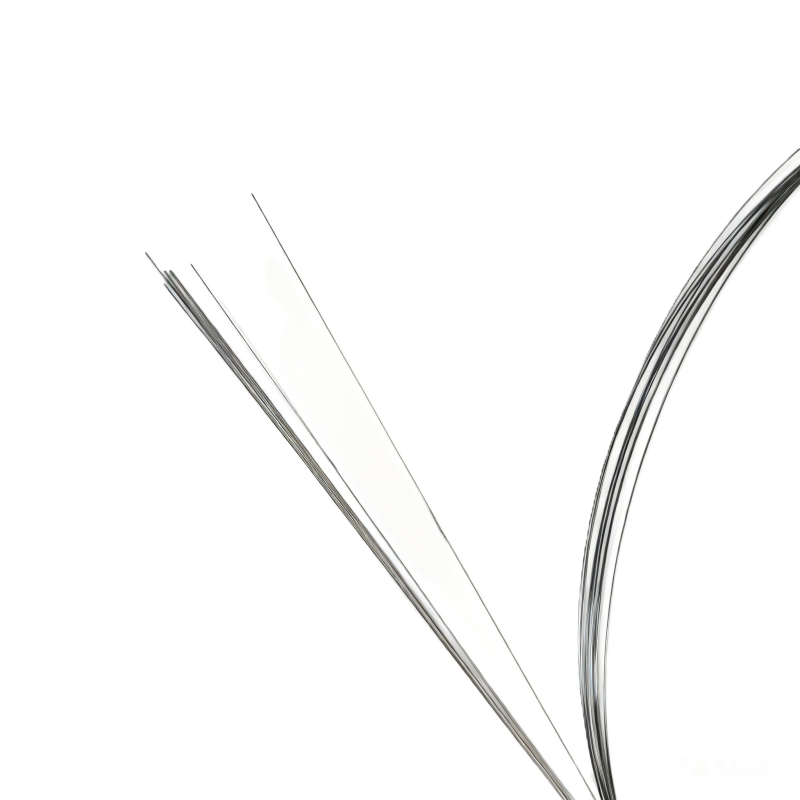
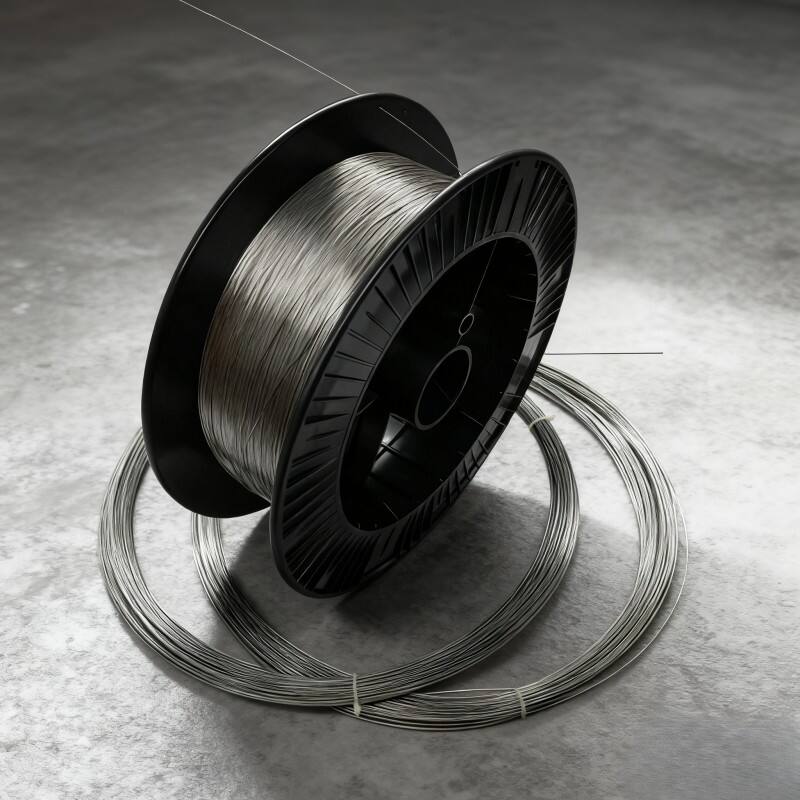
Exceptional Biocompatibility for Medical Applications
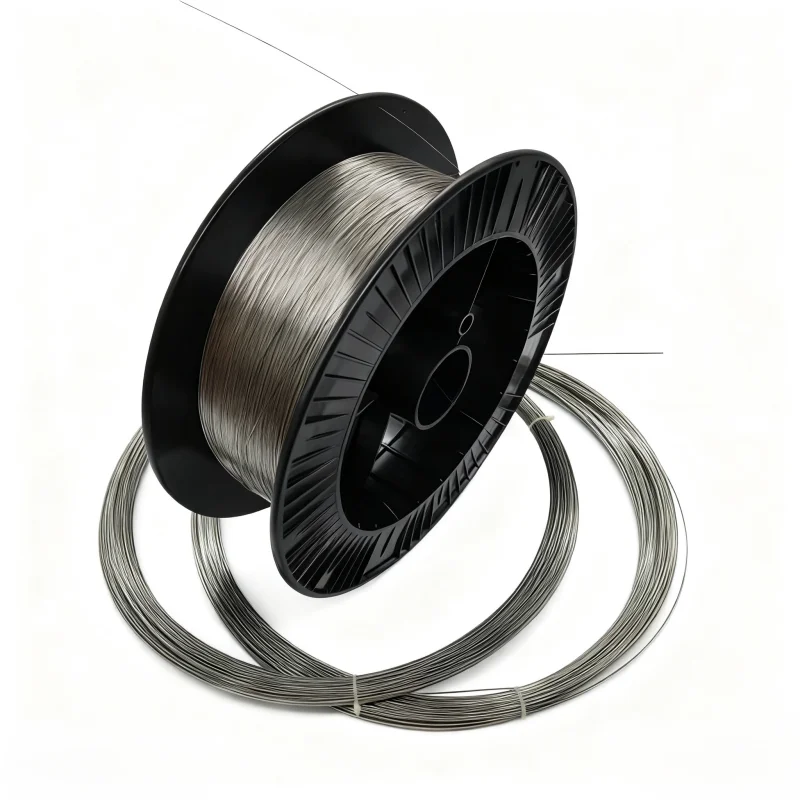
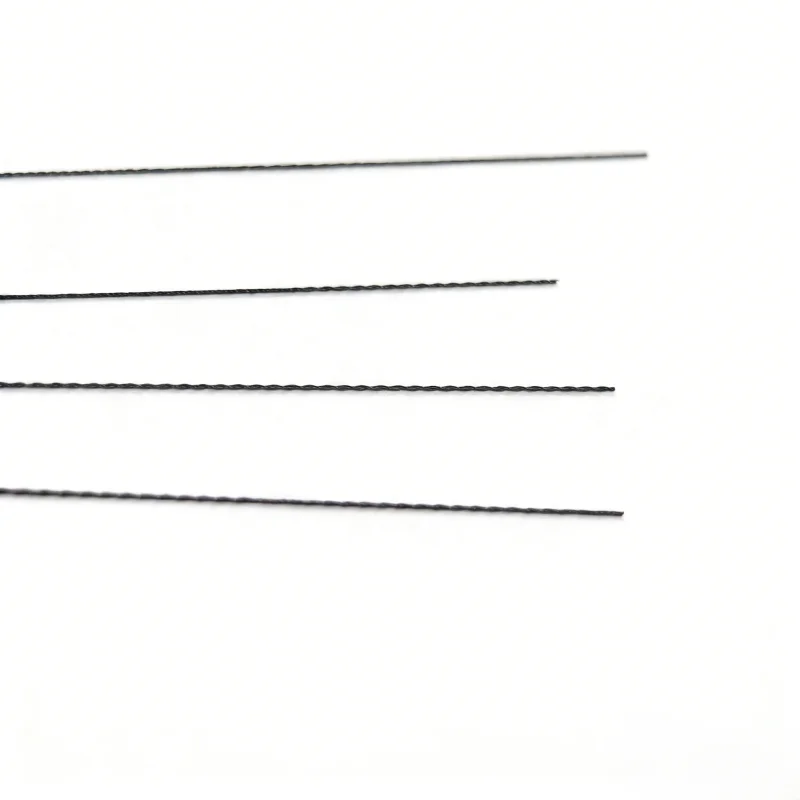
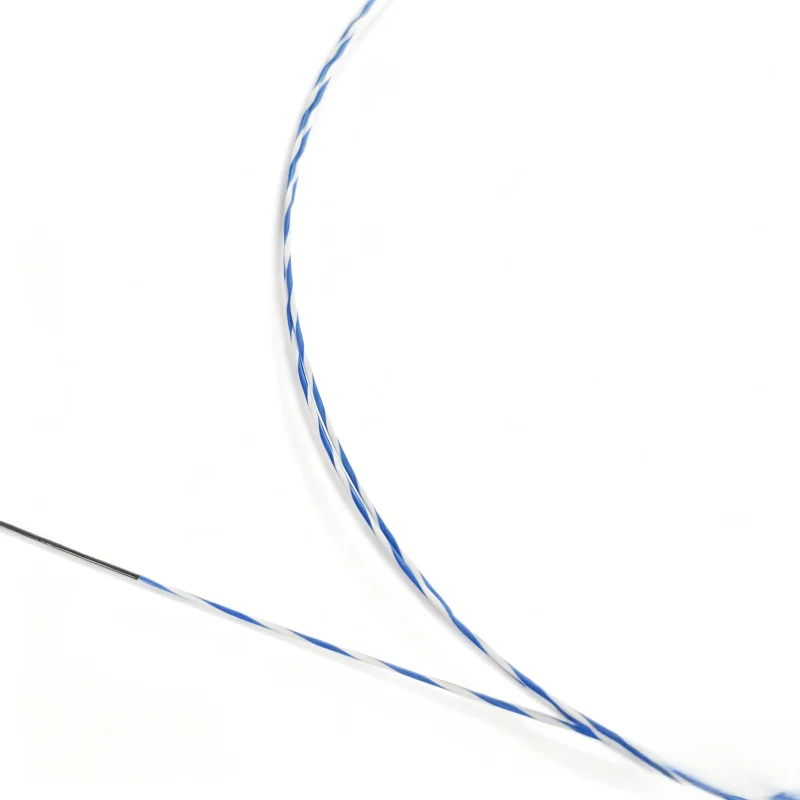
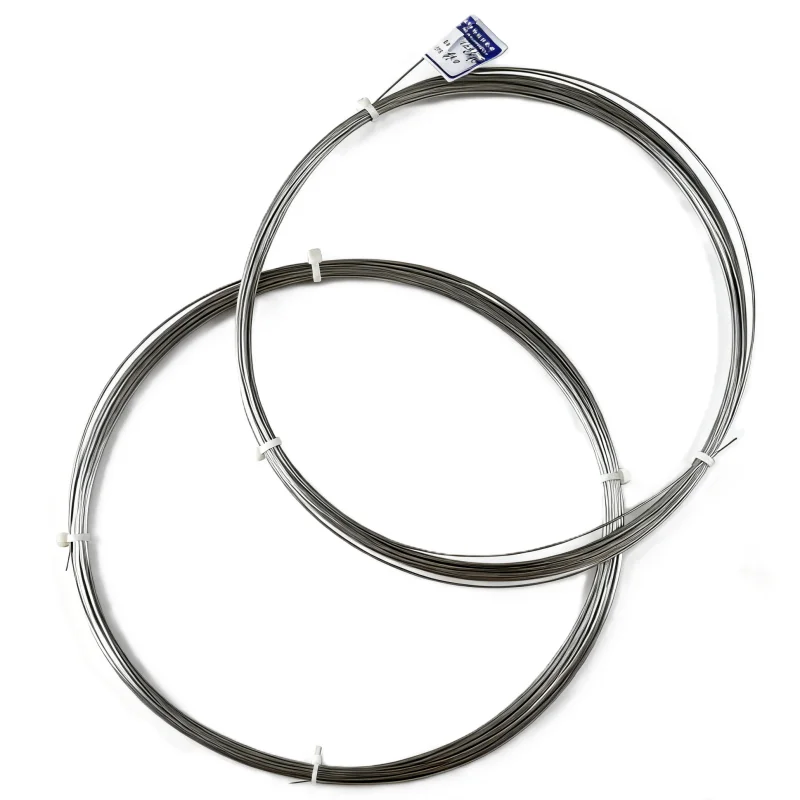
The biocompatibility of laser cut nitinol makes it an outstanding choice for medical device applications where materials contact human tissue, blood, or bodily fluids for extended periods. Nitinol alloy naturally forms a stable titanium oxide surface layer that resists corrosion and minimizes adverse biological reactions, making it suitable for implantable devices. The laser cutting process enhances this biocompatibility by creating clean edges and surfaces free from cutting fluid contamination or particulate embedment that occurs with mechanical machining. This cleanliness proves critical in medical manufacturing where even trace contaminants can trigger inflammatory responses or device rejection. Regulatory bodies increasingly scrutinize medical device materials, and laser cut nitinol components consistently meet stringent biocompatibility standards including ISO 10993 testing protocols. You can confidently pursue regulatory approval knowing your components utilize a proven, well-documented material processed through methods that maintain its biological safety profile. Cardiovascular interventions represent a major application area where laser cut nitinol demonstrates its value through products like self-expanding stents, heart valve frames, and vascular filters. These devices remain implanted for years or decades, requiring absolute confidence in long-term biocompatibility and mechanical stability. The shape memory properties enable minimally invasive delivery through small catheters, while superelasticity ensures devices accommodate natural body movements without fatigue failure. Orthopedic surgeons increasingly specify laser cut nitinol components for bone plates, spinal rods, and joint reconstruction devices that benefit from the material's unique combination of flexibility and strength. Unlike rigid stainless steel implants, nitinol components better match bone elasticity, potentially reducing stress shielding effects that lead to bone resorption. Dental and orthodontic applications continue expanding as practitioners recognize how laser cut nitinol wires, brackets, and springs improve treatment outcomes through consistent force delivery and patient comfort. The material's resistance to permanent deformation means appliances maintain their corrective properties throughout treatment duration. Surgical instrument manufacturers choose laser cut nitinol for forceps, retrieval baskets, and guidewires that must navigate tortuous anatomical pathways while maintaining tip control and pushability. The combination of flexibility for navigation and strength for manipulation creates instruments that improve procedural success rates and reduce patient trauma.

 EN
EN