Nitinol Medical Devices: Shape Memory and Superelastic Solutions for Advanced Healthcare

Get a Free Quote

Our representative will contact you soon.
Email
Name
Company Name
Message
0/1000

nitinol medical

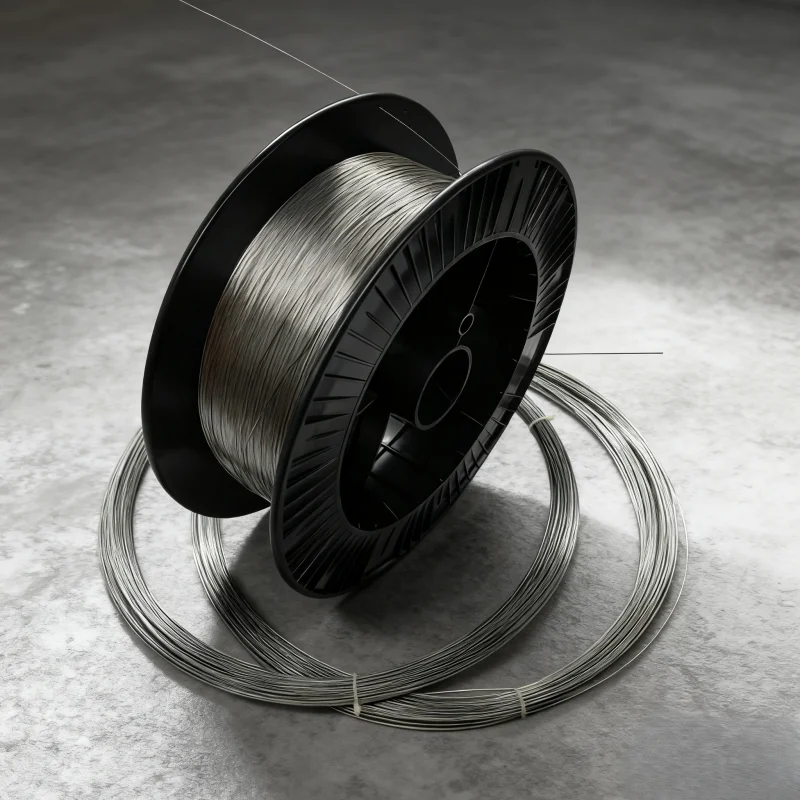
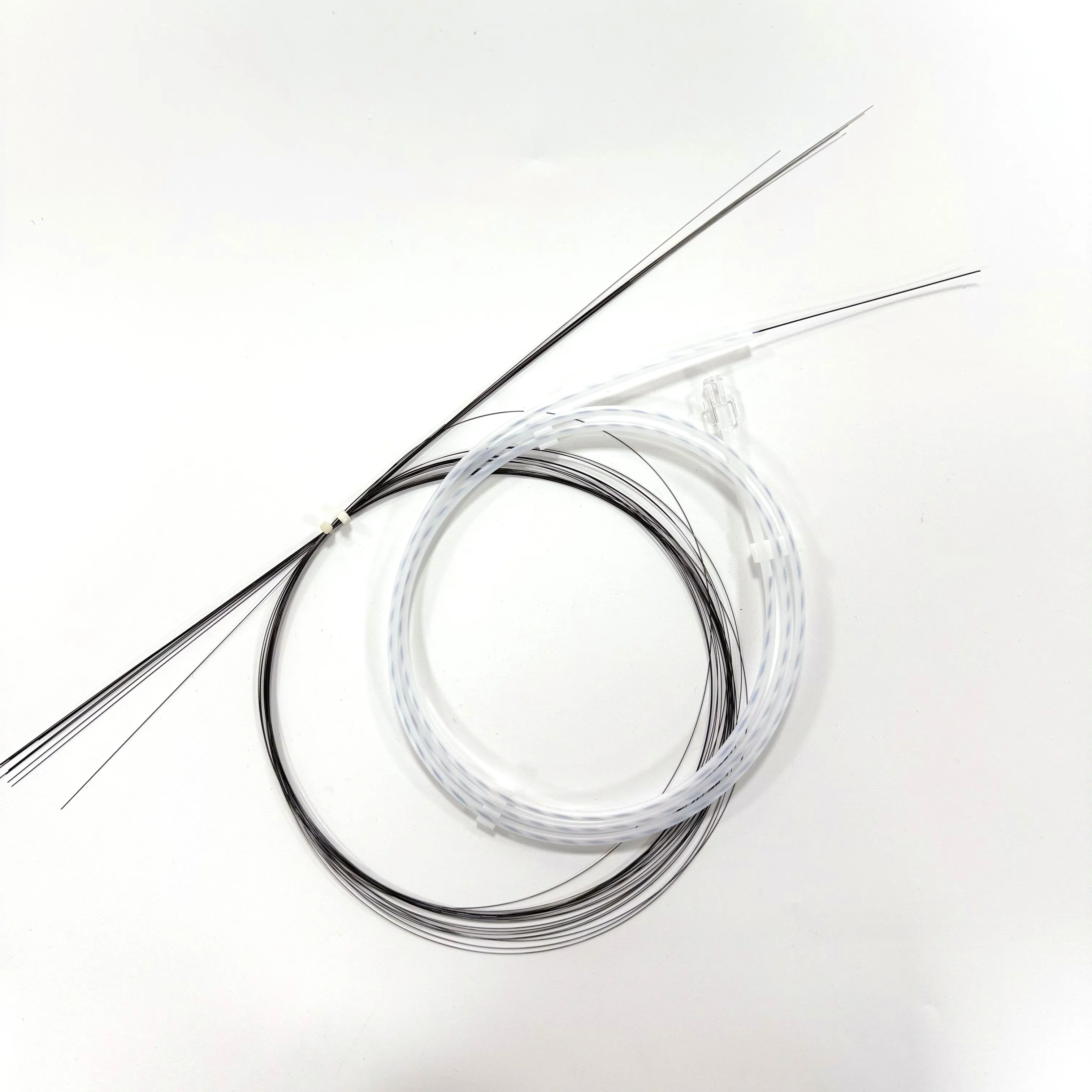
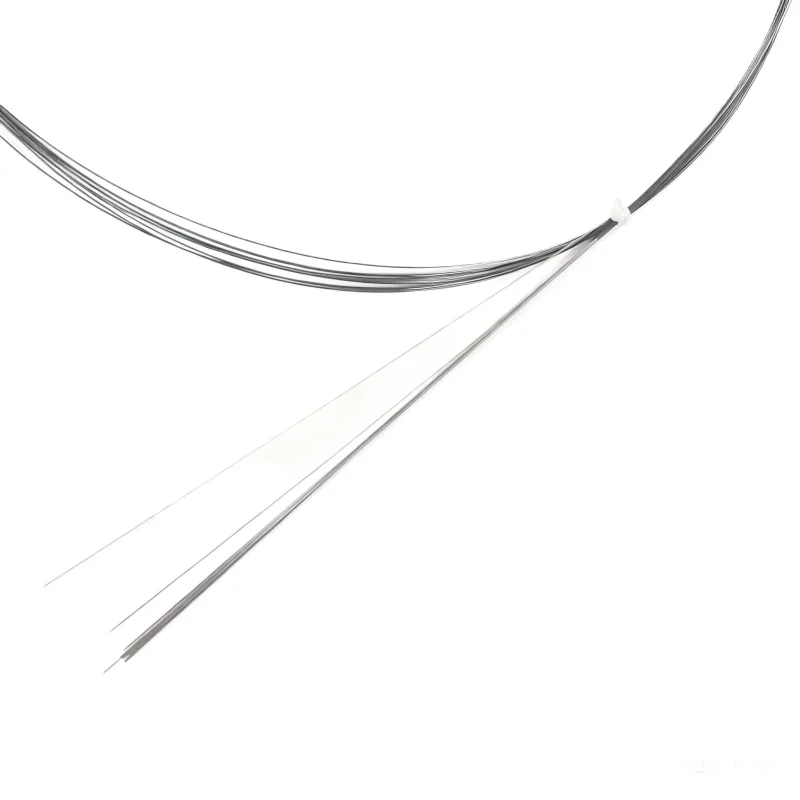
Nitinol medical technology represents one of the most significant breakthroughs in modern biomedical engineering. Nitinol, an alloy composed of nickel and titanium, possesses two extraordinary properties that make it uniquely suited for medical applications: shape memory and superelasticity. These characteristics allow nitinol medical devices to perform functions that conventional metals simply cannot replicate, opening doors to minimally invasive procedures and long-term implantable solutions that improve patient outcomes across a wide range of clinical settings. The shape memory effect means that a nitinol medical component can be deformed at a lower temperature, inserted into the body in a compact form, and then return to its pre-programmed shape once it reaches body temperature. This behavior is not a mechanical trick but a result of a reversible phase transformation at the atomic level, shifting between a martensitic and austenitic crystal structure. Superelasticity, on the other hand, allows nitinol medical devices to undergo large elastic deformations and spring back to their original shape without permanent damage, even under significant stress. This makes nitinol medical instruments highly resilient in dynamic physiological environments where tissues flex, compress, and move continuously. From a technological standpoint, nitinol medical products are manufactured through precise alloy composition control, thermomechanical processing, and shape-setting heat treatments. The transition temperature can be tuned by adjusting the nickel-to-titanium ratio, allowing engineers to customize nitinol medical devices for specific body temperature ranges and clinical requirements. Surface treatments such as electropolishing and oxide passivation further enhance the biocompatibility and corrosion resistance of nitinol medical components, ensuring they meet stringent regulatory standards. Nitinol medical applications span cardiovascular stents, orthopedic staples, endodontic files, guidewires, filters, and surgical tools. Each application leverages the unique mechanical behavior of nitinol to deliver safer, more effective, and less invasive treatment options. As research continues to advance, nitinol medical innovation is expanding into neurovascular intervention, drug delivery systems, and robotic surgical instruments, cementing its role as a cornerstone material in the future of medicine.


Popular Products

Nitinol medical devices offer a set of practical benefits that directly improve the experience for both patients and healthcare providers. Understanding these advantages does not require a background in materials science. The real-world impact is clear, measurable, and meaningful. First, nitinol medical devices make minimally invasive procedures possible in ways that rigid metal instruments cannot. Because nitinol can be compressed or straightened for delivery through a catheter or small incision and then expand to its working shape inside the body, surgeons can treat conditions that once required open surgery. Patients recover faster, spend less time in the hospital, and face fewer complications. That is a direct, tangible benefit that changes lives. Second, nitinol medical components are extraordinarily flexible without breaking. In the human body, tissues and vessels move constantly. A stent placed in a coronary artery must withstand millions of flex cycles over years without fracturing. Nitinol medical stents handle this demand reliably because the material absorbs and releases mechanical energy elastically rather than accumulating fatigue damage the way ordinary metals do. This durability translates into longer device lifespans and fewer revision procedures for patients. Third, nitinol medical devices are biocompatible. The titanium oxide layer that naturally forms on the surface of nitinol creates a stable, inert barrier between the nickel content and surrounding tissue. This means the body tolerates nitinol medical implants well, reducing the risk of inflammatory reactions and improving long-term outcomes. Fourth, nitinol medical technology gives engineers precise control over device behavior. By adjusting the alloy composition and heat treatment process, manufacturers can program exactly when and how a nitinol medical device activates. This level of customization allows devices to be tailored to specific anatomical locations, patient populations, and clinical goals. A pediatric nitinol medical device can be tuned differently from one designed for an adult, ensuring optimal performance across diverse patient needs. Fifth, nitinol medical instruments reduce procedural complexity. Guidewires made from nitinol navigate tortuous vascular anatomy more smoothly than stainless steel alternatives, reducing procedure time and radiation exposure for both patients and clinical staff. Simpler, faster procedures lower costs and improve throughput in busy clinical environments. Sixth, nitinol medical products support innovation. The unique properties of nitinol continue to inspire new device concepts, from self-expanding heart valves to shape-adaptive orthopedic implants. Investing in nitinol medical solutions means partnering with a technology platform that keeps evolving, delivering ongoing value as medical science advances. In summary, nitinol medical devices deliver faster recovery, greater durability, better biocompatibility, precise customization, procedural efficiency, and a foundation for continuous innovation. These are not abstract engineering claims. They are practical advantages that help patients heal and help providers deliver better care every day.

Latest News

Why do full-chain manufacturers provide a more stable supply of SMA wire?

14

May

Why do full-chain manufacturers provide a more stable supply of SMA wire?

In industrial and medical procurement, supply chain reliability is not a luxury — it is a fundamental requirement. When sourcing SMA wire, the type of manufacturer you partner with has a direct and measurable impact on delivery consistency, material ...
View More
Why do orthodontists prefer using orthodontic wire with shape memory?

15

May

Why do orthodontists prefer using orthodontic wire with shape memory?

In modern orthodontic practice, the materials used to move teeth are just as important as the clinical techniques applied. Among the many innovations that have transformed the field, orthodontic wire with shape memory stands out as one of the most cl...
View More
Why is a brand with a 5,000m² factory more professional in Nitinol customization?

22

May

Why is a brand with a 5,000m² factory more professional in Nitinol customization?

When sourcing advanced shape memory alloys for medical devices, aerospace components, or industrial actuators, the manufacturing environment behind a supplier tells you far more than a product catalog ever could. Nitinol customization is a precision-...
View More
What breakthroughs can Nitinol material bring to future flexible robot joints?

25

May

What breakthroughs can Nitinol material bring to future flexible robot joints?

The evolution of robotics is deeply tied to the materials that power movement, flexibility, and responsiveness. Among the most promising advances in this space, Nitinol material stands out as a transformative force in the design of flexible robot joi...
View More

Get a Free Quote

Our representative will contact you soon.
Email
Name
Company Name
Message
0/1000

nitinol medical

Shape Memory Technology That Works With the Human Body

Shape Memory Technology That Works With the Human Body

The shape memory property of nitinol medical devices is not simply a fascinating scientific phenomenon. It is a clinically transformative capability that fundamentally changes how medical procedures are designed and performed. At its core, shape memory means that a nitinol medical component can be manufactured in a specific three-dimensional geometry, cooled and deformed into a compact delivery configuration, and then reliably return to its original programmed shape when warmed to body temperature. This behavior stems from a reversible solid-state phase transformation between two crystal structures: the low-temperature martensitic phase, which is soft and easily deformed, and the high-temperature austenitic phase, which is rigid and shape-retentive. By engineering the transition temperature to fall just below 37 degrees Celsius, nitinol medical device designers ensure that activation occurs naturally and consistently inside the human body without any external trigger or mechanical actuation. The clinical implications of this capability are profound. Cardiovascular surgeons use shape memory nitinol medical stents that can be loaded into a delivery catheter in a collapsed state, navigated through narrow and tortuous blood vessels, and deployed at the target site where they self-expand to restore vessel patency. Orthopedic surgeons use nitinol medical staples that grip bone fragments with increasing force as they warm to body temperature, providing dynamic compression that promotes healing. Endodontists rely on nitinol medical files that flex through curved root canals without straightening or breaking, preserving natural tooth anatomy during treatment. In each case, the shape memory effect eliminates the need for complex mechanical deployment systems, reducing device profiles, simplifying procedures, and lowering the risk of operator error. The precision with which nitinol medical manufacturers can program transition temperatures also enables patient-specific customization. Devices intended for use in cooler peripheral anatomy can be tuned to activate at lower temperatures, while those targeting core body sites can be set to activate at standard physiological temperature. This tunability makes nitinol medical technology adaptable across a broad spectrum of clinical applications, from neonatal interventions to complex adult reconstructive procedures. Shape memory is not just a material property. In nitinol medical devices, it is a design tool that empowers clinicians to achieve outcomes that were previously impossible with conventional materials.
Superelastic Performance That Endures the Demands of Living Tissue

Superelastic Performance That Endures the Demands of Living Tissue

Superelasticity is the second defining characteristic of nitinol medical technology, and it addresses one of the most persistent engineering challenges in implantable device design: how to create a component that remains functional and intact inside a body that never stops moving. Unlike conventional metals that deform permanently when stressed beyond their elastic limit, nitinol medical materials can recover from strains of up to eight percent, returning to their original shape completely and repeatedly. This behavior arises from the same phase transformation mechanism that drives shape memory, but in superelastic nitinol medical devices, the transformation is stress-induced rather than temperature-induced, occurring and reversing at constant body temperature as mechanical loads are applied and released. The practical significance of superelasticity in nitinol medical applications becomes clear when you consider the mechanical environment inside the human body. A peripheral artery stent implanted in the femoral artery must survive the repeated bending and compression caused by walking, sitting, and standing, potentially hundreds of thousands of cycles per year over a device lifetime of a decade or more. A nitinol medical stent handles this loading regime by absorbing deformation energy through the stress-induced phase transformation and releasing it elastically upon unloading, cycle after cycle, without accumulating the fatigue damage that would cause a stainless steel or cobalt-chromium device to fracture. This fatigue resistance is not incidental. It is engineered deliberately through careful control of alloy composition, thermomechanical processing history, and surface finish. Nitinol medical manufacturers invest heavily in characterizing the fatigue behavior of their materials under physiologically relevant loading conditions, using techniques such as rotary beam fatigue testing and diamond-shaped specimen testing to generate the data needed to predict device durability with confidence. Beyond stents, superelastic nitinol medical technology enables guidewires that navigate complex vascular anatomy without kinking, retrieval baskets that open and close repeatedly without losing their shape, and orthodontic archwires that deliver consistent, gentle force throughout the tooth movement cycle. In every application, the ability of nitinol medical components to flex without failing translates directly into device reliability, patient safety, and reduced need for reintervention. Superelasticity makes nitinol medical devices not just functional but dependable over the long clinical timescales that patients and providers require.
Biocompatibility and Corrosion Resistance That Support Long-Term Implantation

Biocompatibility and Corrosion Resistance That Support Long-Term Implantation

For any material intended for permanent or long-term implantation in the human body, biocompatibility is not optional. It is the foundational requirement that determines whether a device can be used safely and whether it will be tolerated by the patient over months, years, or decades. Nitinol medical technology meets this requirement through a combination of inherent material properties and carefully engineered surface characteristics that together create a stable, inert interface between the device and surrounding biological tissue. The primary biocompatibility mechanism in nitinol medical implants is the spontaneous formation of a titanium dioxide surface oxide layer. When nitinol is exposed to oxygen, whether in air or in biological fluids, titanium preferentially oxidizes to form a dense, adherent TiO2 layer that is chemically stable, electrically insulating, and highly resistant to dissolution. This oxide layer acts as a barrier that prevents nickel ions from leaching into surrounding tissue at rates that would cause cytotoxic or allergenic responses. While nickel is a known sensitizer and the nickel content of nitinol medical alloys is approximately 50 atomic percent, the protective oxide layer reduces nickel ion release to levels that are well within established biocompatibility thresholds, as confirmed by decades of clinical use and extensive in vitro and in vivo testing. Nitinol medical manufacturers further enhance this natural biocompatibility through controlled surface treatments. Electropolishing removes surface defects and contaminants, creating a smooth, uniform surface that resists protein adsorption and bacterial adhesion. Passivation treatments enrich the titanium oxide layer, improving its thickness and stability. Some nitinol medical device producers apply additional coatings such as parylene, PTFE, or drug-eluting polymers to further tailor the biological response at the device-tissue interface, enabling applications in drug delivery and infection prevention. Corrosion resistance is equally important for nitinol medical devices operating in the chloride-rich, pH-variable environment of biological fluids. The titanium oxide layer provides excellent resistance to pitting and crevice corrosion under physiological conditions, ensuring that nitinol medical implants maintain their structural integrity and mechanical performance throughout their intended service life. Regulatory agencies including the FDA and European notified bodies have established well-defined pathways for demonstrating the biocompatibility of nitinol medical devices, and the extensive clinical track record of nitinol in cardiovascular, orthopedic, and endovascular applications provides a robust evidence base that supports confidence in the material for new device development. Choosing nitinol medical technology means choosing a material with a proven safety profile, a strong scientific foundation, and the surface engineering flexibility to meet the biocompatibility demands of virtually any implantable application.
Nitinol Medical Devices: Shape Memory and Superelastic Solutions for Advanced Healthcare

Get a Free Quote

Our representative will contact you soon.
Email
Name
Company Name
Message
0/1000
Newsletter
Please Leave A Message With Us