ASTM Nitinol: Advanced Shape Memory Alloy for Medical, Industrial & Aerospace Applications

Get a Free Quote

Our representative will contact you soon.
Email
Name
Company Name
Message
0/1000

astm nitinol

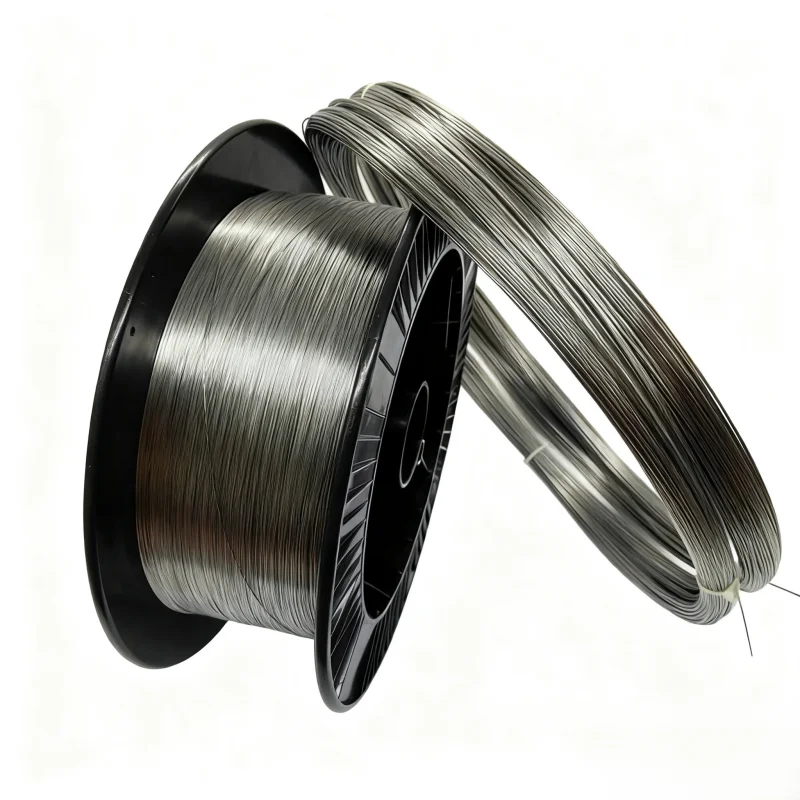
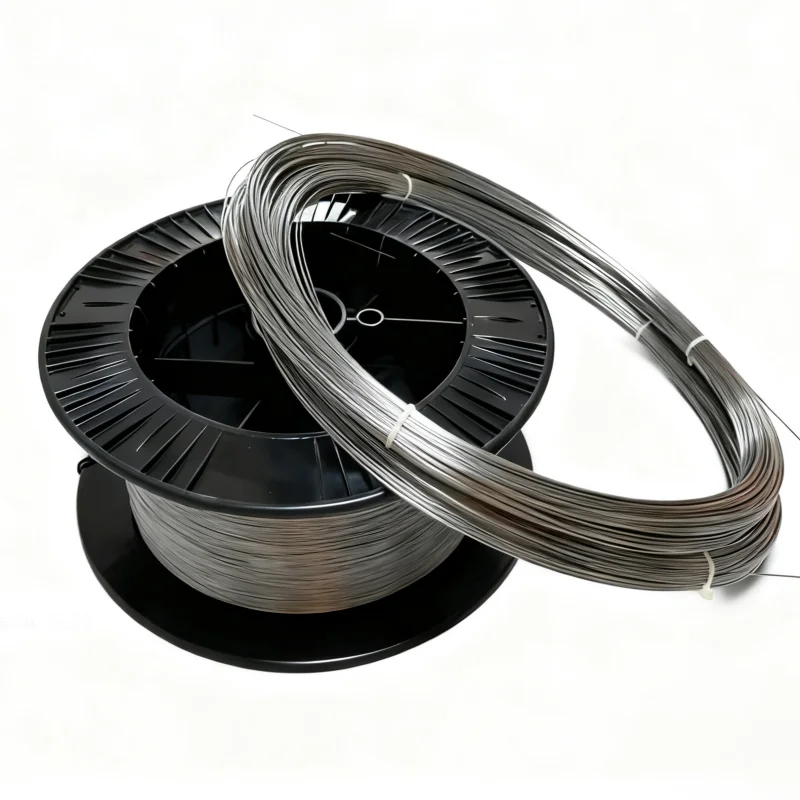
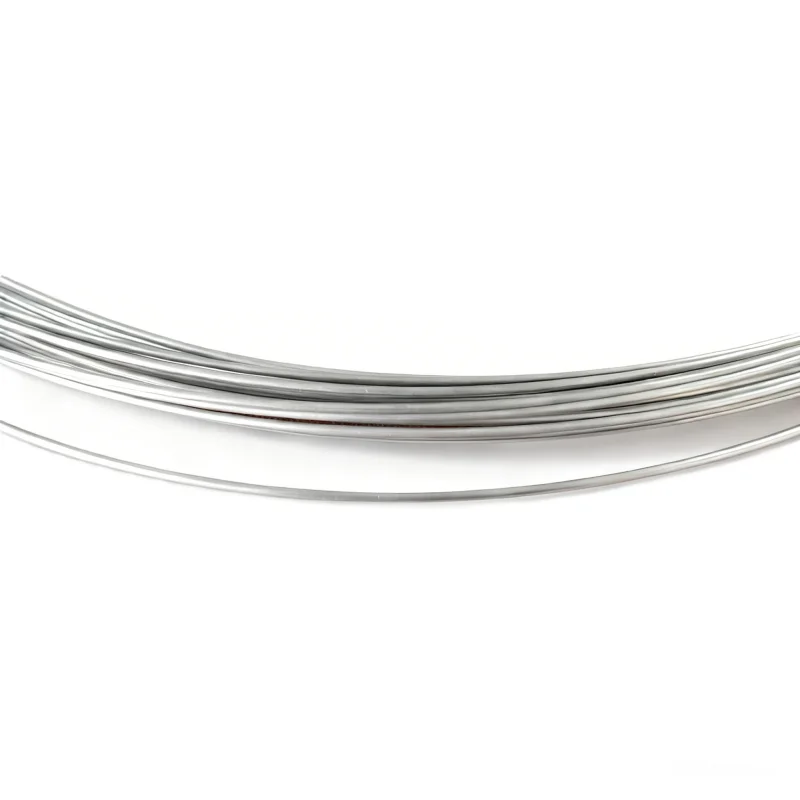
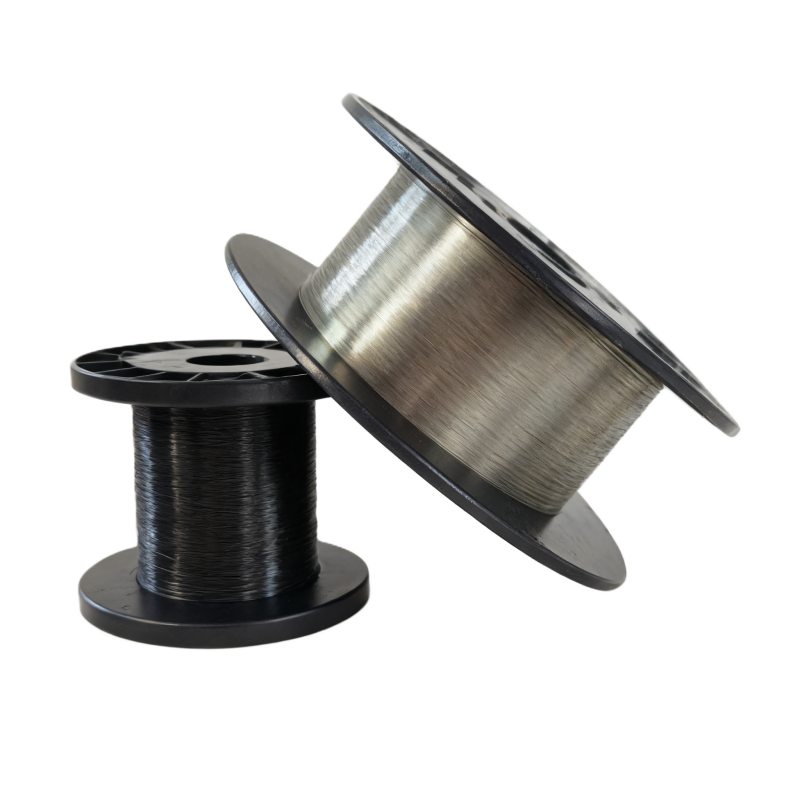
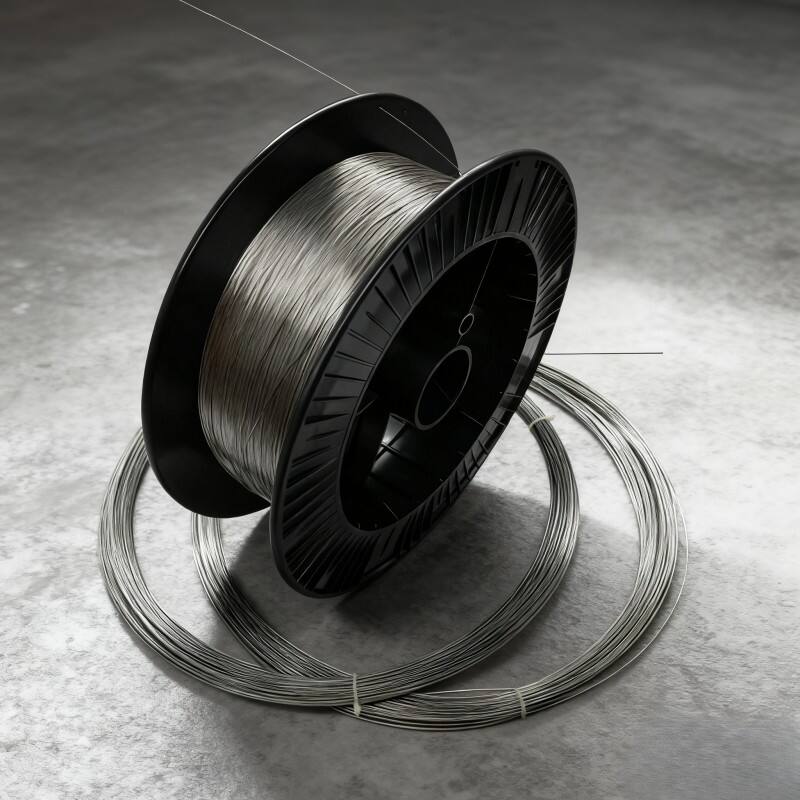
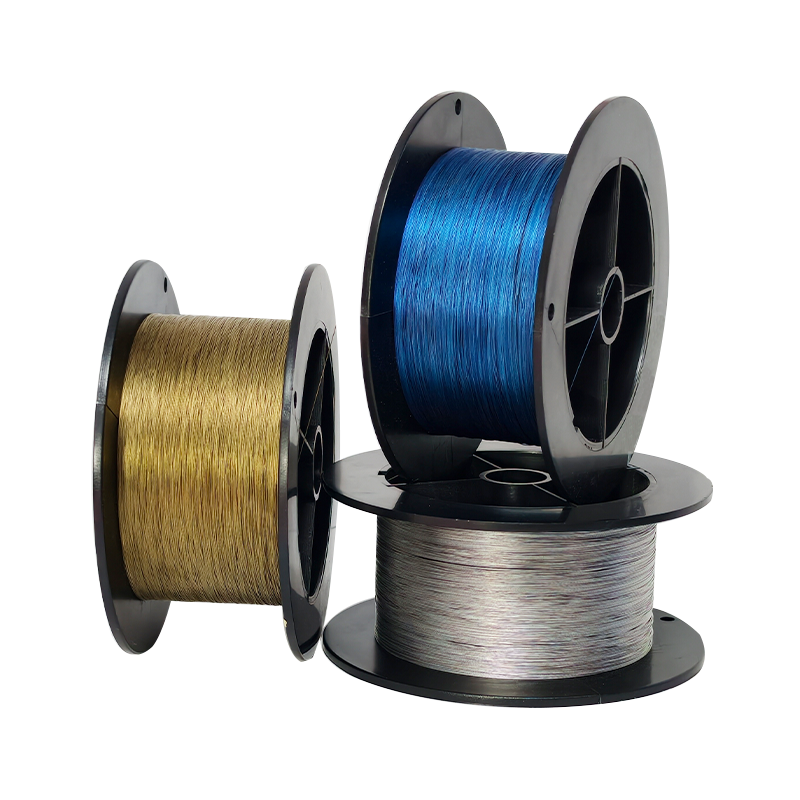
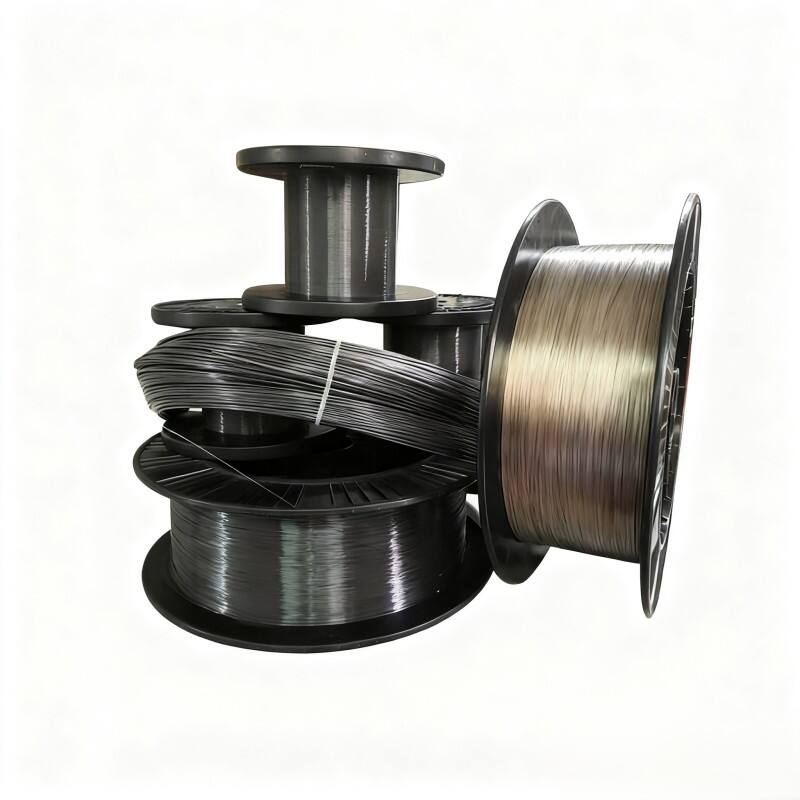
ASTM nitinol represents a remarkable class of shape memory alloys that comply with stringent standards established by the American Society for Testing and Materials. This extraordinary material combines nickel and titanium in nearly equal proportions, creating a metal alloy with unprecedented properties that have revolutionized multiple industries. The defining characteristic of astm nitinol lies in its ability to remember and return to a predetermined shape when subjected to specific temperature changes, a phenomenon known as the shape memory effect. Beyond this unique capability, astm nitinol exhibits superelasticity, allowing it to undergo significant deformation and return to its original form without permanent damage. The technological sophistication of astm nitinol stems from careful manufacturing processes that ensure precise compositional control and heat treatment protocols. These processes create a material that can withstand millions of cycles without degradation, making it exceptionally reliable for demanding applications. Medical device manufacturers particularly value astm nitinol for its biocompatibility, meaning it can safely interact with human tissue without causing adverse reactions. The material's corrosion resistance ensures longevity even in challenging environments, whether inside the human body or exposed to harsh industrial conditions. Engineers and designers appreciate how astm nitinol can be programmed to activate at specific temperatures, enabling smart devices that respond automatically to environmental changes. The flexibility of this material surpasses traditional metals by enormous margins, yet it maintains strength comparable to stainless steel. Industries ranging from healthcare to aerospace utilize astm nitinol for components that demand exceptional performance under stress. The standardization provided by ASTM specifications ensures consistent quality across different manufacturers, giving buyers confidence in material properties and performance characteristics.

New Product Recommendations

Choosing astm nitinol for your applications delivers substantial practical benefits that directly impact product performance and customer satisfaction. The material's shape memory capability means devices can be designed smaller and simpler, reducing manufacturing complexity while improving functionality. Medical professionals benefit from astm nitinol instruments that can be inserted through tiny incisions in compact forms, then expand to full size once positioned correctly inside the body. This minimally invasive approach reduces patient recovery times, decreases surgical complications, and lowers overall healthcare costs. The superelastic properties of astm nitol allow products to flex and bend repeatedly without breaking or losing effectiveness, extending product lifespan far beyond conventional materials. Businesses save money on replacements and warranty claims when components made from astm nitinol outlast alternatives by years or even decades. The biocompatibility advantage eliminates concerns about toxic reactions or material rejection in medical applications, opening possibilities for permanent implants that integrate seamlessly with natural tissue. Engineers working with astm nitinol gain design freedom impossible with rigid materials, creating innovative solutions to complex problems. The temperature-responsive nature enables automatic operation without batteries or electronics, simplifying devices while increasing reliability. Manufacturers appreciate how astm nitinol maintains performance across wide temperature ranges, from arctic cold to desert heat, without requiring special accommodations. The corrosion resistance means products continue functioning in wet, salty, or chemically aggressive environments where other metals would quickly deteriorate. Companies serving international markets benefit from astm nitinol meeting globally recognized standards, simplifying export compliance and quality certification processes. The material's fatigue resistance ensures consistent performance through millions of operational cycles, critical for applications like eyeglass frames that bend thousands of times daily or cardiovascular stents that must flex with every heartbeat for years. Designers value the aesthetic possibilities, as astm nitinol can be formed into elegant shapes impossible with traditional materials. The reduced weight compared to many alternatives lowers shipping costs and improves user comfort in wearable applications. Organizations committed to sustainability appreciate that astm nitinol components last longer, reducing waste and resource consumption over product lifecycles.

Practical Tips

Why is high-stability Nitinol the first choice for equipment in extreme conditions?

12

May

Why is high-stability Nitinol the first choice for equipment in extreme conditions?

When equipment must perform reliably under mechanical stress, thermal cycling, and repeated deformation, material selection becomes a critical engineering decision. Nitinol, the nickel-titanium shape memory alloy, has earned a dominant position in de...
View More
Why is phase transition stability of nickel titanium wire key to actuator success?

13

May

Why is phase transition stability of nickel titanium wire key to actuator success?

In the world of precision actuators, the materials used to generate motion are not merely components — they are the foundation of reliability. nickel titanium wire has emerged as one of the most compelling active materials in modern actuator engineer...
View More
Why do orthodontists prefer using orthodontic wire with shape memory?

15

May

Why do orthodontists prefer using orthodontic wire with shape memory?

In modern orthodontic practice, the materials used to move teeth are just as important as the clinical techniques applied. Among the many innovations that have transformed the field, orthodontic wire with shape memory stands out as one of the most cl...
View More
Why is a brand with a 5,000m² factory more professional in Nitinol customization?

22

May

Why is a brand with a 5,000m² factory more professional in Nitinol customization?

When sourcing advanced shape memory alloys for medical devices, aerospace components, or industrial actuators, the manufacturing environment behind a supplier tells you far more than a product catalog ever could. Nitinol customization is a precision-...
View More

Get a Free Quote

Our representative will contact you soon.
Email
Name
Company Name
Message
0/1000

astm nitinol

Exceptional Shape Memory and Superelastic Performance

Exceptional Shape Memory and Superelastic Performance

The most compelling feature of astm nitinol lies in its dual capability to exhibit both shape memory effects and superelasticity, properties that fundamentally change what engineers can achieve in product design. Shape memory allows astm nitinol components to be deformed at lower temperatures into convenient shapes for storage or insertion, then automatically return to their programmed configuration when warmed to activation temperature. This transformation occurs reliably and repeatedly, making astm nitinol ideal for devices that must change shape on command. Medical stents exemplify this advantage perfectly: surgeons can compress a stent made from astm nitinol into a narrow catheter for easy insertion through blood vessels, and when the device reaches body temperature at the treatment site, it automatically expands to hold the vessel open. The superelastic property operates differently but with equal importance, allowing astm nitinol to stretch up to eight percent of its length and snap back instantly when stress releases. Traditional metals permanently deform or break under such strain, but astm nitinol handles these forces routinely without degradation. Orthodontic archwires manufactured from astm nitinol maintain gentle, constant pressure on teeth throughout treatment, unlike stainless steel wires that require frequent adjustments as they lose their shape. The material applies consistent force whether teeth move slightly or significantly, accelerating treatment while improving patient comfort. Eyeglass frames benefit similarly, as astm nitinol temples bend dramatically when sat upon accidentally, then spring back to perfect alignment without adjustment. This resilience eliminates the frustration of constantly visiting opticians for frame straightening, saving time and money while extending frame life. Industrial applications leverage these properties for vibration damping, pipe connections that seal automatically at operating temperature, and actuators that move without motors or hydraulics. The combination of shape memory and superelasticity in astm nitinol creates possibilities that simply do not exist with conventional materials, enabling innovation across countless applications.
Outstanding Biocompatibility and Corrosion Resistance

Outstanding Biocompatibility and Corrosion Resistance

The biocompatibility of astm nitinol stands as a critical advantage for medical applications, where material safety directly impacts patient outcomes and device success rates. Unlike many metals that provoke inflammatory responses or release toxic ions when implanted, astm nitinol forms a stable titanium oxide surface layer that shields the underlying alloy from body tissues. This passive layer prevents nickel ions from leaching even during decades of implantation, addressing concerns about nickel sensitivity that affect significant portions of the population. Rigorous testing according to ASTM standards verifies that properly manufactured astm nitinol meets the most demanding biocompatibility requirements for permanent implantation. Cardiovascular devices made from astm nitinol have accumulated millions of patient-years of safety data, demonstrating exceptional long-term compatibility with blood and tissue. The material does not trigger excessive scar tissue formation, allowing implants to function as intended without becoming encapsulated in fibrous material that could impair performance. Surgeons trust astm nitinol for critical applications like heart valve frames, atrial septal defect closures, and guidewires precisely because the material behaves predictably in the body. The corrosion resistance of astm nitinol extends beyond medical environments to industrial settings where moisture, chemicals, or salt exposure would rapidly degrade lesser materials. Marine applications benefit from components that withstand constant seawater exposure without pitting or stress corrosion cracking. Chemical processing equipment incorporates astm nitinol elements that resist aggressive solvents and acids while maintaining their functional properties. The protective oxide layer regenerates automatically if scratched or damaged, providing self-healing corrosion protection that continues throughout the component's service life. This durability translates to lower maintenance costs, reduced downtime, and improved safety in critical applications. Environmental monitoring sensors using astm nitinol components operate reliably in rivers, oceans, and industrial effluent streams where other materials would require frequent replacement. The combination of biocompatibility and corrosion resistance makes astm nitinol uniquely suited for applications spanning from implantable insulin pumps to offshore oil platform components, demonstrating versatility that few materials can match across such diverse requirements.
Exceptional Fatigue Life and Thermal Responsiveness

Exceptional Fatigue Life and Thermal Responsiveness

The fatigue resistance of astm nitinol surpasses virtually all other metallic materials, providing a crucial advantage for applications involving repeated stress cycles. Engineering tests demonstrate that properly processed astm nitinol components can endure ten million to one hundred million cycles before showing any signs of fatigue damage, compared to thousands or tens of thousands of cycles for conventional materials under similar conditions. This extraordinary endurance stems from the material's unique crystal structure and phase transformation mechanisms that distribute stress differently than ordinary metals. Medical devices like heart stents must flex with every heartbeat, accumulating over forty million cycles per year in typical patients. Only astm nitinol possesses the fatigue strength to reliably function for decades under such demanding conditions without cracking or failing. Orthodontic applications similarly require materials that maintain properties through countless eating, speaking, and tooth-grinding cycles. The fatigue performance of astm nitinol ensures that archwires, brackets, and springs continue applying optimal forces throughout extended treatment periods. Industrial vibration dampers made from astm nitinol absorb shock and oscillation millions of times while maintaining effectiveness, protecting sensitive equipment from damage. The thermal responsiveness of astm nitinol adds another dimension of functionality, enabling devices that activate, adjust, or operate based on temperature changes. Engineers can precisely tune the transformation temperature of astm nitinol during manufacturing, creating components that respond anywhere from below freezing to above boiling points. Greenhouse vent openers use astm nitinol actuators that automatically open when temperatures rise and close when they fall, regulating airflow without electricity or human intervention. Coffee makers incorporate astm nitinol valves that control brewing temperature through mechanical action rather than electronic sensors. Fire safety systems employ astm nitinol elements that trigger suppression mechanisms when heat reaches dangerous levels, providing fail-safe protection that operates even during power failures. The thermal cycling stability means astm nitinol components function reliably through thousands of heating and cooling cycles without losing calibration or responsiveness. This reliability proves essential in applications from spacecraft thermal management systems to consumer appliances, where consistent performance across temperature extremes determines product success.
ASTM Nitinol: Advanced Shape Memory Alloy for Medical, Industrial & Aerospace Applications

Get a Free Quote

Our representative will contact you soon.
Email
Name
Company Name
Message
0/1000
Newsletter
Please Leave A Message With Us