Nitinol 1 Wire: Shape Memory Alloy for Medical and Industrial Applications

Get a Free Quote

Our representative will contact you soon.
Email
Name
Company Name
Message
0/1000

nitinol 1

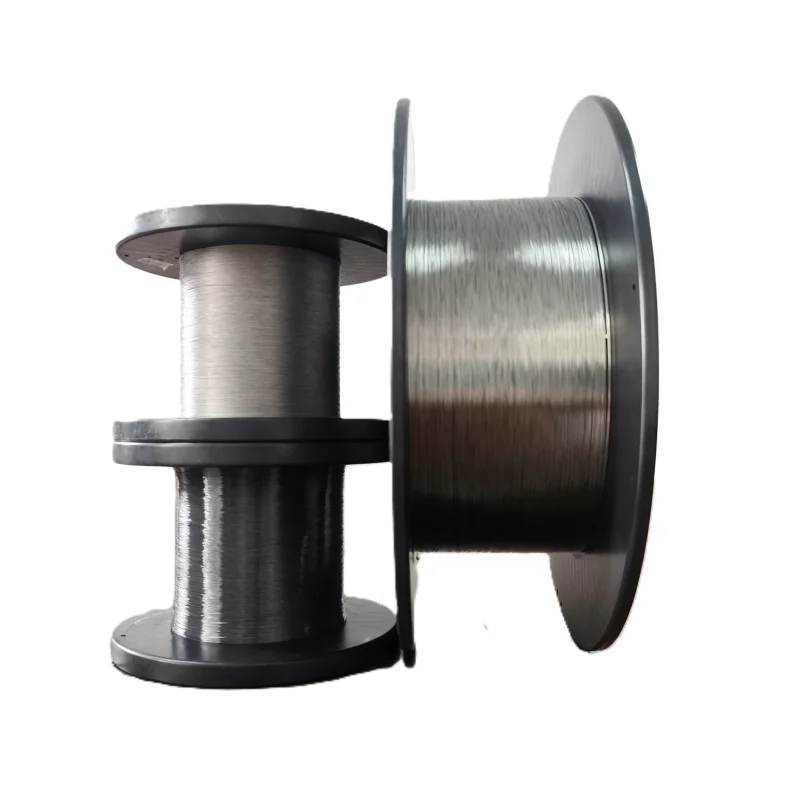
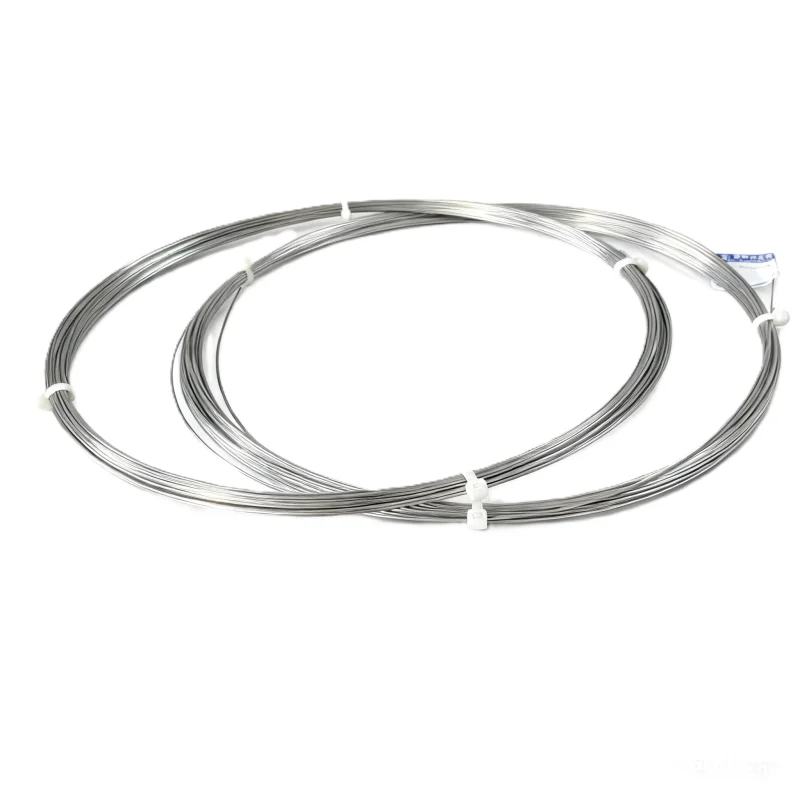
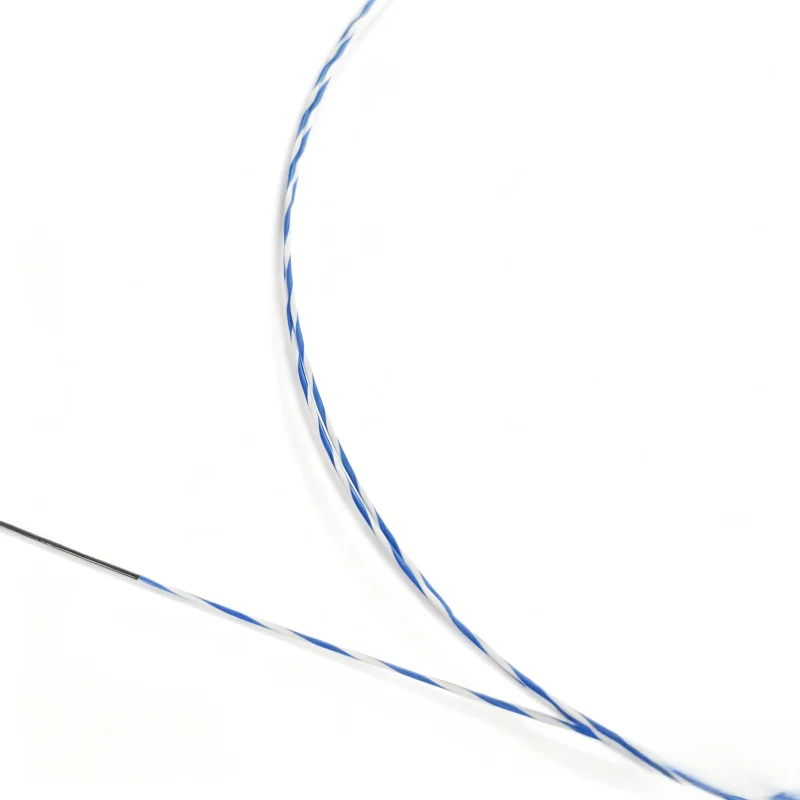
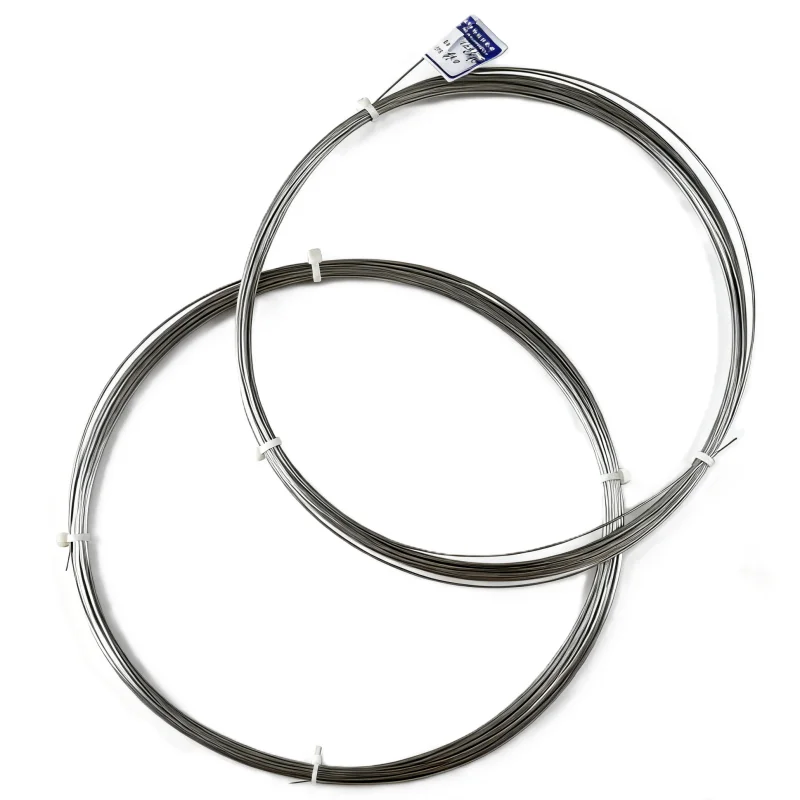
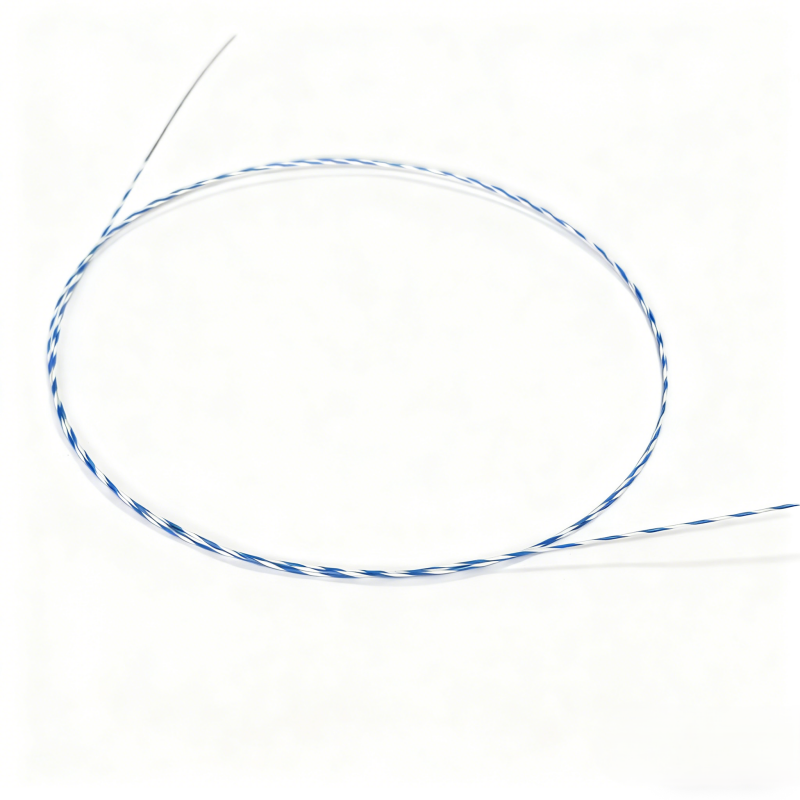
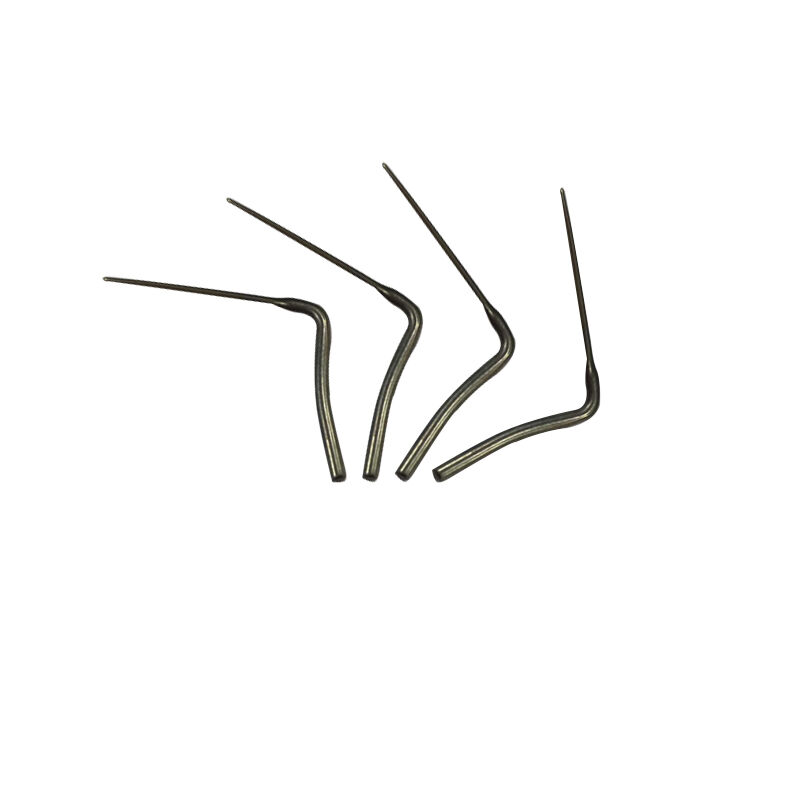
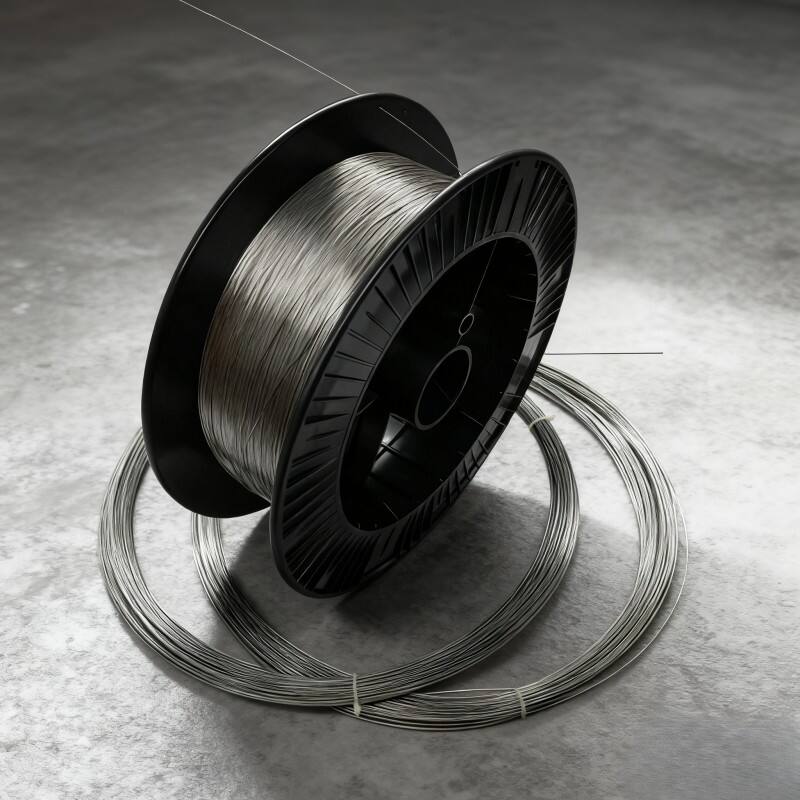
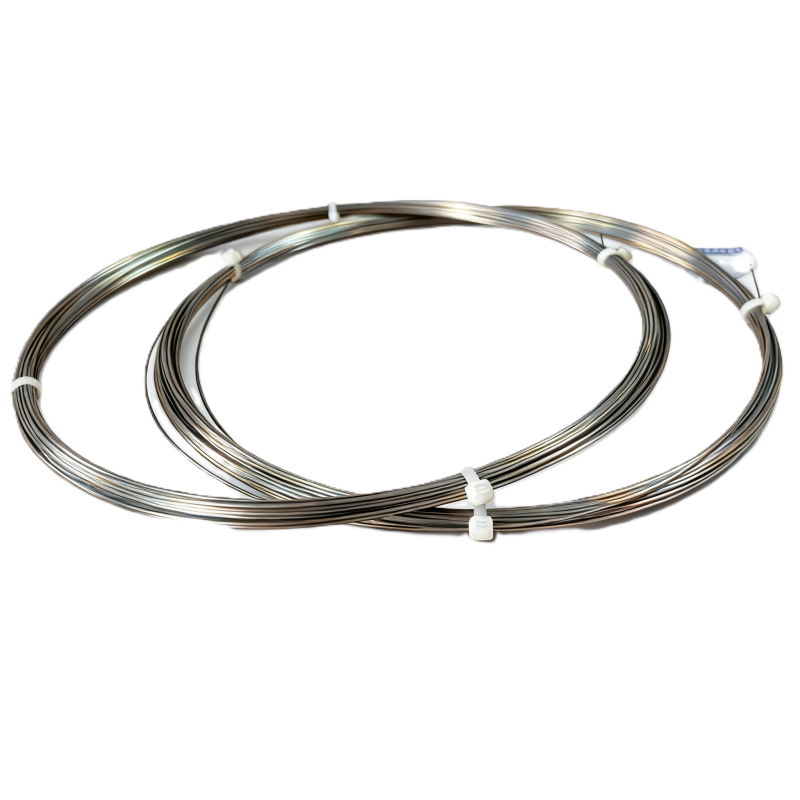
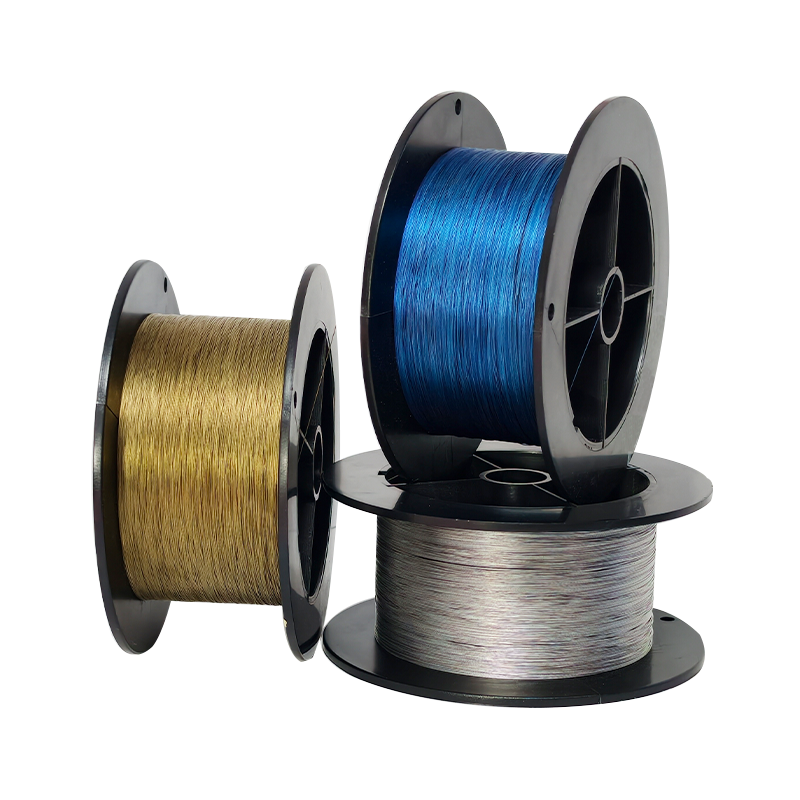
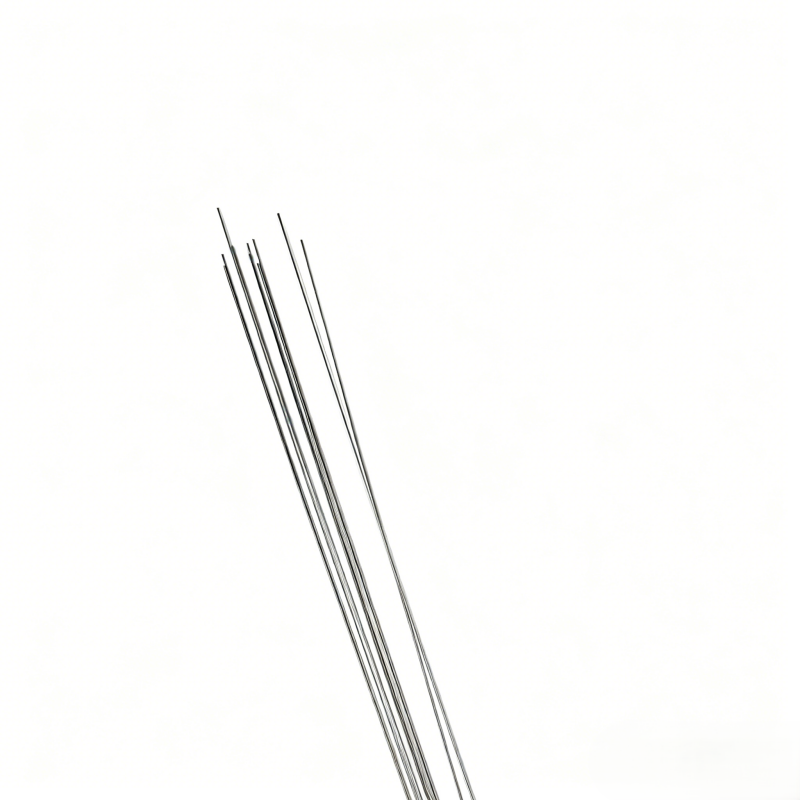
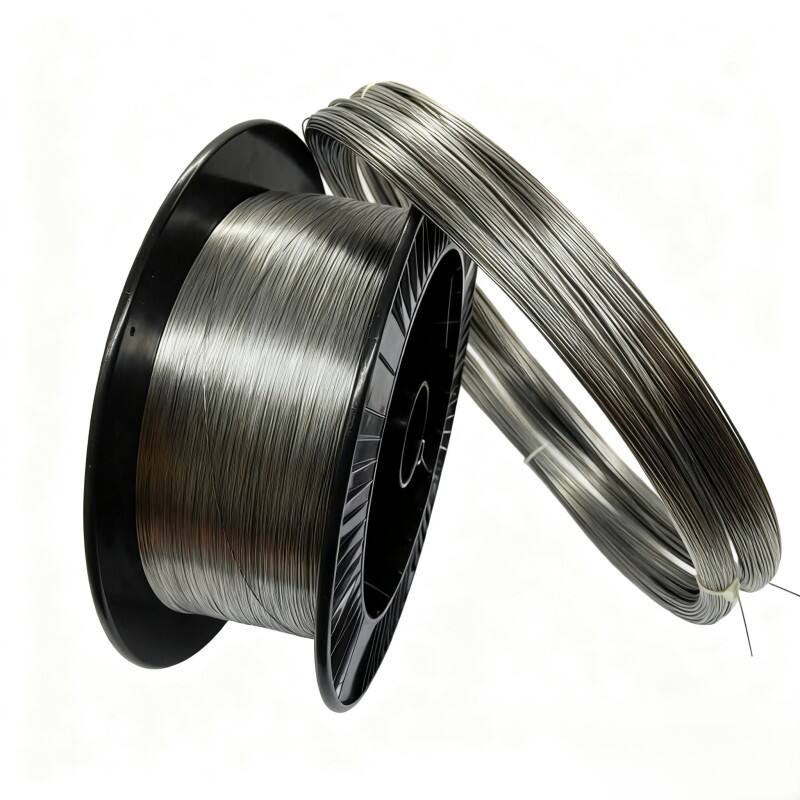
Nitinol 1 is a precision-engineered nickel-titanium alloy wire that stands at the forefront of advanced material science. Developed to meet the demanding requirements of medical, aerospace, and industrial applications, Nitinol 1 combines two extraordinary physical phenomena — shape memory effect and superelasticity — into a single, highly reliable material. These properties make Nitinol 1 unlike any conventional metal wire available on the market today. At its core, Nitinol 1 is composed of approximately equal atomic percentages of nickel and titanium, a composition that gives rise to its remarkable transformation characteristics. The shape memory effect allows Nitinol 1 to return to a pre-programmed shape after being deformed, simply by applying heat. Superelasticity, on the other hand, enables the material to undergo significant deformation at a constant temperature and spring back to its original form once the stress is removed. These dual capabilities are not just theoretical — they translate directly into real-world performance advantages across a wide range of industries. From a technological standpoint, Nitinol 1 is manufactured under tightly controlled conditions to ensure consistent phase transformation temperatures, uniform diameter tolerances, and superior surface finish. The alloy undergoes rigorous heat treatment and cold-working processes that fine-tune its mechanical properties to match specific application requirements. This level of precision engineering ensures that every batch of Nitinol 1 delivers predictable, repeatable performance. In the medical field, Nitinol 1 is widely used in guidewires, stents, orthodontic archwires, and surgical instruments. Its biocompatibility, kink resistance, and flexibility make it the material of choice for minimally invasive procedures. In aerospace and robotics, Nitinol 1 serves as an actuator material, converting thermal energy into mechanical motion with high efficiency. Industrial applications include sensors, connectors, and vibration damping components. Nitinol 1 represents a convergence of material innovation and engineering excellence, offering solutions that traditional metals simply cannot provide.


New Products

Nitinol 1 delivers a set of practical benefits that make it a standout choice for engineers, designers, and procurement professionals across multiple industries. Understanding these advantages in plain terms helps you see exactly why Nitinol 1 has become the go-to material for applications where performance, reliability, and longevity matter most. First, Nitinol 1 bounces back. Unlike stainless steel or other conventional alloys, Nitinol 1 can be bent, compressed, or stretched far beyond normal limits and still return to its original shape. This superelastic behavior means components made from Nitinol 1 resist permanent deformation under stress. For customers, this translates directly into fewer replacements, lower maintenance costs, and longer product lifespans. You get more value from every component. Second, Nitinol 1 remembers its shape. You can train Nitinol 1 to hold a specific geometry, and it will return to that shape when heated to a set temperature. This shape memory capability opens the door to smart, self-actuating designs that eliminate the need for complex mechanical systems. Actuators, clamps, and connectors built with Nitinol 1 can perform their function automatically in response to temperature changes, reducing the number of moving parts and simplifying overall system design. Third, Nitinol 1 is safe for the human body. Its excellent biocompatibility means it does not trigger adverse reactions when used in medical devices. Surgeons and medical device manufacturers trust Nitinol 1 for stents, guidewires, and orthodontic components because it works reliably inside the body without causing harm. For companies in the medical sector, this biocompatibility reduces regulatory risk and accelerates the path to market approval. Fourth, Nitinol 1 handles fatigue exceptionally well. Repeated cycling — bending and returning to shape thousands of times — does not degrade its performance the way it would with ordinary metals. This fatigue resistance is critical in applications like heart valves, breathing tubes, and robotic joints where the material must perform consistently over millions of cycles. Customers benefit from products that maintain their performance specifications over the full intended service life. Fifth, Nitinol 1 is lightweight. Compared to many high-performance alloys, Nitinol 1 offers an excellent strength-to-weight ratio. In aerospace and portable medical devices, reducing weight without sacrificing strength is a constant engineering challenge. Nitinol 1 meets that challenge head-on, helping designers build lighter, more efficient products. Sixth, Nitinol 1 resists corrosion. The titanium content in Nitinol 1 forms a natural oxide layer that protects the material from rust and chemical degradation. This makes Nitinol 1 suitable for use in harsh environments, including body fluids, saline solutions, and outdoor industrial settings. Customers operating in corrosive environments can rely on Nitinol 1 to maintain its integrity without the need for additional protective coatings. Taken together, these advantages make Nitinol 1 a smart investment. It reduces system complexity, extends product life, supports regulatory compliance, and performs reliably in the most demanding conditions. Whether you are designing a next-generation medical device or an advanced industrial actuator, Nitinol 1 gives you the material performance you need to build products that stand apart from the competition.

Practical Tips

Why is Starspring's Nitinol metal at the forefront of the smart drive industry?

19

May

Why is Starspring's Nitinol metal at the forefront of the smart drive industry?

The smart drive industry is defined by its relentless demand for materials that can do more with less — components that respond intelligently to their environment, endure repeated mechanical cycles, and perform with precision in applications ranging ...
View More
Why do full-process manufacturers provide higher performance Nitinol SMA?

20

May

Why do full-process manufacturers provide higher performance Nitinol SMA?

When engineers and procurement specialists evaluate materials for high-precision medical devices, aerospace components, or advanced actuator systems, the source of the material matters as much as the material itself. Nitinol SMA — the nickel-titanium...
View More
Why is a brand with a 5,000m² factory more professional in Nitinol customization?

22

May

Why is a brand with a 5,000m² factory more professional in Nitinol customization?

When sourcing advanced shape memory alloys for medical devices, aerospace components, or industrial actuators, the manufacturing environment behind a supplier tells you far more than a product catalog ever could. Nitinol customization is a precision-...
View More
What breakthroughs can Nitinol material bring to future flexible robot joints?

25

May

What breakthroughs can Nitinol material bring to future flexible robot joints?

The evolution of robotics is deeply tied to the materials that power movement, flexibility, and responsiveness. Among the most promising advances in this space, Nitinol material stands out as a transformative force in the design of flexible robot joi...
View More

Get a Free Quote

Our representative will contact you soon.
Email
Name
Company Name
Message
0/1000

nitinol 1

Unmatched Superelasticity for Demanding Applications

Unmatched Superelasticity for Demanding Applications

One of the most compelling reasons engineers and product designers choose Nitinol 1 is its extraordinary superelastic behavior. Superelasticity, also known as pseudoelasticity, is the ability of a material to undergo large elastic deformations and fully recover its original shape once the applied load is removed. In practical terms, Nitinol 1 can be deformed by as much as 8 percent strain and still spring back completely — a performance level that no conventional metal wire can match. Standard stainless steel, for example, begins to permanently deform at strains as low as 0.2 percent. This difference is not marginal; it is transformative. For customers, the superelasticity of Nitinol 1 means that components and devices built with this material can withstand accidental overloading, repeated mechanical stress, and complex bending paths without suffering permanent damage. In medical guidewires, this property allows the wire to navigate tortuous vascular pathways without kinking or breaking, giving surgeons the control and confidence they need during minimally invasive procedures. In orthodontic archwires, the constant, gentle force delivered by Nitinol 1 accelerates tooth movement while reducing patient discomfort compared to traditional steel wires. The superelastic plateau of Nitinol 1 — the stress range over which large deformation occurs at nearly constant force — is a key engineering advantage. It allows designers to create devices that apply consistent, controlled forces regardless of the degree of deflection. This predictability simplifies device design and improves clinical outcomes. From a manufacturing perspective, the superelasticity of Nitinol 1 also reduces scrap rates and assembly challenges. Components that might be accidentally bent during handling can be straightened without loss of function, reducing waste and improving production efficiency. For industrial customers, this means lower total cost of ownership and greater manufacturing flexibility. The superelastic properties of Nitinol 1 are not accidental — they are the result of precise alloy composition control and carefully engineered heat treatment protocols. Every coil of Nitinol 1 is produced to tight transformation temperature specifications, ensuring that the superelastic window aligns with the intended operating environment. This consistency gives customers the confidence to design to specification and expect repeatable results across production batches. In summary, the superelasticity of Nitinol 1 is a genuine engineering breakthrough that delivers measurable value: longer component life, better device performance, reduced maintenance, and greater design freedom. It is the feature that most clearly sets Nitinol 1 apart from conventional wire materials and makes it the preferred choice for high-performance applications worldwide.
Precision Shape Memory for Smart, Self-Actuating Designs

Precision Shape Memory for Smart, Self-Actuating Designs

The shape memory effect of Nitinol 1 is one of the most fascinating and practically useful properties in modern materials engineering. This effect allows Nitinol 1 to be deformed at a low temperature, stored in that deformed state, and then triggered to return to its original programmed shape simply by raising the temperature above a specific threshold known as the transformation temperature. This behavior is not a surface-level phenomenon — it is driven by a reversible solid-state phase transformation between two crystal structures: martensite at low temperatures and austenite at high temperatures. For customers and product designers, the shape memory effect of Nitinol 1 opens up a world of design possibilities that are simply not achievable with conventional materials. Imagine a medical stent that is compressed into a small catheter at room temperature, delivered to the target site inside the body, and then self-expands to its full functional diameter in response to body heat. This is exactly how Nitinol 1-based stents work, and the result is a minimally invasive procedure that reduces patient trauma, shortens recovery time, and improves clinical outcomes. The same principle applies to surgical staples, bone anchors, and vascular filters — all of which benefit from the self-deploying capability that Nitinol 1 provides. Beyond medicine, the shape memory effect of Nitinol 1 is used in aerospace actuators, where it converts thermal energy directly into mechanical work without the need for motors, gears, or hydraulic systems. This simplification of actuation mechanisms reduces system weight, lowers the risk of mechanical failure, and decreases maintenance requirements. For aerospace engineers working under strict weight and reliability constraints, Nitinol 1 actuators represent a significant competitive advantage. The transformation temperature of Nitinol 1 can be precisely tuned during manufacturing by adjusting the nickel-to-titanium ratio and the heat treatment parameters. This tunability means that Nitinol 1 can be customized to activate at body temperature, at elevated industrial temperatures, or at any point in between, depending on the specific application requirements. Customers benefit from a material that is engineered to their exact specifications rather than a one-size-fits-all solution. The shape memory effect also contributes to the reliability and longevity of Nitinol 1-based products. Because the actuation mechanism is intrinsic to the material itself rather than dependent on external mechanical components, there are fewer failure points and less wear over time. Products built with Nitinol 1 maintain their functional performance over thousands of actuation cycles, delivering consistent results throughout their service life. This reliability reduces warranty claims, lowers after-sales service costs, and strengthens customer trust in the products that incorporate Nitinol 1.
Superior Biocompatibility and Corrosion Resistance for Safe, Long-Lasting Performance

Superior Biocompatibility and Corrosion Resistance for Safe, Long-Lasting Performance

For any material used in medical devices or harsh industrial environments, biocompatibility and corrosion resistance are not optional features — they are fundamental requirements. Nitinol 1 excels in both areas, making it one of the most trusted materials in the global medical device industry and a reliable choice for demanding industrial applications. The biocompatibility of Nitinol 1 stems from the stable titanium oxide layer that naturally forms on its surface. This passive oxide layer acts as a barrier between the nickel content of the alloy and the surrounding biological environment, preventing nickel ion release at levels that could cause adverse reactions. Extensive clinical and laboratory testing has confirmed that Nitinol 1 meets the biocompatibility standards required by major regulatory bodies, including the FDA and ISO 10993. For medical device manufacturers, this established safety profile significantly reduces the burden of biocompatibility testing during product development and regulatory submission, accelerating time to market and reducing development costs. In clinical practice, the biocompatibility of Nitinol 1 means that implants, stents, guidewires, and other devices made from this material can remain inside the human body for extended periods without triggering inflammation, allergic reactions, or tissue damage. Patients benefit from safer procedures and better long-term outcomes. Healthcare providers benefit from devices they can trust to perform reliably over the full intended implant life. The corrosion resistance of Nitinol 1 is equally impressive. The same titanium oxide layer that provides biocompatibility also protects the material from chemical attack in aggressive environments. Nitinol 1 maintains its mechanical properties and surface integrity when exposed to saline solutions, body fluids, cleaning agents, and many industrial chemicals. This resistance to corrosion is particularly valuable in applications where the material is subjected to repeated sterilization cycles, as is common with reusable surgical instruments and industrial components. Unlike stainless steel, which can develop pitting corrosion under certain conditions, Nitinol 1 maintains a uniform, stable surface over its entire service life. For industrial customers operating in marine, chemical processing, or high-humidity environments, the corrosion resistance of Nitinol 1 eliminates the need for protective coatings or frequent replacement, reducing total lifecycle costs. The combination of biocompatibility and corrosion resistance makes Nitinol 1 a uniquely versatile material that performs safely and reliably across a broad spectrum of applications. Whether the end use is a life-saving cardiovascular device or a precision industrial sensor, Nitinol 1 delivers the material integrity that customers need to build products they can stand behind with confidence.
Nitinol 1 Wire: Shape Memory Alloy for Medical and Industrial Applications

Get a Free Quote

Our representative will contact you soon.
Email
Name
Company Name
Message
0/1000
Newsletter
Please Leave A Message With Us