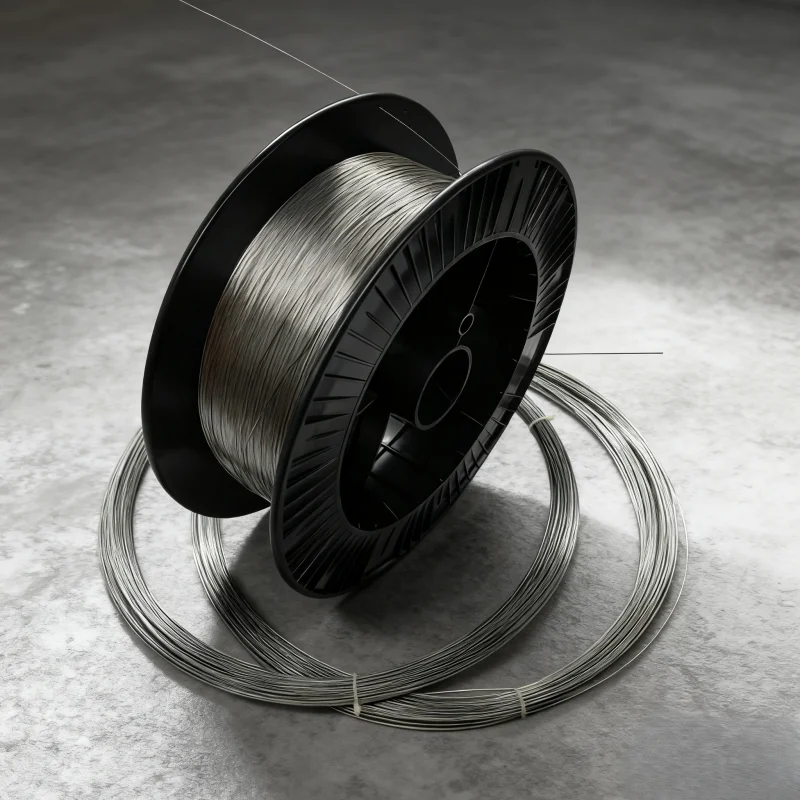
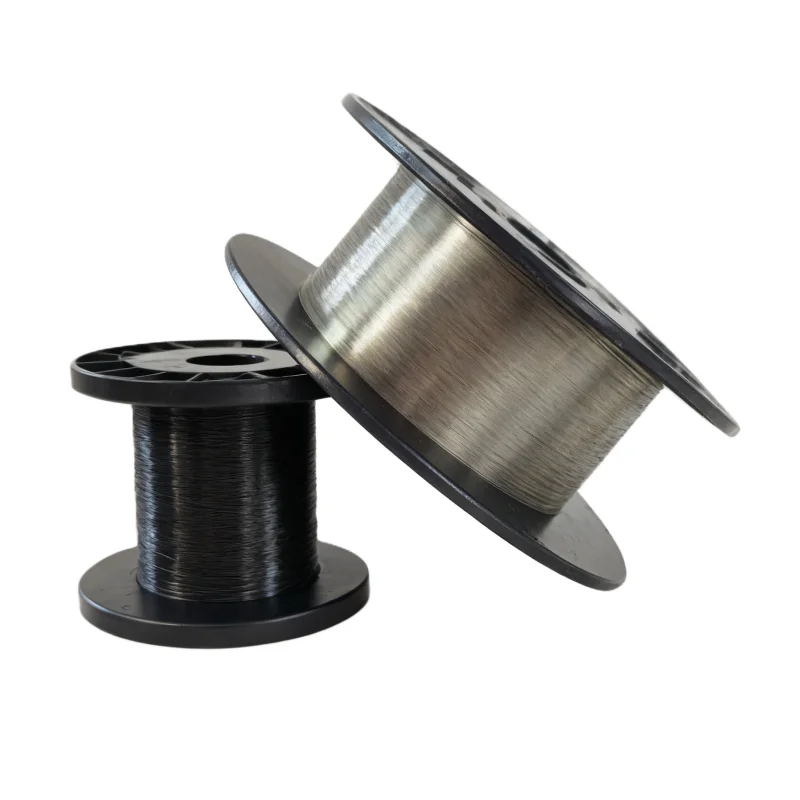
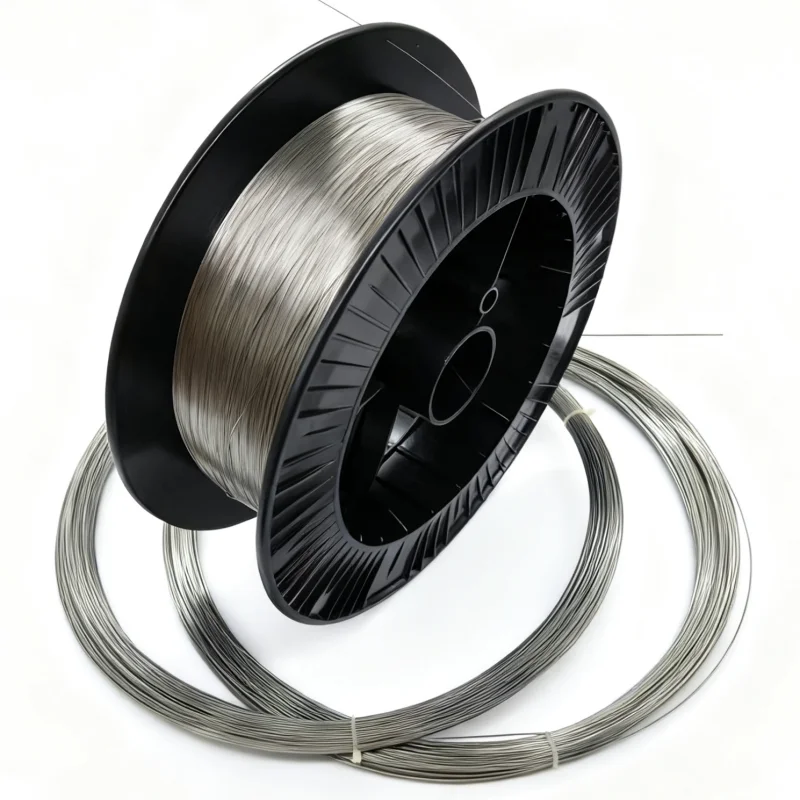
Broad Clinical Versatility That Supports Multiple Specialties and Procedural Settings
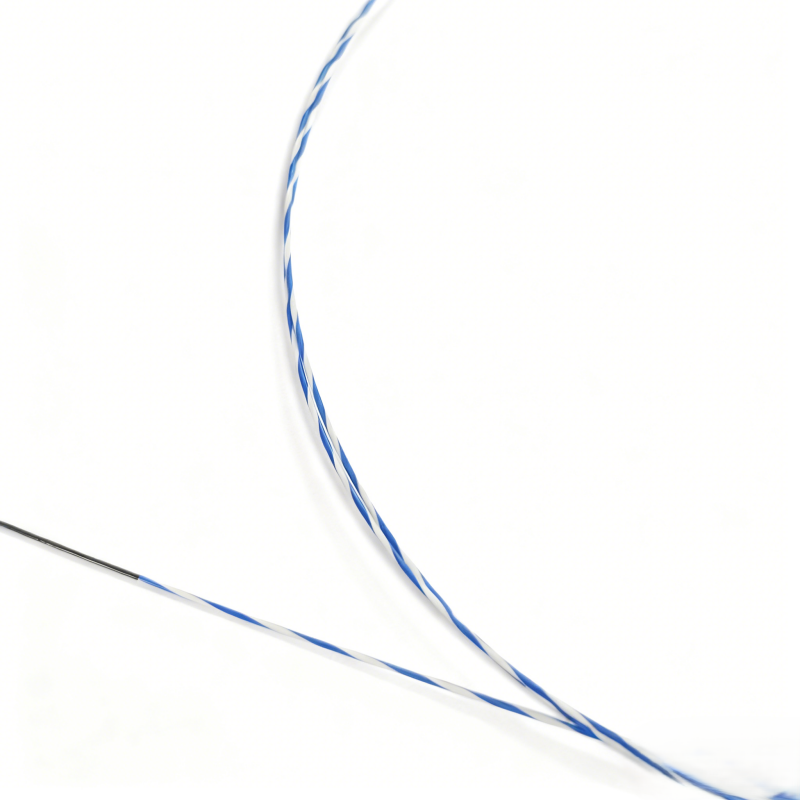
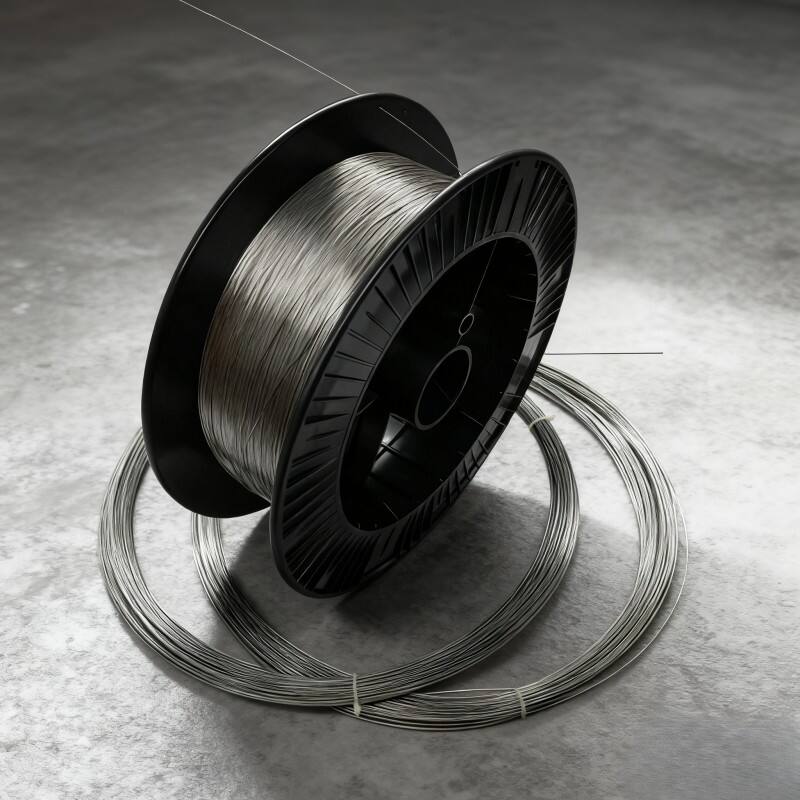
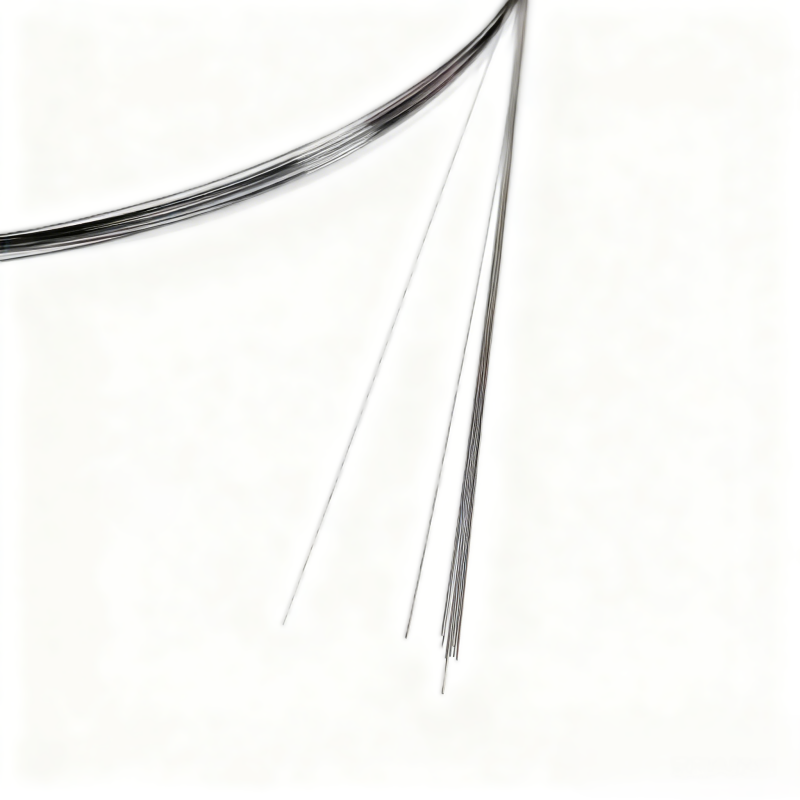
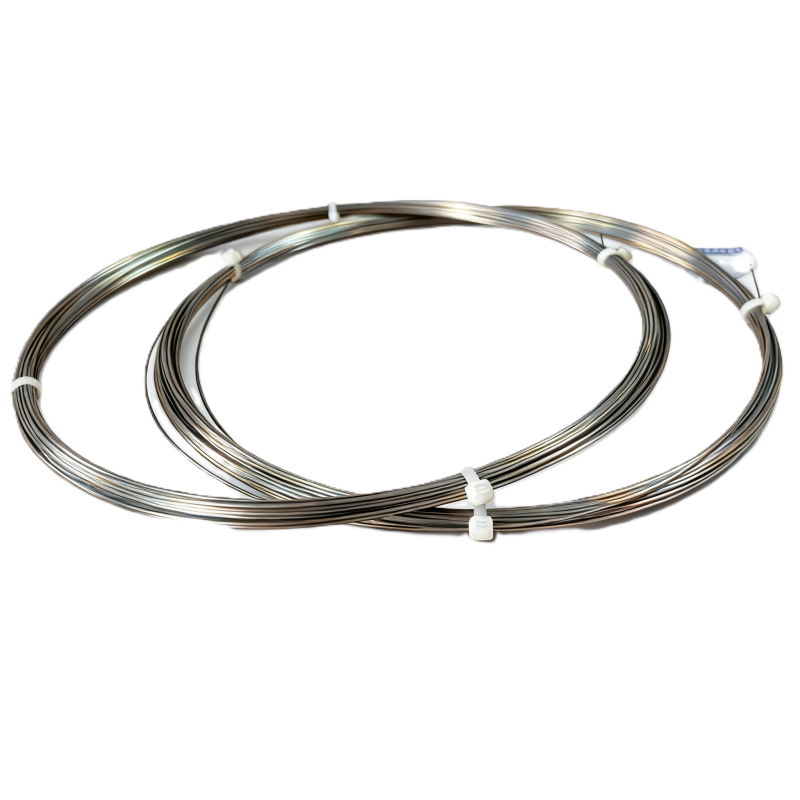
One of the most compelling advantages of the nitinol guidewire is its adaptability across a wide range of clinical specialties and procedural environments. Unlike single-purpose tools that are optimized for one narrow application, the nitinol guidewire platform has been developed and refined to serve interventional cardiologists, vascular surgeons, interventional radiologists, gastroenterologists, and urologists, among others. This cross-specialty utility makes the nitinol guidewire a foundational component of the modern interventional toolkit. In interventional cardiology, the nitinol guidewire is used to cross coronary stenoses, navigate through calcified lesions, and support the delivery of balloons and stents in both elective and emergency settings. The wire's ability to maintain shape memory and transmit torque through the tight curves of the coronary anatomy makes it indispensable in complex percutaneous coronary intervention cases. In peripheral vascular intervention, the nitinol guidewire is deployed to treat arterial occlusions in the iliac, femoral, popliteal, and tibial vessels. The longer working lengths available in peripheral nitinol guidewire configurations allow access to distal vessels that would be unreachable with shorter coronary wires. In interventional radiology, the nitinol guidewire supports procedures such as transjugular intrahepatic portosystemic shunt placement, biliary drainage, nephrostomy access, and tumor embolization. The wire's flexibility and shape retention allow radiologists to navigate through the complex three-dimensional anatomy of the hepatic and biliary systems with accuracy. In gastrointestinal endoscopy, the nitinol guidewire assists with biliary cannulation, pancreatic duct access, and stent placement across strictures. The soft, atraumatic tip of the nitinol guidewire is particularly valued in this setting, where the risk of ductal perforation must be minimized. In urology, the nitinol guidewire is used for ureteroscopy access, ureteral stent placement, and percutaneous nephrolithotomy procedures. The wire's resistance to kinking in the tortuous ureter makes it a reliable choice for urologists managing complex stone disease. This breadth of application means that healthcare facilities investing in nitinol guidewire inventory benefit from a single product family that supports multiple departments and procedure types, simplifying procurement, standardizing training, and maximizing the return on investment across the entire institution.

 EN
EN