Medical Nitinol: Advanced Shape Memory Alloy for Medical Device Applications

Get a Free Quote

Our representative will contact you soon.
Email
Name
Company Name
Message
0/1000

medical nitinol

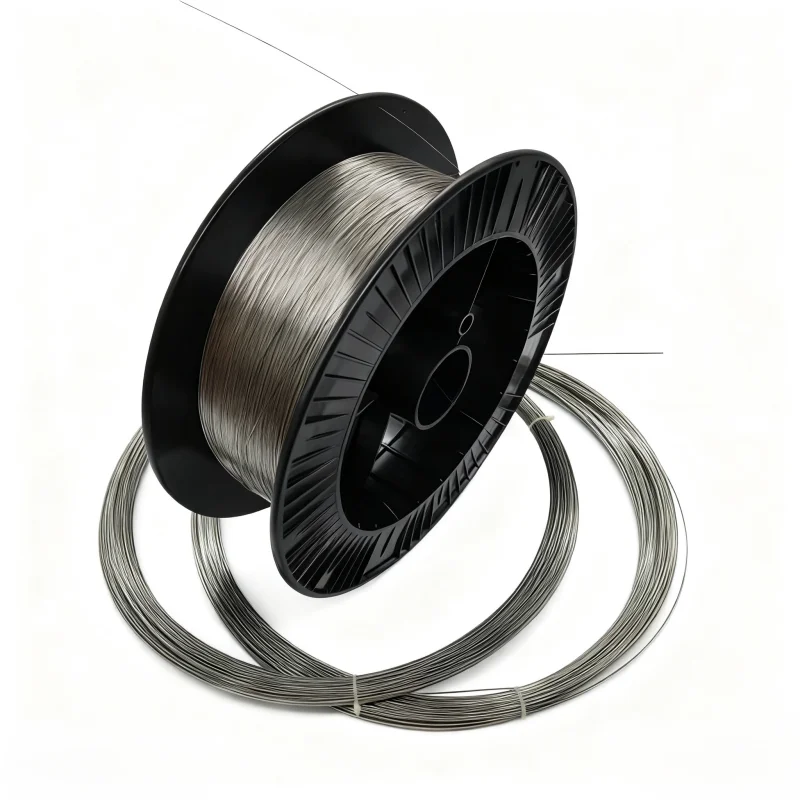
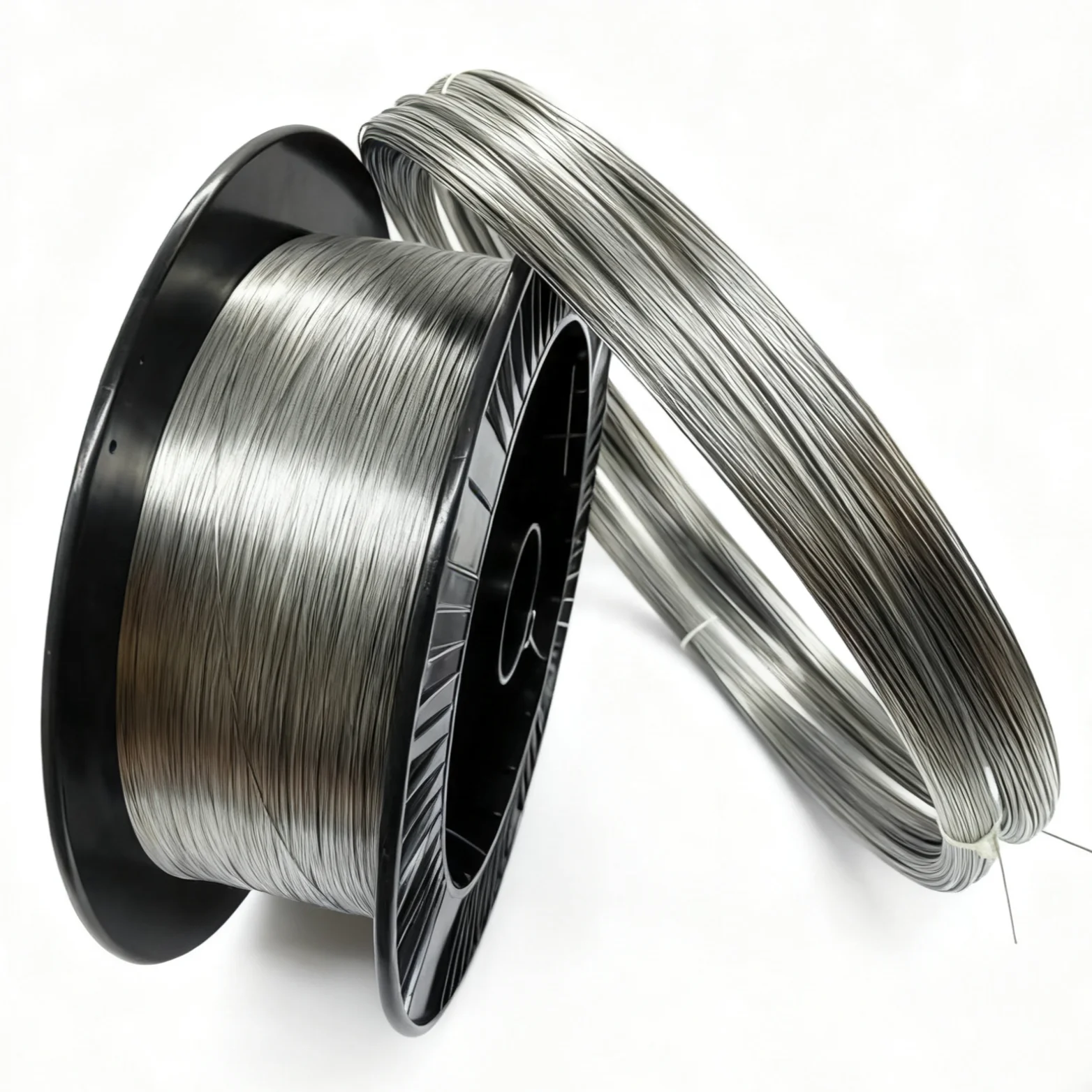
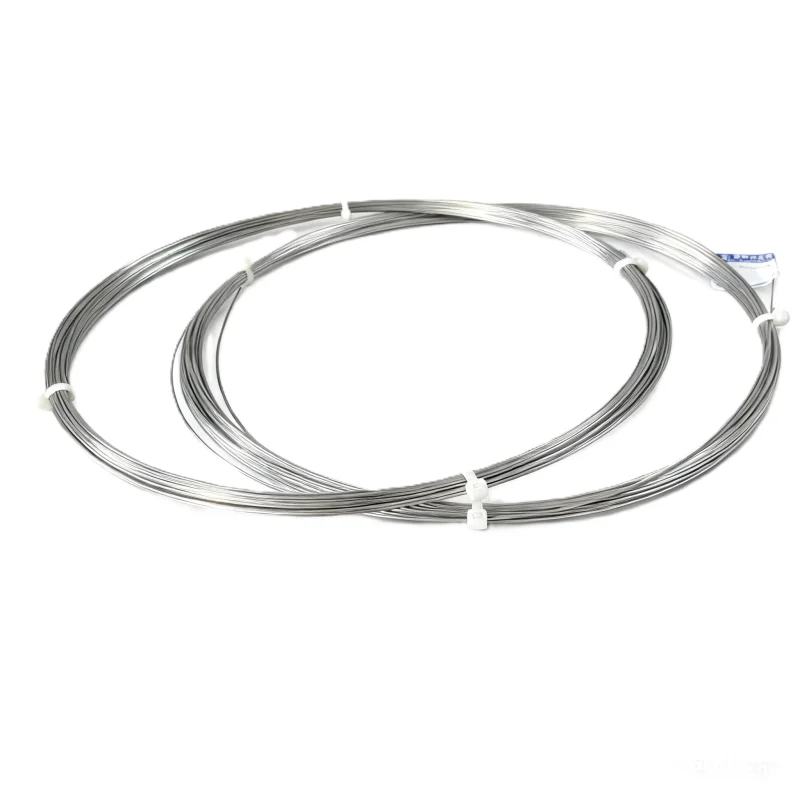
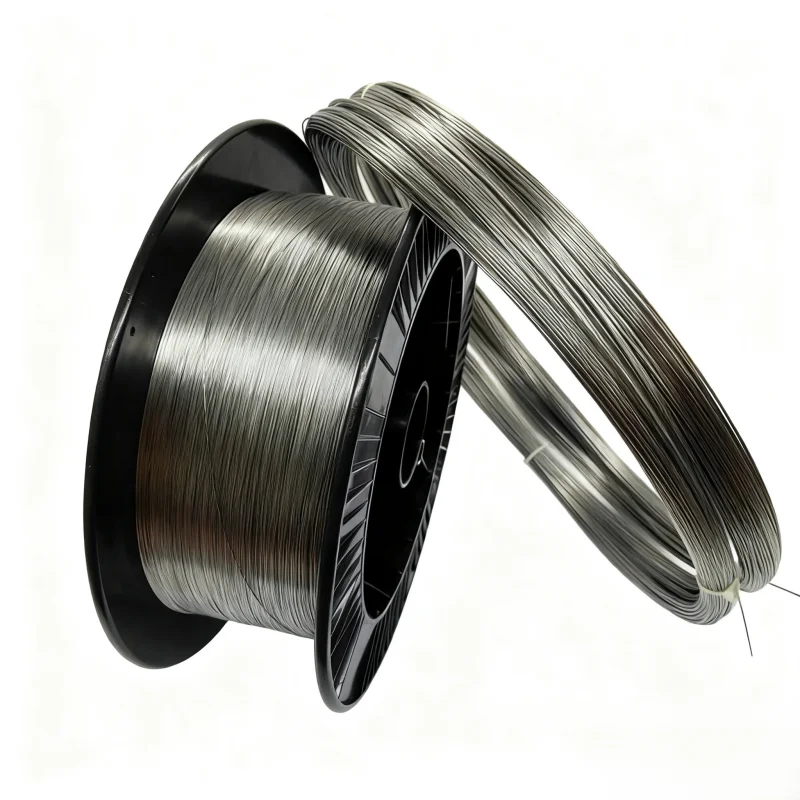
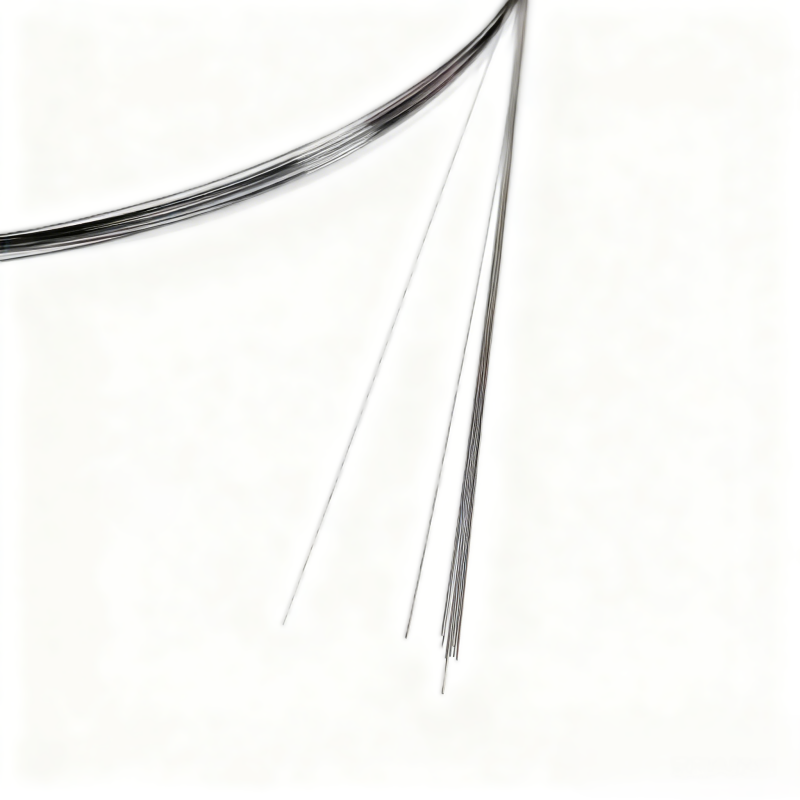
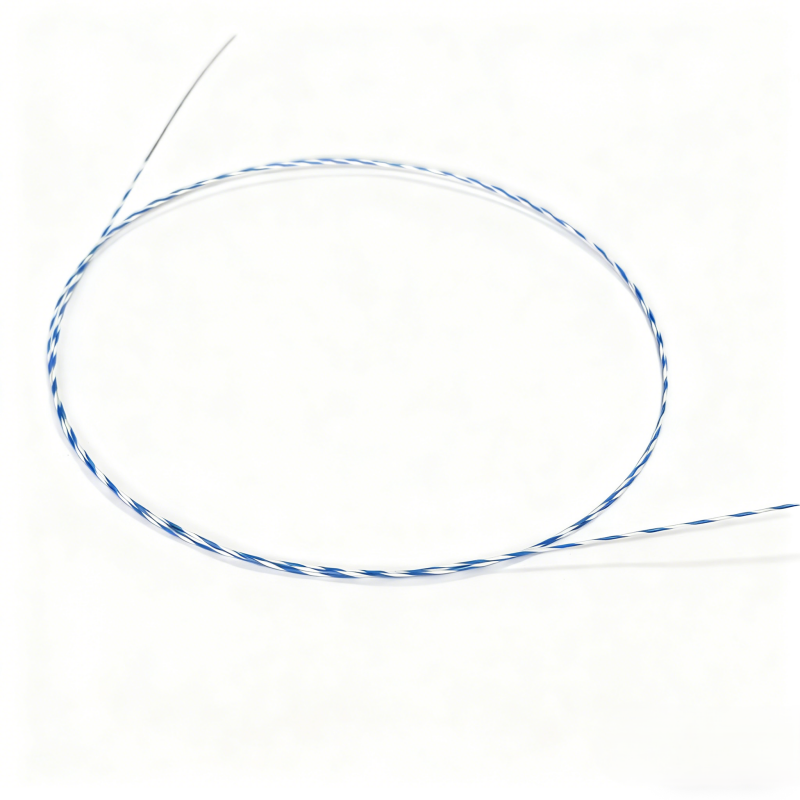
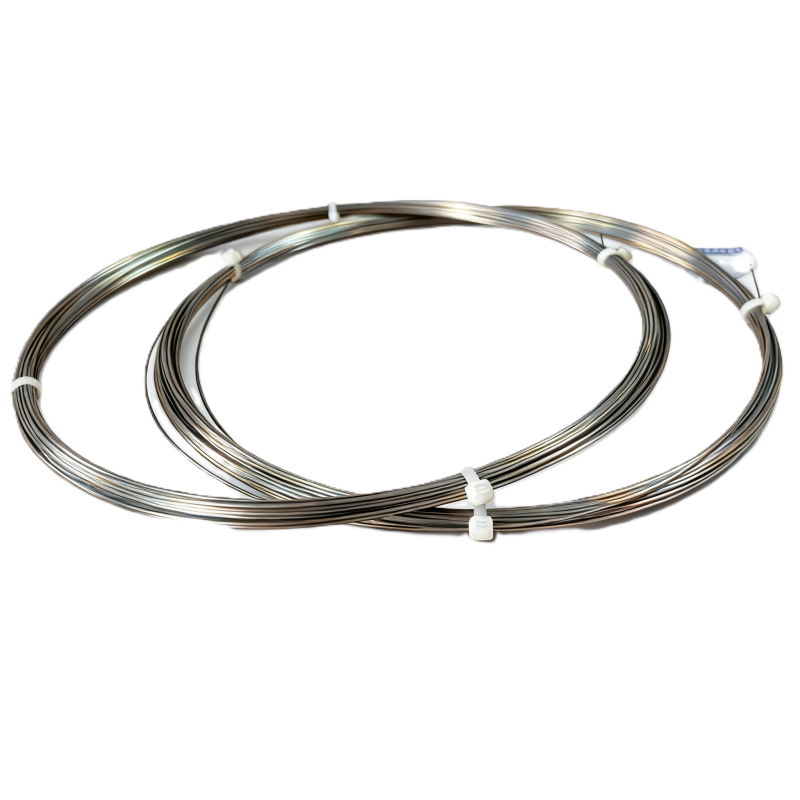
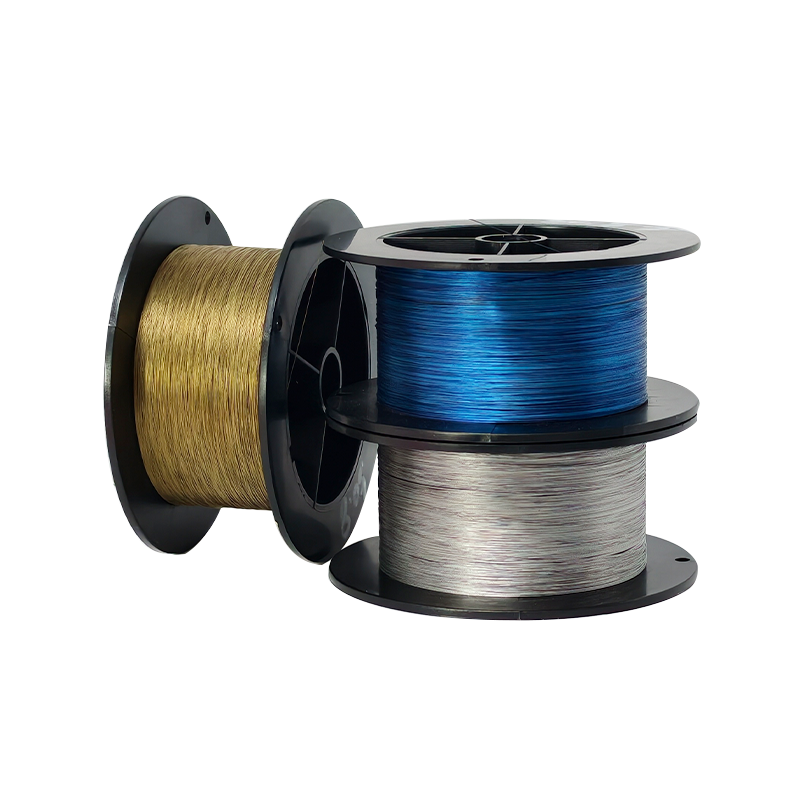
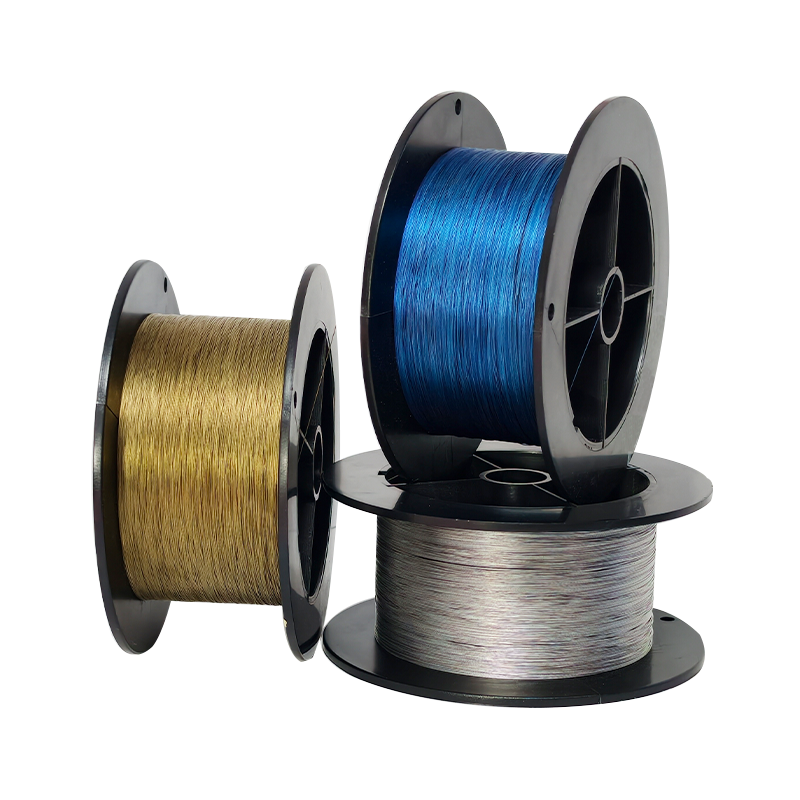
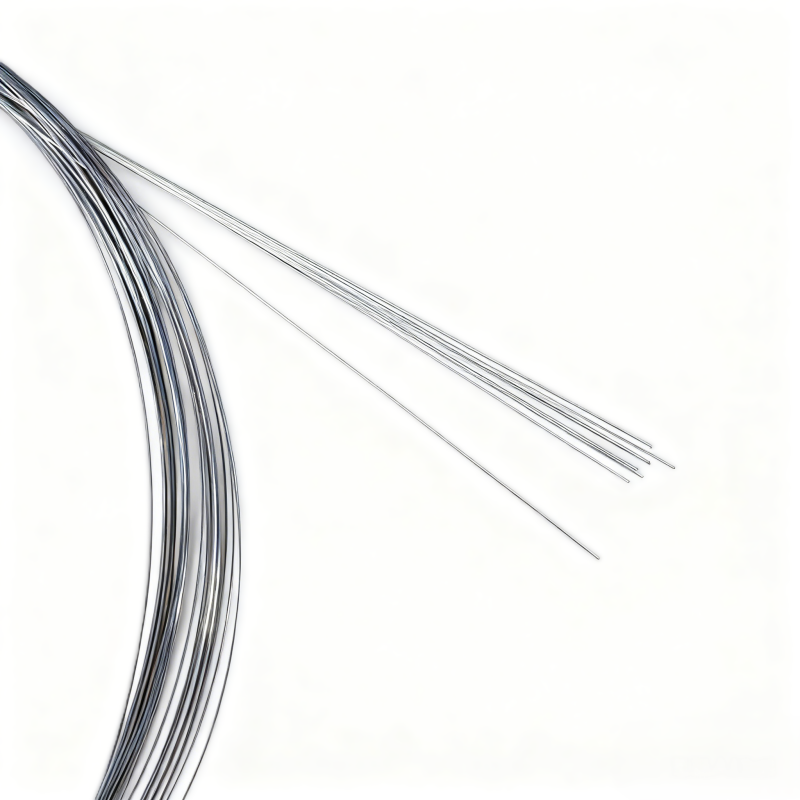
Medical nitinol is a specialized nickel-titanium shape memory alloy that has transformed the landscape of modern medical device engineering. Composed of approximately equal atomic percentages of nickel and titanium, medical nitinol exhibits two extraordinary physical properties that set it apart from conventional biomedical metals: shape memory effect and superelasticity. These characteristics make it an indispensable material in the design and manufacture of minimally invasive medical devices used across a wide range of clinical disciplines. The shape memory effect allows medical nitinol to return to a pre-programmed shape when heated to a specific transition temperature, while superelasticity enables the material to undergo significant deformation and recover its original form once stress is removed, all without permanent damage to the structure. From a technological standpoint, medical nitinol is produced through precise vacuum induction melting and vacuum arc remelting processes that ensure compositional uniformity and biocompatibility. The alloy undergoes rigorous thermomechanical processing, including cold working and heat treatment cycles, to achieve the desired transformation temperatures and mechanical performance. Surface finishing techniques such as electropolishing and passivation are applied to enhance corrosion resistance and reduce nickel ion release, meeting the stringent biocompatibility standards outlined in ISO 10993. Medical nitinol finds extensive application across cardiovascular, orthopedic, neurovascular, and endoscopic fields. In cardiovascular medicine, it serves as the structural backbone of self-expanding stents, heart valve frames, and septal occluders. In orthopedics, medical nitinol is used in bone staples, spinal correction devices, and fixation systems that leverage its compressive recovery force. Neurovascular applications include flow diverters, aneurysm coils, and thrombectomy devices. Endoscopic tools such as guidewires, retrieval baskets, and biopsy forceps also rely on medical nitinol for their flexibility and kink resistance. The material's unique combination of biocompatibility, fatigue resistance, and mechanical adaptability continues to drive innovation in next-generation medical technologies, making medical nitinol a cornerstone of contemporary interventional medicine.

New Products

Medical nitinol gives medical device manufacturers and clinicians a set of practical advantages that directly improve patient outcomes and simplify clinical workflows. Understanding these benefits in plain terms helps purchasing teams, engineers, and healthcare providers make confident decisions when selecting materials for life-critical applications. First, medical nitinol bends without breaking. Unlike stainless steel or cobalt-chromium alloys, medical nitinol can flex dramatically and spring back to its original shape without any permanent deformation. This means devices made from medical nitinol survive the repeated bending and loading cycles that occur inside the human body, particularly in high-motion areas like the femoral artery or the spine. Fewer device failures translate directly into fewer revision procedures and lower long-term costs for healthcare systems. Second, medical nitinol makes minimally invasive procedures possible. Because it can be compressed into a small delivery catheter and then self-expand to its functional size once deployed, medical nitinol enables surgeons to treat complex conditions through tiny incisions. Patients experience shorter hospital stays, faster recovery times, and significantly less post-operative pain compared to open surgical alternatives. This practical benefit drives adoption across cardiovascular, neurovascular, and gastrointestinal specialties. Third, medical nitinol is safe inside the human body. The alloy meets international biocompatibility standards and demonstrates excellent corrosion resistance in physiological environments. Properly processed medical nitinol releases minimal nickel ions, reducing the risk of adverse tissue reactions. Patients with implanted medical nitinol devices can also undergo MRI scans under defined conditions, which is a critical practical advantage for ongoing diagnostic monitoring. Fourth, medical nitinol adapts to body temperature. Many medical nitinol devices are engineered so that their transformation temperature falls just below normal body temperature. When the device warms up inside the body, it exerts a gentle, consistent force that holds tissue in place or maintains vessel patency. This temperature-responsive behavior eliminates the need for mechanical locking mechanisms, simplifying device design and reducing the number of components that could potentially fail. Fifth, medical nitinol resists fatigue over millions of cycles. Cardiovascular implants face hundreds of millions of loading cycles over a device lifetime. Medical nitinol has been extensively tested and proven to maintain structural integrity under these demanding conditions, giving both manufacturers and patients confidence in long-term device performance. Sixth, medical nitinol is highly customizable. Manufacturers can tune the alloy's transformation temperature, stiffness, and surface finish to match specific clinical requirements. This flexibility allows a single material platform to serve diverse applications, from ultra-flexible neurovascular guidewires to robust orthopedic staples, reducing supply chain complexity and development costs. Taken together, these advantages explain why medical nitinol has become the material of choice for the most demanding applications in interventional medicine. Its combination of flexibility, biocompatibility, self-expanding capability, and fatigue resistance delivers measurable value at every stage of the device lifecycle, from design and manufacturing through clinical use and long-term patient follow-up.

Tips And Tricks

How to ensure dimensional tolerances for precision Nitinol metal parts?

18

May

How to ensure dimensional tolerances for precision Nitinol metal parts?

Achieving tight dimensional tolerances in Nitinol metal components is one of the most demanding challenges in precision manufacturing. Unlike conventional metals, Nitinol — a nickel-titanium shape memory alloy — exhibits superelastic recovery and pha...
View More
Why is Starspring's Nitinol metal at the forefront of the smart drive industry?

19

May

Why is Starspring's Nitinol metal at the forefront of the smart drive industry?

The smart drive industry is defined by its relentless demand for materials that can do more with less — components that respond intelligently to their environment, endure repeated mechanical cycles, and perform with precision in applications ranging ...
View More
What breakthroughs can Nitinol material bring to future flexible robot joints?

25

May

What breakthroughs can Nitinol material bring to future flexible robot joints?

The evolution of robotics is deeply tied to the materials that power movement, flexibility, and responsiveness. Among the most promising advances in this space, Nitinol material stands out as a transformative force in the design of flexible robot joi...
View More
How to identify high-quality Nitinol sources with a 21-year background?

01

Jun

How to identify high-quality Nitinol sources with a 21-year background?

Sourcing Nitinol for industrial, medical, or specialty applications is not a decision that should be made lightly. Nitinol, the nickel-titanium shape memory alloy renowned for its superelastic behavior and thermal responsiveness, demands a level of m...
View More

Get a Free Quote

Our representative will contact you soon.
Email
Name
Company Name
Message
0/1000

medical nitinol

Superelasticity That Protects Patients and Devices Alike

Superelasticity That Protects Patients and Devices Alike

One of the most clinically significant properties of medical nitinol is its superelasticity, a behavior that allows the material to tolerate strains of up to eight percent and return to its original geometry without any permanent set. To put that in perspective, conventional stainless steel begins to deform permanently at strains of less than one percent. This extraordinary elastic range is not simply a materials science curiosity. It has direct, measurable consequences for patient safety and device longevity in real-world clinical environments. Inside the human body, implanted devices are subjected to continuous mechanical loading from heartbeats, respiratory motion, muscle contractions, and postural changes. A stent placed in the superficial femoral artery, for example, experiences complex bending, compression, and torsion with every step a patient takes. Over a ten-year implant life, that device may endure more than one hundred million loading cycles. A material that cannot accommodate this mechanical reality will fracture, migrate, or lose its functional geometry, leading to restenosis, thrombosis, or the need for a repeat intervention. Medical nitinol addresses this challenge directly. Its superelastic plateau means that as deformation increases, the stress on the device remains relatively constant rather than rising sharply. This stress-shielding behavior protects surrounding tissue from excessive mechanical irritation while ensuring the device maintains its intended shape and radial force throughout its service life. Device designers leverage this property to create stents, filters, and occluders that conform dynamically to vessel anatomy rather than imposing a rigid structure on compliant biological tissue. The result is better apposition, more uniform drug delivery in drug-eluting applications, and reduced rates of device-related complications. From a manufacturing perspective, superelasticity also simplifies the delivery system design. A medical nitinol implant can be crimped to a fraction of its deployed diameter, loaded into a low-profile catheter, navigated through tortuous anatomy, and then released to self-expand with precision. This capability has been the enabling technology behind an entire generation of transcatheter therapies that have replaced open surgery for millions of patients worldwide. Choosing medical nitinol for superelastic applications means choosing a material whose mechanical behavior is aligned with the demands of the human body, not working against them.
Biocompatibility and MRI Compatibility for Long-Term Implant Confidence

Biocompatibility and MRI Compatibility for Long-Term Implant Confidence

When a medical device is implanted in the human body, the material it is made from must coexist safely with living tissue for years or even decades. Medical nitinol has been the subject of extensive biocompatibility research, and the evidence consistently supports its suitability for long-term implantation when the material is properly processed and surface-finished. Understanding why medical nitinol achieves this level of biological acceptance requires looking at both its bulk chemistry and its surface behavior. In its raw form, nitinol contains approximately fifty percent nickel by atomic weight, and nickel is a known allergen and potential cytotoxin at elevated concentrations. However, the surface of properly processed medical nitinol is dominated by a stable titanium oxide layer that forms naturally during passivation and electropolishing treatments. This oxide layer acts as a barrier that dramatically limits nickel ion release into surrounding tissue and body fluids. Independent studies have demonstrated that ion release rates from well-processed medical nitinol are comparable to or lower than those from other accepted implant alloys such as 316L stainless steel. Regulatory frameworks including ISO 10993 and ASTM F2063 provide the testing and compositional standards that manufacturers must meet to qualify medical nitinol for implant use, and leading suppliers invest heavily in process controls to consistently achieve these benchmarks. Beyond chemical biocompatibility, medical nitinol offers a practical advantage that many other implant metals cannot match: conditional MRI compatibility. Because medical nitinol is weakly paramagnetic rather than ferromagnetic, implants made from this alloy do not experience significant deflection forces or torque in MRI magnetic fields. They also generate relatively modest imaging artifacts compared to ferromagnetic metals, allowing clinicians to obtain diagnostic-quality images in regions adjacent to the implant. For patients who require ongoing monitoring of chronic conditions, the ability to undergo MRI scanning without removing or replacing an implant is a meaningful quality-of-life benefit. It also reduces the diagnostic uncertainty that can arise when imaging artifacts obscure critical anatomical detail. Medical device teams that specify medical nitinol for implantable components are therefore investing not only in mechanical performance but also in the long-term diagnostic freedom of their patients.
Precision Engineering and Customization for Diverse Clinical Applications

Precision Engineering and Customization for Diverse Clinical Applications

The clinical versatility of medical nitinol stems directly from the degree of precision with which its properties can be engineered and customized during manufacturing. Unlike passive structural materials that simply provide mechanical support, medical nitinol is an active functional material whose behavior can be programmed through careful control of alloy composition, thermomechanical processing, and heat treatment parameters. This programmability gives device engineers an exceptional level of design freedom that translates into better-performing, more application-specific products. The most fundamental tunable parameter in medical nitinol is the austenite finish temperature, commonly referred to as Af. By adjusting the nickel-to-titanium ratio by fractions of a percent and modifying the heat treatment schedule, manufacturers can set the Af temperature anywhere from well below zero degrees Celsius to above body temperature. For cardiovascular stents and filters intended to self-expand upon deployment, an Af slightly below body temperature ensures that the device transitions to its functional shape reliably and consistently as soon as it reaches physiological conditions. For shape memory applications such as orthopedic staples that need to generate compressive force across a bone fracture site, a higher Af may be selected so that the device can be deformed in its cold, martensitic state during implantation and then activated by the warmth of surrounding tissue. Beyond transformation temperature, the stiffness, surface texture, and geometric form of medical nitinol components can all be tailored to specific clinical requirements. Laser cutting technology allows manufacturers to produce intricate stent patterns, mesh structures, and lattice geometries from medical nitinol tubing with micron-level precision. Electropolishing and passivation protocols are adjusted to achieve the surface roughness and oxide layer thickness required for each application. Wire drawing processes produce medical nitinol wire in diameters ranging from several millimeters down to tens of microns for guidewire cores, embolic coils, and braided structures. This breadth of manufacturing capability means that a single material, medical nitinol, can serve as the foundation for an enormous range of devices across cardiology, neurology, oncology, urology, and orthopedics. For procurement teams and device developers, this translates into a streamlined supply chain, consolidated supplier relationships, and a shared body of regulatory and clinical evidence that accelerates the path from concept to cleared product. Investing in medical nitinol is investing in a material platform with proven versatility and a strong track record of enabling clinical innovation.
Medical Nitinol: Advanced Shape Memory Alloy for Medical Device Applications

Get a Free Quote

Our representative will contact you soon.
Email
Name
Company Name
Message
0/1000
Newsletter
Please Leave A Message With Us