superelastic nitinol
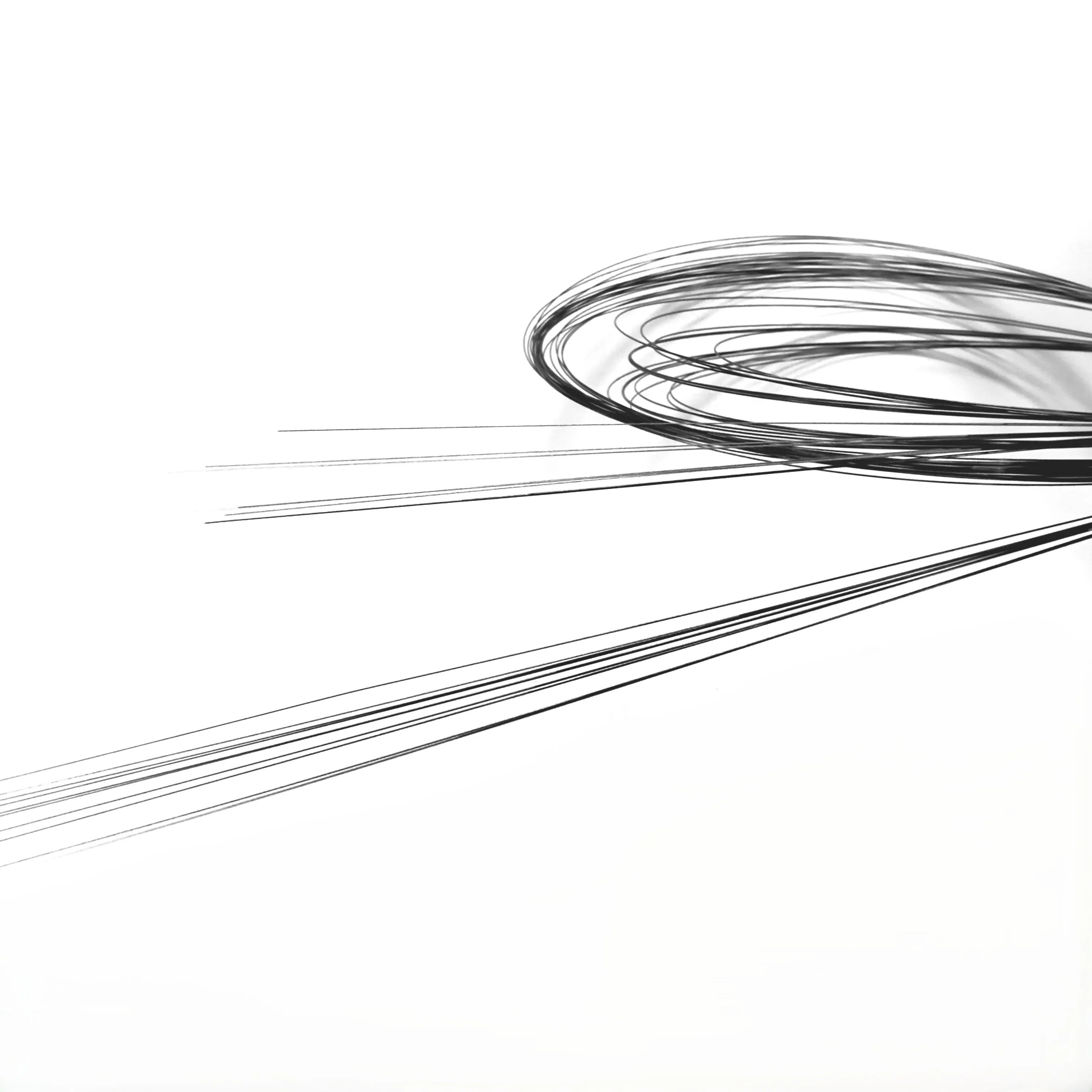
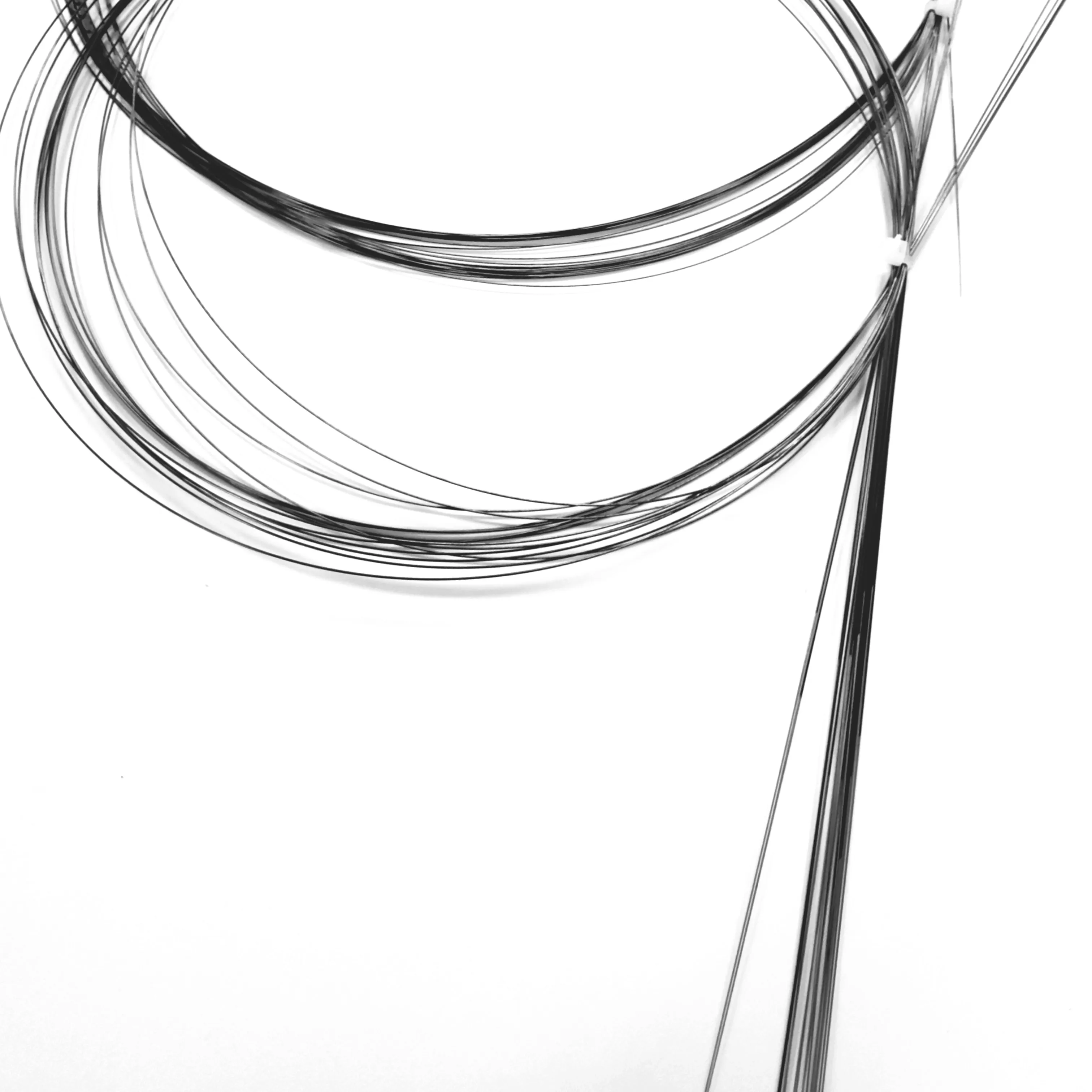
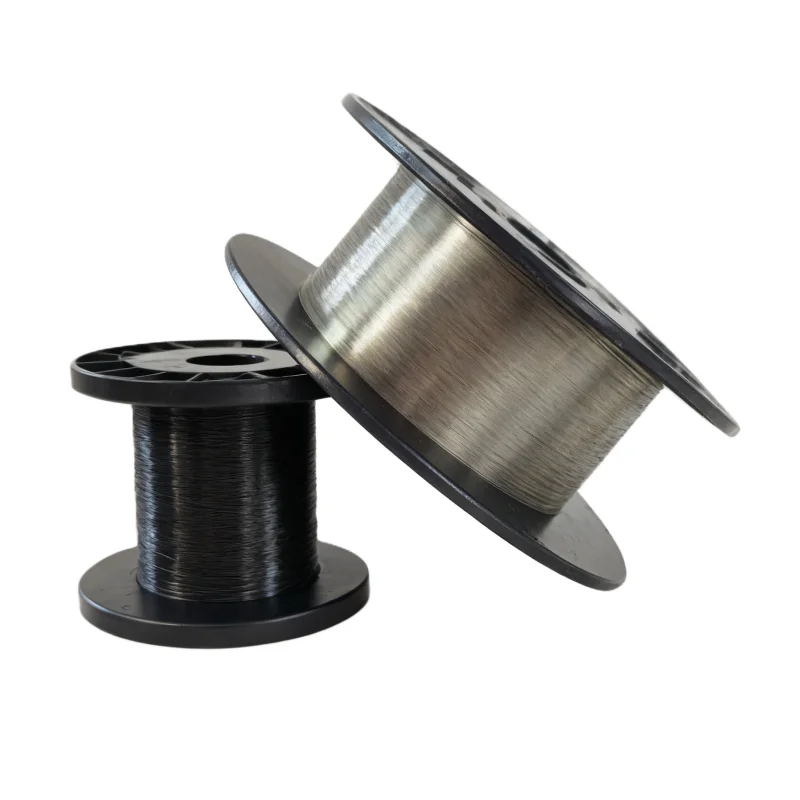
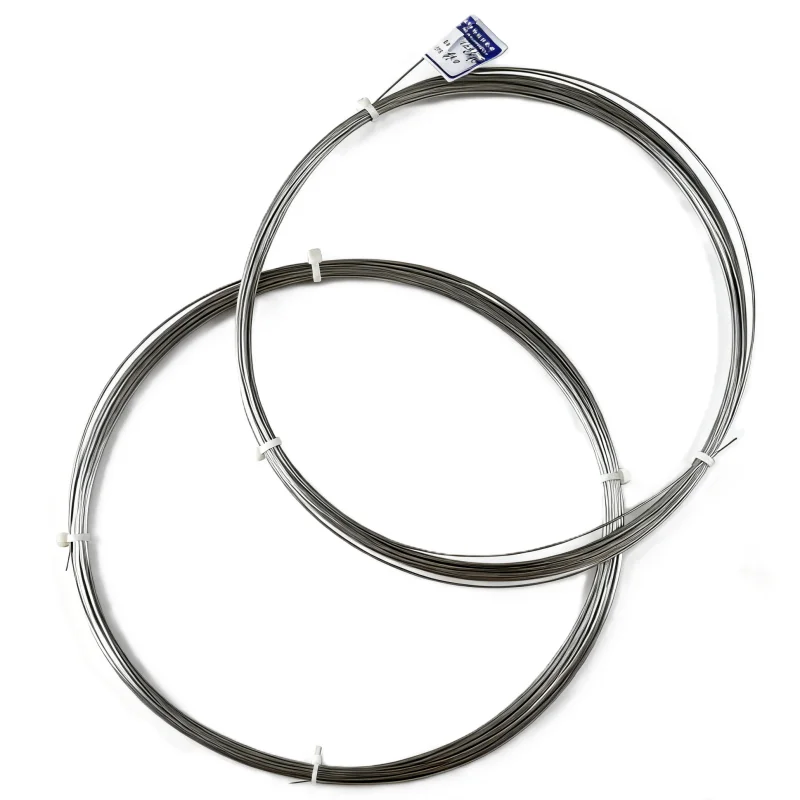
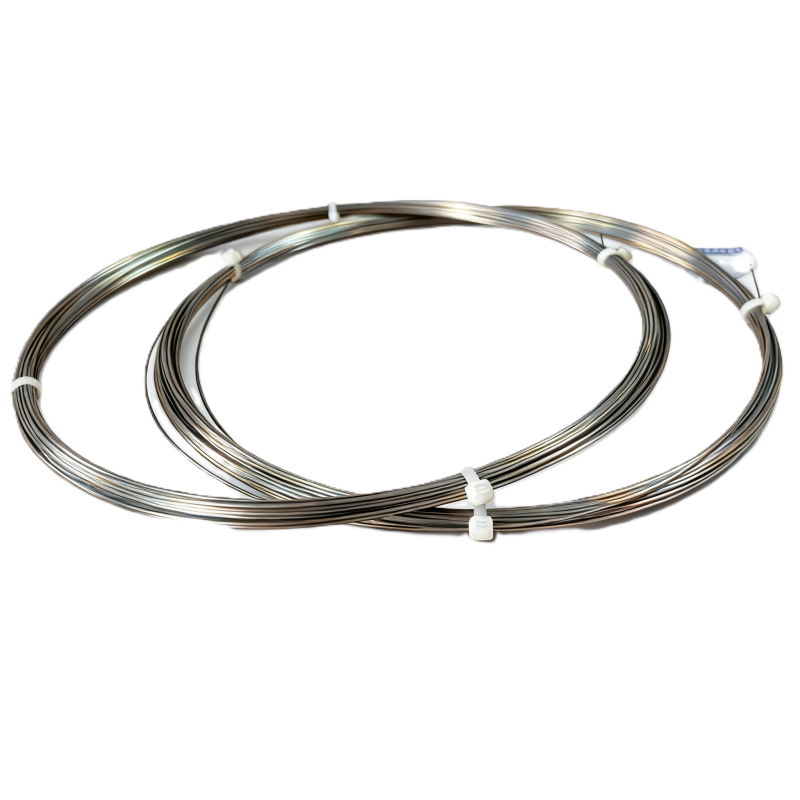
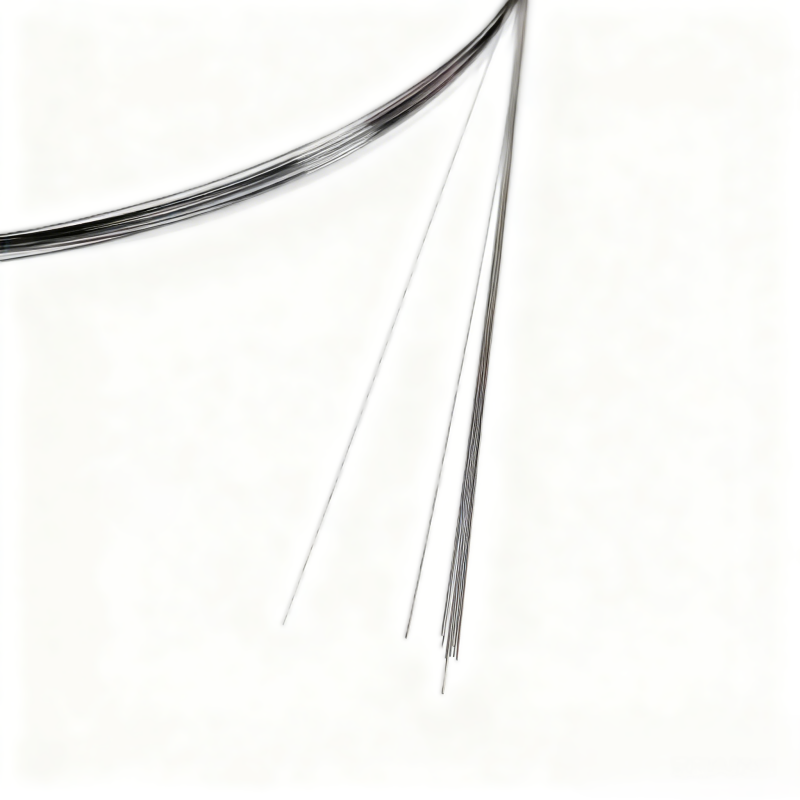
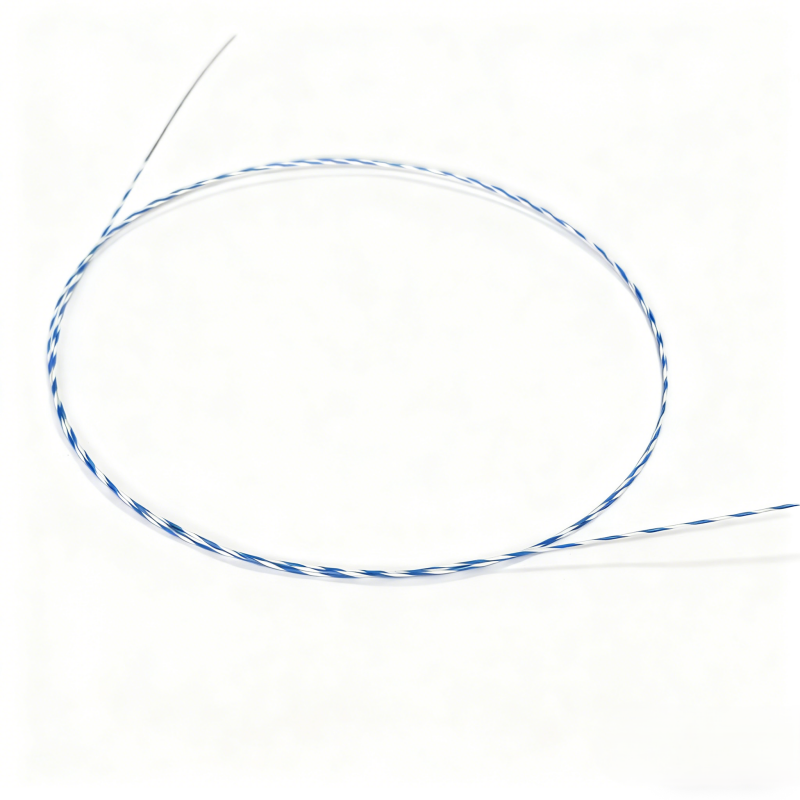
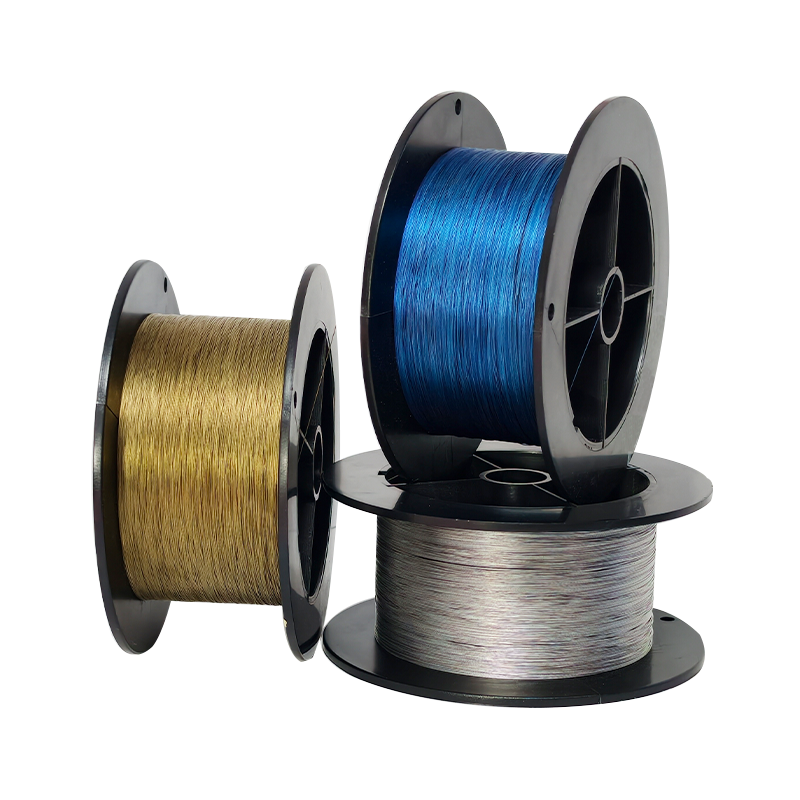
Superelastic nitinol is a remarkable shape memory alloy composed of nearly equal parts nickel and titanium. What sets superelastic nitinol apart from conventional metals is its extraordinary ability to undergo large deformations and then return to its original shape once the applied stress is removed. This behavior, known as superelasticity or pseudoelasticity, occurs at or near body temperature, making superelastic nitinol an ideal material for a wide range of medical, industrial, and consumer applications. The superelastic effect in nitinol is driven by a reversible phase transformation between two crystalline structures: austenite and martensite. When stress is applied, the austenite phase transforms into martensite, allowing the material to absorb significant strain. Upon stress removal, the transformation reverses, and the alloy snaps back to its pre-deformed shape without any permanent distortion. This cycle can be repeated thousands of times without fatigue failure, giving superelastic nitinol exceptional durability. From a technological standpoint, superelastic nitinol offers a unique combination of properties that no single conventional metal can match. It exhibits a strain recovery of up to 8 percent, far exceeding the elastic limits of stainless steel or titanium alloys. It also demonstrates excellent corrosion resistance, biocompatibility, and kink resistance, which are critical in demanding environments. The material can be drawn into fine wires, cut into thin tubes, or formed into complex three-dimensional structures using laser cutting and heat-setting techniques. In terms of applications, superelastic nitinol is widely used in minimally invasive medical devices such as stents, guidewires, orthodontic archwires, and surgical retrieval baskets. Beyond medicine, it finds use in aerospace actuators, eyeglass frames, mobile phone antennas, and robotic components. Its ability to flex repeatedly without breaking makes it indispensable wherever reliability and resilience are non-negotiable requirements. As manufacturing precision improves, the range of superelastic nitinol applications continues to expand rapidly.

 EN
EN