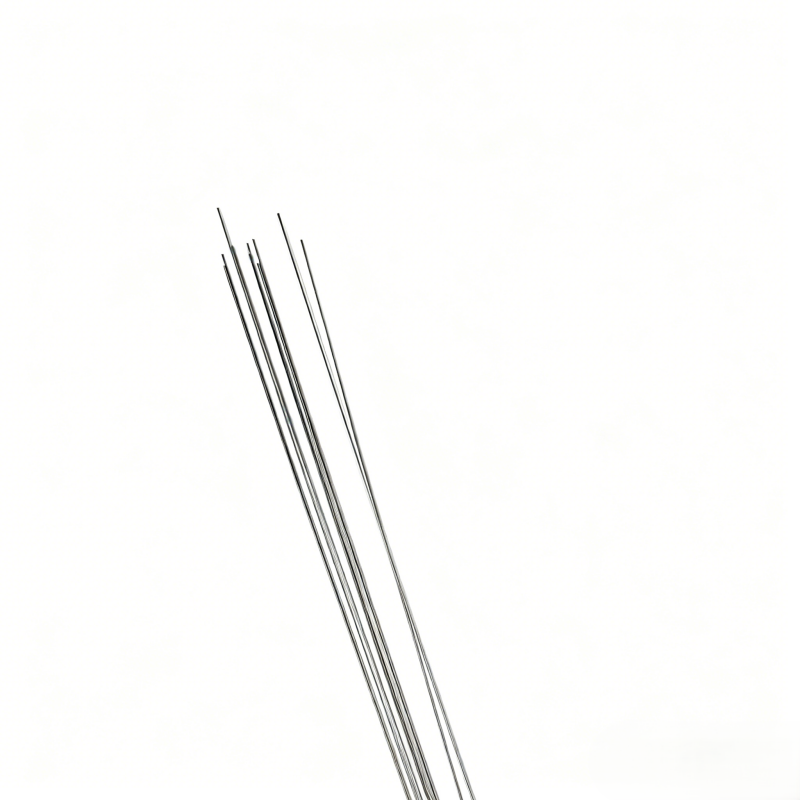
Nitinol Devices and Components: Shape Memory and Superelastic Solutions

Get a Free Quote

Our representative will contact you soon.
Email
Name
Company Name
Message
0/1000

nitinol devices & components

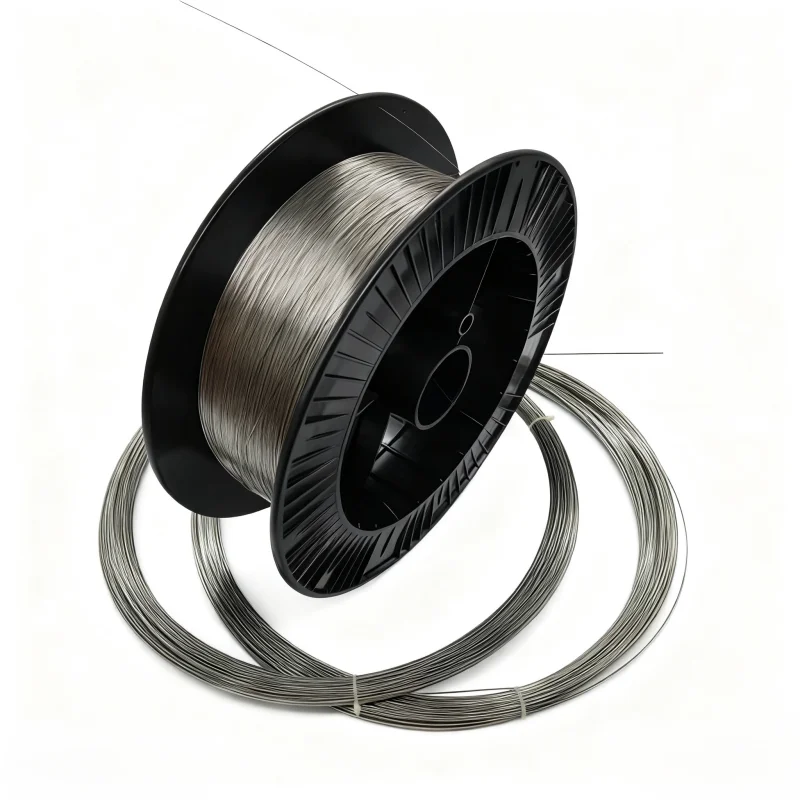
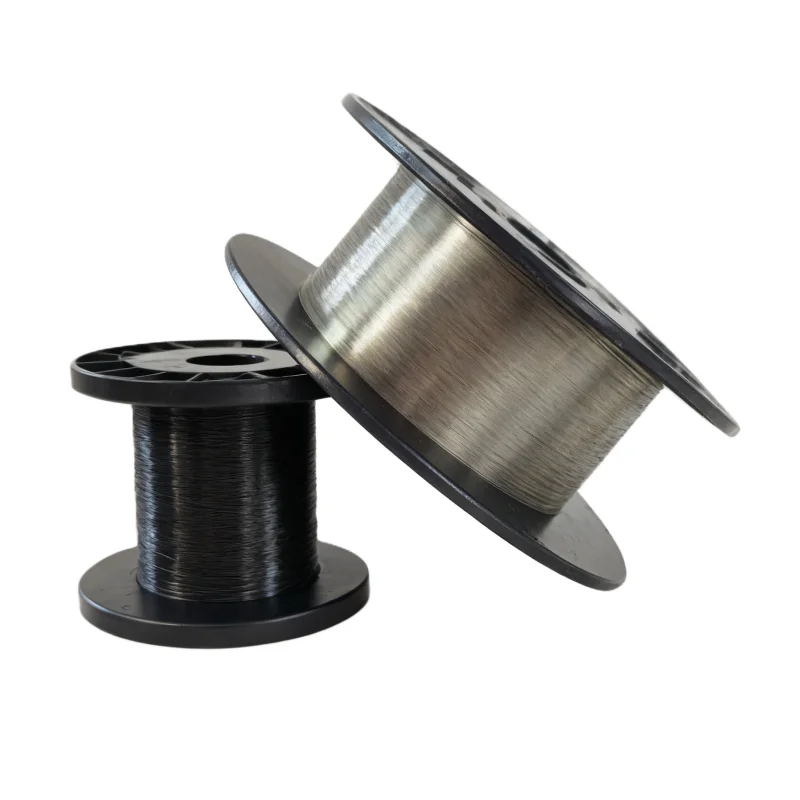
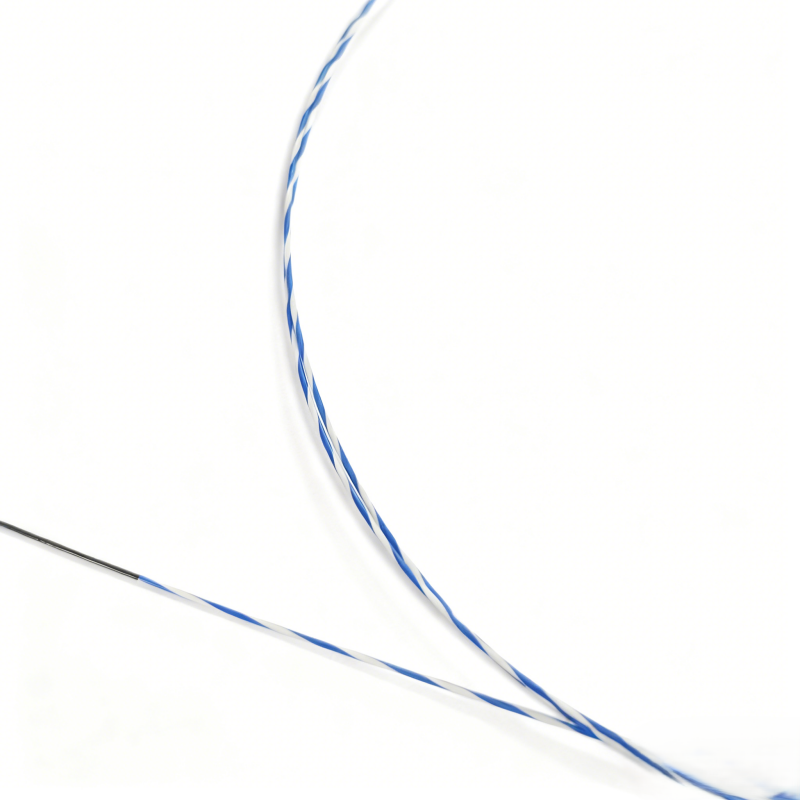
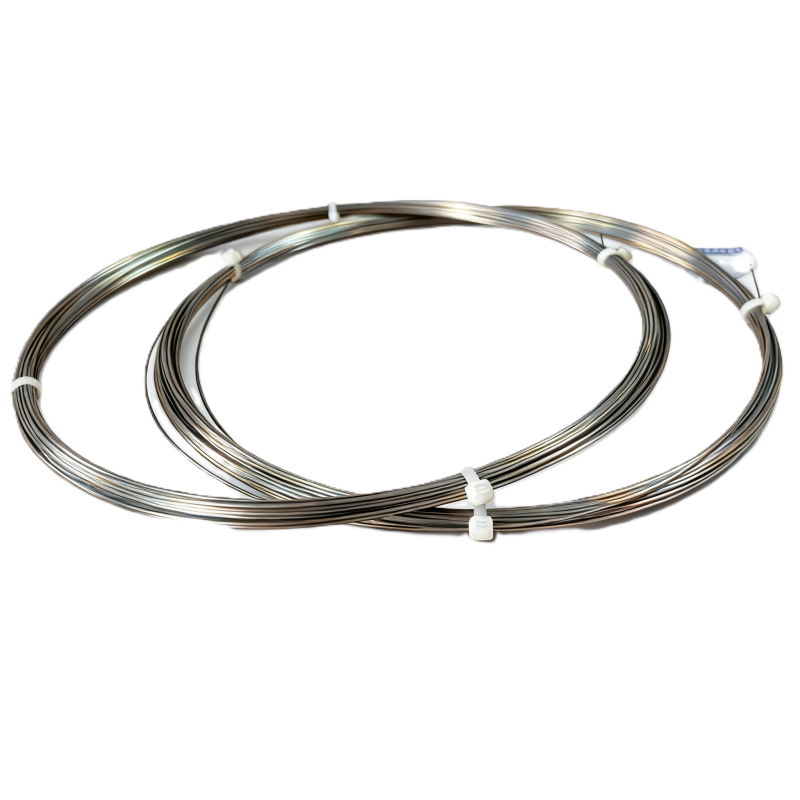
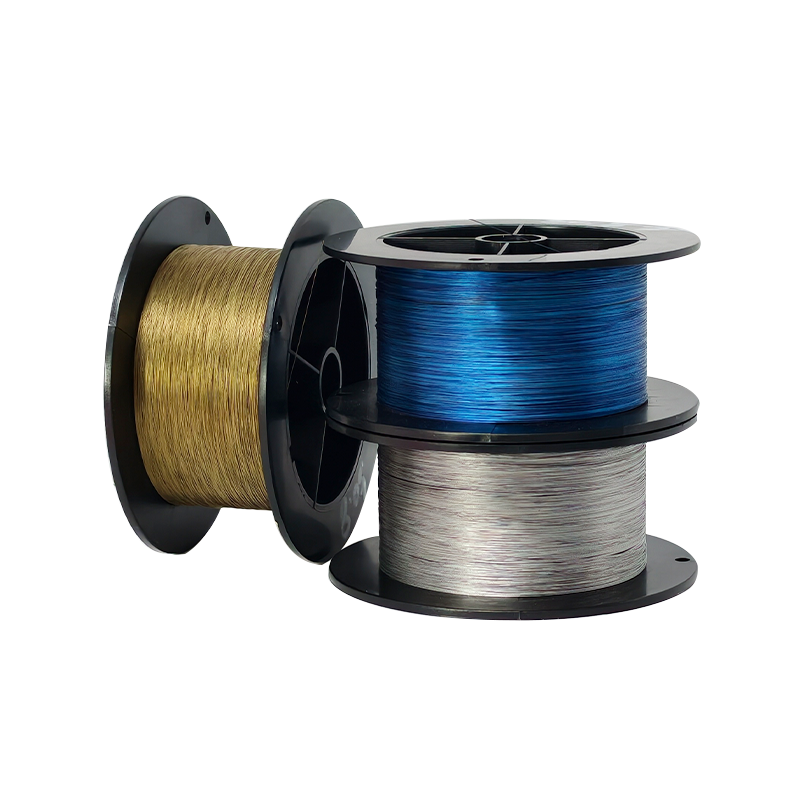
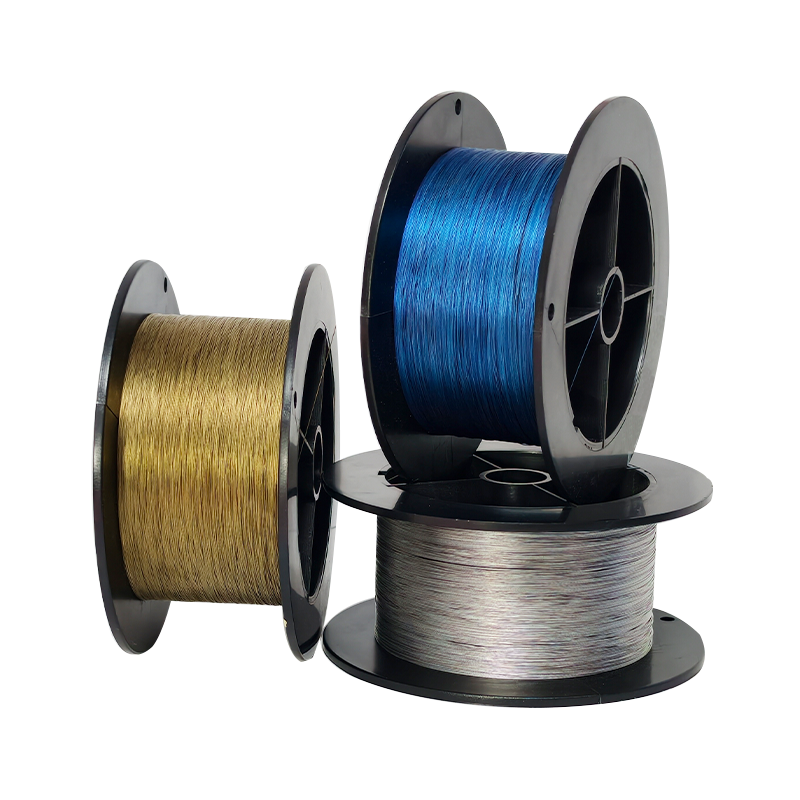
Nitinol devices and components represent a remarkable class of advanced materials engineering, built on a nickel-titanium alloy that exhibits two extraordinary physical phenomena: the shape memory effect and superelasticity. These properties make nitinol devices and components unlike any conventional metal parts, enabling them to recover their original shape after significant deformation and to withstand repeated mechanical stress without permanent damage. Originally developed through research at the Naval Ordnance Laboratory in the 1960s, nitinol has since evolved into a cornerstone material across medical, aerospace, industrial, and consumer technology sectors. The name itself reflects this origin, combining Nickel, Titanium, and Naval Ordnance Laboratory into a single recognizable term. At the core of nitinol devices and components is a thermally driven phase transformation between two crystalline structures: austenite and martensite. When cooled, the alloy shifts into a martensitic phase that is soft and easily deformed. Upon heating above a specific transition temperature, it reverts to the austenitic phase and snaps back to its programmed shape with considerable force. This behavior is precisely engineered by adjusting the alloy composition and heat treatment processes, allowing manufacturers to tailor transition temperatures for specific application requirements. Superelastic nitinol devices and components operate at body or room temperature, making them ideal for applications where flexible yet resilient performance is critical. In the medical field, nitinol devices and components are used extensively in stents, guidewires, orthodontic archwires, bone anchors, and surgical tools. Their biocompatibility, corrosion resistance, and ability to navigate complex anatomical pathways have made them indispensable in minimally invasive procedures. In aerospace and robotics, nitinol actuators and fasteners provide lightweight, reliable motion control. Industrial applications include pipe couplings, vibration dampeners, and thermal actuators. The precision manufacturing of nitinol devices and components demands specialized expertise in alloy formulation, laser cutting, electropolishing, and shape-setting heat treatment, ensuring each component meets exacting performance and safety standards across every application domain.


Popular Products

Nitinol devices and components deliver a set of practical benefits that few other materials can match, and understanding these advantages helps buyers and engineers make smarter decisions for their projects. The first major benefit is the ability to return to a pre-set shape after being bent, compressed, or stretched. This shape memory behavior means that nitinol devices and components can be packaged in a compact, deformed state for easy delivery or installation, then triggered by body heat or ambient temperature to expand and perform their intended function. This eliminates the need for complex mechanical deployment systems and reduces the number of moving parts in a design. Second, the superelastic property of nitinol devices and components allows them to absorb and recover from strains up to eight times greater than conventional stainless steel or titanium components. In practical terms, this means a nitinol stent can be crimped onto a catheter, navigate through narrow and curved blood vessels, and spring open precisely at the target site without losing structural integrity. For engineers designing flexible instruments or wearable devices, this level of elastic recovery translates directly into longer product life and fewer field failures. Third, nitinol devices and components are highly biocompatible. The stable oxide layer that forms on the surface of nitinol resists corrosion in saline and biological environments, making these components safe for long-term implantation in the human body. Regulatory agencies around the world have approved nitinol for use in permanent implants, which gives medical device manufacturers a clear path to market. Fourth, nitinol devices and components offer excellent fatigue resistance. Because the material accommodates deformation through a reversible phase transformation rather than plastic deformation, it can endure millions of flex cycles without cracking. This is critical in cardiac rhythm management devices, where a component may flex with every heartbeat for years. Fifth, the lightweight nature of nitinol devices and components reduces the overall mass of assemblies, which matters in aerospace, robotics, and portable medical equipment where every gram counts. Sixth, nitinol devices and components can be precisely manufactured using laser cutting, wire EDM, and CNC machining, enabling complex geometries that would be impossible or cost-prohibitive in other materials. Custom shapes, fine mesh patterns, and intricate lattice structures are all achievable. Seventh, the thermal actuation capability of nitinol devices and components provides a clean, silent, and electrically simple alternative to motors and solenoids in automation systems. A nitinol wire or spring can generate significant force simply by being heated with a small electrical current, making it attractive for compact actuator designs. Taken together, these advantages make nitinol devices and components a high-value investment for any application that demands reliability, precision, and performance in challenging environments.

Practical Tips

Why is phase transition stability of nickel titanium wire key to actuator success?

13

May

Why is phase transition stability of nickel titanium wire key to actuator success?

In the world of precision actuators, the materials used to generate motion are not merely components — they are the foundation of reliability. nickel titanium wire has emerged as one of the most compelling active materials in modern actuator engineer...
View More
Why do full-chain manufacturers provide a more stable supply of SMA wire?

14

May

Why do full-chain manufacturers provide a more stable supply of SMA wire?

In industrial and medical procurement, supply chain reliability is not a luxury — it is a fundamental requirement. When sourcing SMA wire, the type of manufacturer you partner with has a direct and measurable impact on delivery consistency, material ...
View More
How to identify high-quality Nitinol sources with a 21-year background?

01

Jun

How to identify high-quality Nitinol sources with a 21-year background?

Sourcing Nitinol for industrial, medical, or specialty applications is not a decision that should be made lightly. Nitinol, the nickel-titanium shape memory alloy renowned for its superelastic behavior and thermal responsiveness, demands a level of m...
View More
Why should you prioritize the manufacturer's R&D center when choosing partners?

02

Jun

Why should you prioritize the manufacturer's R&D center when choosing partners?

When evaluating potential manufacturing partners, most procurement teams focus on price, lead time, and production capacity. These are legitimate criteria, but they often overlook one of the most telling indicators of long-term value: the strength an...
View More

Get a Free Quote

Our representative will contact you soon.
Email
Name
Company Name
Message
0/1000

nitinol devices & components

Shape Memory Performance That Simplifies Complex Designs

Shape Memory Performance That Simplifies Complex Designs

One of the most compelling reasons engineers and product designers choose nitinol devices and components is the shape memory effect, a property that fundamentally changes how mechanical systems can be conceived and built. Traditional engineering approaches often require springs, motors, hinges, or pneumatic systems to achieve controlled movement or deployment. Nitinol devices and components replace all of that complexity with a single material that remembers its shape and returns to it on command. The mechanism behind this capability is a solid-state phase transformation. When nitinol is cooled below its transformation temperature, it enters a martensitic crystalline state that is pliable and easy to deform. A technician or automated system can reshape the component into a compact configuration for storage, shipping, or insertion. When the component is exposed to a trigger temperature, which can be precisely set during manufacturing to match body temperature, warm water, or a specific industrial process temperature, the material transitions back to its austenitic phase and recovers its original programmed geometry with measurable force. For medical device manufacturers, this means a self-expanding stent or filter can be loaded into a thin delivery catheter, advanced through the vascular system with minimal trauma, and deployed simply by releasing it at the target site where body heat does the rest. There is no balloon inflation, no mechanical release mechanism, and no operator-dependent deployment force required. The result is a more predictable, reproducible clinical outcome. For industrial designers, nitinol devices and components with shape memory behavior serve as thermal actuators in HVAC systems, fire safety valves, and temperature-responsive mechanisms. When a pipe fitting made from nitinol is cooled and expanded, it can be slipped over a joint and then allowed to warm to room temperature, contracting tightly around the connection to form a leak-proof seal without any tools or fasteners. This application alone has saved significant assembly time and cost in aerospace and plumbing installations. The ability to program the transition temperature with precision, typically within a range of minus 20 degrees Celsius to over 100 degrees Celsius, gives engineers extraordinary design flexibility. Combined with the repeatability of the transformation over thousands of cycles, nitinol devices and components with shape memory capability represent a durable, elegant solution to problems that once required far more mechanical complexity.
Superelasticity That Delivers Unmatched Flexibility and Durability

Superelasticity That Delivers Unmatched Flexibility and Durability

Superelasticity is the second defining characteristic of nitinol devices and components, and it is the property that makes these materials so valuable in applications where repeated bending, flexing, or compression is unavoidable. Unlike ordinary metals that deform permanently when bent beyond their elastic limit, superelastic nitinol devices and components can be strained by as much as eight percent and still return completely to their original shape once the load is removed. This behavior occurs because the mechanical stress of bending triggers the same austenite-to-martensite phase transformation that heat drives in shape memory applications, but in this case the transformation is stress-induced and fully reversible at constant temperature. The practical implications of this property are enormous across multiple industries. In interventional cardiology, guidewires made from nitinol devices and components can be advanced through the tortuous anatomy of coronary arteries, bent around sharp curves, and withdrawn without any permanent kinking or set. This gives physicians reliable, consistent tool behavior throughout a procedure, reducing the risk of complications caused by a wire that has lost its shape. Orthodontic archwires made from nitinol devices and components apply a continuous, gentle force to teeth over a wide range of deflection, meaning fewer adjustment appointments and more comfortable treatment for patients. In eyewear, superelastic nitinol frames can be twisted, sat upon, and bent dramatically without breaking or losing their fit, a feature that has made them a premium choice for active consumers. For robotics and automation engineers, superelastic nitinol devices and components enable flexible linkages and compliant mechanisms that absorb shock and vibration without fatigue failure. A robotic gripper or surgical tool tip built with nitinol components can flex repeatedly through demanding duty cycles while maintaining dimensional accuracy. The fatigue life of superelastic nitinol devices and components under cyclic loading is substantially greater than that of stainless steel or cobalt-chromium alloys at equivalent strain levels, which translates directly into longer service intervals, lower replacement costs, and higher system reliability. For any application where a component must flex, bend, or compress repeatedly without failure, superelastic nitinol devices and components are the technically superior and economically sound choice.
Biocompatibility and Corrosion Resistance for Long-Term Reliability

Biocompatibility and Corrosion Resistance for Long-Term Reliability

When a material is placed inside the human body or exposed to harsh chemical environments, its ability to remain stable, non-reactive, and structurally sound over time is not a secondary consideration but an absolute requirement. Nitinol devices and components meet this requirement through a combination of inherent material properties and surface chemistry that has been validated through decades of clinical use and rigorous regulatory review. The surface of nitinol devices and components naturally forms a stable titanium oxide layer when exposed to oxygen. This passive oxide layer acts as a barrier between the underlying nickel-titanium alloy and the surrounding biological or chemical environment. It prevents corrosion, resists ion release, and does not provoke significant inflammatory responses in human tissue. This is why nitinol devices and components have received regulatory clearance for permanent implantation in applications ranging from cardiovascular stents and inferior vena cava filters to orthopedic staples and spinal implants. The biocompatibility of nitinol devices and components has been confirmed through ISO 10993 testing protocols, which evaluate cytotoxicity, sensitization, genotoxicity, and systemic toxicity. Manufacturers who apply additional surface treatments such as electropolishing, passivation, or titanium nitride coating can further enhance the corrosion resistance and surface smoothness of nitinol devices and components, reducing the risk of particulate generation and improving long-term performance in dynamic implant environments. Beyond medical applications, the corrosion resistance of nitinol devices and components makes them highly suitable for use in marine hardware, chemical processing equipment, and oil and gas instrumentation, where exposure to saltwater, acids, or high-pressure fluids would rapidly degrade conventional steel components. The combination of corrosion resistance, mechanical resilience, and biocompatibility in a single material gives product developers a significant advantage. They do not need to compromise between structural performance and chemical stability. Nitinol devices and components deliver both simultaneously, reducing design complexity, lowering the total number of material qualifications required, and shortening the path from prototype to certified product. For any application where long-term reliability in a demanding environment is non-negotiable, nitinol devices and components stand as the proven, trusted solution.
Nitinol Devices and Components: Shape Memory and Superelastic Solutions

Get a Free Quote

Our representative will contact you soon.
Email
Name
Company Name
Message
0/1000
Newsletter
Please Leave A Message With Us