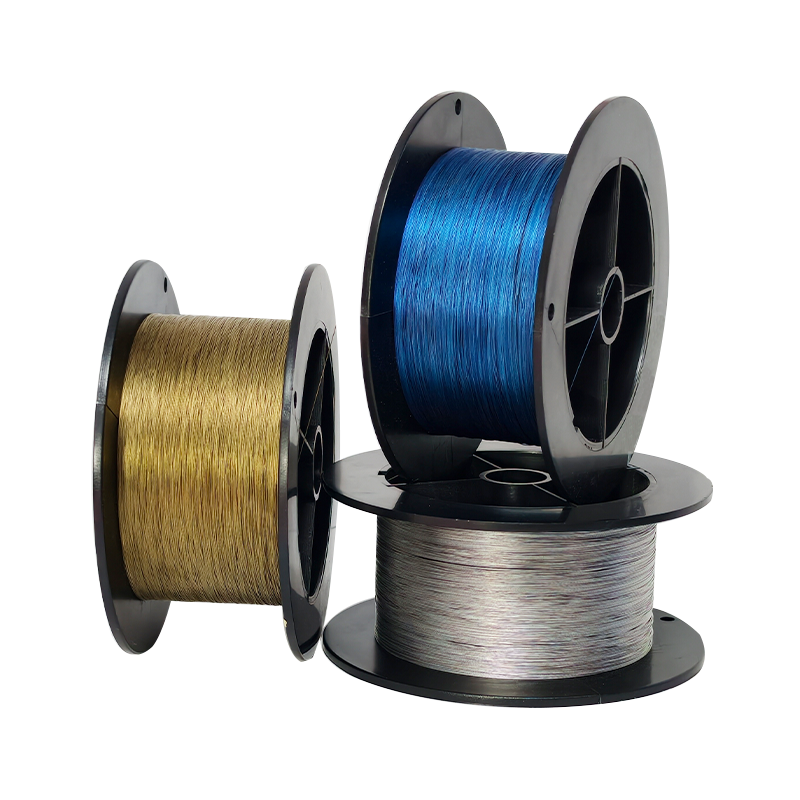
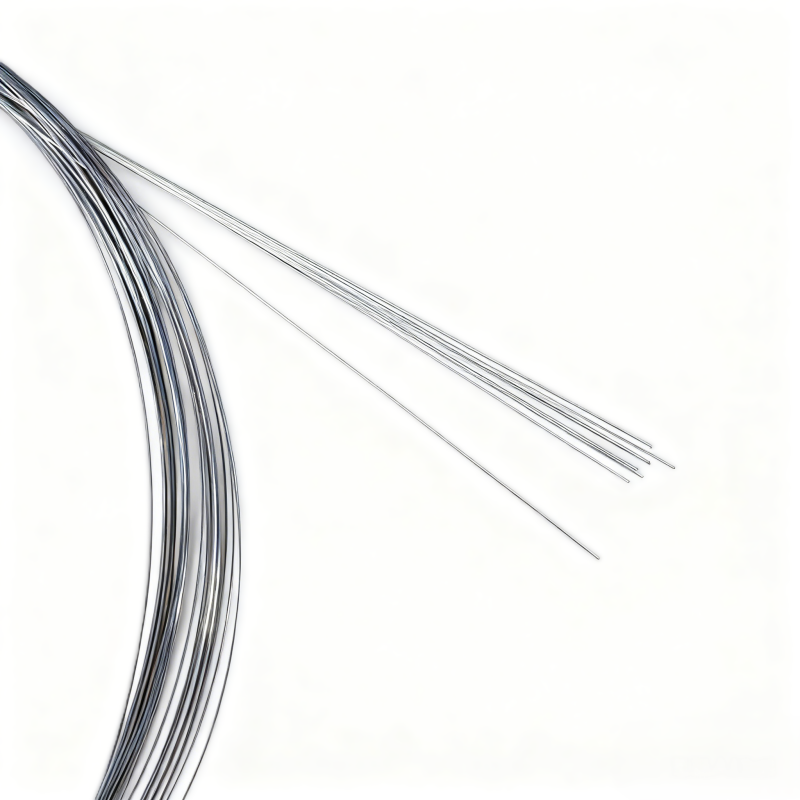
Superelasticity Delivers Unmatched Flexibility and Durability
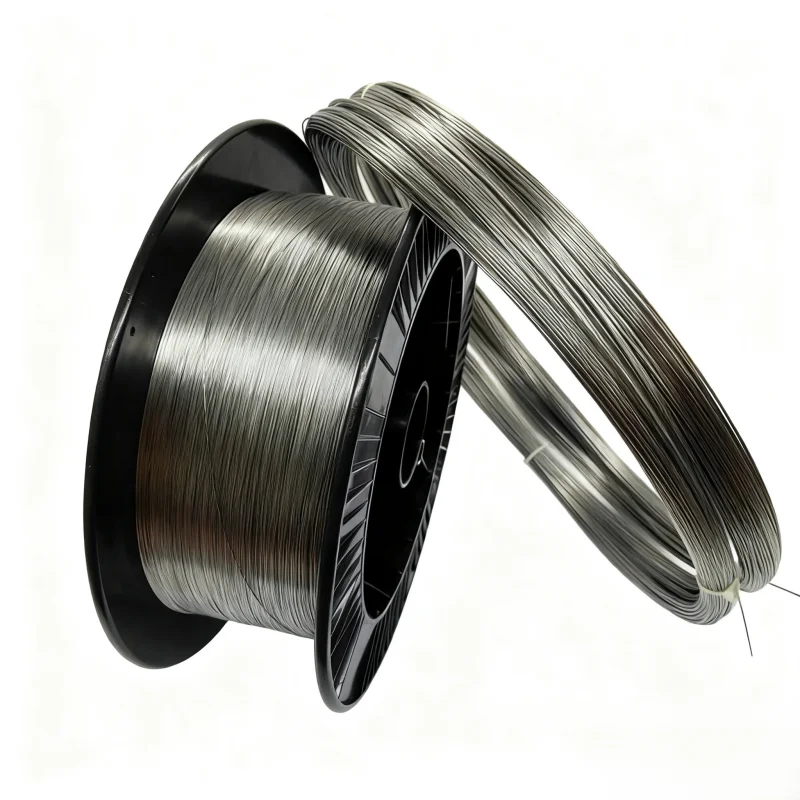
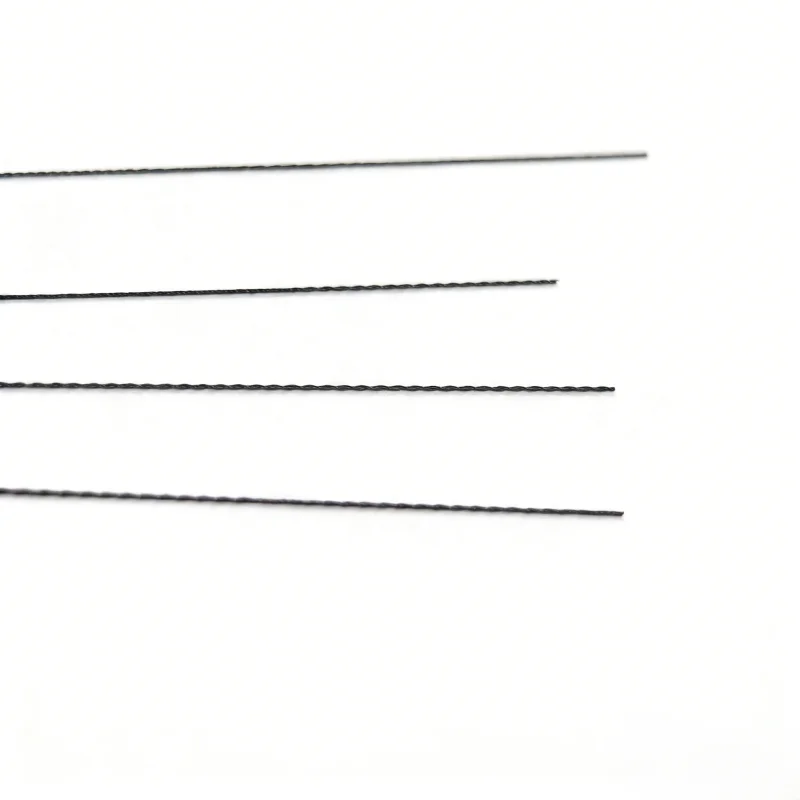
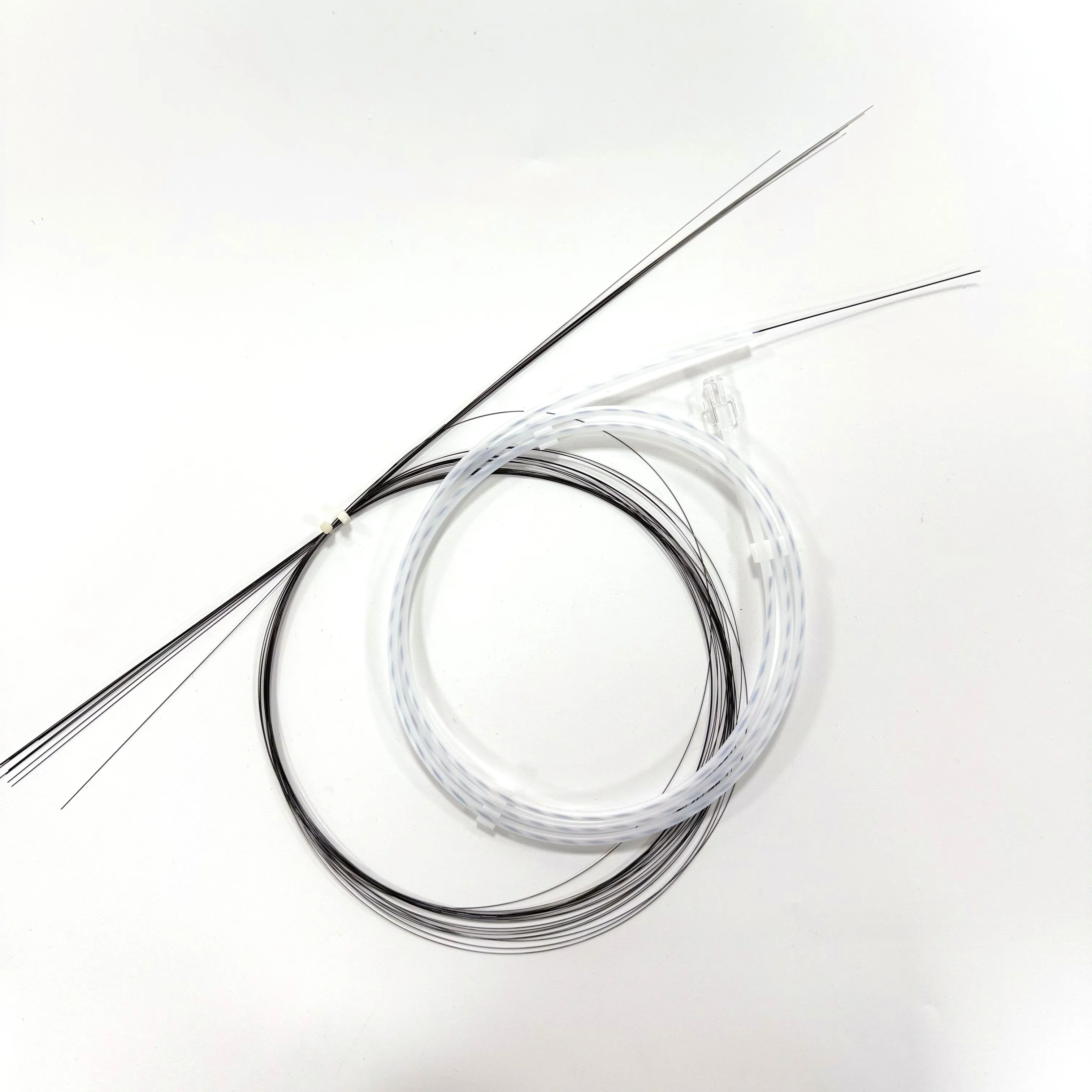
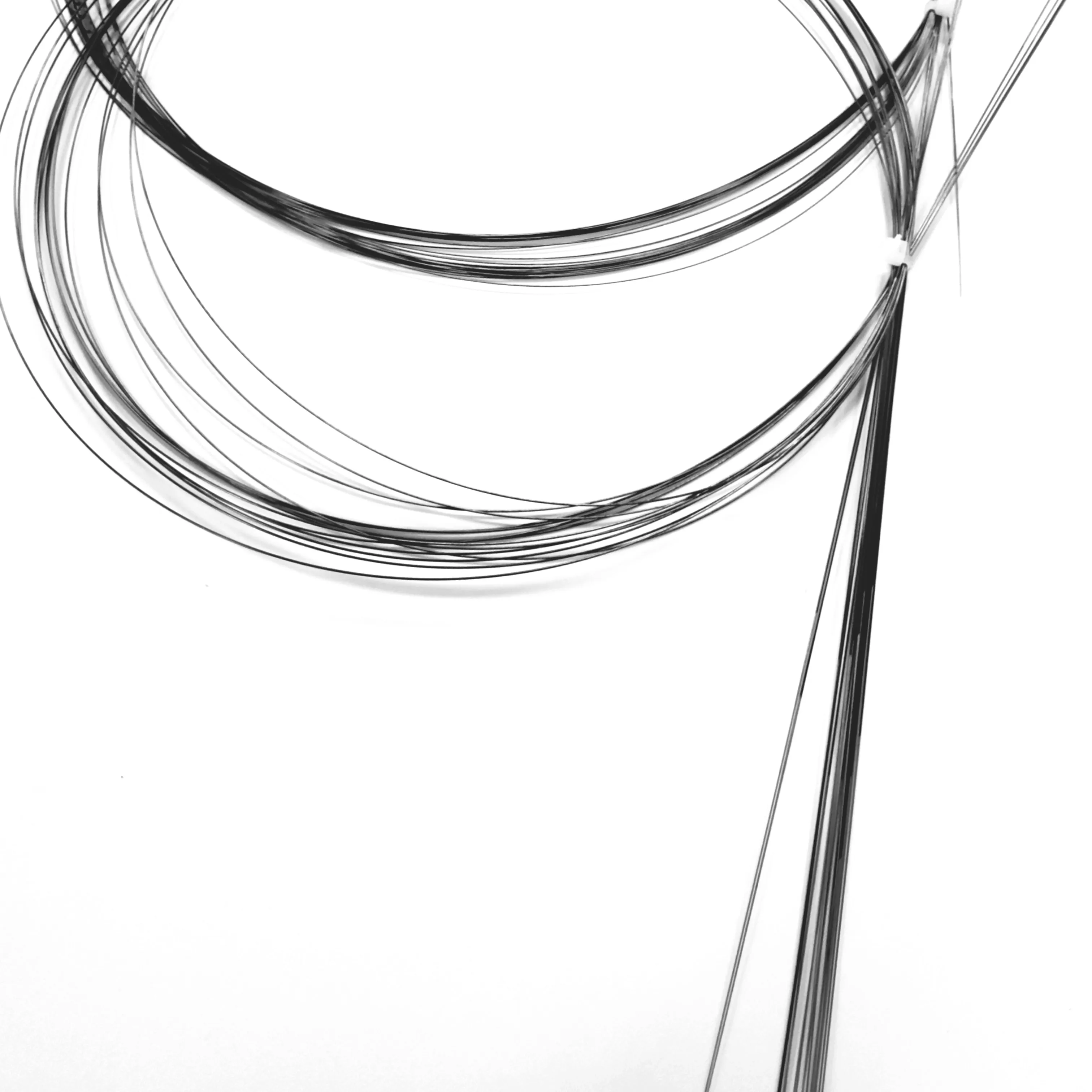
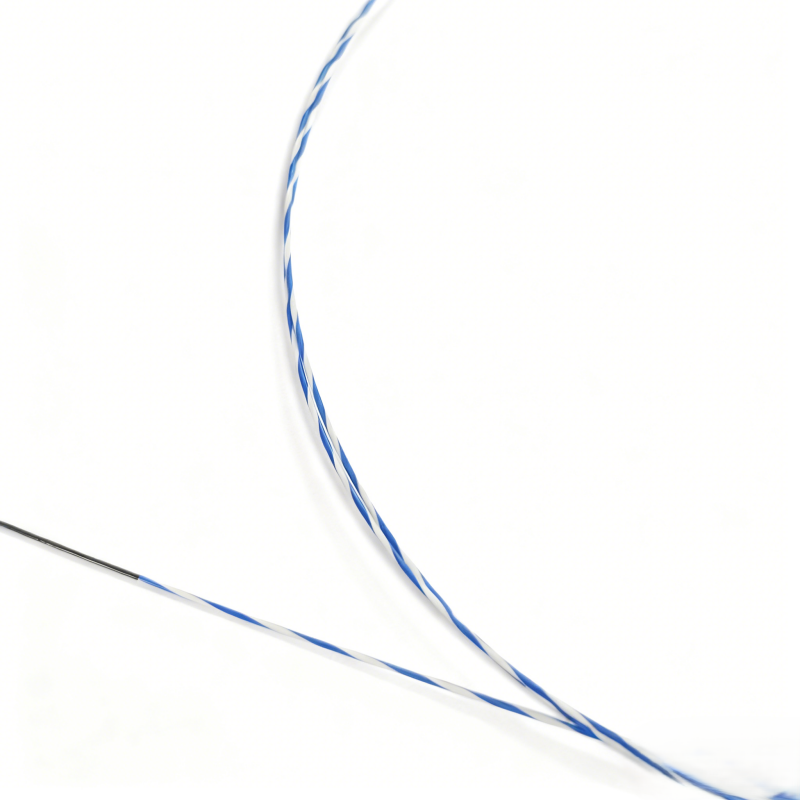
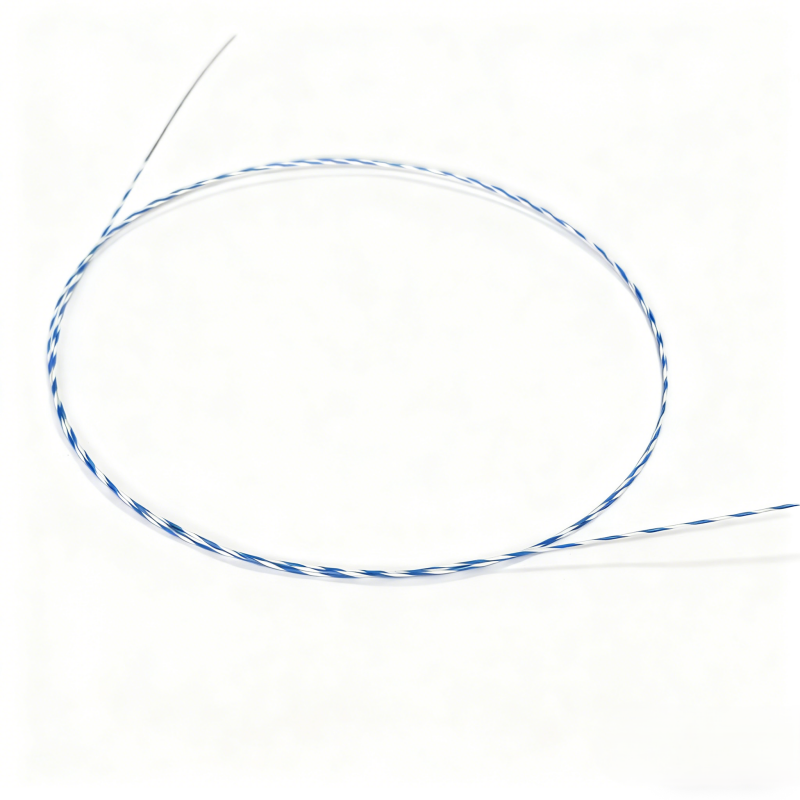
Superelasticity represents the defining mechanical advantage of nitinol medical devices, enabling them to withstand extreme deformation while maintaining structural integrity and returning to original configurations. This property allows nitinol components to flex up to eight percent strain without permanent deformation, compared to stainless steel's limit of approximately half a percent. For medical applications, this translates to devices that navigate tortuous anatomy, adapt to dynamic physiological environments, and resist fatigue failure across millions of stress cycles. Guidewires manufactured from nitinol demonstrate this advantage by smoothly tracking through severely angulated vessels, calcified lesions, and complex anatomical variations that would defeat conventional materials. Interventional cardiologists rely on nitinol guidewires to cross challenging coronary lesions, where the tip can deflect dramatically against calcified plaques yet immediately straighten when advanced, maintaining forward progress without buckling or kinking. This flexibility reduces procedure times and radiation exposure while improving success rates in technically difficult cases. Peripheral vascular applications showcase superelasticity's value in treating arterial disease affecting leg vessels, where nitinol stents must accommodate the extreme flexion, extension, and torsion generated by hip and knee movement. Traditional stainless steel stents fracture under such conditions, leading to restenosis and treatment failure, while nitinol medical devices flex with physiological motion, maintaining patency and structural integrity. The material's plateau stress characteristic means nitinol devices exert constant, gentle force across a wide deformation range, avoiding the stress concentrations that cause tissue damage or device failure with conventional elastic materials. Orthodontic archwires exemplify this benefit, applying steady corrective forces to teeth throughout the alignment process without requiring frequent adjustments or generating uncomfortable pressure spikes. Surgical instruments incorporating superelastic nitinol components provide surgeons with tools that bend to access difficult anatomical spaces, then return to functional geometry for tissue manipulation or cutting. Endoscopic baskets and retrieval devices exploit superelasticity to collapse for insertion through working channels, expand to capture stones or foreign bodies, and contract again for removal without damaging surrounding tissues. The fatigue resistance inherent in superelastic nitinol medical devices ensures reliable performance in high-cycle applications like heart valve frames, which must withstand over forty million cycles annually without structural degradation. Accelerated testing confirms nitinol components maintain functionality through equivalent decades of physiological loading, providing patients and physicians with confidence in long-term device performance. The kink-resistant nature prevents the permanent deformation that renders conventional catheters and guidewires unusable mid-procedure, eliminating equipment waste and the delays associated with device exchange during critical interventions.

 EN
EN