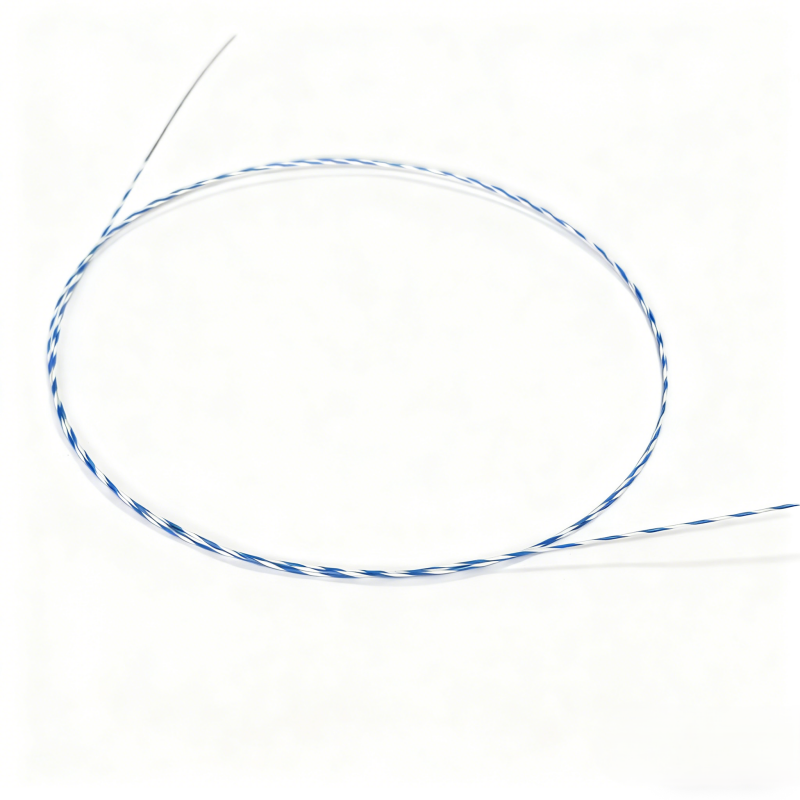
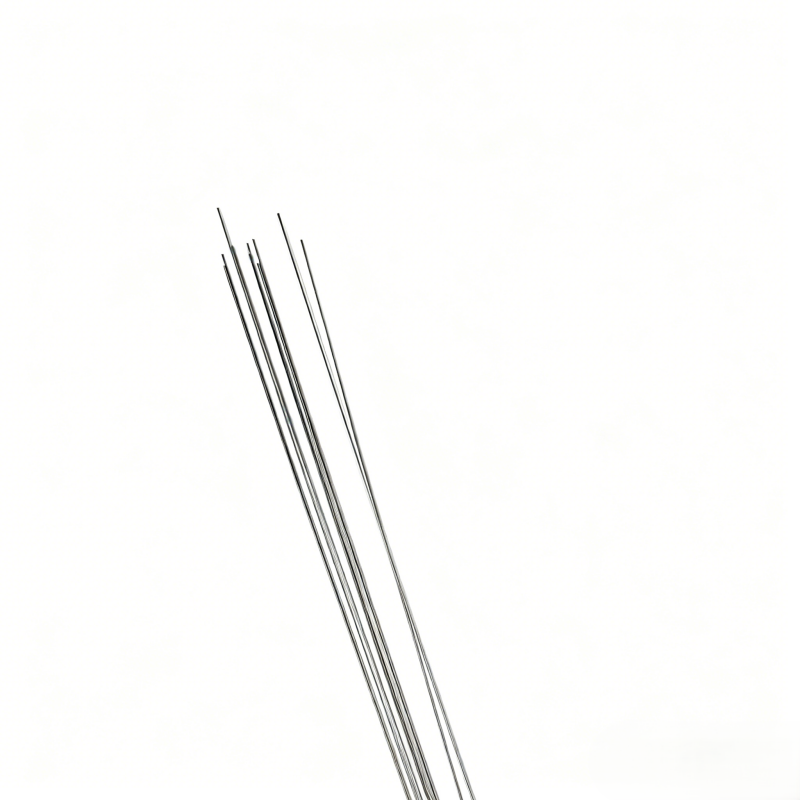
Guide Wire Medical Use: Precision, Safety, and Versatility in Interventional Procedures

Get a Free Quote

Our representative will contact you soon.
Email
Name
Company Name
Message
0/1000

guide wire medical use

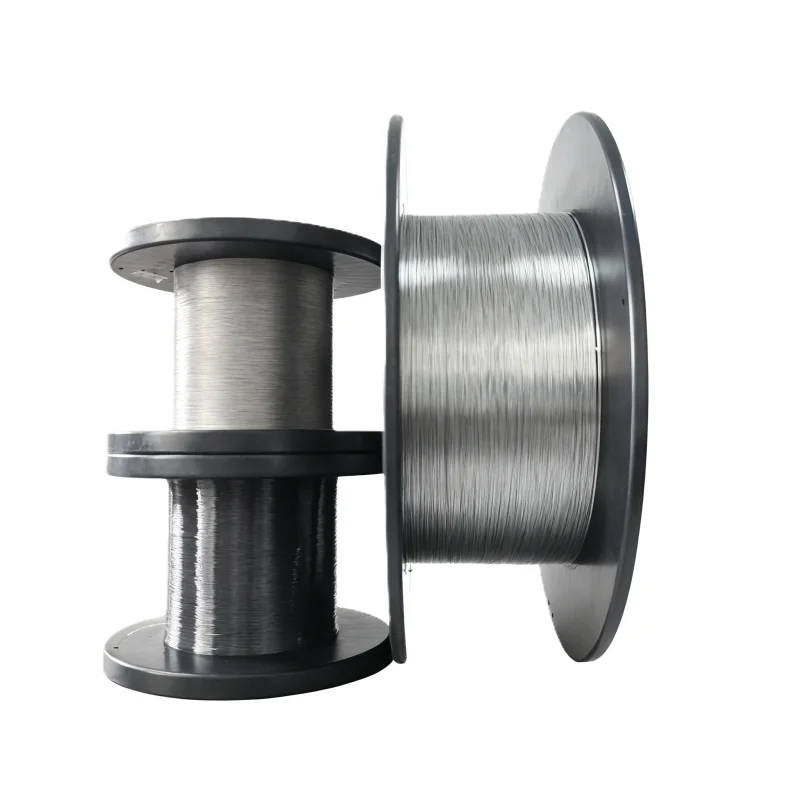
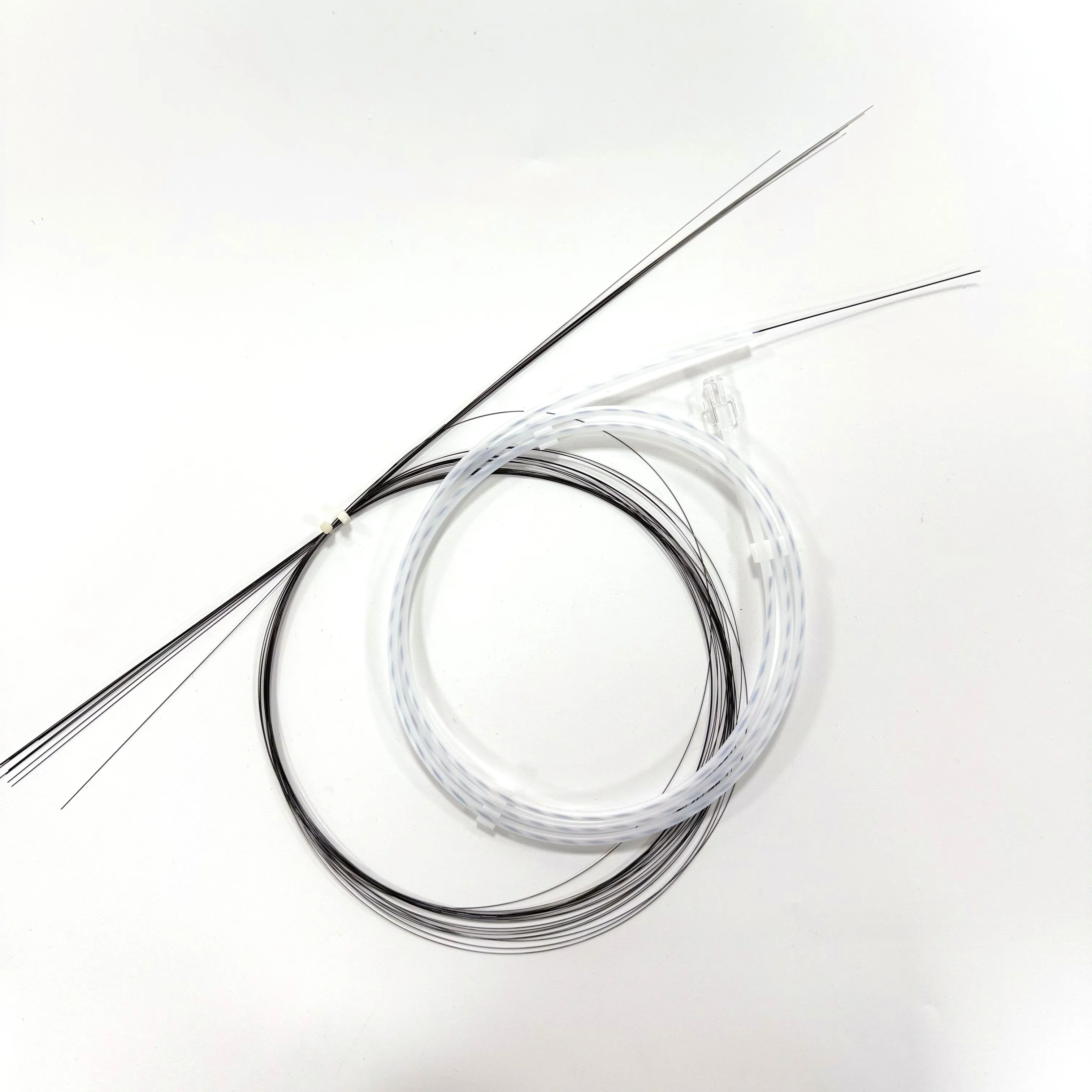
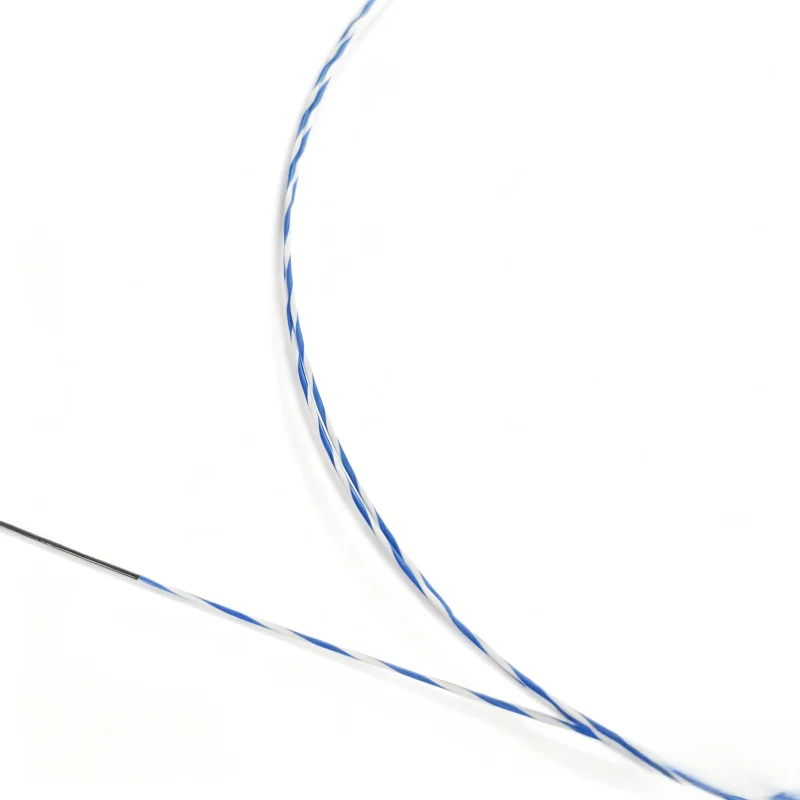
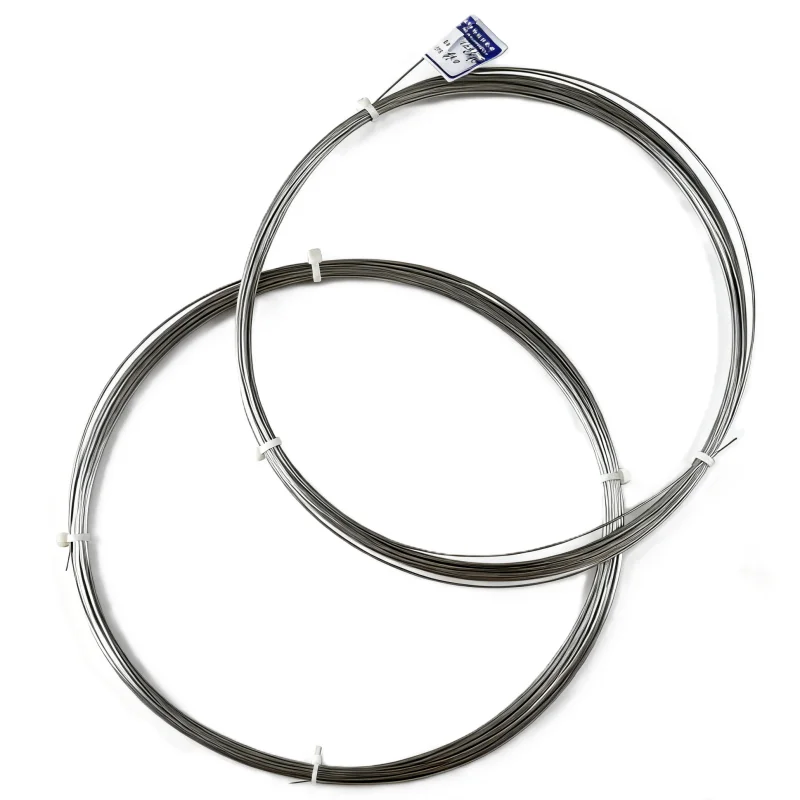
Guide wire medical use has become a cornerstone of modern minimally invasive procedures, serving as an essential navigational tool that allows physicians to access targeted areas within the body with precision and control. At its core, a guide wire is a thin, flexible wire designed to be inserted into the body through a small incision or natural opening, providing a pathway along which catheters, stents, balloons, and other medical devices can be advanced to the desired anatomical location. The guide wire medical use spans a wide range of clinical disciplines, including cardiology, radiology, gastroenterology, urology, and vascular surgery, making it one of the most versatile instruments in the interventional toolkit. From a technological standpoint, guide wires are engineered with multiple layers of sophisticated materials. The core is typically constructed from stainless steel or nitinol, a nickel-titanium alloy renowned for its superelastic properties and shape memory, which allows the wire to navigate tortuous vessel pathways without permanent deformation. The outer coating is often made from hydrophilic or hydrophobic polymers that reduce friction and facilitate smooth advancement through narrow or complex anatomical structures. Tip designs vary considerably, ranging from straight to angled to J-shaped configurations, each tailored to specific procedural requirements and vessel geometries. In terms of applications, guide wire medical use is central to percutaneous coronary interventions, where cardiologists rely on these wires to cross coronary artery blockages and deliver life-saving stents. In peripheral vascular procedures, guide wires help navigate the complex network of arteries and veins in the limbs and abdomen. Endoscopic procedures in the gastrointestinal tract also depend heavily on guide wire technology to facilitate the placement of drainage tubes and stents. Urological applications include the management of kidney stones and ureteral strictures. The guide wire medical use continues to evolve with advances in materials science and imaging technology, enabling safer, faster, and more effective interventional procedures across virtually every organ system in the human body.


New Products

Guide wire medical use delivers a set of practical, real-world benefits that directly improve patient outcomes and make procedures easier for medical teams to perform. Understanding these advantages helps healthcare providers and procurement teams make informed decisions when selecting the right tools for their clinical environment. First and foremost, guide wire medical use dramatically reduces the invasiveness of medical procedures. Instead of requiring large surgical incisions to reach internal structures, physicians can insert a guide wire through a tiny entry point and navigate it to the exact location where treatment is needed. This means patients experience less trauma to surrounding tissue, which translates directly into shorter hospital stays, faster recovery times, and significantly reduced risk of post-operative complications such as infection or excessive bleeding. For patients, this is a meaningful quality-of-life improvement. Families see their loved ones return home sooner, and healthcare facilities benefit from improved bed turnover and reduced resource consumption. Second, guide wire medical use gives physicians a high degree of navigational control. The combination of a flexible yet torque-responsive core and a low-friction coating means the physician can steer the wire through even the most complex and winding anatomical pathways. This level of control reduces the chance of vessel perforation or accidental injury to adjacent structures, which are risks that increase significantly when working without proper guidance tools. Physicians can work with greater confidence, and patients benefit from procedures that carry a lower complication profile. Third, guide wire medical use supports compatibility with a broad ecosystem of interventional devices. Once the wire is in place, it acts as a reliable rail over which catheters, balloons, stents, and drainage tubes can be delivered precisely. This interoperability means that a single guide wire placement can support multiple sequential steps in a complex procedure, reducing the number of separate access attempts and minimizing patient discomfort. Fourth, guide wire medical use contributes to procedural efficiency. Experienced operators can complete wire placement quickly, which shortens overall procedure time. Shorter procedures mean less time under sedation or anesthesia for the patient, reducing associated risks and improving the overall safety profile of the intervention. For busy catheterization labs and interventional suites, faster procedures also mean higher throughput and better resource utilization. Fifth, modern guide wires used in guide wire medical use are designed with patient safety as a primary engineering objective. Features such as atraumatic soft tips, radiopaque markers for fluoroscopic visibility, and controlled flexibility gradients all work together to minimize the risk of vessel damage during navigation. Radiopaque markers allow the physician to track the wire position in real time under X-ray guidance, ensuring accurate placement before any therapeutic device is deployed. Sixth, guide wire medical use supports a wide range of patient populations, including those with complex comorbidities, elderly patients with calcified or tortuous vessels, and pediatric patients requiring delicate handling. The availability of guide wires in multiple diameters, lengths, and tip configurations means that clinicians can select the most appropriate tool for each individual patient, rather than applying a one-size-fits-all approach. This customization capability is a significant practical advantage in diverse clinical settings.

Practical Tips

Why is high-stability Nitinol the first choice for equipment in extreme conditions?

12

May

Why is high-stability Nitinol the first choice for equipment in extreme conditions?

When equipment must perform reliably under mechanical stress, thermal cycling, and repeated deformation, material selection becomes a critical engineering decision. Nitinol, the nickel-titanium shape memory alloy, has earned a dominant position in de...
View More
Why do full-chain manufacturers provide a more stable supply of SMA wire?

14

May

Why do full-chain manufacturers provide a more stable supply of SMA wire?

In industrial and medical procurement, supply chain reliability is not a luxury — it is a fundamental requirement. When sourcing SMA wire, the type of manufacturer you partner with has a direct and measurable impact on delivery consistency, material ...
View More
Why is a brand with a 5,000m² factory more professional in Nitinol customization?

22

May

Why is a brand with a 5,000m² factory more professional in Nitinol customization?

When sourcing advanced shape memory alloys for medical devices, aerospace components, or industrial actuators, the manufacturing environment behind a supplier tells you far more than a product catalog ever could. Nitinol customization is a precision-...
View More
Why should you prioritize the manufacturer's R&D center when choosing partners?

02

Jun

Why should you prioritize the manufacturer's R&D center when choosing partners?

When evaluating potential manufacturing partners, most procurement teams focus on price, lead time, and production capacity. These are legitimate criteria, but they often overlook one of the most telling indicators of long-term value: the strength an...
View More

Get a Free Quote

Our representative will contact you soon.
Email
Name
Company Name
Message
0/1000

guide wire medical use

Precision Navigation Through Complex Anatomy

Precision Navigation Through Complex Anatomy

One of the most compelling aspects of guide wire medical use is the extraordinary level of navigational precision it provides in environments where accuracy is not just preferred but absolutely critical. The human body contains a vast network of vessels, ducts, and channels that vary enormously in diameter, curvature, and wall composition from one patient to the next. In patients with atherosclerosis, for example, coronary arteries may be severely narrowed, calcified, or completely occluded, presenting formidable obstacles to any interventional device. Guide wire medical use addresses this challenge through a combination of advanced material engineering and thoughtful tip design. The nitinol core found in many high-performance guide wires exhibits superelastic behavior, meaning it can be bent and deformed significantly without taking on a permanent set. This property allows the wire to conform to the natural curves of a vessel and then spring back to its original shape, maintaining consistent torque transmission from the operator's hand to the wire tip. Torque response is a critical performance metric in guide wire medical use because it determines how faithfully the wire tip rotates in response to the operator's wrist movements. A wire with poor torque response may spin unpredictably or not at all, making it difficult to steer around bends or through bifurcations. High-quality guide wires are engineered to deliver a one-to-one torque response, giving the physician a tactile sense of exactly where the tip is pointing at all times. The hydrophilic coating applied to many guide wires used in guide wire medical use activates upon contact with moisture, creating an extremely slippery surface that reduces friction between the wire and the vessel wall or catheter lumen. This reduction in friction is not merely a convenience feature. It directly reduces the force required to advance the wire, which in turn reduces the risk of inadvertently pushing the wire through a vessel wall or causing a dissection. In complex chronic total occlusion cases, where the wire must penetrate dense fibrous tissue, the combination of a stiff tapered tip and a low-friction coating can mean the difference between a successful recanalization and a failed procedure. Ultimately, the precision navigation capability built into guide wire medical use empowers physicians to treat conditions that would otherwise require open surgery, expanding the range of patients who can benefit from minimally invasive care.
Versatile Compatibility Across Interventional Specialties

Versatile Compatibility Across Interventional Specialties

The breadth of clinical applications supported by guide wire medical use is a defining characteristic that sets this technology apart from more narrowly focused medical devices. Unlike instruments designed for a single procedure or anatomical region, guide wires serve as a universal platform that underpins interventional practice across cardiology, vascular surgery, radiology, gastroenterology, urology, and pulmonology. This cross-specialty versatility is not accidental. It is the result of deliberate engineering choices that prioritize interoperability, standardization, and adaptability. In interventional cardiology, guide wire medical use is the foundation of percutaneous coronary intervention. The wire crosses the stenotic or occluded segment of a coronary artery, establishing a track over which balloon catheters and stent delivery systems are advanced. The demands placed on a coronary guide wire are extreme, requiring a delicate balance between tip softness to avoid vessel trauma and core stiffness to support device delivery. Different wire families are optimized for different coronary scenarios, from workhorse wires used in straightforward lesions to specialty wires designed for chronic total occlusions or heavily calcified segments. In peripheral vascular interventions, guide wire medical use supports the treatment of arterial disease in the iliac, femoral, popliteal, and tibial vessels. These procedures often involve longer wire lengths and require the wire to traverse significant distances through tortuous anatomy. Peripheral guide wires are therefore engineered with extended lengths and enhanced pushability to maintain forward progress through challenging vessel segments. In the gastrointestinal tract, guide wire medical use facilitates endoscopic retrograde cholangiopancreatography, where wires are advanced through the bile duct and pancreatic duct to enable stone removal, stricture dilation, and stent placement. The wires used in these applications must be compatible with the working channels of endoscopes and must maintain their shape and performance in a fluid-rich environment. Urological guide wire medical use supports procedures such as ureteroscopy, percutaneous nephrolithotomy, and ureteral stent placement, where the wire navigates the ureter from the bladder to the kidney. The ability of a single device category to serve such a wide range of clinical needs makes guide wire medical use an exceptionally high-value investment for healthcare institutions seeking to standardize their interventional supply chains and reduce procurement complexity.
Enhanced Patient Safety Through Advanced Engineering

Enhanced Patient Safety Through Advanced Engineering

Patient safety is the ultimate measure of any medical device, and guide wire medical use has been shaped by decades of clinical feedback and materials innovation to deliver a safety profile that supports confident procedural practice. Every design element of a modern guide wire, from the composition of its core to the geometry of its tip to the chemistry of its surface coating, reflects a commitment to minimizing risk while maximizing clinical utility. The atraumatic tip is perhaps the most immediately recognizable safety feature in guide wire medical use. Soft, flexible tip segments are designed to deflect rather than penetrate when they encounter resistance, whether from a vessel wall, a valve leaflet, or a tortuous bend. This deflection behavior dramatically reduces the risk of perforation, which is one of the most serious complications that can occur during an interventional procedure. In coronary interventions, a perforation can lead to cardiac tamponade, a life-threatening accumulation of blood around the heart. The engineering of soft tip segments in guide wire medical use directly addresses this risk by ensuring that the wire yields before the vessel does. Radiopaque markers represent another critical safety feature in guide wire medical use. These markers, typically made from platinum or tungsten alloys, are visible under fluoroscopic imaging, allowing the physician to track the precise location of the wire tip in real time throughout the procedure. Without this visibility, the physician would be navigating blind, relying solely on tactile feedback to infer wire position. Radiopaque markers eliminate this uncertainty, enabling the physician to confirm that the wire is in the correct vessel, has crossed the target lesion, and is positioned safely before any therapeutic device is deployed. Controlled flexibility gradients are a more subtle but equally important safety feature in guide wire medical use. Rather than transitioning abruptly from a stiff body to a soft tip, well-engineered guide wires incorporate a gradual transition zone that distributes bending stress over a longer segment of the wire. This distribution prevents stress concentration at a single point, which could otherwise lead to wire fracture or kinking during a procedure. A fractured wire segment left inside a patient represents a serious complication requiring surgical retrieval. By engineering flexibility gradients that prevent fracture, guide wire medical use reduces this risk to an extremely low level. The cumulative effect of these safety-focused design features is a device that physicians can use with confidence, knowing that the engineering has anticipated and mitigated the most common failure modes and procedural risks.
Guide Wire Medical Use: Precision, Safety, and Versatility in Interventional Procedures

Get a Free Quote

Our representative will contact you soon.
Email
Name
Company Name
Message
0/1000
Newsletter
Please Leave A Message With Us