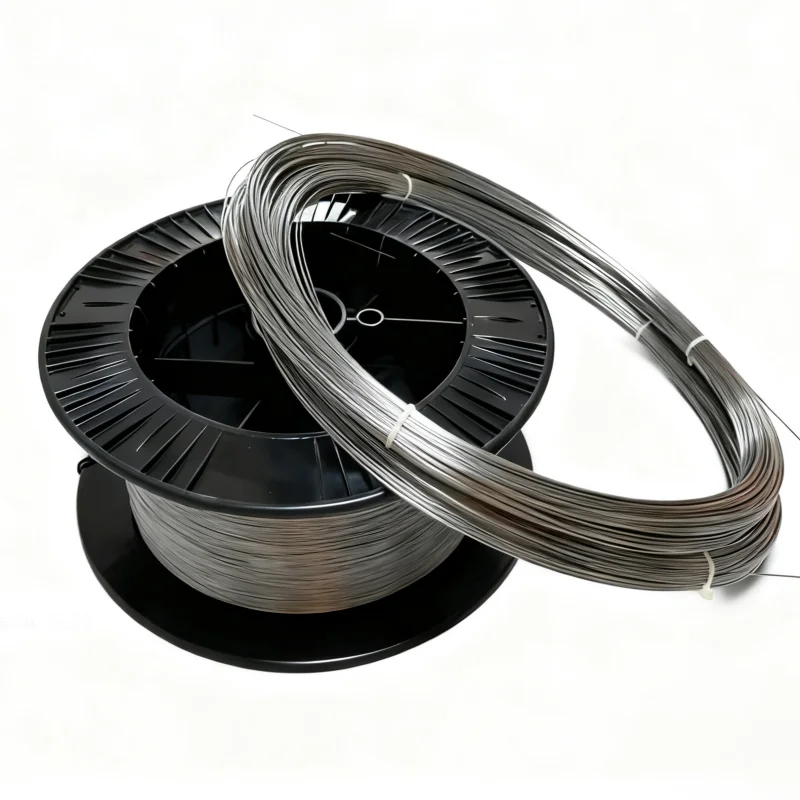
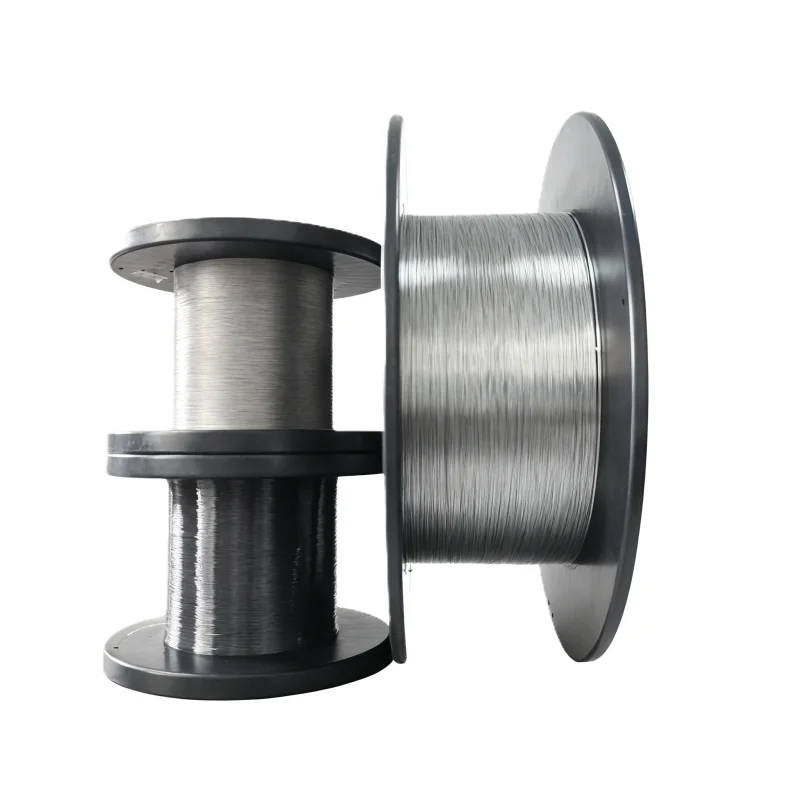
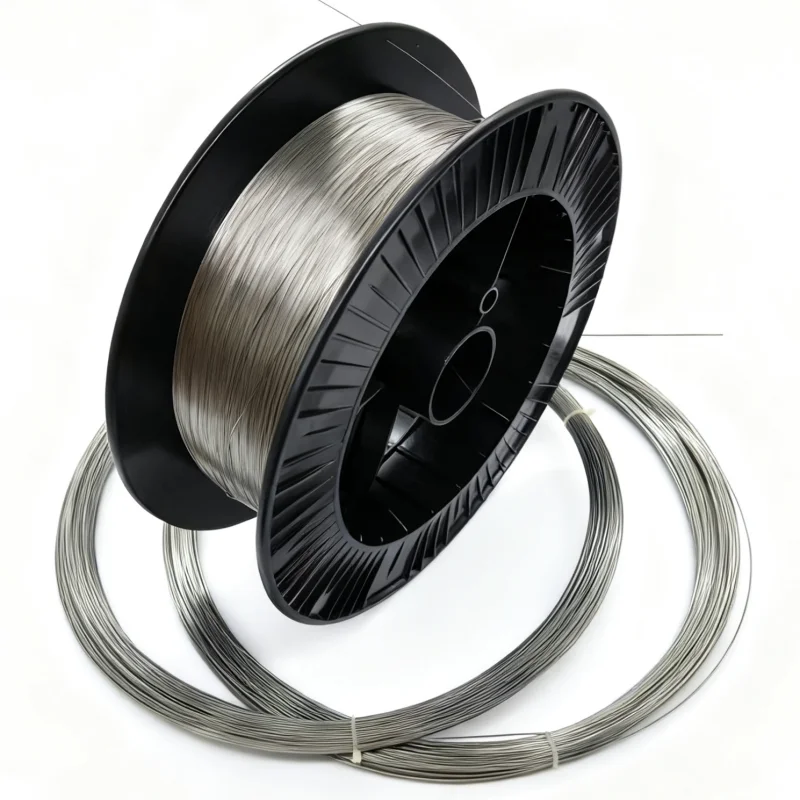
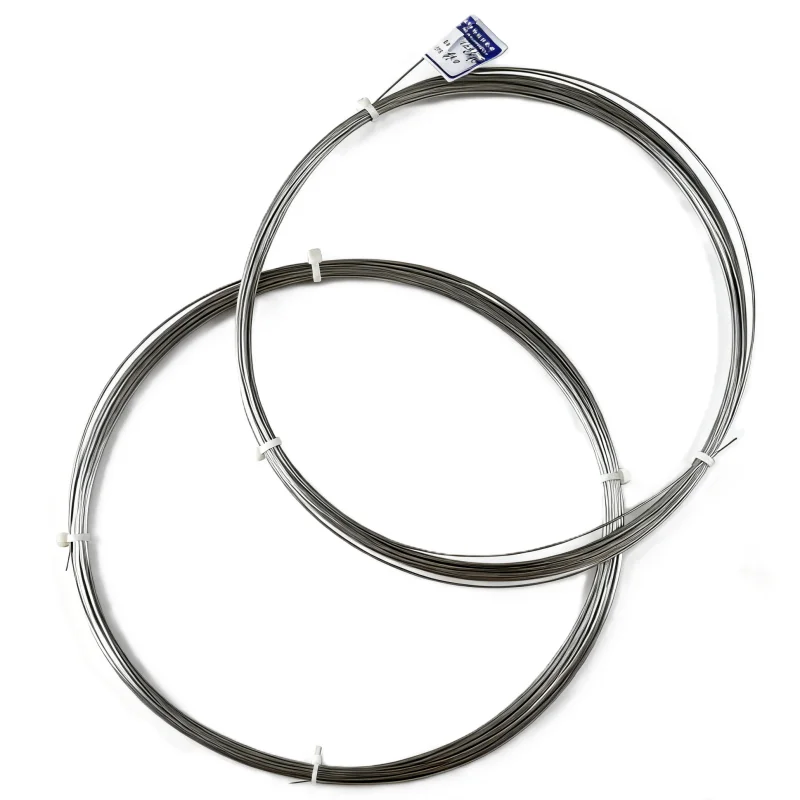
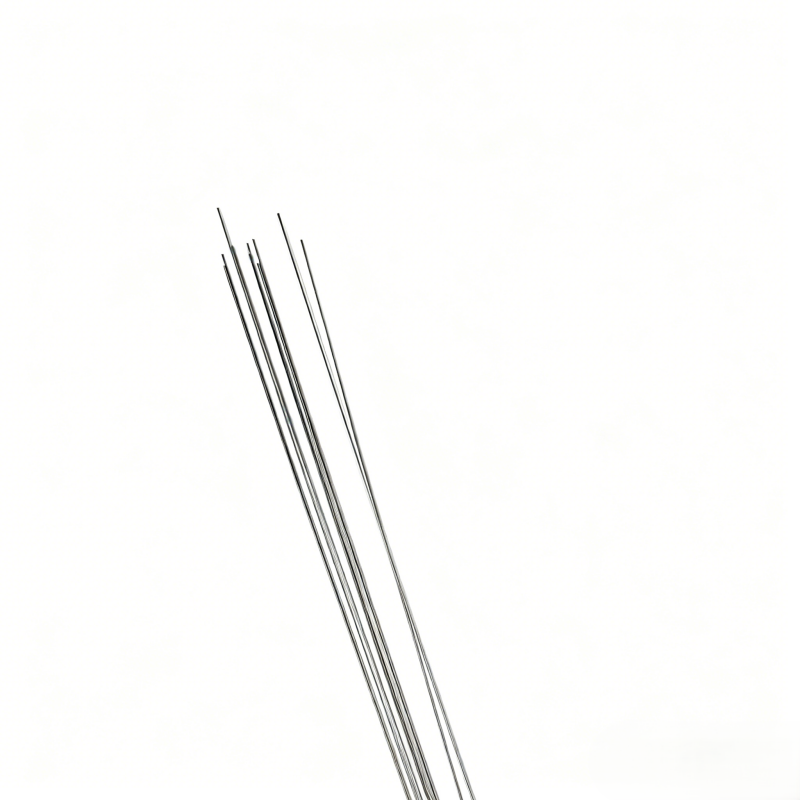
micro guidewire
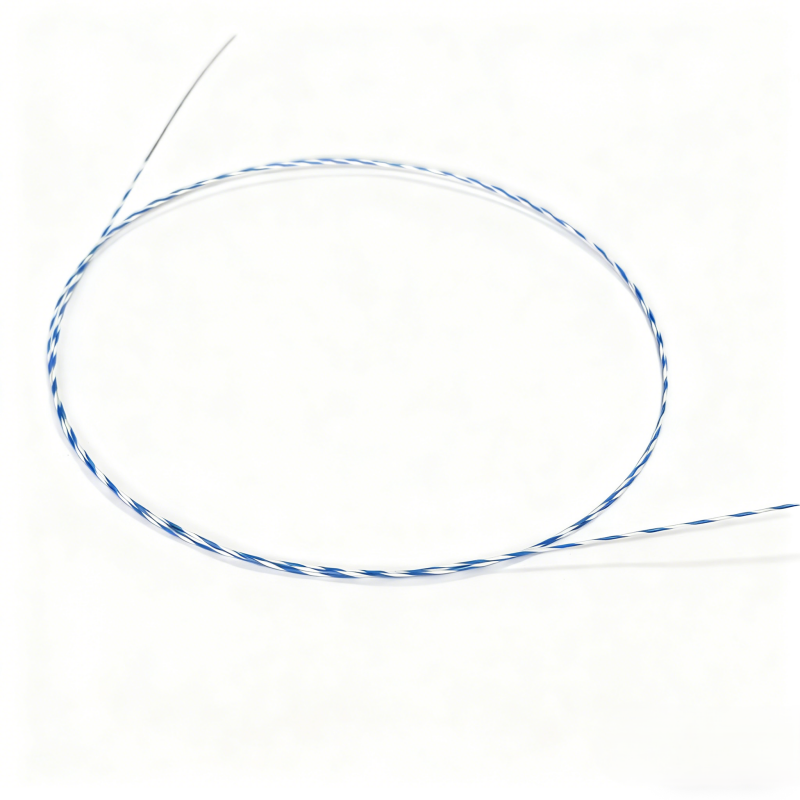
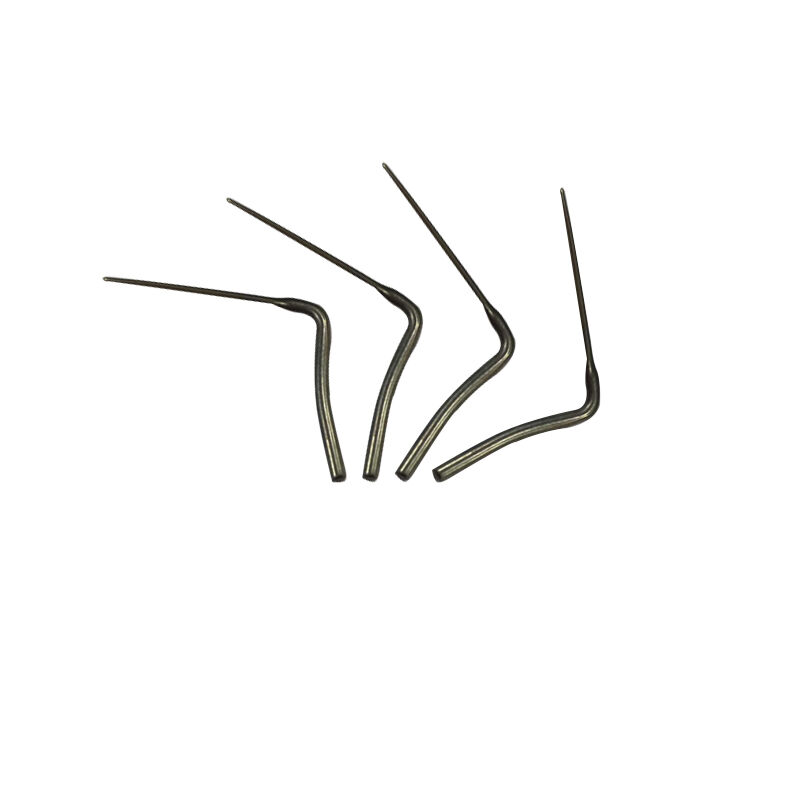
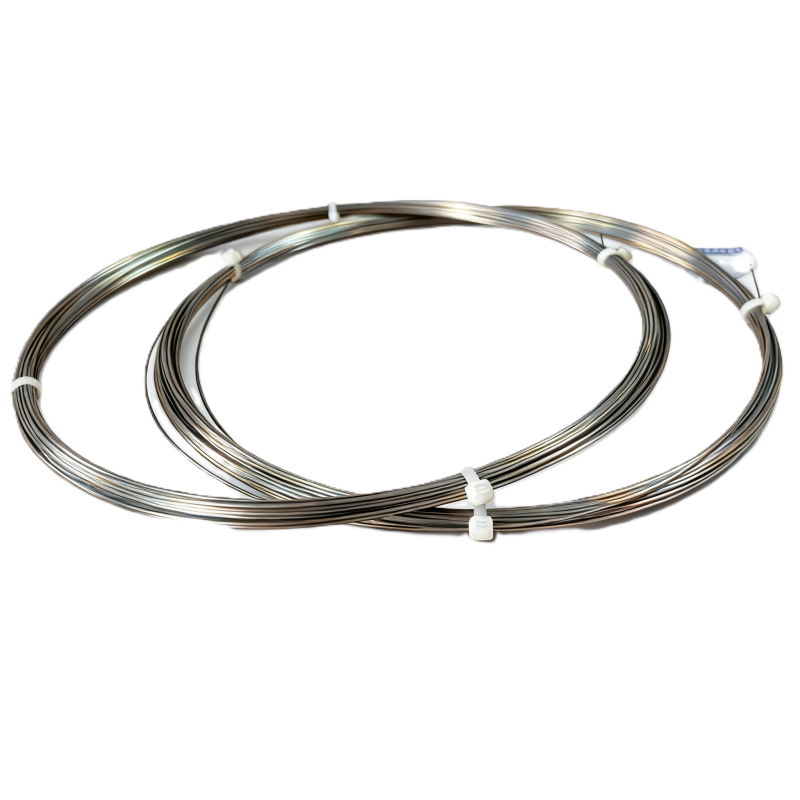
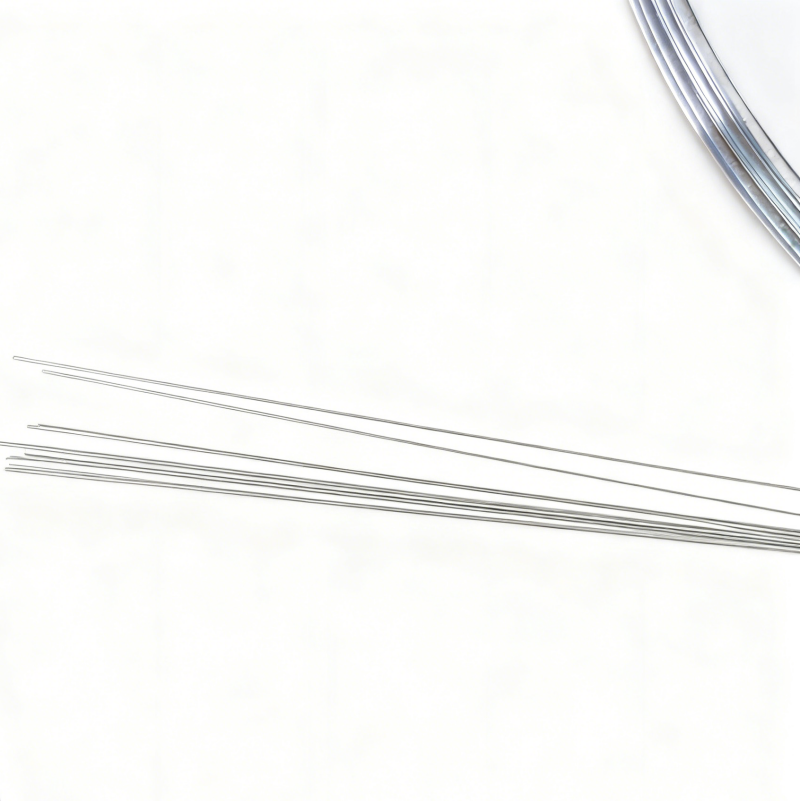
The micro guidewire is a specialized medical device engineered to navigate the most complex and delicate vascular pathways in the human body. Designed for precision and reliability, it serves as a foundational tool in minimally invasive procedures, guiding catheters, balloons, stents, and other interventional instruments to their intended targets with exceptional accuracy. Its slender profile and advanced construction allow clinicians to access anatomical regions that were previously difficult or impossible to reach using conventional guidewires, making it an indispensable asset in modern interventional medicine. At its core, the micro guidewire functions as a navigational backbone during endovascular and interventional procedures. It establishes a pathway through tortuous vessels, tight stenoses, and complex bifurcations, enabling subsequent devices to track smoothly and safely. The wire maintains vessel access throughout a procedure, reducing the risk of losing position and the need for repeated attempts that could cause trauma to delicate tissue. From a technological standpoint, the micro guidewire incorporates a hydrophilic or hydrophobic polymer coating that dramatically reduces friction as it advances through vascular structures. The core is typically constructed from nitinol or stainless steel, materials chosen for their unique combination of flexibility, torque transmission, and shape memory. The distal tip is often shapeable, allowing operators to pre-form a curve that matches the target anatomy, while the proximal shaft maintains sufficient stiffness to transmit rotational force accurately. Radiopaque markers integrated into the tip provide real-time fluoroscopic visibility, ensuring the clinician always knows the wire's exact position. The micro guidewire finds application across a broad spectrum of clinical disciplines. In interventional cardiology, it is used to cross coronary chronic total occlusions and navigate bifurcation lesions. In peripheral vascular intervention, it facilitates recanalization of occluded limb arteries. Neurointerventionalists rely on it to access intracranial vessels for aneurysm coiling and stroke thrombectomy. It is equally valuable in biliary, renal, and urological procedures where fine anatomical access is required. Its versatility across specialties underscores its status as a critical tool in the interventional toolkit.

 EN
EN