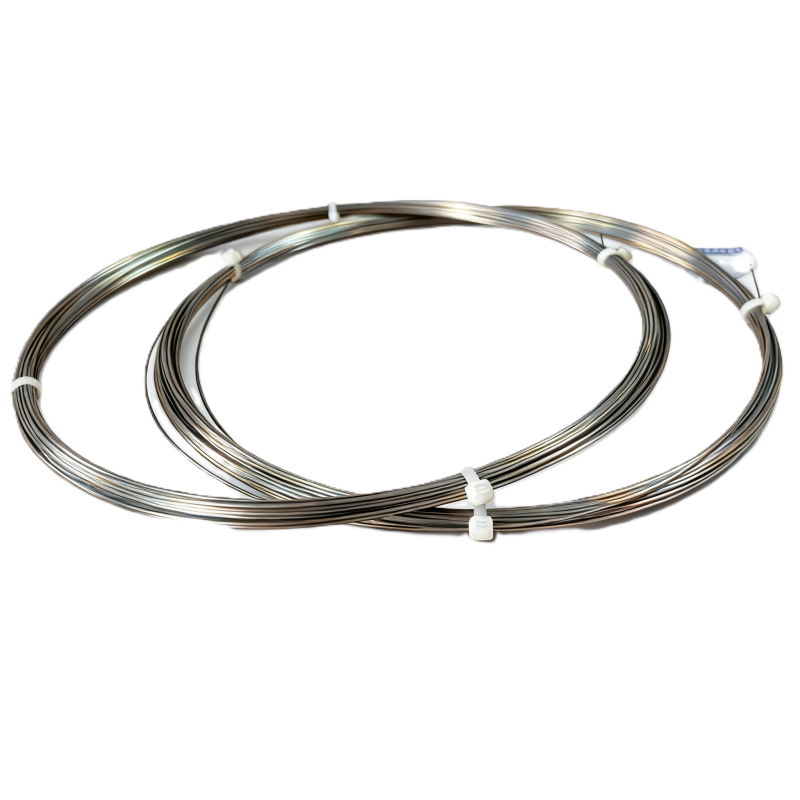
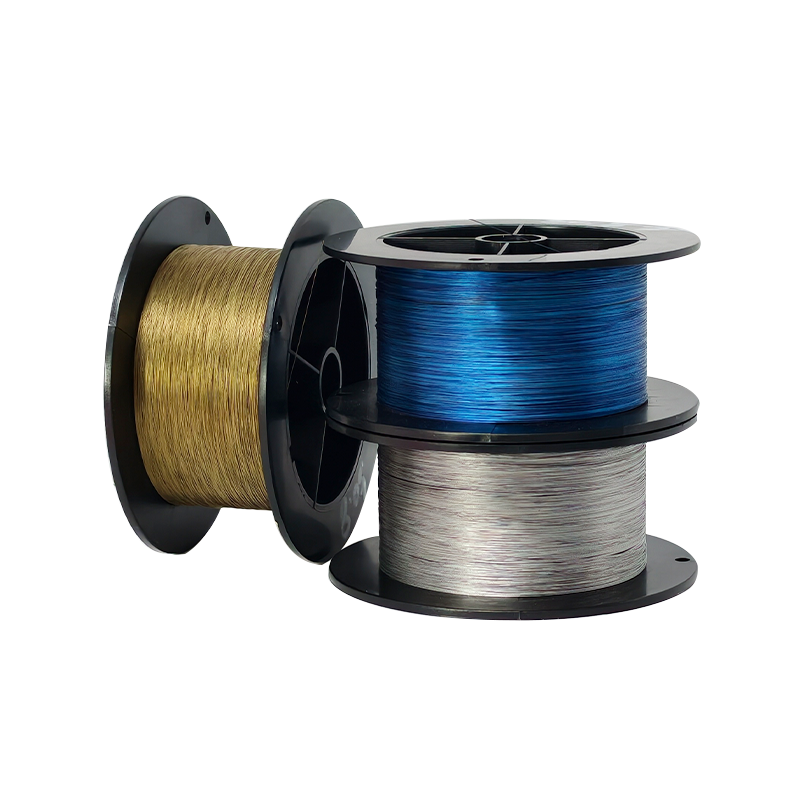
0.035 Guidewire: Versatile, Precise, and Trusted for Interventional Procedures

Get a Free Quote

Our representative will contact you soon.
Email
Name
Company Name
Message
0/1000

0.035 guidewire

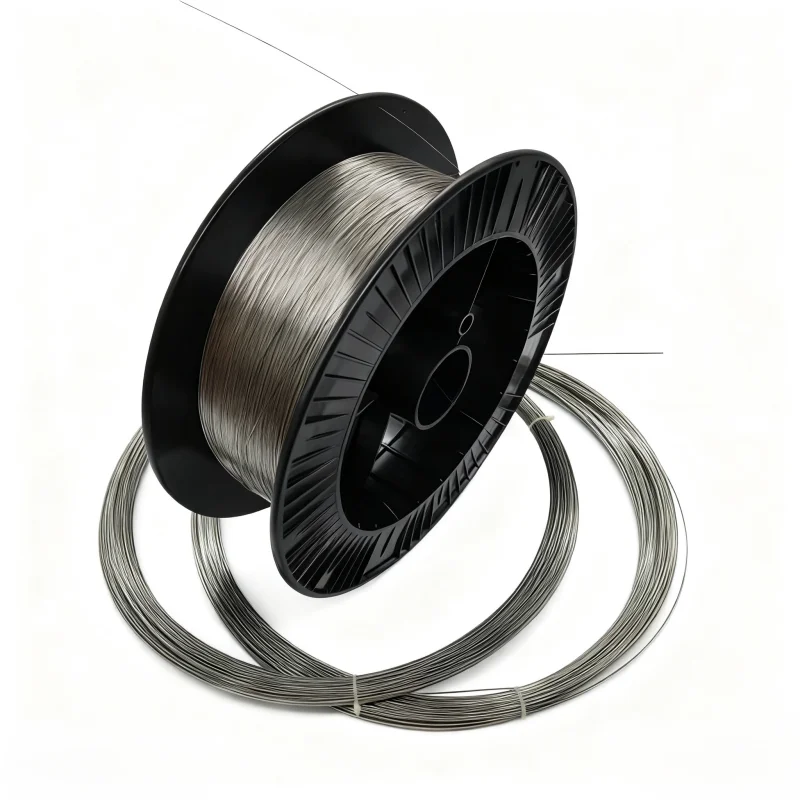
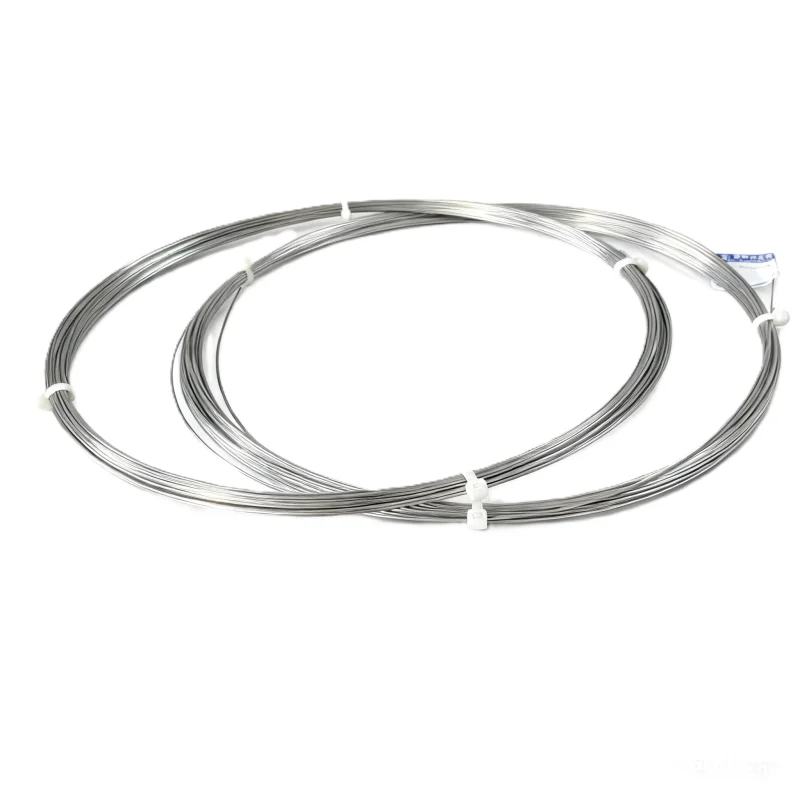
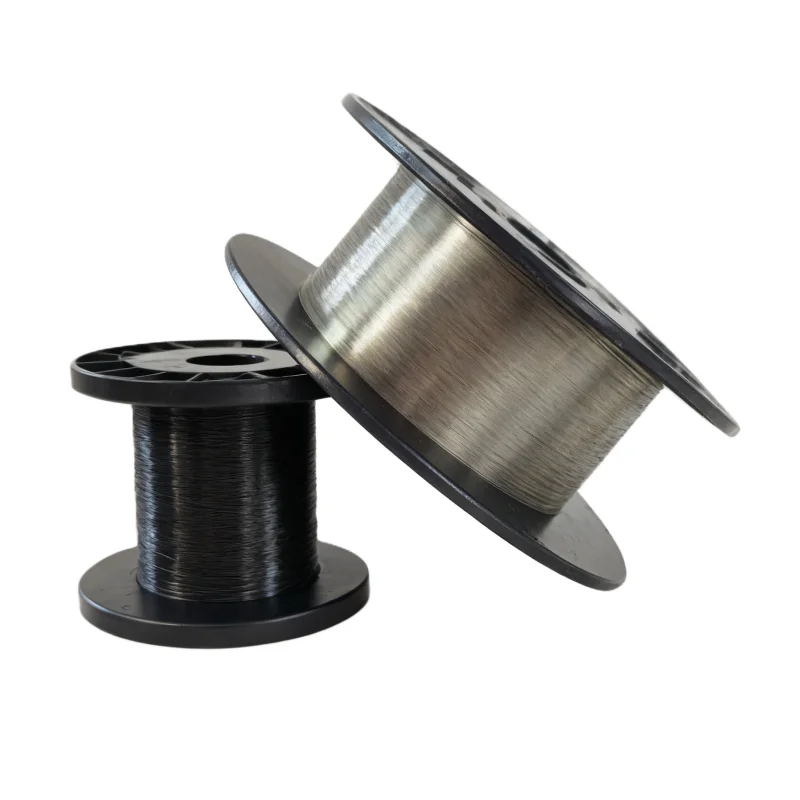
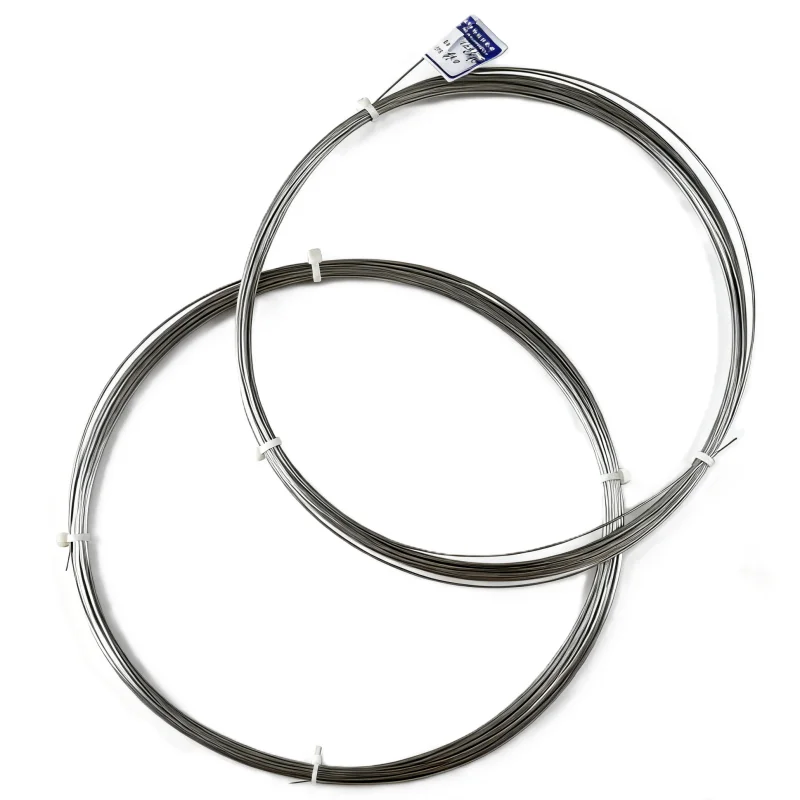
The 0.035 guidewire is a foundational tool in modern interventional medicine, serving as a critical component in a wide range of minimally invasive procedures. Measuring 0.035 inches in diameter, this guidewire is engineered to navigate complex vascular and non-vascular anatomy with precision, providing clinicians with reliable access to target sites throughout the body. Its design balances flexibility and torque control, allowing it to pass through tortuous vessels while maintaining the structural integrity needed to support catheter and device delivery. The 0.035 guidewire is manufactured using high-grade stainless steel or nitinol cores, often coated with hydrophilic or PTFE materials to reduce friction and enhance trackability through narrow or challenging pathways. These material choices are deliberate, ensuring that the wire responds predictably under fluoroscopic guidance and delivers consistent performance across diverse clinical scenarios. In terms of technological features, the 0.035 guidewire typically incorporates a tapered or atraumatic tip design that minimizes vessel wall trauma during advancement. Many versions feature a movable core construction, which allows the operator to adjust the stiffness profile along the wire's length, adapting to the specific demands of each case. Radiopaque markers or full-length visibility under imaging systems further enhance procedural safety and accuracy. The applications of the 0.035 guidewire span multiple medical specialties. In interventional radiology, it is used for arterial and venous access, drainage procedures, and stent placement. In gastroenterology, it facilitates biliary and pancreatic duct interventions. Urological procedures such as nephrostomy and ureteral stenting also rely heavily on this wire. Cardiovascular specialists use it during peripheral vascular interventions and central venous catheter placements. Its versatility makes it one of the most widely stocked guidewires in procedural suites worldwide. The 0.035 guidewire represents a convergence of material science, engineering precision, and clinical utility, making it an indispensable instrument for practitioners who demand reliability and performance in every procedure.

New Product Recommendations

When you are looking for a guidewire that delivers consistent results across a broad spectrum of procedures, the 0.035 guidewire stands out as a practical and dependable choice. Here is a straightforward look at why this wire earns its place in procedural suites around the world and why it matters to the people who use it every day. First, the 0.035 guidewire works across many different procedures without requiring you to switch to a specialized tool. Whether you are placing a central venous catheter, performing a biliary drainage, or navigating a peripheral artery, this single wire size handles the job. That versatility means your team stocks fewer wire types, reduces inventory complexity, and spends less time searching for the right tool during a procedure. Fewer interruptions translate directly into smoother workflows and better patient experiences. Second, the wire is easy to control. Its design gives you reliable torque response, meaning when you rotate the proximal end, the distal tip follows your movement predictably. This matters enormously when you are working inside a patient and need to steer around curves or select a specific vessel branch. Predictable control reduces the chance of accidental vessel injury and gives the operator confidence to work efficiently. Third, the hydrophilic or PTFE coating on most 0.035 guidewire models dramatically reduces friction as the wire moves through tissue and devices. Less friction means the wire advances smoothly without the jerky, unpredictable movement that can complicate a procedure. Smooth advancement also reduces the physical effort required from the operator, which is a real benefit during long or complex cases. Fourth, the atraumatic tip design protects the patient. The soft, flexible tip of the 0.035 guidewire is built to deflect rather than puncture when it meets resistance. This design feature actively reduces the risk of vessel perforation, a complication that can turn a routine procedure into an emergency. Protecting the patient is always the top priority, and this wire is engineered with that goal in mind. Fifth, compatibility is a major practical advantage. The 0.035 guidewire works with the vast majority of standard catheters, sheaths, dilators, and access needles already in use. You do not need to purchase new equipment or adapt your existing setup. This compatibility lowers the total cost of care and simplifies training for new staff members who are learning procedural techniques. Sixth, the wire performs reliably under fluoroscopic imaging. Its radiopaque properties or full-length visibility under X-ray allow you to track its position in real time, reducing guesswork and improving placement accuracy. Knowing exactly where the wire sits inside the patient gives you the information you need to make confident decisions at every step of the procedure. Seventh, the 0.035 guidewire is available in multiple lengths and tip configurations, so you can select the exact specification that matches your clinical need without compromise. From standard straight tips to angled and J-tip designs, the options give you flexibility without adding unnecessary complexity to your supply chain. In summary, the 0.035 guidewire delivers practical value through versatility, control, patient safety, compatibility, and imaging performance. These are not abstract technical claims. They are real benefits that show up in every procedure where this wire is used.

Practical Tips

Why is phase transition stability of nickel titanium wire key to actuator success?

13

May

Why is phase transition stability of nickel titanium wire key to actuator success?

In the world of precision actuators, the materials used to generate motion are not merely components — they are the foundation of reliability. nickel titanium wire has emerged as one of the most compelling active materials in modern actuator engineer...
View More
Why do full-chain manufacturers provide a more stable supply of SMA wire?

14

May

Why do full-chain manufacturers provide a more stable supply of SMA wire?

In industrial and medical procurement, supply chain reliability is not a luxury — it is a fundamental requirement. When sourcing SMA wire, the type of manufacturer you partner with has a direct and measurable impact on delivery consistency, material ...
View More
What breakthroughs can Nitinol material bring to future flexible robot joints?

25

May

What breakthroughs can Nitinol material bring to future flexible robot joints?

The evolution of robotics is deeply tied to the materials that power movement, flexibility, and responsiveness. Among the most promising advances in this space, Nitinol material stands out as a transformative force in the design of flexible robot joi...
View More
How to identify high-quality Nitinol sources with a 21-year background?

01

Jun

How to identify high-quality Nitinol sources with a 21-year background?

Sourcing Nitinol for industrial, medical, or specialty applications is not a decision that should be made lightly. Nitinol, the nickel-titanium shape memory alloy renowned for its superelastic behavior and thermal responsiveness, demands a level of m...
View More

Get a Free Quote

Our representative will contact you soon.
Email
Name
Company Name
Message
0/1000

0.035 guidewire

Unmatched Versatility Across Clinical Specialties

Unmatched Versatility Across Clinical Specialties

One of the most compelling reasons clinicians and procurement teams consistently choose the 0.035 guidewire is its extraordinary range of clinical applications. Unlike highly specialized wires designed for a single procedure type, the 0.035 guidewire is engineered to perform reliably across interventional radiology, gastroenterology, urology, cardiovascular medicine, and beyond. This cross-specialty utility is not accidental. It is the result of deliberate engineering decisions that balance wire diameter, core material, coating technology, and tip design to meet the demands of diverse anatomical environments. In interventional radiology, the 0.035 guidewire serves as the primary access tool for arterial and venous interventions, including angioplasty, stent deployment, and embolization procedures. The wire navigates iliac arteries, renal vessels, and mesenteric pathways with equal confidence, giving the interventionalist a single reliable platform for a full day of varied cases. In gastroenterology, endoscopists depend on the 0.035 guidewire to access the biliary tree and pancreatic duct during ERCP procedures. The wire must pass through the working channel of an endoscope, negotiate the papilla of Vater, and advance into ducts that can be severely strictured or angulated. The 0.035 guidewire handles these demands because its tip flexibility and coating technology allow it to track through tight spaces without causing mucosal trauma. Urologists rely on the 0.035 guidewire for nephrostomy tube placements, ureteral stenting, and percutaneous nephrolithotomy access. These procedures require a wire that can be advanced under fluoroscopic guidance through the renal collecting system, often in patients with complex anatomy due to prior surgery or stone disease. The wire's torque response and atraumatic tip make it the preferred choice in these settings. For vascular access teams placing central venous catheters, peripherally inserted central catheters, and dialysis access lines, the 0.035 guidewire provides the stiffness needed to support sheath and catheter advancement while remaining flexible enough to avoid vessel injury. The practical implication of this versatility is significant for healthcare facilities. Stocking a single wire size that covers the majority of procedural needs reduces supply chain complexity, lowers inventory costs, and simplifies staff training. When every member of your procedural team is familiar with one wire platform, efficiency improves and procedural errors related to equipment unfamiliarity decrease. The 0.035 guidewire is not just a wire. It is a unifying tool that brings consistency and confidence to an entire procedural program.
Advanced Coating Technology for Superior Trackability

Advanced Coating Technology for Superior Trackability

The performance of any guidewire depends heavily on how it interacts with the tissue and devices it passes through, and this is where the coating technology of the 0.035 guidewire delivers a decisive advantage. Most high-quality 0.035 guidewire models are coated with either a hydrophilic polymer or polytetrafluoroethylene, commonly known as PTFE. Each coating type offers distinct benefits, and understanding these differences helps clinicians select the right wire for each specific application. Hydrophilic coatings work by absorbing water and creating an extremely slippery surface when wet. When the 0.035 guidewire with a hydrophilic coating is introduced into the body, the coating activates on contact with blood or saline, reducing the coefficient of friction to remarkably low levels. This allows the wire to glide through tortuous vessels, tight strictures, and narrow catheter lumens with minimal resistance. The clinical benefit is immediate and tangible. Operators experience less pushback when advancing the wire, which translates into smoother, faster procedures and reduced physical fatigue during long cases. Hydrophilic coatings are particularly valuable in cases involving severely stenotic vessels or complex biliary anatomy where friction would otherwise make wire advancement difficult or impossible. PTFE coatings, on the other hand, provide a durable, low-friction surface that performs consistently across a wide range of conditions without requiring hydration to activate. PTFE-coated 0.035 guidewire models are favored in situations where the operator needs reliable, predictable friction characteristics throughout the entire length of the procedure. The coating does not degrade with repeated manipulation, making it a dependable choice for lengthy or technically demanding cases. Beyond friction reduction, advanced coatings on the 0.035 guidewire also contribute to biocompatibility. High-quality coatings are tested to ensure they do not shed particles into the bloodstream or cause inflammatory reactions in surrounding tissue. This safety profile is essential in a medical device that travels through the cardiovascular system and other sensitive anatomical structures. The coating also protects the underlying wire core from corrosion and wear, extending the functional life of the device and ensuring that performance remains consistent from the first use to the last. For facilities that perform high volumes of procedures, this durability has a direct impact on cost efficiency. Investing in a 0.035 guidewire with superior coating technology is not just a clinical decision. It is a smart operational choice that pays dividends in procedural success rates, patient safety, and overall workflow efficiency.
Precision Engineering for Optimal Torque Control and Safety

Precision Engineering for Optimal Torque Control and Safety

At the heart of every successful interventional procedure is the operator's ability to control the guidewire with precision, and the 0.035 guidewire is engineered specifically to deliver that control. Torque transmission, the ability to translate rotational movement at the proximal end of the wire into directional movement at the distal tip, is one of the most critical performance characteristics of any guidewire. A wire with poor torque response forces the operator to make multiple, imprecise adjustments to achieve the desired tip position, increasing procedure time and the risk of complications. The 0.035 guidewire addresses this challenge through its core construction. Stainless steel core wires offer excellent torque transmission and pushability, making them ideal for procedures that require firm, controlled advancement through resistant tissue or across tight stenoses. Nitinol core versions provide superior flexibility and shape memory, allowing the wire to navigate highly tortuous anatomy while returning to its original shape after deformation. Many 0.035 guidewire designs incorporate a movable core feature, which allows the operator to adjust the stiffness of the distal segment by advancing or retracting the inner core. This adjustability gives a single wire the ability to function as both a soft, atraumatic navigation tool and a stiffer support wire for device delivery, eliminating the need to exchange wires mid-procedure. The tip design of the 0.035 guidewire is another area where precision engineering directly impacts patient safety. Atraumatic tip configurations, including floppy J-tips, soft straight tips, and angled tips, are designed to deflect when they encounter vessel walls rather than penetrating them. This deflection behavior is critical in preventing vessel perforation, a serious complication that can result in hemorrhage or procedure abandonment. The angle and flexibility of the tip can be selected based on the specific anatomy being navigated, giving the operator a tailored tool for each unique clinical scenario. Radiopacity is the final element of the safety equation. The 0.035 guidewire is visible under fluoroscopy throughout its entire length, allowing the operator to monitor wire position in real time. This continuous visibility prevents the wire from being inadvertently advanced too far, positioned in the wrong vessel, or kinked without the operator's awareness. Real-time imaging feedback combined with precise torque control and an atraumatic tip makes the 0.035 guidewire one of the safest and most reliable access tools available in interventional medicine today.
0.035 Guidewire: Versatile, Precise, and Trusted for Interventional Procedures

Get a Free Quote

Our representative will contact you soon.
Email
Name
Company Name
Message
0/1000
Newsletter
Please Leave A Message With Us