Guide Wire Price: Complete Buying Guide, Features, and Best Value Options

Get a Free Quote

Our representative will contact you soon.
Email
Name
Company Name
Message
0/1000

guide wire price

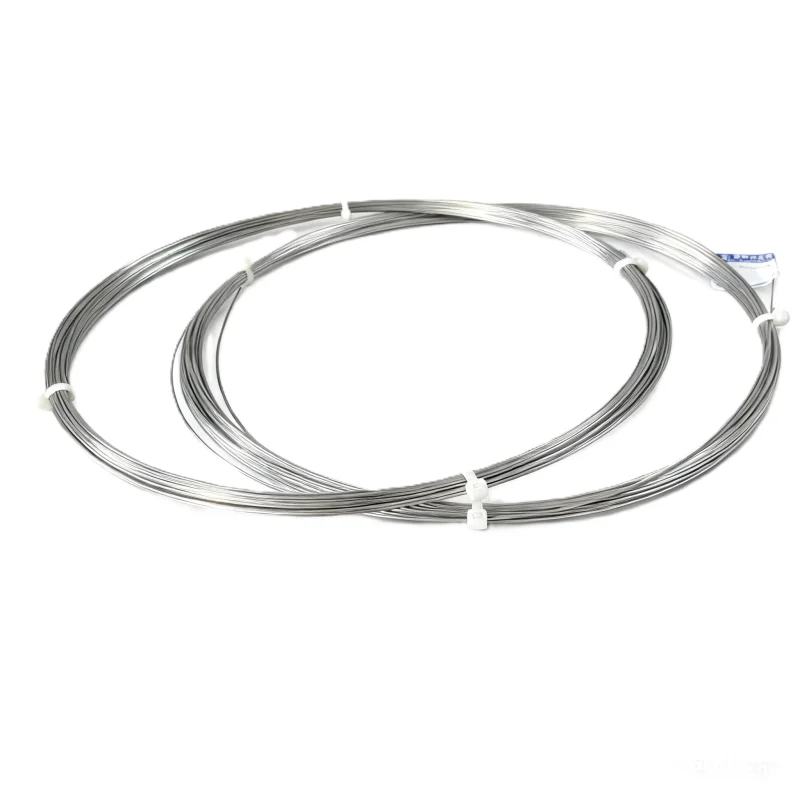
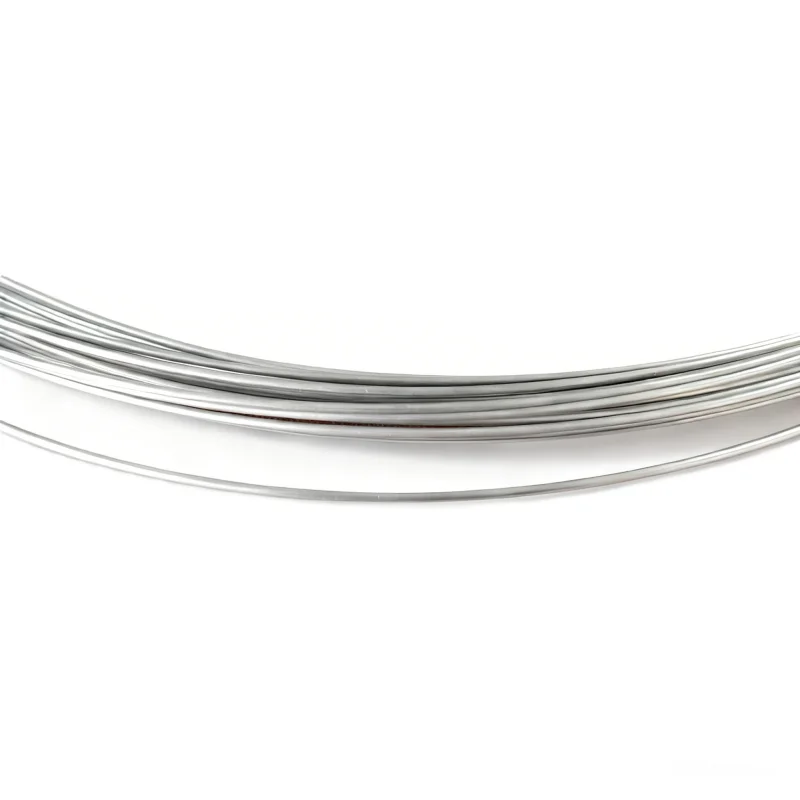
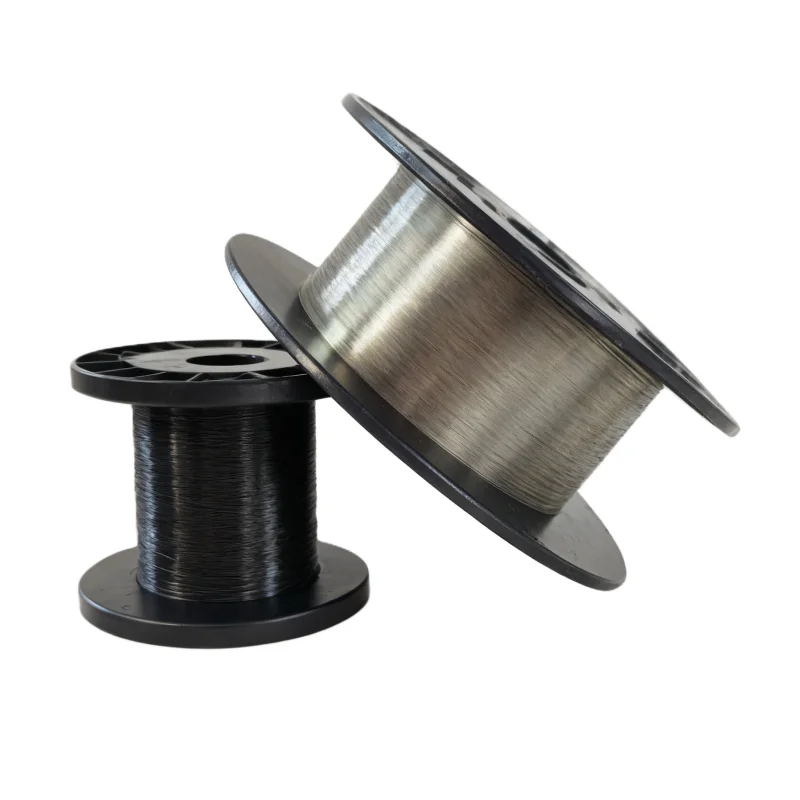
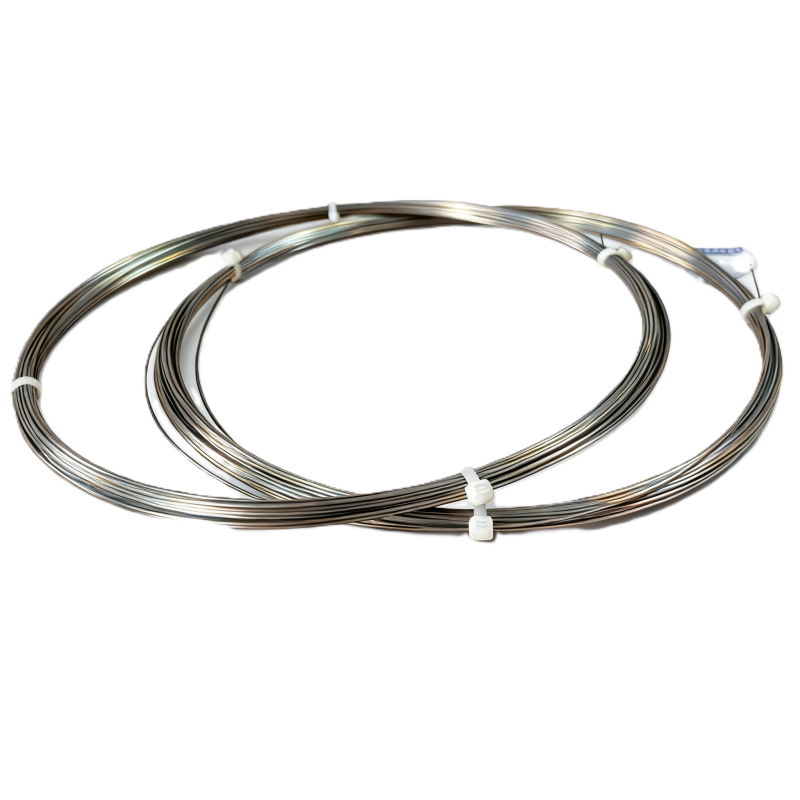
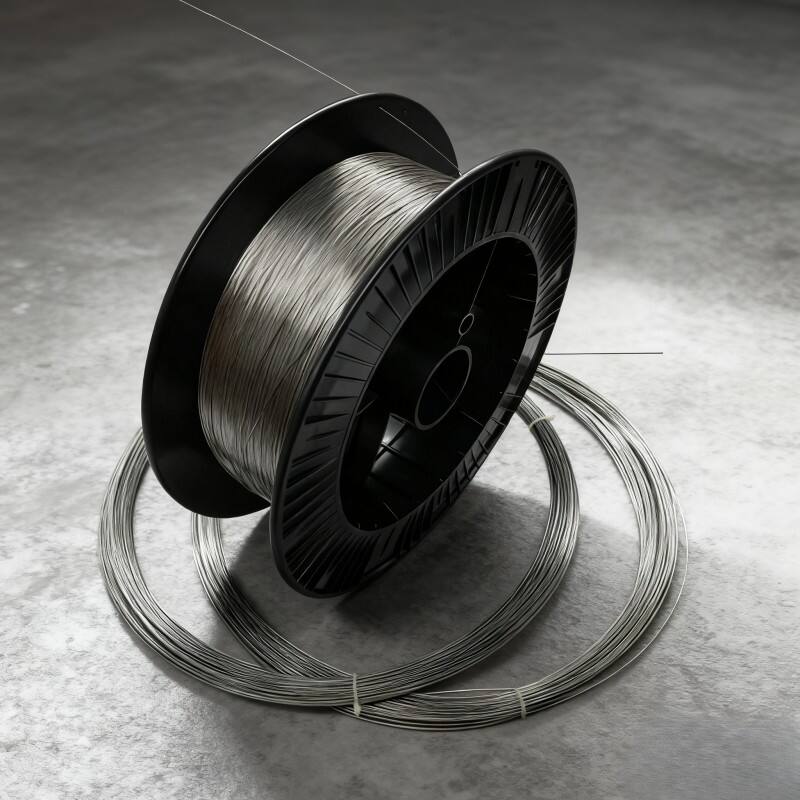
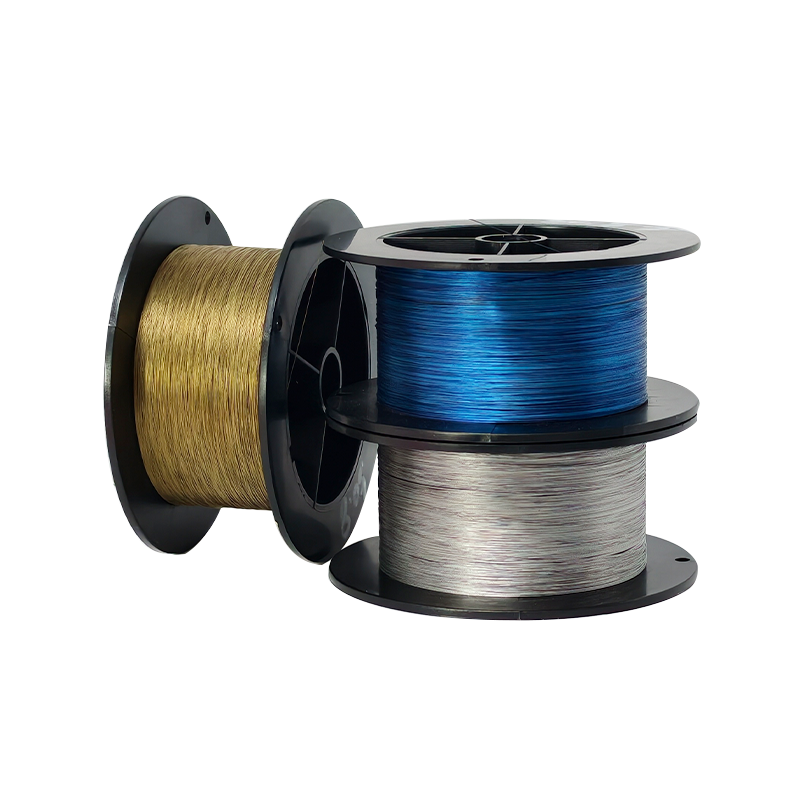
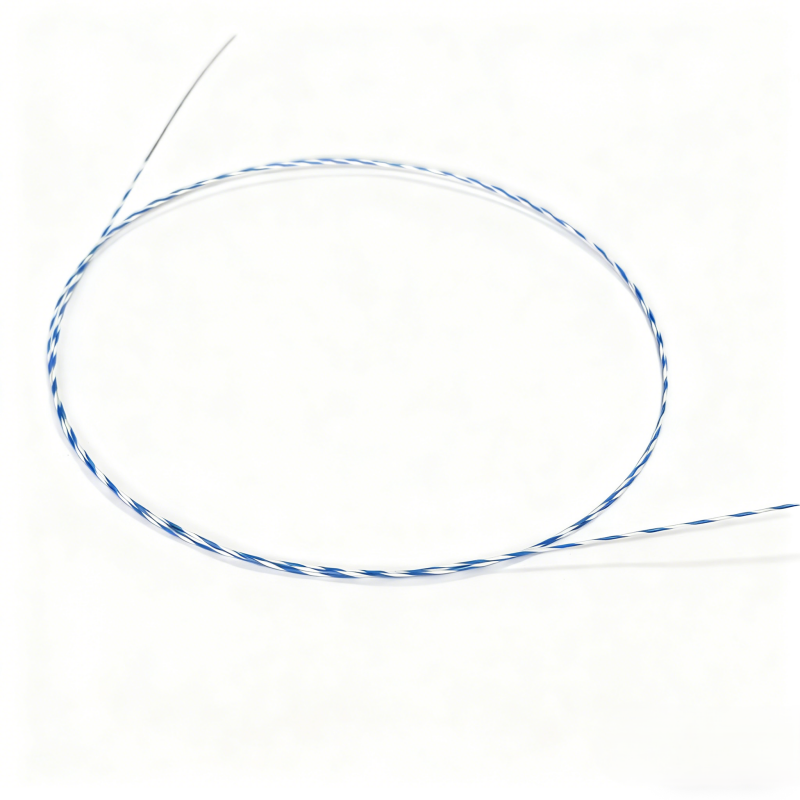
Guide wire price is a critical consideration for medical facilities, procurement teams, and healthcare professionals who rely on these essential tools for minimally invasive procedures. A guide wire is a thin, flexible wire used in interventional cardiology, radiology, and vascular surgery to navigate through blood vessels and body cavities, providing a pathway for catheters and other medical devices. Understanding guide wire price helps hospitals and clinics make informed purchasing decisions that balance quality, performance, and budget constraints. The guide wire price varies depending on several key factors, including material composition, coating technology, tip design, diameter, and intended clinical application. Standard guide wires used in routine procedures tend to be more affordable, while specialty guide wires engineered for complex cardiovascular or neurovascular interventions command a higher price point due to their advanced construction and precision manufacturing. From a technological standpoint, modern guide wires feature hydrophilic or hydrophobic coatings that reduce friction and improve trackability through tortuous anatomy. Core materials such as nitinol or stainless steel determine the wire's flexibility, torque response, and pushability. Tip configurations, including straight, angled, or J-shaped tips, are designed to navigate specific anatomical challenges. These technological advancements directly influence guide wire price, as higher-grade materials and more sophisticated manufacturing processes increase production costs. In clinical applications, guide wires are used across a wide range of procedures including coronary angioplasty, peripheral vascular interventions, biliary drainage, urological procedures, and neurovascular navigation. Each application demands specific performance characteristics, which is why guide wire price spans a broad spectrum. Procurement teams must evaluate guide wire price not only in terms of unit cost but also in terms of clinical outcomes, procedural efficiency, and compatibility with existing catheter systems. A thorough understanding of guide wire price empowers healthcare providers to optimize their supply chain, reduce waste, and deliver better patient care.


Popular Products

When evaluating guide wire price, the practical benefits go far beyond the number on the invoice. Choosing the right guide wire at the right price directly impacts procedural success, patient safety, and overall operational efficiency. Here is a straightforward look at why guide wire price matters and how making smart purchasing decisions delivers real value to healthcare providers and patients alike. First, competitive guide wire price allows hospitals to manage their budgets more effectively without sacrificing clinical quality. Medical facilities operate under tight financial constraints, and every dollar saved on consumables like guide wires can be redirected toward patient care, staff training, or equipment upgrades. When procurement teams source guide wires at a fair and transparent price, they gain the flexibility to stock a broader range of wire types, ensuring physicians always have the right tool available for any procedure. Second, understanding guide wire price helps facilities avoid overpaying for features they do not need. Not every procedure requires a premium specialty wire. By matching the guide wire price to the specific clinical requirement, hospitals reduce unnecessary expenditure while still maintaining high standards of care. This targeted approach to purchasing means that budget is allocated where it truly makes a difference. Third, a well-priced guide wire that performs reliably reduces procedure time. When a guide wire tracks smoothly, responds accurately to torque, and navigates anatomy without resistance, physicians complete procedures faster. Shorter procedure times mean less time under anesthesia for patients, lower risk of complications, and higher throughput for the facility. The guide wire price becomes an investment in efficiency rather than just a line-item cost. Fourth, transparent guide wire price structures build trust between suppliers and healthcare providers. When pricing is clear and consistent, procurement teams can plan ahead, negotiate volume discounts, and establish long-term supply agreements that protect against price volatility. This stability is especially important for high-volume facilities that use guide wires daily. Fifth, affordable guide wire price opens access to advanced technology for smaller clinics and community hospitals that might otherwise be priced out of premium products. When manufacturers offer competitive pricing tiers, more facilities can access high-quality guide wires, which ultimately raises the standard of care across the healthcare system. Sixth, evaluating guide wire price alongside product performance data enables data-driven purchasing. Facilities that track outcomes by product can identify which guide wires deliver the best results per dollar spent, creating a feedback loop that continuously improves procurement strategy. In summary, guide wire price is not just a cost metric. It is a strategic lever that influences clinical outcomes, operational efficiency, supplier relationships, and patient access to quality care. Smart purchasing decisions around guide wire price create lasting value for every stakeholder in the healthcare ecosystem.

Tips And Tricks

Why is phase transition stability of nickel titanium wire key to actuator success?

13

May

Why is phase transition stability of nickel titanium wire key to actuator success?

In the world of precision actuators, the materials used to generate motion are not merely components — they are the foundation of reliability. nickel titanium wire has emerged as one of the most compelling active materials in modern actuator engineer...
View More
Why do full-chain manufacturers provide a more stable supply of SMA wire?

14

May

Why do full-chain manufacturers provide a more stable supply of SMA wire?

In industrial and medical procurement, supply chain reliability is not a luxury — it is a fundamental requirement. When sourcing SMA wire, the type of manufacturer you partner with has a direct and measurable impact on delivery consistency, material ...
View More
Why do orthodontists prefer using orthodontic wire with shape memory?

15

May

Why do orthodontists prefer using orthodontic wire with shape memory?

In modern orthodontic practice, the materials used to move teeth are just as important as the clinical techniques applied. Among the many innovations that have transformed the field, orthodontic wire with shape memory stands out as one of the most cl...
View More
How to identify high-quality Nitinol sources with a 21-year background?

01

Jun

How to identify high-quality Nitinol sources with a 21-year background?

Sourcing Nitinol for industrial, medical, or specialty applications is not a decision that should be made lightly. Nitinol, the nickel-titanium shape memory alloy renowned for its superelastic behavior and thermal responsiveness, demands a level of m...
View More

Get a Free Quote

Our representative will contact you soon.
Email
Name
Company Name
Message
0/1000

guide wire price

Precision Engineering That Justifies Every Dollar of Guide Wire Price

Precision Engineering That Justifies Every Dollar of Guide Wire Price

One of the most compelling reasons to carefully evaluate guide wire price is the level of precision engineering that goes into every single wire. Modern guide wires are not simple metal filaments. They are highly engineered medical devices built to perform reliably inside the human body under demanding clinical conditions. When you understand what drives guide wire price, you gain a deeper appreciation for the technology you are purchasing and the value it delivers in the procedure room. The core of a high-quality guide wire is typically made from nitinol, a nickel-titanium alloy renowned for its superelastic properties and shape memory. This material allows the wire to bend and flex through complex, tortuous anatomy without kinking or breaking, then return to its original shape. Stainless steel cores offer a different performance profile, providing greater stiffness and pushability for procedures that require more force transmission. The choice of core material is one of the primary drivers of guide wire price, as nitinol is significantly more expensive to source and process than standard steel. Beyond the core, the outer coating of a guide wire plays a critical role in its clinical performance. Hydrophilic coatings absorb water and become extremely slippery when wet, dramatically reducing friction as the wire advances through vessels. This property is essential for navigating tight stenoses or crossing complex lesions. Hydrophobic coatings, on the other hand, repel water and provide a more tactile feel, giving physicians better feedback during manipulation. The application and quality control of these coatings add to the guide wire price but deliver measurable improvements in procedural outcomes. Tip design is another engineering variable that influences guide wire price. Floppy, atraumatic tips minimize the risk of vessel perforation, while stiffer tips provide the support needed to cross calcified or heavily diseased lesions. Some guide wires feature shapeable tips that physicians can manually bend to a custom angle before insertion, adding versatility that justifies a higher price point. Diameter tolerances are held to extremely tight specifications, often within fractions of a millimeter, to ensure compatibility with catheters and delivery systems. This level of manufacturing precision requires advanced equipment and rigorous quality assurance processes, both of which are reflected in guide wire price. For healthcare facilities, investing in precision-engineered guide wires at a fair price means fewer procedural complications, reduced need for repeat interventions, and better patient outcomes. The guide wire price paid upfront is far outweighed by the clinical and economic costs of a failed or complicated procedure.
Wide Application Range Makes Guide Wire Price a Smart Investment Across Specialties

Wide Application Range Makes Guide Wire Price a Smart Investment Across Specialties

Another major advantage that makes guide wire price a worthwhile consideration is the extraordinary range of clinical applications these devices support. Guide wires are not limited to a single specialty or procedure type. They are foundational tools used across interventional cardiology, peripheral vascular surgery, interventional radiology, gastroenterology, urology, and neurovascular intervention. This versatility means that understanding and optimizing guide wire price has a broad impact on a hospital's entire procedural portfolio. In interventional cardiology, guide wires are used to cross coronary lesions, navigate bifurcations, and support balloon and stent delivery during percutaneous coronary intervention. The demands placed on a coronary guide wire are intense, requiring a precise balance of flexibility, torque response, and tip sensitivity. Guide wire price in this segment reflects the specialized engineering required to meet these demands safely and consistently. In peripheral vascular procedures, guide wires must navigate longer distances through vessels in the legs, arms, and abdomen. These wires are often longer and designed with different stiffness profiles to maintain support over extended working lengths. The guide wire price for peripheral applications accounts for the additional material and manufacturing complexity involved. Interventional radiology relies on guide wires for procedures such as biliary drainage, nephrostomy, and tumor embolization. These applications often require wires that can transition between flexible and stiff segments, allowing the physician to navigate to a target site and then provide a stable platform for device delivery. The engineering behind these multi-segment wires contributes to a higher guide wire price but delivers capabilities that simpler wires cannot match. In urology, guide wires facilitate access to the ureter and kidney for stone removal and stent placement. Gastroenterology uses guide wires for endoscopic retrograde cholangiopancreatography and other biliary and pancreatic interventions. Each of these applications has unique requirements that drive product differentiation and guide wire price variation. For hospital procurement teams, recognizing the breadth of guide wire applications means they can negotiate smarter contracts that cover multiple departments, potentially achieving volume-based pricing that reduces the overall guide wire price per unit. Standardizing on a trusted product line across specialties also simplifies training, reduces inventory complexity, and improves supply chain reliability. The guide wire price, when viewed through the lens of multi-specialty utility, represents an investment that pays dividends across the entire institution.
Transparent Guide Wire Price Structures Drive Better Procurement and Long-Term Savings

Transparent Guide Wire Price Structures Drive Better Procurement and Long-Term Savings

The third key highlight surrounding guide wire price is the transformative impact that pricing transparency has on procurement strategy and long-term financial performance. In the medical device industry, pricing opacity has historically made it difficult for healthcare facilities to benchmark costs, negotiate effectively, or plan budgets with confidence. When guide wire price is transparent, clearly communicated, and consistently applied, it fundamentally changes the dynamic between suppliers and buyers in ways that benefit everyone involved. Transparent guide wire price structures allow procurement teams to conduct accurate cost comparisons across multiple suppliers. Rather than relying on opaque list prices that bear little resemblance to actual transaction prices, facilities can evaluate true cost per unit, factor in volume discounts, and calculate total cost of ownership including shipping, storage, and expiration waste. This level of financial clarity is essential for making purchasing decisions that align with both clinical and budgetary goals. When guide wire price is predictable, facilities can plan their supply chain with greater confidence. Budget cycles become easier to manage when procurement teams know what to expect from their key suppliers. Long-term supply agreements become more attractive when both parties have a shared understanding of pricing expectations, reducing the risk of sudden price increases that disrupt operations. Volume-based pricing tiers are a natural extension of transparent guide wire price structures. Facilities that commit to purchasing larger quantities can negotiate lower per-unit costs, creating a win-win scenario where the supplier gains revenue certainty and the buyer reduces their guide wire price per procedure. For high-volume centers performing hundreds of interventional procedures each month, even a modest reduction in guide wire price per unit translates into significant annual savings. Transparent pricing also supports value analysis committee reviews, which are standard practice in most hospital systems. These committees evaluate medical devices based on clinical evidence, safety data, and cost-effectiveness. When guide wire price is clearly documented and supported by performance data, the approval process moves faster and more smoothly, accelerating access to better products for clinical teams. Furthermore, pricing transparency fosters trust and long-term supplier relationships. When healthcare providers feel confident that they are receiving fair guide wire price without hidden fees or inconsistent discounting, they are more likely to consolidate their purchasing with a preferred supplier. This consolidation benefits both parties and creates a foundation for collaborative product development, clinical education, and supply chain innovation. In conclusion, transparent guide wire price is not just a purchasing convenience. It is a strategic asset that drives smarter procurement, stronger supplier partnerships, and sustainable cost management across the healthcare system.
Guide Wire Price: Complete Buying Guide, Features, and Best Value Options

Get a Free Quote

Our representative will contact you soon.
Email
Name
Company Name
Message
0/1000
Newsletter
Please Leave A Message With Us